
Importance of Quality Real Estate Photos
In the competitive landscape of real estate, the visual presentation of a property can significantly influence a potential buyer’s decision-making process. High-quality real estate photos serve as the first impression for online listings, capturing the essence of a property and highlighting its best features. These images not only attract more views but also foster emotional connections, encouraging prospective buyers to envision themselves living in the space.
Effective real estate photography is instrumental in showcasing the property’s layout, unique architectural details, and interior design elements in a way that ordinary photographs cannot convey. Clear, well-lit images help buyers understand the scale and flow of the space, reducing uncertainty and potential misinterpretations before they schedule a viewing. This leads to more qualified inquiries and accelerates the sales process.
In addition, aesthetic and professional photos enhance the credibility and perceived value of the property. In an online marketplace where buyers cannot physically inspect a home before making their decision, compelling visuals stand out amidst numerous listings. They serve as a powerful marketing tool, elevating brand reputation for real estate agents and property owners alike.

Impressively captured images can also increase the likelihood of properties selling faster and at desirable prices. In essence, investment in professional real estate photography translates into tangible benefits, creating a significant impact on the overall success of property sales and marketing strategies.
Key Elements of Professional Real Estate Photography
Lighting
Proper lighting is the foundation of high-quality real estate images. Utilizing natural light whenever possible helps to create bright, inviting spaces that accurately represent the property's ambiance. However, supplementing natural light with the strategic use of professional lighting equipment ensures consistent brightness and highlights architectural details. Balancing exposure levels prevents dark shadows and overexposed areas, resulting in clear, detailed photographs that capture the true character of each room.
Composition
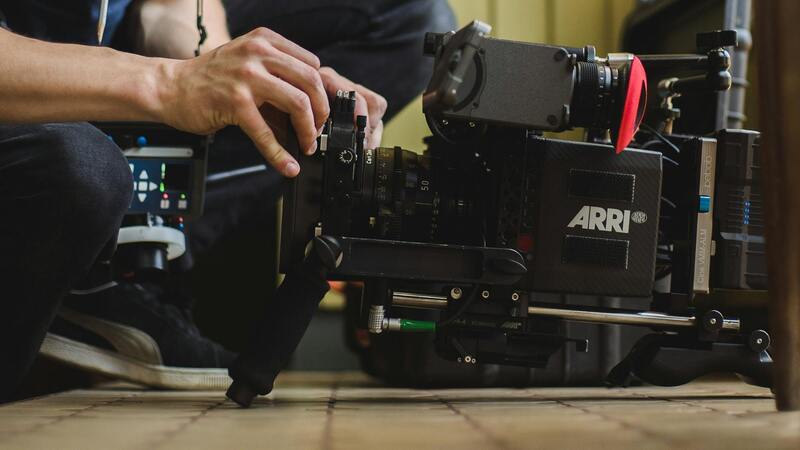
Thoughtful composition plays a critical role in making a property visually compelling. Using techniques such as the rule of thirds, leading lines, and framing guides viewers’ eyes through the photograph, highlighting the property’s best features. Incorporating wide-angle lenses allows photographers to capture more of a room in a single shot, showcasing spatial dimensions effectively. Proper framing and perspective eliminate distractions and distortions, presenting the property in the best possible light.

Staging
Staging transforms a property into a welcoming and aspirational space. Decluttering, rearranging furniture, and adding tasteful decor accentuate the property's strengths and create a cohesive aesthetic. Well-staged rooms evoke emotional responses and help prospective buyers envision living there. Professional staging can also highlight spaciousness and functionality, which are crucial factors in making purchasing decisions.
Camera Settings
Choosing the appropriate camera settings ensures technical excellence in each shot. Utilizing low ISO settings minimizes graininess, while aperture settings control depth of field. A wide-angle lens with a small aperture allows for sharp images with extensive depth, capturing entire rooms without distortion. Proper white balance adjustments maintain accurate color representation, contributing to photo consistency across all listings. These technical considerations enable the creation of professional, high-resolution images essential for effective real estate marketing.
Choosing the Right Photography Equipment
Securing the appropriate photography tools is fundamental in capturing compelling real estate images that attract potential buyers. For Miami properties, where diverse architectural styles and interior designs are prevalent, selecting the right equipment ensures that each shot accurately reflects the property's appeal and unique features.
High-resolution digital cameras with full-frame sensors are preferred due to their superior image quality and ability to perform well in various lighting conditions typical of Miami interiors and exteriors. These cameras facilitate capturing detailed textures and vibrant colors essential for showcasing luxury and architectural details.
Wide-angle lenses, typically ranging from 10mm to 24mm, are indispensable for real estate photography. They allow photographers to encompass expansive spaces within a single frame, making rooms appear larger and more inviting. When paired with a camera that offers adjustable aperture settings, these lenses enable crisp images with a balanced depth of field.
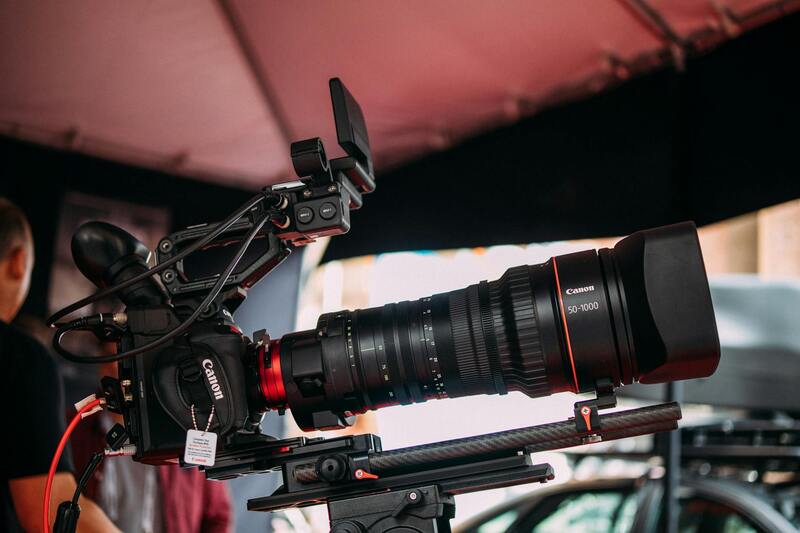
Tripods are equally vital, providing stability for sharp images, especially in low-light scenarios or when longer exposure times are necessary. Remote shutter releases or electronic triggers reduce camera shake, ensuring clarity and precision in every shot.
Lighting equipment such as portable flashes, reflectors, and diffusers can enhance natural light and eliminate shadows, particularly in interiors where light levels vary. In outdoor settings, utilizing reflectors or supplementary lighting can highlight architectural features and landscape details effectively.
Additional accessories, like polarizing filters or graduated neutral density filters, help manage reflections and contrast, ensuring the final images are well-balanced. Proper equipment selection not only elevates technical quality but also streamlines the shooting process, allowing for more efficient production of high-quality photos within Miami's dynamic environment.
Investing in professional-grade gear and understanding how to utilize it optimally are key steps toward achieving stunning visual content that elevates online listings and captivates prospective buyers.
Staging and Preparing Properties for Photos
Proper staging and meticulous preparation are critical to presenting properties in their best light. In Miami's competitive real estate market, where first impressions significantly influence buyer decisions, attention to detail in staging can make a substantial difference.
Effective staging involves decluttering spaces to create a clean, organized appearance that allows prospective buyers to envision their own lives in the property. Rearranging furniture to optimize flow and highlighting key features such as views, appliances, or architectural details adds appeal and strategic value.
Adding tasteful decor, fresh flowers, and strategic lighting enhances the ambiance, making spaces appear warm and inviting. For outdoor areas, maintaining well-kept lawns, tidy patios, and vibrant landscaping maximizes curb appeal, which is often the first interaction buyers have with a property.

Preparation also includes ensuring that all elements are meticulously cleaned, appliances are spotless, and windows are free of streaks to allow maximum natural light. Timing photographs during optimal lighting conditions—usually early morning or late afternoon—can accentuate the property's best features with natural warmth and soft shadowing.
By investing in professional staging and strategic preparation, real estate professionals can significantly enhance the visual narrative of each listing, making it more compelling and appealing in competitive Miami markets.
Post-production Editing and Enhancement
After capturing high-quality shots of a property, the editing process plays a crucial role in maximizing visual impact. Professional real estate photographers utilize advanced editing techniques to correct lens distortions, balance exposure, and enhance colors, ensuring each image accurately represents the property's true appearance. This step is essential for maintaining consistency across listings and creating a polished, inviting presentation that attracts prospective buyers.
Editing also involves removing minor imperfections such as transient distractions, blemishes, or small artifacts that may detract from the overall image quality. Utilizing subtle enhancements to highlight architectural features or specific interior details can subtly draw attention to the property's best attributes without misleading viewers. This careful balance between enhancement and authenticity reinforces trust with potential buyers and preserves the integrity of the listing.
Color correction is another vital aspect, ensuring that hues are true to life while enhancing vibrancy to make the property stand out. Adjustments to contrast and sharpness can add depth and clarity, making images more eye-catching in online environments where viewers quickly scroll through multiple listings. The goal is to produce images that are both realistic and visually compelling, increasing the likelihood of viewer engagement and positive inquiries.

Optimizing Photos for Online Listings
Once images are edited, the next step involves tailoring them specifically for digital platforms. Optimizing photos includes resizing images to appropriate dimensions to ensure quick loading times without sacrificing quality. Fast-loading images improve user experience and are favored by search algorithms, leading to higher visibility in property searches.
Applying suitable file formats—such as JPEG or WebP—balances image quality with compression efficiency, ensuring the photos look sharp across all devices, from desktops to smartphones. Name conventions and descriptive alt text should be incorporated consistently, aiding in both organization and search engine indexing.
Additionally, strategic placement of key photos within the listing—such as main exterior shots and captivating interior perspectives—can influence viewer engagement. Highlighting unique features, such as waterfront views or upscale amenities, in the initial images entices potential buyers to explore further. Utilizing a consistent, professional style across all photos enhances the overall brand presence and trustworthiness of the listing.
Post-production Editing and Enhancement
After capturing high-quality real estate photos, the editing process plays a crucial role in presenting properties in their best light. Professional editing techniques should focus on enhancing lighting, adjusting color balances, and sharpening details to create visually appealing images that accurately reflect the property's features. It is essential to maintain a balance that ensures images look inviting without appearing overly manipulated, which could mislead viewers.
Lighting adjustments can help correct any inconsistencies caused by natural light conditions during the shoot. Brightening shadows or reducing glare enhances the clarity of interior spaces, making them more inviting. Color correction ensures that walls, furnishings, and exterior elements retain their true hues, providing an authentic representation.
Additional enhancements such as noise reduction, minor perspective corrections, and sky replacements (where appropriate) can further improve image quality. Advanced editing software enables subtle retouching, like removing distracting elements or polished reflections, without compromising realism. This level of meticulous attention reflects a professional approach and builds trust with potential clients.
In creating a cohesive visual identity, maintaining a consistent editing style across all property images supports brand recognition and enhances the overall presentation of listings. High-quality, properly edited photos can significantly elevate a property's perceived value and attract more engagement from prospective buyers or tenants.
Legal and Ethical Considerations in Property Photography
Maintaining integrity in real estate marketing photos is critical to fostering trust with potential buyers and tenants. Accurate representation of a property's features ensures that listings reflect what viewers can expect during physical visits, preventing any misinterpretations that might lead to dissatisfaction or lost credibility. Photographers and property owners should strive to present images that truthfully showcase the size, layout, and condition of the property without exaggeration or deception.
It is equally important to obtain the necessary permissions before capturing images of private or leased properties. Respect for privacy and property rights should guide all photographic activities. Ensuring that no personal belongings, confidential documents, or private spaces are unintentionally visible in photos upholds respectful professionalism and maintains the trustworthiness of the listing.
Adhering to appropriate lighting and editing practices also plays a role in ethical real estate photography. While enhancing images is standard to showcase a property at its best, over-editing or manipulating images to significantly alter the property's true appearance can mislead viewers. Subtly correcting lighting, removing minor distractions, or adjusting perspective should be performed with an emphasis on authenticity, avoiding any tactics that might distort the viewer's expectations.

Moreover, compliance with all applicable guidelines regarding advertising standards enhances transparency and professionalism. Clear disclosure of any modifications made to images or lighting adjustments fosters honest communication with prospective clients. Maintaining a consistent, truthful approach in visual marketing not only supports a strong reputation but also helps in attracting serious buyers who appreciate transparency and accuracy in listing materials.
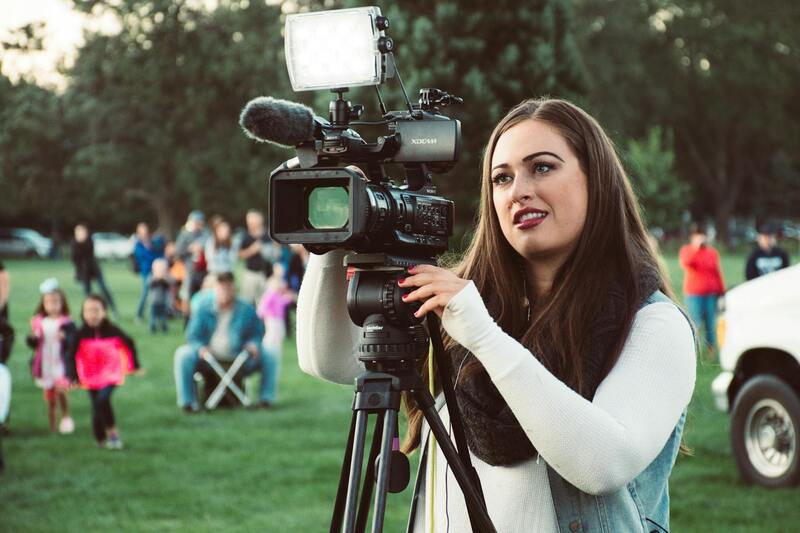
Legal and Ethical Considerations in Property Photography
In the realm of real estate marketing, maintaining integrity and professionalism is paramount to uphold trust with clients and prospective buyers. Professional photography must adhere to established guidelines concerning consent, privacy, and fair use. Securing explicit permission from property owners before conducting a photoshoot not only demonstrates respect for their estate, but also aligns with industry standards. This ensures that all parties are informed about how images will be used and disseminated, especially when photos are intended for prominent online listings that reach a broad audience.
Respecting the privacy of tenants or residents is equally important. When shooting in leased or occupied properties, photographers should avoid capturing personal belongings, confidential documents, or private spaces that could compromise individual privacy. Proper framing, strategic angles, and careful editing help minimize the risk of revealing sensitive areas or personal items, thereby maintaining confidentiality and professionalism.
The principles of fair use and copyright must also be observed. Photographers should ensure that all images are original or properly licensed, avoiding unauthorized use of third-party content that could infringe upon intellectual property rights. When editing images, subtle enhancements that do not distort the property's true appearance should be employed, and any modifications should be transparently disclosed. This approach not only safeguards legal compliance but also reinforces honest and transparent marketing practices.
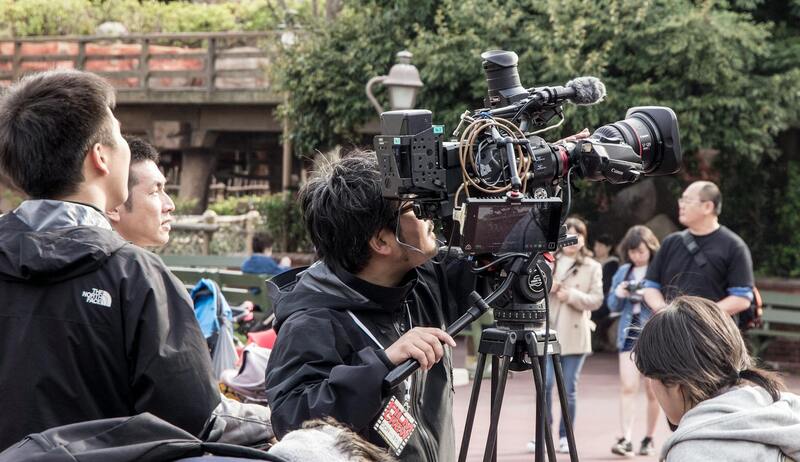
Beyond legalities, ethical photography contributes to a positive reputation within the industry. Authentic imagery, obtained through proper practices, nurtures trust among clients and buyers alike. Clearly communicating any post-production adjustments and avoiding deceptive over-editing further bolsters credibility. Clients and prospective buyers respond favorably to listings that display honest representations, which often leads to more serious inquiries and successful transactions.
In an increasingly digital marketplace, transparent and ethically produced imagery plays a crucial role in the overall success of property marketing strategies. Comprehensive understanding and respect for consent, privacy, and copyright are essential for photographers aiming to uphold industry standards and foster long-term client relationships. When these principles are integrated into every stage of the photographic process, the resulting images not only meet professional expectations but also serve as trustworthy tools that effectively attract qualified prospects and facilitate seamless property sales.
Legal and Ethical Considerations in Property Photography
Adhering to established standards in real estate photography ensures that property representations remain truthful and trustworthy. These standards encompass obtaining appropriate permissions for any copyrighted images used, respecting the privacy of current occupants, and ensuring that photographs do not mislead potential buyers through deceptive angles or misleading edits. Transparency in post-production processes, including disclosing any significant modifications, fosters credibility and supports a reputation for ethical marketing practices. This is particularly vital when showcasing properties with unique features or otherwise sensitive elements that require careful handling.
Maintaining clear boundaries around consent is essential. For example, if photographing a property involves capturing images of neighboring properties or private spaces, obtaining explicit permission helps avoid misunderstandings and potential disputes. Similarly, respecting the rights of individuals present in or near the property during shoots aligns with professional standards. It is important to communicate openly with property owners and clients about what the photographic process entails, ensuring everyone’s expectations are aligned and that practices reflect integrity.

Enforcing these principles safeguards against legal complications and strengthens client trust. When images accurately depict the property's condition and features, prospects are more likely to develop genuine interest, reducing the risk of disappointment or disputes following a sale.
- Authenticity: Ensure all images are true to the property's current state, preventing any form of misrepresentation.
- Permission: Secure necessary rights from property owners and occupants before capturing images.
- Transparency: Clearly disclose any significant image adjustments during post-processing or editing.
- Respect: Maintain privacy and avoid intrusions into non-public spaces or private moments.
In the competitive Miami real estate market, these ethical practices reinforce professionalism and contribute to sustained industry excellence. Authentic and transparent visuals serve as reliable tools in attracting serious buyers, ultimately simplifying the transaction process and fostering positive reputation growth within the local market.