
Importance of Professional Real Estate Photography
In the dynamic and competitive Miami real estate market, the significance of high-quality property images cannot be overstated. Catching the eye of potential buyers begins with compelling visuals that showcase a property's best features. Professional real estate photography serves as a critical tool in attracting a wider audience, increasing online visibility, and ultimately accelerating the sales process. Well-crafted images not only highlight the property's architectural details, interior design, and unique selling points but also create an emotional connection with prospective buyers.
With Miami's diverse property landscape—ranging from luxury condos and waterfront estates to cozy family homes—high-resolution images are essential in emphasizing each property's distinctive qualities. In a market where buyers often browse dozens of listings daily, the quality of photographs can make a significant difference in whether a property garners attention or gets overlooked. Expertly produced images convey professionalism and establish credibility, reassuring buyers of the property's value and desirability.
Additionally, the strategic use of professional photographs can influence how a listing performs across various digital platforms. High-quality images tend to achieve higher engagement, longer viewing times, and increased sharing, thereby expanding the property's reach. In essence, investing in professional real estate photography enhances a property's marketability, speeds up the closing process, and maximizes return on investment for sellers and agents alike.
Beyond the aesthetic appeal, professional images contribute to building trust with prospective buyers. Clear, well-lit, and expertly composed photographs signal that the property has been presented with care and attention to detail. In Miami's highly competitive market, these visuals serve as a powerful marketing asset, helping properties stand out amid numerous listings. As digital marketing continues to dominate real estate sales, the importance of compelling visual content remains unparalleled in successfully closing deals and securing prime listings.
Key Elements of Impactful Real Estate Images
Creating compelling real estate images involves a careful blend of technical skill and aesthetic judgment. Effective images are characterized by several essential elements that can significantly influence a potential buyer’s perception of a property. These components include optimal lighting, precise composition, effective staging, and high-quality equipment usage.

Lighting
Lighting plays a pivotal role in the appeal of real estate photography. Natural light, when utilized effectively, creates inviting, warm images that showcase a property’s spatial dimensions and interior ambiance. The timing of the shoot, often during the 'golden hour' — shortly after sunrise or before sunset — can produce softer shadows and a more flattering glow. Additionally, supplemental lighting or flash equipment may be employed to illuminate darker areas without creating harsh shadows, maintaining the authentic look of the space.
Composition
Proper composition ensures that each photograph captures the property's strengths while minimizing distractions. Techniques such as the rule of thirds, leading lines, and strategic framing help guide the viewer's eye through the space, emphasizing key features like expansive windows, modern kitchens, or scenic views. Maintaining a consistent perspective across images ensures a cohesive visual narrative of the property.
Staging and Decor
Staged and well-decorated interiors significantly enhance visual appeal. Minimalistic, clutter-free settings allow viewers to envision themselves living in the space. Fresh flowers, tasteful artwork, and neutral color palettes contribute to a welcoming atmosphere and help highlight architectural details. Proper staging can transform an ordinary room into an extraordinary highlight of the listing.
Equipment Quality
High-resolution cameras, wide-angle lenses, and tripod stabilization are foundational to capturing clear, distortion-free images. Advanced techniques, such as HDR (High Dynamic Range) imaging, combine multiple exposures to balance interior brightness with exterior views, revealing details that might otherwise be lost. Such equipment ensures images are sharp, vibrant, and true to life, which is crucial in attracting serious inquiries and facilitating online engagement.
Use of Strategic Angles and Perspectives
Capturing the property from the right angles ensures that its most attractive features are highlighted effectively. Wide-angle lenses are fundamental in this aspect, allowing for the inclusion of more of a room within a single shot, thus conveying the sense of space accurately. When selecting perspectives, professional photographers often position themselves at eye level to provide a relatable view that resonates with potential buyers. High vantage points are also useful for showcasing expansive outdoor areas or the layout of an interior space, offering a comprehensive view that complements the property's stand-out elements.
Lighting Techniques and Timing
Lighting plays a pivotal role in photography, directly influencing the mood and perception of a property. Professional real estate photographers often schedule shoots during the golden hour—shortly after sunrise or before sunset—when natural light is warm and soft, reducing harsh shadows and glare. Additionally, indoor lighting can be enhanced with supplementary lights or reflectors to brighten dark corners without overexposing other areas. Proper lighting can accentuate architectural details, reveal textures, and create inviting atmospheres that appeal to prospective buyers.
Maintaining Consistency Across Images
Consistency in image style and quality ensures a coherent visual narrative throughout a property listing. This includes using similar lighting settings, perspectives, and compositional techniques across all photos. Consistent color grading and exposure levels also help in creating a professional appearance that aligns with branding standards. When viewers encounter a seamless sequence of images, it facilitates a smoother mental visualization of the space, encouraging more engagement and interest from potential buyers.
Highlighting Key Features with Detailed Shots
While wide shots provide an overall view, close-up and detailed images are essential in emphasizing unique aspects of a property. Architectural accents, luxurious fixtures, or custom finishes are best showcased through focused photography that captures texture and craftsmanship. Such detailed shots serve to deepen the viewer's understanding of the property's quality and character, making listings more compelling and informative.

Conclusion
In professional real estate marketing, the quality and strategy behind photography directly influence a property's marketability. Using appropriate angles, lighting, and detailed shots ensures that the visual storytelling resonates with prospective buyers. The goal is to produce images that are not only visually appealing but also accurately represent the property, fostering trust and increasing online engagement. High-quality real estate images serve as an essential tool in attracting serious inquiries and closing sales efficiently, making the investment in professional photography a crucial component of a comprehensive marketing strategy.
Post-Production and Editing of Real Estate Photos
Effective post-production and editing are crucial phases in the creation of compelling real estate images. Once the photoshoot is complete, meticulous editing ensures that each image accurately represents the property's features while enhancing visual appeal. Adjustments to brightness, contrast, and color balance help achieve a natural and inviting look that resonates with prospective buyers. Skilled retouching can remove minor imperfections such as dust, fingerprints, or distractions that might detract from the property's presentation.
In addition to basic corrections, advanced editing techniques can be employed to manage dynamic range and optimize lighting conditions. High Dynamic Range (HDR) imaging, for example, combines multiple exposures to produce images with balanced highlights and shadows, revealing more detail in both bright and dark areas. This is particularly effective for properties with large windows or complex lighting scenarios, resulting in images that appear both vibrant and true to life.
Color correction is another vital step. It involves ensuring that wall tones, flooring hues, and decor colors are consistent and true to the actual property. Misrepresentations caused by improper white balance or lighting inconsistencies can be misleading and undermine buyer trust. Consistent color grading across a series of images helps establish a cohesive visual story that supports your marketing campaign.
Furthermore, image cropping and perspective adjustments help direct the viewer’s focus, improving composition and framing. Correcting distortions, especially in wide-angle shots, ensures straight lines and proportionate spaces, which are essential for a professional appearance. Executive-level real estate photography also involves removing extraneous objects or clutter that could distract or detract from the property’s appeal.
To maximize the impact of real estate images, many professionals use software like Adobe Lightroom or Photoshop, which provide a suite of tools designed for fine-tuning photos. Investing time in meticulous post-production ensures that the final images are maximized for visual impact and aligned with the overall marketing strategy.
Utilizing Professional Editing Software to Enhance Real Estate Images
Once the initial photography session concludes, the role of post-processing becomes critical in elevating real estate images to a professional standard. Top-tier editing tools such as Adobe Lightroom and Photoshop are instrumental in fine-tuning the visual elements of property photos. These programs allow photographers to adjust brightness, contrast, and saturation, ensuring that the images accurately represent the property’s true appearance. Additionally, they enable precise color correction to maintain consistency across all photographs, which is essential for creating a cohesive visual narrative that resonates with prospective buyers.
One key aspect of editing involves correcting perspective distortions, particularly in wide-angle shots. Straightening lines, adjusting for lens distortion, and ensuring proportional representation of rooms prevent the images from appearing skewed or misleading. Removing extraneous objects—such as personal clutter or temporary fixtures—can significantly enhance the aesthetic appeal, directing viewer focus squarely on the property's features.
Sharpening images to enhance clarity without introducing noise is another fundamental technique, making details like intricate moldings, textured walls, or high-quality finishes stand out vividly. Masking tools and other advanced editing features facilitate targeted enhancements, ensuring the adjustments remain natural and do not over-edit the images, which could otherwise diminish authenticity.
Furthermore, consistent application of editing standards across all images helps establish a professional look and feel for the listing. Standardizing white balance, color grading, and exposure settings prevent visual discrepancies that could distract potential clients. These meticulous adjustments reflect a commitment to quality and transparency, fostering trust among viewers.
Incorporating subtle enhancements like local adjustments for specific areas or natural de-noising techniques can elevate the overall quality while preserving realism. The goal is to produce images that appeal visually, evoke emotion, and accurately depict the property, ultimately driving engagement and interest.
Maximizing Image Impact for Digital Real Estate Marketing
High-quality images serve as a cornerstone of compelling digital listings. Proper optimization involves preparing images not only for display on websites but also for social media, email campaigns, and virtual tours. Ensuring fast loading times by compressing files without sacrificing resolution preserves user experience and maintains website performance. Furthermore, creating different versions suited for various platforms—such as thumbnails, banner images, or square formats—can enhance visibility and engagement across multiple channels.
Adhering to best practices for image dimensions and aspect ratios guarantees consistency in presentation, reinforcing a professional brand image. Employing SEO strategies, such as labeling images with descriptive alt text, can also improve search engine rankings, increasing the listing’s outreach.
Integrating these images thoughtfully into property listings, email campaigns, and social media posts ensures that each visual element contributes meaningfully to the overall marketing strategy. A combination of technical excellence in editing and strategic deployment across digital platforms maximizes the appeal of each property. The result is a sharp, vibrant, and authentic visual presentation that captures attention and compels viewers to explore the property further. The importance of professional real estate images cannot be overstated—they are fundamental to creating trust, generating leads, and ultimately closing sales.
Legal and Ethical Considerations in Property Photography
To ensure that your real estate marketing pictures meet high standards of professionalism and trustworthiness, it is essential to adhere to established guidelines that respect the rights of all parties involved. Obtaining explicit permission from property owners or tenants before capturing images is a fundamental step. This not only fosters transparency but also helps maintain good relationships and avoids potential misunderstandings.
Responsibility extends to accurately representing the property’s features and avoiding any form of misleading imagery. This includes refraining from digital enhancements or staging that could alter the property's true condition or appearance in a way that might deceive prospective buyers or tenants.
Respecting privacy and confidentiality is crucial, particularly when photographing interiors or outdoor areas that may include personal belongings, license plates, or other identifiable information. Proper framing and careful editing should be employed to obscure or omit such sensitive elements.
Additionally, aligning with professional standards and industry best practices entails using equipment and techniques that produce honest and high-quality images. This demonstrates integrity and fosters trust with clients and potential buyers.

Adherence to regional regulations and guidelines related to drone photography or aerial imaging is also vital. These rules often specify where and how aerial shots can be captured to respect privacy rights and safety protocols.
By maintaining a professional and ethical approach in real estate photography, agents and property marketers can build a reputation for reliability and integrity. This, in turn, increases confidence among clients and prospects, leading to more successful outcomes in property transactions.
Legal and Ethical Considerations in Property Photography
Ensuring that real estate images reflect an authentic representation of properties is essential for maintaining transparency and credibility in marketing efforts. Acquiring proper permissions before photographing private areas, residents, or sensitive features safeguards the rights of individuals and respects their privacy. This involves obtaining consent, especially when capturing images that might include personal belongings, confidential information, or restricted access areas.
Careful attention should be paid to the portrayal of the property’s condition, avoiding any digital alterations that could embellish or distort reality. The use of consistent lighting techniques and accurate angles helps convey genuine details, enabling prospective buyers to make informed decisions based on trustworthy visuals. This approach not only fosters trust but also diminishes the risk of disputes arising from misrepresented imagery.
Authenticity extends to adhering to regional guidelines and standards governing drone or aerial photography, especially in densely populated or regulated zones. Compliance with specific altitude restrictions, no-fly zones, and privacy protocols ensures that aerial shots do not infringe on personal privacy or safety protocols. When working with aerial imagery, securing necessary clearances and operating within predetermined boundaries is paramount.
Incorporating professional ethical standards into real estate marketing images demonstrates a commitment to integrity and transparency. This respect for truthfulness not only satisfies industry expectations but also fosters long-term relationships with clients and prospects. When images accurately reflect a property's current state and features, clients are better equipped to evaluate options genuinely, leading to more confident purchasing decisions.
Moreover, adhering to ethical practices in photography helps differentiate reputable agencies from less scrupulous competitors, ultimately reinforcing the agency's standing within the community.
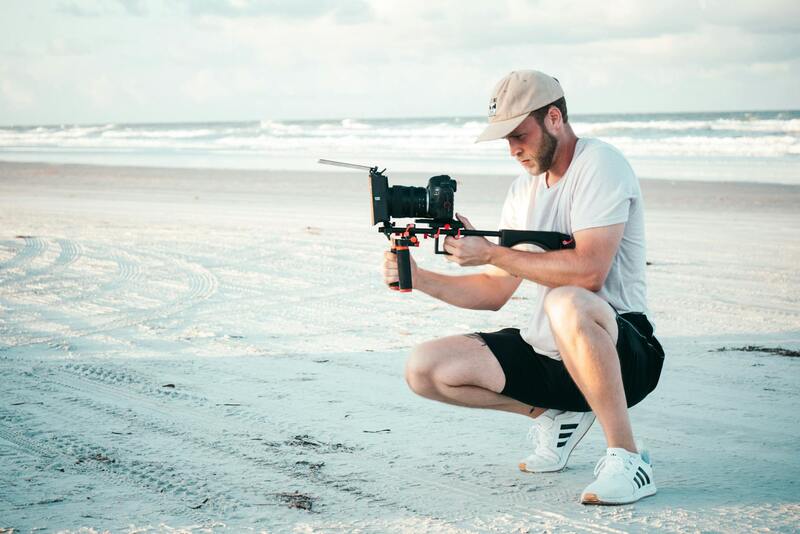
Implementing these practices alongside rigorous attention to detail, technical proficiency, and creative excellence results in marketing images that truthfully represent properties, resonate with target audiences, and support effective sales strategies. The combination of legality, ethics, and professionalism creates a solid foundation for impactful real estate visual marketing in Miami and beyond.
Legal and Ethical Considerations in Property Photography
Ensuring that all real estate marketing pictures adhere to established legal and ethical standards is essential for maintaining trust and credibility within the industry. Recording accurate representations of a property not only aligns with professional integrity but also supports transparent communication with prospective buyers. This involves a rigorous approach to capturing images that genuinely reflect the property's current condition, layout, and features without any manipulation or misleading enhancements.
One of the fundamental aspects of responsible real estate photography is obtaining proper permissions and disclosures, particularly when photographing private property interiors or sensitive areas. Photographers must respect privacy boundaries, avoiding intrusive angles that could inadvertently expose personal or confidential information. In outdoor photography, a careful assessment of public versus private zones is necessary to prevent conflicts or misrepresentations.

Maintaining transparency throughout the photographing process fosters trust with clients and prospective buyers alike. Ethical photography practices include honest depiction of the property's condition, clear framing, and avoidance of techniques that could artificially enhance size or appeal without basis. This commitment to factual representation builds long-term relationships and enhances brand reputation.
Respecting Privacy and Confidentiality
- Gaining consent: Always seek permission before photographing interiors or personal spaces to respect tenant or owner privacy.
- Blurring sensitive areas: Use techniques to obscure or avoid revealing confidential information, such as private gardens or components that might infringe on neighbors' privacy.
- Proper signage and notices: In public spaces or outdoor settings, ensure signage and property boundaries are clear to avoid misunderstandings.
Respect for Community and Personal Safety
- Adhering to safety protocols: When capturing aerial or drone imagery, follow local regulations regarding altitude restrictions and property access.
- Minimizing disruption: Schedule shoots to avoid interference with residents or ongoing activities.
- Environmental consideration: Be mindful of natural preservation areas, and avoid causing damage or disturbance during the photo session.
Maintaining Industry Standards
Adopting higher standards of professionalism and integrity ensures that the marketing images uphold the industry's reputation. Properly edited images must still accurately reflect the property, avoiding deceptive enhancements or omissions. This also involves being transparent about post-production modifications, such as color correction or structural adjustments, to prevent misleading viewers.
Collaborating with licensed and experienced professionals who understand the nuanced legal landscape of real estate photography significantly minimizes risks and upholds quality. Regularly reviewing industry guidelines and adhering to best practices ensures compliance and promotes a positive image of the agency or photographer within Miami’s vibrant real estate market.