
Understanding the Importance of Quality Visual Content
In the competitive Miami real estate market, the visual presentation of a property plays a pivotal role in attracting potential buyers and investors. High-quality real estate photography and videography serve as powerful tools to showcase a property's best features, generating interest and fostering quicker sales. Engaging visuals help listings stand out amid a sea of options, capturing the essence of each property with clarity and appeal.
When prospective buyers browse online listings, their initial impression depends heavily on visual content. Images that are sharp, well-lit, and professionally composed create a sense of trust and authenticity. Moreover, compelling videos allow viewers to experience a property dynamically, offering a virtual walkthrough that highlights layout, space, and ambiance. In Miami's vibrant market, where luxury and modern aesthetics are in high demand, polished visual storytelling can significantly influence buying decisions.
Effective real estate visuals not only attract attention but also extend the reach of marketing efforts. They are essential for multiple platforms including MLS listings, social media campaigns, and dedicated property websites. Well-crafted images and videos reduce the need for multiple viewings, enabling buyers to make informed decisions from afar and accelerating the sales process.
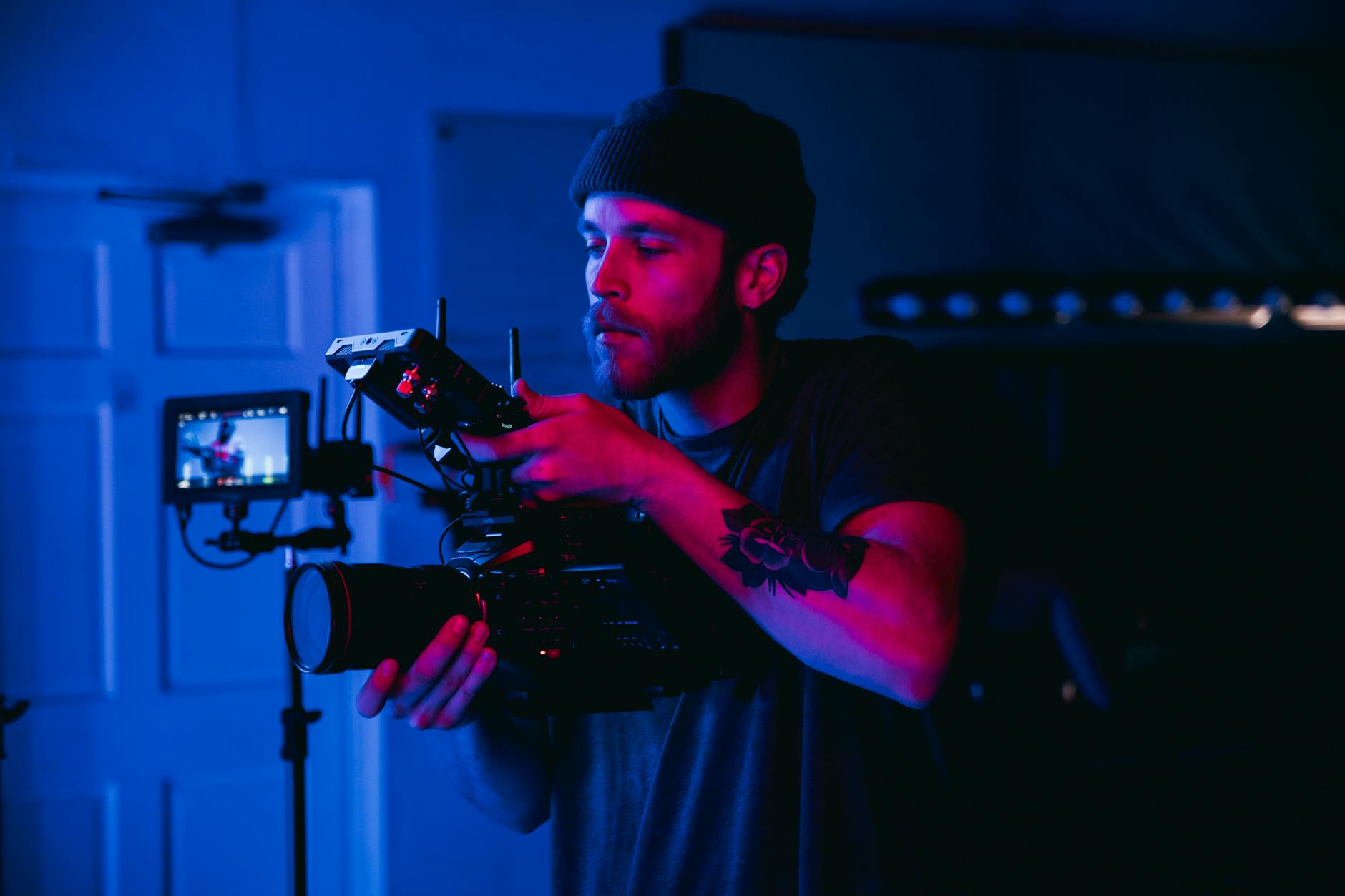
Investments in professional photography and videography distinguish listings in a crowded marketplace. Properties rendered in professional imagery benefit from increased visibility, higher engagement rates, and often, a quicker path to closing. As Miami continues to grow as a hub for high-end and investment properties, the demand for premium visual content becomes increasingly vital for real estate success.
Choosing the Right Equipment and Techniques
Selecting appropriate equipment is fundamental to capturing stunning real estate visuals that accurately reflect a property's appeal. High-resolution digital cameras with full-frame sensors are standard for professional property photography, ensuring detailed imagery that can handle complex lighting conditions effectively. Wide-angle lenses, typically ranging from 14mm to 24mm, are essential to showcase spacious interiors and architectural features, allowing viewers to perceive the full scope of each room without distortion.
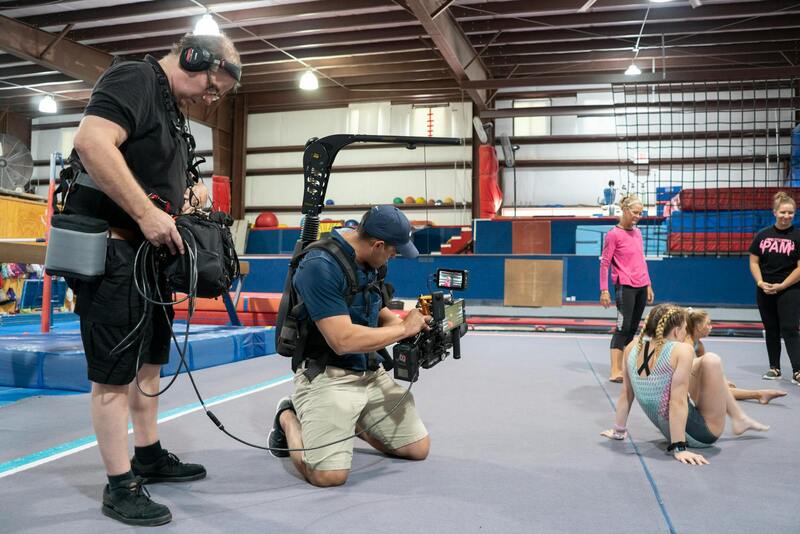
Tripods are indispensable for maintaining stability and consistency across shots, especially in low-light environments where longer exposure times are required. For videography, stabilizers or gimbals facilitate smooth, cinematic movements that enhance the viewing experience, making virtual tours more engaging and professional.
Lighting techniques play a pivotal role in portraying properties at their best. Natural light is preferred; thus, scheduling shoots during optimal times—early morning or late afternoon—maximizes sunlight and creates warm, inviting atmospheres. When natural light is insufficient, professional lighting equipment such as softboxes and LED panels helps eliminate shadows and highlights, ensuring uniform illumination.
Drone technology has revolutionized real estate visualization, providing aerial perspectives that capture the property's surroundings, landscaping, and nearby amenities. Drones equipped with 4K cameras deliver high-quality footage, offering prospective buyers a comprehensive view that ground-level images cannot provide.
Proper camera settings, including aperture, ISO, and shutter speed, are critical for capturing images with optimal clarity and depth. Bracketing techniques, combined with HDR (High Dynamic Range) imaging, are often employed to blend multiple exposures, balancing shadows and highlights for a flawless portrayal.
In terms of techniques, attention to detail in composition—such as leading lines, framing, and symmetry—can significantly enhance aesthetic appeal. Proper staging, which involves decluttering and arranging furniture to highlight space and flow, further elevates the quality of visuals. Post-shoot reviews and multiple takes ensure that only the best shots are selected for editing, resulting in a polished final product.
Overall, combining state-of-the-art equipment with skilled techniques is key to delivering real estate visuals that not only capture attention but also convey an authentic, compelling story of each property. This meticulous approach forms the foundation for effective marketing that appeals to discerning buyers in Miami’s competitive market.
The Role of Videography in Showcasing Properties
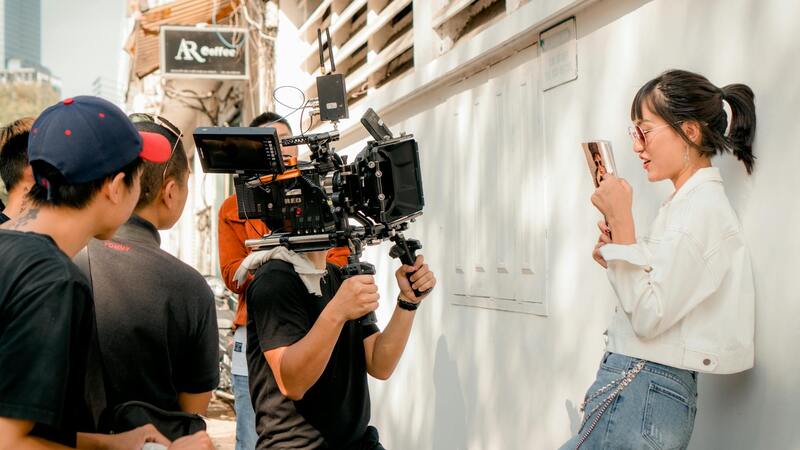
In today’s competitive real estate market, static imagery alone may not suffice to fully capture the essence and unique features of a property. High-quality real estate videography serves as an essential tool in creating an engaging narrative that resonates with prospective buyers. Dynamic video tours enable viewers to virtually walk through a property, experiencing the space as if they were physically present. This immersive approach provides a layered perspective, highlighting flow, spatial relationships, and the ambiance that photographs alone may not convey.
Advanced videography techniques include the use of smooth camera movements, such as dolly shots and sliding transitions, which help demonstrate the scale and layout of a home. Incorporating aerial footage further enriches the visual story, offering stunning views of the property’s exterior, landscaping, and surrounding neighborhood. This not only attracts interest but also provides onlookers with a comprehensive understanding of the property’s context within its environment.
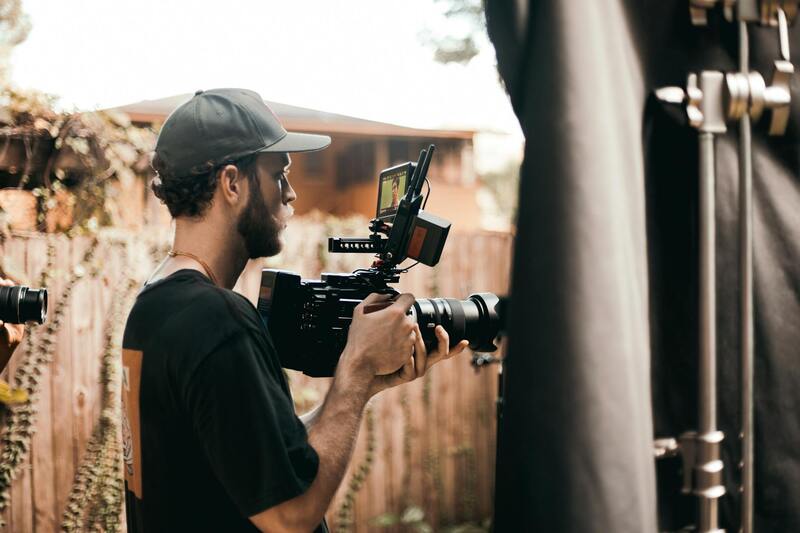
Adding narration, background music, and descriptive text overlays enhances the viewer’s experience and provides valuable insights into the property’s features. Highlighting nearby amenities, communal areas, and unique selling points through integrated graphics or voice-over helps potential buyers visualize themselves living in the space. Additionally, embedding call-to-actions within the video, such as prompting scheduling viewings or requesting more information, can effectively convert interest into engagement.
The strategic use of high-quality videography aligns with modern marketing trends, allowing real estate agents to differentiate listings and reach broader audiences online. As the digital landscape continues to evolve, professional video content remains a critical component in crafting a compelling, memorable presentation of properties for sale.
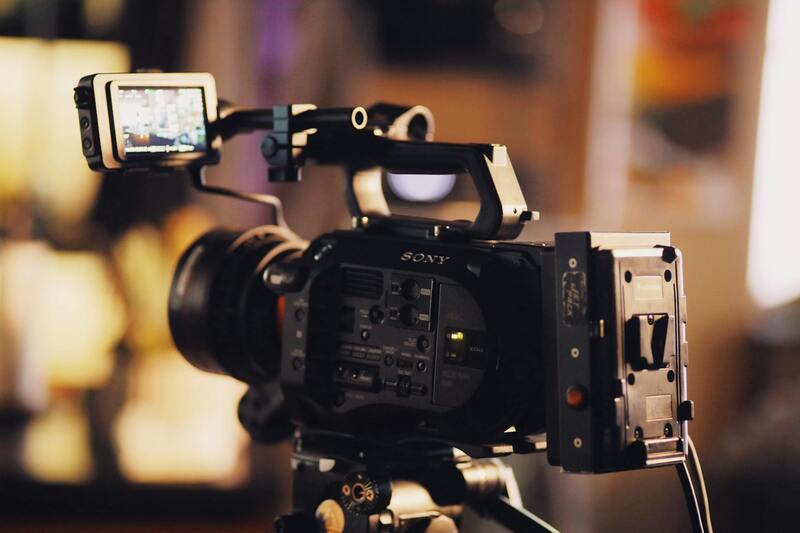
In essence, professional videography adds a layer of storytelling to the marketing arsenal, enabling agents and sellers to effectively communicate the lifestyle and potential that a property offers. This approach not only attracts prospective buyers but also facilitates a deeper emotional connection, increasing the likelihood of a successful sale in Miami's vibrant real estate landscape.
Optimal Techniques for Capturing High-Quality Visuals
Achieving professional-grade real estate photography and videography requires meticulous attention to technique and the strategic use of equipment. Utilizing high-resolution cameras ensures crisp, detailed images that accurately represent property features without distortion or loss of quality. Wide-angle lenses are particularly effective in capturing spacious interiors and showcasing room dimensions, providing viewers with a clear sense of scale and layout.
Drone technology has become an indispensable tool in the realm of real estate marketing, offering aerial perspectives that highlight property boundaries, landscaping, and surrounding amenities. When deploying drone footage, operators should prioritize stable, smooth flight paths, maintaining optimal altitude to avoid unnaturally exaggerated perspectives while emphasizing key property features.
Stabilization equipment such as gimbals and steadicams are critical in producing smooth, cinematic video tours. These tools eliminate camera shake and enable fluid movement, ensuring the visual content remains professional and engaging. When shooting video walkthroughs, employing techniques like dynamic framing, smooth transitions, and consistent lighting enhances viewer immersion and facilitates a more compelling narrative.
Lighting plays a pivotal role in the quality of visual content. Shooting during optimal daylight hours or utilizing professional lighting setups ensures that interiors are bright, inviting, and free from harsh shadows. Proper exposure and color balance help in rendering realistic, warm images that appeal to prospective buyers.
Post-Production: Refining Visuals for Maximum Appeal
After capturing footage and images, the editing process enhances the visual presentation by adjusting color grading, correcting exposure, and removing imperfections. Color correction restores natural hues, making rooms appear vibrant and true to life. Strategic cropping and image stacking can help emphasize key features or improve composition.
For videos, incorporating transitions, overlay graphics, and descriptive text overlays can clarify essential details and craft a coherent story. Sound editing is also vital; background music should complement the property’s ambiance without overpowering narration or dialogue.
Ultimately, polished post-production elevates raw visuals into compelling marketing tools, capable of captivating potential buyers and inspiring their interest in the property. The goal is to deliver content that is both aesthetically pleasing and true to the property's character, strengthening the overall appeal of your real estate listings.
Understanding the Importance of Quality Visual Content
High-caliber real estate photography and videography serve as the cornerstone of effective property marketing. With potential buyers increasingly relying on digital listings, the visual presentation can make or break their initial interest. Professional visuals provide a clear, inviting depiction of a property’s unique features, spatial layout, and overall ambiance, which significantly influences their decision-making process. Well-executed imagery and videos do not merely showcase a property; they evoke emotional responses and establish a connection that encourages viewers to envision themselves living in the space.
Furthermore, professionally produced visual content enhances credibility and perceived value. Listings with high-quality images tend to attract more views, generate greater engagement, and result in quicker sales. In a competitive real estate market like Miami, standing out requires more than just listing details; it demands a visual narrative that captures attention instantly and preserves interest throughout the viewing process. This makes investing in superior visual content not just beneficial but essential for agents aiming to attract serious inquiries and close deals efficiently.
For prospective buyers browsing multiple listings, the quality of visuals provides a tangible gauge of the professionalism and reliability of the seller or agent. Clear, sharp, and engaging images create trust, showcase property features accurately, and form the basis for a positive first impression. In the realm of luxury properties or unique architectural styles prevalent in Miami, exceptional visual content allows these distinctive features to shine and resonate with targeted audiences.
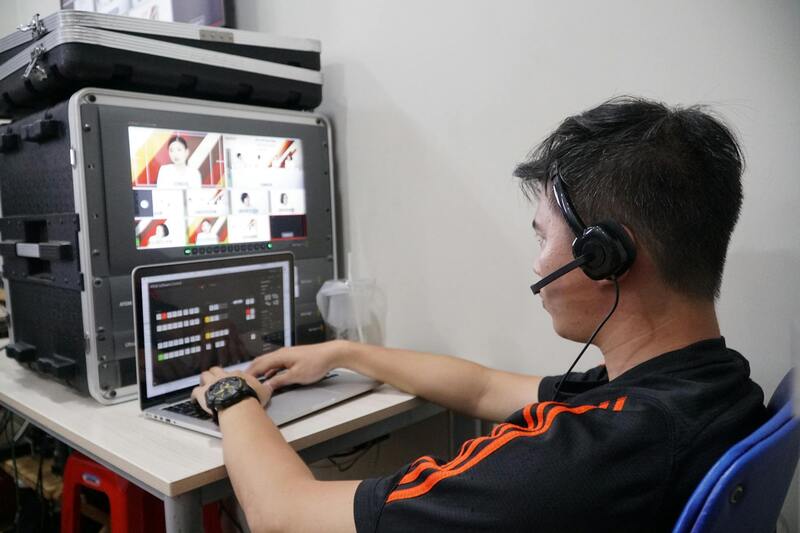
Key Elements of Professional Real Estate Photography
- Lighting: Utilizing natural light during optimal times or professional lighting setups ensures rooms appear bright, welcoming, and true to life.
- Composition: Framing shots to highlight the principal features, including focal points such as panoramic views, spacious layouts, or high-end finishes.
- Perspective: Employing wide-angle lenses to capture expansive spaces and architectural details while avoiding distortion.
- Staging: Arranging furniture and décor to enhance space perception and showcase a property's potential.
- Post-Processing: Editing images to correct color balance, exposure, and remove distractions, ensuring each shot demonstrates the property’s best attributes.
Incorporating these elements guarantees a polished, captivating presentation that appeals to discerning buyers and provides an accurate depiction of the property’s character.
The Role of Videography in Showcasing Properties
While photography captures still moments of a property, videography offers a dynamic experience, immersing viewers into the space. High-quality real estate videos serve as virtual tours, allowing potential buyers to explore every room and feature as if physically present. A well-produced video can exemplify the flow of the property, emphasize spatial relationships, and convey the atmosphere through movement, lighting, and sound.
Video content is particularly effective for highlighting complex layouts or outdoor spaces such as gardens, pools, and city views. Incorporating aerial footage via drone enhances the perspective, showcasing the property's surroundings and proximity to amenities. Moreover, professional videography can include narration or overlay graphics to clarify important features or provide additional context, further enriching the viewer experience.
Choosing the Right Equipment and Techniques
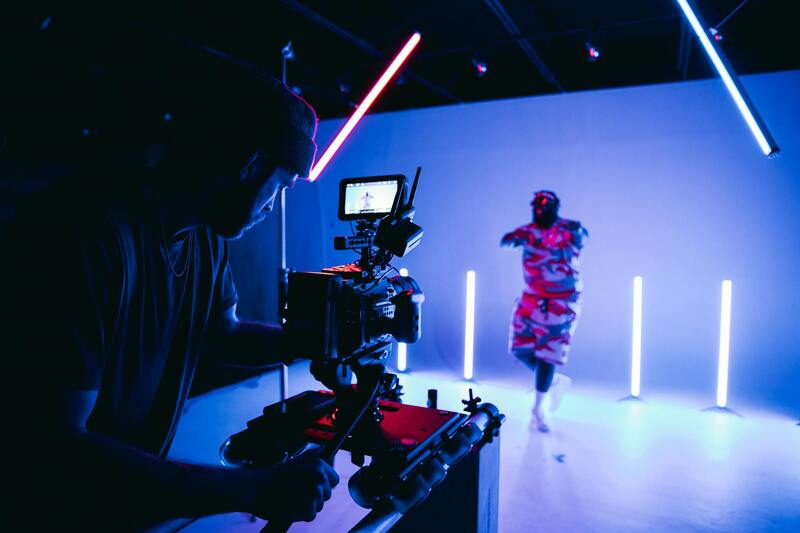
Selecting appropriate tools and methodologies is vital for capturing compelling visual content. High-resolution DSLR or mirrorless cameras equipped with wide-angle lenses are standard for photography, ensuring sharp, expansive images that reveal the property's full scope. Advanced stabilization equipment, such as gimbals or Steadicams, results in smooth, steady footage during videography, enhancing viewing comfort.
Lighting gear, including softboxes and professional strobes, guarantees consistent, high-quality illumination regardless of ambient conditions. For outdoor shoots, drone technology enables stunning aerial shots that showcase property boundaries, landscaping, and neighborhood context. Natural light is preferred whenever possible, but supplemental lighting can correct shadows and enhance interior brightness during low-light conditions.
Employing proven techniques such as HDR (High Dynamic Range) imaging allows for capturing details in both shadows and highlights, producing balanced, vibrant images. For videography, techniques like fluid camera movements, strategic angles, and proper framing emphasize a property’s strengths. Editing with drone footage and combining shots seamlessly results in engaging virtual tours that leave a lasting impression on viewers.
Legal Considerations and Best Practices
Executing high-quality real estate photography and videography in Miami involves adherence to established guidelines that ensure respectful and professional content creation. Securing proper permissions before entering a property is fundamental to prevent misunderstandings and uphold professional integrity. Agents and property owners typically grant access through formal agreements, which clarify the scope of work and ensure compliance with local regulations.
When utilizing drone technology for aerial shots, obtaining necessary clearances from relevant authorities is crucial. In Miami, this means planning drone flights in accordance with city ordinances and federal regulations, including airspace restrictions and privacy considerations. A detailed pre-flight plan that respects property boundaries and neighborhood privacy safeguards against potential issues and demonstrates responsible use of technology.
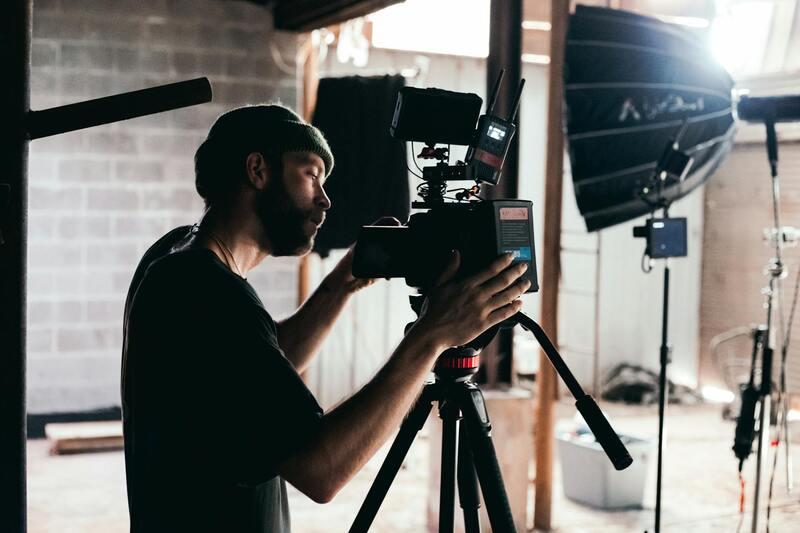
Respecting neighboring properties and public spaces during shoots is equally important. This not only maintains good community relationships but also prevents conflicts related to privacy or unauthorized filming. Clear communication with property owners and surrounding neighbors supports a smooth shooting process and fosters trust.
Technical Best Practices
- Permits and Permissions: Always secure written consent for on-site photography and videography, especially when using advanced equipment like drones or stabilizers.
- Respect for Privacy: Avoid capturing private areas of neighboring properties or individuals without explicit permission.
- Proper Equipment Usage: Use cameras and stabilizers according to manufacturer guidelines to prevent accidents and ensure optimal footage.
- Data Management: Safeguard all footage and images, maintaining backups and confidentiality, especially when handling sensitive property information.
- Compliance with Flight Regulations: Follow Miami’s drone operation rules, including altitude limits and no-fly zones, to ensure safe and compliant aerial videography.
By integrating these practices into your workflow, you reinforce a reputation for professionalism and reliability. This commitment to legal and respectful standards aligns with industry best practices, minimizes risks, and elevates the quality of visual content delivered to clients.
Legal Considerations and Best Practices
Ensuring adherence to proper procedures during real estate photoshoots and videography is essential for delivering high-quality content that reflects professionalism and respect for property owners and neighbors. Securing written consent before conducting any on-site production activities is a fundamental step, especially when deploying specialized equipment such as drones or stabilized cameras. These permissions formalize the agreement and help establish clear boundaries for the shoot, promoting transparency and cooperation.
Respecting the privacy of neighboring properties and individuals is equally important. This involves careful planning to avoid intrusive shots of private areas or personal spaces that are not meant to be showcased. When capturing aerial footage, operators must plan flight paths to exclude private zones and adhere to established altitude limits, preventing any unintended intrusion.
Equipment handling must be performed in accordance with manufacturer guidelines and safety standards to avoid damages or accidents during the shoot. This includes proper setup, calibration, and operation of cameras, stabilizers, and drones, ensuring the footage remains clear and professional while safeguarding everyone involved.
Data management practices play a crucial role in maintaining confidentiality and quality control. Secure storage of digital assets, regular backups, and limiting access to sensitive content prevent data loss or misuse. When dealing with property details or proprietary footage, maintaining strict confidentiality not only protects client interests but also enhances reputation.
Compliance with regional regulations regarding drone operation, including adherence to altitude restrictions and no-fly zones within Miami, ensures aerial footage is captured safely and legally. Staying informed about evolving policies and maintaining proper documentation of permissions and flight plans is essential for smooth operations.
By integrating these legal and best practice standards into your workflow, you foster a trustworthy and reputable service environment. Clients and property owners gain confidence knowing that their assets and privacy are respected throughout the production process. Ensuring proper documentation, respecting community boundaries, and operating equipment responsibly are foundational to delivering exceptional visual content that aligns with industry standards.
Understanding the Importance of Quality Visual Content
In the competitive Miami real estate market, high-quality visual content is essential for attracting potential buyers and tenants. Properties with professionally styled photos and engaging videos not only stand out online but also convey a sense of luxury, attention to detail, and trustworthiness. Quality visuals can significantly reduce the time a property spends on the market and often lead to higher offers. As digital platforms continue to evolve, the emphasis on crisp, well-composed images and dynamic videos is more prominent than ever. They serve as powerful tools for creating emotional connections with viewers, allowing them to imagine themselves in the space, which ultimately accelerates decision-making processes.
Furthermore, the growing demand for immersive experiences has shifted the landscape of property marketing. Potential buyers increasingly rely on visual content to filter their options and prioritize viewing properties that resonate with their preferences. Accurate, stunning visuals help establish credibility and demonstrate professionalism, reinforcing the reputation of agents and agencies in Miami’s dynamic real estate industry. As such, investing in top-tier photography and videography services is a strategic move to position properties effectively in a crowded marketplace.
Key Elements of Professional Real Estate Photography
- Lighting: Proper lighting setup, including natural light harnessing and artificial lighting, ensures the home’s features are highlighted without shadows or overexposure.
- Composition: Strategic framing and staging of rooms create a balanced, inviting visual narrative that guides viewers through the property seamlessly.
- Camera Settings: Utilizing correct aperture, ISO, and shutter speed optimizes image clarity and detail, especially in challenging lighting conditions.
- Angles and Perspectives: Wide-angle lenses and carefully chosen viewpoints maximize space perception and showcase key areas effectively.
- Post-Processing: Thoughtful editing enhances colors, corrects distortions, and removes distractions to produce polished, appealing images.
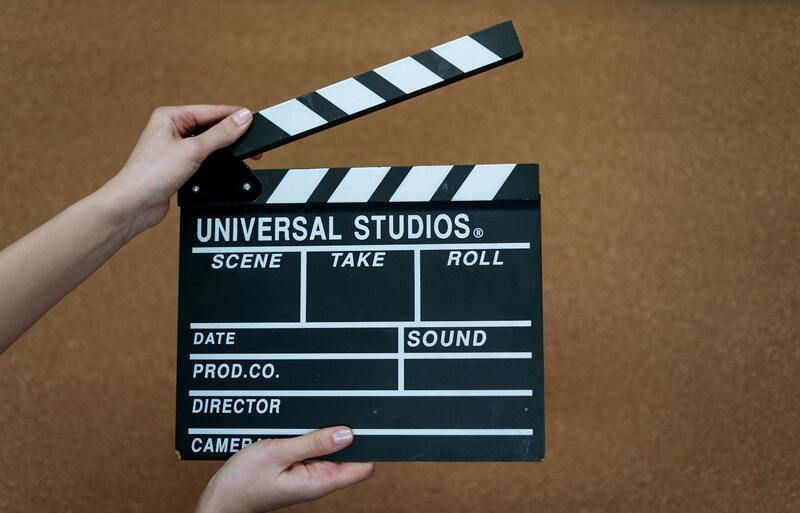
The Role of Videography in Showcasing Properties
Videography complements high-quality photography by providing a dynamic, immersive experience that static images cannot fully convey. Virtual tours, walkthrough videos, and drone footage help potential buyers explore the property's layout and surroundings in a more realistic manner. This method offers a comprehensive perspective on space, flow, and design, fostering a stronger emotional connection. Moreover, video content can highlight the neighborhood amenities, scenic views, and unique architectural features, adding depth to property presentations.
- Virtual Tours: 360-degree video walkthroughs allow viewers to navigate the property interactively, enhancing user engagement and understanding.
- Drone Footage: Aerial videos showcase the property's exterior, landscaping, and vicinity, providing context and grandeur.
- Narrative Storytelling: Combining visuals with professional narration or background music creates compelling narratives that capture attention and retain interest.
Choosing the Right Equipment and Techniques
Successful real estate visuals depend heavily on equipment quality and shooting techniques. Professional-grade cameras with high-resolution sensors ensure crisp, detailed images. Wide-angle lenses are indispensable for capturing comprehensive views of interior spaces without distortion. Tripods and stabilizers prevent camera shake, resulting in smooth, steady footage. Drones equipped with high-definition cameras are essential for aerial perspectives, but their operation must adhere to safety standards and regional regulations.
Exposure control is crucial; utilizing bracketing and HDR techniques ensures consistent lighting across different areas of the property. Additionally, employing specialized post-processing software can correct lens distortions, enhance details, and achieve color accuracy, delivering visuals that authentically represent the property.
Editing and Post-Production for Maximum Impact
Post-production is a critical phase where raw footage and images are refined to their highest potential. Color grading ensures consistency across all visuals, making each shot vibrant yet realistic. Retouching can eliminate minor imperfections, such as dust spots or reflections, that distract viewers. Advanced editing techniques, such as adding introductory sequences or animated labels, can help organize complex property features or provide context for viewers. It’s vital to strike a balance, preserving authenticity while enhancing appeal to prevent overprocessed images that misrepresent the property.
Incorporating branding elements and consistent styling within visuals further reinforces the agency’s professionalism and ensures marketing materials are cohesive across platforms. This meticulous approach elevates the overall perception of the property and builds confidence with prospective clients.