
Importance of Professional Real Estate Photography and Videography
In the competitive real estate market, the visual presentation of a property can significantly influence its appeal to prospective buyers. High-quality photography and videography serve as powerful tools for capturing the essence of a property, showcasing its features, and making an impactful first impression. Professionally produced images and videos not only enhance the aesthetic appeal but also effectively communicate the property's value, layout, and ambiance, which can accelerate the sales process.
Engaging visual content increases online visibility, drawing more traffic to listings and encouraging potential buyers to schedule viewings. When quality images and videos are incorporated into listing platforms, they reflect a commitment to professionalism and attention to detail, instilling confidence in clients and brokers alike. Furthermore, well-crafted media assets can differentiate a property in a crowded market, ensuring it stands out among numerous similar listings.
Investing in high-end visual media results in higher engagement rates, more inquiries, and quicker sales cycles. Potential buyers often make judgment calls based on visual impressions first; hence, compelling imagery combined with dynamic video presentations can translate into more offers and improved closing success. The rise of digital real estate platforms magnifies the importance of quality visual content, making it a crucial component in any successful marketing strategy.
Advantages of Incorporating Videography in Property Listings
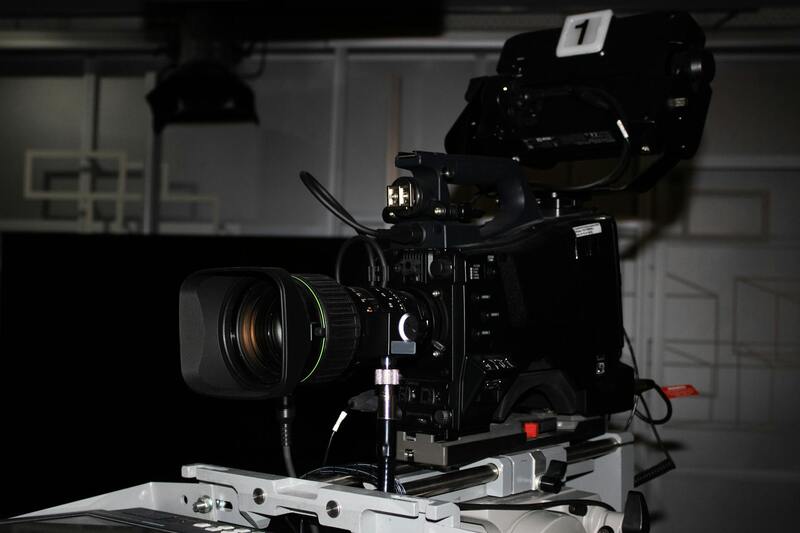
Integrating videography into real estate listings significantly enhances the way properties are presented to prospective buyers. Videos offer dynamic perspectives that still images cannot fully capture, such as spatial flow, scale, and ambiance, allowing viewers to experience a property's vibe remotely and more immersively. This multidimensional view can foster a stronger emotional connection, making potential buyers more inclined to inquire or schedule a physical tour.
Compared to static images, property videos can span entire homes with smooth walkthroughs, highlighting key features and unique selling points in a narrative form. This storytelling approach not only makes listings more memorable but also provides clarity, reducing misunderstandings and negotiation stalls later in the sales process. Vibrant and professionally shot videos demonstrate a property’s true potential, highlighting both interior and exterior spaces with meticulous attention to lighting and movement.
From a marketing standpoint, listings featuring compelling videos tend to attract greater engagement on digital platforms. Videos are easily shareable across social media, email campaigns, and listing websites, broadening the reach to potential buyers beyond traditional channels. The ability to quantify viewer engagement through analytics further allows agents and sellers to optimize their marketing strategies effectively.
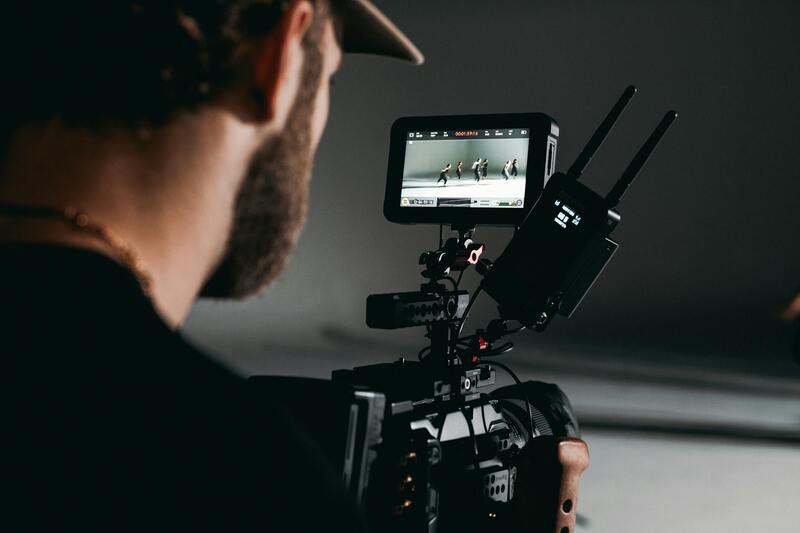
In essence, the integration of videography into property marketing enhances visibility, conveys the property's story more vividly, and expedites the decision-making process, making it a vital element in today’s competitive real estate environment.
Equipment and Techniques for Effective Videography
Achieving high-quality real estate videography requires an arsenal of specialized equipment and refined techniques. Professional-grade cameras with high resolution capabilities capture detailed visuals, ensuring that every aspect of a property is represented accurately and vividly. These cameras often come with wide-angle lenses, which are essential for showcasing spacious interiors and giving viewers a comprehensive sense of scale and layout.
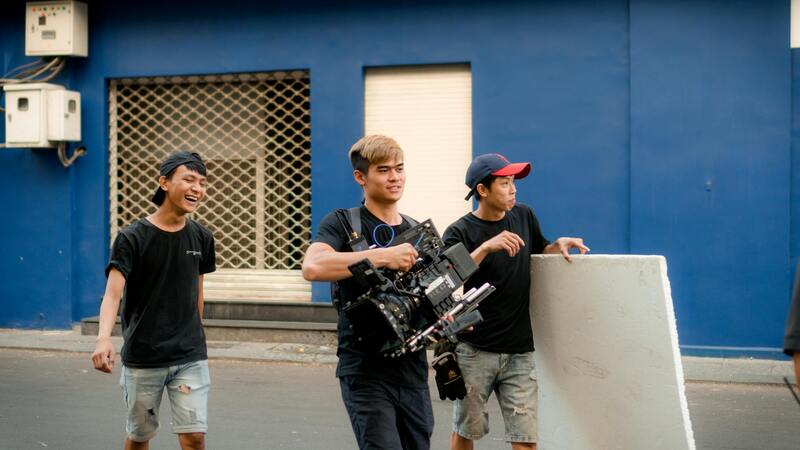
Stabilization tools such as gimbals or Steadicams are vital for producing smooth, fluid footage free of distracting shakes or jitters. When filming walkthroughs or dynamic shots, these devices maintain steady movement, providing an immersive experience that mimics the natural flow of walking through a home.
Drone photography and videography have become indispensable for highlighting exterior features and the property's surroundings from a captivating aerial perspective. Drones equipped with 4K cameras can obtain high-resolution footage and photos, capturing the full scope of a property’s plot, landscaping, and proximity to amenities or natural features.
Lighting is another critical aspect. Using portable, professional lighting equipment ensures interiors are well-lit without harsh shadows or overly bright spots. Proper lighting enhances the textures, colors, and architectural details that make each property unique.
When applying techniques during filming, consider the following:
- Storytelling: Structure your shots to tell a compelling visual story of the property, from the entryway to key living spaces, outdoor areas, and unique features.
- Lighting management: Use natural light whenever possible, supplemented with professional lighting gear to fill shadows and enhance ambiance.
- Camera movements: Incorporate smooth pans, tilts, and tracking shots to add dynamic movement and guide viewers through the property naturally.
- Scheduling: Film during optimum lighting conditions, typically early mornings or late afternoons when natural light is warm and inviting.
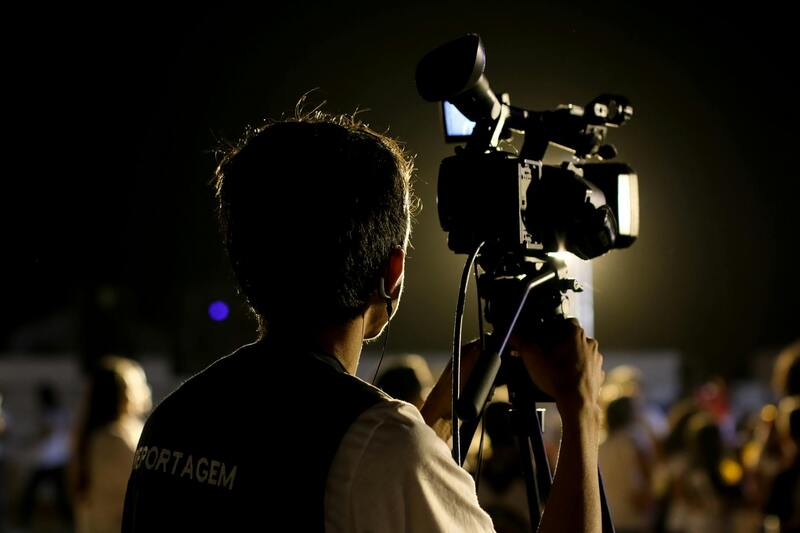
Incorporating these tools and techniques ensures that every real estate videography project remains consistent with industry standards and captures a property's best features. High-caliber equipment, combined with careful planning and execution, directly influences the final video quality—an aspect crucial for attracting serious buyers and enhancing your property listings effectively.
Effective Marketing Using Real Estate Visual Content
Maximizing the visual appeal of property listings through high-quality photography and videography is essential for capturing potential buyers' attention in a competitive market. Effective marketing strategies leverage these visual assets to enhance online presence, generate interest, and accelerate sales processes.
One of the foundational steps in marketing real estate effectively is optimizing property images and videos for various digital platforms. This includes ensuring that media files are properly formatted for websites, social media, and property portals. High-resolution images and 4K videos should be compressed without losing quality to allow fast loading times, which significantly improves user experience and engagement.
Creating a cohesive visual narrative across all media is vital. Consistent color grading, lighting adjustments, and stylistic elements help establish a recognizable brand identity, which builds trust and credibility among prospective buyers. Additionally, highlight unique property features through specialized shots, such as drone footage showcasing exterior landscapes or wide-angle interiors that emphasize space and flow.
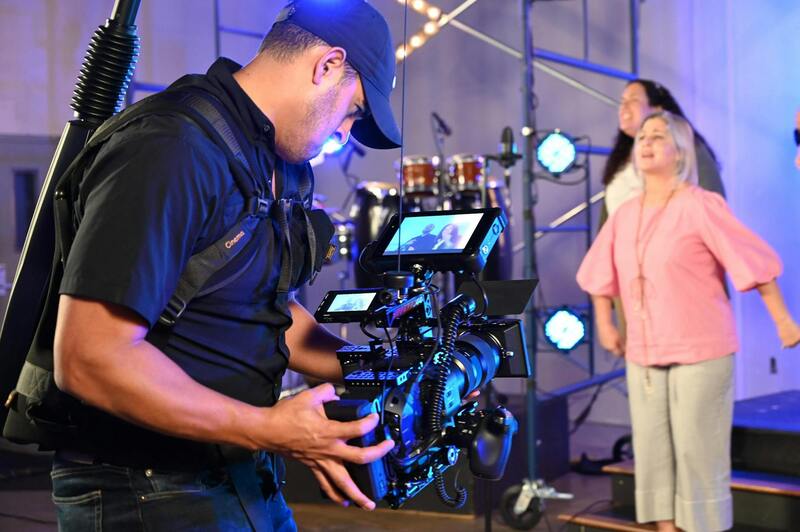
Strategically integrating call-to-actions (CTAs) within video content, such as prompting viewers to schedule a viewing or contact an agent, enhances lead generation opportunities. Embedding virtual tours and 3D walkthroughs into listings also provides an immersive experience for remote buyers, enabling them to explore properties in detail prior to physical visits.
Social media platforms serve as powerful channels for distributing visual content. Tailoring media formats to fit the specifications of each platform maximizes visibility. Short, captivating clips work well on Instagram and TikTok, while detailed virtual tours are better suited for YouTube or website galleries. Paid advertising campaigns targeting specific demographics further expand reach, ensuring the right prospective buyers view the property.
Moreover, leveraging analytics tools allows for tracking the performance of visual media campaigns. Monitoring metrics such as views, engagement rates, and inquiry conversions provides insights into what content resonates most with audiences. This data-driven approach informs future content strategies, continuously improving marketing effectiveness.
In summary, utilizing professional real estate photography and videography within a comprehensive marketing framework not only elevates property listings but also enhances brand reputation. High-caliber visual content, combined with targeted distribution and analytics, results in increased buyer interest, quicker sales cycles, and ultimately higher return on investment for real estate professionals.
Equipment and Techniques for Effective Videography
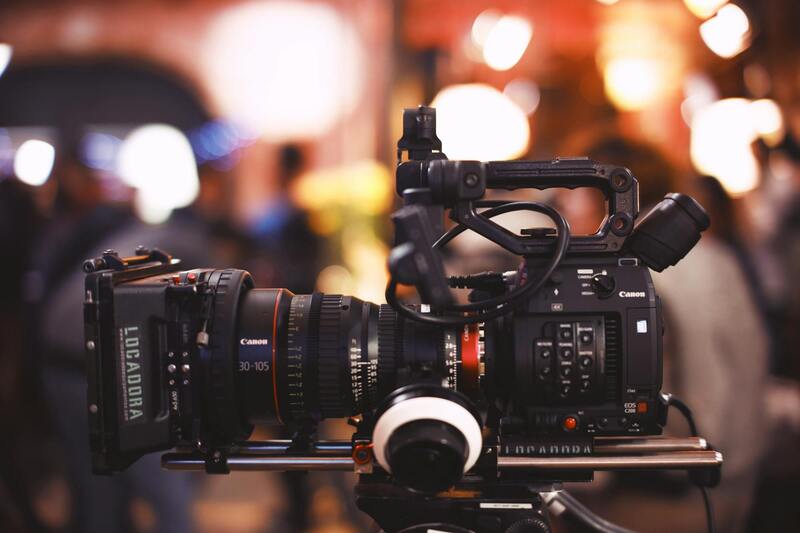
Achieving high-quality real estate videography hinges on utilizing the right equipment and employing advanced shooting techniques. Professional-grade cameras with high-resolution capabilities, such as 4K or higher, enable capturing crisp, detailed footage that highlights the property’s best features. Stabilization tools like gimbals or steadicams are essential for generating smooth, professional-looking shots, minimizing shakiness, and providing seamless walkthrough experiences.
Drones play a pivotal role in creating captivating aerial footage, offering potential buyers a comprehensive view of the property’s layout, landscape, and surrounding environment. Proper drone operation requires specialized skills and adherence to regulations, ensuring safety and optimal shot composition.
Lighting is another critical aspect. Natural light should be maximized by scheduling shoots during the golden hours—early morning or late afternoon—to produce warm, inviting visuals. Supplementing with professional lighting equipment can illuminate interior spaces evenly, avoiding harsh shadows that detract from visual appeal.
Additional techniques include meticulous camera positioning to emphasize the spaciousness and flow of rooms, as well as slow, deliberate movements that guide viewers through the property. Incorporating hyperlapse or timelapse sequences can add dynamic elements to videos, showcasing different times of day and lifestyle scenarios.
Legal and Ethical Considerations in Real Estate Media
Producing high-quality real estate photography and videography necessitates strict adherence to established standards, ensuring that all content is both respectful of privacy and aligned with industry best practices. Securing proper permissions before capturing footage is essential, especially when including private properties, neighboring areas, or individuals. This process involves obtaining consent from property owners and, where applicable, contacting relevant authorities to confirm permissible drone operations and filming rights.
Privacy considerations play a critical role in content creation. It's vital to avoid capturing sensitive areas or individuals without explicit approval. This includes securing releases from individuals who may appear in shots or videos, as well as ensuring that no personally identifiable information is unintentionally disclosed. Respecting the boundaries of private property and understanding local regulations related to drone and video footage help maintain ethical standards.
Guidelines for responsible media production include transparency about the intent and use of content, maintaining accuracy in visual representation, and avoiding manipulative editing or misleading visuals that could distort the true nature of the property. Producers should also keep detailed records of permissions and releases, fostering trust with clients and viewers alike.
Advanced Techniques and Ethical Considerations in Real Estate Videography
Executing high-quality real estate videography involves not only mastering technical skills but also adhering to established best practices that prioritize accuracy, transparency, and respect for privacy. A professionally produced property video should accurately showcase the property's features and layout without exaggeration or misleading representations. This requires a keen eye for detail, comprehensive planning, and the use of appropriate equipment.
One critical aspect of effective real estate videography is the use of drone footage. When employing drones to capture expansive views or hard-to-reach angles, operators must ensure that flying conditions comply with local regulations, maintaining safety and minimizing disturbance to neighboring properties. Employing smooth, stable shots with deliberate motion enhances the visual appeal without inducing disorientation, enabling viewers to get a true sense of space.
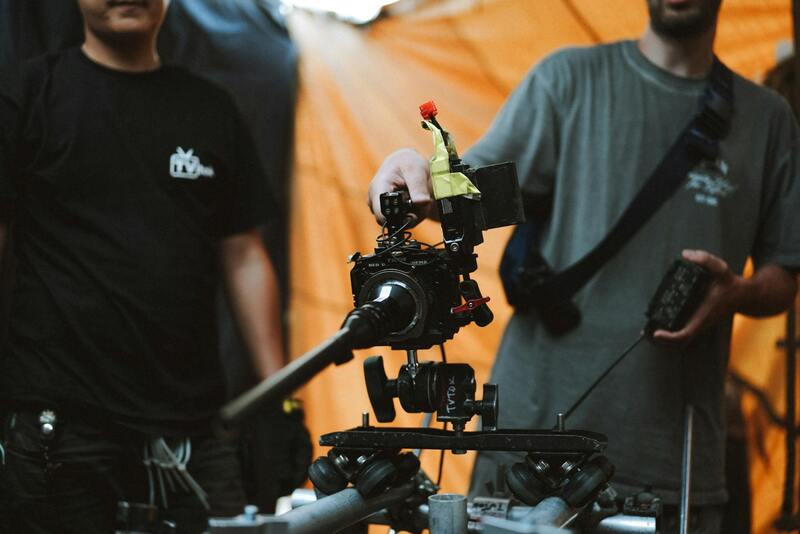
Ground-level videography complements aerial shots by providing detailed views of interior spaces, outdoor amenities, and entry points. Using high-quality stabilizers and gimbals improves footage clarity, while strategic framing highlights the property's best features. Incorporating walkthrough sequences can guide viewers through the property, offering an immersive experience that static images cannot match.
Maintaining Ethical Standards in Visual Content Creation
Throughout the process, transparency with clients about the methods and scope of media capture is essential. This includes clarifying the planned shots, the areas to be filmed, and the purposes for which the content will be used. Respecting the privacy of individuals and neighboring properties should be central to all filming activities. Obtaining explicit permissions and consent forms from property owners and any individuals who may appear in the footage helps establish trust and safeguards against potential misunderstandings.
Ethical videography also involves truthfully representing the property without distortions or manipulative editing techniques. Color grading and other post-production adjustments should enhance clarity and appeal but not alter the intrinsic appearance of the property. This honesty maintains credibility and ensures prospective buyers or tenants receive an accurate visual account.
Another consideration involves the careful use of music, voice-overs, and text overlays. These elements should complement the footage without misleading viewers or overstating property features. Clearly indicating features that may vary over time, such as landscaping or furnishings, reflects a commitment to accuracy.
Legal and Ethical Considerations in Real Estate Media
Adhering to established standards and adhering to ethical practices are fundamental when producing real estate photography and videography. Ensuring transparency with clients involves detailed communication about the scope and methods of media capture, including which areas will be filmed and the intended use of the content. Maintaining respect for privacy rights requires obtaining explicit consent from property owners upfront, as well as from any individuals who might appear in the footage. This proactive approach helps prevent misunderstandings and fosters trust between production professionals and clients.
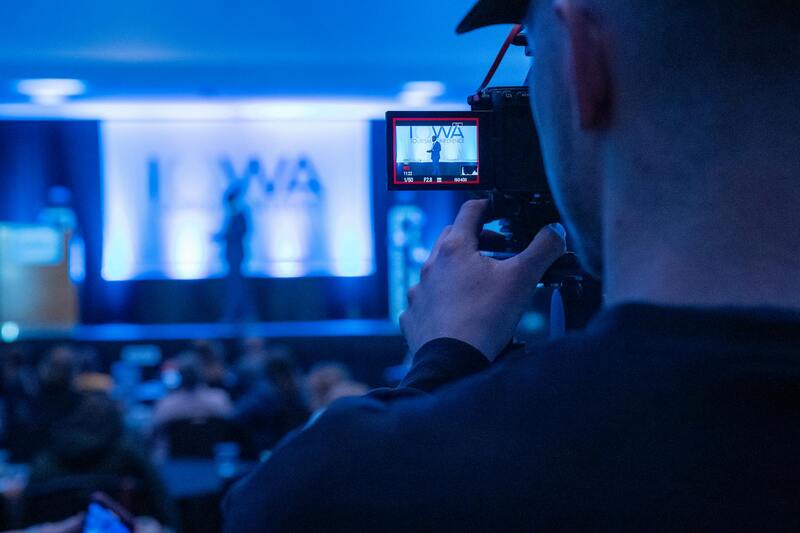
Accurate representation is a core element of ethical videography. While post-production editing like color correction or lighting adjustments can enhance visual appeal, any modification should not misrepresent the property’s true character. It is important that the footage remains an honest reflection of the property’s features, avoiding any distortions that could mislead prospective buyers or tenants. This ethical stance sustains credibility and helps clients build trust with their target audience.
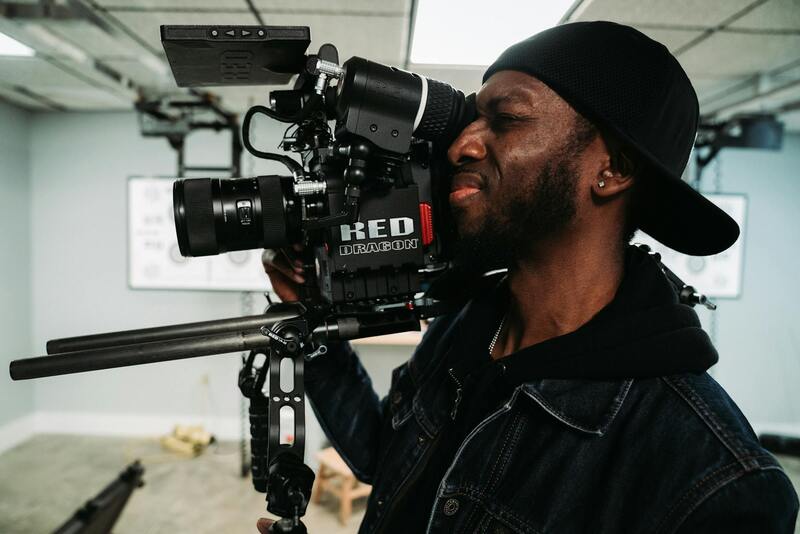
The use of supplementary elements such as background music, voice-overs, and graphical overlays must also adhere to honesty and clarity. These tools should serve to illuminate the property's strengths without overpromising or creating false impressions. For instance, highlighting unique architectural details or recent renovations should be based on actual features rather than exaggerations.
Respect for surrounding privacy and property boundaries is a vital aspect of ethical media creation. Filming should avoid capturing neighboring properties or individuals without permission, especially in residential areas. Clearly delineating boundaries and securing necessary permissions in advance minimizes risks of privacy intrusions and legal complications. Doing so not only upholds ethical standards but also enhances the reputation of the media creator and the real estate professionals they serve.