
Importance of HD Real Estate Photos in Miami Market
In the vibrant and highly competitive Miami real estate market, the quality of property imagery plays a crucial role in attracting potential buyers and tenants. High-definition (HD) real estate pictures serve as a visual gateway, offering prospective clients an immersive glimpse into the property’s features, layout, and overall appeal. With an increasing number of buyers relying on online listings, the impact of HD images becomes even more significant in shaping initial impressions and driving engagement.

In Miami’s market, where luxury condominiums, oceanfront estates, and urban apartments define the landscape, the ability to showcase these properties with clear, detailed images can differentiate a listing from its competitors. High-quality photos foster trust and confidence, encouraging viewers to schedule visits or initiate inquiries. They also streamline the sales process by providing an accurate, visually compelling representation of the property, reducing the chances of misunderstandings or unmet expectations during viewings.
Furthermore, HD real estate imagery contributes to a professional and polished brand image for real estate agents and agencies. It demonstrates attention to detail and a commitment to quality, fostering a positive perception among clients. As the Miami market continues to evolve, incorporating cutting-edge visual content is no longer optional but essential for those aiming to maximize reach and conversion rates.
Enhancing Online Presence and Buyer Engagement
Online platforms dominate property marketing, making high-resolution images vital for grabbing attention amidst a sea of listings. HD photos enhance virtual tours, digital presentations, and social media campaigns, providing crisp, vibrant visuals that draw viewers in. When prospective buyers browse listings with high-quality images, they develop a stronger emotional connection to the property, increasing the likelihood of scheduling in-person visits.
Additionally, well-photographed properties tend to rank higher in search engine results, further boosting visibility. Clear, compelling images also facilitate mobile browsing, catering to users who primarily access listings via smartphones or tablets. In this context, investing in professional HD real estate photography is an effective strategy to amplify online reach and impact in the Miami real estate arena.
Impact on Sales and Marketability
Studies consistently show that properties with superior photography sell faster and often at higher prices. In Miami’s fast-paced real estate landscape, leveraging HD imagery ensures listings stand out, attract serious buyers, and close deals more efficiently. Consequently, both sellers and agents benefit from increased marketability through the strategic use of high-definition photos, which serve as a vital component of comprehensive marketing efforts.
Technical Aspects That Define HD Real Estate Photography in Miami
Achieving high-definition quality in real estate images involves a combination of advanced equipment, precise techniques, and optimal conditions. Resolution plays a central role; images captured at a minimum of 20 megapixels ensure clarity and detail, which are critical for showcasing the textures of interiors and exteriors. Modern professional cameras equipped with full-frame sensors are preferred due to their superior image quality and ability to handle diverse lighting scenarios.
Lighting is another crucial element. Natural light should be maximized whenever possible by scheduling photography during daylight hours with clear skies. Supplementary lighting, such as external flashes or softboxes, may be used to eradicate shadows and highlight key features of a property, especially in dimly lit rooms or during overcast days.
Optimizing the Visual Presentation through Proper Image Composition
Achieving stunning real estate photos in HD requires meticulous attention to image composition. Professionals often utilize the rule of thirds, positioning key features such as fireplaces, kitchen islands, or striking architectural elements along the grid lines to create a balanced and engaging frame. Proper framing ensures that the viewer’s gaze naturally follows through the space, emphasizing its best attributes.
Attention is also paid to the angle and perspective from which photographs are captured. Maintaining a level camera position prevents distortion, while slight angling can highlight spaciousness or unique architectural details. For exteriors, capturing images from vantage points that showcase the property’s façade, landscape, and surroundings in harmony helps create an enticing visual narrative.
A comprehensive approach involves capturing multiple shots from different vantage points within each room, providing a variety of perspectives. This not only enhances the virtual walkthrough experience but also prepares multiple options for marketing use, from web galleries to print brochures.
Color contrast and symmetry are also essential in composing HD real estate images. The placement of furniture, decor, and outdoor features should enhance the overall harmony of the photograph, guiding viewers’ attention toward the property's most attractive aspects.

Utilizing Natural and Artificial Lighting for Maximum Impact
Lighting constitutes a foundational element in capturing high-definition real estate images. Natural light, when available, is preferred for its ability to render true-to-life colors and reduce the need for excessive post-processing. Scheduling photography during the daytime, especially when sunlight filters through windows or open spaces, results in vibrant images that highlight interior warmth and inviting atmospheres.
In scenarios where natural light alone is insufficient, professional-grade artificial lighting enhances the ambiance without overwhelming the scene. External flash units, softboxes, and diffusers can soften shadows and evenly illuminate darker areas, producing a balanced exposure. HDR techniques are particularly effective in these situations, as they combine multiple exposures to reveal details in both shadows and highlights.
For outdoor shots, the golden hours—shortly after sunrise or before sunset—offer warm and diffuse light that elevates curb appeal. Overcast days can also be suitable, as cloud cover acts as a natural diffuser, preventing harsh shadows.
Careful control of lighting not only accentuates architectural features and interior finishes but also prevents unwanted reflections or glare that can distract viewers. Consistent lighting quality across images fosters professionalism and reinforces a property’s desirability.

Best Practices for Capturing HD Real Estate Images
Achieving stunning, high-definition real estate images requires meticulous planning and execution. Photographers should begin by ensuring the property is well-staged; clutter-free spaces with strategic furniture placement and neutral tones help the property appear more spacious and inviting. Proper staging enhances the property’s best features, providing potential buyers with a clear visual narrative.
Lighting plays a critical role in capturing compelling images. It is advisable to shoot during the brightest parts of the day to leverage natural light. Maximizing the use of windows and open spaces, while minimizing shadows and glare, results in well-lit interiors that emphasize clean lines and architectural details. When natural light is limited, professional artificial lighting, including softboxes or diffused flash units, can supplement ambient light without creating harsh spots or shadows.
Angles and camera positioning significantly influence the overall appeal of real estate images. Wide-angle lenses are preferred for their ability to capture expansive spaces, making rooms appear larger and more open. Shooting from a corner of the room and at eye level provides a balanced perspective and allows viewers to accurately gauge the space. Avoiding distortions caused by lens curvature involves using proper camera settings and, if necessary, correction during post-processing.
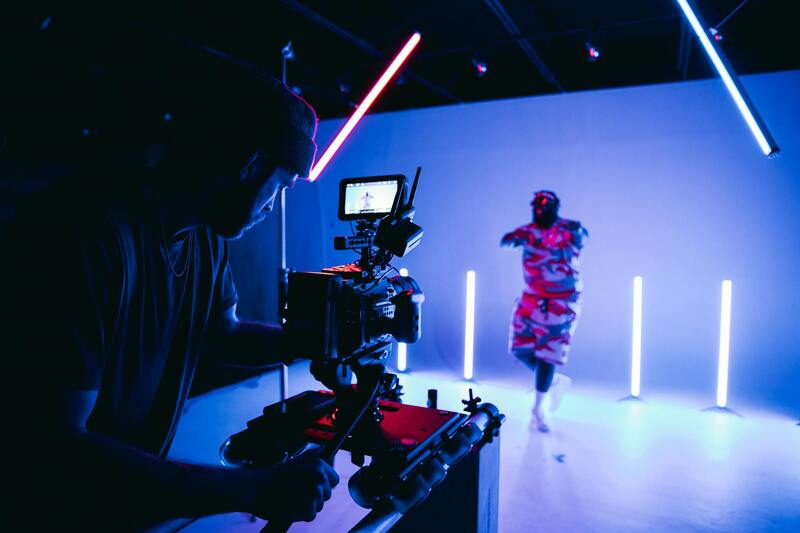
Timing is another key factor. Golden hours, shortly after sunrise and before sunset, offer warm, flattering natural light. On overcast days, diffuse daylight minimizes harsh shadows, providing soft and uniform illumination. Quick inspections of weather conditions prior to scheduling the shoot ensure optimal lighting conditions.
Consistent composition, along with attention to detail during the shoot, helps produce images that showcase the property’s unique architecture and design elements. Repeating these practices across all property images maintains a uniform, professional look that enhances marketing efforts and consumer trust.
Optimal Post-Processing Techniques for Enhancing HD Real Estate Images
Post-processing is a critical step in producing compelling high-definition real estate pictures that effectively attract potential buyers. Precision editing enhances the visual appeal of photographs by correcting immediate imperfections, balancing lighting, and emphasizing architectural features. The goal is to maintain a natural appearance while highlighting the property's best qualities.
One foundational technique involves adjusting brightness and contrast levels to ensure interiors are well-lit and inviting. Proper exposure adjustments reveal details in shadowed areas without overexposing brighter sections, creating a balanced image that accurately reflects the space. Additionally, fine-tuning white balance ensures color accuracy, maintaining true-to-life tones for walls, furniture, and fixtures.
Removing minor flaws—such as dust spots, scratches, or distracting objects—contributes to a cleaner visual presentation. Utilizing cloning or healing tools can effortlessly eliminate these imperfections, maintaining a seamless appearance. Care must be taken to avoid over-editing, which can compromise realism and the authentic feel of the property.
Enhancing architectural features through clarity, sharpness, and structure adjustments adds depth and visual interest. Selective sharpening guides the viewer’s eye toward focal points like fireplaces, cabinetry, or unique design elements. Similarly, strategic vignetting or subtle shadows can draw attention toward the property’s highlights, creating a more immersive viewing experience.
While editing techniques are powerful, they should never distort the genuine character of the property. Instead, they serve as tools to better represent the space, helping potential buyers envision it as their future home. When performed with precision and moderation, these adjustments significantly increase the overall impact of the images, making listings more attractive and competitive in a saturated market.
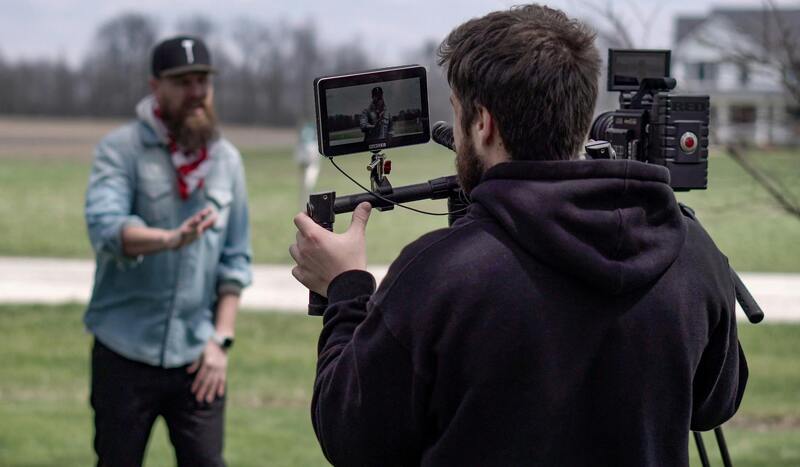
Optimal Lighting Techniques for HD Real Estate Photography
Achieving stunning HD real estate images in a saturated Miami market hinges significantly on proper lighting. Adequate illumination helps emphasize the property's features while ensuring that the visuals are crisp and vibrant. Natural light is often the preferred choice, as it lends a warm, inviting atmosphere to the images. To capitalize on natural light, photographers typically schedule shoots during peak daylight hours, usually mid-morning to late afternoon, when sunlight filters evenly through windows and open spaces.
Utilizing diffusers or reflectors can enhance natural light, reducing harsh shadows and balancing exposure across the scene. For interiors with limited natural light, supplemental lighting setups such as softboxes or LED panels are invaluable. These tools eliminate dim spots, highlight architectural details, and ensure consistent brightness throughout the image. When deploying artificial light, it’s crucial to consider the color temperature to match ambient light, maintaining color fidelity and avoiding unnatural hues.
Properly balanced lighting not only brings out the true colors of walls, furniture, and fixtures but also accentuates textures and depth within the property. This detailed representation appeals directly to prospective buyers, who rely on visuals to gauge the space’s potential and ambiance.
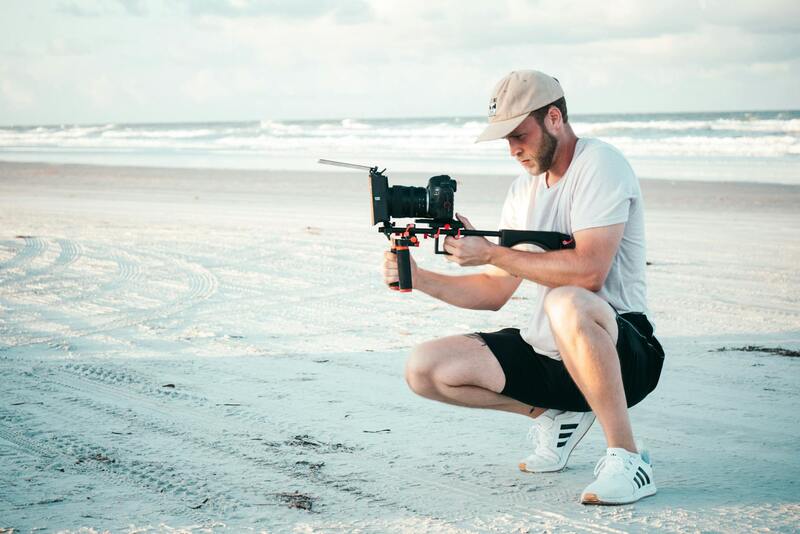
Utilizing Angles and Perspectives to Maximize Property Appeal
Choosing the right angles and perspectives is central to capturing compelling HD real estate photos that resonate with viewers. Wide-angle lenses are indispensable, allowing the photographer to encompass expansive spaces within a single shot. This technique is particularly effective in showcasing open floor plans, spacious rooms, and high ceilings, making areas appear larger and more inviting.
Strategic camera placement can dramatically influence a property’s perceived value. Shooting from corners or doorways often yields dynamic compositions, revealing depth and flow. It’s also beneficial to consider vertical and horizontal lines; straightening walls and aligning features ensures images look clean and professional. For complex spaces or challenging layouts, multiple overlapping shots can be stitched for a panoramic view, providing a comprehensive visual narrative.
Attention to detail in perspectives guarantees that images accurately represent the property's spatial relationships, guiding potential buyers through a virtual walkthrough that emphasizes its best features. This approach not only enhances the visual appeal but also facilitates quicker decision-making in a competitive Miami real estate market.
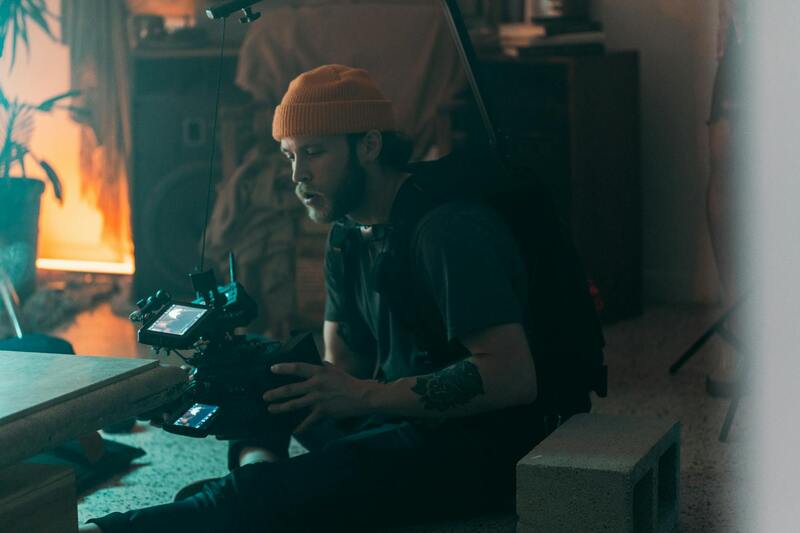
Effective Post-Processing Techniques for Enhancing HD Real Estate Photos
Post-processing plays a pivotal role in elevating the quality of real estate images, ensuring they meet professional standards and resonate with potential buyers. Skilled editing can enhance lighting, correct distortions, and highlight architectural features, thereby accurately representing the property’s true appeal. A meticulous approach to editing preserves the authenticity of the space while emphasizing its best qualities, which is crucial in the competitive Miami real estate market.
Common post-processing techniques include adjusting exposure, contrast, and saturation to create vibrant, eye-catching images. Correcting perspective distortions—often caused by wide-angle lenses—ensures walls and fixtures appear straight and proportionate. Additionally, color correction enhances the warmth or coolness of interiors to match real-life ambiance, making listings more authentic and trustworthy.

Retouching is also critical in removing minor imperfections, such as unsightly clutter, distractions, or lighting inconsistencies. While this process should be subtle to maintain realism, it can make spaces appear cleaner and more inviting. Moreover, employing focus stacking or selective sharpening can draw attention to focal points like intricate architectural details or stunning views.
Advanced editing software allows for the creation of virtual staging, where empty rooms are digitally furnished to showcase potential layouts and design possibilities. Virtual staging can be especially valuable in Miami’s luxury and commercial property sectors, helping buyers visualize how the space might look with their personal touches.
It’s important to maintain a consistent editing style across all images to establish a cohesive visual narrative for each property. This consistency enhances brand identity for Miami real estate professionals and ensures that listings stand out in a crowded market. Ultimately, high-quality post-processing ensures that each photo not only attracts attention but also accurately portrays the property, enabling potential buyers to make informed decisions based on compelling visual evidence.
Optimizing Image Resolution and Quality for Real Estate Listings
Achieving the highest possible resolution is fundamental in producing compelling real estate images that capture every detail of a property. Optimal image resolution ensures that viewers can clearly observe features such as architectural details, interior finishes, and exterior elements, which are critical in influencing purchase decisions. When photographing for real estate, a camera with a high megapixel count allows for capturing detailed images that remain sharp and clear even when zoomed in or displayed on large screens.
In addition to resolution, image quality encompasses factors including color accuracy, dynamic range, and sharpness. Proper exposure settings prevent overexposed highlights or underexposed shadows, which can obscure important details. Using a tripod minimizes camera shake, ensuring precise sharpness across all images. Properly balanced lighting—whether utilizing natural light, professional strobes, or a combination—provides vibrant, true-to-life images that reflect the property's real ambiance.
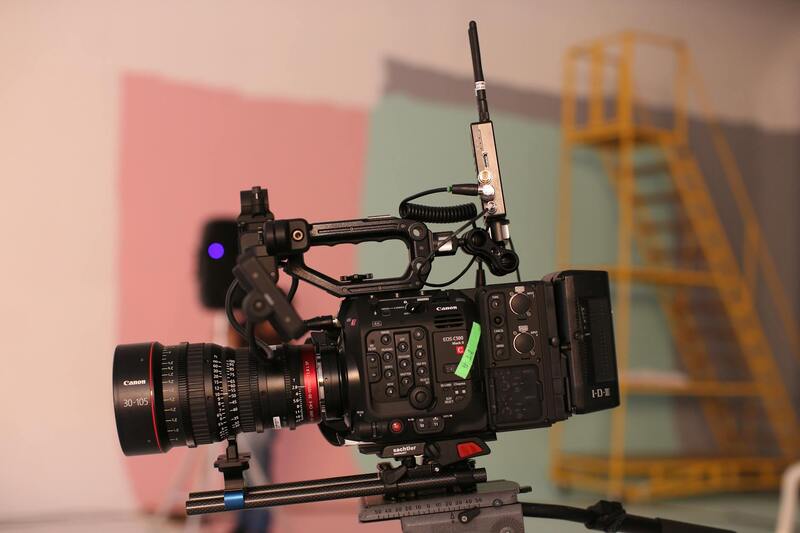
Employing high-quality lenses with appropriate focal lengths allows for capturing both wide-angle views of interiors and detailed shots of specific features. Wide-angle lenses, in particular, are instrumental in making rooms appear more spacious and inviting in the listings. It’s vital to achieve a balance where the images appear expansive without distortion, maintaining the property’s true proportions and preventing misleading impressions.
Ensuring Consistency and Cohesion in Property Images
Consistency across a property’s photographic portfolio enhances the overall listing appeal and builds trust with viewers. This involves using a uniform color palette, lighting style, and composition approach throughout all images. Such cohesion helps prospective buyers form a clear mental image of the property, making the transition from viewing photos to visiting the property smoother and more confident.
Standardizing aspects such as camera settings, angles, and post-processing techniques ensures that each property’s visual presentation aligns professionally. This consistency also reinforces the branding of real estate agents or agencies, positioning them as trustworthy experts in market presentation.
Technical Considerations for Superior HD Real Estate Photos
- Use of high dynamic range (HDR) techniques to blend multiple exposures and achieve well-lit interiors and vibrant exteriors in a single image.
- Application of focus stacking to keep all parts of a scene sharply defined, especially in interior shots with varying depths.
- Implementation of proper white balance to accurately depict color tones, ensuring that whites appear truly white and color fidelity is preserved.
- Meticulous stereoscopic alignment to prevent misalignments that can distract viewers or distort the space.
- Utilization of advanced image stabilization tools to counteract camera movement, especially in handheld shooting scenarios.
Final Tips for Capturing Exceptional HD Real Estate Images
Preparation is key to successful shooting. Ensure the property is clean, decluttered, and well-lit before shooting commences. Schedule shoots during optimal natural lighting hours to maximize the benefits of ambient light while supplementing with artificial lights as needed. Carefully select camera angles that showcase the property’s best features, emphasizing spaciousness, functionality, and unique architectural elements.
Additionally, shooting multiple brackets for HDR processing allows for capturing a full dynamic range, ensuring the images will balance interior and exterior lighting seamlessly. Post-shoot, reviewing images on a calibrated monitor ensures that colors and exposure align with the property’s true visual character, providing a reliable foundation for subsequent editing and marketing.