
Importance of High-Quality Real Estate Photography
In the competitive landscape of Miami's real estate market, the visual presentation of property listings plays a pivotal role in attracting potential buyers. Professional real estate property photography serves as a powerful marketing tool that can significantly influence a property's perception and marketability. High-quality images not only highlight the unique features and spacious layouts of Miami properties but also create an emotional connection with viewers, encouraging them to explore further.
Effective real estate photography can dramatically reduce the time a property spends on the market by drawing in serious buyers from the outset. In Miami's dynamic real estate environment, where buyers have access to a multitude of listings, standout images can make the difference between a quick sale and a property lingering unsold. Well-composed, clear, and vibrant photographs reveal the true potential of the property, emphasizing its best attributes, whether it's breathtaking ocean views, modern interior designs, or lush outdoor spaces.
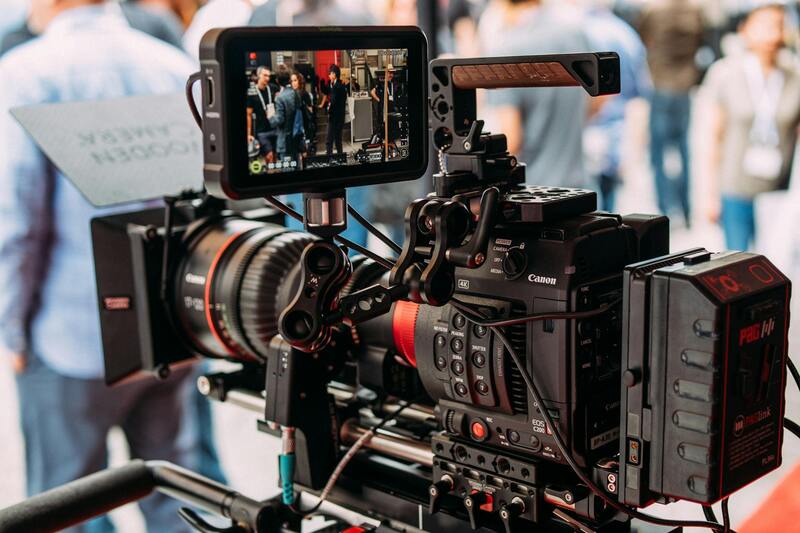
Moreover, the increasing reliance on online platforms for property searches underscores the necessity of professional photography. Buyers often make initial judgments based solely on visual impressions; subpar images can lead to overlooked opportunities, whereas high-quality photos foster trust and professionalism. This trust translates into greater engagement, more inquiries, and ultimately, quicker transactions.
For Miami property owners and investors, investing in professional real estate photography offers a tangible return by elevating the property's market presence. It ensures that listings stand out within an overcrowded marketplace, effectively capturing the essence and appeal of Miami's diverse properties—from luxury waterfront estates to urban condos. Therefore, prioritizing high-caliber visuals is no longer an option but a strategic necessity for real estate professionals aiming to maximize their success in this vibrant city.
Choosing the Right Equipment and Techniques
For capturing stunning real estate photographs, selecting appropriate equipment and mastering specific techniques are essential. High-resolution cameras with full-frame sensors are preferred as they enable the capture of detailed images with superior clarity, even in challenging lighting conditions commonly found in Miami’s bright environments. Wide-angle lenses are indispensable because they allow photographers to encompass more of the space within a single frame, giving potential buyers a comprehensive view of the property’s layout and scale. These lenses help to distort perspective minimally, providing a more accurate representation of rooms, which is crucial in creating inviting and realistic visuals.
Employing a tripod stabilizes your camera, especially during interior shoots with lower light conditions. This ensures sharpness and reduces motion blur, which can diminish the perceived quality of images. Additionally, using a remote shutter release or the camera’s timer function minimizes vibrations caused by pressing the shutter button. In Miami's mixed lighting scenarios, techniques such as bracketing—taking multiple shots at different exposures—and HDR processing can help overcome challenging lighting disparities between bright windows and darker interior spaces.
Camera settings should be optimized for each environment. Maintaining a low ISO minimizes noise, especially in interior shots, while adjusting the aperture for a greater depth of field ensures that both foreground and background elements are in sharp focus. Proper white balance settings are crucial for accurately representing the property's color palette, from vibrant Miami sunset views to modern interior decor.
Techniques such as strategic lighting placement—using natural light during the day and supplemental lighting to fill shadows—are vital for producing balanced images. Employing natural light makes spaces look more inviting, while carefully positioned artificial lights can highlight architectural details and create a warm ambiance. Additionally, shoot from angles that reveal the property’s best features; for instance, framing shots to emphasize high ceilings, large windows, or scenic outdoor vistas will attract potential buyers.
Effective Techniques for Capturing Stunning Miami Real Estate Photos
Achieving captivating images of Miami properties requires a combination of strategic equipment use and advanced photography techniques. Preparation begins with selecting the appropriate camera settings tailored to each property’s unique lighting conditions and architectural features. A high-resolution DSLR or mirrorless camera equipped with a wide-angle lens is ideal for capturing expansive interiors and scenic exteriors. Adjust the aperture to a smaller f-number—typically between f/8 and f/11—to obtain a greater depth of field, ensuring both foreground and background elements remain sharply in focus.
In rooms with uneven lighting, employing bracketing—taking multiple shots at different exposures—is essential for capturing the full dynamic range. These images can then be merged through HDR processing to balance bright windows against darker interior spaces, resulting in well-exposed images. During shooting, utilize a tripod to maintain stability, prevent motion blur, and ensure consistency across images, especially when shooting multiple exposures or panoramic views.
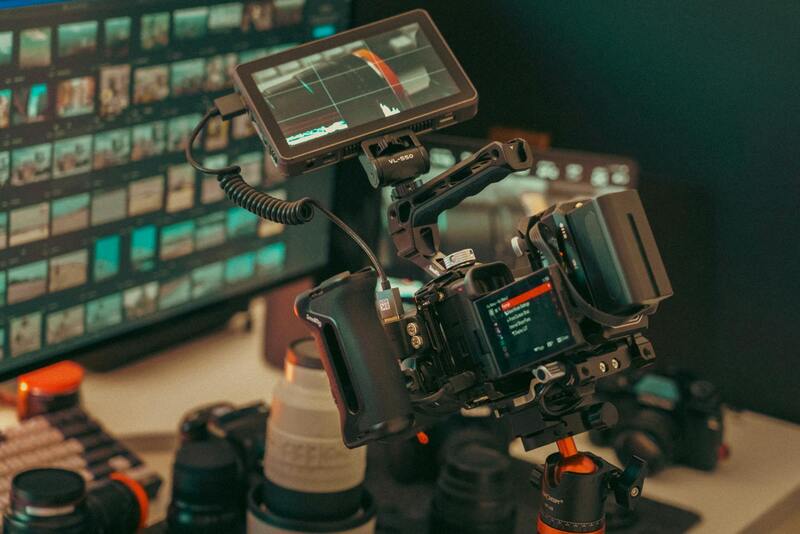
Natural light plays a pivotal role in making interiors appear inviting and spacious. To leverage daylight, shoot during the golden hours—shortly after sunrise or before sunset—when sunlight casts a warm glow. Use reflectors or diffusers to manipulate natural light, filling shadows and balancing brightness within rooms. Supplemental lighting, such as softboxes or LED panels, can be employed to highlight key architectural details, create a warm ambiance, and fill in dark corners during indoor shoots.
Choosing the right vantage points enhances the visual storytelling of the property. Framing shots to showcase high ceilings, expansive windows, or panoramic outdoor views accentuates the property’s best features. Incorporate several angles, including eye-level and low-angle shots, to add depth and perspective. When photographing exteriors, capturing the property from multiple viewpoints emphasizes curb appeal and landscape surroundings. Drone photography can be valuable for showcasing large estates, waterfront properties, or unique architectural elements from a bird’s-eye perspective.
Post-processing is a critical step in the photography workflow. Use professional editing software to adjust exposure, contrast, and color balance, ensuring the images accurately represent the property’s aesthetic and appeal. Remove minor imperfections such as dust spots, lens flare, or distracting elements, but maintain authenticity by avoiding over-editing. Enhancing the clarity and sharpness of textures and architectural details can significantly improve the visual impact of the photographs.
Developing a systematic approach—such as maintaining consistent color grading and framing styles—ensures a cohesive visual presentation across multiple listings. When necessary, cropping images to eliminate unnecessary background elements or to focus on focal points directs viewers' attention effectively toward the property’s highlights.
Legal and Ethical Considerations in Real Estate Property Photography
When capturing images of real estate properties, adherence to established standards of conduct is essential to maintain trust and uphold industry integrity. Photographers should always seek explicit permission from property owners or authorized representatives before entering premises and commencing photoshoots. This ensures clarity about the scope of work and respects property rights.
Accurate representation is fundamental in real estate imagery. Photographers must avoid digitally manipulating photos in ways that could mislead viewers about the property's actual condition, size, or features. Any enhancements should serve to replicate reality, such as adjusting lighting or correcting lens distortion, rather than altering the property's true appearance.
Respect for privacy is paramount, particularly when photographing interiors. Personal belongings, private spaces, or areas not intended for public view should be excluded from images unless consented to. Additionally, care should be taken to minimize intrusion by scheduling shoots at appropriate times and communicating clearly with residents or agents.
Using drone photography introduces additional considerations for safety and privacy. Ensure compliance with airspace regulations and avoid capturing images in restricted zones. When deploying aerial shots, the focus should be on showcasing property features and surroundings ethically, without infringing on neighboring properties' privacy.
Developing a clear, professional code of conduct helps reinforce credibility and ensures consistent, respectful collaboration with clients, agents, and the community. Transparent communication about the scope, nature of edits, and usage rights of photographs further supports ethical standards in the industry.
Legal and Ethical Considerations in Real Estate Property Photography
Ensuring that real estate property images adhere to established standards involves a comprehensive understanding of the ethical boundaries and procedural guidelines that govern the profession. Photographers must balance the goal of showcasing a property attractively with the need to maintain accurate and truthful representations for prospective buyers and investors.
When capturing images of Miami properties, it's crucial to adhere to protocols that respect the privacy and rights of residents and neighboring properties. This includes obtaining appropriate permissions before shooting inside private spaces, especially when those spaces include personal belongings or sensitive areas. Clearly communicating the scope of the shoot and expected outcomes with homeowners and agents helps foster trust and transparency throughout the process.
In the context of aerial photography, special attention must be paid to airspace regulations and the proximity to private properties. Ethical drone usage involves avoiding the invasion of privacy by refraining from capturing images beyond the target property’s boundaries. Equipment should be used responsibly, ensuring aerial shots highlight features without overstepping personal privacy or causing concern among neighbors.
Another critical aspect involves honest image presentation through post-processing. While enhancing photographs to improve lighting or color balance is acceptable, manipulations that alter the true appearance of the property—such as adding or removing features—are discouraged. This maintains the integrity of listings and ensures prospective buyers receive an accurate depiction of the property, aligning with transparent marketing practices.
Developing a code of conduct that emphasizes accountability, honesty, and respect for client privacy reinforces professional standards within the industry. Photographers should always clarify the scope of editing, usage rights, and any limitations beforehand to avoid misunderstandings and ensure complete adherence to ethical standards.
Maintaining Industry Standards Through Practice
To uphold these standards, collaboration with real estate professionals and adherence to licensing requirements are vital. Regular training on emerging regulations and ethical considerations ensures all team members stay aligned with current best practices, fostering a trustworthy environment for clients and agents alike.
Legal and Ethical Considerations
Securing proper permissions is fundamental when capturing images of real estate properties. This includes obtaining consent from property owners or authorized representatives prior to the photography session. Clear communication about the intended use of images ensures transparency and fosters trust with clients and property stakeholders.
When employing drones for aerial photography, compliance with platform-specific regulations is essential. This involves understanding altitude limitations, no-fly zones, and altitude restrictions around sensitive areas such as airports and crowded spaces. Adhering to these guidelines reduces operational risks and promotes responsible aerial imaging.
Respect for privacy and property rights must be maintained throughout the process. Photographers should avoid capturing images that infringe upon neighboring properties or private spaces without explicit permission. This practice not only upholds professional standards but also ensures the portrayal of properties is both accurate and respectful.
Ethical considerations extend to truthful representation. Enhancing photographs through editing should focus solely on improving lighting, color balance, and clarity, rather than altering the actual appearance of the property. Such practices preserve the integrity of listings and ensure prospective buyers receive an authentic visual impression.
Transparency with clients regarding the scope of editing, usage rights, and any limitations is vital. These detailed agreements help avoid misunderstandings and affirm a commitment to honest marketing practices.
Packaging and Presenting Property Photos
Effective presentation of property images involves organizing photos in a manner that highlights the property’s most appealing features. High-resolution images should be previewed across multiple platforms, ensuring consistency and visual impact.
- Implement a cohesive visual style to create a memorable property profile.
- Use floor plans and virtual tours alongside images to provide comprehensive property insights.
- Optimize images for various devices to enhance viewing experience across desktops, tablets, and smartphones.
Partnering with Real Estate Agents and Agencies
Building strong relationships with local real estate professionals is crucial. Collaborating closely with agents helps tailor photography services to meet specific marketing goals, ensuring imagery aligns with brand standards and target audiences.
Offering consistent, reliable quality reinforces trust and encourages long-term partnerships. Regularly updating your portfolio and sharing successful case studies can illustrate your expertise and commitment.
Educational engagement, such as workshops or seminars, can enhance mutual understanding of optimal marketing strategies. Providing timely responses and professional support during every phase of the listing process fosters positive client experiences.
Legal and Ethical Considerations
Ensuring adherence to established standards in real estate property photography is essential for maintaining professionalism and protecting the interests of all parties involved. Accurate representation of a property’s features must be prioritized, avoiding the use of manipulative editing techniques that could mislead prospective buyers. Transparency in the photographic process, including clearly showcasing both the strengths and limitations of a property, contributes to building trust between photographers, clients, and potential buyers.
It is vital to obtain proper authorization before capturing images of private residences or commercial spaces. Respect for residents’ privacy and securing necessary permissions safeguard both the photographer’s reputation and the integrity of the marketing process. When conducting shoots within properties, following any applicable guidelines regarding consent and confidentiality minimizes potential disputes or misunderstandings.
Respecting property-specific restrictions and maintaining a professional approach during the shoot reinforces the quality and reliability expected from top-tier real estate photography providers. Photographers should also be vigilant in adhering to industry standards for image quality, lighting, and composition, ensuring that the visual content aligns with the property’s authentic appearance, thereby providing a truthful depiction that facilitates accurate buyer decision-making.
Legal and Ethical Considerations in Real Estate Property Photography
Maintaining integrity in real estate photography involves adhering to established professional standards that safeguard the interests of all parties involved. Photographers must operate transparently, providing accurate portrayals of properties that reflect their true condition and features without any form of manipulation that could mislead prospective buyers. This commitment to honesty not only fosters trust but also ensures that property listings are representative of what buyers can expect upon viewing.
Securing appropriate permissions prior to conducting a shoot is a fundamental aspect of ethical practice. This includes obtaining consent from property owners or authorized representatives, especially when photographing private residences or confidential commercial spaces. Respect for residents' privacy is paramount; photographers should avoid capturing intrusive images that could infringe on personal boundaries or violate confidentiality agreements.
Adhering to property-specific restrictions is also vital. Certain properties may have limitations regarding the use of drones, the types of equipment permitted, or restrictions on photographing interior spaces. Familiarity with local regulations and guidelines helps prevent misunderstandings and ensures that the photographic process aligns with legal and ethical standards.
Best Practices for Ethical Real Estate Photography
- Obtain explicit permissions from property owners or managers before shooting.
- Respect resident privacy by avoiding intrusive or sensitive images.
- Disclose if any post-processing or enhancements are applied to images, ensuring transparency.
- Follow all property-specific guidelines and restrictions to prevent conflicts or violations.
- Use equipment safely and responsibly, especially when deploying drones or specialized gear.
- Maintain confidentiality regarding proprietary information or private spaces.
Overall, adherence to these practices not only preserves the integrity of the photography process but also enhances the credibility of the real estate marketing effort. It ensures that visuals serve as truthful representations, reducing the likelihood of disputes or misunderstandings that could arise from misleading imagery. Responsible photography thus plays a critical role in fostering a trustworthy environment where buyers can make confident decisions based on accurate and respectful visual content.