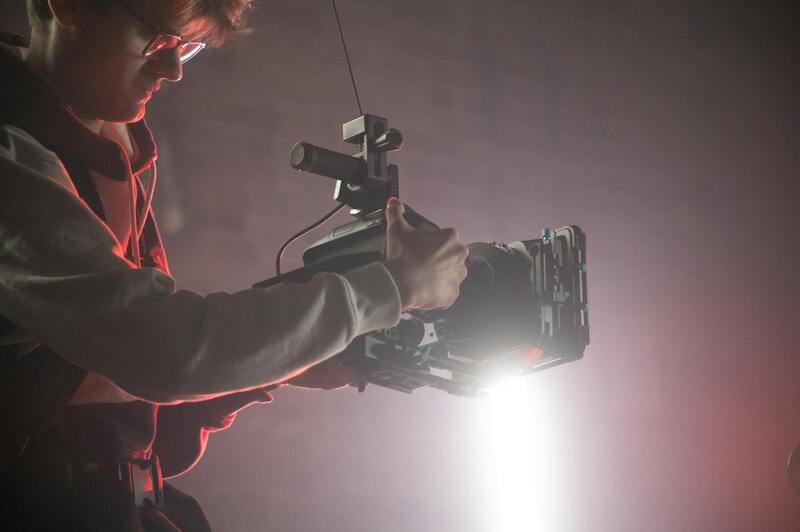
Importance of High-Quality Real Estate Property Photos
In the dynamic and competitive Miami real estate market, visually appealing property images play a pivotal role in attracting the right buyers and closing sales efficiently. Professional-quality photographs serve as the first point of contact for prospective purchasers browsing online listings, significantly influencing their initial impressions and engagement levels. High-resolution images, captured with precision and artistic flair, not only showcase the property's strengths but also evoke a sense of quality and trustworthiness.
Effective real estate photos can highlight an unoccupied property's best features, such as spacious interiors, modern finishes, and scenic views, which are especially critical in Miami's vibrant urban and coastal environments. In an area where lifestyle aspirations heavily influence purchasing decisions, well-composed images help potential buyers envisage living in the space. Consequently, listings featuring compelling property photography tend to garner more views, inquiries, and ultimately, quicker sales.
Moreover, high-quality property pictures contribute to a professional online presence, reinforcing the credibility of agents and sellers alike. They assist in setting realistic expectations, reducing the likelihood of misunderstandings and disappointment during viewings. In Miami's market, where competition is fierce, the quality of visual presentation becomes a decisive factor for buyers choosing between multiple options.
To optimize these benefits, sellers and agents should prioritize engaging photography services that understand the nuances of local market trends and buyer preferences. The impact of expertly captured property images extends beyond mere aesthetics; they are integral to strategic marketing efforts that elevate a property's profile across various digital platforms, making high-quality visuals indispensable in Miami's real estate landscape.
Choosing the Right Equipment and Techniques
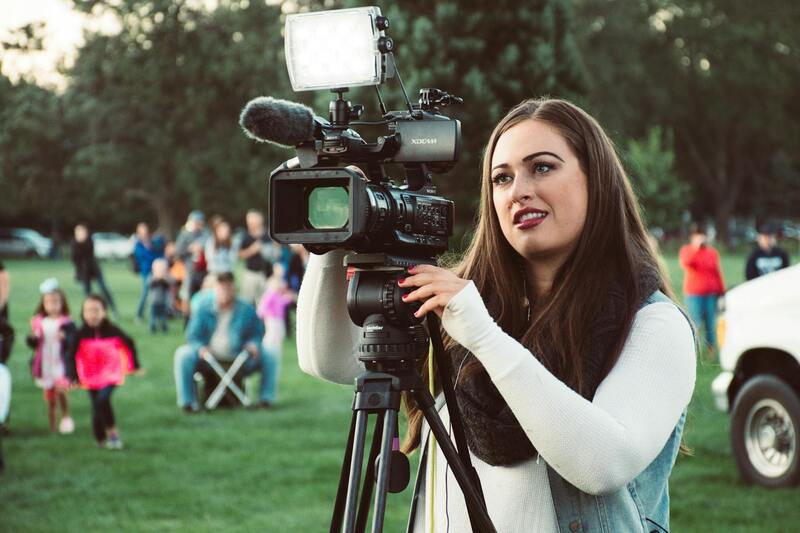
Achieving exceptional real estate property pictures relies heavily on the selection of appropriate equipment and the application of effective techniques. Investment in professional-grade camera gear, such as full-frame DSLR or mirrorless cameras, ensures capturing images with superior clarity, color accuracy, and detail. Complementing this with high-quality wide-angle lenses allows for encompassing entire rooms and scenic outdoor views, presenting spaces as spacious and inviting to potential buyers.
Utilizing a tripod stabilizes the camera during shots, which is essential for achieving sharp images without motion blur, especially in low-light conditions or interior spaces with limited natural light. Proper lens selection and stabilization techniques enable photographers to capture consistent, distortion-free images that accurately represent the property's dimensions and features.
Advanced techniques like HDR (High Dynamic Range) imaging blend multiple exposures to produce photos with balanced lighting, ensuring that both shadows and highlights are rendered vividly. This method is particularly beneficial in properties with windows or outdoor views, where lighting variations can otherwise compromise the visual quality.
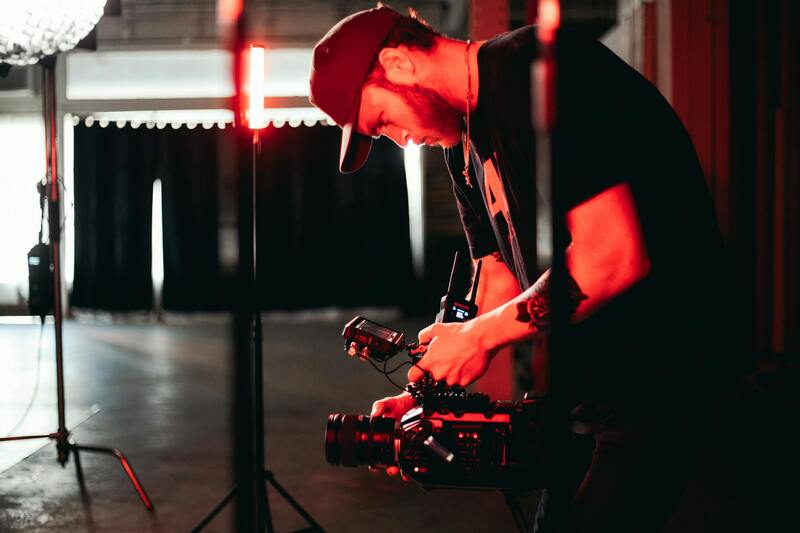
Effective use of artificial lighting, such as portable flashes or professional studio lights, can dramatically improve interior shots by eliminating shadows and highlighting architectural details. Techniques like shooting during the optimal time of day, especially when natural light is abundant, further enhances the aesthetic appeal. Mastery of these equipment and methods is essential to produce images that stand out in Miami’s competitive market, where visual excellence directly influences engagement and interest.
Preparing Properties for Photography
Proper preparation of the property ensures that every shot reflects the space in its best light, creating compelling visuals that attract buyers. Cleaning and decluttering are fundamental; removing personal items, excess furniture, and items that obstruct architectural features help to create a clean, inviting environment. Minor repairs, such as fixing broken fixtures or patching wall imperfections, should be completed beforehand to prevent distractions in the images.
Staging plays a vital role in showcasing the potential of each room. Carefully arranged furniture, tasteful decor, and strategic accent pieces enhance space perception and evoke an aspirational lifestyle. For outdoor areas, tidying patios, landscaping, and ensuring unobstructed views of scenic surroundings are critical steps.
On the day of the shoot, opening curtains and blinds to maximize natural light, adjusting window treatments as needed, and turning off interior lights can help achieve a balanced exposure. These preparatory steps form a comprehensive approach to setting the stage for standout property photographs.
Editing and Post-Processing of Property Photos
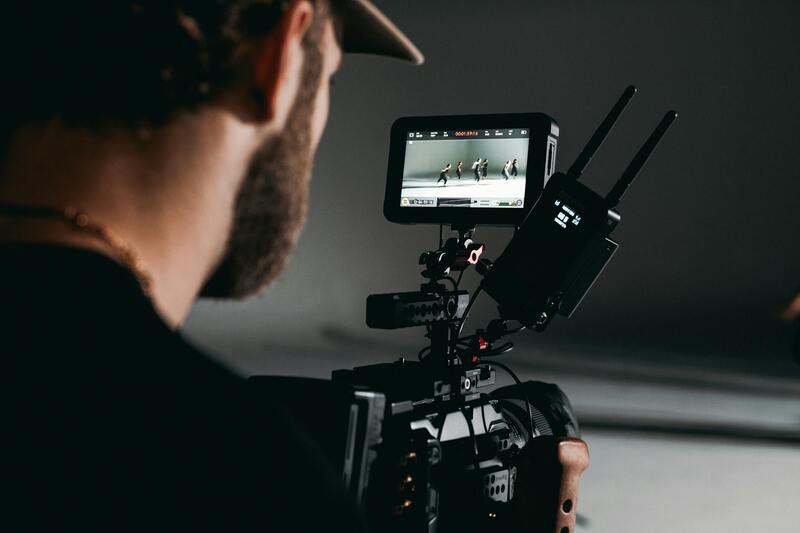
Post-processing is an essential phase to refine and enhance real estate images, ensuring they accurately portray the property's appeal. Skilled editing involves adjusting brightness, contrast, and color balance to deliver images that are vibrant without appearing exaggerated. Correcting white balance and removing minor imperfections, such as dust spots or reflections, contribute to a polished final product.
Advanced techniques, including perspective correction and sky replacement, can be employed to address distortions or improve outdoor shots. These adjustments are performed with precision to maintain a truthful representation, preserving the integrity of the images and fostering trust with viewers.
Consistency in editing style across all property photos strengthens branding and provides a cohesive visual narrative for online listings. High-quality post-processing ultimately elevates the photographic presentation, giving listings a professional edge that resonates with prospective buyers in Miami's dynamic real estate environment.
Key Elements of Compelling Property Photography
Effective real estate property pictures hinge on a combination of technical skill, strategic planning, and artistic vision. First and foremost, the composition of each shot plays a vital role in showcasing the property's best features. Using techniques like the rule of thirds can help position key elements within the frame, drawing viewers’ eyes naturally to focal points such as the living room centerpiece or a scenic outdoor view.
Lighting is paramount in crafting inviting and authentic images. Utilizing natural daylight enhances the property’s appeal by highlighting textures, colors, and spatial dimensions. When natural light is insufficient, professional lighting equipment can fill shadows and provide clarity without altering the true ambiance. Avoiding harsh shadows or overexposed areas requires attention to light direction and intensity, especially during different times of day.
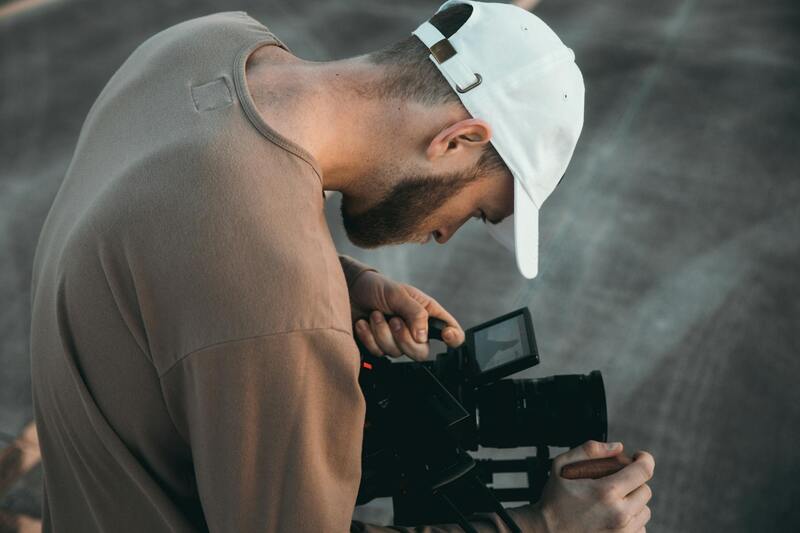
Another essential element involves maintaining a clean, clutter-free environment. Removing personal items, excessive furniture, and any distracting elements ensures that potential buyers focus on the space itself rather than extraneous details. Proper staging can enhance the perception of size and functionality, making rooms appear more welcoming and spacious.
High dynamic range (HDR) photography technique is often employed to capture the full range of light in a scene, balancing interior brightness with outdoor lighting conditions. This approach prevents loss of detail in shadows or highlights, creating a comprehensive view that accurately reflects the property's appearance. Additionally, wide-angle lenses are favored for their ability to encompass more of the space in a single shot, making rooms seem larger and more open.
Drone photography has become an invaluable asset for presenting outdoor properties from unique perspectives. Capturing aerial views not only showcases sprawling landscapes or large estates but also conveys the overall layout and connectivity of the property within its surroundings. When executed correctly, drone imagery can significantly enhance an online listing’s visual storytelling.
Authenticity and Consistency
Authentic representation remains a cornerstone of compelling real estate photography. All images should accurately reflect the property's condition and ambiance. Over-editing or misleading angles can damage credibility and lead to disappointment during physical visits, so transparency is crucial.
Consistency across photographs, including similar editing styles and color tones, helps establish a professional and cohesive listing. Consistent imagery not only improves aesthetic appeal but also fosters trust with potential buyers, who appreciate truthful and high-quality visuals. Maintaining this standard across all photos is especially important in competitive markets like Miami, where high-quality images can set a listing apart.
Utilizing Perspectives and Angles
Proper choice of viewpoints enhances spatial perception. Shooting from eye level provides an accurate sense of scale, while elevated angles can reveal room flow and layout. Low shots, on the other hand, can accentuate ceiling height and architectural details. Experimenting with different vantage points ensures a diverse portfolio that appeals to varied tastes and concerns.
Attention to detail during photography reduces the need for excessive post-processing, saving time and maintaining image integrity. For example, aligning vertical lines and correcting perspective distortions ensures that architecture appears precise and true to form. Such meticulous photographic practices reinforce the professionalism conveyed through high-quality property images.
Ultimately, compelling property images are a combination of technical precision, aesthetic sensibility, and honest portrayal. These elements work together to produce photographs that draw viewers in, help them visualize living in the space, and encourage engagement with the property listing.
Choosing the Right Equipment and Techniques
Achieving stunning real estate property pictures starts with selecting the proper equipment and employing effective techniques tailored to showcase the property's best features. High-quality cameras with appropriate lenses are fundamental. A DSLR or mirrorless camera equipped with a wide-angle lens (typically 14-24mm) allows photographers to capture expansive indoor spaces without distortion, providing viewers with a comprehensive sense of the property's layout.
Tripods are essential to ensure camera stability, especially in low-light conditions or when using slower shutter speeds to enhance image brightness and detail. Remote triggers or timers minimize camera shake, resulting in crisp, clear images. Moreover, utilizing polarized filters can manage reflections on glass surfaces and shiny fixtures, delivering a more accurate representation of the space.
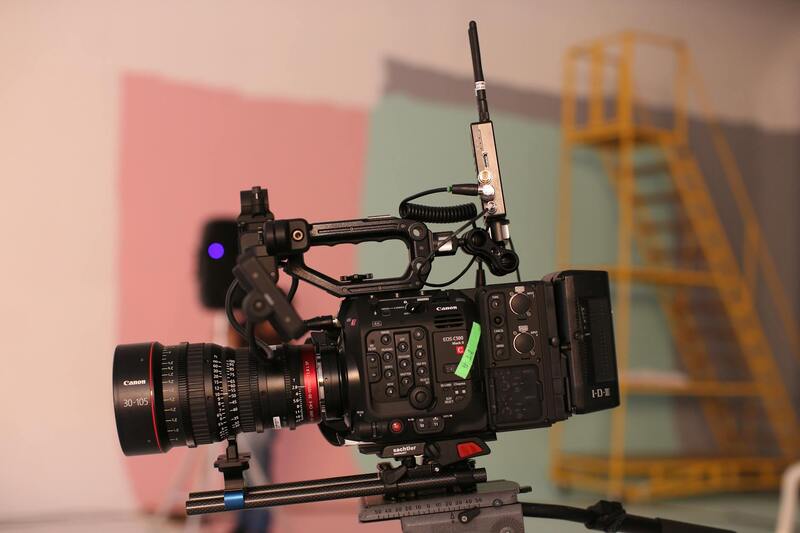
Lighting plays a pivotal role in real estate photography. Natural light is preferred, so scheduling shoots during times of abundant daylight enhances the vibrancy and warmth of the images. Distant windows with minimal obstructions allow for even light distribution. If natural light is insufficient, professional lighting setup—including softboxes, diffusers, and reflectors—can be used to illuminate dark corners and highlight architectural features effectively.
Proper camera settings are vital. Shooting in RAW format retains maximum image data, offering greater flexibility during post-processing. An aperture of f/8 to f/11 is generally optimal for maximizing depth of field, ensuring both foreground and background details are sharp. Maintaining balanced exposure throughout the property prevents overexposed highlights or underexposed shadows, resulting in high-fidelity images that faithfully portray the space.
Mastering Photography Techniques
- Perspective and Composition: Carefully choosing angles that emphasize spaciousness and architectural details draws attention to key features. Shooting from eye level maintains realistic proportions, while elevated or low vantage points can enhance perception of room dimensions or ceiling heights.
- Line Alignment: Ensuring vertical and horizontal lines are straight and aligned enhances the perception of symmetry and accuracy. This involves using live view grids or electronic level indicators to correct perspective distortions on-site.
- HDR and Bracketing: High Dynamic Range (HDR) photography involves capturing multiple images at different exposure levels and blending them to produce balanced images, especially in scenes with challenging contrast, such as windows with bright outdoor light.
- Detail Focus: Close-up shots of distinctive features like custom cabinetry, countertops, or architectural moldings add depth and interest to property listings, giving potential buyers a closer look at quality craftsmanship.
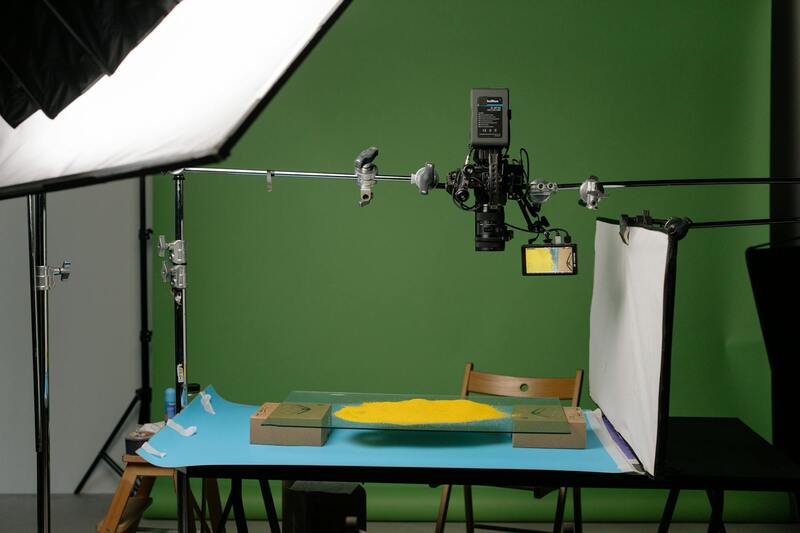
Implementing these techniques ensures that images are not only visually appealing but also precise, truthful, and effective at conveying the property's true character. Skilled use of equipment and methodical approach to shooting angles, lighting, and composition maximizes the visual impact, ultimately facilitating a more engaging online presentation for prospective buyers or tenants.
Ensuring Authenticity and Accuracy in Property Images
Maintaining the integrity of real estate property pictures is critical in fostering trust with potential buyers and ensuring a transparent viewing experience. Every image should accurately reflect the property's current condition, dimensions, and features without exaggeration or misrepresentation. This involves meticulous attention to details during the photography process, from selecting appropriate angles to ensuring consistent lighting conditions.
One of the effective ways to preserve authenticity is through thorough on-site preparation and verification of shots before capturing the images. Cross-checking the framing, perspective, and exposure settings on-location minimizes post-shoot alterations required later. Incorporating multiple perspectives of the same space allows viewers to gain a complete understanding of the property's layout, reinforcing credibility.
Properly capturing unique architectural elements, such as ornate moldings, custom finishes, or built-in features, aids prospective buyers in appreciating the property's craftsmanship. Highlighting these details using macro or close-up shots adds depth to the listing and provides a comprehensive representation.
Regarding consistency, employing standardized procedures for shooting different types of rooms ensures visual uniformity across the photographs. For example, using the same lens and camera settings for each space maintains a cohesive aesthetic, reducing visual discrepancies that could lead to misinterpretation.

In addition to static images, incorporating floor plans or 3D virtual tours complements the photographs, providing a multi-dimensional view of the property. This comprehensive approach not only enhances the online listing's appeal but also aligns with viewer expectations for transparent and truthful representations.
Advanced photographic techniques like perspective correction and HDR imaging ensure each shot reflects reality while showcasing the property in the best light. These methods help avoid common pitfalls such as unrealistic color saturation, distorted lines, or shadowed areas that might confuse or mislead viewers.
Final Checks and Quality Assurance
- Review all images for consistency in lighting, color balance, and perspective.
- Compare photographs with the actual property to verify accuracy.
- Seek feedback from professionals or clients to ensure the images meet high standards of authenticity.
By adhering to these principles, professionals in real estate photography can produce images that accurately and ethically depict properties. This honest portrayal establishes trust with clients and streamlines the buying process, ultimately benefiting all parties involved in the transaction.
Legal and Ethical Considerations in Property Photography
When capturing real estate property pictures, adhering to established guidelines ensures that the images serve their purpose effectively while maintaining transparency. Photographers must obtain proper permissions before photographing a property, especially in spaces with limited access or private areas. Respect for the owner's privacy and property boundaries is essential for fostering trust and professionalism.
It's crucial to accurately represent the property’s features without exaggeration or omission. This includes refraining from digital alterations that could mislead potential buyers regarding the property's condition, dimensions, or surroundings. True-to-life lighting, colors, and spatial relationships should be maintained throughout the photographic process.
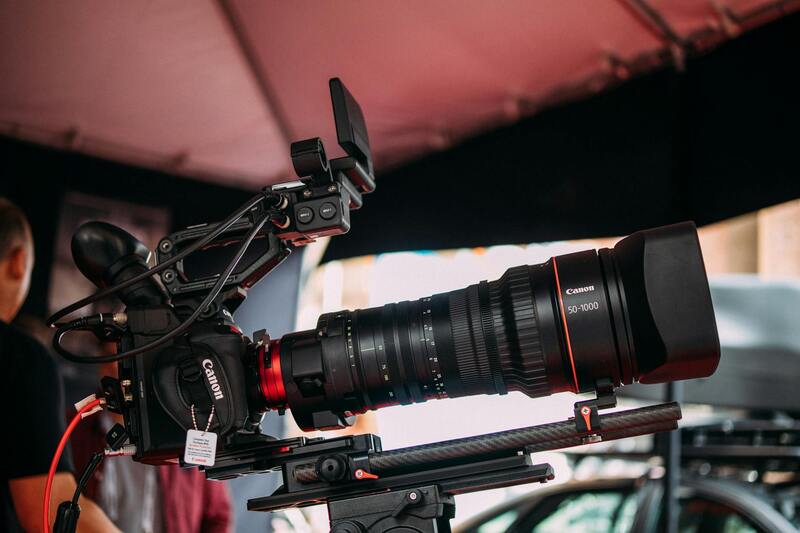
Photographers should also be aware of potential copyright issues related to their images. Proper attribution or licensing for any third-party elements, such as artwork or branded signage, helps safeguard against legal complications. Additionally, when photographing temporarily occupied spaces, such as rental units, consent from residents or tenants is necessary to avoid privacy infringements.
Data protection is another important aspect. When including identifiable features such as license plates or personal belongings, images should be carefully reviewed to respect privacy rights, especially if the photos are meant for online listings accessible to the public. Ensuring images are free from identifiable personal information aligns with ethical standards and maintains professionalism.
Consistently applying these standards reinforces a commitment to honesty in marketing efforts. By portraying properties accurately and respecting the rights of all involved parties, real estate professionals promote transparency in their listings, which ultimately enhances consumer confidence and supports a seamless transaction process.
Incorporating these practices into the property photography workflow not only benefits individual agents and agencies but also upholds industry best practices, setting a standard for integrity and accountability in real estate marketing.
Legal and Ethical Considerations in Property Photography
When capturing images for real estate listings, adhering to certain standards ensures the process remains transparent and trustworthy. Obtaining explicit permissions from property owners and any individuals who may be identifiable in the images is fundamental. This approach not only respects personal rights but also helps avoid future disputes related to intellectual property or image use rights.
It is crucial to accurately represent the property without exaggeration or misrepresentation. Photographers should avoid techniques that manipulate the true appearance of the space, such as deceptive angles or extensive post-processing that alters the property's features significantly. This honest approach builds credibility and fosters confidence among prospective buyers, aligning expectations with reality.
For properties with residents, obtaining consent prior to photographing interior spaces ensures privacy is maintained. Clear communication about the intended use of images, especially those shared publicly online, helps prevent misunderstandings and privacy breaches. Additionally, any branding, signage, or artwork visible in photos should be properly attributed or licensed, preventing copyright issues and reinforcing professionalism.
On a technical level, images should exclude sensitive personal information, such as license plates, personal belongings, or other identifiable features that could compromise privacy. This practice demonstrates a commitment to responsible marketing and protects the interests of all parties involved.
Maintaining these ethical standards not only streamlines the marketing process but also strengthens the reputation of real estate professionals. Trusted, honest representations of properties foster a more positive relationship with clients and prospects, ultimately leading to more successful transactions.
Working with a Miami Production Agency
Partnering with a specialized agency in Miami ensures that property photos meet high-quality standards while adhering to local regulatory guidelines. Such agencies possess extensive experience in real estate marketing, utilizing professional equipment and techniques tailored to the unique needs of the Miami market. They understand how to capture properties authentically, emphasizing their best features without compromising integrity.
Collaborating with local experts also facilitates compliance with regional standards and best practices, providing reassurance that the visual content aligns with industry expectations. These agencies typically maintain rigorous quality control measures, ensuring each image is optimized for both online viewing and print materials.
Legal and Ethical Considerations in Property Photography
Ensuring the integrity of real estate property pictures involves adhering strictly to established professional standards and practices. When capturing images of properties, it is essential to focus on accuracy and transparency, reflecting the true condition and features of the property without misleading potential buyers or tenants. This approach not only fosters trust but also aligns with responsible marketing principles.
One of the foundational aspects of ethical property photography is obtaining proper consent from property owners or stakeholders before taking and publishing images. Respect for private spaces, sensitive areas, and personal belongings is crucial. Photographers and marketers should avoid including identifiable individuals or personal items unless explicit permission has been granted, thereby safeguarding privacy and respecting personal boundaries.
Additionally, be mindful of the portrayal of the property’s condition. Photos should accurately depict the space's current state, including any flaws or imperfections that could influence a prospective buyer’s decision. Manipulating images to conceal issues or exaggerate features can mislead viewers, undermine credibility, and lead to potential disputes. Hence, editing should enhance clarity and color accuracy without creating false impressions.
Another aspect of ethical practice involves adhering to regional guidelines concerning property advertising. This includes following established protocols for photographing certain types of properties or restricted areas, and avoiding the promotion of properties in a manner that could be considered discriminatory or intrusive.
Employing professionals who are well-versed in these standards is beneficial. Experienced real estate photographers understand the importance of balancing aesthetic appeal with truthful representation. They apply techniques that highlight the property’s best features ethically while ensuring compliance with local regulations.
Maintaining these standards not only elevates a listing’s credibility but also supports a positive reputation for real estate agents and agencies. Clear, honest images help attract genuinely interested buyers or tenants, reducing the likelihood of misunderstandings or dissatisfaction after viewings.