
Understanding the Importance of Professional Real Estate Photography
In the competitive Miami real estate market, high-quality visual presentation plays a crucial role in attracting prospective buyers and renters. Well-executed real estate photography captures the true essence of a property, highlighting its best features while providing a comprehensive view that appeals visually and emotionally. These images serve as the first impression for online listings, making them a vital component in marketing strategies. Effective visuals can significantly reduce the time a property stays on the market by generating more inquiries and fostering quicker sales or rentals.
Property photos that are clear, well-lit, and professionally composed convey a sense of quality and care, inspiring confidence in potential clients. They enable viewers to envision themselves living in or using the space, which enhances engagement and motivation to schedule viewings. In Miami’s vibrant market, where competition is fierce and properties often feature unique architectural elements or luxurious amenities, showcasing these aspects through professional imagery is key. The right visuals not only reflect the property accurately but also evoke an emotional response, encouraging faster decision-making from interested parties.
Moreover, professional real estate photography aligns with digital marketing best practices, improving search engine ranking and increasing visibility across listing platforms. High-resolution images allow for flexibility in marketing formats, whether for listing websites, social media, virtual tours, or print advertisements. Overall, investing in quality visuals generated by skilled photographers is an essential step toward maximizing a property’s market potential in Miami.
Preparing the Property for a Real Estate Shoot
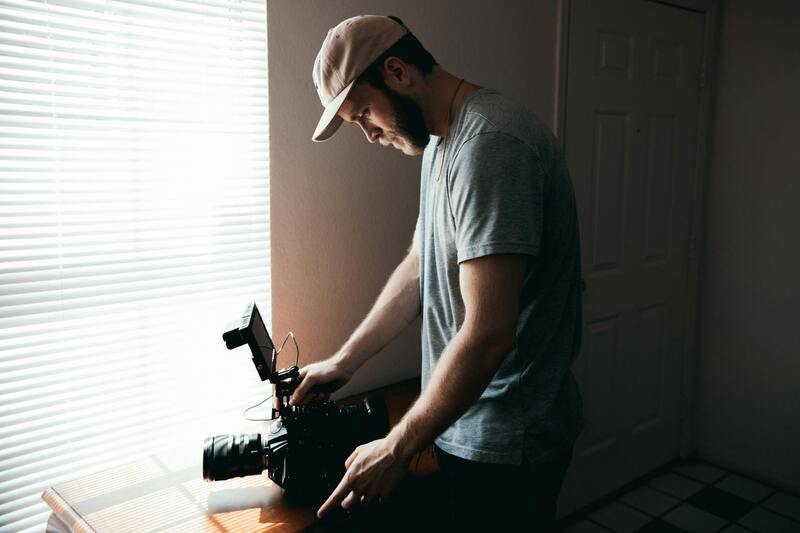
Preparation is a critical phase that determines the overall quality of the photographs. The goal is to create a space that appears inviting, organized, and visually appealing. Homeowners and property managers should focus on decluttering each room to remove personal items, excess furniture, and unnecessary clutter. A tidy space allows the photographer to capture the property's true charm and spaciousness.
Lighting is another vital aspect of preparation. Maximizing natural light by opening curtains and blinds before the shoot enhances brightness and warmth, especially important in Miami’s sunny climate. If needed, additional lighting fixtures should be arranged to eliminate shadows and ensure even illumination throughout the property.
Pay attention to details such as making beds neatly, cleaning windows, and ensuring that any repairs or touch-ups are completed beforehand. Exterior spaces should be tidied by trimming landscaping, removing debris, and washing windows and surfaces for a clean appearance. Small enhancements like adding fresh flowers or decorative accents can make spaces feel more inviting.
Scheduling the shoot during optimal weather conditions is also essential. Overcast days provide softer, diffused light suited for interior shots, while clear sunny days are ideal for capturing exterior features and outdoor spaces. Proper preparation not only elevates the visual impact of photos but also streamlines the photography process, saving time and ensuring consistency across the shoot.
Choosing the Right Equipment and Techniques
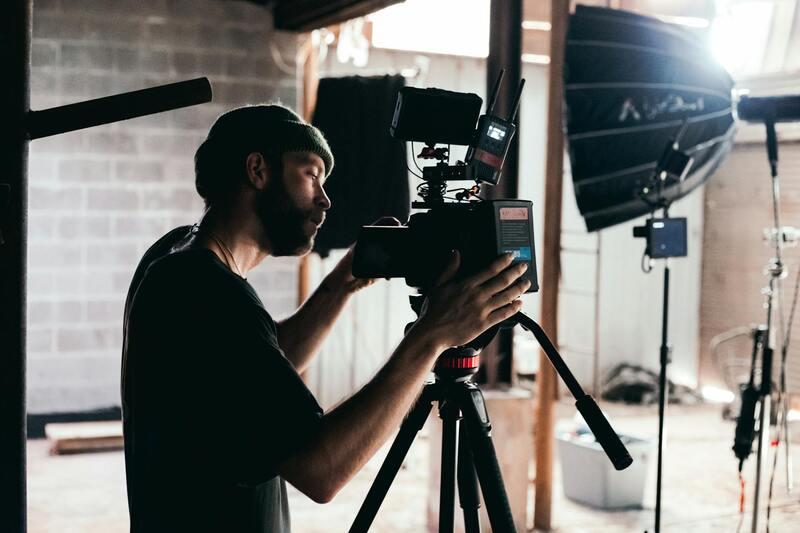
Utilizing professional-grade camera equipment is fundamental to achieving high-quality real estate images. Wide-angle lenses are standard, allowing photographers to capture more of a room in a single shot, which helps convey the space accurately. Tripods are essential for stabilizing the camera, particularly for interior shots with low light conditions, ensuring sharp images.
High dynamic range (HDR) techniques are often employed to balance the exposure between bright windows and darker interior areas, delivering well-lit and detailed photos. Drone photography can also be a valuable addition, offering stunning aerial views of outdoor spaces and showcasing the property in its surroundings.
Photographers should use manual settings to control aperture, shutter speed, and ISO, optimizing image clarity and color accuracy. Proper framing, perspective, and composition further enhance the visual appeal, creating images that entice viewers and reflect the property’s best qualities accurately.
In addition to technical equipment, mastery of shooting techniques—such as straight vertical lines, consistent horizons, and natural lighting—plays a significant role in producing professional, market-ready images. This combination of advanced tools and skilled techniques ensures the final photos meet industry standards and attract serious inquiries.
Timing and Scheduling the Shoot
Effective timing is crucial for capturing the property under optimal lighting conditions, enhancing its visual appeal. The best time for a real estate shoot typically falls during the late morning or early afternoon when natural light is abundant but not harsh, avoiding overly bright spots or deep shadows that can distort the property’s appearance. Scheduling the shoot during this window allows the photographer to leverage soft, natural illumination, which renders interior and exterior spaces invitingly. In Miami’s vibrant climate, considering the weather forecast is essential. Overcast days provide diffused lighting that minimizes glare and shadows, producing more evenly lit images. Clear, bright days are ideal for outdoor shots, especially when showcasing landscaping, pools, or outdoor living areas, as they reflect the property's fullest potential. Advance coordination with the property owner or listing agent ensures everything is prepared, from unlocking gates to clearing walkways. Planning the shoot during periods of good weather minimizes interruptions and guarantees consistent lighting conditions throughout the session. Additionally, scheduling allows ample time for multiple shot angles and detailed captures of key features—such as upgraded kitchens, spa bathrooms, or scenic balconies—without feeling rushed. Properly timed shoots significantly improve the clarity and attractiveness of the resulting images, making the property more appealing to prospective buyers or renters.

Capturing Interior and Exterior Features
A comprehensive real estate shoot must highlight both interior spaces and exterior amenities, demonstrating the property’s full scope. Interior photography requires strategic angles and proper lighting to emphasize spaciousness, functional layouts, and design details. Wide-angle lenses are vital here, enabling the capture of entire rooms in a single frame while maintaining proportion and perspective. For interior shots, attention should be paid to cleaning and staging. Removing clutter, repositioning furniture, and incorporating subtle decorative elements can enhance visual storytelling. Natural light should be maximized by opening curtains and blinds, allowing daylight to fill the space, or supplementing with professional lighting if necessary. Exterior shots are equally important to establish curb appeal and showcase outdoor features such as gardens, patios, pools, and parking areas. Dusk or dawn can be ideal times for exterior photography, offering warm lighting and dramatic skies that add ambiance. Drone footage can supplement traditional photography by providing sweeping views of the property from above, revealing outdoor layouts and nearby scenic attractions. These aerial images are especially effective in Miami's scenic neighborhoods and waterfront properties. Composing images thoughtfully, balancing elements like symmetry and perspective, results in compelling visuals that draw viewers into the property's unique character. A well-rounded approach capturing details at various angles presents a true reflection of what makes the property desirable.

Strategic Use of Official Methods to Enhance Real Estate Photography
When aiming to produce high-quality real estate images that effectively attract potential buyers, employing official and established methods is paramount. These include the utilization of advanced equipment, precise lighting techniques, and adherence to industry best practices that ensure each shot accurately showcases the property's characteristics. Such methods are grounded in proven standards that maintain consistency, professionalism, and visual accuracy, ultimately elevating the overall presentation of the property.

Utilization of Professional Equipment and Techniques
Deploying the right equipment is critical in capturing the property's essence. High-resolution DSLR or mirrorless cameras equipped with wide-angle lenses allow for expansive views within tight interior spaces, making rooms appear larger and more inviting. Professional-grade tripods provide stability needed for sharp images, especially when shooting in low-light conditions or utilizing long exposure techniques.
Lighting setup plays a significant role in achieving accurate color representation and highlighting architectural features. External flashes and diffusers help balance ambient light, reducing shadows and glare. When natural light is insufficient, supplemental lighting ensures that spaces are evenly illuminated, preventing overexposed highlights or underlit areas.
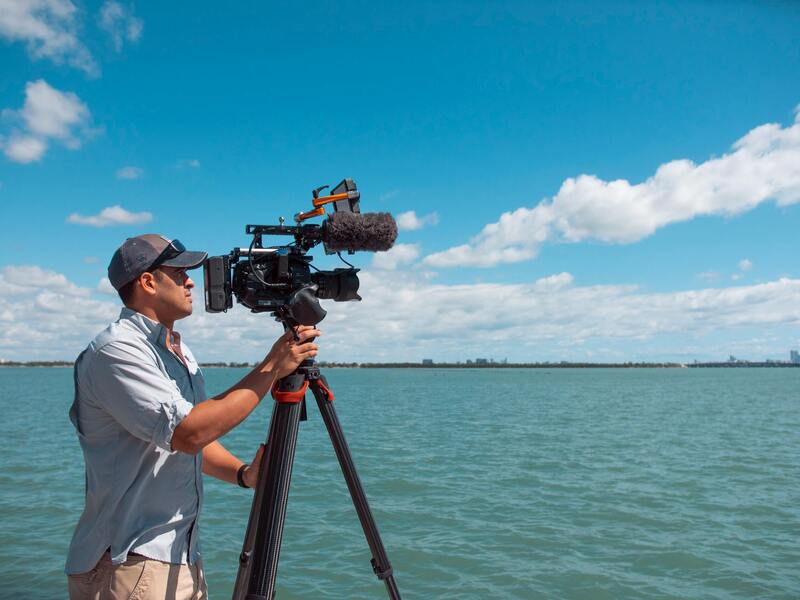
Shooting techniques such as HDR (High Dynamic Range) imaging involve capturing multiple exposures and blending them to produce images with balanced lighting in high-contrast environments, like windows or reflective surfaces. Precise framing, strategic perspectives, and maintaining vertical and horizontal lines help in presenting spaces accurately, avoiding distortion and maintaining authentic proportions.
Adherence to Industry-Recognized Protocols
Following established protocols during the shoot ensures consistency and professionalism. This includes scheduling shoots during optimal lighting times—typically during the day when sunlight is abundant—to maximize natural illumination. Pre-shoot walkthroughs help identify key features that should be highlighted, and staging guidelines assist in arranging furniture and decor to accentuate space and flow.
Utilizing official checklists minimizes overlooked details, ensuring each image serves a specific purpose within the marketing strategy. These checklists often cover aspects such as door and window clarity, cleanliness, the removal of personal items, and the proper positioning of elements to emphasize the property's strengths.

Legal and Ethical Considerations in Property Photography
Creating authentic representations of a property involves respecting privacy norms and property rights. Before scheduling a shoot, obtaining appropriate permissions from property owners or managers is standard practice. This proactive approach not only aligns with industry standards but also fosters trust, ensuring a smooth collaboration process.
During the shoot, photographers are expected to adhere to local regulations regarding drone usage and aerial photography, especially in areas where airspace restrictions are in place. Employing compliant methods safeguards against potential issues and enhances the credibility of the marketing campaign.
Maintaining a Professional Standard for Visual Output
Final images should be processed with attention to detail, ensuring color accuracy, proper exposure, and sharpness. Post-processing should be applied judiciously, enhancing the natural features without misrepresenting the property's appearance. This disciplined approach guarantees that the visual presentation remains trustworthy and compelling for prospective buyers.
All imagery must meet the quality standards set by industry best practices, which include high resolution, correct aspect ratios, and optimized file formats for various marketing channels. Consistent branding within the imagery, such as uniform color grading and style, reinforces professionalism and marketing cohesion.
Utilizing Advanced Techniques for Captivating Shots
To elevate the quality of a real estate shoot, deploying advanced photographic techniques is essential. Achieving exceptional interior and exterior images requires a combination of skillful camera settings and innovative methods to showcase the property's best features. High dynamic range (HDR) imaging, for example, allows real estate photographers to balance exposures across a scene with challenging lighting conditions, ensuring both shadows and highlights are accurately represented. This technique is particularly useful when capturing images of rooms with strong contrasts, such as living spaces with large windows.
Panoramic shots and 360-degree virtual tours are increasingly popular in real estate imaging, offering potential buyers an immersive online experience. These methods require specialized equipment, such as panoramic heads and dedicated software, to stitch images seamlessly. When executed correctly, they provide a comprehensive view of the property and can significantly boost online engagement.
Utilizing drone photography with precision adds a compelling aerial perspective, allowing viewers to appreciate the property's size, landscaping, and surrounding environment. Proper planning for flight paths, ensuring stable shots, and adhering to regional restrictions enhances the quality and safety of drone footage.
Lighting techniques play a crucial role in achieving visually appealing images. Incorporating external lighting for interiors and ensuring optimal natural light for exteriors minimizes shadows and highlights the property's best features. Properly balanced lighting results in images that look vibrant and inviting, setting the stage for successful marketing.
Capturing Interior and Exterior Features
When conducting a professional real estate shoot, highlighting the unique aspects of both interior and exterior spaces is essential for creating a comprehensive visual narrative of the property. Carefully planned photography that emphasizes spaciousness, natural light, and architectural details helps attract potential buyers or tenants. Interior shots should focus on key rooms such as the living area, kitchen, master bedroom, and bathrooms, capturing not only their dimensions but also the ambiance and lifestyle they offer.
The utilization of natural sunlight can enhance interior visuals by adding warmth and vibrancy, so scheduling shoots during the day is advisable. Open curtains and turn on all relevant lights to create a well-lit environment that appears inviting. Using a tripod stabilizes the camera and ensures sharpness, especially in lower-light settings. Wide-angle lenses are particularly beneficial here, as they help convey the room's spaciousness and layout more effectively.
Exterior photography aims to showcase curb appeal and outdoor amenities, such as gardens, patios, pools, and driveways. Diligently scouting the property beforehand allows for identifying the best angles and viewpoints that accentuate the landscape and architectural elements. Elevation shots or drone photography can capture the full scope of the property's surroundings, offering prospective buyers a sense of place and scale.

In both interior and exterior photography, attention to detail is critical. Ensuring all clutter is cleared, surfaces are clean, and stylistic elements are emphasized adds professionalism to the images. Including it seamlessly within the overall shoot plan ensures that each photo contributes to a compelling visual story, ultimately increasing the property's marketability and attracting serious inquiries.
Utilizing Additional Imaging Techniques to Maximize Property Appeal
To achieve comprehensive visual coverage of a property, incorporating advanced imaging techniques can significantly enhance the final presentation. HDR (High Dynamic Range) photography is particularly effective in balancing the exposure between bright outdoor scenes and interior spaces, ensuring that neither shadows nor highlights are lost. This technique involves capturing multiple images at different exposures and blending them to produce a balanced, highly detailed shot.
Panoramic photos offer a sweeping view of larger spaces or landscapes, giving potential buyers an immersive experience of the property’s surroundings. When executed with sophisticated stitching software, panoramic images can showcase open-plan interiors, expansive gardens, or scenic vistas from multiple vantage points, making spaces appear larger and more inviting.
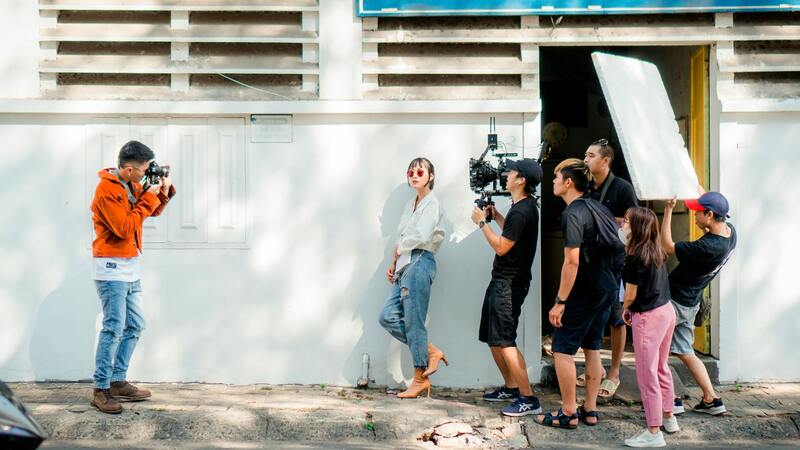
Another valuable approach involves twilight photography, which captures the property just after sunset, when exterior lighting creates a warm, inviting glow. This technique emphasizes the property's curb appeal at a time when natural light complements ambient illumination, making external features stand out more vividly. Twilight images can evoke an emotional response, highlighting the ambiance and character of the property in a way that daytime photos may not fully convey.
Utilizing drone photography can also be instrumental in showcasing larger properties or land plots. Aerial shots offer a unique perspective on the property's layout, amenities, and nearby features, proving especially appealing for listings with extensive outdoor areas, pools, or landscaped gardens. Drones can provide a comprehensive view that helps prospective buyers understand the property’s scale and environment, which ground-level shots might not fully capture.
Careful consideration of these specialized techniques and their strategic integration into the overall shoot plan elevates the quality of the visual content. This meticulous approach ensures that every aspect of the property is highlighted effectively, attracting more attention from serious buyers and increasing the likelihood of a swift sale.
Optimizing Image Delivery and Application for Maximum Impact
Effective utilization of real estate photographs extends beyond the shoot, encompassing strategic dissemination across multiple platforms and marketing channels. To maximize visibility and engagement, high-resolution images should be prepared in appropriate formats that balance quality with file size. This facilitates quick loading times on websites and ensures images appear crisp on various devices, from desktops to mobile screens.
Once the images are ready, a structured delivery method is essential. Digital galleries or dedicated cloud storage solutions enable seamless transfer to clients and stakeholders, ensuring images remain unaltered and easily accessible. Clear labeling, organized folders, and metadata tagging streamline the process, allowing real estate professionals to quickly locate specific shots for different marketing initiatives.
Incorporating images into online listings is critical for attracting prospective buyers. High-quality photos should be paired with engaging descriptions that highlight unique property features while optimized for search engines. Virtual tours and 3D walkthroughs, heavily reliant on the foundational imagery, offer immersive experiences that can significantly influence decision-making. These digital tools allow potential buyers to explore the property remotely, reducing the need for initial physical visits and accelerating the sales process.
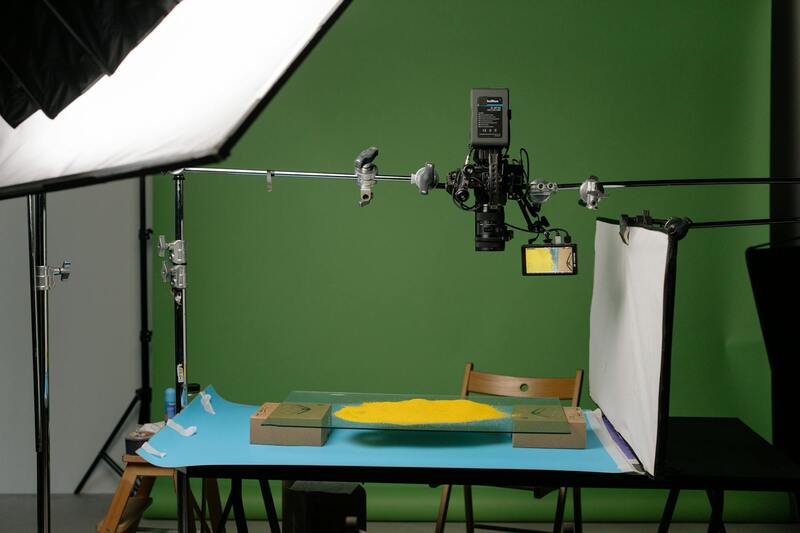
Social media campaigns constitute a vital component of modern real estate marketing. Curated photo galleries on platforms such as Instagram and Facebook increase audience reach and foster engagement through targeted advertisements and organic posts. Consistent branding and professional imagery reinforce the property’s appeal and establish a recognizable presence in local and regional markets.
Additionally, integrating images into printed marketing materials, such as brochures, flyers, and postcards, provides tangible assets for open houses and direct mail campaigns. Print visuals should mirror the digital quality, emphasizing the property’s best angles, lighting, and details to create an emotional connection with potential buyers.
Partnering with a Miami Production Agency for Best Results
Collaborating with a specialized production agency in Miami ensures that every phase of the real estate shoot aligns with industry standards and marketing goals. Expertise in local market nuances, combined with access to advanced equipment and editing capabilities, positions a production company as a valuable partner in creating compelling visual content. Their portfolio of successful projects demonstrates an understanding of how to highlight a property’s strengths and tailor imagery to different audience segments.
Professional agencies also provide guidance on the most effective distribution strategies, helping clients navigate the complexities of digital marketing and ensuring consistent branding across all platforms. This comprehensive support enhances the overall quality of the real estate marketing campaign, leading to increased buyer interest and faster sales cycles.
Effective Use of Real Estate Photography for Market Impact
Capturing high-quality images is a strategic step in elevating property visibility and attracting serious buyers. Properly executed photos not only showcase a property’s best features but also serve as a foundational element for comprehensive marketing campaigns. When images are crisp, well-lit, and professionally composed, they create an immediate visual impact that encourages potential buyers to engage further. The dissemination of visually compelling visuals across online listings, social media platforms, and printed brochures amplifies a property’s appeal, reaching a broader audience efficiently.

Maximizing Property Appeal Through Strategic Photo Placement
Arranging and selecting images thoughtfully maximizes the property’s perceived value. Prioritizing shots that highlight spaciousness, unique architectural details, and desirable amenities helps craft a narrative that resonates with prospective buyers. Integrating images that showcase the flow of living spaces, natural light, and outdoor features provides a comprehensive view of the property’s potential. A consistent visual theme across all marketing content reinforces branding efforts and helps establish a recognizable presence in competitive markets.
Utilizing Visual Storytelling for Greater Engagement
The art of storytelling through images involves sequencing photos to guide viewers through the property experience. Starting with an inviting exterior shot sets the tone, while interior images reveal layout and design quality. Including close-ups of finishes and special features creates a connection that stimulates emotional reactions. High-resolution images with proper depth of field draw viewers deeper into the story of the home, making them more likely to envision themselves living there.
Leveraging Digital Platforms to Enhance Reach
Digital channels offer unparalleled opportunities for targeted exposure. Optimized images improve search engine results, attract attention on social media feeds, and increase conversion rates on listing websites. Incorporating image metadata such as descriptive alt text and keywords related to the property enhances discoverability. Additionally, high-quality visuals are essential for virtual tours and 3D walkthroughs, which have become increasingly vital in remote property evaluation scenarios.
Complementing Photos with Other Visual Content
While photography is core to visual marketing, integrating complementary content like videos and drone footage offers a comprehensive property showcase. Aerial shots provide expansive views of the surrounding neighborhood and landscape, adding context to the property’s location. Video tours engage viewers more emotionally by capturing movement and ambiance, creating a rich, immersive experience that static images alone cannot achieve.
Ensuring Consistent Quality and Brand Cohesion
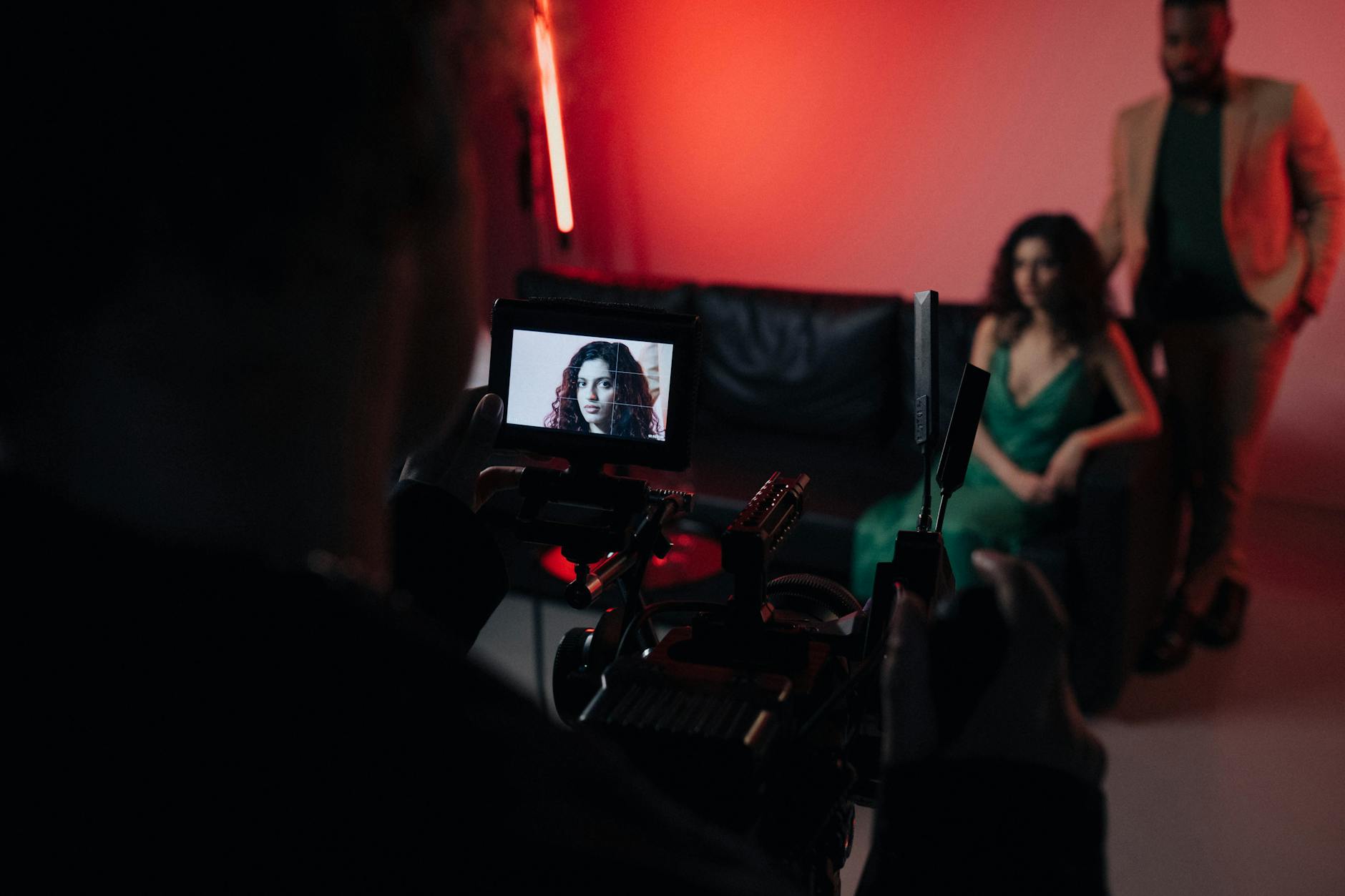
Consistency in style, lighting, and presentation across all visuals sustains brand identity and enhances professional appearance. Suppliers working on behalf of real estate agents or agencies should refine their approach based on the target market and the specific property’s features. Establishing a style guide that details preferred color schemes, framing techniques, and image resolutions ensures that each shoot aligns with overarching marketing standards. This consistency builds trust and recognition among potential clients and partner networks.
Optimizing for Different Platforms and Formats
Different marketing channels require varied image specifications, whether for online listings, social media, or print materials. Adjustments such as aspect ratio, resolution, and file size must be tailored to optimize load times and visual impact. Preparing multiple versions of each image facilitates seamless integration into diverse campaign elements, ensuring each platform’s strengths are maximized. A well-organized image library simplifies this process and maintains quality standards throughout the marketing materials.