
Understanding Real Estate Video Production
Real estate video production is a specialized service that combines videography, storytelling, and marketing strategies to showcase properties in a compelling visual format. This process involves planning, filming, editing, and finalizing videos that highlight the unique features and advantages of a property. The goal is to provide potential buyers and investors with an immersive experience that photographs alone cannot deliver, enabling them to visualize living or working in a space before making a commitment.
In the competitive landscape of real estate, high-quality videos serve as an essential tool to distinguish listings from others and reach a broader audience. Effective real estate videos often include aerial footage, walkthroughs, drone shots, and detailed close-ups, all crafted to create a comprehensive overview of a property’s structure, design, and ambiance. They also play a crucial role in digital marketing campaigns, supporting website listings, social media outreach, and email marketing efforts.
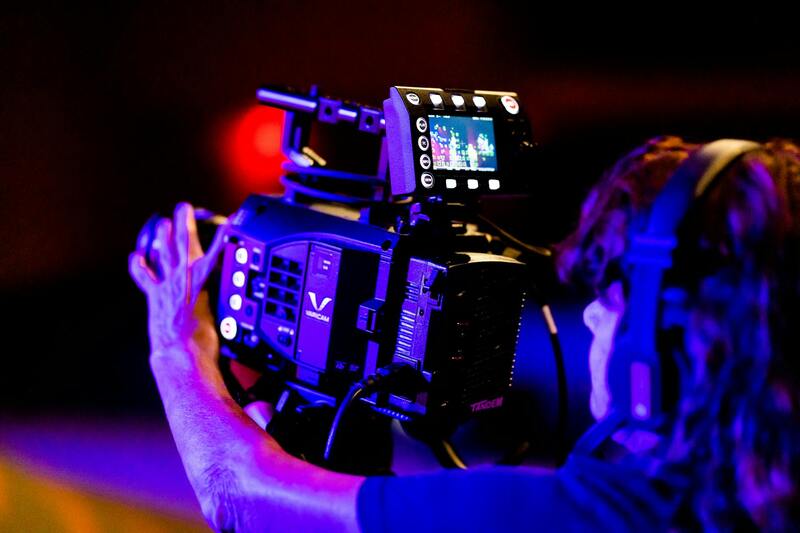
Beyond aesthetic appeal, real estate video production enhances the overall marketing strategy by increasing engagement rates and reducing the time a property stays on the market. Well-produced videos help attract qualified buyers who are actively seeking properties that match their criteria, ultimately leading to quicker transactions and better pricing.
The process involves a team of skilled videographers, editors, and marketing professionals working together to produce content tailored to the target audience. The entire workflow encompasses pre-production planning, on-site filming—including static shots, dynamic walk-throughs, and drone footage—and post-production editing to refine and optimize the final product. When executed correctly, real estate videos serve as an influential asset, elevating the profile of properties and empowering real estate agents and property owners with a powerful marketing tool.
Types of Videos for Real Estate Properties
In the realm of real estate marketing, diversifying the video content portfolio is critical to capturing different buyer interests and showcasing properties in the best light. Each type of video serves a distinct purpose and appeals to different segments of the target audience, making it essential to select the appropriate format for each listing.
- Property Walkthroughs: These videos offer a comprehensive virtual tour, providing viewers with an immersive experience of the property's layout and features. They are particularly effective for highlighting spaciousness, flow, and connection between rooms, allowing potential buyers to visualize themselves living in the space.
- Drone Footage: Aerial shots captured via drone technology showcase the property's exterior surroundings, landscaping, and proximity to amenities. Drone videos are especially valuable for large estates, waterfront properties, or homes situated in scenic locations.
- Neighborhood Tours: These videos give viewers a feel for the local environment, emphasizing community features, nearby schools, parks, shopping centers, and transportation options. They help buyers understand the lifestyle that comes with the property.
- Before-and-After Comparisons: Showcasing renovations or upgrades, this type of video highlights improvements made to a property, adding value and demonstrating the potential for customization.
- Testimonials and Agent Introductions: Videos featuring client testimonials or introductions from real estate agents help build credibility and establish trust with prospective buyers by providing authentic insights and personalities behind the listings.
Key Elements of Effective Real Estate Videos
Creating impactful real estate videos involves several core elements that ensure the content is engaging, professional, and aligned with marketing objectives. Attention to detail in these areas maximizes the video's effectiveness in capturing viewer interest and prompting action.
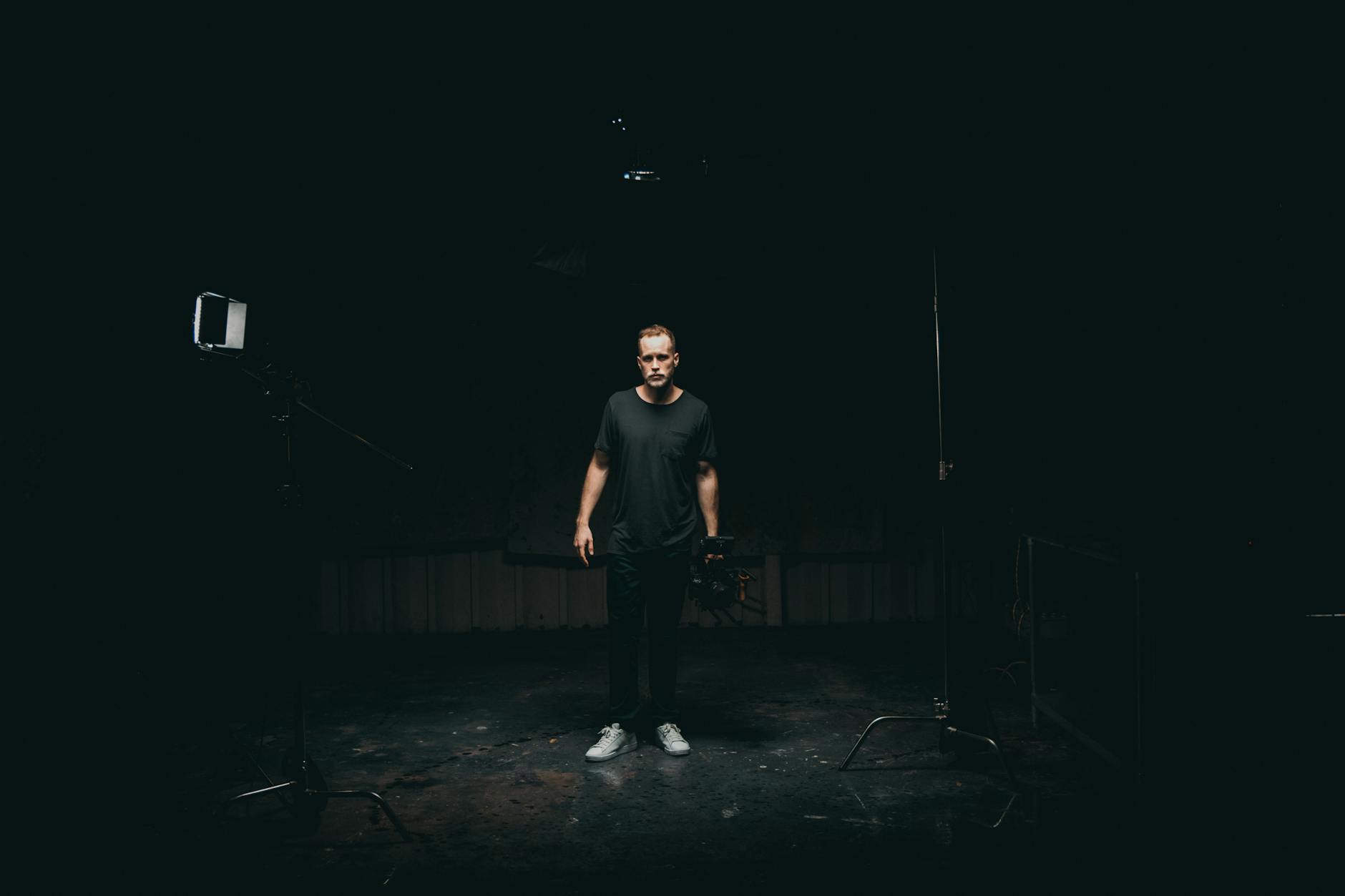
- High-Quality Visuals: Crisp, clear imagery achieved through professional cameras and stabilization equipment ensures the property's best features are prominently highlighted without distracting shakiness or blurriness.
- Consistent Lighting: Proper lighting, both natural and supplemented with professional lighting equipment, helps showcase interior spaces accurately, making rooms look welcoming and well-maintanced.
- Strategic Filming Angles: Using angles that enhance the perception of space and showcase architectural details can significantly influence viewer impressions. Dynamic camera movements add a cinematic touch that keeps viewers engaged.
- Sound Quality: Clear narration or background music adds emotional appeal. Employing quality microphones eliminates distracting noise and ensures voice-overs are professional and easy to understand.
- Effective Editing: Seamless transitions, color correction, and pacing are vital to maintain viewer interest. Incorporating text overlays — such as property specifications or contact information — can reinforce marketing messages.
- Call to Action: Including prompts for viewers to contact agents, schedule viewings, or visit the website directs next steps and increases engagement.
Choosing a Miami-based Production Agency
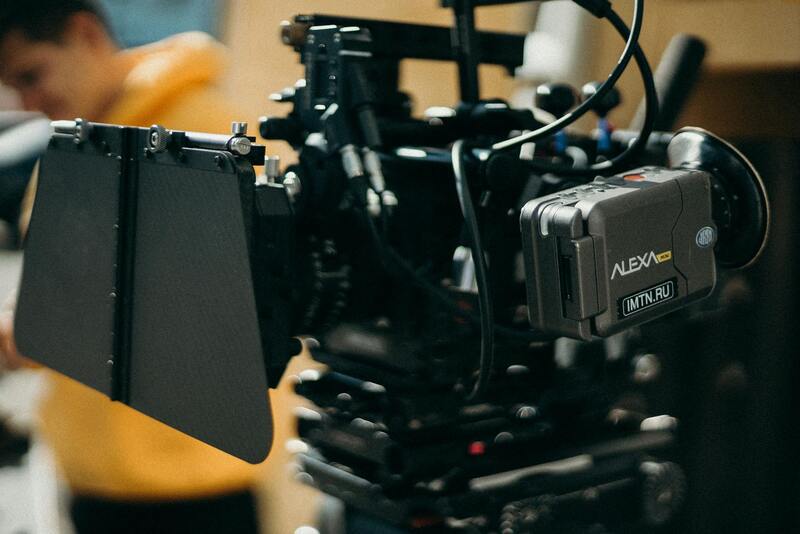
Selecting the right local partner can significantly influence the outcome of your real estate video projects. A Miami-based production agency brings a nuanced understanding of the local market, property styles, and buyer preferences, ensuring that content resonates with the target audience. When evaluating potential agencies, consider their portfolio, technical capabilities, and familiarity with real estate marketing standards.
- Experience in Real Estate: Proven track record with properties similar to yours indicates competence in capturing the essential qualities that sell homes in Miami.
- Technical Expertise: State-of-the-art equipment, including drones, stabilization tools, and editing software, are fundamental for producing polished content.
- Customized Service Offering: An agency that offers tailored solutions can align their creative approach with your specific goals and branding requirements.
- Local Market Knowledge: Familiarity with Miami’s neighborhoods, demographics, and lifestyle trends ensures the videos highlight features that appeal to local and international buyers alike.
Production Process and Timeline
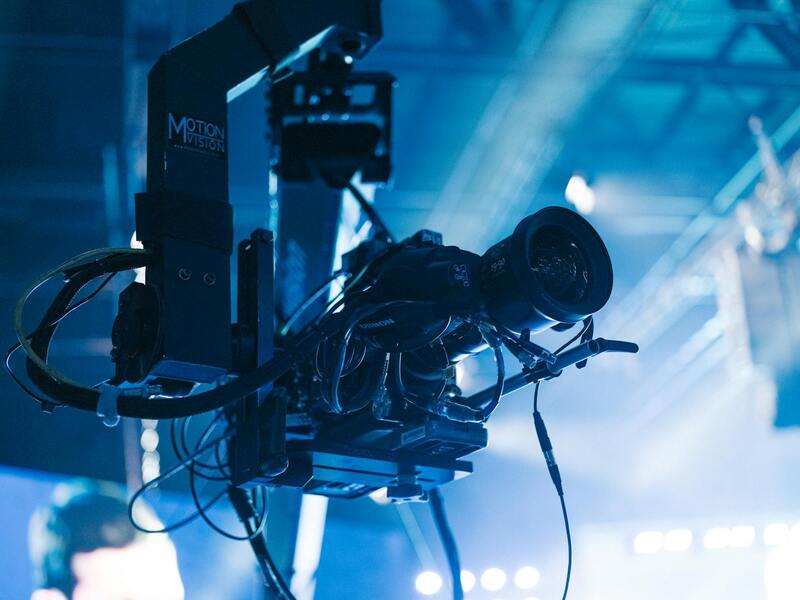
The journey from concept to final delivery involves meticulously coordinated stages. Understanding each phase helps streamline the process and manage expectations effectively.
Pre-Production Planning
- Initial consultation with clients to define goals and target audience
- Developing a shot list and script, including key features to emphasize
- Scheduling filming dates and coordinating access to the property
- Securing necessary permits and permissions, if required
On-Site Filming
- Conducting aerial shots via drone, following safety protocols
- Capturing static and dynamic interior shots with professional equipment
- Recording narration or voice-overs on-site, if applicable
- Gathering supplemental footage such as neighborhood highlights
Post-Production Editing
- Editing footage to ensure a cohesive narrative flow
- Adding music, voice-overs, and graphics to enhance engagement
- Color grading and visual optimization for maximum appeal
- Incorporating branding elements and calls to action
Review and Final Delivery
- Client review process with opportunities for revisions
- Final version optimized for various platforms, including web and social media
- Delivery within an agreed timeline, typically ranging from one to three weeks depending on project scope
Legal Compliance and Best Practices in Real Estate Video Production
Ensuring that real estate videos adhere to established guidelines is crucial for maintaining professionalism and credibility in the industry. Utilizing official methods involves meticulous planning and adherence to local regulations governing drone usage, property rights, and content rights. Prior to filming, obtaining the necessary permissions from property owners and informing them about the scope of the shoot helps prevent misunderstandings and promotes transparency.
Using professional-grade equipment and techniques also upholds industry standards and enhances the quality and appeal of the final product. Employing licensed drone operators who are familiar with the local airspace regulations ensures safe and compliant aerial footage capture. This not only safeguards the production but also delivers high-quality visuals that effectively showcase the property's features.
In post-production, applying consistent branding and messaging aligns with legal and ethical standards for advertising, reinforcing trust with prospective buyers. Incorporating professional narration, graphics, and call-to-action elements directed towards audience engagement should be meticulously created, avoiding misleading claims or exaggerations that could compromise the video's integrity.
Furthermore, maintaining transparent records of consent forms and permits is essential for accountability and future reference. These official documents serve as proof that the video production complies with all regional and industry-specific standards.
Finally, leveraging reputable editing software and tools that guarantee high-resolution output and visual consistency reinforces the video's quality and adherence to professional standards. This comprehensive approach not only enhances the property's presentation but also ensures that all content meets industry benchmarks and fosters trust among viewers and clients alike.
Legal Best Practices for Producing Real Estate Videos
Creating compelling real estate videos involves adhering to official standards and well-established methods that ensure your content is both effective and compliant. One essential aspect is securing all necessary permits and recording clear documentation of consent from property owners and individuals appearing within the footage. This process not only demonstrates transparency but also fosters trust with clients and viewers, aligning production activities with ethical marketing practices.
Employing licensed professionals for drone footage is a critical component in the production process. Certified drone operators are well-versed in the specific regulations governing aerial photography in different regions. This knowledge helps prevent unauthorized flights and ensures footage is captured safely and legally. Restricted airspace, privacy zones, and altitude limitations are all factors that need to be navigated carefully to avoid potential issues.

Post-production editing should follow best practices by using reputable editing software to maintain high visual standards. This includes ensuring that footage resolution remains consistent and that branding elements are applied correctly to avoid any misleading representations. Incorporating verified data, such as accurate property details and features, contributes to an honest portrayal that upholds industry integrity.
Additionally, all creative elements, such as narration, captions, and call-to-action cues, should be crafted without exaggeration or false claims. These components should serve to inform and engage viewers transparently, helping maintain a credible and professional image.
By following established procedures—such as maintaining detailed records of permits, consent forms, and usage rights—production teams demonstrate accountability and professionalism. These official records are valuable for future reference, especially when responding to inquiries or audits.
Ultimately, producing real estate videos through legitimate channels ensures adherence to standard practices across the industry. This commitment not only elevates the quality of your marketing assets but also enhances your reputation with clients and prospects, reinforcing a foundation of trust through integrity and professionalism.
Understanding Real Estate Video Production
Real estate video production involves a comprehensive process that transforms property visuals into compelling visual narratives designed to attract potential buyers and investors. This process encompasses pre-production planning, on-site shooting, and post-production editing, all executed with strict adherence to industry standards and best practices. The goal is to create videos that accurately showcase a property’s features while engaging viewers through high-quality visuals, compelling storytelling, and strategic presentation techniques.
Pre-Production Planning
Effective real estate video production begins with meticulous planning. This phase includes a detailed assessment of the property to determine the best angles and lighting conditions, scripting key highlights, and creating a shot list that aligns with marketing objectives. It also involves coordinating with property owners or agents to schedule filming times that minimize disruptions and ensure all necessary permissions are obtained. Incorporating verified property data ensures that the final video remains factual and trustworthy for viewers.
On-Site Shooting
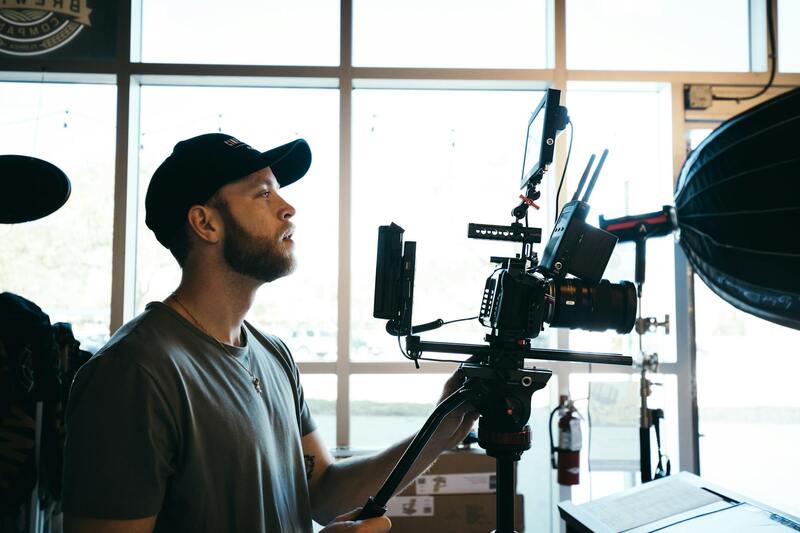
During filming, only legitimate and licensed equipment is used to guarantee professional-quality results. Proper lighting setups, stabilization tools, and high-resolution cameras are essential to capture clear, vibrant footage that enhances the property’s appeal. The filming process should follow a systematically planned sequence to ensure all key areas, both interior and exterior, are adequately covered. Special attention is paid to capturing panoramic views, focal points, and unique selling features, creating a comprehensive visual story of the property.
Post-Production Editing
Post-production involves editing the raw footage to produce a polished final product that aligns with branding and marketing standards. Reputable editing software is employed to maintain consistent resolution and color fidelity, avoiding any misleading representations. Incorporating verified data, such as accurate measurements and property details, enhances the video's credibility. Creative elements like narration, captions, and call-to-action overlays are added thoughtfully to inform, engage, and guide viewers without exaggeration. Ensuring transparency in editing upholds industry integrity and builds trust with potential clients.
Quality Control and Delivery
Before delivery, each project undergoes a thorough review process to confirm it meets professional standards and adheres to all essential documentation protocols. This includes verifying that all necessary permits and rights were obtained during filming and editing. Consistent communication with clients ensures the final product fulfills their marketing objectives. The completed videos are then delivered in the appropriate formats for various platforms, such as websites, social media, or virtual tours, with quality assurance checks to guarantee optimal playback across devices.
Understanding the Role of Off-Platform Validation in Real Estate Video Production
As the demand for high-quality real estate videos continues to grow, agencies and sellers alike seek assurance that their visual content maintains authenticity and meets industry standards. Off-platform validation mechanisms serve as a reliable means of confirming that the video production process adheres to established best practices, ensuring transparency and fostering trust among potential buyers and stakeholders.
Implementing Verified Source Protocols
A fundamental step in validating real estate videos involves the utilization of verified source protocols. This encompasses using certified equipment, authorized personnel, and documented procedures that conform to industry benchmarks. For instance, employing licensed drone operators ensures aerial footage is captured within regulated airspace, while certification of camera operators guarantees image quality and accuracy. Maintaining detailed records of sourcing—such as equipment specifications, operator credentials, and shooting parameters—serves as tangible proof of compliance.
Certification and Accreditation of Production Services
Partnering with production agencies that hold recognized certifications or affiliations from reputable industry organizations adds a layer of credibility. Such accreditation indicates adherence to quality standards, ethical guidelines, and operational transparency. Clients can verify that the agency meets consistent requirements for safety, technical competence, and editorial integrity, all essential for producing truthful and compelling real estate videos.
Authenticity Through Data Verification
Integrating verified data into video content elevates its reliability. This involves cross-referencing property details, measurements, and features with official records or listings to prevent misinformation. Incorporating verified data enhances the video's credibility, allowing viewers to trust the representations portrayed. Moreover, digital watermarking or metadata embedding can serve as identifiable markers, confirming that the footage aligns with authentic property information.
Third-Party Audits and Quality Assurance
Engaging independent auditors or third-party inspectors to review the final video output contributes to transparency. These audits verify that the content accurately depicts the property, meets technical standards, and complies with industry norms. Conducting periodic reviews and audits ensures continuous adherence to quality benchmarks, fostering confidence among clients and prospective buyers. Employing such rigorous validation processes underlines a commitment to integrity and professionalism in real estate marketing.
Documentation and Record-Keeping for Validation
Comprehensive documentation plays a vital role in off-platform validation. Maintaining detailed records of filming permissions, licensing, editing logs, and transfer certificates offers tangible proof of compliance. This documentation can be presented upon request to reassure clients and stakeholders that the content was produced through verified and accepted methods. It also facilitates audits, dispute resolution, and future reference, reinforcing the trustworthiness of the visual material.
Production Process and Timeline
Executing a professional real estate video involves a meticulous production process designed to ensure high-quality results while adhering to verified standards. The process begins with detailed planning, where the production team collaborates closely with clients to understand the unique features and selling points of the property. Documentation of property details, measurements, and features through official records or listings helps mitigate misinformation, bolstering the video's authenticity and viewer trust.
During pre-production, a comprehensive storyboard and shot list are developed, outlining the sequence and specific scenes to highlight key aspects of the property. This phase also includes securing necessary permits and scheduling shoots to minimize disruptions and optimize lighting conditions, ensuring the visuals accurately reflect the property’s ambiance and condition.
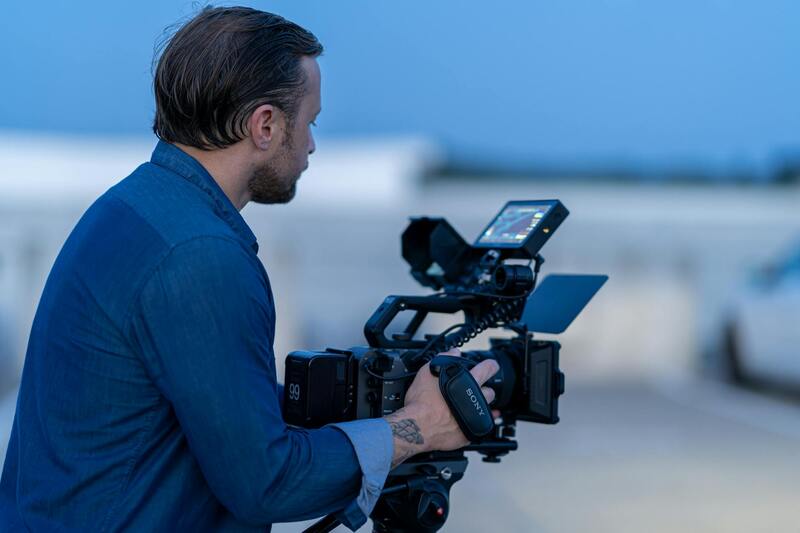
The shooting phase employs advanced equipment, such as high-definition cameras, stabilizers, and drones, to capture various angles and elevations of the property. Incorporating verified data and official property records during filming helps reinforce authenticity. Digital watermarking or metadata embedding during capture can further corroborate the content’s integrity. Employing such measures guarantees that the footage aligns precisely with official property descriptions, creating a trustworthy visual narrative.
Post-production is equally critical, involving editing, color correction, and sound design to craft a compelling story. A meticulous review process, which may include third-party audits or independent quality assurance, verifies that the final cut accurately depicts the property, meets technical standards, and complies with industry norms. Maintaining detailed records—such as editing logs, permissions, and licensing documents—is essential for validation and future reference. This documentation can be instrumental in demonstrating adherence to verified methods and property information, thereby strengthening overall credibility.
The final stage involves client approval and delivery within an established timeline, often ranging from a few days to several weeks depending on the video's complexity. Prompt review cycles and open communication between production teams and clients support timely completion. Clear documentation throughout this process—covering permissions, edits, and approvals—serves as an official record, affirming that the project was executed with professionalism and verified methods.
Authenticating and Certifying Your Real Estate Video Content
Ensuring the authenticity and integrity of real estate videos is fundamental in establishing trust with potential buyers and stakeholders. To accomplish this, several credible methods can be employed without compromising the content's perceived accuracy or professionalism. Digital watermarking is a widely used technique where a unique, imperceptible marker is embedded into the video during the capture or editing process. This marker serves as an identifier that verifies the video's origin and content authenticity, making it easier to trace back to the original source if needed.
Another effective strategy involves embedding metadata—detailed information about the video including timestamps, location data, and camera settings—into the file’s structure. This metadata acts as an official record that accompanies the video and can be reviewed to confirm when and where the footage was captured, as well as the conditions under which it was created.
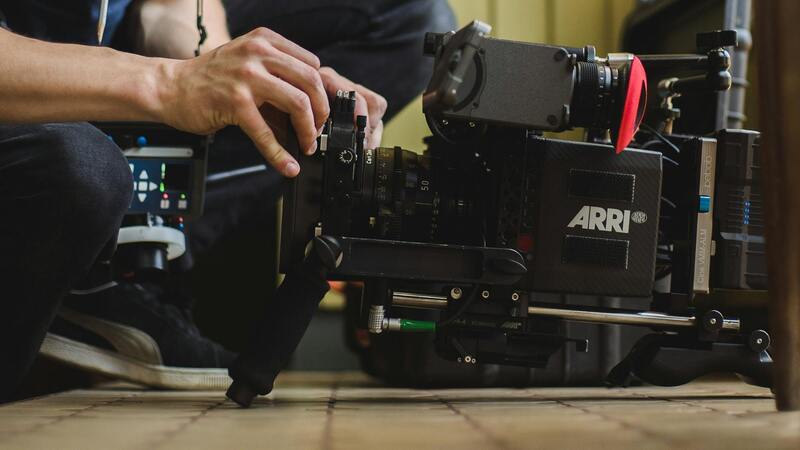
Employing a secure content management system (CMS) further enhances the ability to track and audit video footage throughout the production and distribution process. These systems maintain comprehensive logs of all edits, permissions, and distribution actions taken during the lifecycle of the video, creating a transparent trail that underscores the content’s integrity.
Post-Production Validation and Quality Assurance
After capturing and initial editing, a thorough review process should be implemented. This typically involves independent audits or third-party verifications that assess whether the final video accurately reflects the property details and aligns with the filmed footage. This step is critical to preserve the content’s trustworthiness, especially when used in high-stakes marketing campaigns.
Maintaining meticulous records—such as editing logs, licensing agreements, and permission documentation—sets a foundation for confidence that the video is an honest representation of the property. These records not only assist in resolving potential disputes but also serve as a reference for future updates or promotional efforts.
Documentation and Record-Keeping
Creating comprehensive documentation throughout each phase of production is vital in demonstrating adherence to best practices. This includes detailed project timelines, permission verifications from property owners, and confirmation of approved edits. Collectively, these records form an official audit trail that underscores professionalism and veracity.
Final Verification Before Distribution
Prior to releasing the final video, a final validation step involves cross-checking all embedded markers, permissions, and metadata against the initial project specifications. This process guarantees that the content delivered is precisely what was approved and adheres to established standards.
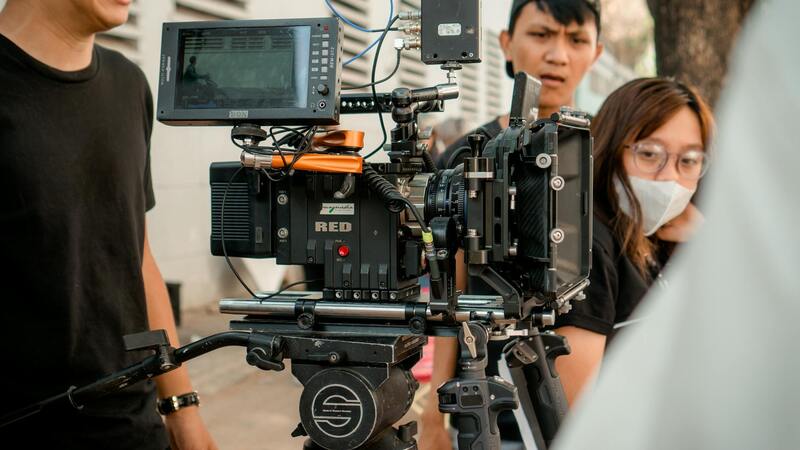
By systematically applying these official methods—digital watermarking, metadata embedding, rigorous review, and detailed record-keeping—real estate professionals can confidently showcase authentic, reliable visual content. This approach fosters trust, enhances reputation, and provides a solid foundation for strategic marketing efforts in the competitive Miami real estate market.