
Importance of High-Quality Realtor Photography
In the competitive landscape of Miami’s real estate market, the visual presentation of a property plays a pivotal role in attracting potential buyers and securing sales efficiently. Professional realtor photography serves as a powerful tool that transforms a listing into an engaging visual story, capturing the property's best attributes with clarity and appeal. High-caliber images not only draw more attention to property listings but also create a sense of trust and credibility for both agents and sellers.
With the rise of digital real estate platforms, the first impression often occurs online. According to industry insights, properties featuring professionally shot photographs receive significantly higher engagement, resulting in increased viewings and faster sales cycles. This heightened visibility is especially crucial in Miami, where diverse architectural styles and stunning waterfront properties demand imagery that can showcase their unique features effectively.
Moreover, quality photography influences perceived value, allowing listings to stand out in a crowded marketplace. In Miami's vibrant real estate scene, where luxury and innovative design are the norms, exceptional visual content can elevate a property's positioning and appeal to a broader audience. Real estate professionals recognize that investing in professional photography yields tangible returns by accelerating sales processes and increasing the final sale price.
Key Elements of Successful Realtor Photos
Effective realtor photography hinges on several core elements that ensure each image accurately and beautifully represents the property:
- Lighting: Proper lighting accentuates interior spaces and highlights architectural features. Natural light is preferred, but supplementary lighting can enhance darker areas.
- Composition: Strategic framing directs the viewer’s attention to focal points and creates a balanced, inviting visual flow throughout the property.
- Staging: Well-staged spaces appear more appealing and can help potential buyers visualize living in the home.
- Angles: Capturing multiple angles, including wide shots, provides comprehensive views and emphasizes space and layout.
- Post-Processing: Subtle editing improves clarity, color balance, and overall aesthetics without misrepresenting the property's true appearance.
Choosing the Right Equipment and Techniques
Achieving exceptional realtor photographs requires specialized equipment and refined techniques. Professionals typically utilize high-resolution DSLR or mirrorless cameras capable of capturing fine details and producing vibrant images. Wide-angle lenses are essential to showcase spacious interiors and expansive exteriors effectively.
Mastering techniques such as HDR imaging helps balance interior brightness with exterior views, ensuring balanced exposure across different lighting conditions. Drone photography is also increasingly popular in Miami for capturing panoramic exterior views, waterfronts, and aerial perspectives that add a compelling dimension to property listings.
Understanding Miami's Real Estate Market
Miami’s real estate environment is characterized by its lucrative waterfront properties, luxurious condominiums, and innovative architectural designs. To stand out, realtor photography must reflect the vibrant lifestyle, scenic surroundings, and upscale features that define the Miami market. Imagery that captures ocean views, lush landscaping, and high-end finishes appeals directly to discerning buyers seeking exclusive properties.
In addition, understanding the preferences of local buyers—whether they are international investors or Miami residents—is crucial. High-quality images that evoke the unique Miami vibe and showcase the property's best features can significantly influence purchasing decisions.
Benefits of Professional Realtor Photography for Listings
Investing in professional realtor photography yields numerous benefits:
- Enhanced online visibility and engagement through visually compelling listings
- Quicker property turnover by attracting targeted buyers more effectively
- Higher perception of property value, often leading to increased offers
- Consistent branding and professional image for the real estate agent or agency
- Reduced need for multiple viewings, saving time and resources
Integrating Virtual Tours and 3D Imaging
In conjunction with high-quality photography, virtual tours and 3D imaging offer immersive experiences that appeal to remote or international buyers. These technologies allow viewers to explore properties interactively, gaining a comprehensive understanding of space and layout without physically visiting. In Miami's dynamic market, such advanced visual tools can be decisive in closing sales swiftly and efficiently.
Working with Miami-Based Realtor Photography Services
Partnering with local professionals familiar with Miami's unique real estate landscape ensures that photography services align with market expectations and trends. Local experts understand the nuances of lighting, architecture, and the aesthetic sensibilities that resonate with Miami buyers. Collaborating with seasoned photographers also provides access to top-tier equipment and creative techniques tailored to high-end properties.
Legal Considerations and Best Practices
When producing realtor images, adhering to best practices involves respecting property rights,privacy concerns, and obtaining necessary permissions for aerial shots or images of interior spaces. Clearly documenting your photography practices and ensuring all content accurately represents the property mitigates potential disputes and maintains trust with clients and viewers alike.
Key Elements of Successful Realtor Photos
To capture compelling realtor images that attract potential buyers, it is essential to focus on several core components: composition, lighting, staging, and angles. Each element plays a vital role in presenting a property at its best and creating an inviting visual narrative.
- Composition: The arrangement of furniture, decor, and architectural features should be carefully considered to create balance and harmony within each shot. Symmetry and the rule of thirds are often employed to draw attention to key elements and produce aesthetically pleasing images.
- Lighting: Proper illumination is crucial to highlight a property's space and ambiance. Natural light should be maximized, with windows and open curtains allowing sunlight to fill rooms. Supplementary lighting, such as professional strobes or LED panels, can eliminate shadows and ensure even brightness, especially in darker areas.
- Staging: Effective staging involves decluttering spaces and arranging furnishings to showcase the property's potential. Minimalist setups that emphasize spaciousness and functionality help buyers visualize living in the space. Strategic placement of decorative items can add warmth and personality without overwhelming the scene.
- Angles: Shooting from optimal viewpoints enhances the perception of space and depth. Wide-angle lenses are typically used to capture more of a room, making areas appear larger. High or low angles can emphasize architectural features or create a dramatic effect, depending on the desired mood.
Attention to these fundamental elements results in images that not only represent the property accurately but also evoke an emotional response from viewers. High-quality visuals can significantly increase engagement, leading to more inquiries and quicker sales. When combined with contextual understanding of the local market and property features, effective realtor photography becomes a powerful tool in a real estate professional’s arsenal.
Choosing the Right Equipment and Techniques
The quality of real estate images largely depends on the tools and methods employed during the shoot. Utilizing professional-grade equipment ensures crisp, vibrant visuals that stand out in an increasingly competitive market.
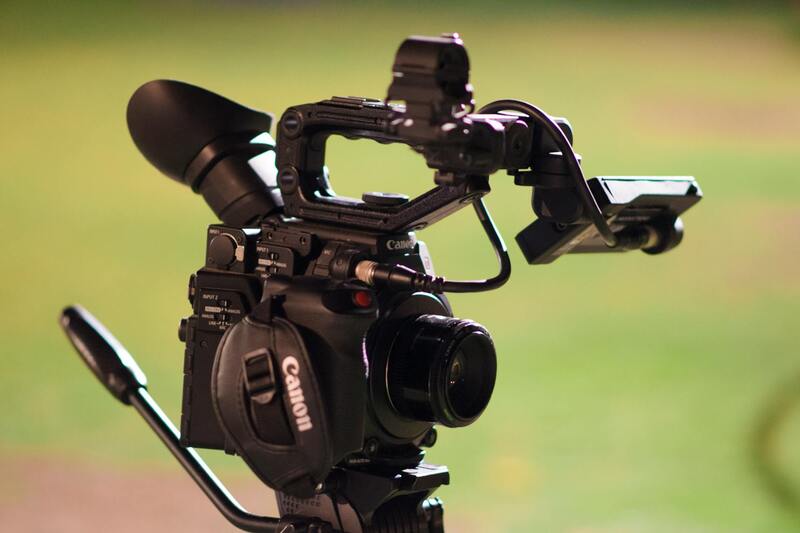
- Camera Gear: A full-frame DSLR or mirrorless camera with a wide-angle lens (typically 14-24mm) is preferred for capturing expansive interior scenes without distortion. Tripods stabilize shots, reduce motion blur, and maintain consistency across multiple images.
- Lighting Equipment: External flash units, softboxes, and reflectors help control and diffuse light, eliminating harsh shadows and highlighting details. For outdoor shots, reflectors or diffusers can soften sunlight and prevent overexposure.
- Techniques: Bracketing and HDR (High Dynamic Range) imaging allow merging multiple exposures to balance bright and shadowed areas. Seamless stitching of images for panoramic views can showcase entire rooms or scenic surroundings effectively.
In addition to technical tools, mastering post-processing techniques such as color correction, sharpening, and perspective correction enhances image clarity and visual appeal. A skilled photographer applies these methods judiciously to produce images that are true to the property while visually striking.
Selecting appropriate equipment and honing technical skills directly impact the quality of property images, making them more appealing to prospective buyers. Consistent, high-quality photos contribute to a robust online presence and elevate the perceived value of listings.
Advanced Techniques for Enhancing Realtor Photography
To elevate property images beyond standard shots, professional realtor photography employs a variety of advanced techniques that ensure each photograph captures the essence and unique features of a property. These methods are strategically utilized to create compelling visuals that can truly resonate with prospective buyers, ultimately leading to increased engagement and interest.
One such technique is the use of multi-exposure imaging, where multiple shots are taken at different exposure levels and blended together through High Dynamic Range (HDR) processing. This approach expertly balances light and shadow, highlighting interior details without overexposing bright areas or losing detail in darker corners. The result is a vibrant, well-exposed image that accurately conveys the property’s ambiance and finishes.
Panoramic stitching is another pivotal method, especially useful for showcasing large living spaces, outdoor areas, or scenic surroundings in a single expansive image. By capturing multiple overlapping photos and merging them seamlessly, photographers can create a comprehensive view that invites viewers into the space. This technique not only enhances visual appeal but also provides a realistic impression of the property's scale and layout.
Furthermore, aerial drone photography introduces a new perspective that emphasizes the property's location, landscaping, and nearby amenities. High-quality drone footage allows potential buyers to appreciate the property's surroundings, accessibility, and proximity to key city features. When used responsibly and with professionalism, drone imaging supports a holistic representation of the property, making listings more attractive and informative.
In addition to capturing images, editing techniques play a vital role in producing polished visuals. Color correction ensures the hues in the image accurately represent the property’s real colors, while perspective adjustments straighten lines and correct distortions caused by wide-angle lenses. Sharpening enhances overall clarity, improving the overall quality without making the photograph appear unnatural.
Meticulous post-processing guarantees that each image is visually consistent across the entire listing, fostering a professional and trustworthy presentation. Combining these techniques with expert equipment and an understanding of market appeal results in compelling imagery that captivates viewers and improves the chances of a successful sale.
Enhancing Visual Appeal with Innovative Tools
Innovative tools like virtual staging software can further boost the impact of realtor photos by digitally furnishing empty spaces, helping prospective buyers visualize potential layouts and interior design options. When integrated with high-quality photography and complemented by virtual tours or 3D renderings, these enhancements provide an immersive experience that emphasizes the property’s strengths and helps differentiate listings in a competitive market.
Legal Considerations and Best Practices
Executing professional realtor photography within Miami's dynamic real estate landscape requires adherence to best practices that uphold integrity and transparency. While it may seem intuitive to utilize certain techniques or equipment, it is essential to follow established standards that respect property rights and ensure the authenticity of images presented to prospective buyers.
Secure proper permissions before photographing private properties, especially when capturing interiors or aerial shots. Obtain written consent from property owners, and verify that there are no restrictions on drone flights or photography, such as private restrictions or local ordinances governing aerial imagery. This proactive approach not only prevents legal complications but also fosters trust with clients and property owners.
It is equally important to accurately represent a property's features without exaggeration or manipulation that may mislead potential buyers. This includes avoiding excessive photo editing that significantly alters the landscape or interior layout, and ensuring that all images faithfully reflect the actual state of the property. Transparency in editing techniques—such as clarifying the use of virtual staging—is crucial in building credibility.
Additionally, maintaining updated licensing and certifications relevant to photography and drone operation enhances credibility and compliance. Local regulations may require operators to hold specific permits, which should be prominently documented and readily available for review.
Developing clear contractual agreements that outline the scope of work, deliverables, rights to images, and usage terms prevents misunderstandings. Clear communication about how photographs will be used, stored, and shared aligns expectations and safeguards all parties involved.
By integrating these practices into the photography workflow, Miami real estate professionals can ensure their marketing efforts are both effective and aligned with industry standards. This commitment to best practices enhances the professionalism of listings, builds trust with clients, and ultimately supports a more transparent and successful property selling process.
Legal Considerations and Best Practices
Adhering to established guidelines in realtor photography ensures that marketing efforts are both effective and ethically sound. Clear contractual agreements between real estate agents and photographers should explicitly define the scope of images to be captured, the allotted timeline, and rights regarding the use and distribution of the photographs. This clarity helps prevent misunderstandings and ensures all parties maintain a shared understanding of expectations.
Additionally, employing consistent branding and watermarking strategies can safeguard images against unauthorized use. Place watermarks discreetly to protect intellectual property while avoiding visual distraction that could detract from the property's appeal. This approach reinforces brand identity and discourages unauthorized reproduction.
For properties utilizing drone photography, adherence to local airspace regulations and drone operation guidelines is vital. Operators should be certified and carry appropriate permits to demonstrate compliance with legal standards. Clear documentation of drone flight plans, altitude restrictions, and privacy considerations should be maintained to promote transparency and uphold regulatory requirements.
It is also crucial to conduct comprehensive data management practices. Secure storage of high-resolution images and videos, along with controlled access, mitigates risks related to data breaches or misuse. Establishing policies for image archiving and retention ensures that assets are available for future use while respecting client confidentiality and privacy.
From a compliance standpoint, ongoing education on current industry standards and evolving regulations helps maintain a high standard of professionalism within realtor photography practices. Staying informed about updates from local authorities or industry associations ensures that marketing strategies remain aligned with best practice standards and legal expectations.

Legal Considerations and Best Practices
Effective realtor photography not only relies on technical skill and aesthetic sense but also requires strict adherence to legal standards to ensure seamless marketing operations and protect both clients and practitioners. Understanding jurisdiction-specific regulations surrounding property imagery is essential for professional real estate marketing in Miami.
One of the core aspects involves respecting property rights and privacy concerns. While capturing images of publicly visible areas is generally permissible, photographing interiors, private gardens, or other private spaces necessitates explicit permission from property owners. This helps safeguard client relationships and minimizes potential disputes or misunderstandings.
Licensing and permits also play a critical role, especially when utilizing equipment such as drones for aerial shots. Certified drone operators equipped with appropriate permits ensure compliance with airspace management policies and local regulations. Documentation providing proof of certification and permission should be maintained to demonstrate adherence during any regulatory review.
Moreover, image copyrights and intellectual property rights ought to be carefully managed. Property owners should be informed about how their images will be used, stored, and shared. Obtaining written consent through formal agreements clarifies these terms and offers protection against unauthorized reproduction or misuse.
Data security is another crucial aspect, particularly when handling high-resolution digital content. Secure storage solutions and access controls are paramount to prevent unauthorized access or theft. Establishing clear policies regarding data retention, archiving, and disposal ensures responsible management of visual assets.
It is also vital to stay informed about evolving industry standards and regulations. Regular training sessions, workshops, or industry updates can greatly enhance the professional’s ability to operate within the legal framework and uphold best practices. This proactive approach to compliance fosters trust with clients and enhances the reputation of the photography service provider.
In the dynamic Miami real estate market, maintaining a high standard of legal compliance in realtor photography not only mitigates potential risks but also elevates the quality and credibility of property marketing efforts. This disciplined approach helps real estate professionals achieve their goals while maintaining ethical integrity in all visual marketing activities.
Legal Considerations and Best Practices
Maintaining the highest standards in realtor photography entails adherence to established legal considerations that protect both the property owner and the photographer. Clear contractual agreements serve as the foundation for successful collaborations, outlining the scope of work, usage rights, and responsibilities. These contracts should specify licensing terms, ensuring that images are used strictly within agreed parameters, whether for online listings, print marketing, or other promotional endeavors.
It is essential to communicate transparently with clients regarding image rights and usage limitations. Explicit consent obtained through signed agreements safeguards against inadvertent misuse and establishes a formal understanding of rights ownership. This transparency builds trust and ensures that all parties share a common expectation concerning how visual content will be utilized.
Data security measures warrant equal attention, particularly given the high-resolution digital nature of realtor imagery. Implementing secure storage solutions, access controls, and encryption protocols protects digital assets from unauthorized access or theft. Developers should establish policies for data retention, archiving, and secure disposal of images once their marketing utility concludes.
Compliance with evolving industry standards and regulations is crucial. Regular training sessions, professional development workshops, and industry updates help professionals stay current with best practices in visual marketing. Staying informed also fosters ethical conduct and adherence to established standards, which enhances the reputation of the photography service provider.
In the competitive Miami real estate market, emphasizing legal diligence and ethical practices elevates the quality of property marketing. It minimizes potential risks and maximizes the effectiveness of visual content, ultimately resulting in more compelling listings and increased client satisfaction.
Legal Considerations and Best Practices
Ensuring that realtor photography adheres to established licensing requirements and image usage rights is fundamental to maintaining professionalism and ethical standards within the Miami real estate market. Professional photographers specializing in realtor photography typically secure necessary permissions from property owners, ensuring that all visual content creation aligns with contractual and proprietary guidelines. This process not only upholds transparency but also mitigates potential disputes related to image rights or unauthorized use.
Photographers and real estate agents should implement clear agreements that specify the scope of image utilization—whether for online listings, marketing collateral, or virtual tours. These agreements should outline provisions on image distribution, reproduction, and duration of usage, providing a solid legal framework that safeguards all parties involved.
Ethical standards within realtor photography extend beyond legal considerations; they encompass honesty and accuracy in representing properties. High-quality images must faithfully depict the property's features without embellishment or deceptive alterations, preserving the trust of prospective buyers and renters. Misleading visual representations can lead to dissatisfaction and impact a realtor's reputation, emphasizing the importance of integrity in all visual content.
In addition, professional photographers should stay informed on evolving industry standards and local regulations specific to Miami’s real estate environment. Incorporating ongoing training and awareness initiatives ensures that visual marketing campaigns remain compliant and ethically sound. Maintaining detailed records of image rights, licensing agreements, and usage permissions further reinforces responsible practice and minimizes the risk of legal conflicts.
Ultimately, adherence to licensing, usage rights, and ethical standards establishes a secure foundation for realtor photography, fostering trust with clients and elevating the overall quality of property marketing efforts in Miami’s dynamic market. This commitment to professional integrity not only enhances visual appeal but also supports sustainable, transparent real estate transactions.