
Importance of Quality Realtor Photos
In the competitive Miami real estate market, the visual presentation of a property can significantly impact its market performance. High-quality realtor photos serve as a vital tool to attract potential buyers, enhance listing visibility, and accelerate the sales process. When prospective buyers browse online listings, they often decide within seconds whether to explore further or move on to other options. Clear, well-composed images can create an immediate sense of appeal and trust, encouraging higher engagement and inquiries.
Research indicates that listings with professional-level photos tend to garner more views and generate more interest compared to those with amateur images. This increased interest often translates into quicker sales and can even lead to higher offers. Especially in Miami’s vibrant real estate landscape, where diverse property types range from luxury condos to sprawling family homes, polished photos are essential for standing out in crowded listings.
Moreover, the quality of realtor photos influences the perceived value of the property. Well-lit, professionally captured images showcase the property’s best features and provide potential buyers with a realistic, inviting preview. This not only fosters emotional connection but also reduces the likelihood of surprises during viewings, streamlining the transaction process.

In essence, investing in top-tier realtor photography is a strategic move for agents and sellers aiming to maximize their property’s market presence. When images resonate with quality, they elevate the property's profile among thousands of listings, making it more attractive and top-of-mind for potential buyers. As Miami continues to attract international and domestic investors, the importance of compelling visual content cannot be overstated in forging successful sales and building a reputable real estate brand.
Elements of Professional Realtor Photos
Achieving standout realtor photos requires attention to several critical elements that collectively enhance the visual appeal and accuracy of property representations. Proper lighting is fundamental; natural light should be maximized during photo shoots to create bright, inviting images that accurately depict space and ambiance. Using supplementary lighting or reflectors when necessary can eliminate shadows and highlight architectural features.
Composition plays a key role in directing the viewer’s eye and emphasizing the property's best features. Photographers often employ techniques such as the rule of thirds to position focal points strategically within the frame. Wide-angle lenses are commonly used to capture more of a room, providing depth and context, but should be used judiciously to avoid distortion.
Staging is another vital component, as well-prepared interiors demonstrate the property's potential and inspire buyer interest. Decluttering, arranging furniture thoughtfully, and adding subtle decorative elements can enhance visual storytelling. These adjustments help showcase the space's functionality and flow, making each room more appealing.
Camera angles also influence the perception of space and style. Shooting from a slightly elevated perspective or at eye level can produce balanced compositions that highlight room dimensions without exaggerating size or distortions. Attention to these angles ensures consistency and professionalism across all images.
Choosing the Right Photography Provider in Miami
Selecting a photography professional with local expertise in Miami’s diverse real estate market is crucial. Experienced providers understand the unique architectural styles, lighting conditions, and property types prevalent in Miami, enabling them to tailor their approach effectively. Evaluating a prospective photographer’s portfolio can reveal their technical skill and attention to detail, providing reassurance of their capability to produce high-quality images. Communication is also essential; a reliable provider should be receptive to client input and able to meet specific marketing objectives. Ensuring they are equipped with state-of-the-art equipment and possess a solid understanding of contemporary editing techniques can significantly impact the final outcome. The local market’s competitive nature necessitates a photographic style that aligns with current trends while maintaining timeless appeal. Therefore, seeking providers with a reputation for consistency, professionalism, and an understanding of the Miami real estate landscape safeguards your investment in realtor imagery.

Preparing Properties for Photo Shoots
Proactive preparation of a property prior to photography sessions enhances the quality and effectiveness of realtor photos. This process involves thorough cleaning to eliminate dust, dirt, and clutter, creating a pristine backdrop that allows the property’s features to shine. Staging is equally critical; arranging furniture to maximize space and natural flow can significantly improve visual appeal. Removing personal items and excessive decoration helps potential buyers envision themselves living in the space. Attention to minor details, such as replacing burnt-out bulbs or fixing minor repairs, provides a polished appearance. Timing the shoot for optimal lighting conditions, typically during the day when natural light is abundant, ensures bright and inviting images. Additionally, coordinating the shoot when the property is at its best condition, such as during a fresh coat of paint or after landscaping work, can elevate the overall presentation. Proper preparation not only simplifies the photographer’s task but also ensures that images accurately reflect the property's true potential, ultimately attracting more serious buyers.

Best Practices for Showcasing Different Property Types
Different property types require tailored photographic approaches to highlight their unique features and appeal to target audiences. For luxury condos in Miami, images should focus on expansive views, high-end finishes, and amenities. Wide-angle shots capturing the entire unit, along with detailed close-ups of fixtures and finishes, communicate quality and sophistication.
Single-family homes benefit from showcasing both interior space and exterior curb appeal. Emphasizing outdoor living areas, landscaping, and architectural details alongside interior rooms creates a comprehensive visual story. Strategic photos that illustrate the flow between indoor and outdoor spaces can enhance perceived value. Commercial properties demand a different approach; images should emphasize spaciousness, functionality, and access points. Highlighting parking facilities, accessibility, and key features through well-composed shots provides a clear understanding of the property's utility. In each case, understanding the target buyer demographic guides the choice of angles, lighting, and staging techniques. Properly showcasing varied property types with tailored images ensures maximum engagement and interest from prospective buyers.
Choosing the Right Photography Provider in Miami
Securing the expertise of a seasoned real estate photographer or production agency is crucial for producing realtor photos that truly resonate with prospective buyers. In Miami's vibrant market, familiarity with local neighborhoods, architectural styles, and buyer preferences enhances the quality and relevance of imagery. An experienced provider understands how to leverage natural lighting specific to Miami’s climate, utilize advanced equipment such as high-dynamic-range (HDR) cameras, and execute post-processing techniques that highlight a property's best features without distorting reality.
When selecting a photography partner, evaluating their portfolio provides insight into their versatility across various property types, from luxury condos to commercial spaces. Inquiry about their familiarity with Miami’s architectural diversity and market trends can ensure that the images align with regional aesthetic standards. Additionally, assess their capacity for quick turnaround times and flexibility to accommodate scheduling demands typical in active real estate markets.
Preparing Properties for Photo Shoots
Preparation significantly impacts the effectiveness of realtor photos. Staging should be meticulous, emphasizing cleanliness, decluttering, and strategic placement of furniture to showcase space and functionality. Natural light should be maximized by opening curtains and blinds, while artificial lighting can be used to fill shadowed areas, creating a bright and inviting atmosphere. Ensuring all areas are well-maintained and any necessary repairs are completed prior to the shoot helps avoid distractions that detract from the property’s appeal.
Outdoor spaces require attention as well; landscaping should be tidy, and outdoor furniture arranged to appear welcoming. For properties with pools, patios, or balconies, these areas should be staged to demonstrate their potential for relaxation and entertainment. Additionally, arranging belongings to highlight architectural features or unique design elements can deliver a more compelling visual story.
Best Practices for Showcasing Different Property Types
Tailoring photography techniques according to property types enhances listing appeal. For luxury condominiums, wide-angle lenses portray expansive views and spacious interiors, while detailed shots emphasize high-end finishes and fixtures. Elevating the sense of luxury through strategic lighting and stylish staging communicates exclusivity to potential buyers.
Single-family homes benefit from capturing both interior and exterior attributes. Wide shots of the front yard, landscaping, and entryway establish curb appeal. Interior images should focus on open floor plans, emphasizing natural light, and showcasing functional living areas. Additionally, highlighting unique features such as fireplaces, custom cabinetry, or architectural details adds distinctive value.
Commercial properties require a focus on utility and accessibility. Clear visuals of entry points, parking, loading zones, and interior layouts that emphasize spaciousness and flexibility are critical. Well-composed images of key features facilitate a comprehensive understanding of the property's potential utility for business purposes.
Optimizing Realtor Photos for Online Listings
High-quality images play a vital role in digital marketing. Optimizing photos involves enhancing clarity, color accuracy, and brightness while maintaining a natural look. Using metadata and appropriate image tags improves online discoverability, and ensuring images are correctly sized and compressed reduces loading times, enhancing user experience.
Strategically selecting images for each listing—focusing on the most compelling shots—grabs the attention of viewers quickly. Including a mix of wide-angle perspectives and detailed close-ups provides a comprehensive visual narrative that appeals to a broad audience. Consistency across listings also maintains a professional and credible online presence.

Choosing the Right Photography Provider in Miami
Selecting a talented and experienced real estate photographer in Miami is essential for capturing high-quality realtor photos that truly highlight a property's best features. When evaluating potential service providers, focus on their portfolio to assess their ability to adapt to different property types and styles. A portfolio rich in varied shots—ranging from wide-angle room photos to detailed close-ups—demonstrates versatility and technical proficiency.
Additionally, consider the provider's familiarity with local Miami real estate trends and preferred shooting techniques, as understanding the regional market can influence the choice of angles, lighting, and staging. Reliable providers should also have access to professional-grade equipment, including high-resolution cameras, stabilizers, and advanced lighting tools, ensuring images are crisp, vibrant, and well-lit.
Communication skills are equally important. An effective photographer should discuss your goals, understand your target audience, and offer guidance on staging and shoot timing. They should also be transparent about their process, turnaround times, and costs, allowing you to plan your marketing efforts accordingly.
Part of the selection process involves reading reviews or seeking recommendations from industry colleagues who have worked with local Miami photographers. Their insights into punctuality, professionalism, and the overall quality of work can be invaluable. Ultimately, partnering with a provider who understands your specific needs helps produce realtor photos that elevate your listings and attract serious buyers.
Investing in a skilled local photographer ensures that each image aligns with your branding and marketing strategies, reinforcing your credibility as a trusted real estate professional. Well-executed realtor photos not only enhance online listings but also serve as a visual cornerstone in your broader marketing campaigns, including social media, email marketing, and print advertising.
Best Practices for Showcasing Different Property Types
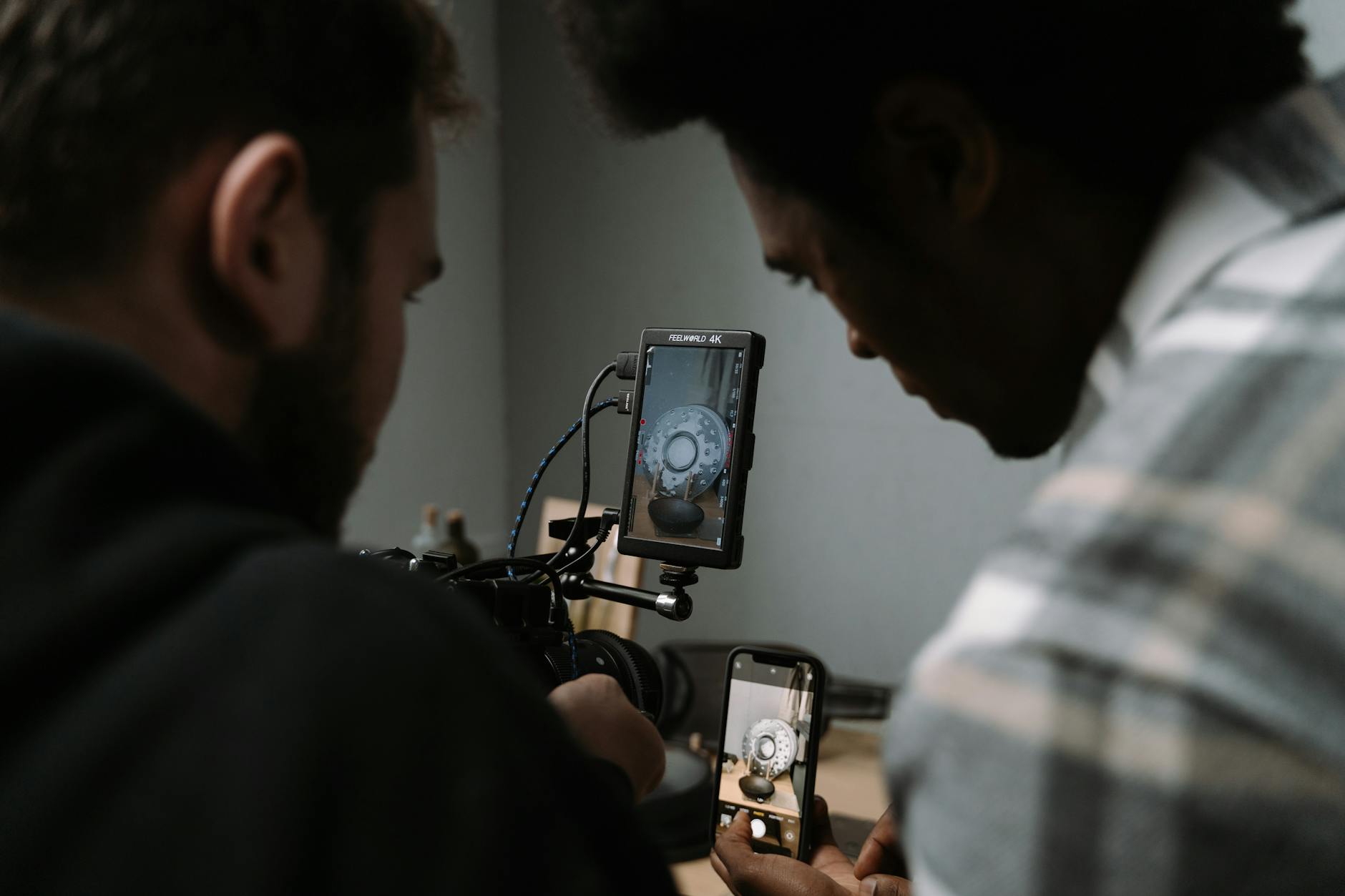
Successfully capturing the unique features of various property types requires tailored photography approaches. Residential properties, for example, benefit from emphasizing space, natural light, and architectural details that evoke a sense of warmth and comfort. When photographing luxury homes, attention to detail, high-end finishes, and elegant staging are crucial, often necessitating higher-end equipment and specialized techniques to highlight opulence without exaggeration.
Waterfront properties in Miami demand images that showcase scenic views, outdoor living spaces, and access points to the water. Using wide-angle lenses and strategic angles can help convey the expansive vistas and outdoor lifestyle associated with these listings. For commercial properties, clarity and professionalism are key. Photographs should portray the property's practicality, accessibility, and potential for investment, often requiring images of both interior and exterior spaces that can appeal to business clients or investors.
Optimizing Realtor Photos for Online Listings
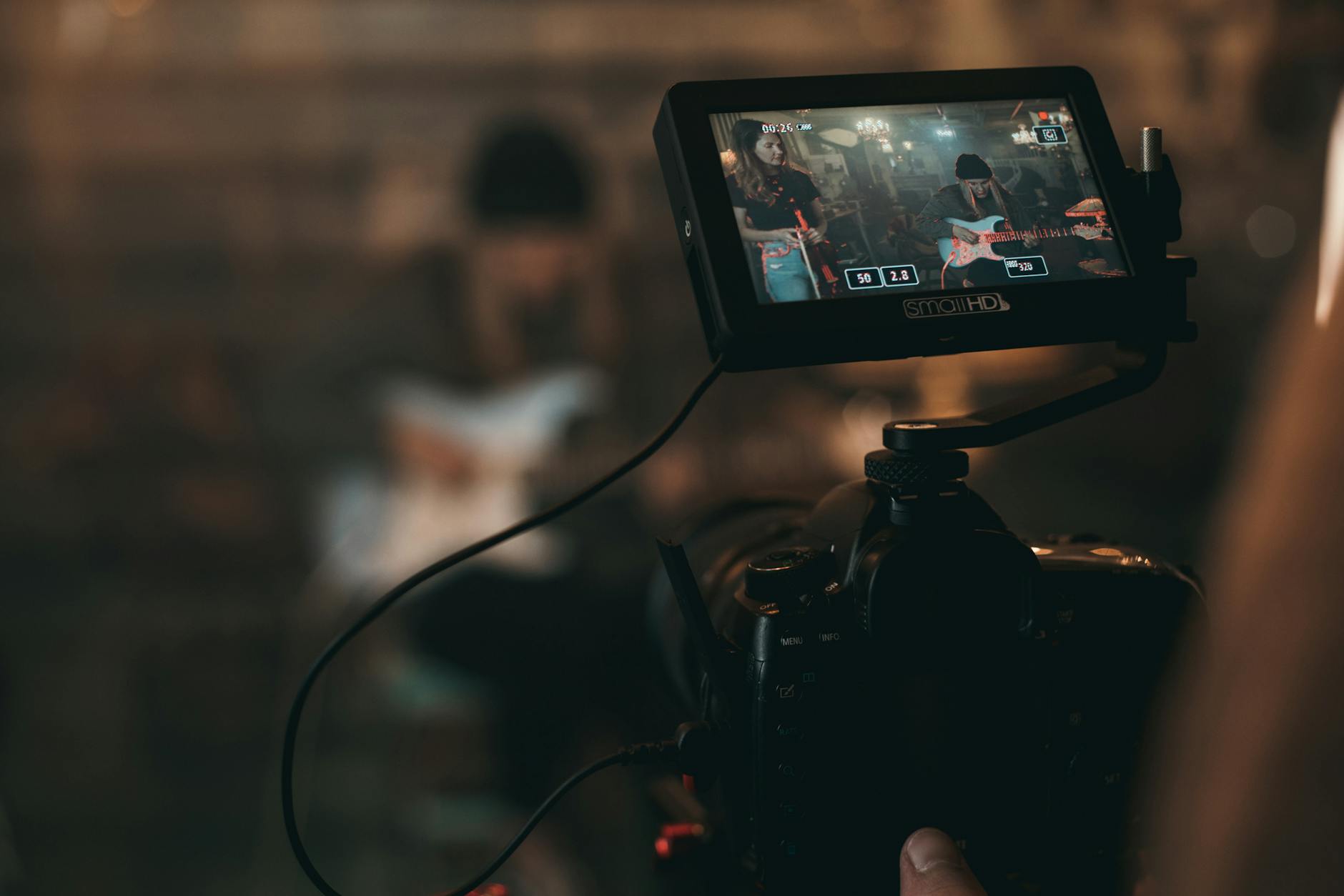
Effective online listings hinge on high-quality images that engage viewers and provide an authentic representation of the property. To maximize visual impact, photographs should be captured during optimal lighting conditions—preferably during the golden hour when natural light enhances textures and colors. Consistency in style and perspective across images helps maintain a professional appearance, making listings easier to navigate and more appealing.
Emphasizing key selling points through strategic photo composition is vital. This might include highlighting spacious living rooms, updated kitchens, or outdoor amenities. Additionally, incorporating a mix of wide shots and close-ups can help prospective buyers visualize the property’s layout and details. Once taken, images should undergo professional editing to correct color balance, straighten lines, and remove minor imperfections, ensuring photos are sharp and vibrant across all digital platforms.

Legal and Ethical Considerations
Maintaining transparency and integrity in real estate photography is essential for building trust with clients and prospects. Authentic representation of the property includes avoiding excessive editing or manipulation that could mislead viewers. Photographers should accurately depict the space without exaggerating features or omitting relevant details, such as the true size of rooms or property boundaries.
It is equally important to secure appropriate permissions for the inclusion of personal or sensitive features, ensuring that images respect privacy and property rights. Adherence to local regulations concerning drone photography, if used, must be followed to prevent legal complications. Clear communication about the scope of a shoot and the intended usage of images fosters professional relationships and upholds the ethical standards of real estate marketing.
Ensuring Accurate Color and Lighting
Professional realtor photos depend heavily on precise color calibration and optimal lighting conditions. Utilizing high-quality cameras and professional lighting setups ensures that the colors of walls, furniture, and fixtures are accurately rendered. Proper lighting minimizes shadows and highlights architectural details, creating a welcoming atmosphere that appeals to prospective buyers. During post-processing, careful adjustments to brightness, contrast, and color balance further enhance visual clarity. When these elements are handled with expertise, the images convincingly represent the property's real appearance, fostering trust and facilitating quicker sales.
Highlighting Architectural Features and Unique Selling Points
Effective realtor photography emphasizes distinctive architectural elements and features that set a property apart. This includes capturing spacious layouts, unique design details, or premium finishes. Incorporating a variety of perspectives—wide shots to showcase room flow, close-ups of architectural accents, and detailed images of high-end finishes—helps create a comprehensive visual story of the property. Such detailed attention guides potential buyers through the home’s most attractive aspects, increasing engagement and interest.
Utilizing Proper Framing and Composition Techniques
Strategic framing and composition are vital to maximize a property’s appeal. Photographers often apply the rule of thirds, ensuring key features are optimally positioned within the frame. Vertical and horizontal lines should be straightened to avoid distortions that might diminish the perceived quality. Including elements like natural light streaming through windows or emphasizing outdoor views directly contributes to engaging visuals. Proper composition not only highlights a property’s best qualities but also provides a realistic sense of space and scale, which is crucial for online listings.
Post-Processing for Clean and Vibrant Images
After capturing the raw images, professional editing plays a critical role in delivering polished realtor photos. Adjustments for color correction, exposure, and sharpness heighten visual clarity. Vector-based editing can also remove minor imperfections such as dust, scratches, or temporary distractions, ensuring the images are crisp and inviting. However, care should be taken to avoid over-editing, which might misrepresent the property’s true look. Accurate and vibrant images reassure buyers and prevent misrepresentations that could lead to dissatisfaction.

Legal and Ethical Considerations
In the realm of realtor photography, adherence to certain standards ensures that property images serve their intended purpose effectively and ethically. A primary focus remains on obtaining proper consent from property owners before capturing and using images for marketing. This safeguards the rights of all parties involved and maintains trust within the industry.
When photographing properties, it is essential to accurately depict the space without exaggerating or modifying images in a way that could mislead potential buyers. This includes avoiding overly extensive photo editing or alterations that significantly change the appearance of features, rooms, or curb appeal. Such practices uphold transparency and foster informed decision-making among prospective clients.
Respecting privacy is another crucial aspect. This involves being cautious about including identifiable individuals or sensitive areas in shots, especially when photographing occupied homes. Gaining permission prior to capturing images that reveal personal spaces or occupants' belongings helps maintain ethical standards.
Proper attribution and usage rights are also vital components. Ensuring that images are licensed correctly for commercial use prevents any infringements on intellectual property. Professional photographers often provide warranties confirming their rights to the images, offering reassurance that the photographs can be legally utilized across various marketing channels.
Furthermore, consistency in image quality and honest representation enhances credibility. Avoiding manipulations that could mislead viewers while presenting a true reflection of the property's condition ensures a positive reputation for real estate professionals. Such practices not only attract genuine interest but also foster trust with clients and prospective buyers.
Legal and Ethical Considerations in Realtor Photography
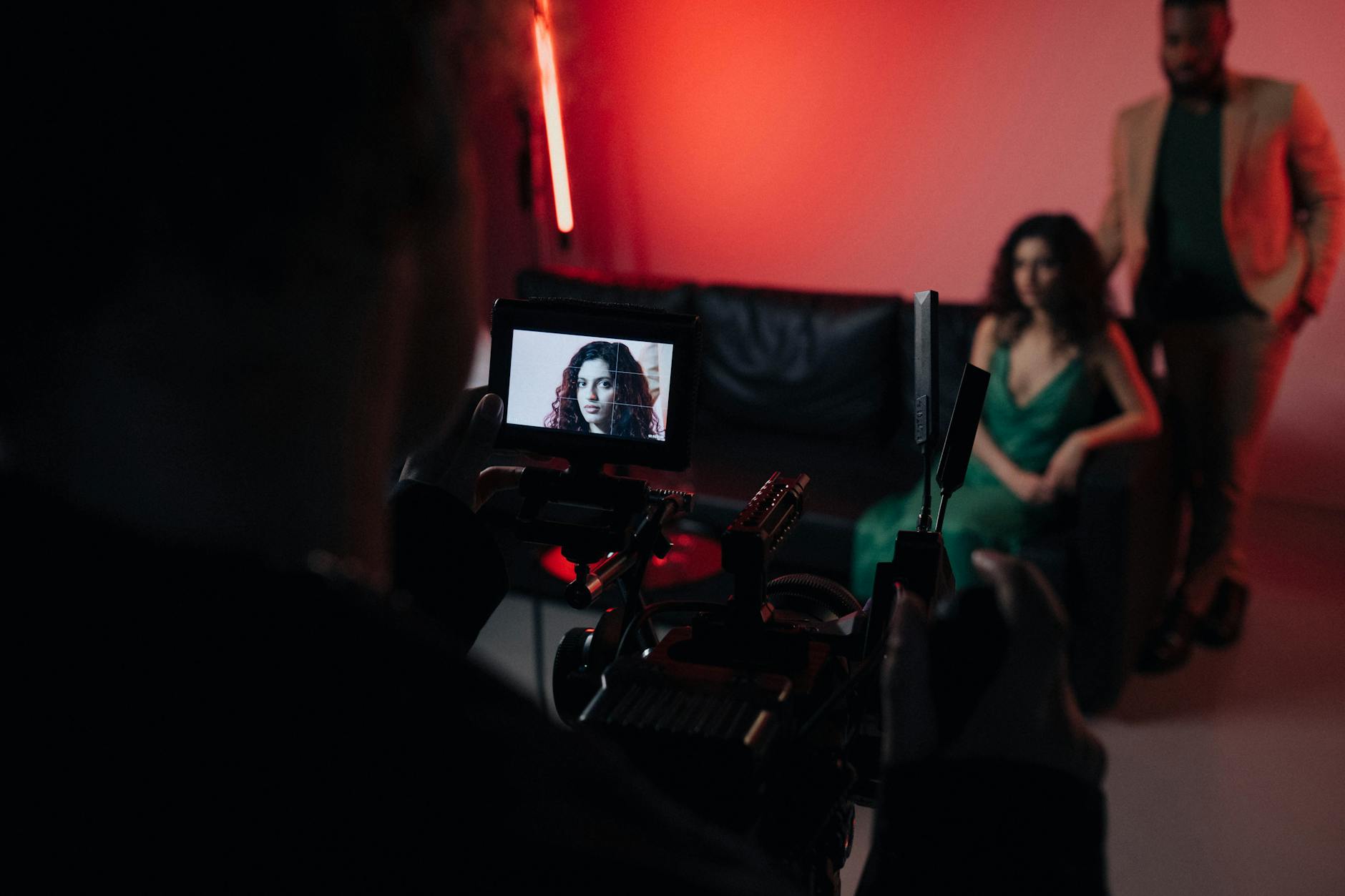
In the competitive Miami real estate market, maintaining high standards in photography extends beyond technical excellence to encompass ethical practices that uphold transparency and trust. When capturing images for property listings, realtors and photographers must adhere to principles that ensure the authenticity and integrity of the visuals presented to prospective buyers.
Authentic Representation of Properties
Real estate images should accurately depict the property's real condition without exaggeration or significant enhancement. While light editing for color correction and minor adjustments to lighting are acceptable, substantial modifications—such as altering room dimensions, removing features, or digitally adding elements—can mislead viewers. Transparent representation helps buyers make informed decisions based on genuine visuals, fostering a trustworthy relationship between agents and clients.
Respect for Privacy and Personal Spaces
Capturing images of occupied homes requires sensitivity to occupants' privacy. It is essential to secure permission before photographing private areas or personal belongings that could reveal personal information. Avoid including identifiable individuals without consent, and be cautious of capturing sensitive spaces that homeowners prefer to keep private. Respecting these boundaries not only complies with ethical standards but also maintains goodwill and professional reputation.
Proper Licensing and Usage Rights
Utilizing images obtained from professional photographers involves ensuring the appropriate licensing agreements are in place. Licensed images come with specific usage rights that allow realtors and brokers to employ them across different marketing channels without infringement issues. High-quality images backed by clear rights verification contribute to a consistent and legally compliant marketing strategy.
Maintaining Consistency and Honesty
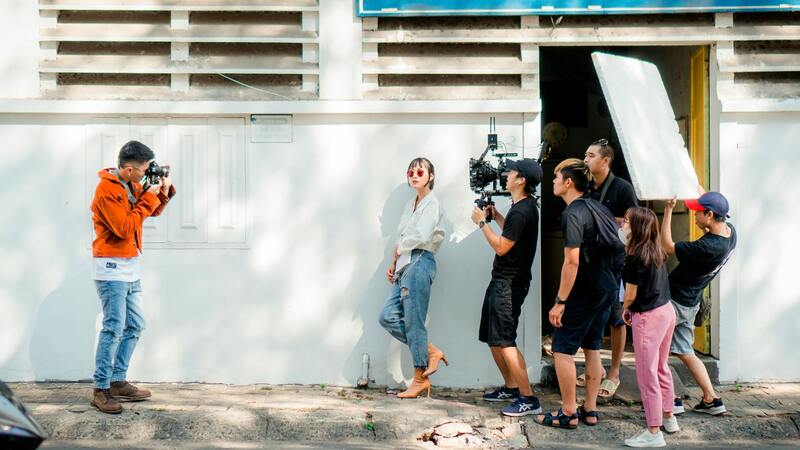
Consistency in image quality reflects professionalism and enhances credibility. Realtors should avoid manipulating photographs in ways that could misrepresent the property's features or condition. Honest visual portrayal ensures potential buyers have realistic expectations, reducing the likelihood of dissatisfaction or disappointment during the viewing or purchasing process.
Transparency in Marketing
Clear disclosure about any minor enhancements or adjustments made to images reassures clients and buyers about the authenticity of listing visuals. It also aligns with best practices in ethical marketing, supporting a reputable image for real estate professionals operating within Miami’s vibrant property market.