
Role and Importance of a Realty Photographer
In the competitive real estate market, the role of a professional photographer cannot be overstated. High-quality images serve as the first impression for potential buyers browsing online listings, significantly influencing their interest level. A skilled realty photographer brings out the best features of a property, highlighting its architecture, space, and unique characteristics through expertly captured images. These visuals are crucial in grabbing the attention of prospective buyers, encouraging them to inquire further or schedule viewings.
Effective real estate photography enhances the perceived value of a property, often leading to quicker sales and potentially higher offers. Listings with captivating, professional photos tend to attract more views and engagement compared to those with amateurish images. This increased visibility can have a direct impact on the overall success of a sale.
In addition to attracting buyers, professional photography plays a vital role in establishing trust and credibility. It signals that a property owner or agent is committed to presenting the property in the best possible light, which builds confidence in potential buyers. Moreover, having a visually appealing listing is essential for marketing across multiple channels, including websites, social media, and print advertisements.
Effective photography also ensures that the property's spatial dynamics are accurately conveyed, helping potential buyers understand the layout and size of rooms. Well-composed images reduce the need for multiple visits, saving time for both buyers and sellers. Overall, a realty photographer is an indispensable partner in the real estate transaction process, translating the property's value into compelling visual stories.
Key Skills and Qualifications of a Realty Photographer
To ensure each property is showcased effectively, a professional realty photographer must possess a specific set of skills and qualifications. Mastery in capturing the property's nuances relies heavily on technical expertise, including proficiency in camera operation, lighting, and post-processing techniques. High-resolution DSLR or mirrorless cameras equipped with wide-angle lenses are standard tools that enable the photographer to encapsulate the full scope of a property’s space, ensuring images are both sharp and inviting.
Beyond technical skills, a seasoned realty photographer should demonstrate an eye for composition, understanding how to position furniture, select angles, and utilize natural or artificial light to create compelling visuals. This artistic sense enhances the viewer’s perception of the space, making rooms look more appealing and spacious. Additionally, skill in editing images enhances realism while elevating the overall aesthetic—eliminating minor flaws without compromising authenticity.
Experience is equally critical. An experienced photographer recognizes how to adapt their approach to diverse property types, from luxury condos to suburban family homes. Familiarity with current real estate marketing trends ensures photographs align with what viewers find most engaging, increasing the listing’s performance. On the qualifications front, certifications from reputable photographic associations or specialized training in real estate photography lend credibility and assure clients of a photographer’s commitment to quality standards.
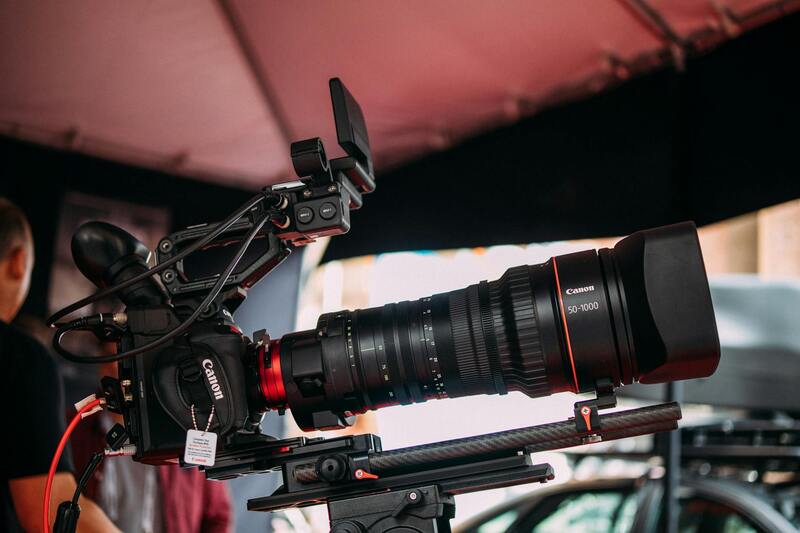
Further, a reliable realty photographer should maintain professional-grade equipment, including sturdy tripods, drones for aerial shots, and lighting gear suited for low-light environments. Familiarity with legal considerations such as property privacy and drone regulations ensures all shoots are compliant with local guidelines. Overall, a combination of technical proficiency, artistic talent, experience, and proper equipment defines a top-tier realty photographer capable of elevating a property's visual appeal to attract serious buyers.
Effective Composition and Shooting Techniques
One of the core responsibilities of a proficient realty photographer involves mastering composition techniques that highlight the property's best features. Proper framing ensures that the space appears inviting and well-balanced, directing the viewer’s eye to the key areas such as spacious living rooms, updated kitchens, or scenic outdoor views. Using the rule of thirds can add visual interest and depth to images, making the photo more engaging and professional-looking.
Utilizing wide-angle lenses is common in real estate photography, allowing for expansive views that convey space effectively. However, it’s vital to avoid distortion that can misrepresent the property's dimensions. A skilled photographer adjusts lens settings and shooting angles to preserve accurate proportions while maximizing the visual impact.
Lighting plays a pivotal role in property photography. Natural light should be utilized to brighten rooms and bring out the property's true colors. Photographers often schedule shoots during times when natural light is at its peak. Supplementing with professional lighting equipment can eliminate shadows and balance brightness, especially in darker areas or interior spaces lacking sufficient daylight.
Post-processing is another critical aspect of professional realty photography. Editing techniques focus on color correction, exposure adjustments, and minor retouching, ensuring images accurately reflect the property's appearance. Advanced editing can also remove distractions like clutter or imperfections, while retaining the natural feel of the space.
Incorporating Aerial and Specialized Shots
In addition to standard interior and exterior views, incorporating aerial drone photography offers a comprehensive perspective of the property’s surroundings. These shots provide potential buyers with an understanding of the property's layout, acreage, and nearby amenities. Drone footage can be especially valuable for properties with unique landscapes or extensive grounds, as it captures details that ground-level images might miss.
Other specialized shots, such as twilight images taken during evening hours, can create a dramatic and welcoming ambiance, emphasizing outdoor lighting and landscape features. Additionally, staged photos or virtual staging can help potential buyers visualize the space's potential and aid in faster decision-making.
Ultimately, a well-rounded portfolio of high-quality images—spanning interior, exterior, aerial, and specialized shots—serves as a powerful marketing tool. It not only captures the property's true essence but also sets the listing apart in a competitive market, attracting serious buyers and encouraging quicker sales.
Understanding the Impact of Photographic Equipment and Technique
In real estate photography, the quality of the equipment and the techniques employed are fundamental elements that influence the final images. High-resolution cameras with full-frame sensors are preferred, as they capture more detail and facilitate superior image quality, even in challenging lighting conditions. Lenses with wide angles enable capturing expansive interior spaces and exterior shots that showcase the property's entirety, providing viewers with a comprehensive visual experience.
Beyond the camera hardware, professional photographers utilize specific techniques to enhance image appeal. Proper use of tripod stabilization ensures sharpness, especially in low-light environments or when capturing interiors with artificial lighting. The application of HDR (High Dynamic Range) photography allows for balanced exposure across bright and dark areas, ensuring every detail is visible and accurately represented. Bracketing multiple exposures and merging them during post-processing results in images that reflect the true ambiance of each space.
Post-Processing and Image Optimization Strategies
Post-processing plays a crucial role in realty photography, as it enhances the visual appeal of images while maintaining authenticity. Adjustments in color correction, contrast, and sharpness are standard practices to ensure that the property’s true look is preserved. Exposure adjustments help balance lighting, especially in rooms with windows or mixed lighting sources, providing an inviting and clear portrayal of the space.
Retouching techniques are applied selectively to eliminate distractions such as clutter, minor imperfections, or unsightly blemishes, without altering the natural feel of the property. Advanced editing can subtly enhance landscaping or outdoor lighting, creating a warm and welcoming atmosphere in exterior shots. The goal is to produce images that are appealing and compelling to prospective buyers, encouraging them to envision themselves within the space.
Incorporating Interactive and Dynamic Content
In addition to static images, integrating interactive content such as virtual tours, 3D walk-throughs, or 360-degree photographs can substantially elevate property listings. These tools allow potential buyers to explore the property virtually, gaining an immersive experience that static images often cannot provide. Incorporating such content not only demonstrates a commitment to modern marketing standards but also broadens the reach of marketing efforts by attracting more engaged and qualified prospects.
Dynamic content can be complemented with high-quality still images taken from multiple angles and perspectives, capturing every nuance of the property's design and layout. When executed professionally, these assets work synergistically to build a compelling story around the listing, making it stand out in the competitive Miami real estate market.
Role and Importance of a Realty Photographer
In the competitive landscape of Miami real estate, a professional realtor photography service serves as a crucial element in attracting discerning buyers and investors. These specialists are not merely taking pictures—they craft visual narratives that showcase a property's unique features, spatial flow, and overall ambiance. High-quality images create a first impression that can make the difference between a quick sale or a property languishing on the market.
Realtor photographers possess a keen eye for detail, understanding how to balance lighting, perspective, and composition to present each property in its most appealing light. Their work extends beyond merely capturing spaces; it involves highlighting key selling points—whether it's a breathtaking ocean view, an exquisite kitchen, or expansive outdoor areas. Effective imagery provides prospective buyers with an immersive experience, enabling them to mentally move through the space even before visiting in person.
Moreover, the importance of a realtor photographer transcends aesthetics. Their expertise ensures images adhere to current digital marketing standards, which prioritize engaging, optimized content for online listings, social media, and virtual tours. They understand how to craft visuals that resonate with target audiences and stand out among numerous competing listings in Miami's vibrant real estate market. Their professionalism also guarantees consistency in presentation, reinforcing the credibility and appeal of the property.
Key Skills and Qualifications of a Realty Photographer
- Technical proficiency: Mastery over camera equipment, lighting techniques, and editing software to produce high-resolution images.
- Knowledge of architecture and interior design: Ability to recognize and accentuate architectural features and design elements that add value to the property.
- Understanding of real estate marketing: Insight into what homebuyers look for and how to convey it visually.
- Experience with professional editing: Skilled in retouching, color correction, and image enhancement to create captivating visuals without misrepresentation.
- Attention to detail: Ensuring every shot captures the property's best features while eliminating distractions.
Types of Photos and Shots in Real Estate Listings
Effective real estate photography encompasses various styles of shots to build a comprehensive visual presentation of the property:
- Exterior Shots: Showcasing the front facade, backyard, outdoor living spaces, landscaping, and architectural details. These images set the first impression.
- Living Areas: Wide-angle shots of living rooms, dining areas, and family rooms to convey space and layout.
- Kitchen and Bathrooms: Close-up images highlighting modern appliances, finishes, and distinctive design features.
- Bedrooms: Peaceful, well-lit images that emphasize comfort and privacy.
- Special Features: Capturing unique elements like fireplaces, built-in shelving, or panoramic outdoor views.
- Aerial and Drone Shots: Providing a bird’s-eye view of the property and its surroundings, especially useful in showcasing large estates or waterfront properties.
- 360-Degree and Virtual Tours: Interactive visual content allowing viewers to experience a walk-through virtually.
Why Location and Local Expertise Matter
In Miami, the appeal of a property often hinges on its geographic context. A realtor photographer familiar with local neighborhoods understands the nuances that influence a property's presentation. For instance, waterfront properties benefit from shots capturing the water access and scenic views, while urban residences require images that highlight proximity to amenities, parks, and cultural attractions.
Local expertise also ensures that the photographer knows the best times of day for lighting in specific neighborhoods, incorporating natural light to accentuate the property. They are acquainted with Miami’s distinct architectural styles, enabling them to choose angles and compositions that best showcase these characteristics. Additionally, familiarity with the local market allows for strategic image selection that resonates with the target demographic, ensuring listings attract the right buyers.
The ability to adapt to the unique features of Miami's diverse neighborhoods makes a significant difference in the quality and effectiveness of real estate visuals. Professionally shot images that are tailored to the neighborhood's character can elevate a listing’s appeal, ultimately facilitating a faster sale at a desirable price point.
How to Choose the Right Realty Photographer in Miami
Selecting a professional realty photographer in Miami requires careful consideration of experience, portfolio quality, and understanding of the local market. A seasoned photographer will be familiar with Miami’s diverse neighborhoods, architectural styles, and lighting conditions, enabling them to craft images that truly stand out in listings. When evaluating potential photographers, reviewing their portfolio provides insight into their style, consistency, and ability to capture properties in their best light. It’s vital to look for a photographer whose work aligns with the aesthetic and professionalism required for high-level real estate marketing.
Another key factor is their familiarity with the latest photographic technology and techniques. High-resolution images, wide-angle lenses, drone photography, and virtual staging are tools that significantly enhance property presentation. A photographer adept in these areas can produce comprehensive visual content that maximizes a property’s appeal, translating into increased viewer interest and faster sales.
Good communication skills and professionalism are also essential. A responsive photographer who understands your needs can provide guidance on property presentation and timing for optimal lighting conditions. They should be able to offer consultation on staging, angles, and the most attractive features to highlight for your target demographic.
It’s beneficial to inquire about their experience specifically with real estate in Miami, including familiarity with local regulations and neighborhood characteristics. This local expertise ensures that the images reflect the true essence of the area, appealing directly to prospective buyers and investors interested in Miami’s vibrant real estate market.
Finally, consider reviews and testimonials from previous clients. These insights can reveal the photographer’s reliability, customer service quality, and the overall satisfaction with their work. Engaging a Miami-focused real estate photographer who combines technical skill and local knowledge can significantly enhance the appeal and competitiveness of your property listings, leading to more interest and quicker sales.
Role and Importance of a Realty Photographer
In the competitive landscape of Miami’s real estate market, high-quality photography is an indispensable tool for property marketing. A professional realty photographer specializes in capturing the essence and unique features of properties, transforming spaces into compelling visual narratives that attract prospective buyers. Their expertise goes beyond simple photography; they understand how to utilize lighting, angles, and staging to accentuate a property's best attributes. This role is fundamental in creating an impactful online presence, which is often the first point of contact for potential buyers. Well-executed images can reduce days on market, increase listing visibility, and elevate the perceived value of a property.
Key Skills and Qualifications of a Realty Photographer
Effective realty photographers possess a combination of technical skills and market knowledge. Advanced understanding of camera equipment, lighting techniques, and editing software ensures images are crisp, well-lit, and visually engaging. Equally important are soft skills such as communication and client collaboration, which help in capturing the property’s personality accurately. Familiarity with real estate trends allows photographers to highlight features that resonate with target demographics. Additionally, experience in architectural photography enables them to depict properties in ways that emphasize space and design aesthetics, which is particularly relevant for Miami’s diverse and architecturally distinct neighborhoods.
Types of Photos and Shots in Real Estate Listings
Comprehensive real estate listings typically include several types of photos to offer a well-rounded view of the property:
- Exterior Shots: Showcasing curb appeal, front facade, backyard, and any notable outdoor features.
- Main Rooms: Living rooms, kitchens, bedrooms—featuring angles that display space and functionality.
- Special Features: Highlighting unique architectural details, modern upgrades, or luxury amenities.
- Aerial Photography: Drone shots that provide an overview of the property and surrounding area, useful for large estates or properties with extensive land.
- Virtual Tours and 360-Degree Views: Engaging multimedia content that allows viewers to explore the space remotely, increasing online engagement.
Why Location and Local Expertise Matter
In Miami, understanding the local market dynamics and neighborhood characteristics is critical. A local photographer has in-depth knowledge of Miami’s architectural styles, lighting conditions, and popular features, which enables them to tailor their approach accordingly. They are familiar with regional nuances such as the best times for natural light, local regulations concerning drone photography, and cultural aesthetics that influence property presentation. By leveraging this expertise, a photographer can produce images that accurately reflect the property's surroundings and appeal specifically to Miami’s diverse buyer profile.
How to Choose the Right Realty Photographer in Miami
Selecting an appropriate photographer involves careful consideration of several factors:
- Portfolio Review: Examine their previous work to assess style, quality, and consistency across different property types.
- Experience with Local Market: Verify their familiarity with Miami’s neighborhoods and architectural styles.
- Client Testimonials: Seek feedback from previous clients about professionalism, reliability, and results.
- Service Offerings: Ensure they provide comprehensive packages that include editing, virtual tours, and aerial shots if needed.
- Pricing Transparency: Clarify costs, delivery timelines, and what is included to evaluate value for money.
Benefits of Working with a Miami-based Photography Agency
Partnering with a dedicated Miami-based agency guarantees access to professionals knowledgeable about local market trends and regional aesthetics. Such agencies often have established networks, allowing for quick scheduling, variety in shooting options, and adherence to area-specific guidelines. Their familiarity with Miami's diverse neighborhoods enables them to showcase properties in ways that resonate with local buyers, thereby increasing listing effectiveness. Moreover, local agencies tend to have better insights into seasonal lighting conditions and the optimal times for photoshoots, ensuring consistent quality across all listings.
Enhancing Your Property’s Appeal Through Professional Realty Photography
Once you've selected a suitable realtor photographer, the focus shifts to optimizing your property’s presentation to align with high-quality visual standards. Proper preparation ensures that each shot accurately captures the space's best features, making your listing more attractive to potential buyers.
Property Staging and Decluttering
Staging involves arranging furniture and decor to highlight the property's strengths and create a welcoming atmosphere. Removing excess clutter and personal items helps potential buyers envision themselves living in the space. Consider rearranging furniture to optimize flow and maximize natural light exposure, which significantly impacts the overall mood of each photograph.
Cleaning and Maintenance
Prioritize thorough cleaning of every room, including carpets, windows, and fixtures. Freshly cleaned surfaces reflect well on the property’s upkeep and enhance the clarity of the images. Address minor repairs such as fixing leaky faucets, squeaky doors, or chipped paint to prevent distractions that could detract from the property's appeal.
Lighting and Time of Day
Optimal lighting is crucial; scheduling a photoshoot during the brightest part of the day ensures ample natural light. Open curtains and blinds before the shoot to maximize daylight penetration. For low-light areas or rooms that lack sufficient sunlight, additional lighting equipment can be employed to balance exposure and highlight the space effectively.
Appointments and Accessibility
Coordinate with the photographer to schedule the shoot at a time when the property is in the best condition. Make sure to clear furniture or personal items from surfaces, and ensure that pathways are unobstructed. Accessibility for the photographer to all areas of the property is essential for capturing comprehensive shots that showcase the full potential of each space.
Exterior Upkeep
Exterior shots often create the first impression. Ensure lawns are mowed, gardens are maintained, and driveways cleared of debris. Small improvements such as adding potted plants or fresh mulch can make outdoor areas more inviting. Properly staging outdoor spaces highlights their usability and aesthetic appeal, making them more attractive in photos.