
Understanding Residential Photography in Miami
Residential photography is a specialized discipline focused on capturing the aesthetic appeal and unique features of private homes and living spaces. In the competitive Miami real estate market, high-quality residential images serve as a vital component for attracting potential buyers and tenants. These photographs not only showcase a property's best qualities but also evoke emotions, helping viewers envision themselves in the space. The vibrant Miami landscape — characterized by diverse architectural styles, modern high-rises, and lush outdoor environments — presents both opportunities and challenges for residential photographers.
Capturing the essence of a Miami residence involves more than just snapping pictures; it requires a strategic approach to highlight the property’s architecture, interior design, and outdoor features effectively. The region’s bright, sunny climate influences lighting conditions, allowing for natural light to be a primary element in creating inviting imagery. Photographers must also consider the local cultural influences, which often reflect in the exterior design and landscaping, making each shoot a unique representation of the property's character.
The importance of residential photography extends beyond mere visual representation; it plays a critical role in marketing properties online and in print. In Miami’s real estate sector, where competition is fierce, professionally captured images can significantly improve listing engagement rates. Buyers tend to form first impressions based on these photographs, underscoring the necessity for expert execution. As such, residential photography in Miami must combine technical skill with an artistic sensibility to produce compelling visuals that stand out in a crowded marketplace.
Furthermore, Miami’s diverse neighborhoods — from the luxury waterfronts of Miami Beach to the family-friendly suburbs — require tailored photographic approaches. For example, capturing waterfront properties involves emphasizing views and outdoor living spaces, while suburban homes benefit from showcasing interior spaciousness and landscape integration. Each project offers an opportunity to highlight the unique lifestyle and aesthetic appeal of the location, reinforcing the vital role of residential photography within Miami’s vibrant real estate ecosystem.
Key Equipment and Tools for Residential Photography
To achieve visually stunning and technically proficient residential photographs in Miami, a photographer must rely on a carefully curated set of equipment and tools. The foundation of high-quality images begins with selecting the appropriate camera. Professional-grade DSLR or mirrorless cameras equipped with full-frame sensors are preferred due to their superior image quality, dynamic range, and low-light performance. These capabilities are especially crucial in Miami, where properties often feature complex lighting conditions, from bright exteriors to shadowed interiors.
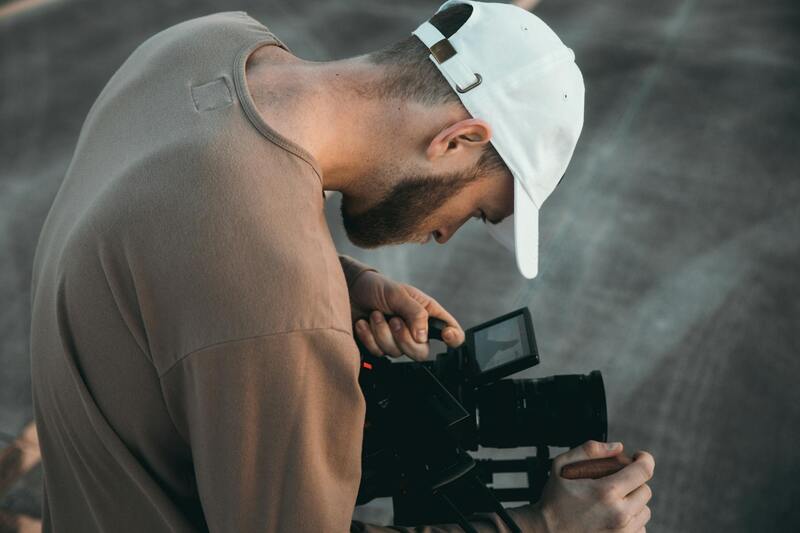
Lens selection is equally vital. Wide-angle lenses, typically in the range of 14mm to 24mm, are standard for interior and exterior shots, allowing photographers to encompass more of the space and create a sense of openness. Tilt-shift lenses are also popular for correcting perspective distortions, ensuring straight vertical lines in architectural compositions. Telephoto lenses can be used for capturing distant details or showcasing panoramic views from properties with scenic surroundings.
- Lighting equipment: Portable strobe lights, softboxes, and reflectors help address lighting challenges within homes, enhancing mood and visibility without compromising natural aesthetics.
- Tripods: A sturdy tripod stabilizes the camera for sharp images, particularly in low-light conditions or when performing HDR shots, which are essential for balanced exposures of bright exteriors and dim interiors.
- Remote triggers and timers: These tools prevent camera shake when taking long exposure shots or multiple bracketed images.
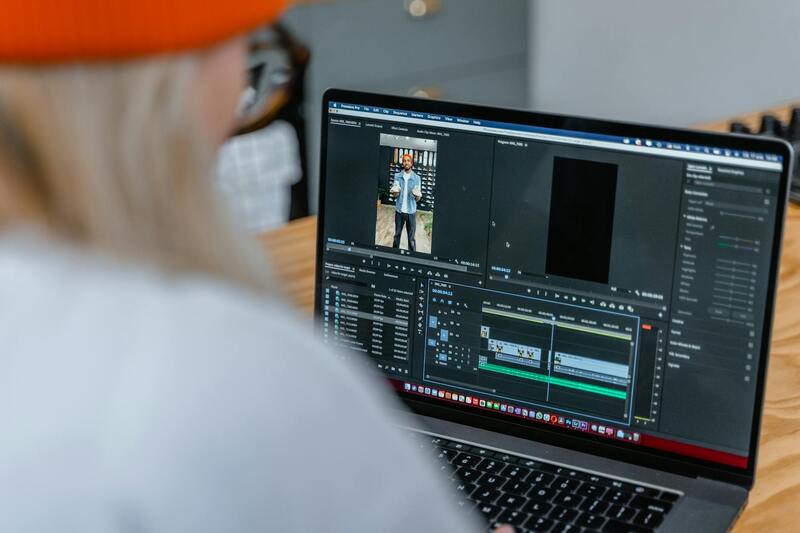
- Post-processing software: Editing programs like Adobe Lightroom and Photoshop are indispensable for color correction, HDR blending, and perfecting details, ensuring the final images meet professional standards.
Incorporating the right equipment ensures that photographs perfectly capture the unique qualities of Miami homes, from opulent waterfronts to cozy suburban dwellings. Selecting gear suited to various lighting and architectural nuances allows photographers to produce consistent, captivating images that highlight each property’s distinctive features.
Understanding Residential Photography in Miami
Residential photography in Miami demands an emphasis on precision, attention to detail, and an understanding of the unique aesthetics found within the city’s diverse neighborhoods. Photographers must be adept at capturing the vibrancy of waterfront properties, the tranquility of suburban residences, and the architectural uniqueness that Miami offers. This type of photography seeks to evoke emotion, showcase space, and highlight the lifestyle associated with each property, making it a critical tool within real estate marketing and property showcasing.
Effective residential photography begins with understanding the context of each property. Different neighborhoods have distinctive styles—luxurious waterfront mansions, modern condos, or cozy suburban homes—all of which require tailored photographic techniques. An image that communicates the essence of a Miami residence can significantly influence potential buyers or renters, making it essential for photographers to master both technical skills and artistic vision.
Why Residential Photography Is Vital in Miami’s Real Estate Market
The Miami real estate market is highly competitive, with stunning properties that often serve as lifestyle symbols. High-quality imagery not only attracts more prospects but also enhances the perceived value of a property. Professional residential photography leverages natural lighting, architectural details, and the unique ambiance of Miami to craft engaging visual narratives. This strategic approach helps sellers to stand out in a crowded market and provides agents and developers with the materials needed to market properties effectively across digital platforms.
Ensuring Property Features Are Accurately Depicted
Accurate portrayal of a home’s features is fundamental. From spacious layouts and high ceilings to outdoor living spaces and scenic views, every element should be highlighted effectively. This involves selecting the right angles to emphasize key features, employing proper lighting techniques, and editing images to ensure color accuracy and clarity. The goal is to provide potential clients with a realistic preview that matches their expectations, thereby creating trust and interest in the property.
Utilizing Local Environments and Scenic Backdrops
Miami’s scenic environments—oceanfronts, lush gardens, and vibrant cityscapes—offer exceptional opportunities for context-rich compositions. Including these elements in residential images can significantly enhance appeal, especially for properties with scenic views or outdoor amenities. Photographers should consider the time of day and weather conditions to optimize natural light, capturing properties in the most flattering and inviting way. Incorporating Miami’s distinctive sunrises, sunsets, and skyline silhouettes can set listings apart and evoke an aspirational lifestyle.
By adopting a tailored approach that blends technical competence with an artistic sensibility aligned to Miami’s unique landscape and architecture, residential photography can serve as a powerful marketing tool to elevate property presentations and attract discerning clients.
Post-Processing and Editing Tips for Residential Photography
High-quality residential images extend beyond the moments captured on camera; post-processing plays a crucial role in refining visual appeal and ensuring that each photograph accurately represents the property’s true character. Post-processing involves a series of professional editing techniques designed to enhance color balance, brightness, contrast, and sharpness, resulting in compelling visuals that captivate potential buyers and investors.
One of the most essential steps in post-processing is correcting distortions—perspective adjustments that often arise from wide-angle lenses used in interior and exterior shots. Proper perspective correction ensures walls, door frames, and windows appear straight and true to life, which maintains credibility and visual accuracy. Additionally, adjustments to white balance and color grading can bring warmth or coolness to an image, aligning it with the property's natural ambiance without artificially enhancing features.
Detail enhancement is equally important. Sharpening techniques highlight textures in features such as wood flooring, brickwork, or lush landscaping, adding depth to the images. Removing blemishes, distracting objects, or minor imperfections through retouching can also improve the overall presentation, making spaces appear cleaner and more inviting.
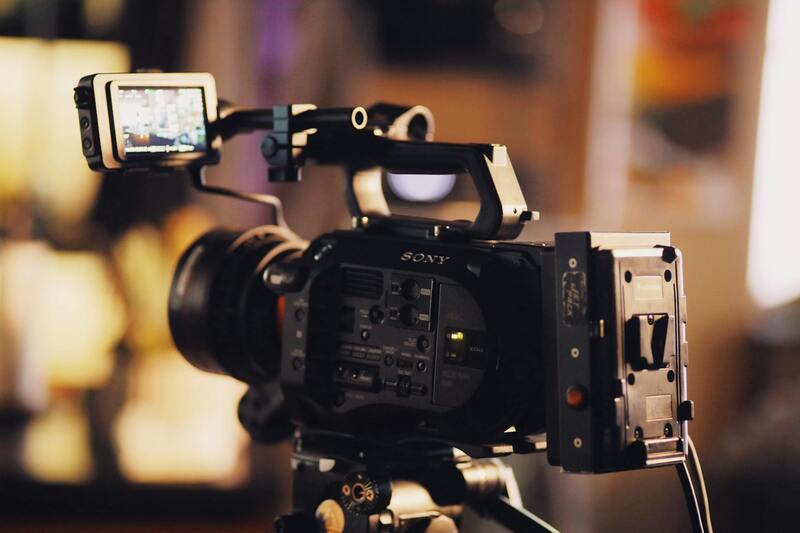
However, moderation is key to maintain authenticity. Overly manipulated images risk misrepresenting the property, potentially leading to mismatched expectations. Skilled post-processing seeks a balance—enhancing visual appeal while preserving the integrity of the property’s real features.
Utilizing professional editing software such as Adobe Lightroom and Photoshop allows for precise control over image quality. Batch editing tools help maintain consistency across multiple images, which is vital for marketing campaigns or listing portfolios. Ultimately, meticulous post-processing not only elevates the aesthetic appeal of residential listings but also reinforces a trustworthy presentation, crucial for engaging discerning clients in Miami’s competitive property market.
Advanced Techniques for Capturing Exterior Shots
When photographing residential exteriors, it’s essential to maximize the visual appeal of the property's facade and surrounding environment. Aerial drone photography can offer sweeping perspectives, showcasing the property's layout, landscaping, and proximity to amenities from a broad vantage point. This technique highlights the property’s integration within its neighborhood and conveys a sense of scale not achievable with ground-level shots alone.
Ground-level exterior photography requires attention to detail and strategic composition. Using a wide-angle lens can help capture expansive views of the front yard, driveway, and architectural features. Ensuring that the horizon is straight and that vertical lines—such as walls and windows—are parallel preserves professional image quality. Combining shots taken at different times of day, especially during the golden hour, enhances natural light and adds warmth to the images, inviting potential buyers or renters to envision themselves in the space.
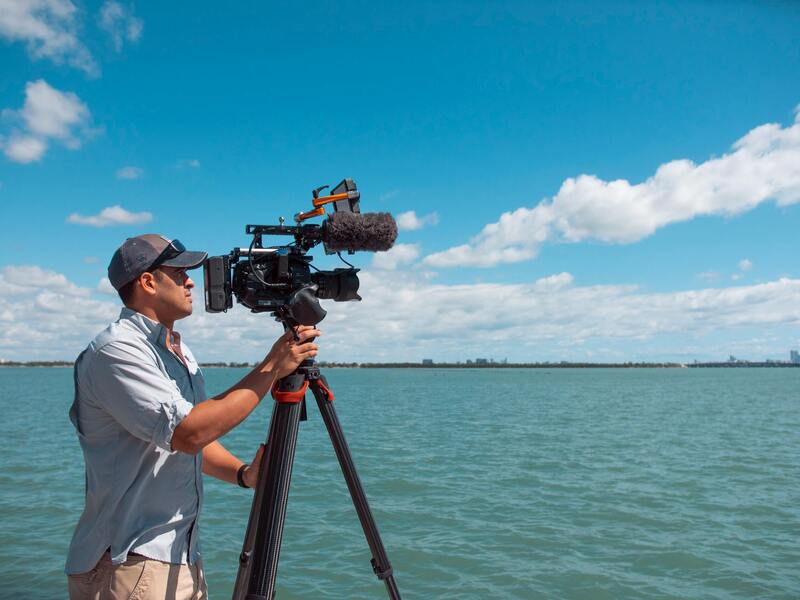
Incorporating landscaping and outdoor living spaces can also amplify visual interest. Proper staging, such as neatly mowed lawns, well-maintained pathways, and inviting patios, elevates the property's curb appeal. Capturing these areas during optimal lighting conditions ensures vibrant colors and sharp details, which can significantly influence a viewer's perception of the property’s overall desirability.
Enhancing Indoor Images for Maximum Impact
Interior photography demands an even more meticulous approach. Utilizing the appropriate lens—preferably a wide-angle to capture more of the space—helps create inviting and spacious visuals. Maintaining correct perspective prevents distortion, ensuring rooms appear true to life. Posture and camera height are also crucial; shooting from a slightly elevated angle can showcase room dimensions more effectively.
Natural light flooding through windows is ideal, but it’s also beneficial to supplement with professional lighting equipment to fill shadows and highlight architectural details. A balanced approach to lighting ensures vibrant, inviting images that reflect the true ambiance of each room. Additionally, attention to details such as uncluttered spaces, neutral decor, and freshly made beds can enhance visual appeal without misrepresenting the space.
Post-processing plays an essential role in refining these images. Adjustments to brightness, contrast, and color balance ensure consistency across all photos, presenting a cohesive and professional portfolio. Retouching minor imperfections or distracting elements can help maintain focus on the property’s best features without altering the inherent character of the space.
In the competitive Miami property market, leveraging advanced photography techniques and meticulous editing helps listings stand out. High-quality visuals not only attract attention but also set accurate expectations, fostering trust and interest among prospective clients.
Legal and Ethical Considerations in Residential Photography
Respecting Privacy and Property Rights
When engaging in residential photography within Miami, it's imperative to prioritize respecting the privacy and property rights of homeowners. Always obtain explicit permission before photographing a residence, especially if capturing images of private outdoor spaces, interiors with sensitive information, or personal belongings. Clear communication ensures that owners are comfortable with the scope of the shoot, which can prevent misunderstandings and foster a trustworthy professional relationship.
In cases where multiple residents or tenants occupy a property, informing all relevant parties and securing their consent is essential. This not only upholds ethical standards but also aligns with best practices for professional conduct in the real estate and photography industries.
Adhering to Official Guidelines for Commercial Photography
Developing a comprehensive understanding of local regulations pertaining to commercial photography in residential settings can streamline the negotiation process and avoid complications. For instance, some neighborhoods or homeowners’ associations might have specific rules regarding photography or filming. Familiarity with these guidelines allows professionals to plan shoots accordingly and ensure compliance with community standards.
Moreover, following official guidelines for drone photography—if aerial shots are part of the service—helps maintain safety and privacy standards. This includes respectful altitude limits, avoiding overflying private property without consent, and adhering to Miami’s specific airspace regulations.
Ethical Representation and Honest Marketing
Ensuring the images accurately portray the property form an essential component of ethical residential photography. This involves avoiding any form of digital manipulation that could mislead potential buyers or renters. Highlighting the property's actual features—without exaggeration—builds trust and credibility with clients.
It’s equally important to disclose any deficiencies or areas needing attention while showcasing the property. Transparency about the condition of a residence promotes an honest transaction process and contributes positively to the reputation of the photographer as a professional committed to integrity.
Safeguarding Client Confidentiality
Protecting the confidentiality of clients and homeowners is paramount. This includes securely handling and storing visual content, especially when it contains sensitive information. Photographers should establish clear protocols for sharing, archiving, and disposing of images to ensure client confidentiality is maintained across all stages of the project.
Understanding Residential Photography in Miami
Residential photography in Miami requires a nuanced understanding of the local real estate market, architecture styles, and client expectations. Photographers must capture the essence of a home in a way that appeals to potential buyers or renters, highlighting the property's best features while maintaining an authentic representation. Miami’s diverse neighborhoods, from modern high-rises to historic Spanish-style homes, demand versatile photographic techniques to showcase each property’s unique character. Achieving this involves a comprehensive approach that balances technical skills with an eye for detail, ensuring images are compelling yet truthful.
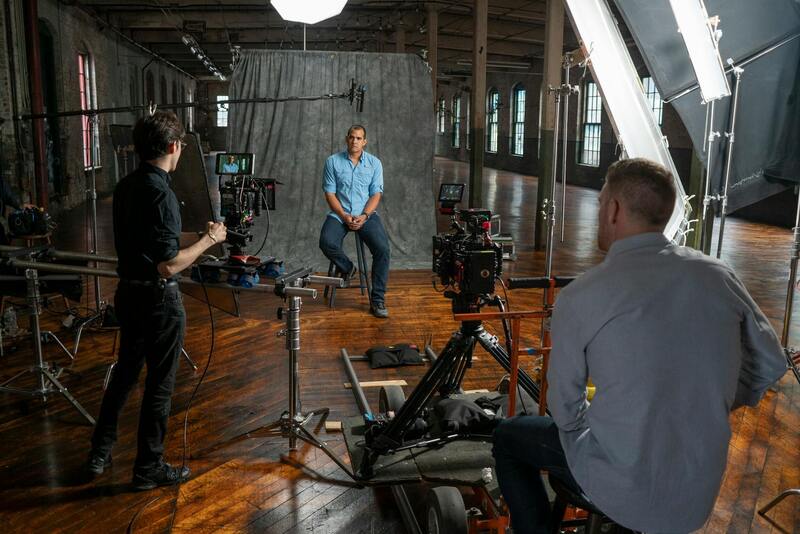
Key Equipment and Tools for Residential Photography
To execute professional residential photography, having the right equipment is essential. High-resolution DSLR or mirrorless cameras are fundamental for capturing crisp, detailed images that show the property in its best light. Wide-angle lenses, typically ranging from 14mm to 24mm, allow photographers to encompass entire rooms and spaces in single shots, creating a sense of openness and volume.
- Tripods: Provide stability for sharp images, especially in low-light conditions or during long exposure shots.
- Lighting Equipment: Portable flashes, professional strobe lights, or LED panels help balance interior lighting, reducing shadows and enhancing colors.
- Drone Cameras: When permitted, aerial shots can add a unique perspective of property surroundings, especially in waterfront or sprawling estate settings.
- Editing Software: Adobe Lightroom and Photoshop are industry standards for post-processing, enabling color correction, perspective adjustments, and image enhancement.
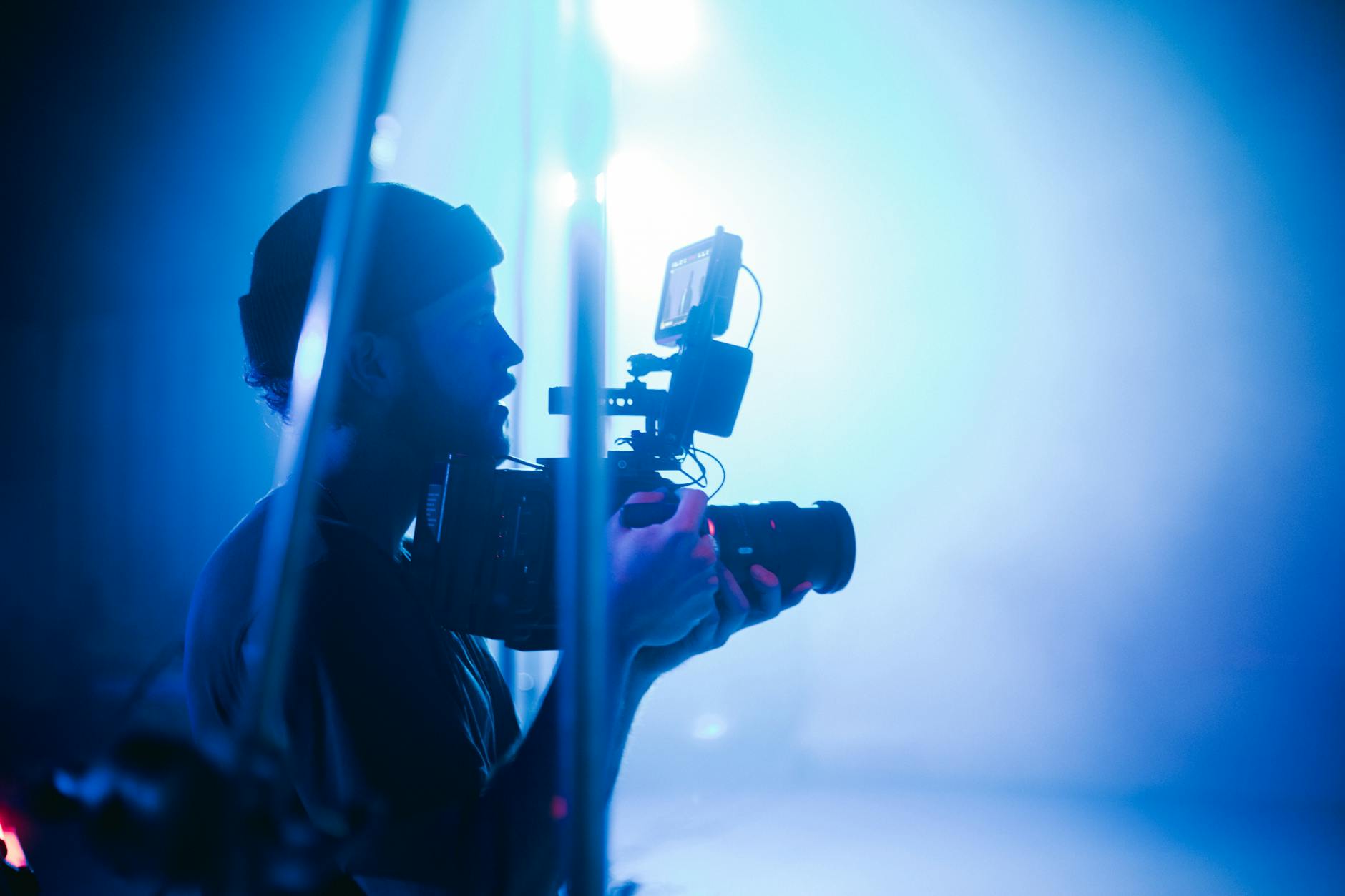
Best Practices for Shooting Residential Properties
Effective residential photography hinges on specific best practices that maximize visual appeal. Ensuring the property is clean, clutter-free, and well-staged creates a more inviting image template. The photographer should plan the shoot, considering the best angles and perspectives that highlight spatial flow and architectural details.
- Declutter and stage: Coordinate with homeowners or agents to remove personal items and stage rooms to enhance their appeal.
- Consider camera angles: Use wide perspectives to emphasize spaciousness, and avoid distortions by maintaining proper camera alignment.
- Incorporate natural light: Schedule shoots during daylight hours when natural lighting complements interior colors and textures.
- Utilize multiple shots: Capture various angles of each room, including focal points such as fireplaces, views, or unique architectural features.
Lighting and Time of Day Considerations
Lighting significantly impacts the mood and perception of a property. Scheduled shoots during the early morning or late afternoon often yield the most flattering natural light, casting softer shadows and enhancing color vibrancy. For interior shots, leveraging natural light combined with well-placed artificial sources can eliminate harsh shadows and ensure even illumination.
Overcast days are ideal for interior photography to produce diffuse lighting that minimizes glare and shadows. For exterior shots, shooting during the 'golden hour'—shortly after sunrise or before sunset—provides warm, inviting tones that make properties appear more appealing. Proper planning of shoot times aligned with lighting conditions helps deliver images that stand out in online listings and marketing materials.
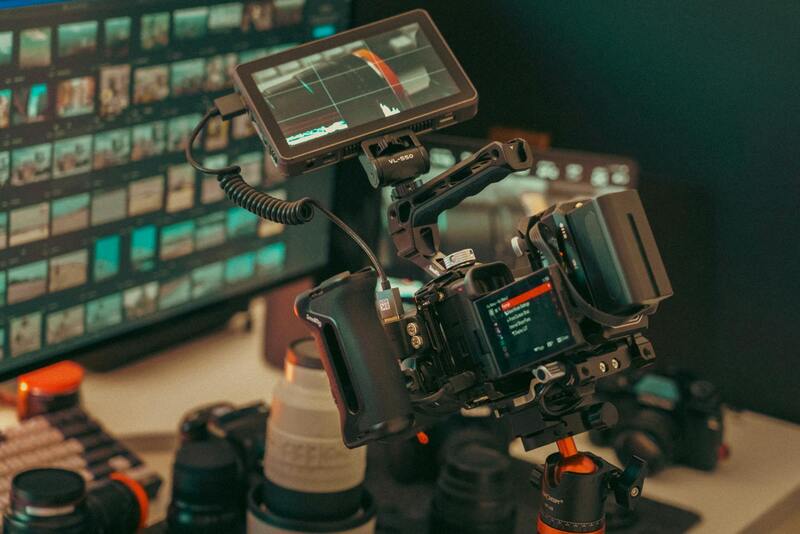
Post-Processing and Editing Tips
Post-processing is a critical phase that transforms captured images into polished marketing assets. Color correction ensures that the hues in photographs match real-life conditions, which is crucial for honest property presentation. Perspective distortion, common in wide-angle shots, can be corrected to deliver an accurate representation of room dimensions and architecture.
HDR (High Dynamic Range) processing helps balance bright exteriors with shaded interiors, revealing detail in both areas simultaneously. Retouching should be discreet—removing minor imperfections without altering the true features of the property. Enhancing clarity, sharpness, and contrast can make images pop, but over-editing should be avoided to maintain authenticity.
- Apply consistent editing styles to create a cohesive visual narrative across multiple listings.
- Utilize noise reduction techniques to improve image quality in low-light interior shots.
- Maintain natural skin tones and color balance for a realistic portrayal of the property's ambiance.
- Ensure final images are optimized for web use, balancing resolution and file size for fast load times online.
Legal and Ethical Considerations in Residential Photography
Executing professional residential photography in Miami involves careful adherence to established standards that promote trust and transparency in property marketing. Ensuring that images authentically represent the property's true features and conditions is fundamental. Photographers must avoid techniques that could mislead viewers, such as excessive retouching that alters the property's appearance or manipulating images to hide flaws.
Respecting property rights and privacy boundaries is essential. This involves obtaining necessary permissions from property owners prior to conducting shoots and being mindful of individuals' privacy, especially when photographing interiors or nearby private spaces. Proper consent helps maintain professional integrity and fosters positive relationships with clients.
When photographing residential properties, especially in prominent or sensitive neighborhoods, adherence to local regulations and community guidelines is a priority. This includes understanding restrictions related to drone photography, if used, and ensuring that aerial shots comply with Miami’s guidelines for aviation and privacy.
Content accuracy also encompasses the use of appropriate image techniques. Wide-angle lenses are standard for capturing spacious interiors, but their use should avoid distortion that could misrepresent room proportions. Clear communication with clients about the scope and limitations of the photographs is necessary to set realistic expectations and maintain transparency.
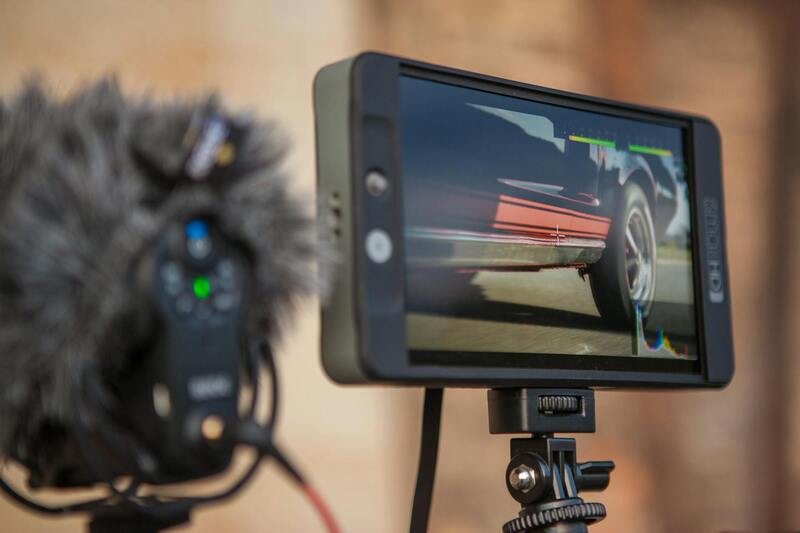
Conducting regular training on industry best practices and staying updated with Miami's specific guidelines helps photographers navigate the complexities associated with residential property imagery. Professionalism in this area not only safeguards reputation but also supports long-term success in the competitive Miami real estate market.