Importance of Quality Photography in Residential Real Estate
In the dynamic and highly competitive Miami real estate market, the visual presentation of a property can make the difference between a quick sale and prolonged market exposure. High-quality residential real estate photography serves as a powerful marketing tool, capturing the essence of a home and showcasing its best features to prospective buyers. Well-composed images that highlight spacious interiors, appealing lighting, and unique architectural details can significantly increase interest and engagement online.
These images not only draw attention but also establish credibility and professionalism for sellers and agents alike. In a fast-paced market such as Miami, where potential buyers often browse multiple listings daily, compelling visuals are instrumental in standing out. They create an emotional connection, entice viewers to schedule viewings, and ultimately enhance the likelihood of a quick and profitable sale.
Moreover, professionally captured images align with the expectations of today's digital-savvy buyers who increasingly rely on online platforms for property searches. Stunning visuals elevate the property's perceived value, encourage sharing across social media, and improve overall listing visibility. Consequently, investing in quality residential real estate photography translates into tangible benefits, including higher engagement rates, increased offers, and a shorter time on the market.
In summary, the significance of high-quality photography extends beyond aesthetics; it is a strategic approach essential for maximizing a property’s market potential in Miami's vibrant real estate environment. Every image serves as a first impression, setting the tone for how potential buyers perceive the property and inspiring the urgency to explore further. Therefore, careful attention to photographic standards can lead to faster sales at favorable prices, making it a crucial component of any successful real estate marketing plan.
Preparation and Staging for Real Estate Photography
To maximize the impact of residential real estate photography, meticulous preparation and thoughtful staging are essential. It begins with ensuring the property is spotless, clutter-free, and well-maintained. Decluttering living spaces allows potential buyers to envision themselves in the home, free from distractions that could diminish the visual appeal.
Proper staging involves arranging furniture and decor to highlight the property's best features while creating a sense of openness and flow. Soft, neutral colors tend to appeal broadly and serve as an inviting backdrop for the property's architectural details.
Lighting plays a pivotal role; therefore, scheduling photography sessions during times of optimal natural light helps to create bright, welcoming images. Consider also the timing and condition of blinds, curtains, and lights to ensure consistent exposure across photographs.
Accessories such as fresh flowers, tasteful artwork, and well-placed textiles can add warmth and personality to a space without overwhelming it. This balance ensures that images evoke a feeling of homeliness while remaining universally appealing.
Staging isn't confined solely to aesthetics—it extends to emphasizing the property’s strengths. For example, arranging furniture to showcase generous room dimensions or positioning appliances to highlight modern features can direct buyer focus to key selling points.
Furthermore, ensuring that outdoor areas are tidy, landscaped, and visually inviting can significantly influence perceived value. Well-maintained lawns, clean pathways, and outdoor furniture all contribute to an inviting atmosphere.
Careful preparation and staging form the foundation of stunning real estate images. When executed properly, they not only capture the property’s essence but also foster emotional connections with potential buyers, ultimately facilitating faster sales at advantageous prices.
Effective Use of HDR and Advanced Techniques in Residential Real Estate Photography
High Dynamic Range (HDR) photography has become a foundational technique in capturing the full visual spectrum of residential properties. By combining multiple images taken at different exposures, HDR allows photographers to present interiors and exteriors with balanced lighting, ensuring that shadows are detailed and highlights are not washed out. This approach is particularly beneficial in homes with large windows or varying light conditions, where standard photography may fail to accurately depict the space.
Moreover, the use of drone photography can elevate the presentation of outdoor spaces by offering sweeping aerial views that showcase the property's landscaping, proximity to amenities, and overall estate layout. Drones provide a perspective that ground-level images simply cannot, helping potential buyers visualize the property's scale and surroundings comprehensively.
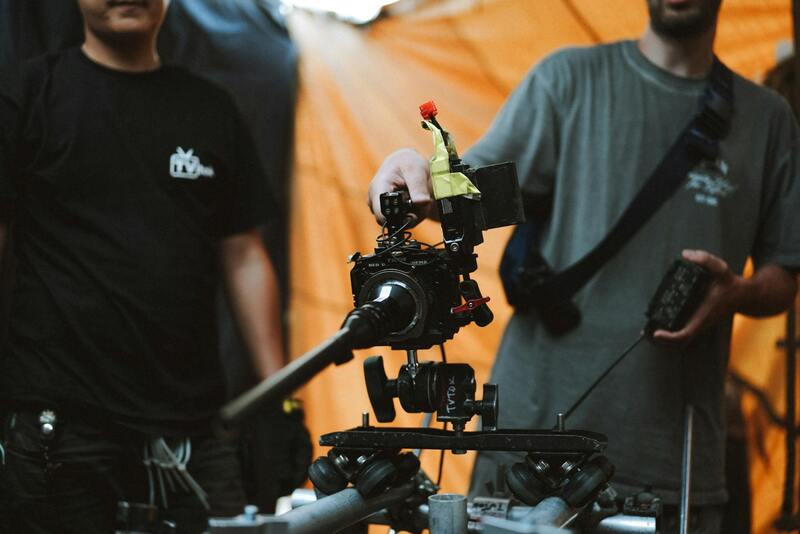
Vertical and horizontal panoramas are another technique employed to create immersive visual experiences. Stitching multiple shots together can produce seamless wide-angle images, ideal for showing large living rooms, open floor plans, or extensive exterior landscapes. These panoramic images give viewers a sense of depth and spatial relationships, making the property feel more tangible and inviting.
Lighting and Timing Strategies for Optimal Results
Utilizing natural light during the golden hour—shortly after sunrise or before sunset—often produces images with warm, inviting tones that enhance the property's best features. Photographers also use supplemental lighting to ensure interior spaces are evenly lit, minimizing shadows and emphasizing architectural details.
Scheduling photo sessions thoughtfully considers weather conditions and time of day, with overcast days generally providing softer, more uniform lighting that reduces harsh shadows. Additionally, ensuring that all window treatments and light fixtures are optimized prior to shooting can significantly improve image quality.
Maintaining Consistency and Image Cohesion
To create a coherent visual narrative across multiple property images, standardized settings in cameras—such as aperture, ISO, and white balance—are maintained. This consistency ensures that all photographs, whether interior or exterior, share a similar tone and quality, making online listings more aesthetically unified and professional.
Using manual focus and avoiding automatic adjustments during shooting also prevents image discrepancies. Post-production techniques such as color correction and exposure adjustment are then applied uniformly to preserve visual consistency, further enhancing the property's appeal.
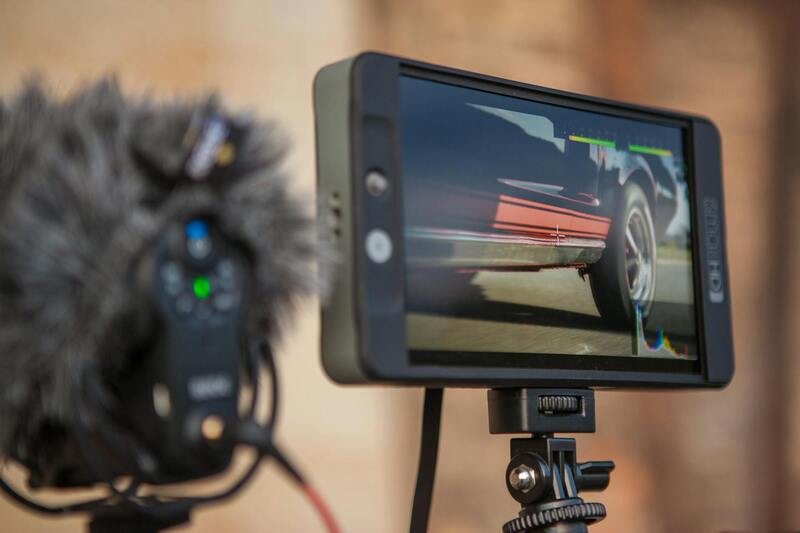
Investing in high-quality photographic equipment, including DSLR or mirrorless cameras with wide-angle lenses, stabilizers, and color calibration tools, ensures sharpness, clarity, and true-to-life rendering. When combined with refined techniques like HDR, panoramic stitching, and drone footage, these methods create compelling visual content that attracts and engages potential buyers effectively.
Legal and Ethical Considerations in Real Estate Photography
Engaging in residential real estate photography requires careful attention to legal standards and ethical practices to ensure professionalism and trustworthiness. Photographers must adhere strictly to property rights, obtaining explicit permission from property owners or authorized representatives before conducting photoshoots. This not only respects the privacy of the residents but also aligns with the standards of professional conduct within the industry.
It is crucial to accurately represent the property without misleading potential buyers. This entails avoiding photo manipulation techniques that could distort the true features or spatial dimensions of the home. Overselling a property's potential through overly edited images can lead to a mismatch of expectations, undermining client credibility and damaging professional relationships.
Moreover, the use of drone photography or aerial shots involves additional considerations. Obtain necessary permissions or clearances to capture images from above, especially in residential neighborhoods where airspace regulations and privacy concerns are particularly sensitive. Ensuring all imagery complies with local laws helps prevent liability issues and fosters responsible marketing practices.
Respect for personal privacy extends beyond legal obligations. Photographers should be vigilant about not capturing or sharing images of personal belongings, private outdoor spaces, or individuals without consent. This practice reinforces ethical standards and portrays the property professionally without infringing on personal privacy.
Implementing a comprehensive client agreement that clearly states the scope of work, usage rights, and delivery timelines further establishes transparency. Such contracts help delineate responsibilities, ensuring both parties have aligned expectations and reducing the risk of disputes.

Legal and Ethical Considerations in Real Estate Photography
Adhering to strict guidelines in residential real estate photography is essential for maintaining a reputation of integrity and trustworthiness within the housing market. Photographers must recognize the imperative of representing properties authentically, avoiding any form of image manipulation that could mislead prospective buyers. Techniques such as extensive photo editing, digital enhancements, or staging manipulations, if not transparently disclosed, risk creating a disconnect between the property’s actual features and its visual presentation. Such practices can compromise buyer confidence and lead to dissatisfaction during property inspections or viewings.
In addition, use of aerial photography — including drone shots — requires careful attention to airspace permissions and privacy considerations. Securing the necessary clearances and understanding the regulations governing drone operation ensures the imagery is compliant and respects the privacy rights of residents. Oversight in this area can result in legal complications, delays, or reputational harm, making a thorough understanding of local airspace policies imperative for responsible image capture.
Respect for personal privacy also extends to avoiding the inadvertent inclusion of personal belongings, private outdoor spaces, or individuals without consent. Photographers should develop protocols for identifying and excluding such elements unless appropriate permissions are obtained. This ethical approach fosters a professional relationship with clients and reinforces a commitment to respectful marketing standards.
Creating comprehensive client agreements helps formalize expectations surrounding image use, rights, and delivery deadlines. Clearly delineating these parameters minimizes misunderstandings and ensures transparency throughout the project. Such contracts are vital tools in safeguarding both the client’s interests and the photographer’s professional integrity.
Maintaining high ethical standards is fundamental to fostering long-term client relationships and reputation within the residential real estate sector. Honest representation of properties contributes to a trustworthy housing market, benefitting all stakeholders involved.
Legal and Ethical Considerations in Real Estate Photography
Ensuring responsible photography in the residential real estate sector involves diligent attention to privacy concerns and compliance with established laws and standards. Photographers must obtain explicit permissions from property owners or residents before capturing images, especially for interior shots that reveal personal items or private spaces. This process helps maintain transparency and respects the privacy rights of all parties involved.
In addition to permissions, photographers should be aware of restrictions related to drone usage, especially when capturing aerial footage or high viewpoints. Operating drones within designated airspace guidelines and respecting privacy boundaries reduces the risk of disruptions or conflicts. Photographers can consult local regulations or airspace authorities to understand permissible altitudes, no-fly zones, and operational procedures.
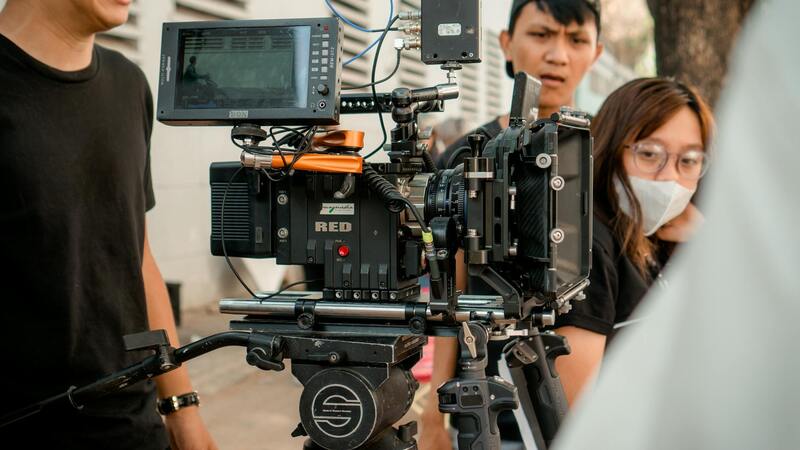
Another key aspect is the avoidance of capturing personal belongings, outdoor private spaces, or individuals without consent. Photographers should develop checklists and protocols for identifying elements that require additional permissions or should be excluded from images. This conscientious approach not only upholds ethical standards but also enhances the professional reputation of the photographer.
Developing Clear Client Agreements
Formal contracts outlining image use rights, delivery timelines, and scope of work are essential tools that foster clarity and prevent misunderstandings. These agreements should specify how images can be utilized in marketing materials, including digital listings, social media, or print advertisements. Defining these parameters upfront ensures transparency and aligns expectations between the photographer and client.
Maintaining Ethical Standards for Long-Term Relationships
High ethical standards in real estate photography contribute to trust and credibility within the industry. Honest depiction of properties, obtained through responsible imaging practices, supports a trustworthy housing market. Respecting privacy, adhering to legal guidelines, and communicating transparently create a foundation for sustainable client relationships and reputation management.
Legal and Ethical Considerations in Real Estate Photography
Maintaining integrity in residential real estate photography involves adherence to established practices that respect privacy rights and property boundaries. Photographers must avoid capturing personal items that reveal sensitive information or compromise privacy, such as personal photographs, confidential possessions, or clutter. Outdoor private spaces, including gardens or patios enclosed by fences, should be photographed thoughtfully, ensuring that no intrusive details are visible, thus respecting the privacy of current occupants.
Special care should be taken during aerial or drone photography to prevent inadvertently including neighboring properties or private land without explicit approval. Ensuring that shoots are scheduled at appropriate times and that camera angles are chosen carefully can help minimize unintended inclusions. Employing detailed checklists before each shoot aids in identifying elements that require additional permissions, ensuring images remain compliant with privacy expectations.
Clear documentation through client agreements promotes transparency regarding image rights and usage. Contracts should specify allowed uses of photos, such as digital marketing, print materials, or virtual tours, and outline any restrictions. This clarity helps prevent misunderstandings and fosters professional trust. Regular communication with clients about the scope of photography, potential exclusions, and rights is essential.
Additionally, photographers should aim to depict properties honestly without exaggeration or misrepresentation. Accurate portrayals contribute to building credibility with prospective buyers and listing agents. Upholding ethical standards by being truthful in image portrayal, respecting privacy boundaries, and adhering to agreed terms forms the bedrock of sustainable, reputable services.
By following these practices, residential real estate photographers demonstrate professionalism and reinforce positive industry standards. This commitment encourages a transparent and trustworthy housing market where all parties operate with confidence and respect.
Legal and Ethical Considerations in Real Estate Photography
Maintaining high standards of integrity and respect in residential real estate photography is vital for fostering trust among clients, buyers, and the wider industry. Clear communication and formal agreements regarding the use and distribution of images establish a foundation of transparency and professionalism.
Photographers should document, within signed contracts, the specific rights granted by property owners or listing agents. These documents should delineate permitted uses of photographs, including digital marketing, print brochures, virtual tours, and social media posts. Explicitly outlining any restrictions helps prevent disputes and clarifies the scope of work from the outset.
Ethical considerations extend beyond contractual obligations to include honest representation of the property. Photographers are encouraged to avoid manipulative techniques that could mislead viewers about the property’s condition, size, or features. Instead, focus on capturing authentic visuals that accurately reflect the property’s strengths and character.

Respecting residents’ privacy is another cornerstone of ethical real estate photography. This entails obtaining explicit permission before photographing occupied areas and being mindful of personal belongings or sensitive spaces that should remain unexposed. Ensuring that images do not infringe on personal privacy not only meets professional standards but also sustains a positive community relationship.
Using consent forms for any visual captures that include individuals is a best practice. These forms clarify how the images will be used and secure the necessary permissions, promoting transparency with clients and subjects alike. Such measures underpin a responsible approach that consolidates trust and reinforces the photographer's reputation in the industry.
Adhering to these principles of honesty, privacy, and clear communication supports a sustainable practice in residential real estate photography. It guarantees that all parties involved—whether the property owner, agent, or potential buyer—operate within a framework of mutual respect and clarity. This professional integrity is foundational to producing credible, valuable imagery that efficaciously supports property marketing efforts.