
Introduction to Aerial Real Estate Video
Aerial real estate video has become an indispensable tool in the modern property marketing landscape. Leveraging unmanned aerial vehicles (UAVs), commonly known as drones, this method offers a comprehensive and dynamic view of properties that traditional ground-level footage cannot capture. In the vibrant Miami real estate market, where luxurious waterfront estates, high-rise condos, and sprawling developments dominate the skyline, showcasing properties from an aerial perspective can significantly enhance marketing efforts.
An aerial real estate video involves capturing high-definition footage from the sky, providing prospective buyers with a unique vantage point that emphasizes the property's size, layout, and surrounding environment. This visual approach not only highlights the property’s features but also contextualizes its location within Miami’s diverse neighborhoods, including proximity to beaches, parks, and urban amenities. Consequently, real estate professionals recognize that incorporating aerial footage can create a more compelling narrative that resonates with potential buyers.
The significance of aerial real estate videos extends beyond aesthetic appeal. In an increasingly digital world, high-quality aerial footage provides a competitive edge, helping listings stand out in online marketplaces, virtual tours, and social media campaigns. The ability to deliver captivating visuals facilitates faster sales and often commands higher property prices. Moreover, with the diverse topography and architectural styles prevalent in Miami, aerial videos offer a strategic advantage for agents seeking to highlight expansive properties or intricate landscapes effectively.
Additionally, aerial videos serve as an essential component of a comprehensive marketing strategy, combining technology, creativity, and professionalism to illustrate a property’s best features. When executed correctly, they establish credibility in the eyes of clients and demonstrate a property’s true potential. As a result, the adoption of aerial real estate videos continues to grow, reshaping how properties are marketed in Miami and beyond, providing a dynamic, informative, and engaging visual experience for potential buyers.
Key Equipment and Techniques for Aerial Filming
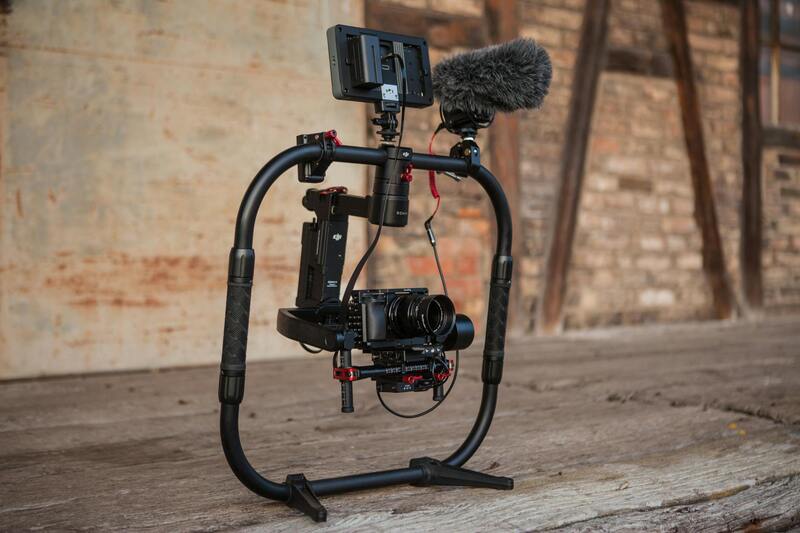
Producing high-quality aerial real estate videos necessitates the use of specialized equipment combined with advanced filming techniques. At the core of effective aerial videography are professional-grade drones equipped with 4K cameras, stabilized gimbals, and reliable flight systems. These drones enable smooth, cinematic footage that captures the expansive scope and intricate details of Miami properties, from waterfront mansions to bustling urban developments.
When selecting aerial equipment, it is essential to prioritize models that offer stability in diverse weather conditions, extended flight times, and high-resolution output. This ensures uninterrupted shooting sessions and the clarity needed to showcase property features convincingly.
Filming techniques focus on optimal shot composition, camera angles, and lighting considerations. Strategic planning involves scouting the property beforehand to determine the best flight paths that accentuate key features such as lush landscaping, architectural details, or panoramic views. Utilizing specific camera settings, like wide-angle lenses and ND filters, enhances visual quality, reduces glare, and enriches the cinematic feel of the video.
Smooth transitions between shots and dynamic movements—such as vertical ascents, sweeping panoramas, and orbit shots—further elevate the storytelling aspect of the video. Skilled drone operators are adept at executing these techniques while maintaining safety protocols and precise control over the equipment.
In addition, post-production editing plays a crucial role in refining raw footage. Color correction, stabilization, and carefully crafted transitions help produce a polished final product that aligns with the luxury and prestige associated with Miami’s real estate market.
Legal Considerations and Permits in Miami
When integrating aerial real estate videos into your marketing strategy, understanding the regulatory landscape is vital. In Miami, commercial drone operations, including those for real estate purposes, typically require adherence to specific procedural steps to ensure smooth operations. These include obtaining the appropriate authorizations from relevant authorities before commencing filming activities. Ensuring compliance with local and federal guidelines helps prevent disruptions and maintains operational integrity.
One key element involves securing the necessary permissions for drone flights in designated airspace. This often involves filing applications with the Federal Aviation Administration (FAA), which oversee unmanned aerial vehicle operations nationwide. These applications delineate flight plans, leaving no room for ambiguity regarding the project's scope and safety measures.
Operators should also be prepared to submit documentation demonstrating their qualifications and adherence to safety standards. These often include proof of FAA certification, mission details, and a risk management plan. Conducting pre-flight risk assessments ensures that flights are executed with minimal disruption to surrounding areas and other airspace users.
In Miami's bustling urban and coastal environments, drone operators must be particularly attentive to airspace restrictions around airports, heliports, and densely populated zones. Temporary flight restrictions (TFRs) are often put in place during large public events, emergencies, or other situations impacting airspace use. Monitoring these restrictions and scheduling shoots accordingly prevents unauthorized flights.
Another consideration involves respecting privacy and property boundaries. Operators should be familiar with property lines and local ordinances to avoid encroaching on private spaces. Acquiring consent from property owners, when necessary, helps foster transparency and trust with clients.
By following official procedures for permits and adhering to designated flight paths, professionals can produce high-quality aerial real estate videos without legal impediments. Ensuring all documentation is in order and that drone operations are meticulously planned aligns with best practices for operational safety and professionalism in Miami’s vibrant real estate market.
Legal Considerations and Permits in Miami
Conducting aerial real estate video shoots in Miami requires careful navigation of established procedures designed to ensure safe and compliant operations. The process typically involves obtaining necessary permissions from local authorities and adhering to regulations that govern airspace use. Ensuring all documentation is complete and up-to-date is fundamental for a smooth filming experience.
One of the primary measures involves requesting authorizations through the appropriate channels, which may include submitting detailed flight plans and safety measures to municipal or federal agencies. These agencies oversee drone operations within Miami's dynamic airspace, which includes frequently congested zones near airports and sensitive urban areas.
Operators must also perform comprehensive pre-flight assessments to identify any airspace restrictions or temporary flight zones. These restrictions, often enacted during special events, emergencies, or aviation activities, are critical in avoiding overlaps with manned aircraft operations. Accurate planning to align shooting schedules with permitted periods minimizes delays and intervening issues.
Moreover, gaining consent from property owners becomes an integral part of the process, especially when capturing private properties from aerial perspectives. Respecting private boundaries and regional ordinances fosters good relationships with clients and maintains professional standards.
Complying with these official procedures not only ensures the production of high-quality visuals but also fortifies the reputation of service providers within the competitive Miami real estate market. Diligence in permit management and safety adherence directly impacts the smooth flow of projects and overall client satisfaction.
Legal Considerations and Permits in Miami
Successfully integrating aerial real estate videos into marketing campaigns requires adherence to specific procedures governing drone operations within Miami. These official channels are designed to ensure safety, protect privacy, and coordinate airspace usage efficiently. One fundamental aspect involves obtaining the appropriate operational permits from local aviation authorities, which oversee drone activity across the city and its surrounding regions. This process entails submitting detailed flight plans that outline intended flight routes, altitudes, durations, and safety measures, enabling authorities to assess potential impacts on manned aircraft, pedestrians, and existing infrastructure.
In addition to federal and municipal regulations, operators must also consider regional ordinances that address noise levels, operational hours, and designated no-fly zones, especially near sensitive urban areas, beaches, and airports. Miami's busy airspace, with its proximity to the Miami International Airport and numerous other busy flight corridors, demands meticulous planning and coordination. To mitigate risks associated with temporary flight restrictions—such as during special events, emergencies, or aviation activities—operators should regularly consult updated airspace charts and coordinate with relevant agencies to avoid delays or disruption of filming schedules.
Securing permits also involves engaging with property owners or authorized representatives, particularly when filming private properties from aerial perspectives. Clear communication and obtaining signed permissions help in maintaining transparency and fostering trust with clients and stakeholders. These documented consents are essential to prevent potential issues related to privacy concerns or disputes over footage rights. Having comprehensive documentation demonstrates professionalism and reassures clients of adherence to regulatory standards, ultimately enhancing the reputation of the production service provider.
Moreover, conducting pre-flight assessments is an integral part of the process. This includes reviewing weather conditions, wind speeds, and potential obstacles such as tall buildings or power lines, to ensure safe and effective shot execution. By following these official procedures rigorously, professionals can produce high-quality aerial visuals without interruptions, creating a smooth experience for real estate listings and marketing initiatives.
In Miami’s competitive real estate market, the ability to legally and effectively capture striking aerial footage sets a property apart. Service providers who prioritize compliance, safety, and professionalism contribute to a trustworthy industry image, which benefits both clients and the entire sector. This commitment to official standards is a cornerstone for sustainable growth and innovation within the realm of aerial real estate video production.
Legal Considerations and Permits in Miami
Ensuring that aerial real estate videos are produced within the framework of local regulations is essential for a seamless filming process. In Miami, specific procedures exist for operating drones and other aerial equipment over private and public property. These protocols are designed to standardize safety measures and promote transparency during production activities. Before filming begins, obtaining appropriate authorizations from relevant authorities and property owners is an indispensable step. This often involves submitting detailed flight plans, schedules, and safety protocols to local agencies that oversee airspace management and public safety.
Securing official permissions not only fulfills procedural requirements but also safeguards the project from potential disruptions. An application process typically includes providing proof of operator certifications and demonstrating adherence to airspace regulations. These procedures help in minimizing risks associated with aerial operations, such as interference with manned aircraft, disturbance of public areas, or inadvertent breaches of privacy.
In addition to permit acquisition, conducting comprehensive site surveys is a best practice. This involves evaluating environmental factors like wind conditions, potential obstacles such as tall structures and electrical lines, and assessing the surrounding area for any sensitivities. These evaluations help in identifying optimal flight paths and the necessary safety measures. Maintaining a detailed record of all approvals and correspondences further reinforces professionalism and compliance.
Employing licensed and experienced drone operators familiar with local rules and airspace regulations ensures that the aerial shoot proceeds smoothly. These professionals are equipped with the knowledge to adapt to changing conditions, avoid restricted zones, and operate within designated parameters. Their expertise minimizes risks and guarantees the high quality of visuals, which is vital for attracting prospective buyers and enhancing marketing efforts.
By prioritizing thorough planning, stakeholder communication, and adherence to official procedures, real estate professionals and production teams can produce captivating aerial visuals that boost market visibility. These practices reinforce the integrity of the marketing campaign and uphold the professional standards expected in the competitive Miami real estate sector, supporting sustainable growth and innovative marketing strategies.
Implementing Effective Post-Production Techniques for Aerial Real Estate Videos
Post-production is a critical phase that transforms raw aerial footage into compelling visual narratives that highlight the unique features of a property. Skilled editing can enhance the cinematic quality of the video, ensuring the visuals are crisp, well-lit, and accurately represent the property’s attributes. Color correction, for example, can be used to adjust the hue, saturation, and contrast, creating a vibrant, inviting atmosphere that appeals to prospective buyers.
In addition to color grading, stabilization techniques are essential to produce smooth footage free from jitters or unwanted movement, which can detract from the professional appearance of the video. Using advanced stabilization software helps maintain the viewer’s focus on the property, rather than distracting camera shake. Cutting in drone shots with dynamic transitions—such as sweeping panoramics, orbit shots, or fly-throughs—can add visual interest and create a cohesive story that guides viewers through the property’s exterior and surrounding environment.
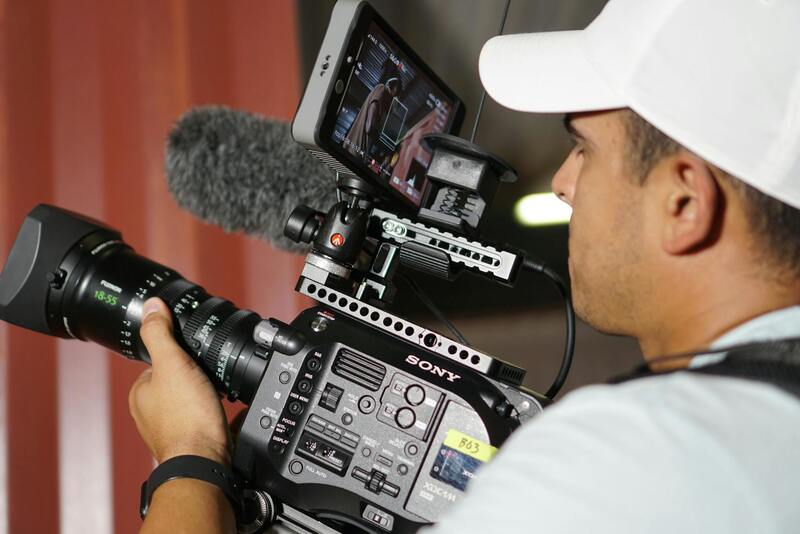
Adding overlays such as property details, contact information, or call-to-action prompts can effectively engage viewers, encouraging them to take the next step—be it scheduling a viewing or requesting more information. Sound design, including background music or narration, complements the visuals and sets the tone—whether it’s professional, luxurious, or family-oriented—as per the target audience.
- Color correction: Ensures vibrant, true-to-life visuals that attract attention.
- Stabilization: Produces smooth, professional footage suitable for high-end listings.
- Transitions and effects: Creates seamless visual flow to maintain viewer engagement.
- Overlay and annotations: Communicates key property features and contact info effectively.
- Soundtracks and narration: Adds emotional appeal and drives viewer interaction.
Integrating Aerial Video into Overall Marketing Campaigns
Once polished, aerial real estate videos should seamlessly integrate into broader marketing strategies to maximize their impact. Incorporating these high-quality visuals on websites, social media platforms, and virtual tour platforms can significantly boost online visibility. Effective branding overlays—such as agency logos, taglines, and contact information—help reinforce brand presence and ensure potential clients associate the stunning imagery with your services.
A targeted distribution approach, releasing teaser clips on social channels or incorporating aerial footage into email marketing campaigns, can help generate buzz and attract potential buyers. Additionally, embedding aerial videos within virtual tours provides an immersive experience that highlights property features from a unique perspective, enhancing the overall viewing experience.
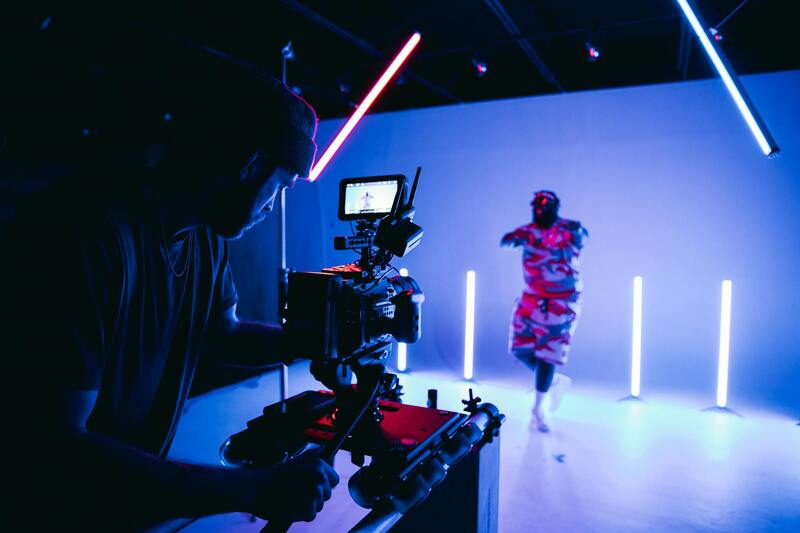
Aligning the visual content with the strategic objectives of your campaign ensures a consistent message and branding, which is essential for establishing trust and credibility in a competitive market. Professional editing preserves the integrity of the original footage while amplifying its persuasive power, making it a vital component in successful real estate marketing efforts in Miami.
Legal Considerations and Permits in Miami
When planning to produce aerial real estate videos in Miami, it is essential to understand the framework surrounding aerial filming operations. Securing the appropriate permissions and adhering to regulations ensures that your projects proceed smoothly and without interruptions. Miami's vibrant urban landscape and diverse neighborhoods require professionals to navigate a series of procedural steps that align with local codes and policies.
Before commencing any aerial production, obtaining the necessary permits from relevant authorities becomes a priority. These permits typically consider factors such as the location of the shoot, proximity to sensitive areas like airports or government facilities, and the scope of the filming activity. It’s important to work with experienced drone operators who are familiar with Miami's permit application processes or to engage a producer with expertise in navigating these procedures.
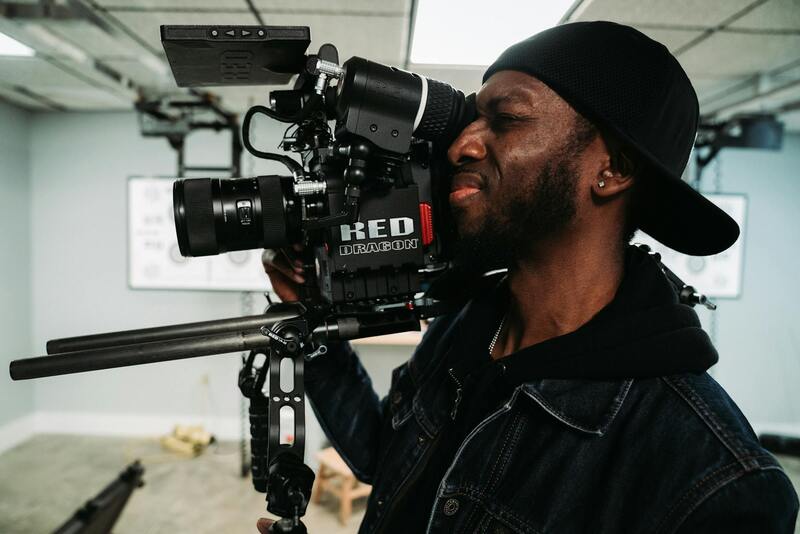
Additionally, understanding airspace regulations, including restricted zones and altitude limitations, helps prevent operational delays. Drone operators often rely on real-time airspace data to maintain compliance during shoots. These measures not only safeguard the safety of the public and properties but also uphold the professional standards necessary for aerial footage production.
Engaging with local authorities or consulting official Miami municipal resources allows producers to stay updated on any changes to regulations. This proactive approach minimizes potential legal obstacles and ensures the delivery of high-quality footage that aligns with all operational standards.
By adhering to these procedures and maintaining clear communication with authorities, real estate professionals and videographers can produce captivating aerial content that enhances property marketing efforts, all within a compliant framework that respects Miami's regulatory landscape. This strategic approach not only elevates the professional image of your real estate listings but also ensures that your promotional efforts are executed efficiently and responsibly.