Overview of Commercial Real Estate Video Production
In the competitive landscape of Miami’s vibrant real estate market, effective showcasing of commercial properties is crucial for attracting investors, tenants, and buyers. Commercial real estate video production has emerged as a vital tool for illustrating the unique features and advantages of properties, offering an immersive experience that static images and text cannot match. By harnessing high-quality visual storytelling, developers and brokers can convey the full potential of a space, including layout, spatial flow, and surrounding amenities, in a compelling manner.
The role of professional video production in commercial real estate extends beyond mere presentation; it is about creating a strategic asset that enhances marketing efforts and amplifies outreach. Well-produced videos serve as digital assets that can be shared across multiple platforms, including websites, social media, and email campaigns, reaching a broader audience with consistency and visual appeal. Especially in Miami, where the real estate market is dynamic and diverse, localized video content can effectively highlight the distinct qualities of different neighborhoods, landmark developments, or investment opportunities.
In addition to traditional marketing channels, commercial real estate videos are instrumental in virtual tours and remote viewing experiences. These tools have gained importance in recent years, accommodating clients and investors who may not be able to visit properties in person but still want a comprehensive understanding of what is on offer. High-quality video production captures the essence of a property, emphasizing architectural details, interior design, and surrounding environments, thereby facilitating informed decision-making.
Adapting to Market Demands
The evolution of Miami’s commercial real estate sector underscores the importance of innovative presentation methods. With a growing emphasis on digital marketing, stakeholders increasingly rely on immersive video content to stand out among numerous options. Whether for office spaces, retail centers, industrial complexes, or mixed-use developments, a strategic approach to commercial real estate video production ensures properties are showcased in their best light, illustrating potential benefits and unique selling points with clarity and professionalism.
Pre-Production Planning and Strategy
Effective commercial real estate video production begins with meticulous planning and strategic development. This phase involves identifying the target audience, defining the core messages, and establishing clear objectives for the video. Understanding whether the focus is on attracting investors, leasing tenants, or promoting a specific development influences the creative direction and technical requirements. Detailed scripting ensures that key features of the property—such as architectural highlights, amenities, location advantages, and surrounding infrastructure—are communicated seamlessly and convincingly.
Location scouting is equally critical during this stage. It ensures optimal lighting conditions, minimal disruptions, and desired angles that best showcase the property’s unique qualities. Additionally, confirming access permissions and coordinating with property owners or managers streamline the shoot process. Developing a shot list and storyboard helps visualize the final product, aligning expectations among stakeholders and minimizing the risk of overlooked details. This strategic groundwork guarantees that the production phase proceeds smoothly and efficiently, setting the stage for a compelling visual narrative.
Production Techniques and Equipment
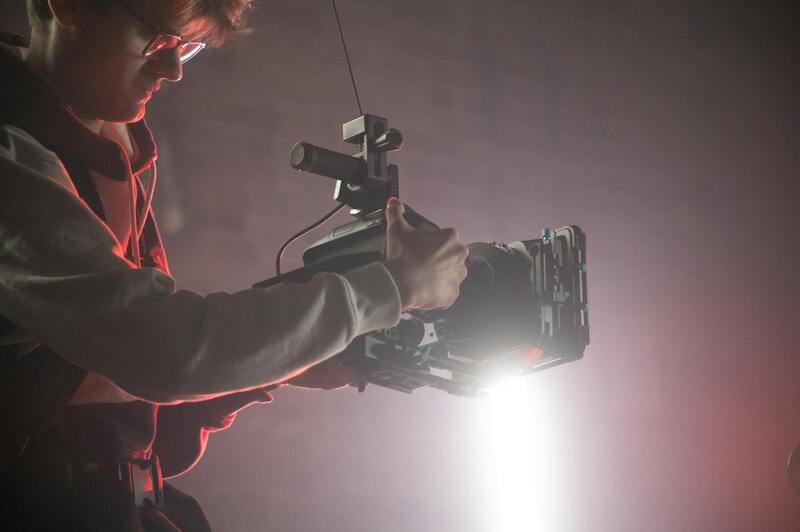
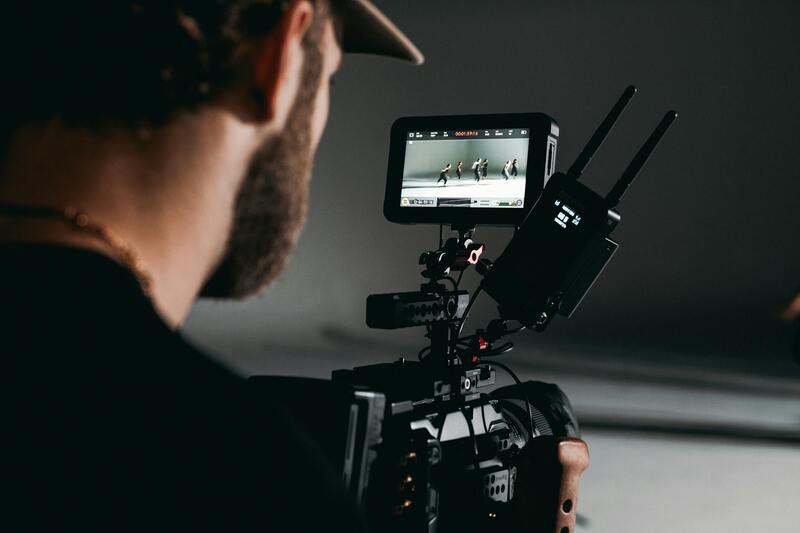
During production, leveraging advanced techniques and top-tier equipment is essential for capturing high-quality footage that accentuates the property’s strengths. Professional videographers utilize high-definition cameras equipped with wide-angle and telephoto lenses to ensure detailed and expansive views of interiors and exteriors. Drone technology plays a pivotal role in offering aerial perspectives, highlighting property size, land features, and surrounding infrastructure.
Stabilization gear such as gimbals and steadicams help achieve smooth, cinematic shots, eliminating camera shake that can distract viewers. Multi-point lighting setups showcase interior spaces in their optimal ambiance, emphasizing natural light and architectural details. For properties with complex layouts, utilizing different shooting formats—such as 4K or higher resolutions—ensures versatility in editing and playback clarity. Incorporating professional audio equipment further enhances voiceovers and onsite sounds, adding a layer of authenticity and professionalism.
Post-Production and Editing
Post-production is where raw footage transforms into a persuasive marketing tool. Skilled editors employ advanced software to trim footage, correct colors, and stabilize visuals for a polished appearance. Color grading enhances the property's aesthetic, making interiors more inviting or exteriors more striking. Incorporating motion graphics, animated titles, and branded elements can contextualize amenities, Square footage, or other key data points, providing clarity and reinforcing the property’s value proposition.
Sound editing ensures clear narration and synchronized background music, enhancing emotional engagement and viewer retention. Voiceovers delivered by professional narrators add authority and consistency, guiding viewers through the property’s features smoothly. Incorporating client feedback during revisions helps refine the final product to align with marketing goals. The goal of post-production is to craft a cohesive story that captures attention, sustains interest, and motivates potential clients to take action.
Effective Strategies for Distribution and Marketing of Commercial Real Estate Videos
Once a high-quality commercial real estate video is completed, the focus shifts to ensuring it reaches the targeted audience effectively. Strategic distribution and marketing are crucial for maximizing visibility, attracting potential investors, tenants, or buyers, and ultimately closing deals. An integrated approach that leverages multiple channels can significantly enhance the video’s impact and return on investment.
One of the most direct methods involves embedding videos on the property’s dedicated webpage or listing site. Placing prominent, well-placed videos within property listings not only enriches the presentation but also increases the time visitors spend engaging with the content. Optimizing these pages with relevant keywords, descriptive titles, and compelling calls to action can improve search engine rankings, drawing organic traffic from prospective clients searching for commercial real estate opportunities.
Social media platforms present a powerful avenue for distribution. LinkedIn, Facebook, and Instagram offer targeted advertising options that allow campaigns to reach decision-makers within specific industries or geographic regions. Sharing teaser clips or short promotional segments can generate curiosity and direct viewers to the full-length video or property website. Engaging content tailored to the platform’s audience enhances shareability and broadens reach.
Email marketing campaigns directed at existing contacts, industry partners, or potential investors also serve as effective channels. Well-crafted emails featuring engaging thumbnails and brief descriptions can entice recipients to view the full video or schedule a visit.
Partnering with industry-specific platforms, online commercial real estate marketplaces, and local business associations can extend the video’s visibility to a pertinent audience. Premium listing options or dedicated video placements on these sites often provide additional exposure and credibility.
Offline strategies should not be overlooked. Presentations at industry conferences, open house events, and direct mail campaigns including QR codes linking to the video are valuable for engaging local investors and tenants. Incorporating video content into these channels helps create a memorable and professional impression.
Analytics tools play a vital role in measuring the performance of distribution efforts. Monitoring metrics such as view counts, engagement rates, and click-through rates helps identify the most effective channels and refine future marketing strategies accordingly. Adjusting content timing, format, and targeting based on data insights ensures ongoing optimization of outreach efforts.
Collaborating with a dedicated content distribution team can streamline the process and ensure consistent messaging across platforms. Such teams are skilled at managing multimodal campaigns that align with overall marketing goals, brand identity, and targeted demographic profiles.
Production Techniques and Equipment
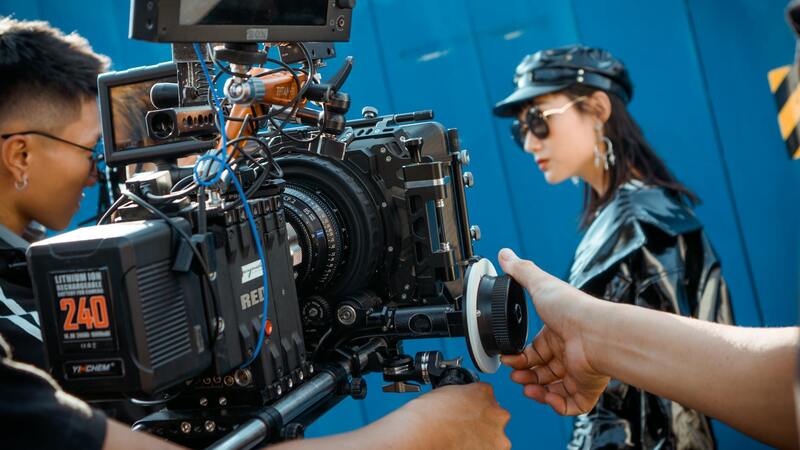
When creating high-quality commercial real estate videos, employing advanced production techniques and state-of-the-art equipment is essential to capture properties effectively and present them in their best light. Professional videographers utilize various camera systems, including 4K and higher resolution cameras, to ensure sharp images and detailed visuals that highlight the property's features. Utilizing steady cam rigs, drone footage, and stabilized gimbals allows for smooth, dynamic shots that add cinematic appeal while providing comprehensive views of the property’s exterior and interior spaces.
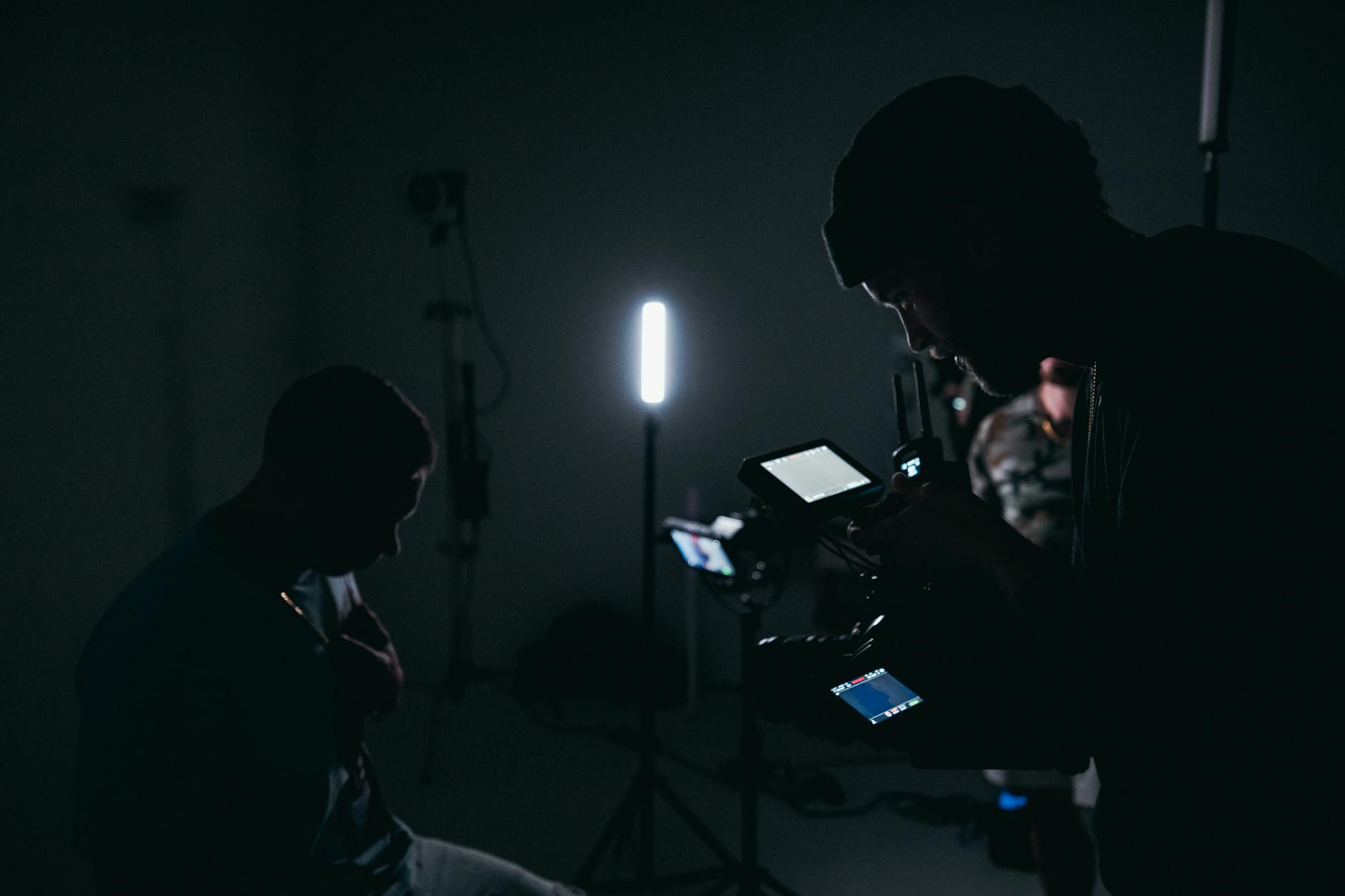
Lighting plays a critical role in video production, especially in commercial real estate where showcasing different spaces accurately can influence decision-making. Skilled production teams use professional lighting equipment to eliminate harsh shadows, enhance key features, and create an inviting ambiance that aligns with the property’s branding. For interiors, diffused lighting setups can soften reflections and brighten dark areas, making spaces appear more spacious and attractive.
Sound quality is often overlooked but is crucial in professional videos. External microphones, wind protectors for outdoor shoots, and audio mixing tools ensure clear narration and ambient sound, adding another layer of professionalism. During post-production, color grading enhances visual consistency, corrects exposure issues, and ensures the final product meets brand standards. Special effects, graphics, and animated overlays can be incorporated to emphasize key data points, architectural features, or branding elements.
Employing a combination of drone footage, professional ground cameras, and 3D virtual walkthroughs can provide multiple perspectives and immersive experiences for viewers. Such techniques are particularly effective for larger commercial spaces like office complexes, industrial warehouses, or retail centers, where capturing the scale and layout is vital for audience engagement.
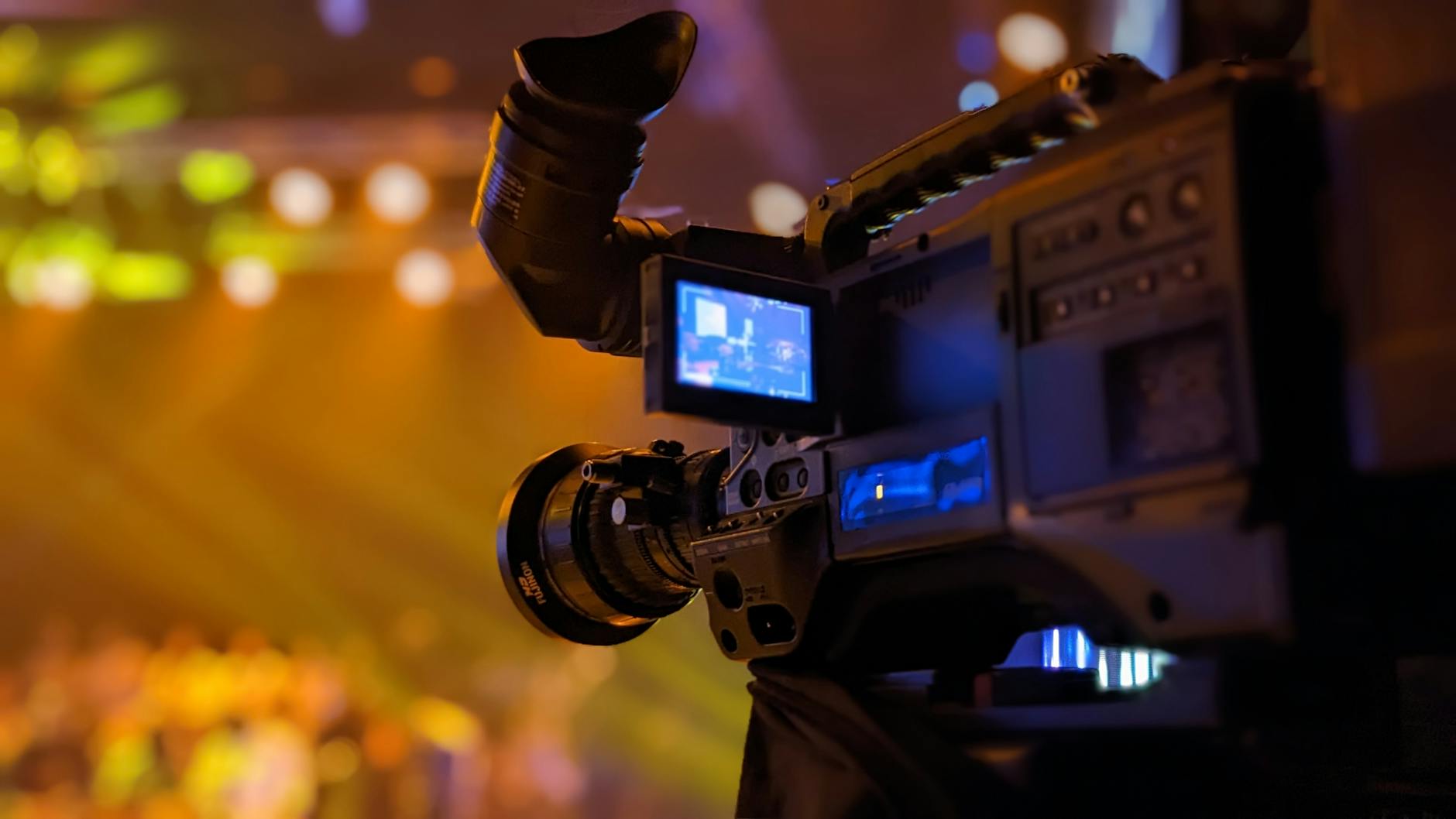
Production Techniques and Equipment
To achieve exceptional results in commercial real estate video production, deploying the right techniques and equipment is essential. High-quality filming begins with the selection of the appropriate camera systems, capable of capturing detailed images in various lighting conditions. Full-frame digital cameras are commonly preferred for their ability to produce sharp, vibrant footage that accurately represents the property’s aesthetics and spatial qualities.
Stabilization equipment such as gimbals, steadicams, and drone stabilizers play a vital role in delivering smooth, professional footage. These tools eliminate jitters and obstacles caused by handheld filming, providing viewers with seamless transitions and a polished visual experience. For larger properties, utilizing advanced drone technology can dramatically enhance the video by offering overhead shots that reveal the scope and layout from unique perspectives.
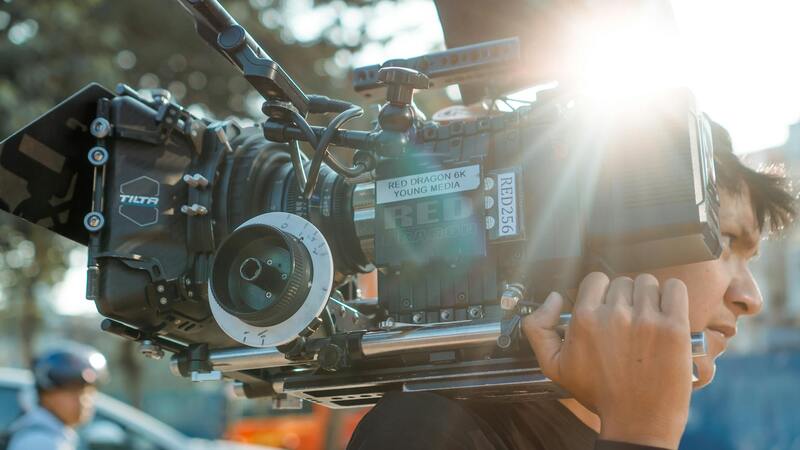
Filming techniques must also adapt to the unique characteristics of each property. Wide-angle lenses are used to showcase interior and exterior spaces comprehensively, emphasizing size and flow. For interiors, careful attention to camera angles helps capture architectural details, natural light, and spatial relationships. Exterior shots benefit from optimal timing and weather conditions, highlighting the property's curb appeal and surroundings.
Utilizing Advanced Tools for Effective Filming
- Drone cinematography for aerial views and hard-to-access angles.
- Regulated lighting setups that mimic natural light and reduce shadows.
- Macro lenses for capturing specific features like signage, finishes, or branding elements.
- Audio equipment such as shotgun mics and wireless lapel microphones to ensure pristine narration and ambient sound capture.
- Post-flight stabilization techniques in editing to refine footage and correct minor movements.
Applying precise filming methods paired with state-of-the-art equipment results in videos that not only depict the property accurately but also evoke an emotional response, compelling potential investors, tenants, or buyers to engage further. Properly executed filming also enhances the credibility of the property listing, reinforcing the professional image of the client.
Optimizing Videos for Different Platforms and Purposes
Maximizing the impact of commercial real estate videos involves tailoring content to specific distribution channels and marketing objectives. Each platform demands unique considerations to ensure the message resonates effectively with the target audience. On websites and listing portals, videos should be formatted for quick loading without sacrificing quality, emphasizing clarity and key features to capture viewers' interest immediately. For social media platforms like LinkedIn, Instagram, or Facebook, videos often require shorter durations, compelling captions, and optimized aspect ratios to fit various screen sizes, keeping the attention of users scrolling through their feeds.
Additionally, email marketing campaigns benefit from embedded videos that are compressed yet retain visual appeal, delivering direct messages to potential clients or investors. Display banners or digital advertisements can include short, eye-catching clips or animated overlays that highlight the most attractive aspects of the property.
Implementing SEO Strategies for Commercial Real Estate Videos
Effective SEO practices can significantly enhance the visibility of commercial real estate videos. Integrating targeted keywords into video titles, descriptions, and tags ensures search engines recognize the content relevance. Detailed descriptions should include comprehensive property details, location benefits, and investment opportunities, aiding search engines and presenting valuable information to viewers.
Adding transcriptions or captions not only makes videos more accessible but also provides additional keyword opportunities. High-quality thumbnails that accurately represent the property entice clicks and improve viewer engagement metrics. Embedding videos on a well-structured website with optimized metadata further boosts their ranking potential.
Measuring Effectiveness and ROI
Tracking the performance of commercial real estate videos is crucial for refining marketing strategies and demonstrating return on investment. Key metrics include view counts, engagement rates such as likes, shares, and comments, and click-through rates leading to property listings or contact forms. Analytical tools allow for real-time monitoring of viewer behavior, helping identify which content elements resonate most.
Conversion tracking involving inquiries or scheduled property tours directly correlates video performance with tangible results. A comprehensive assessment guides future content creation, ensuring that production efforts align with broader marketing goals and target audience preferences.
Production Techniques and Equipment
Implementing the right techniques and utilizing state-of-the-art equipment are critical to capturing compelling commercial real estate videos that highlight the property's strengths. High-quality visuals not only enhance the viewer's experience but also establish the professionalism and credibility of the listing. Techniques such as drone videography allow for sweeping aerial views that showcase the property's scale, layout, and surrounding infrastructure from a unique vantage point. This perspective is especially effective for large complexes, retail centers, and industrial parks, providing potential investors with comprehensive spatial context.
Stabilization equipment like gimbals and steadicams ensure smooth footage when walking through a property, eliminating distracting jitters that can detract from the viewing experience. When shooting interior spaces, wide-angle lenses are valuable for maximizing ceiling height perception and spatial clarity, making rooms appear more inviting and functional. Proper lighting setups are essential to illuminate interiors evenly, reveal architectural details, and eliminate shadows that might obscure critical features.
Advanced camera systems with high dynamic range (HDR) capabilities capture both the bright outdoor environments and interior details simultaneously, producing vibrant and balanced footage. In addition to traditional video, employing 4K resolution or higher formats ensures crisp, detailed visuals that can be enlarged without quality loss, suitable for both promotional videos and detailed property inspections.
For localized accuracy and an impactful presentation, integration of thermal imaging or specialized equipment may be employed to demonstrate energy efficiency or structural integrity. Strategic shot planning, including establishing establishing shots, detailed walkthroughs, and highlight close-ups, helps craft a cohesive narrative that emphasizes key property features and investment potential.
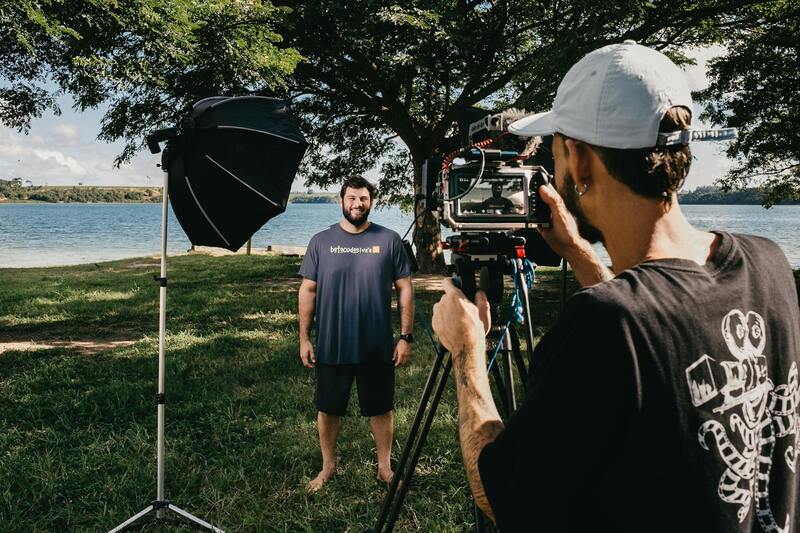
Collaboration with experienced videographers familiar with commercial real estate projects ensures the utilization of the latest techniques and equipment tailored to specific client needs. By combining sophisticated technology with expertise in real estate presentation, a compelling story of the property’s value can be conveyed with clarity and visual appeal, ultimately attracting more qualified prospects and investment opportunities.
Finalizing and Optimizing Commercial Real Estate Video Distribution
Achieving maximum impact with your commercial real estate video portfolio requires a strategic approach to distribution and marketing. Once the video content is polished and finalized, the next crucial step involves leveraging diverse channels to reach the right audience, increasing engagement, and driving inquiries. Effective distribution ensures your property gains increased visibility among investors, tenants, and industry decision-makers.
Diverse Channel Utilization
Utilizing multiple platforms amplifies your video’s exposure. Professional real estate websites and listing portals serve as primary venues where potential clients search for properties. Embedding high-quality videos within online listings significantly enhances their appeal and provides a comprehensive view of the property’s features. Additionally, leveraging social media platforms such as LinkedIn, Facebook, and Instagram allows targeted advertising, reaching specific demographics and industry groups interested in commercial real estate investments.
Email Marketing Campaigns
Curated email campaigns directed toward existing prospects, investors, and partners can serve as effective dissemination channels. Including snippets or teasers of the video in email newsletters can intrigue recipients, prompting them to view the full footage on your website or dedicated property pages. Segmenting your email list ensures tailored messaging, which enhances engagement rates and rewards your marketing efforts with qualified inquiries.
Search Engine Optimization and Video SEO
Optimizing your video content for search engines is essential to attract organic traffic. Incorporating relevant keywords into video titles, descriptions, and tags enhances search visibility. Hosting videos on a dedicated webpage with optimized metadata facilitates better indexing by search engines. Embedding videos within blog posts or articles related to commercial real estate topics can also improve overall site authority and ranking.
Utilizing Virtual Tours and Interactive Content
Interactive content like 3D virtual tours integrated with video walkthroughs offer immersive experiences that can engage prospective tenants and investors deeply. These tools allow viewers to explore the property remotely, gaining a comprehensive understanding of layout, scale, and spatial relationships. Embedding these features into your website or social media channels creates a dynamic presentation that keeps potential clients engaged longer.
Measuring Effectiveness and Refining Strategies
Employing analytics tools to track video performance is vital for refining your distribution strategy. Metrics such as view count, engagement duration, click-through rates, and conversion actions provide insights into audience preferences and behavior. Regular analysis allows you to adjust your marketing approach, focusing on platforms or methods yielding the highest return on investment. Continual optimization of video content and distribution tactics ensures sustained visibility and engagement over time.