
Importance of High-Quality Photography in Real Estate
In the competitive Miami real estate market, the significance of high-quality photography cannot be overstated. Professionally captured images serve as the first impression prospective buyers and renters have of a property, often determining whether they will proceed further. Well-crafted photographs not only enhance the visual appeal but also highlight the unique features and strengths of a property, making it stand out in an array of listings. Effective real estate photography attracts more attention from potential buyers, leading to increased interest, more viewings, and ultimately, quicker sales. Properties showcased through high-resolution, professionally composed images tend to sell at higher prices compared to those with amateurish photos. This is because high-quality images instill confidence and trust in buyers, conveying meticulous attention to detail and transparency. Visual content plays a crucial role in digital marketing, with online listings being the primary avenue for property searches. For estate agents operating in Miami, leveraging professional photography is an essential strategy to elevate their portfolio’s visibility and appeal. Superior images facilitate a seamless online browsing experience, encouraging prospective buyers to envision themselves living in the property. Furthermore, professional real estate images contribute to building a reputable brand image for estate agents and agencies. Showing that a property is presented with care and expertise reinforces client confidence and enhances the agent’s credibility in a competitive environment. High-quality photography also helps to accentuate the property's best features—be it spacious interiors, modern kitchens, or scenic views. Utilizing advanced equipment and techniques, professional photographers can capture the property under optimal lighting, angles, and settings, ensuring that each image effectively communicates the home's value. Investing in professional photography is a strategic decision that yields tangible benefits. Listings with compelling images regularly outperform those with amateur photography, attracting more inquiries and fostering faster transaction cycles. As digital platforms continue to dominate real estate marketing, the importance of elite visual representation grows, making high-quality photography an indispensable element for estate agents aiming for success in Miami’s dynamic market.
Effective Techniques and Equipment for Real Estate Photography
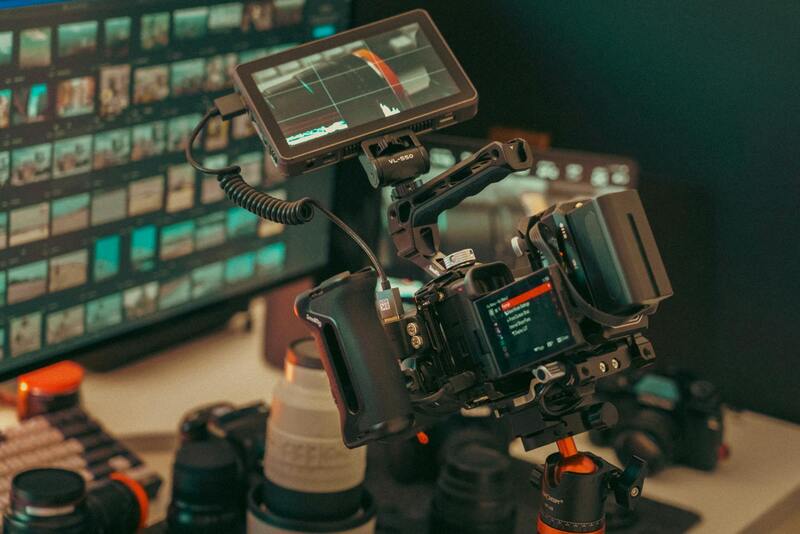
Achieving stunning and impactful property images hinges on employing the right techniques and utilizing advanced equipment. Skilled real estate photographers in Miami typically use high-resolution digital cameras with full-frame sensors, allowing for detailed captures with rich color fidelity and minimal noise. Equipment such as wide-angle lenses are essential, as they enable the photographer to showcase spacious interiors and emphasize room proportions, making properties appear more inviting.
Lighting plays a crucial role in real estate photography. Professional shooters often employ external flash units and reflectors to balance interior lighting conditions, eliminate shadows, and bring out the property's best features. Natural light is harnessed wherever possible, with photographers scheduling shoots during optimal times of day to maximize sunlight and interior brightness. Special attention is given to windows and reflective surfaces to prevent glare and ensure consistent light distribution.
Stability is also vital for clarity. Tripods and gimbals are standard equipment to achieve sharp images, especially in low-light settings or when shooting detailed architectural features. Some professionals utilize drone technology for capturing stunning aerial shots of the property and surrounding landscape, providing potential buyers with a comprehensive view of the estate.
Post-processing is a final, yet integral step. Professional editors refine images to correct color imbalances, enhance clarity, and ensure optimal exposure levels. This meticulous editing process guarantees that each photo is polished, consistent, and true to life, aligning with the high standards expected in Miami’s competitive real estate market.
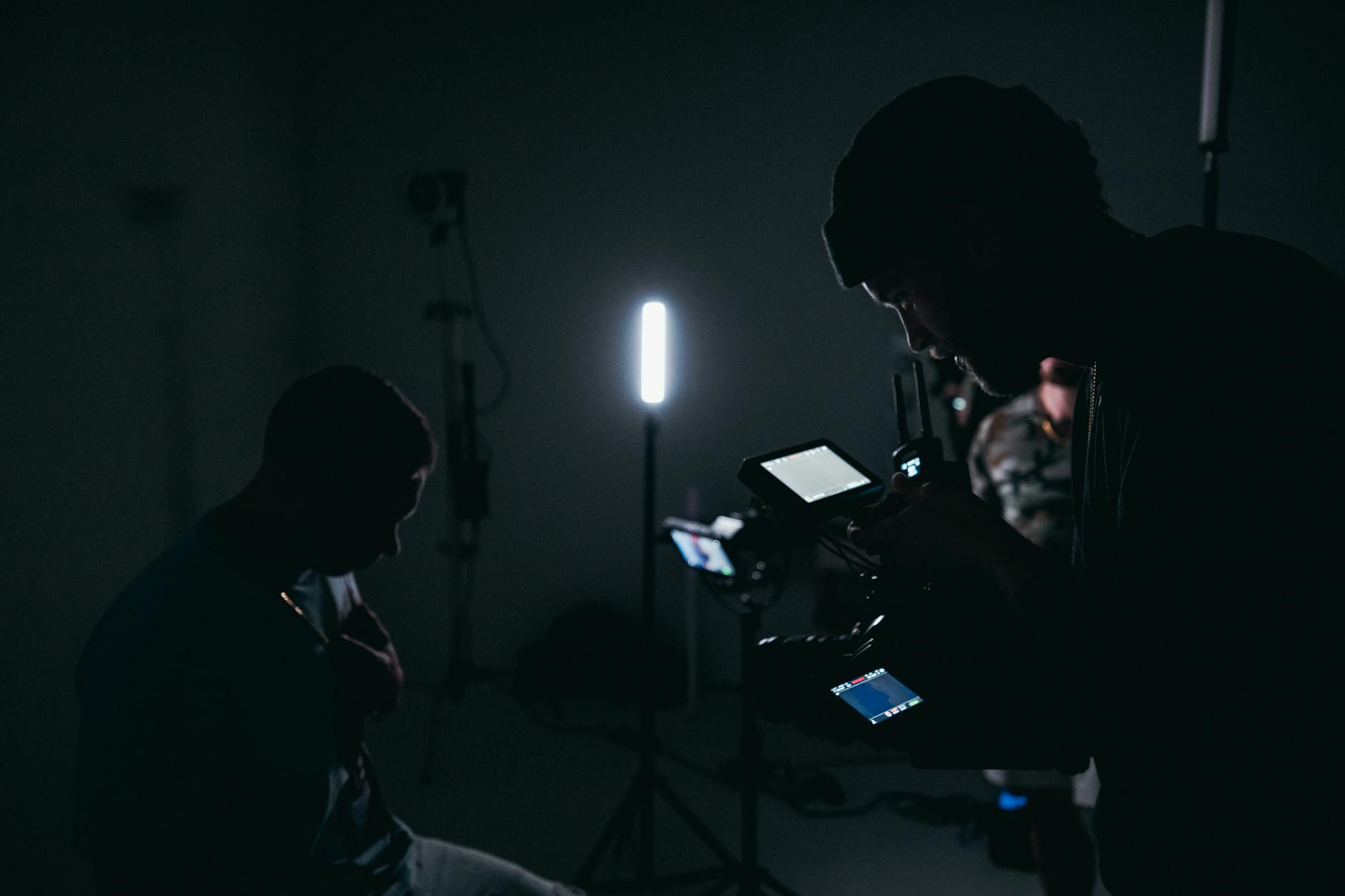
In summary, leveraging high-quality equipment such as wide-angle lenses, high-resolution cameras, professional lighting, and stabilization tools, combined with skilled techniques of lighting management, composition, and post-production editing, significantly elevates the overall quality of property images. These elements work together to produce visually appealing photographs that accurately represent the property’s features and enhance its marketability.
Effective Techniques and Equipment for Real Estate Photography
To achieve strikingly detailed and inviting property images, real estate photographers must employ a combination of advanced techniques and specialized equipment. High-quality equipment includes wide-angle lenses capable of capturing expansive interior space in a single shot, thereby making small rooms appear more spacious and appealing. These lenses, often with a focal length between 10mm and 20mm, are essential for creating immersive visual narratives of each room.
Investing in high-resolution digital cameras ensures that images retain clarity when viewed on large screens or in print. A camera with a full-frame sensor enhances depth of field and detail, contributing to crisp, professional-grade photographs. Additionally, professional lighting setups, such as portable flash units and diffusers, are crucial in illuminating interiors evenly and reducing shadows. Proper lighting accentuates architectural features and highlights the property's best attributes, regardless of natural lighting conditions.
Stabilization tools, including tripods and gimbals, are used extensively. Tripods stabilize the camera during long exposures, especially in low-light situations, ensuring sharpness and preventing motion blur. Gimbals allow smooth camera movement during dynamic shots or virtual tours, maintaining consistency and professionalism across the visual presentation.
Drone technology is increasingly integrated into real estate photography to capture aerial perspectives. Drones provide unique insights into property layouts, outdoor spaces, and surrounding neighborhoods, giving prospective buyers a comprehensive view of the estate. For example, aerial shots can reveal landscaping details, estate boundaries, and proximity to local amenities that ground-level photos might not adequately showcase.
Post-production editing remains vital in transforming raw images into polished marketing materials. Color correction enhances vibrancy and neutralizes unwanted color casts, ensuring images reflect the true appearance of the property. Exposure adjustments and sharpening techniques improve image clarity, while perspective correction ensures architectural lines are true to form. Skilled editing guarantees each photo aligns with branding standards and market expectations.
Leveraging these techniques and equipment meticulously results in images that are not only visually compelling but also truthful representations of the estate. Such images increase engagement in online listings and foster trust among prospective buyers, ultimately facilitating faster and more successful property transactions.
Enhancing Property Visibility through Strategic Photography Techniques
Professionally capturing estate images involves more than just high-end equipment. It requires a strategic approach that combines technical expertise with an understanding of what appeals to potential buyers. One fundamental technique is the use of wide-angle lenses, which enable real estate photographers to encompass more of a room or outdoor area within a single frame. This creates an expansive feel, making spaces appear larger and more inviting, which can significantly influence a viewer’s perception of the property.
Alongside wide-angle lenses, drone photography has become an indispensable tool in real estate marketing. Aerial shots provide a comprehensive overview of the estate’s layout, landscaping, and surrounding amenities. These perspectives offer prospective buyers a sense of property boundaries, outdoor space, and neighborhood context that ground-level images might not effectively convey. Drone imagery is particularly valuable for showcasing properties with extensive grounds, waterfront access, or unique architectural features that benefit from panoramic views.
In addition to wide-angle and aerial photography, High Dynamic Range (HDR) imaging plays a crucial role. HDR involves capturing multiple exposures of the same scene and merging them to produce images with balanced lighting. This technique ensures that interior and exterior shots reveal details in both shadows and highlights, providing a realistic and appealing representation of the property’s ambiance. Proper perspective correction aligns architectural lines, preventing distortions that can detract from a property's elegant features.
The post-production process further refines these images. Color correction enhances the vibrancy of visuals, making rooms look warm and welcoming without exaggeration. Sharpening techniques improve overall clarity, ensuring even small details are crisp. Retouching can remove minor imperfections—such as reflections or distracting elements—while maintaining a truthful depiction. The goal is to create polished marketing materials that uphold the property’s integrity and allure.
High-quality real estate imagery functions as a bridge connecting properties with interested buyers, maximizing online engagement and trust. When executed with precision and professionalism, these images serve as powerful tools to showcase a property’s best features, attract more viewings, and accelerate sales cycles. The combination of advanced equipment, strategic techniques, and meticulous editing forms the cornerstone of effective real estate marketing through professional photography.
Legal and Ethical Considerations in Real Estate Photography
Implementing professional photography in real estate requires adherence to established standards that foster transparency and trust between agents and prospective buyers. High-quality images should accurately represent the property's true condition, dimensions, and features without embellishment or omission. This honesty ensures potential buyers can make informed decisions based on the visuals presented.
Ethical photography practices involve obtaining necessary permissions before photographing private or sensitive areas, especially in multi-unit buildings or occupied properties. Respect for the privacy of current occupants is paramount, and avoiding intrusive angles or properties that could infringe on personal spaces reflects professional integrity.
When selecting a photography service, it is essential to verify that the provider adheres to industry standards for image quality and ethical conduct. This includes using equipment and techniques that realistically depict the property, avoiding overly tinted or exaggerated colors, and steering clear of digital manipulations that could mislead viewers. Such practices uphold the credibility of the real estate listing and contribute to building long-term client trust.
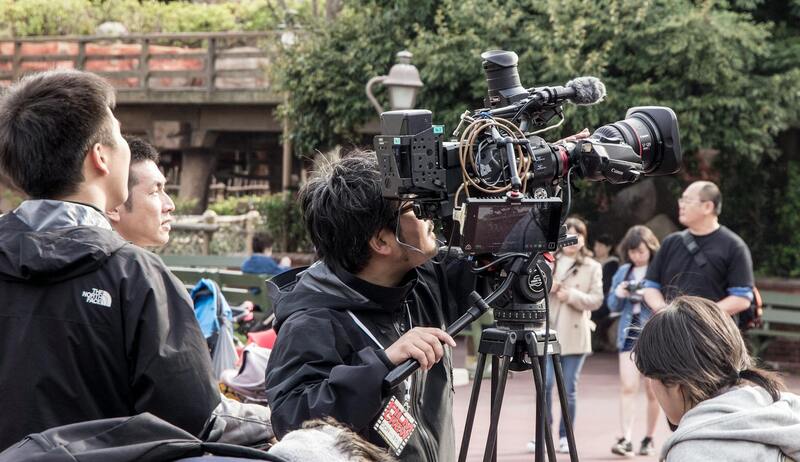
Moreover, detailed property descriptions should accompany images to provide a comprehensive overview, preventing misrepresentations that could lead to dissatisfaction or disputes. This holistic approach underscores professionalism and ethical responsibility, reinforcing the credibility of both the real estate agent and the visual content.
Incorporating these practices ensures that the marketing materials serve as reliable tools that facilitate smooth transactions, increased buyer trust, and a reputation for integrity within the real estate community.
Legal and Ethical Considerations in Real Estate Photography
Maintaining a high standard of professionalism in real estate photography involves strict adherence to ethical guidelines that ensure both the privacy and interests of property owners are protected. Photographers must respect the boundaries of personal spaces, avoiding intrusive angles that could reveal sensitive information or private belongings. This includes obtaining explicit consent from property owners or occupants before capturing images of private areas, especially in occupied residences or multi-unit buildings.
In the context of Miami’s vibrant real estate market, it’s vital that photography services operate transparently, providing clients with honest representations of properties without manipulating images to exaggerate space or features. Utilizing sophisticated camera equipment and editing techniques should aim to depict the property as accurately as possible, ensuring prospective buyers receive a realistic view. This practice not only maintains the integrity of the listing but also fosters trust between agents, photographers, and clients.
Authorized use of properties for shooting purposes also involves confirming compliance with property management policies, especially in rental or leased spaces. A professional photographer will communicate clearly with property managers and owners, scheduling shoots at mutually convenient times and confirming that all parties understand the scope of the photography session. This level of coordination reduces misunderstandings and aligns with a respect for legal boundaries, reinforcing a commitment to responsible marketing practices.

Digital editing should be used judiciously to enhance the visual appeal without altering the basic reality of the property’s layout or features. Overuse of filters or digital manipulations that misrepresent a property can undermine credibility and lead to a mismatch between expectation and reality, which may ultimately damage reputation and impede the sales process. Thus, adherence to ethical standards in image processing is crucial.
Furthermore, photographers and estate agents are responsible for maintaining compliance with local regulations concerning property advertising. This includes avoiding photographs that could potentially infringe on the privacy rights of third parties or reveal confidential information. Clear communication about what is and is not permissible ensures that all marketing efforts uphold a high standard of professionalism while safeguarding the interests of clients and the community.
Ultimately, adopting a principled approach to real estate photography enhances long-term trustworthiness and client satisfaction. By balancing aesthetic appeal with ethical responsibility, photography professionals in Miami can significantly contribute to a fair, transparent, and effective property market—where buyers are well-informed, and sellers are accurately represented.
Legal and Ethical Considerations in Real Estate Photography
When engaging in real estate photography, especially within the vibrant Miami market, upholding strict standards of professionalism is essential. Photographers must obtain explicit permissions from property owners prior to conducting any photoshoots, ensuring transparency and respect for all parties involved. This process includes clear communication about the intended use of images and securing authorized consent, which safeguards against potential misunderstandings or disputes later in the marketing process.
Maintaining high ethical standards also involves honest representation of the property’s features. Photographers should focus on capturing accurate images that truly reflect the property's condition and layout without deceptive enhancements. Digital editing should be reserved for quality improvements—such as adjusting lighting, correcting colors, or removing minor imperfections—without altering the fundamental aspects of the property. This approach preserves the trust of prospective buyers and supports informed decision-making.
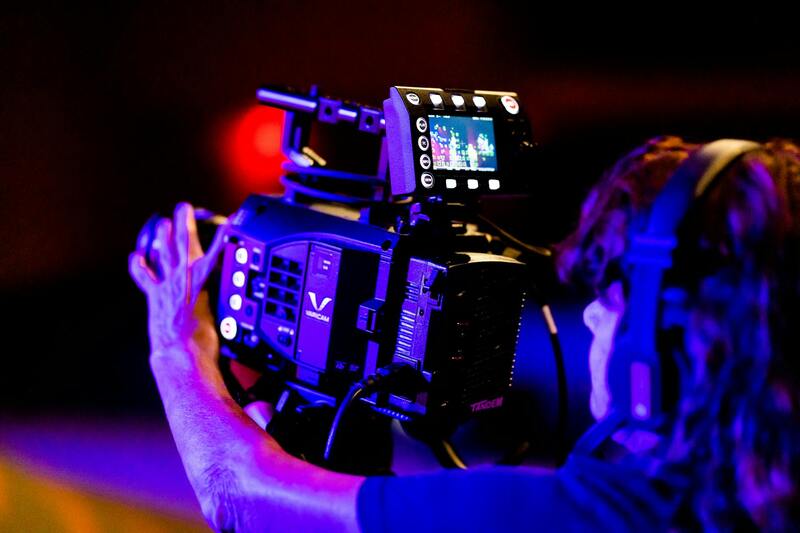
Adhering to local advertising regulations is also a vital aspect of responsible real estate photography. This includes avoiding images that might infringe on the privacy rights of neighbors or reveal sensitive information. Photographers and agents must work together to ensure disclosures are appropriate and do not compromise privacy or confidentiality. Clear guidelines and open communication foster professionalism and help prevent legal complications that could arise from undisclosed or inappropriate imagery.
Furthermore, ethical photography practices contribute to the long-term reputation of real estate professionals in Miami. When images truthfully represent properties, it builds credibility with clients and prospects, facilitating smoother transactions. It also encourages a transparent market environment where buyers are confident in the information presented, ultimately aiding in faster sales and customer satisfaction.
Measuring the Impact of Professional Photography on Sales
The influence of quality photography on real estate sales is well-documented. Listings featuring professionally captured images tend to garner increased attention, higher traffic, and quicker closings. Accurate visuals attract serious buyers who are more likely to schedule viewings, reducing the time a property remains on the market. This translates into tangible benefits for estate agents aiming to maximize their efficiency and sales performance in Miami’s competitive landscape.
Legal and Ethical Considerations in Real Estate Photography
Maintaining high standards of professionalism in real estate photography goes beyond technical skill and equipment. It encompasses a conscientious approach to how property images are captured, presented, and shared. Ethical practices ensure that photographs accurately depict properties without misleading potential buyers, fostering trust and credibility within the Miami real estate market.
One essential aspect of ethical photography is respecting privacy and confidentiality. Photographers and agents must be diligent in avoiding images that inadvertently reveal confidential information or infringe on neighboring residents’ privacy. This involves careful framing of shots, avoiding inclusion of private spaces or sensitive areas, and obtaining necessary permissions when capturing in shared or restricted locations.
Adherence to local advertising regulations is vital in ensuring that all visual marketing materials comply with legal standards. This includes avoiding deceptive representations that might exaggerate a property's features or mislead viewers regarding its condition or size. Ensuring that images are recent, accurately reflect the property's current state, and do not omit significant flaws or imperfections helps maintain transparency and professionalism.
Transparency in Representation and Disclosure
- Use of current photographs that match the property's actual appearance and condition.
- Clear depiction of both interior and exterior features without digital enhancements that could mislead.
- Disclosing any modifications or renovations that could influence a buyer’s decision.
Respecting Property and Client Privacy
- Avoid capturing or sharing images of private spaces without explicit consent.
- Refraining from photographing areas that could expose confidential or sensitive information.
- Implementing secure storage for client and property images to prevent unauthorized access.
Furthermore, photographers should be aware of cultural sensitivities and community standards within Miami. Respectful depiction of properties and surrounding environments not only aligns with ethical standards but also enhances the property's appeal to diverse buyer demographics.
By prioritizing honesty, respect, and compliance with relevant guidelines, real estate professionals strengthen their reputation for integrity and professionalism. This ethical foundation ultimately promotes a transparent, trustworthy real estate marketplace, encouraging confident decision-making among buyers and sellers alike.