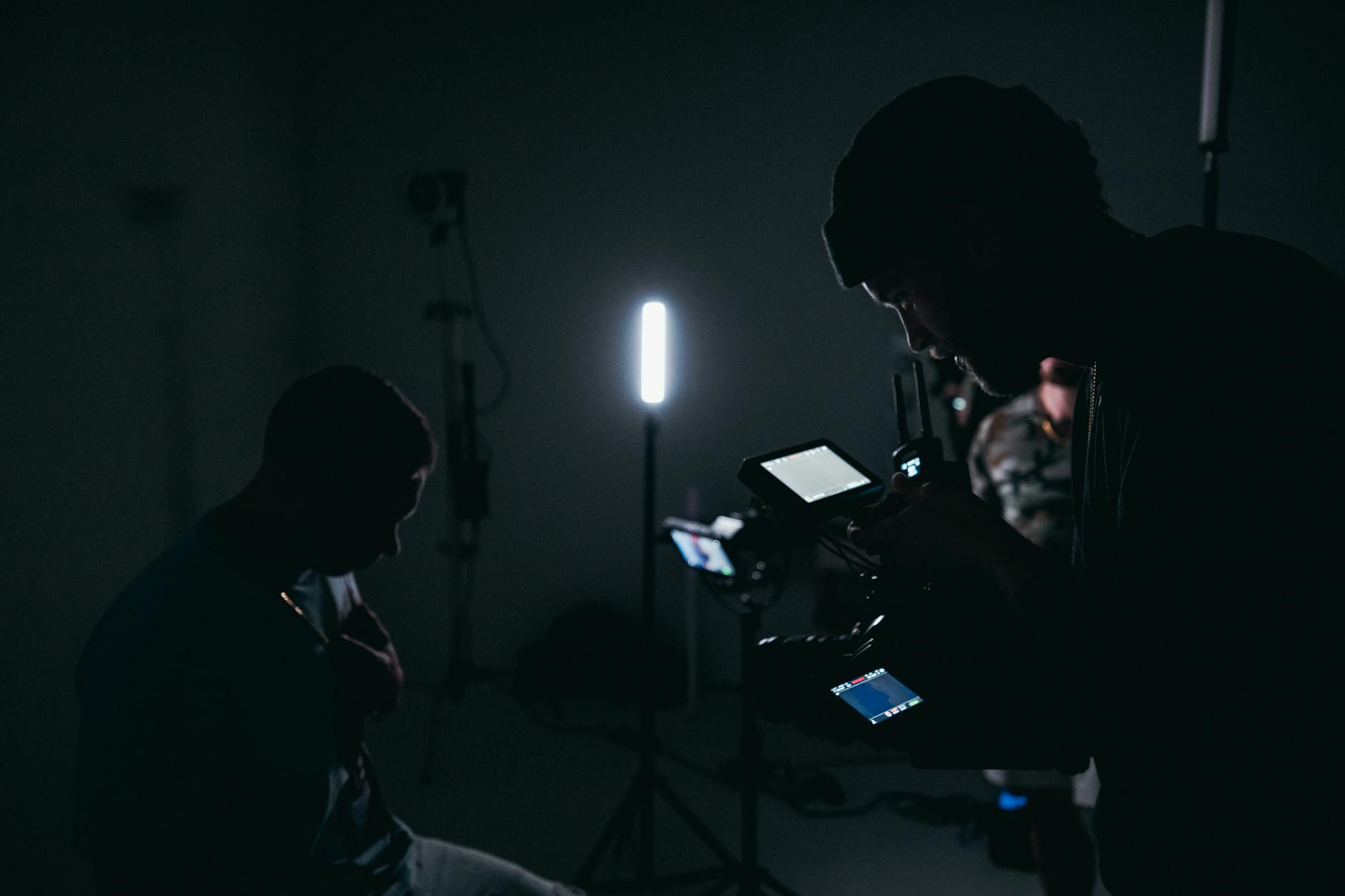
Importance of High-Quality Real Estate Photography
In Miami’s dynamic and highly competitive real estate market, the visual presentation of a property plays a decisive role in attracting potential buyers. High-quality professional real estate photography not only highlights the unique features and attributes of a property but also significantly enhances its online visibility, making it stand out among countless listings. Buyers increasingly rely on digital images as their first impression, and compelling, well-crafted photographs can influence their decision-making process even before a physical visit is scheduled.
Effective real estate photography captures the essence of a property, showcasing its interior and exterior spaces with clarity, lighting, and color accuracy. It serves as a visual storytelling tool that communicates lifestyle potential and property value. In Miami, where diverse architectural styles and luxurious properties abound, professional photography accentuates these distinctions and appeals to discerning buyers seeking premium listings. The use of expert techniques and equipment ensures crisp, detailed images that convey the true atmosphere of a home, fostering trusting and engaging relationships with prospective clients.
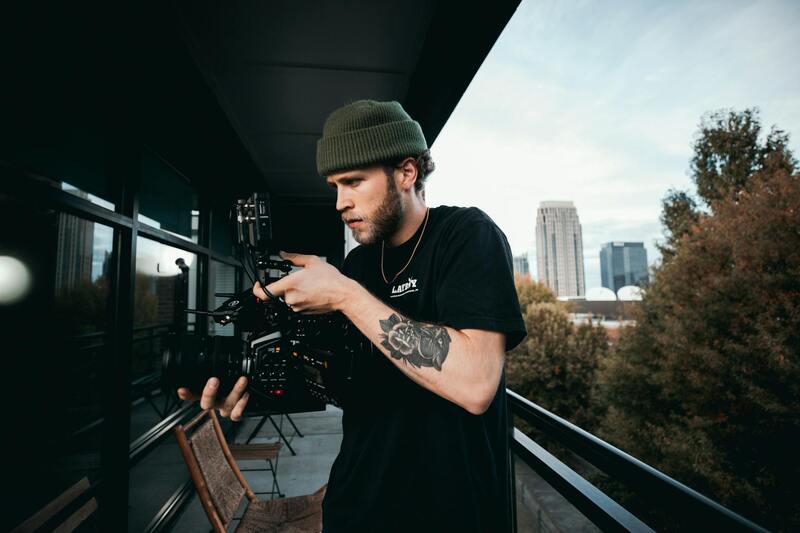
Moreover, properties with stunning images tend to receive higher engagement across online platforms, resulting in increased inquiries and faster sales cycles. A visually appealing listing not only draws attention but also conveys a sense of professionalism, credibility, and attention to detail on the part of the agent or seller. In an environment where competition is fierce, investing in professional real estate photography translates into tangible marketing advantages, ultimately leading to better sale prices and reduced time on the market.
Considering these factors, it is clear that high-caliber images created through specialized photography significantly contribute to a property’s success in Miami’s real estate landscape. As digital channels continue to dominate property marketing, the importance of expertly captured visuals becomes an essential part of any comprehensive selling strategy, ensuring that listings resonate with the right buyers at the right time.
Choosing the Right Equipment and Techniques
Achieving superior results in professional real estate agent photography begins with selecting the appropriate equipment and mastering advanced techniques. High-resolution DSLR or mirrorless cameras equipped with wide-angle lenses are fundamental in capturing expansive, detailed images that showcase a property’s full potential. These lenses enable photographers to include more of a room in a single shot, creating a sense of spaciousness that appeals to prospective buyers.
Stabilization tools such as tripods are vital to ensure sharp images, especially in interior spaces where lighting conditions may be less than ideal. Using remote shutters or camera timers minimizes camera shake during exposure, resulting in clearer photographs. Additionally, employing advanced lighting equipment, such as external flashes or portable strobe lights, ensures proper illumination, compensating for uneven natural light and highlighting the home’s best features.
Techniques such as high-dynamic-range (HDR) imaging play a crucial role in balancing exposure levels within a photo, allowing for details in both shadowed and brightly lit areas to be visible. This method is particularly useful in real estate photography, where windows can cause significant contrast issues. Bracketing multiple exposures and blending them in post-processing produces images that are both vibrant and balanced.
Proper staging of a property before taking photographs enhances visual appeal. Removing clutter, arranging furniture to highlight space and flow, and adding subtle accents like fresh flowers or tasteful decor help create inviting scenes. Photographers often use meticulous composition principles, such as the rule of thirds and leading lines, to guide viewers’ attention and emphasize the property’s strengths.

Hiring a Professional Real Estate Photographer
Partnering with an experienced photographer profoundly impacts the quality of property imagery. Professionals bring a combination of technical skill, artistic insight, and familiarity with real estate marketing standards. Their expertise allows them to identify the best angles, utilize lighting effectively, and post-process images to perfection.
Hiring a seasoned photographer also minimizes the risk of presenting a property through subpar images that could diminish interest. They understand the nuances of real estate photography, such as how to capture the natural ambiance of the space and how to avoid common pitfalls like distorted perspectives or poor lighting. Their familiarity with industry best practices ensures that each shot contributes to a cohesive, compelling visual story.
Moreover, professional photographers often have access to advanced equipment that exceeds standard consumer cameras. This includes high-end lenses, drone technology for aerial shots, and software for precise editing and enhancement. The result is a polished, professional appearance that instills confidence in prospective buyers and makes listings stand out among competitors.
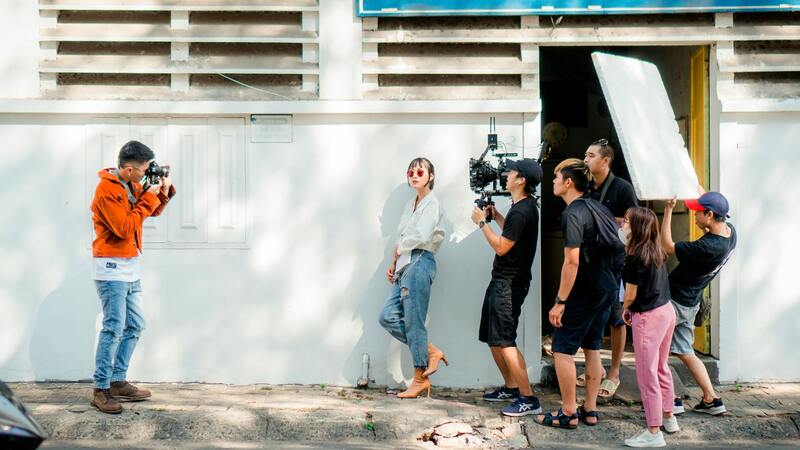
Optimizing Photos for Online Listings
Once high-quality images are captured, optimizing them for online platforms is essential to maximize visibility and engagement. This involves preparing images through appropriately adjusting resolution, cropping, and color correction. Ensuring that each photograph is sharply focused and properly exposed guarantees they appear crisp and vivid across various devices and screen sizes.
File size management also plays a critical role. Images should be compressed without sacrificing quality to reduce load times on listing platforms and websites. Fast-loading pages contribute to a positive user experience, encouraging prospective buyers to spend more time exploring properties.
Proper tagging and keyword-rich descriptions complement visual content, improving search engine results and helping agents target the right audience. For instance, including terms like “luxury Miami condo interior” or “spacious waterfront home” can draw potential clients specifically searching for these features.
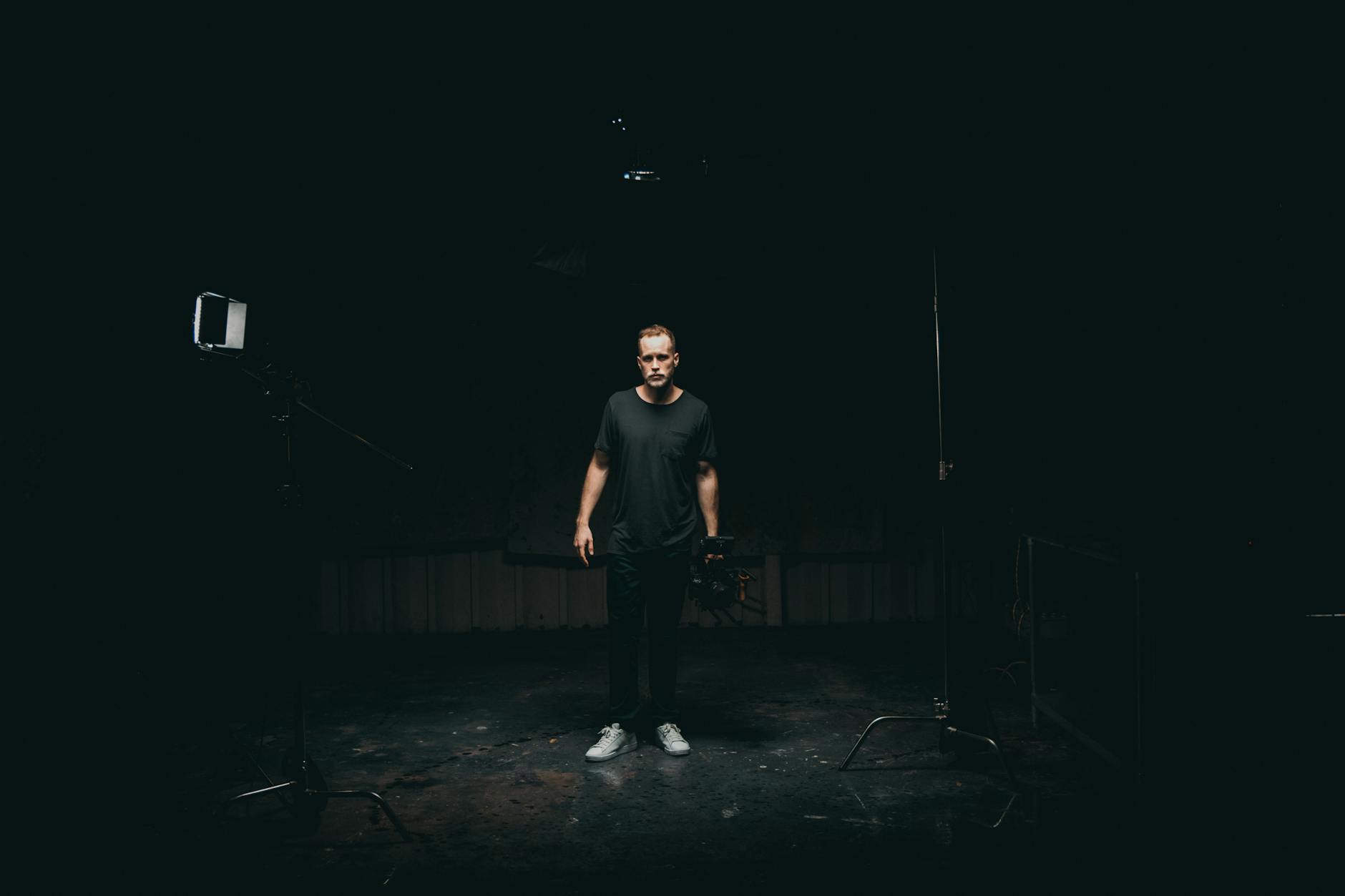
Incorporating Virtual Tours and 3D Imaging
Beyond static images, integrating virtual tours and 3D imaging elevates property presentations. Virtual tours allow prospective buyers to navigate through a home remotely, gaining a comprehensive understanding of space, flow, and layout. These immersive experiences are especially valuable for distant or international clients who may not be able to visit in person immediately.
3D imaging technologies generate detailed, interactive models of properties, offering a realistic representation of layout and scale. Such visual tools enable buyers to virtually explore every angle and understand spatial relationships without physically being onsite. This often leads to increased engagement, quicker decision-making, and a higher likelihood of in-person visits or offers.
Utilizing these advanced visual solutions demonstrates a commitment to marketing excellence and helps listings stand out in a competitive market. They also facilitate better communication between agents and clients by providing clear, accurate depictions of the property.
Choosing the Right Equipment and Techniques
For professional real estate agent photography that captures the true essence of a property, selecting the appropriate equipment and techniques is crucial. High-quality images depend not only on good lighting and composition but also on using the right tools tailored for real estate visuals.
Modern real estate photographers primarily rely on full-frame DSLR or mirrorless cameras capable of capturing high-resolution images with excellent detail. These cameras excel in low-light conditions and provide the flexibility required for diverse property shots. When combined with wide-angle lenses — typically ranging from 14mm to 24mm — they allow the photographer to capture expansive interior spaces and intricate architectural details in a single shot, making rooms appear more spacious and inviting.
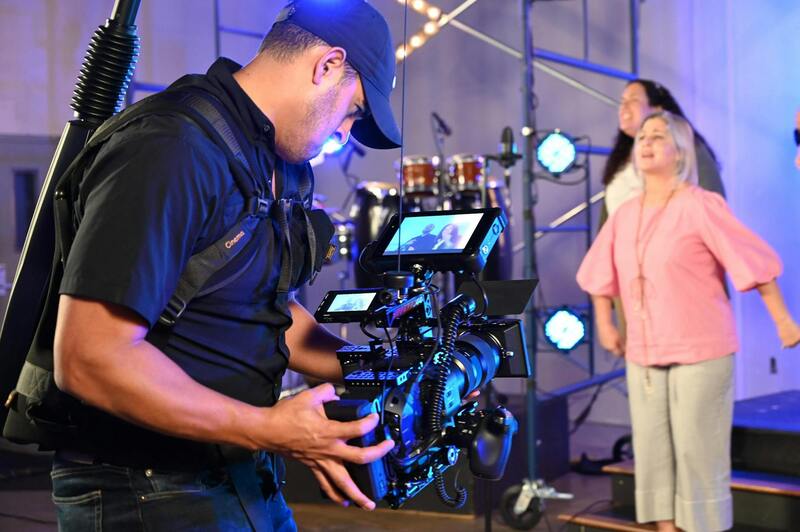
In addition to static images, employing specialized techniques elevates the quality and impact of real estate photography. High Dynamic Range (HDR) imaging is especially beneficial for properties with challenging lighting conditions, such as rooms with bright windows and darker corners. By capturing multiple exposures and blending them seamlessly, HDR produces well-balanced images that accurately reflect the property's appearance.
Drone photography has become increasingly popular for capturing stunning aerial views of large estates, waterfront properties, or developments, providing clients with a unique perspective that ground-level shots cannot offer. When incorporated thoughtfully, drone footage can highlight the proximity to amenities, the landscape, and the overall size of the property, enhancing its appeal.
Using a tripod ensures stable shots and precise framing, especially important for longer exposures or HDR imaging. Proper tripod use minimizes camera shake, resulting in crisp, professional images that convey confidence and quality to potential buyers.
Lighting is another key factor. As natural light enhances the warmth and appeal of a property, photographers often schedule shoots during optimal daylight hours. Supplementing with professional lighting equipment, such as softboxes or portable LED lights, can eliminate shadows and highlight key features, ensuring the space looks bright, inviting, and true to life.
Combining Techniques for Maximum Impact
Mastering the combination of equipment and techniques — such as HDR, wide-angle lenses, drone footage, and effective lighting — creates compelling visual narratives of real estate listings. These strategies help present properties in their best light, appealing to discerning clients seeking quality and detail in their real estate investments.
Legal and Ethical Considerations
Ensuring that real estate photography adheres to established standards involves more than just capturing high-quality images; it also encompasses respecting privacy, intellectual property, and regulatory guidelines. Professional real estate agents and photographers must be diligent in obtaining proper permissions before photographing private or restricted areas, especially when capturing images that include neighboring properties or sensitive features. This practice not only maintains the trust of clients and homeowners but also fosters a respectful relationship with all parties involved.
Image consent is a vital aspect of ethical real estate photography. Securing explicit permission from property owners and residents before scheduling a shoot demonstrates a commitment to professionalism and transparency. This reduces potential conflicts or misunderstandings, ensuring that all imagery used in listings is legally acquired and appropriate for public display.
Additionally, photographers should be aware of intellectual property rights related to their work. Using copyrighted images, locations, or proprietary branding without authorization can lead to legal complications. It is crucial to retain proper rights to photographs and, when necessary, include appropriate licensing or attribution as required. This approach not only protects the photographer and agent but also upholds the integrity of the listing.
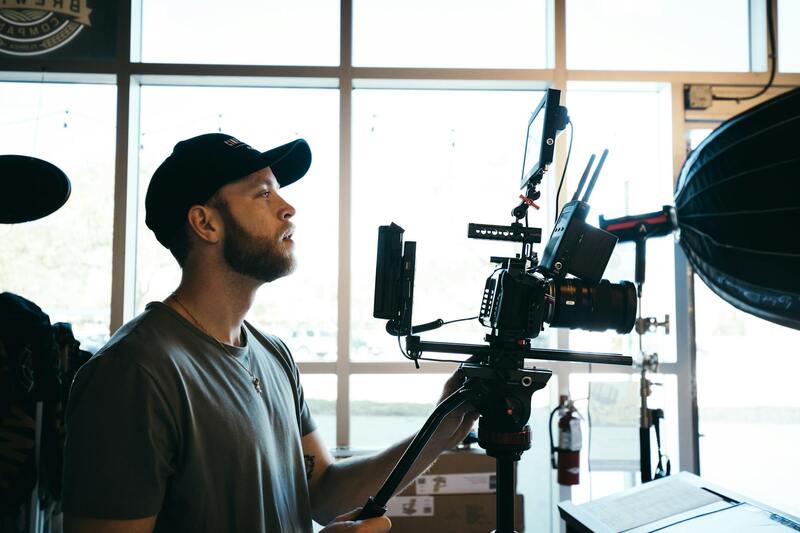
Furthermore, compliance with local regulations, such as drone use restrictions or aerial photography guidelines, is essential. Familiarizing oneself with municipal rules and obtaining necessary permits ensures that photographic practices meet legal standards and avoid fines or disruptions during shoots.
Ethical real estate photography also involves presenting a truthful representation of the property. While enhancing images through careful editing and staging is common, it is vital to avoid misleading potential buyers with exaggerated or deceptive visuals. Accurate portrayals foster transparency and help manage client expectations, ultimately supporting a reputation for integrity within the industry.
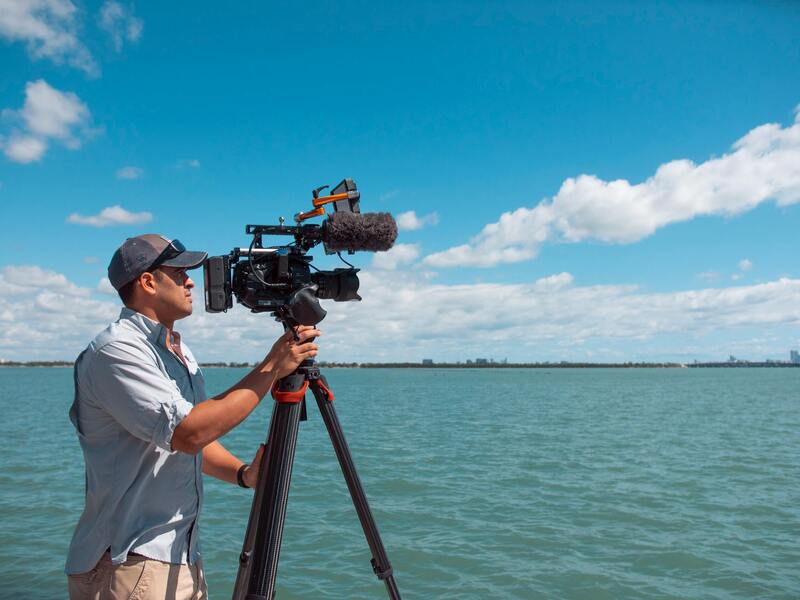
By combining excellence in technical execution with a strong commitment to ethical standards, real estate professionals ensure their listings are both compelling and trustworthy. This balanced approach enhances the overall quality of property marketing, attracts serious buyers, and sustains long-term success in a competitive market.
Choosing Professional Real Estate Photography Equipment and Techniques
Selecting the right equipment is fundamental for capturing compelling real estate images that highlight the property's best features. High-quality cameras with full-frame sensors are preferred for their ability to render sharp, detailed images with accurate color rendition, even in challenging lighting conditions. Wide-angle lenses are particularly beneficial in real estate photography, as they allow capture of expansive interior spaces, making rooms appear more spacious and inviting.
Utilizing a sturdy tripod ensures stability during long exposures, which is crucial in low-light environments such as dimly lit living rooms or basements. In addition, photographers often employ professional lighting tools or reflectors to balance natural light and eliminate harsh shadows, resulting in well-lit, appealing visuals.
Part of successful photography involves mastering specific techniques tailored to property features. Bracketing exposures for high dynamic range (HDR) imaging helps balance interior contrasts between brightly lit windows and shadowed corners. Correctly balancing indoor and outdoor lighting ensures that both areas are visible without overexposure or underexposure. Moreover, techniques like vertical alignment control prevent distortion when capturing images, maintaining the architectural integrity of the space.
The timing of the shoot also plays a significant role. Conducting photography during the 'golden hours'—shortly after sunrise and before sunset—produces warm, inviting images. Clear weather conditions and optimal sunlight enhance natural lighting, emphasizing the property's appeal. Photographers often prepare the property beforehand—staging furniture, decluttering spaces, and opening curtains—to maximize the visual impact of each shot.

Legal and Ethical Considerations
Maintaining transparency and integrity in real estate photography is essential for fostering trust and securing a reputable standing within the property market. When capturing images for listings, it is imperative that photographers accurately represent the property's features without distortion or manipulation that could mislead potential buyers. Authentic depiction of the property's size, condition, and unique characteristics supports informed decision-making and upholds the expectations set during negotiations.
Adherence to privacy rights and property rights is paramount. Photographers should avoid capturing images that infringe on neighboring properties or personal spaces without proper consent. It is also important to secure permission from property owners or representatives before conducting shoots, especially in shared or multi-unit buildings. Respect for these boundaries not only aligns with professional standards but also reinforces a commitment to ethical practices within the industry.
Another key aspect involves the use of editing software. While post-processing can enhance the clarity, brightness, and overall appeal of images, it should not alter the true representation of the property. Subtle adjustments that improve image quality are acceptable, but exaggerated edits that distort reality could mislead clients and undermine credibility. Clear communication with clients about the extent of editing performed further supports transparency and trust in service delivery.
Building Professional Credibility and Trust
Investing in professional training and certification programs elevates a photographer’s expertise and credibility. Certifications from recognized industry bodies demonstrate a consistent commitment to quality standards, technical proficiency, and ethical conduct. Such credentials reassure clients that their properties will be showcased responsibly and effectively, aligning with best practices for professional real estate agent photography.
Developing a robust portfolio showcasing diverse property types, lighting conditions, and stylistic approaches also reinforces a photographer's reputation. Positive testimonials and repeat business are often the natural consequences of a transparent, respectful, and reliable approach to real estate imagery. Ultimately, professionalism in photography not only enhances property visibility but also cultivates trust, which is vital for long-term success in the competitive property marketing landscape.
Legal and Ethical Considerations
When engaging in professional real estate agent photography, it is essential to adhere to established standards that respect property rights and privacy considerations. Securing necessary permissions before capturing images of private properties ensures transparency and aligns with respectful practices within the industry. This process involves obtaining explicit consent from property owners or authorized representatives, especially when photographing interiors or exclusive spaces that may contain sensitive information or personal belongings.
In addition to permissions, photographers must be mindful of ethical conduct, such as accurately representing the property without staging or digitally altering images to deceive potential buyers. The goal is to produce visuals that reflect the current state of the property, allowing buyers to make informed decisions without surprises. This honesty fosters trust between real estate agents, photographers, and clients, contributing to a reputable reputation in the industry.
It is also prudent to consider intellectual property rights, ensuring that all imagery used in listings has been appropriately licensed or created by the photographer. Unauthorized use of images or incorporating copyrighted elements without clearance can lead to legal complications that undermine the professionalism of the marketing strategy.
Best Practices for Ethical Real Estate Photography
- Obtain explicit property owner consent prior to photo shoots.
- Refrain from digitally altering images in ways that misrepresent the property’s true condition.
- Respect privacy by avoiding capturing sensitive or private areas without permission.
- Use licensed or original images to prevent copyright infringements.
- Disclose any post-processing or enhancements performed on property images to maintain transparency.
By integrating these standards into daily practices, real estate professionals bolster their reputation for integrity and professionalism. Consistent adherence to ethical guidelines not only enhances client confidence but also contributes to a positive industry reputation, ultimately supporting successful property transactions and long-term business growth.
Legal and Ethical Considerations in Professional Real Estate Photography
Maintaining integrity and transparency in property imagery is fundamental to establishing trust with clients and elevating the professional standard of real estate marketing. Accurate representation of a property ensures potential buyers and renters receive a truthful depiction of what is being offered, which in turn reduces the risk of misunderstandings or disappointments during the transaction process.
One critical aspect involves securing explicit consent from property owners before conducting any photography session. This consent not only clarifies the scope of work but also affirms the owners' comfort with their property being showcased publicly. Furthermore, it safeguards all parties involved by establishing clear boundaries and expectations from the outset.
In addition to consent, respecting privacy and maintaining honest imaging practices are paramount. Photographers should avoid digitally altering images in ways that could mislead viewers about the property's features, layout, or condition. For example, digitally removing debris or enhancing certain areas should be done cautiously to ensure the images remain a faithful representation of the real environment.
Respect for privacy extends beyond consent, involving careful consideration when capturing sensitive or private spaces. Unless explicitly authorized, photographers should avoid photographing areas that are not relevant to the property’s sale, such as private gardens or personal spaces, which could compromise the homeowner’s privacy rights.
Ensuring that all images utilized are licensed or original, and properly managed, contributes to a compliant and ethical marketing strategy. Photographers should use only images they have created or have obtained licensing rights for, which guards against copyright infringements that could jeopardize a listing’s credibility or cause legal complications.
Transparency about post-processing and image enhancements also plays a vital role. Clearly disclosing any alterations, such as color adjustments, lighting modifications, or virtual staging, enables viewers to trust the authenticity of the visuals. This openness fosters a reputation for honesty and professionalism, supporting long-term client relationships and industry credibility.
Adherence to these ethical standards in real estate photography not only promotes trust but also reinforces the quality and reliability of the overall marketing campaign. Ethical practices serve as the foundation for sustainable success in the highly competitive Miami real estate landscape, where digital impression and reputation are integral to attracting serious buyers and establishing a strong market presence.