Importance of Professional Realtor Photography
In the competitive landscape of the real estate market, the presentation of a property plays a pivotal role in attracting potential buyers. High-quality, professionally executed realtor photography has become an essential tool for real estate agents and sellers alike, significantly enhancing the visual appeal of listings and increasing engagement. Well-crafted images capture the essence of a property, highlighting its unique features and creating an emotional connection with prospective buyers. This visual storytelling not only draws more attention but also encourages quicker decisions, ultimately accelerating the sale process.
Superior real estate photography influences every stage of the property marketing funnel. From online listings to social media campaigns, the visual content serves as the first impression that can make or break a viewer’s interest. Listings featuring professional images tend to garner higher click-through rates, more inquiries, and greater visibility across digital platforms. Furthermore, clients are more likely to trust an agent's professionalism when their listings are showcased with compelling, high-resolution images. This trust can translate into increased client referrals and repeat business, reinforcing the importance of investing in top-tier realtor photography.
Beyond individual listings, professional realtor photography contributes to the overall branding and reputation of real estate agencies. Consistent quality imagery demonstrates a commitment to excellence, attracting higher-value clients and differentiating an agent or brokerage in a crowded marketplace. High-caliber photographs also support digital marketing efforts, enabling agents to leverage social media, virtual tours, and desktop advertising effectively. In essence, investment in professional real estate photography is a strategic move that yields measurable benefits across the entire sales cycle.

Choosing the Right Equipment and Techniques
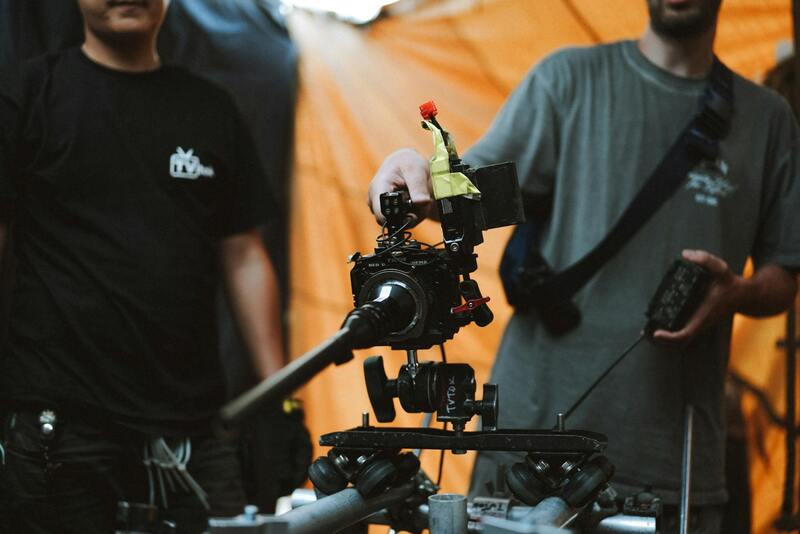
To achieve high-quality realtor photography that accurately represents a property's appeal, selecting the appropriate equipment and mastering key techniques are essential. Professional-grade cameras with high-resolution sensors are fundamental, allowing for detailed imagery that captures every nuance of interior and exterior spaces. Wide-angle lenses are particularly effective in real estate photography, enabling the capture of more space within a single frame—making rooms appear larger and more inviting.
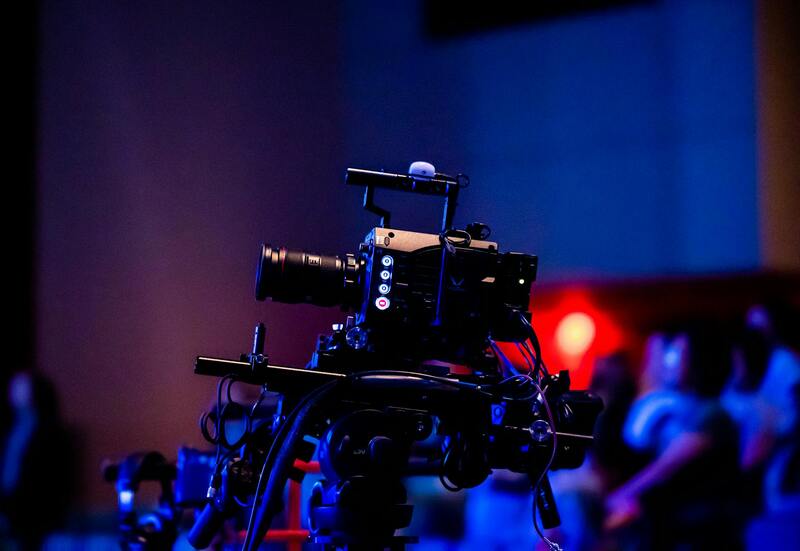
Beyond the camera itself, proper lighting equipment ensures that each shot is evenly illuminated, eliminating shadows and highlighting architectural features. Natural light is preferable, but supplementing with professional lighting or reflectors can enhance image clarity, especially in low-light environments or interiors with limited windows. Techniques such as shooting during the golden hour—shortly after sunrise or before sunset—can add warm, inviting tones to exterior shots.
In addition, maintaining camera stability through tripods helps prevent blurring and ensures sharpness across images. Employing HDR (High Dynamic Range) photography techniques enables capturing a broader spectrum of light in scenes with contrasting brightness levels, ensuring details are visible both in shadows and highlights. Mastery of these equipment choices and techniques translates into images that are crisp, vibrant, and accurately depict the property's unique features.
Staging and Preparation for Photography
Preparation plays a critical role in maximizing the impact of realtor images. Staging involves arranging furniture, decor, and accessories to showcase a space at its best, emphasizing functionality and aesthetic appeal. Decluttering is essential; removing personal items and excess furnishings prevents distractions, allowing potential buyers to envision themselves in the space.
Cleaning and tidying all areas beforehand ensures a pristine appearance. This includes making beds with fresh linens, wiping down surfaces, and ensuring kitchen and bathroom fixtures shine. Opening curtains and blinds maximizes natural light, creating a bright and welcoming atmosphere. Additionally, rearranging furniture to accentuate room flow and size can significantly enhance the perceived value of the property.
Professional real estate photographers often collaborate with stagers or offer guidance to sellers, ensuring each space is optimized for the camera. Thoughtful staging and meticulous preparation are investments that pay off by producing images that truly resonate with prospective buyers.

Editing and Post-Processing of Property Images
After capturing the initial shots, post-processing becomes crucial in refining images to their fullest potential. Using professional editing software, such as Adobe Photoshop or Lightroom, photographers can adjust brightness, contrast, and color saturation to ensure images are vibrant and true-to-life. Correcting minor distortions caused by wide-angle lenses helps maintain accurate proportions and prevent misleading representations of spaces.
Retouching may involve removing temporary imperfections, like smudges, clutter, or reflections, to present a clean and polished appearance. Consistency in editing style across all images maintains a cohesive visual presentation for listings, reinforcing the professionalism of the marketing approach. The goal of post-processing isn't to alter reality but to highlight the property's strengths and provide an authentic yet compelling visual experience.
High-quality editing ultimately results in images that attract more attention, generate stronger interest, and contribute to faster sales cycles.
Choosing the Right Equipment and Techniques
To achieve professional-grade realtor photography, selecting the appropriate equipment and mastering specialized techniques are essential. High-resolution digital cameras with full-frame sensors are the foundation, as they capture intricate details and deliver exceptional image clarity. Cameras that support wide dynamic range help in managing lighting contrasts between bright exteriors and darker interiors, ensuring no detail is lost in shadows or highlights.
Wide-angle lenses are crucial in real estate photography because they allow photographers to encompass more of a space within a single frame, creating a sense of openness and spaciousness. Typically, these lenses range from 14mm to 24mm, depending on the camera system. Maintaining correct lens distortion is critical; professional photographers often utilize software corrections or use lenses with minimal distortion to ensure proportions are accurate, especially in rooms and architectural features.
Tripods are indispensable tools that stabilize the camera, enabling longer exposures in low-light conditions without motion blur. This is particularly beneficial for interior shots where ambient lighting may be limited. Advanced techniques such as HDR (High Dynamic Range) imaging involve capturing multiple exposures and blending them to produce images with balanced lighting—highlighting both interior details and exterior views without overexposure or underexposure.
Proper camera settings, such as utilizing a small aperture (f/8 to f/11), optimize depth of field, ensuring all features within a scene are sharp. Additionally, shooting during optimal lighting conditions—preferably during the golden hour when natural light is soft and warm—can significantly enhance image appeal. Indoor lighting may require supplemental light sources or light diffusers to eliminate harsh shadows and create a balanced, inviting ambiance.
Implementing these equipment choices and techniques consistently yields images that are crisp, vibrant, and true to life. They serve to showcase a property’s best features, helping prospective buyers envision themselves within the space while reinforcing the professionalism of the listing presentation.
Enhancing Images with Professional Editing and Post-Processing
Once high-quality images have been captured using proper equipment and techniques, the next essential step involves meticulous editing and post-processing. This stage elevates the visual appeal of each photo, ensuring consistency, clarity, and an inviting atmosphere that attracts potential buyers. Skilled editing highlights a property's best features by adjusting brightness, contrast, and color balance to create a warm, welcoming ambiance that truly represents the space.
One of the primary objectives during editing is to correct any exposure issues, ensuring that interiors are neither too dark nor overly bright. Techniques such as tone mapping and shadow recovery allow realtors to reveal fine details in both the highlights and shadows, producing balanced images that accurately depict the property's true appearance.
Color correction is another critical aspect, where adjustments are made to enhance the natural hues of walls, furniture, and outdoor surroundings. Accurate color representation is vital for maintaining credibility and helping potential buyers visualize living in the space. Moreover, noise reduction and sharpening are applied judiciously to produce crisp, clear images that retain an authentic look.
Advanced post-processing techniques may also involve removing minor imperfections or distractions, such as unsightly clutter or electrical cords, to maintain a clean, uncluttered visual narrative. When performed by experienced professionals, editing enhances the overall presentation without compromising authenticity, ensuring each image stays true to the property's real-world appearance.
Additionally, the creation of virtual tours, HDR blends, and panoramic images through post-processing expands the visual storytelling of a property. These tools provide prospective buyers with immersive experiences, increasing engagement and fostering emotional connections with the space.
Advantages for Realtors and Homeowners
- Increased listing visibility due to eye-catching, professionally edited images
- Enhanced perception of property value through compelling visual presentation
- Better buyer engagement, leading to quicker sales processes
- Consistency across marketing channels, strengthening brand image
Implementing refined editing techniques ensures all visual materials support a compelling marketing strategy, elevating a property’s appeal in competitive markets.
Staging and Preparation for Photography
Effective realtor photography begins long before the camera’s shutter clicks. Proper staging and meticulous preparation of the property are crucial to achieve images that highlight the space's best features. First, decluttering is essential; removing personal items, excess furniture, and distracting objects helps create a clean, open appearance that allows viewers to envision themselves in the space. Professionally staged rooms enhance the property's aesthetic appeal and help in demonstrating potential functionality to prospective buyers.
Lighting plays a pivotal role in capturing high-quality images. Natural light is preferred, so scheduling photo sessions during times when sunlight floods the interior optimizes brightness and warmth. To further enhance lighting conditions, professional photographers may utilize supplementary lighting equipment such as softboxes or reflectors to eliminate shadows and highlight architectural details. Windows should be cleaned thoroughly, and any window coverings that block light should be adjusted accordingly.
Attention to detail extends to minor cosmetic factors. Ensuring that all surfaces are spotless, fixtures are polished, and bedrooms are made up neatly contributes to visual clarity. Additional considerations include removing unnecessary items like electrical cords or personal clutter and ensuring that pet accessories or distracting decor are stored out of sight. For outdoor shots, landscaping should be well-maintained, with lawns mowed, flowers trimmed, and outdoor furniture arranged tastefully, creating inviting curb appeal.
Comprehensive preparation also involves ensuring all appliances are clean and functional, beds are made with fresh linens, and the property smells fresh without overpowering scents. Small details, like hanging fresh towels in bathrooms or arranging throw pillows neatly, add to the overall polished look. When these aspects are addressed diligently, professional photographers can capture images that truly represent the property's appeal and potential.
Optimal Timing and Weather Conditions
- Schedule shoots during daylight hours for the best natural lighting.
- Choose days with clear weather to avoid reflections and shadows that can detract from image quality.
- Consider seasonality—spring and early summer often provide vibrant outdoor scenery, enhancing curb appeal.
Through strategic staging and timing, real estate professionals can ensure the property is showcased in its best light, both literally and figuratively, attracting more prospective buyers and facilitating a smoother sales process.
Legal Considerations and Best Practices for Professional Realtor Photography
When engaging in professional realtor photography, adherence to established standards and practices is essential for ensuring consistency, quality, and compliance with industry expectations. Real estate professionals should collaborate with photographers who are well-versed in the nuances of property representation, including understanding the importance of showcasing spaces in a manner that accurately reflects their true character and appeal. This integrity in presentation helps foster trust with prospective buyers and enhances the credibility of the listing.
Moreover, it is vital to obtain appropriate permissions before photographing a property, particularly in cases involving occupied residences or shared spaces. Confirming access rights and gaining consent for specific shots can prevent legal complications and promote a seamless collaboration process. Respecting privacy and confidentiality, especially regarding personal belongings and sensitive areas, functions as a cornerstone for professional conduct in realtor photography projects.
In terms of technical standards, real estate photographers should follow proven guidelines for image quality, such as maintaining a consistent color balance and exposure level, ensuring images are sharp, well-lit, and free from distortions. Using high-resolution equipment guarantees that images remain clear across various platforms, from online listings to printed brochures. Additionally, incorporating a variety of shot types—wide-angle views, close-ups of special features, and exterior shots—provides a comprehensive visual narrative that appeals to potential buyers.
Securing consistent branding across all visuals, including logo placement, color schemes, and stylistic elements, enhances recognition and reinforces professionalism. Photographers should also maintain transparency about their editing practices, clearly communicating that post-processing aims to highlight the property’s best features without misrepresentation. This transparency maintains transparency and aids in managing buyer expectations effectively.
Ultimately, respecting established industry protocols and standards in realtor photography not only elevates the quality and appeal of property listings but also supports a trustworthy and efficient real estate market. Real estate agents and photographers working collaboratively within these frameworks are positioned to deliver exceptional visual content that facilitates quicker, more informed purchasing decisions while maintaining a high level of professionalism and integrity.
Choosing the Right Equipment and Techniques
Achieving high-quality realtor photography hinges on selecting appropriate equipment and employing techniques that capture the property in its best light. Professional cameras with full-frame sensors are standard, offering superior image quality, better low-light performance, and a greater depth of field. This ensures every detail of the property, from spacious living areas to intricate architectural features, is clearly visible and true to life.
Lens selection is equally vital. Wide-angle lenses are favored for interior shots, as they create a sense of space and allow viewers to see more of a room in a single frame. Tilt-shift lenses can also be used to correct perspective distortions, ensuring vertical lines, such as walls and door frames, appear straight rather than skewed.
Lighting plays a crucial role in professional realtor photography. Natural light should be maximized by shooting during optimal times of the day, typically early morning or late afternoon. Additional lighting equipment, such as diffused flashes or LED panels, can be used to brighten dark corners and evenly illuminate the space without harsh shadows. Proper lighting adjustments help highlight a property's features without overly manipulating the scene, providing an authentic representation that attracts serious buyers.
Camera settings should be adjusted for the specific scene, with a focus on aperture, ISO, and shutter speed to achieve the sharpness and clarity required. A smaller aperture (higher f-stop) increases depth of field, keeping more of the scene in focus, while a low ISO minimizes noise. Tripods are indispensable for stability, especially in low-light conditions, leading to sharper images without unintended blur.
Posture and composition techniques also influence the visual appeal. Employing the rule of thirds, leading lines, and strategic framing guides the viewer’s eye through the space naturally. Vertical lines should be kept straight to avoid distortion, and images should be captured from angles that emphasize the property’s spaciousness and unique features. Combining these technical approaches ensures each shot is both attractive and accurate, facilitating increased interest from potential buyers.
Leveraging High-Quality Realtor Photography for Effective Marketing
Incorporating professional realtor photography into comprehensive marketing strategies significantly amplifies a property's visibility and appeal. High-resolution images serve as the cornerstone of compelling online listings, capturing the essence of a home with clarity and vibrant detail. When these images are paired with well-crafted property descriptions, they create an immersive experience that resonates with potential buyers, fostering quicker engagement and increased inquiries.
Real estate agents and sellers should prioritize showcasing key features of the property, such as architectural details, natural lighting, and spacious interiors. Using a cohesive set of images across various digital platforms ensures consistency and reinforces the property's strongest attributes. This uniformity helps in building brand recognition for the real estate agency and establishes a professional appearance that clients trust.
Integrating Visual Content Across Multiple Channels
- Online Listings: Elevate property advertisements on multiple listing services (MLS) and real estate websites with crisp, well-lit images that highlight the property's unique selling points.
- Social Media Platforms: Share captivating visuals on platforms such as Facebook, Instagram, and Pinterest to reach a broader audience and generate interest through visually appealing content.
- Virtual Tours and 3D Walkthroughs: Incorporate high-quality photos into virtual tours that allow prospective buyers to explore the property remotely, increasing engagement and reducing the need for physical visits.
- Email Campaigns: Include professional images in targeted email marketing to nurture leads and keep interested parties informed about new listings or open houses.
Maximizing Engagement Through Strategic Use of Imagery
Effective realtor photography should not only be visually appealing but also strategically planned. Consistent branding through color schemes and image styles helps build recognition. Moreover, scheduling posts during peak online activity periods maximizes visibility. High-quality imagery also supports storytelling, allowing potential buyers to envision themselves living in the space, which accelerates decision-making.
Additionally, the use of captions and descriptive tags can improve search engine optimization (SEO), making listings more discoverable via online searches. By ensuring each image is optimized with relevant keywords, real estate professionals can increase their online presence and attract more organic traffic.
Utilizing Professional Photography to Establish Trust and Credibility
Professionally captured images reflect a high level of care and attention to detail, building trust with prospective clients. They convey the quality of service offered by the real estate agency, differentiating it from competitors relying on amateur photos. This perceived professionalism reinforces confidence in the listings and encourages more serious inquiries and visits.
Furthermore, authentic, high-resolution images help manage expectations effectively. Buyers are more likely to schedule visits for properties that are accurately represented, reducing time wasted for both parties and streamlining the sales process.