
Importance of High-Quality Real Estate Photo Video
In the competitive landscape of Miami's real estate market, the significance of high-quality photo and video content cannot be overstated. Professional visuals serve as the first impression for potential buyers browsing listings online, making them a critical component in attracting interest and generating viewings. When meticulously crafted, these visual assets highlight the property's best features, evoke emotional appeal, and establish a sense of trust and transparency between seller and buyer. The impact of compelling real estate visuals extends beyond aesthetics. They increase engagement levels on online platforms, leading to higher click-through rates and more inquiries. This heightened visibility translates into faster sales and often better sale prices, as properties with superior visual presentations tend to stand out amidst numerous listings. Market data indicates that homes showcased through professional photo and video content typically experience shorter time on the market, underscoring their effectiveness. In Miami’s vibrant real estate scene, where waterfront mansions, downtown condos, and eclectic neighborhoods abound, investing in high-quality visuals is particularly crucial. Buyers from across the globe often make their initial judgments based solely on online listings. Subpar images may lead to missed opportunities, while professionally produced photo and video content can significantly elevate a property's appeal. Furthermore, the relevance of high-caliber visual content extends to virtual tours, 3D walkthroughs, and drone footage, providing comprehensive perspectives that static images alone cannot deliver. This immersive experience allows prospective buyers to evaluate properties thoroughly and efficiently, fostering a more informed decision-making process. Ultimately, leveraging professional real estate photo and video production enhances market competitiveness, accelerates sales cycles, and supports agents and sellers in achieving their property goals. The investment in top-tier visual content aligns with the evolving expectations of modern buyers, making it an indispensable aspect of successful property marketing in Miami.
Choosing the Right Equipment and Technology
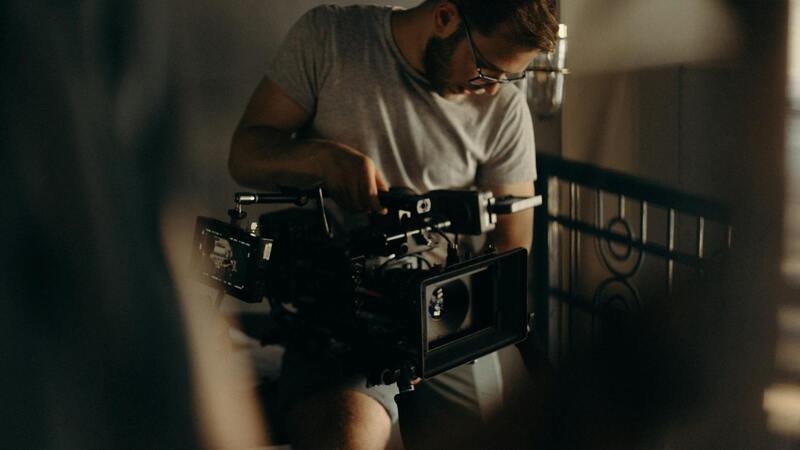
To ensure the creation of stunning real estate photo video content, selecting appropriate equipment and leveraging advanced technology are paramount. High-quality visuals begin with the use of professional-grade cameras capable of capturing sharp, vibrant images under various lighting conditions. DSLR and mirrorless cameras are prevalent in the industry, offering versatility and superior image quality. These devices often support wide-angle lenses, which are essential for capturing expansive room views and outdoor landscapes in a single frame, providing viewers with an accurate sense of space.
Beyond still cameras, the integration of drones has revolutionized real estate marketing by enabling aerial footage. Drone photography and videography make it possible to showcase property exteriors, neighboring amenities, and surrounding landscapes from unique vantage points. High-end drones equipped with stabilized gimbals ensure smooth, professional footage free of jitters, enhancing overall production quality.
Stabilization equipment such as gimbals and steadycams are also crucial, especially for interior video walkthroughs. These devices smooth out camera movements, resulting in seamless, cinematic footage that guides viewers effortlessly through the property.
Lighting equipment plays a significant role in producing vibrant visuals. Portfolio-worthy images are achieved through a combination of natural light utilization and supplementary lighting tools, such as portable LED panels or softboxes. Proper lighting ensures that the property’s best features are highlighted without unwanted shadows or color distortions.
For virtual tours and 3D virtual walkthroughs, specialized software and cameras that support 3D imaging are utilized. These tools enable the creation of interactive, immersive experiences, allowing potential buyers to explore the property remotely in detail.
Incorporating the latest technology not only enhances visual quality but also streamulates the editing process. Software such as Adobe Creative Cloud, along with 3D rendering tools, allows professionals to refine shots, correct color, and add visual effects that elevate the final product.
Choosing the right equipment tailored to each property’s unique features ensures that the visual content resonates with the target audience. It highlights the property’s best attributes, making it more appealing to prospective buyers and increasing the likelihood of a quick sale.
Best Practices for Real Estate Photography
Achieving top-tier real estate photo and video content requires adherence to industry best practices that ensure each visual asset effectively communicates the property's value. Proper staging before a shoot is crucial; decluttering spaces, neutralizing decor, and emphasizing architectural features help create a clean and inviting environment that appeals to potential buyers. Additionally, scheduling shoots during optimal lighting conditions—preferably during daylight hours with unobstructed natural light—maximizes the vibrancy and clarity of images and videos.
Utilizing a tripod during photography provides stability, resulting in sharp, distortion-free images. When capturing interior shots, wide-angle lenses are beneficial to showcase space comprehensively without compromising image quality. For exterior shots, consider the time of day; golden hour lighting enhances landscapes and facades, creating warm, appealing visuals.

Post-processing is equally vital. Professional editing enhances color accuracy, corrects distortions, and removes minor imperfections, ensuring each visual aligns with the property’s best presentation. Consistency across images and videos establishes a cohesive visual story, which enhances the overall listing appeal. Finally, capturing multiple angles—front, rear, and unique features—provides a comprehensive perspective that helps prospective buyers visualize themselves within the space.
Effective Real Estate Video Strategies
Real estate videos serve as dynamic tools to engage viewers and provide a more immersive experience of the property. Effective strategies include starting with an exterior shot that establishes curb appeal, followed by fluid interior walkthroughs that highlight flow and layout. Incorporating aerial drone footage adds an impressive perspective of the property's positioning, surrounding landscape, and neighborhood context.
Utilizing smooth camera movements and unobtrusive transitions maintains viewer immersion, making the viewing experience seamless. Voiceovers or background music can enhance the emotional impact, but should never overshadow the property's features. Including detailed shots of key rooms—kitchens, master bedrooms, and bathrooms—followed by close-ups of distinctive features, ensures a comprehensive showcase.
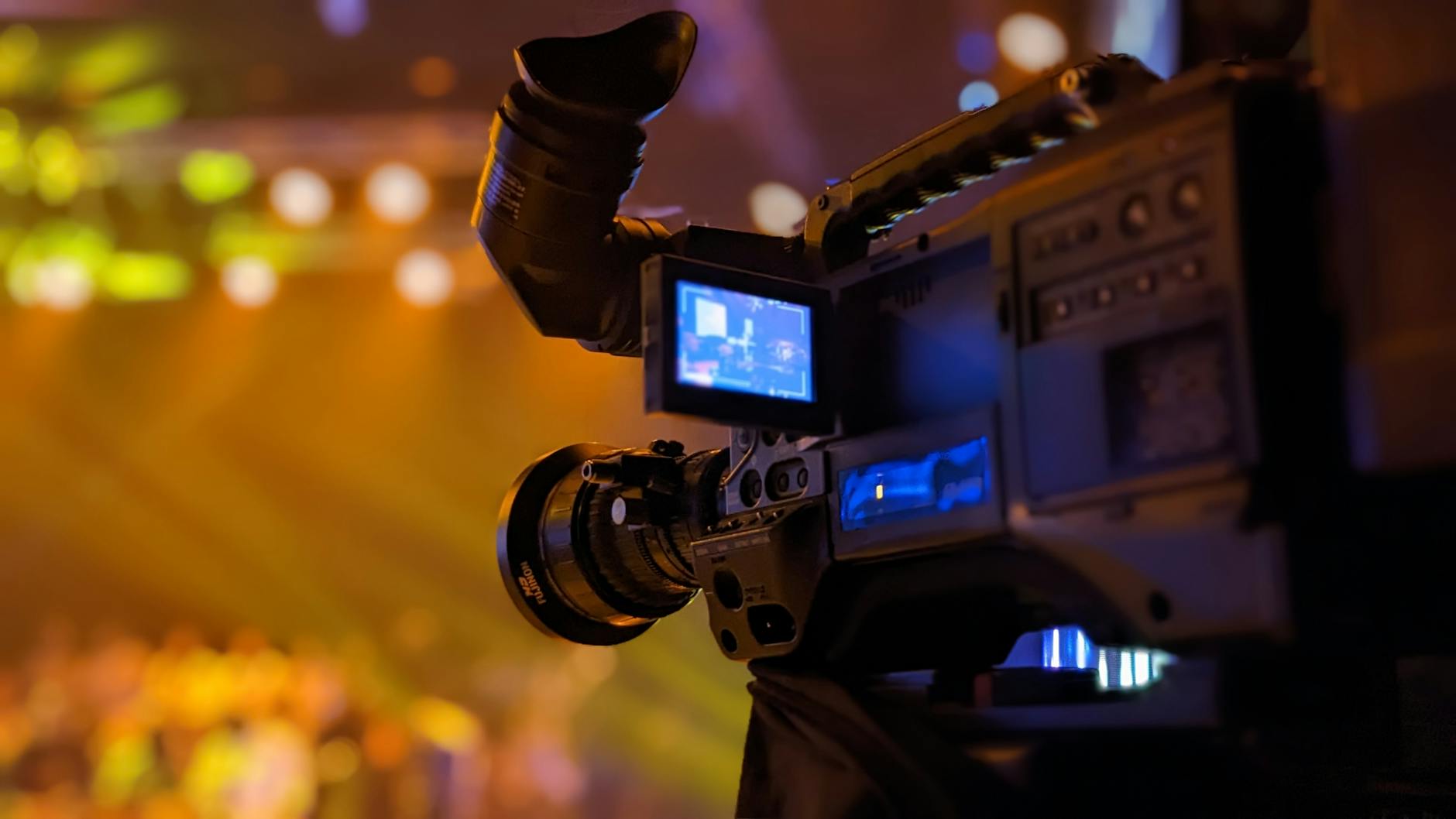
Videos should be optimized for fast loading and compatibility across various devices, allowing potential buyers to access content conveniently. Incorporating calls to action at the end of videos can prompt viewers to schedule viewings or contact agents for further information, seamlessly integrating the visual content into the overall marketing strategy.
Legal Considerations and Best Practices
In the realm of real estate marketing, adhering to established standards for photo and video content is essential for maintaining transparency, professionalism, and trust. Utilizing property visuals ethically involves obtaining proper permissions for all individuals appearing in the footage or images, including residents, visitors, and neighboring property owners. Clear consent ensures that content can be used confidently across various marketing channels without concerns about privacy infringements. Furthermore, ensuring that all visual representations accurately depict the property's features is crucial. Any alterations or enhancements made during editing should preserve the authentic character and condition of the property. Misleading visuals can result in mismatched expectations, which diminish credibility and may lead to dissatisfaction during viewings. It is also important to be mindful of intellectual property rights. This includes sourcing appropriate music or background audio for videos, avoiding copyrighted material unless proper licenses are secured. When incorporating drones or aerial footage, operators should comply with applicable regulations governing airspace use, ensuring safe and responsible operation that respects privacy boundaries. Regularly updating content to reflect recent renovations, repairs, or changes in the property maintains consistency and reliability in listings. Outdated visuals can hinder prospective buyers' decision-making processes, making it vital to refresh marketing materials promptly. Effective practices for managing visual content in real estate marketing include maintaining comprehensive records of permissions and updates, using consistent branding elements, and verifying that all content is optimized for both desktop and mobile viewing experiences. This approach guarantees that listings present a professional, accurate, and engaging overview of the property in question. Adhering to these guidelines not only elevates the quality of real estate photo video productions but also reinforces the credibility of your marketing efforts, ultimately contributing to smoother transactions and a more positive experience for all parties involved.
Legal Considerations and Best Practices
Creating compelling real estate photo and video content involves adherence to several established guidelines that ensure professionalism, accuracy, and image integrity. Securing the necessary permissions for property access prior to shooting is fundamental. This includes obtaining consent from property owners or authorized representatives to avoid any miscommunications or disruptions during production.
It is essential to respect privacy boundaries when capturing aerial footage or images that may inadvertently include neighboring properties or public spaces. Signal the intention of the shoot clearly, and employ techniques such as blurred or cropped visuals if necessary to protect the privacy of adjacent residents.
Utilizing licensed music and sound effects in video productions is another critical aspect. Proper licensing ensures that the audio elements used do not infringe upon intellectual property rights and prevent potential legal complications. When employing drone technology, operators should be well-versed in current airspace regulations, which typically outline permissible altitudes, zones, and enhancements such as filters or software to mitigate privacy concerns.
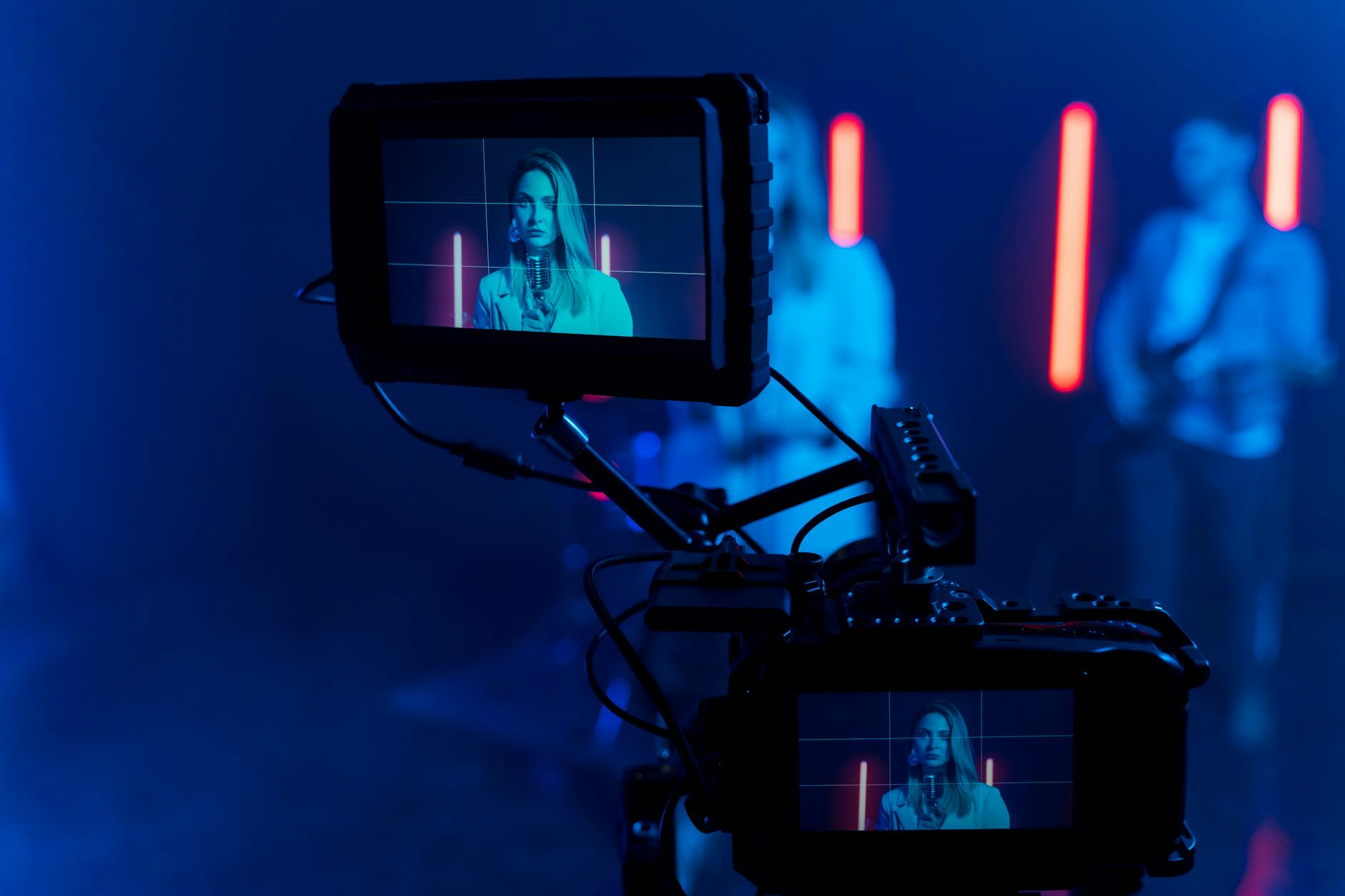
In addition, comprehensive record keeping of all permissions, licensing, and updates related to the visual content can streamline compliance and provide documentation if necessary. Ensuring that all digital content remains consistent with the property's latest state, including recent renovations or changes, helps maintain transparency and trust with prospective buyers.
Lastly, optimizing visual content for various platforms is important. High-resolution images and videos should be formatted to perform well across both desktop and mobile devices. This enhances user experience, encourages longer view durations, and increases the likelihood of engagement.
By implementing these structured practices, real estate professionals can produce quality visuals that accurately showcase properties, bolster market credibility, and foster a smooth transaction experience for all stakeholders involved.
Legal Considerations and Best Practices
Producing high-quality real estate photo and video content requires adherence to established standards and practices that enhance credibility and protect all parties involved. Leveraging legitimate methods ensures that the visuals effectively represent the property while maintaining professionalism and compliance with industry norms.
One of the most critical elements in real estate visual production is the use of licensed and authorized content. This includes obtaining appropriate permissions when incorporating copyrighted elements such as music, branding elements, or third-party visual assets. Using licensed music or sound effects in property videos guarantees that the content aligns with intellectual property rights, avoiding potential disputes or content removal issues.
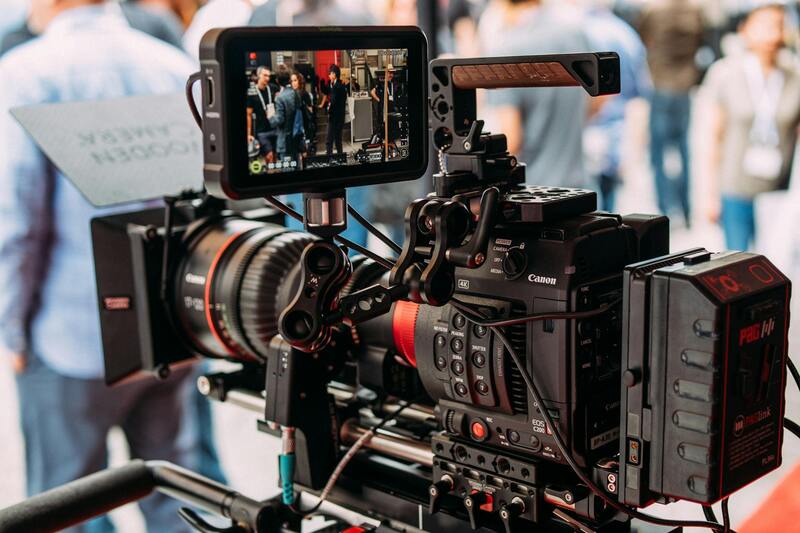
When employing drone footage, adherence to airspace regulations and obtaining necessary permissions is essential. Drone operators should be familiar with current operational protocols, including altitude restrictions and restricted zones, to guarantee safe and compliant drone flights.
Maintaining clear documentation of all permissions, licenses, and consent forms is fundamental. Detailed records prevent misunderstandings and serve as evidence of compliance if questions arise during the marketing process.
Furthermore, all visual content should accurately reflect the current state of the property. Proper editing, color correction, and staging should be performed within ethical boundaries, ensuring that the visuals do not mislead or create false expectations. Honesty and transparency in the presentation reinforce trust with prospective buyers.
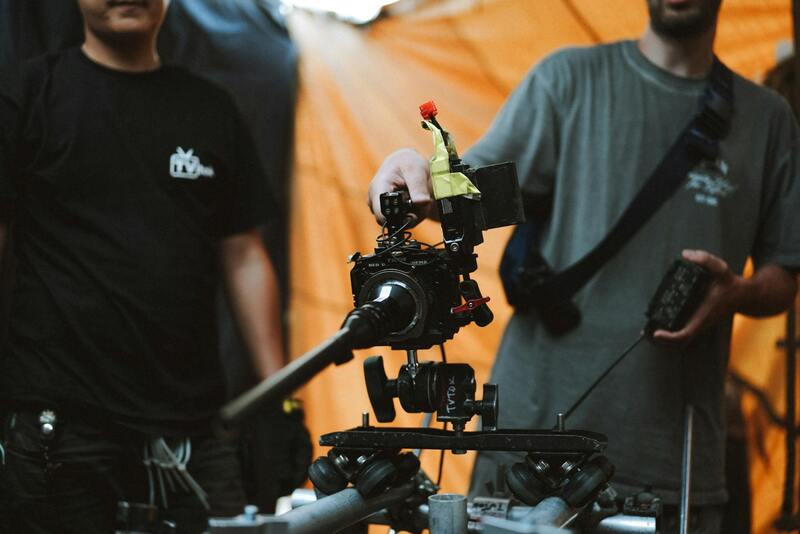
Optimizing digital assets for various formats and platforms is also critical. High-resolution images and videos should be formatted to load efficiently across desktops and mobile devices, enhancing user experience. Properly optimized content can improve search visibility, reduce bounce rates, and increase engagement levels.
In summary, employing official, authorized methods in real estate photo and video production not only upholds industry standards but also contributes significantly to the effective marketing of properties. It protects the integrity of the listing, builds consumer confidence, and supports compliant and transparent business practices.
Legal Considerations and Best Practices
Executing real estate photo and video projects within established legal frameworks involves adherence to specific standards that promote transparency, professionalism, and accuracy in property marketing. This entails utilizing authorized methods and authorized personnel to produce visual content that aligns with ethical marketing practices and industry regulations.
One fundamental aspect is securing appropriate permissions prior to capturing images or videos. This includes obtaining consent from property owners or authorized representatives, ensuring they are aware of how the media will be used, and confirming that all necessary documentation is properly filed. Such steps uphold the integrity of the marketing process and foster trust between all parties involved.
Maintaining compliance with local and regional regulations related to drone operations and aerial photography is essential. This involves following restrictions on altitude, restricted zones, and no-fly areas, as well as respecting privacy rights and avoiding any intrusion onto private property without explicit permission. Employing certified drone operators who are well-versed in these protocols ensures safety and regulatory adherence.
Furthermore, all visual content should reflect an authentic portrayal of the property. This means avoiding the use of manipulative editing practices that could distort the property's true appearance or mislead prospective buyers. Instead, adjustments should focus on enhancing clarity and color accuracy within ethical guidelines, ensuring that the visuals serve as truthful representations.
It is equally important to document and archive all permissions, licenses, and consent forms associated with each media project. These records serve as formal evidence of compliance, and provide accountability should any questions about the legitimacy of the content arise during the property’s marketing cycle.
Adopting rigorous quality control protocols and verifying all content before publication ensures the visuals meet professional standards. This includes reviewing the clarity, lighting, and staging of photographs and videos to guarantee they uniformly present the property in the best light without exaggeration.
Overall, adhering to established procedures for real estate photo and video production not only sustains industry best practices but also supports a transparent, trustworthy marketing environment. This approach protects your reputation and enhances client confidence, leading to faster transactions and positive experiences for all parties involved.
Legal Considerations and Best Practices
When engaging in the creation and distribution of real estate photo and video content, it is crucial to adhere to established protocols that uphold the integrity and ethical standards of the industry. Proper management of copyright, licensing, and privacy ensures that all visual materials are used responsibly and with appropriate authorization.
Copyright and Licensing Compliance
Obtaining necessary rights and permissions prior to capturing or publishing real estate visuals is essential. This includes securing licenses for any proprietary footage, music, or proprietary logos visible within the media content. When using third-party content or images, it is vital to verify that licensing agreements explicitly permit their use in commercial marketing. Maintaining detailed records of licensing agreements helps protect against inadvertent infringement and provides clear evidence of authorized use.
Privacy and Consent Considerations
Respecting the privacy of individuals who may be present during property shoots is a critical aspect of responsible content creation. Property owners, tenants, and visitors should provide explicit consent before their images are captured or shared publicly. This consent must be documented and stored securely. Additionally, when showcasing interior spaces, care should be taken to avoid exposing personal items or confidential information that could infringe on privacy rights.
Best Practices for Ethical Visual Content
- Ensure all images and videos accurately represent the property without embellishment or artificial enhancement that could mislead viewers.
- Implement rigorous quality control procedures to verify that visuals are clear, well-lit, and professionally staged, avoiding overly manipulated imagery.
- Maintain transparency by including comprehensive property details and avoiding deceptive marketing techniques.
- Stay updated with the latest guidelines and industry standards related to visual content creation for real estate marketing.
- Document all permissions, licenses, and consents associated with each project to establish a clear trail of compliance.
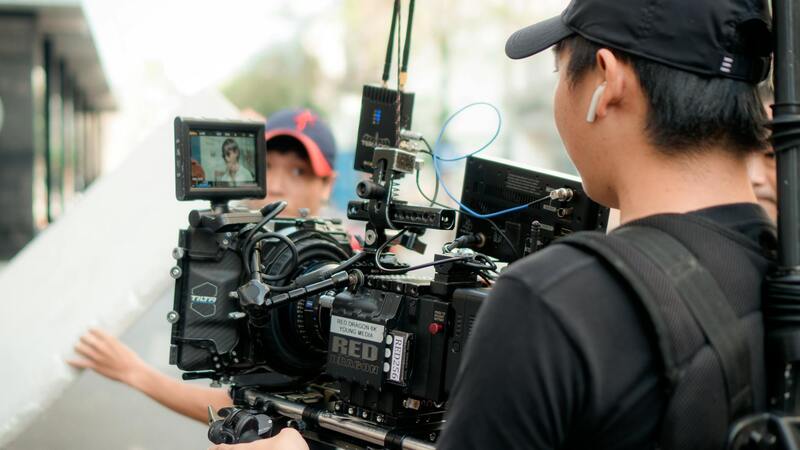
Such adherence not only fosters trust with prospective buyers but also reinforces the reputation of the real estate professionals involved. Consequently, following these best practices diminishes the risk of legal complications, promotes a fair advertising environment, and maintains the highest standards of industry professionalism.