
Importance of High-Quality Real Estate Photos
In the competitive Miami real estate market, the significance of high-quality property photos cannot be overstated. They serve as the digital first impression for potential buyers browsing online listings. Professionally captured images can markedly enhance the attractiveness of a property, drawing more interest and engagement. When prospective buyers view crisp, well-lit, and aesthetically appealing photos, they are more likely to perceive the property as desirable, which can translate into faster sales or higher offers.
High-quality visuals create a sense of trust and professionalism, reflecting the care and attention to detail that has gone into preparing the property for sale. In terms of online visibility, listings with superior photographs tend to rank higher on property search platforms, garner more click-throughs, and generate greater inquiry rates. This amplified exposure not only broadens the pool of potential buyers but also expedites the sales process.
Subpar imagery, on the other hand, often results in less interest and can even deter prospective buyers from scheduling viewings. Blurry images, poor lighting, or cluttered scenes diminish a property's appeal and give an unprofessional impression, which can significantly reduce the likelihood of successful transactions.

Additionally, in a market as vibrant and diverse as Miami, striking visuals can help properties stand out amidst numerous listings. This is especially critical given the high competition among sellers striving to attract discerning buyers who have multiple options. Therefore, investing in top-tier real estate photography is a strategic move that enhances listing visibility and elevates the overall marketability of a property.
Furthermore, high-quality images help set accurate expectations, reducing the chances of dissatisfaction during viewings. When buyers have confidence in the visuals, they are more receptive and committed to progressing through the purchasing process, ultimately leading to more effective and efficient sales cycles.
The impact of professional real estate photos extends beyond online listings. Well-crafted images serve as key marketing assets used in brochures, social media campaigns, and virtual tours, ensuring a consistent and compelling presentation across various channels. This multi-platform approach solidifies a property's online presence and supports a seamless buyer journey.
In summary, investing in stunning, professional real estate photographs is essential for any property owner or agent aiming to maximize interest, accelerate sales, and command higher offers in Miami’s dynamic real estate environment. High-quality imagery not only showcases the unique features of a property but also builds buyer confidence, making it an indispensable element of successful real estate marketing.
Preparing Properties for Photo Shoots
Effective preparation of a property is crucial for capturing images that highlight its best features and attract potential buyers. Prior to the shoot, property owners and agents should ensure the space is thoroughly cleaned and clutter-free, enabling the focus to remain on the property's assets without distractions. Staging interior spaces with neutral decor, appropriate furniture, and minimal personal items helps create an inviting atmosphere that appeals to a broad audience.
Strategic repositioning of furniture and decorative pieces can emphasize room sizes, create a sense of flow, and showcase the layout effectively. Natural light should be maximized; opening curtains and blinds before the shoot integrates daylight, which enhances the warmth and vibrancy of images. For darker spaces, supplemental lighting or reflectors can be used to eliminate shadows and brighten the area.
Exterior preparations are equally important. Landscaping should be neatly maintained, with lawns mowed and hedges trimmed to frame the property attractively. Clean entryways, freshly painted doors, and tidy pathways contribute to a welcoming first impression. It's also advisable to remove or hide any temporary or personal items, such as trash bins or outdoor equipment, to maintain a clean and inviting appearance.
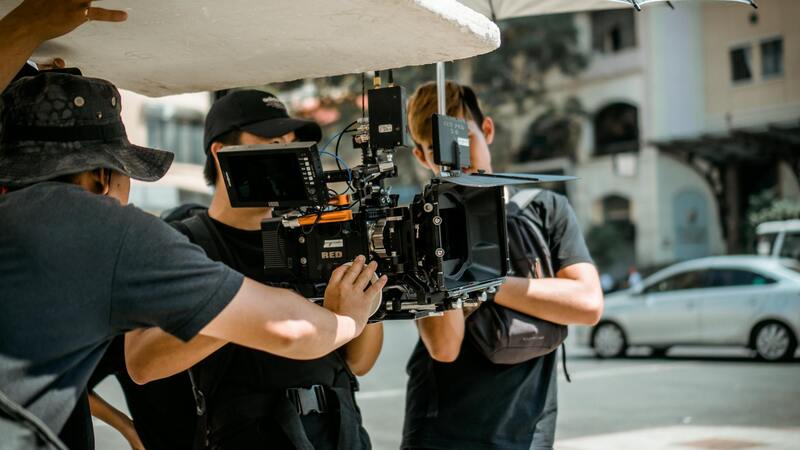
Timing the shoot for when natural light is optimal—typically during early morning or late afternoon—can dramatically improve image quality. Weather conditions should be considered, ensuring skies are clear for outdoor shots to capture vibrant, sharp images. Additionally, coordinating with the photographer to identify key features of the property can help focus attention on its most compelling aspects, whether it's architectural details, an expansive view, or unique interior finishes.
This comprehensive preparation process ensures that every photograph accurately reflects the property's potential, ultimately supporting marketing efforts and progressing sales with confidence in the visual presentation.
Importance of Drone and Aerial Photography
Incorporating drone and aerial photography into real estate marketing strategies offers a distinctive perspective that traditional ground-level images cannot provide. Aerial shots capture the property within its broader context, illustrating proximity to local amenities, natural features, and neighboring neighborhoods. This bird's-eye view emphasizes the property's size, layout, and surroundings, adding depth to listings.
High-resolution drone imagery enables prospective buyers to appreciate the property's scale and outdoor features, such as landscaped gardens, swimming pools, or unique architectural elements, from a compelling vantage point. These images can also serve as a visual overview in virtual tours or promotional materials, enhancing overall engagement and interest.
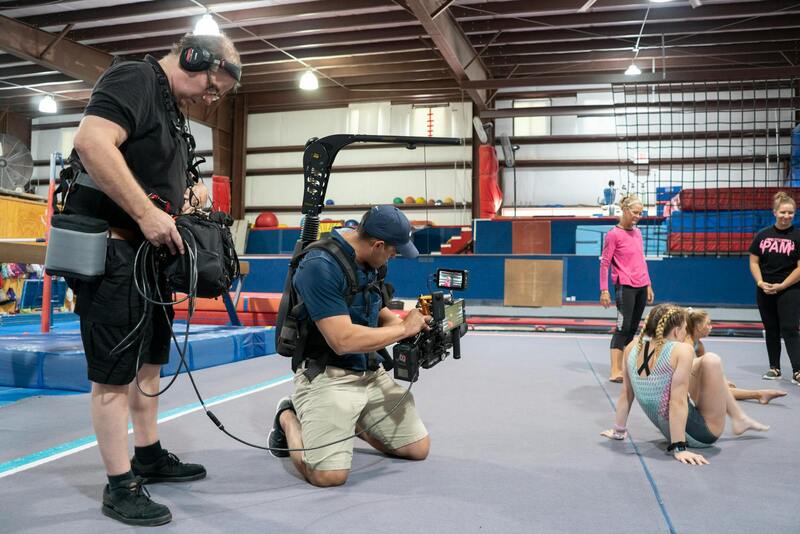
Utilizing aerial photography strategically can significantly differentiate a listing in a competitive market, offering a comprehensive depiction that appeals to modern buyers seeking detailed visual insights. Properly executed, drone images serve as powerful tools to showcase property value and facilitate informed decision-making, supporting a seamless buying experience.
Post-Production Enhancements for Property Photos
After capturing high-quality images of a property, the next crucial phase involves editing and post-production work to ensure the photos are visually striking and accurately represent the property. This process not only improves the overall aesthetic but also targets specific aspects that may require correction or enhancement, ultimately making the listing more appealing to prospective buyers.
Begin with color correction and exposure adjustments to achieve a balanced brightness and contrast level, ensuring that rooms appear warm and welcoming while outdoor scenes reflect natural lighting conditions. Correcting distortions caused by wide-angle lenses and straightening images contribute to a realistic portrayal of the space, avoiding misrepresentations that could lead to buyer misconceptions.
Retouching minor imperfections—such as blemishes, distracting objects, or reflections—can significantly boost the overall image quality, but it is vital to maintain authenticity. Over-editing risks altering the true appearance of the property, which can mislead buyers and compromise trust. Skilled editing preserves accuracy while amplifying visual appeal, emphasizing the property's best features.
In addition to basic corrections, advanced techniques like stitching multiple images for panoramic views or applying subtle HDR (High Dynamic Range) processing can provide a comprehensive, vibrant perspective that captivates viewers. HDR enhances details in both shadowed and brightly lit areas, ensuring interior shots reveal every feature clearly.
Consistent formatting, color grading, and cropping help maintain uniformity across all photos within a listing, creating cohesive visual content that supports professional branding. These elements contribute to the overall presentation, making the online listing stand out amidst competitive property markets.
Adopting a structured approach to post-production results in high-quality images that elevate a property's online presence. Collaborating with experienced real estate photographers who understand these editing techniques ensures the final visuals are both attractive and trustworthy, fostering greater engagement from prospective buyers. Properly retouched photos not only attract more views but can also accelerate the decision-making process, ultimately aiding the successful sale of the property.
Professional Techniques for Enhancing Real Estate Photos
Implementing advanced photography techniques is crucial for creating compelling real estate visuals that accurately represent the property's features. One of the most effective methods is utilizing strategic lighting. Natural light should be maximized during the shoot by scheduling sessions during the day when sunlight fills the rooms, reducing the need for artificial lighting and ensuring true-to-life colors. Additionally, using diffusers or softboxes can soften harsh shadows and evenly distribute light, creating a warm and inviting atmosphere.
Proper composition is essential for highlighting the property’s best qualities. Techniques such as the rule of thirds help in framing shots that draw viewers' eyes to key features like fireplaces, large windows, or scenic views. Wide-angle lenses are often employed to capture more of the space within a single shot, providing a comprehensive perspective of rooms and exterior areas. However, care must be taken to avoid distortion that can misrepresent the property’s dimensions.
Another important aspect involves the use of precise camera settings. Maintaining consistent aperture, ISO, and white balance across all shots ensures uniformity and professionalism in the photos. Bracketing exposures and merging images can also enhance the dynamic range of interior photos, revealing details in both shadows and highlights that might be lost in standard images.
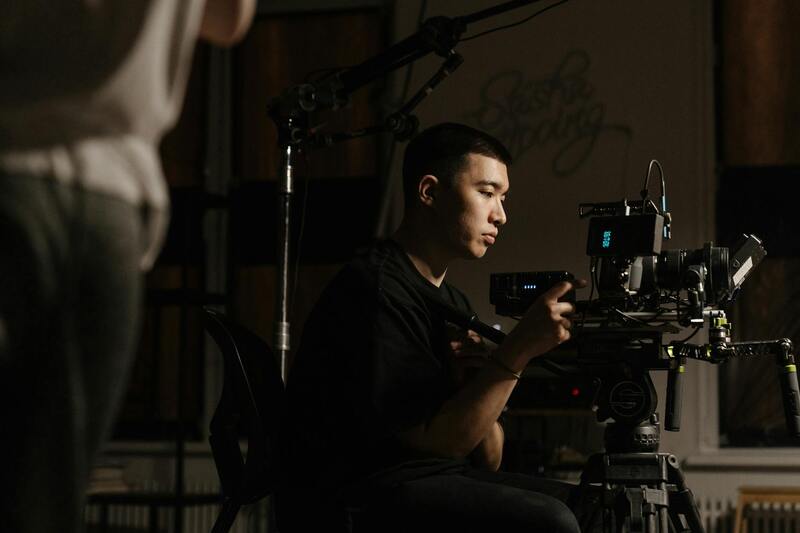
Color accuracy and clarity are vital. Photographers should calibrate their equipment regularly and use post-shoot adjustments to match real-world hues. A consistent editing style that emphasizes true colors helps in portraying the property authentically, maintaining transparency with prospective buyers and solidifying trust.
Effective Use of Post-Processing Techniques
Post-processing plays a pivotal role in elevating property photos to a professional standard. Subtle adjustments to brightness, contrast, and sharpness can significantly improve visual impact without altering the true appearance of the property. Techniques like perspective correction straighten crooked lines, especially in architectural shots, enhancing overall aesthetic quality.
Advanced editing such as stitching multiple images for panoramic views provides potential buyers with a comprehensive look at larger spaces or scenic outdoor areas. Implementing high dynamic range (HDR) imaging allows interior photos to reveal fine details in both dark and bright areas, providing a balanced and vibrant image that accurately reflects real conditions.
Maintaining uniformity across a series of photos is essential. Consistent color grading, cropping, and lighting adjustments create a cohesive narrative for the property, making the listing more organized and visually appealing. Ensure that images are optimized for the specific platform they are displayed on, whether it’s a website, MLS listing, or social media, to enhance load times and clarity.
Enhancing Visual Storytelling Through Editing
High-quality property visuals should tell a story that invites viewers to imagine living in the space. Focused editing not only corrects technical imperfections but also accentuates the property’s unique selling points. For example, enhancing the natural colors of landscaping in exterior shots or brightening interior spaces can evoke emotional responses, encouraging potential buyers to take the next step.
Collaborating with experienced real estate photographers who are well-versed in these editing techniques ensures that the final presentation aligns with industry standards and client expectations. As a result, high-quality, authentic photos not only attract more interest but also help streamline the decision-making process for prospective buyers, ultimately facilitating faster and more successful property transactions.
Choosing the Right Photography Service in Miami
Selecting a professional real estate photography service is a crucial step in showcasing properties effectively. In Miami, where the market is highly competitive and visually driven, partnering with experienced photographers ensures that property images stand out. High-caliber photographers possess a deep understanding of lighting, composition, and staging, all of which are essential in capturing the property’s best features. They also utilize industry-standard equipment, such as high-resolution cameras, wide-angle lenses, and specialized lighting setups, to produce clear, detailed images that appeal to prospective buyers.
When choosing a service, consider their portfolio and track record with property listings similar to yours. Reviewing samples of their previous work provides insight into their style and quality, ensuring alignment with your marketing goals. Additionally, a reliable agency offers tailored solutions, including styling and staging advice, to maximize the visual impact of each shot.
Furthermore, reputable photography providers in Miami often offer comprehensive packages that include interior and exterior shots, drone photography, and virtual tour creation. This broad range of visual content can elevate your listing’s presentation, making it more engaging and informative. Effective communication and prompt service are also indicators of a quality provider—professional photographers understand the importance of meeting deadlines and delivering images promptly for timely listing updates.
Investing in a reputable Miami-based photography service ultimately translates to increased visibility and interest in your property. Well-crafted photos build trust with viewers, conveying professionalism and attention to detail. This not only improves the chances of attracting qualified buyers but also accelerates the closing process, providing a competitive edge in the bustling Miami real estate scene.
Legal and Ethical Considerations in Property Photography
When preparing real estate property photos for online listings, adhering to established standards and best practices ensures the integrity of your marketing campaign and builds trust with potential buyers. This includes respecting property rights, obtaining necessary permissions, and accurately representing the property's features without alterations that could mislead viewers.
It is essential to secure consent from property owners or authorized representatives before conducting a photo shoot. This step not only fosters transparency but also helps avoid potential disputes related to photography rights or privacy concerns. When photographing interiors, avoid capturing personal or sensitive items that might infringe on privacy or create discomfort for current residents or guests.
In terms of content, professionals should focus on capturing honest and detailed images that showcase the property’s true condition. Overly staged or heavily edited photographs can create an unrealistic expectation, leading to disappointment or mistrust once prospective buyers visit the property in person. Maintaining an authentic representation fosters a positive viewing experience and encourages serious inquiries.
Additionally, photographers and real estate agents should be aware of copyright considerations. Using copyrighted elements, such as proprietary branding or copyrighted artwork, without proper licensing can lead to legal complications. Always utilize images, graphics, and branding elements that are owned outright or licensed appropriately, ensuring that the final presentation aligns with professional standards and avoids infringements.
Furthermore, transparency regarding any enhancements made during post-production is vital. Disclosing when images have been digitally manipulated or enhanced ensures prospective buyers receive a truthful depiction of the property. This honesty reinforces the professionalism of your listing and helps maintain integrity across your marketing materials.
To uphold the highest standards, consider implementing a checklist for property photography that covers all ethical and procedural considerations. This might include obtaining approvals, avoiding intrusive shots, respecting privacy, and ensuring accurate representations. Employing trained, reputable photographers who are familiar with these practices can significantly reduce the risk of ethical missteps, safeguarding your reputation and enhancing the effectiveness of your online presence.
Legal and Ethical Considerations in Property Photography
While capturing stunning imagery that highlights a property’s best features is essential, adhering to established standards of ethics and professionalism during the photography process remains paramount. Ensuring that each image accurately reflects the true condition and appearance of the property fosters trust between the seller and prospective buyers, ultimately supporting a transparent and effective sales process.
One of the foundational elements in ethical property photography is transparency in image manipulation. Any enhancements, such as color correction, lighting adjustments, or digital retouching, should be clearly disclosed to potential clients. This openness not only affirms the integrity of the marketing materials but also helps maintain the credibility of the listing. Misrepresenting a property through overly edited images can lead to misunderstandings, dissatisfaction, and even disciplinary issues with industry oversight bodies.
Respect for privacy is another critical aspect. When photographing properties, especially in occupied homes, it’s vital to obtain consent from residents before capturing images that could infringe on their personal space or reveal sensitive information. This includes not only personal belongings and private rooms but also any adjoining areas that could compromise the privacy of occupants or neighbors.
Another key consideration involves copyright and intellectual property rights. Photographers must ensure they possess the rights to use any supplementary materials incorporated into the images, such as artwork, branded signage, or proprietary furnishings. Utilizing images, graphics, or branding elements without the necessary permissions can lead to legal complications that undermine marketing efforts. It is advisable to work with professionals who understand licensing agreements and copyright law, ensuring all visual content complies with these standards.
In addition to avoiding infringing content, photographers should maintain an ongoing awareness of local regulations regarding drone usage and aerial photography. This includes securing appropriate permissions for aerial shots, respecting airspace restrictions, and adhering to privacy laws that govern the capture of images from elevated perspectives.
To uphold best practices, many industry professionals employ comprehensive checklists that address these ethical and procedural considerations before, during, and after the photography session. This proactive approach aids in achieving the highest standards for representation, enhances the reputation of the listing agent, and strengthens trust with clients. Employing trained, reputable photographers who follow strict ethical guidelines ensures the creation of genuine, compelling images that serve both marketing objectives and broader professional responsibilities.
Final Tips for Elevating Your Real Estate Property Photos
Achieving visually appealing and impactful real estate photos requires more than just high-quality equipment; it involves strategic planning, meticulous attention to detail, and understanding best practices tailored to real estate marketing. Incorporating these advanced techniques ensures that property images accurately reflect the property's best features, entice potential buyers, and foster a stronger online presence.
Leveraging Professional Photography Technology
Modern real estate photographers utilize cutting-edge equipment to produce images that are both breathtaking and precise. High-resolution cameras with wide-angle lenses allow for capturing expansive rooms and structural details without distortion. Additionally, specialty equipment such as tilt-shift lenses can correct perspective distortions, ensuring walls and structures appear true-to-life. Incorporating panoramic and 360-degree photography provides immersive experiences for viewers, allowing them to explore the property virtually, which can significantly enhance engagement and interest.
Advanced Lighting Techniques
Proper lighting remains a cornerstone of compelling property imagery. Shooting during optimal times of day, such as the golden hour or bright cloudy days, minimizes shadows and evenly illuminates interior spaces. Photographers often employ additional lighting sources, like portable flashes or strobes, to enhance natural light and eliminate dark corners. Proper lighting not only showcases the property’s features but also sets the right mood, making spaces appear warm, inviting, and spacious.
Staging and Composition
Effective staging plays a vital role in ensuring the property looks its best in photographs. This involves decluttering, arranging furniture to maximize space, and enhancing visual appeal through thoughtful decor. Composition techniques, such as using leading lines, framing, and rule-of-thirds, guide viewers' eyes toward focal points and create a balanced, aesthetically pleasing image. Attention to detail in both staging and composition results in images that convey the desired lifestyle and appeal to targeted buyers.
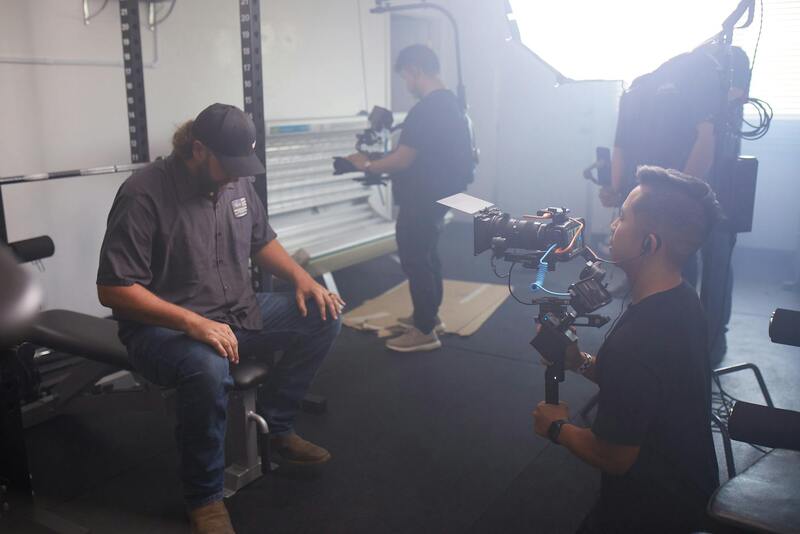
Color Correction and Image Enhancement
Post-production editing elevates the quality of real estate photos by addressing minor flaws and ensuring color accuracy. Adjustments to brightness, contrast, and saturation enhance visual clarity and appeal, while perspective corrections rectify lens distortions. Skilled editing maintains natural appearance while emphasizing key features. Over-editing, however, should be avoided to preserve authenticity, as overly altered images can mislead viewers and harm credibility.
Implementing Virtual Staging and 3D Tours
Virtual staging offers a cost-effective way to demonstrate a property's potential without physical staging, allowing prospective buyers to envision themselves in the space. Additionally, 3D tours and virtual walkthroughs provide comprehensive views that static images cannot match, encouraging deeper engagement. These digital tools, when complemented by high-quality photography, create a richer, more immersive listing experience that increases the likelihood of attracting serious inquiries.
By integrating these sophisticated photography methods and post-production practices, real estate professionals can create compelling visual narratives that stand out in a competitive market. The visual storytelling achieved through expert photography not only accelerates the sales process but also builds trust and confidence among prospective buyers, ultimately contributing to more successful transactions.