Understanding the Market for Real Estate Video Services
The Miami real estate market stands out as one of the most dynamic and competitive sectors in the United States. Known for its vibrant neighborhoods, luxury properties, and international client base, Miami consistently attracts high-end buyers and investors searching for innovative marketing channels to showcase their properties. This environment creates a substantial demand for high-quality real estate videos that effectively highlight a property's unique features and appeal.
Real estate agents and property developers increasingly recognize the power of visual storytelling through professional video content. Videos serve as a compelling tool to differentiate listings in a crowded marketplace, capturing attention faster than traditional photos alone. High-definition virtual tours, drone footage, and cinematic walkthroughs enable clients to experience a property remotely, expanding its reach to potential buyers both locally and globally.
The rise of digital platforms, including social media, real estate portals, and dedicated websites, further amplifies the importance of engaging video content. As these platforms prioritize video for higher engagement rates, real estate professionals are eager to adopt innovative videography services that enhance their listings' visibility.
Moreover, the Miami market's diverse demographic—ranging from young professionals to affluent international investors—demands tailored video marketing strategies that appeal to varied preferences and expectations. Professional real estate videos not only showcase property features but also communicate lifestyle and neighborhood appeal, essential for high-end and luxury listings.
An emerging trend is the integration of immersive 3D virtual tours and panoramic videos, providing potential buyers with a seamless, interactive experience. Due to the increasing reliance on remote viewing, these advanced video formats are becoming standard practice for premium property marketing.
The continuous evolution of consumer viewing habits underscores the importance for real estate professionals and marketers to invest in compelling video content. As a result, entrepreneurs launching a real estate video business can find ample opportunities to serve a growing client base seeking cutting-edge visual marketing tools in Miami’s bustling market.
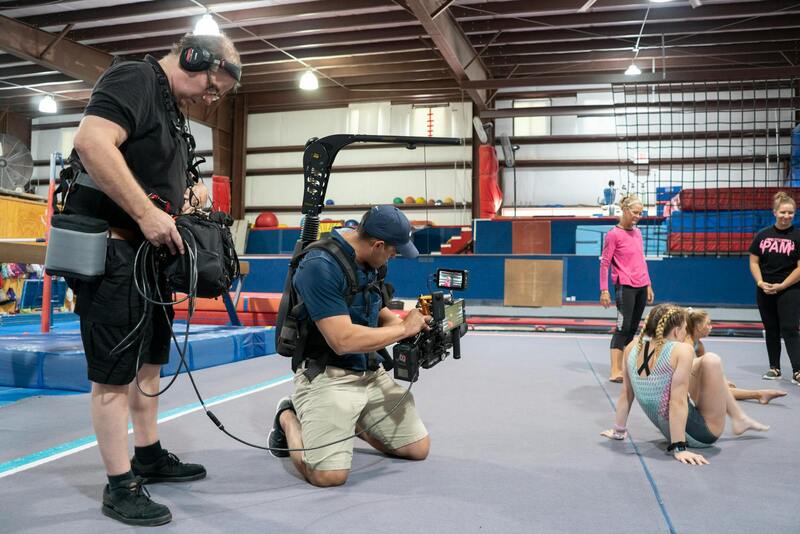
Understanding the Market for Real Estate Video Services
In Miami’s vibrant and highly competitive real estate landscape, the demand for professional video content continues to escalate. Real estate agents and brokerage firms recognize the undeniable value that high-quality videos add to property listings, especially when targeting both local buyers and international investors. This heightened demand opens avenues for entrepreneurs focusing on real estate videography to establish a foothold in the market.
Current market trends reveal that polished, engaging videos significantly influence buyer decision-making processes. Properties presented through dynamic visuals tend to generate more interest, with increased inquiries and faster sales cycles. The rise of digital platforms such as real estate portals, social media channels, and dedicated property websites has transformed how prospective buyers consume property information. Videos that effectively highlight a property’s unique features and the community’s lifestyle tend to outperform static images or textual descriptions.
The Miami demographic presents unique opportunities. The diverse client base, ranging from local residents and seasonal visitors to international investors from Latin America, Europe, and Asia, demands tailored content strategies. Versatile video formats that communicate both the tangible aspects of a property and its cultural or lifestyle context are particularly impactful.
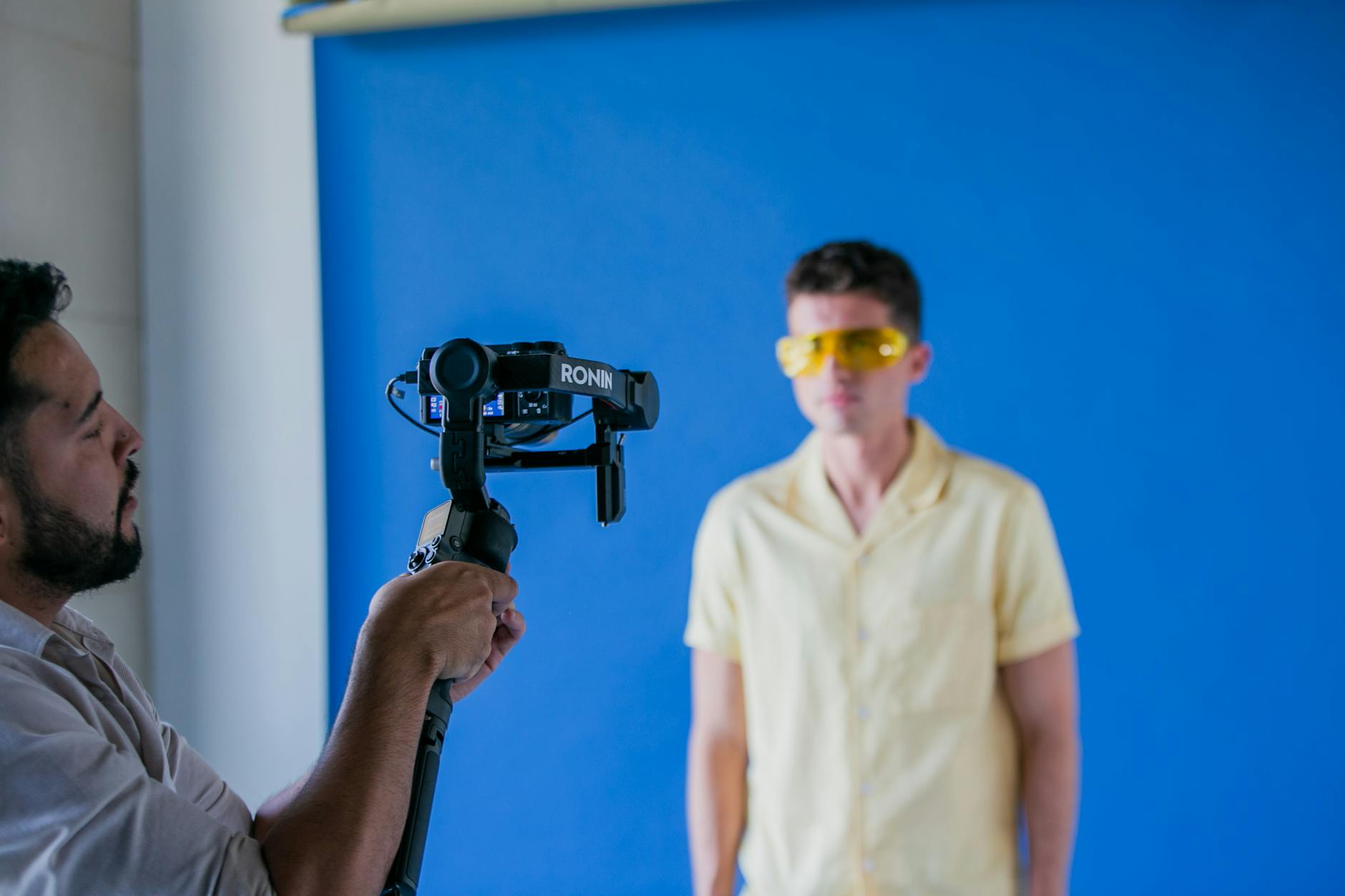
Emerging technologies, including immersive virtual tours, aerial drone footage, and 360-degree panoramic videos, have become essential tools for high-end and luxury property marketing. These formats allow potential buyers to experience properties remotely with a level of detail that static photos cannot provide, fostering higher engagement and quicker decision-making.
Comprehensive understanding of the evolving digital habits of the target audience and the strategic deployment of different video formats are crucial for success. For entrepreneurs, this market offers fertile ground, especially when backed by a focus on quality, innovation, and consistent branding. As Miami’s real estate market continues to grow, so does the need for professional videography services that can meet the increasing demand for engaging visual content, making it a lucrative avenue for specialized service providers.
Investing in Equipment and Technology
Establishing a professional and compelling real estate video business requires a strategic investment in state-of-the-art equipment and cutting-edge technology. For high-quality visuals that capture the essence of each property, a variety of tools and devices are essential.
First and foremost, quality cameras capable of shooting in 4K or higher resolution are fundamental. These cameras should feature a wide dynamic range to handle Miami’s diverse lighting conditions, whether capturing bright beachfront condos or dimly lit interiors. A professional gimbal stabilizer ensures smooth and steady shots, reducing unwanted shake, thereby elevating the production value of walkthroughs and cinematic sequences.
Complementing video equipment, drone technology plays a pivotal role in showcasing Miami’s iconic skyline, luxurious estates, and sprawling properties from aerial perspectives. Investing in FAA-compliant drones with high-quality cameras allows for capturing stunning panoramic shots and cinematic flyovers, which are highly appealing in upscale real estate listings.
Lighting gear such as portable LED panels and reflectors help achieve optimal illumination in interior shoots, highlighting property features and creating inviting atmospheres. Additionally, stabilizing gear like sliders and steadicams can be employed for dynamic shots that add flair and professionalism to the videos.
Beyond hardware, software solutions are equally critical. Professional editing suites enable seamless post-production—color grading, audio synchronization, and motion graphics—to refine footage into polished final products. Additionally, the adoption of virtual tour software and panoramic stitching tools facilitates the creation of immersive 360-degree experiences, increasingly preferred by sophisticated buyers seeking detailed property views remotely.
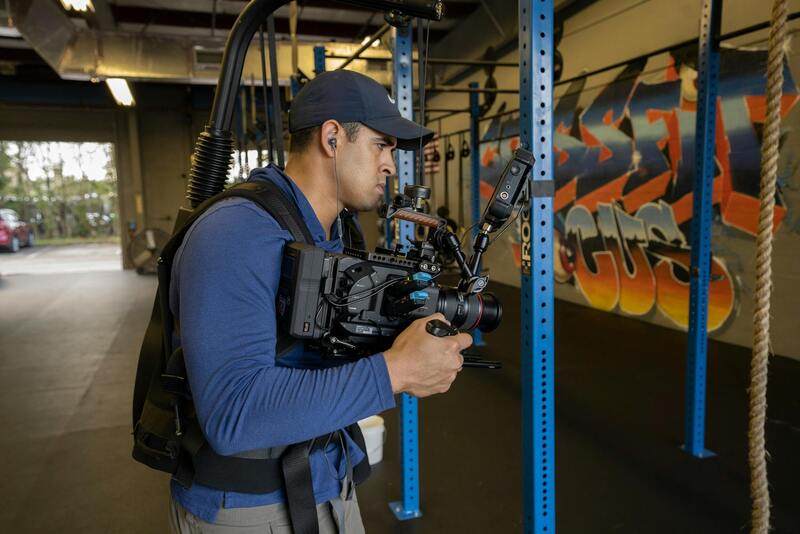
Staying ahead in the real estate video sector involves continuous upgrades and adapting new technological trends, like 3D modeling tools and augmented reality integrations. These innovations offer immersive property experiences that satisfy the discerning expectations of high-end clients and international investors, further enhancing the reputation of a professional videography service.
Finally, investing in reliable, high-capacity storage solutions and backup systems ensures that all footage is securely preserved and easily accessible for editing and delivery. Efficient workflows, supported by specialized hardware and software, enable quicker turnaround times, satisfying clients' demand for timely content delivery in the fast-paced Miami market.
Legal Considerations and Best Practices
When operating a real estate video business, adhering to established guidelines and best practices is essential for maintaining a professional reputation and ensuring smooth transactions. Incorporating clear contracts that detail scope, deliverables, and timelines helps set transparent expectations with clients and minimizes misunderstandings. It is advisable to outline clauses related to usage rights, copyright, and confidentiality to protect both your work and your clients' interests.
Metadata management plays a significant role in professional content creation. Properly tagging and cataloging videos with relevant keywords improves searchability and indexing across online platforms, helping your clients' listings reach a broader audience.
Ensuring compliance with local regulations on drone usage is critical, especially in urban environments like Miami. This includes obtaining necessary permits and understanding airspace rules to avoid disruptions or penalties. Familiarity with privacy laws, particularly when filming in neighborhoods or private properties, is also vital. Always seek permission when capturing footage that might infringe on individuals’ privacy, especially in sensitive areas.
Maintaining high standards in production quality is non-negotiable. This encompasses verifying that all footage is captured securely and ethically, with attention to avoiding intrusive or misleading representations. Employing honest and truthful descriptions, along with accurate depictions of the properties, fosters trust and credibility among clients.

Offering Additional Legitimate Services to Enhance Your Portfolio
To expand your offerings within the real estate video business and appeal to a broader client base, consider integrating supplementary services that maintain high professional standards. These can include virtual staging, 3D walkthroughs, and drone inspections, all executed with proper authorization and adherence to industry best practices. Providing high-quality, compliant content that aligns with established visual standards reinforces your reputation as a reliable provider.
Moreover, cultivating strong relationships with local real estate agents, property managers, and developers can lead to consistent projects. Establish clear communication channels, and showcase an understanding of their specific needs—such as highlighting unique property features or upcoming developments—through tailored video content. Developing case studies or detailed project reports demonstrates transparency and solidifies trust in your capabilities.
Investments into branding and client education also serve as strategic assets. Hosting workshops or informational sessions about the advantages of professional real estate video marketing positions you as a knowledgeable leader in the field. This approach fosters client loyalty and encourages referrals based on your demonstrated expertise and commitment to quality.
When working with clients, always employ official and documented agreements that specify the scope of work, timelines, deliverables, and payment terms to ensure clarity and mutual understanding. These documents should also detail permitted usage rights for the videos, so clients know how and where they can utilize the content. Transparency in these processes not only safeguards your interests but also enhances the credibility of your services within the legal frameworks upheld by the industry standards.
Legal Considerations and Best Practices
Maintaining strict adherence to established governance and operational protocols in the realm of real estate video production ensures consistent quality and fosters trust among clients and stakeholders. It is essential to implement comprehensive documentation processes, including detailed contracts that clearly specify project scope, deliverables, deadlines, and payment terms. These agreements should also outline content usage rights, delineating how clients may utilize the videos across various platforms, ensuring alignment with industry standards.
Adopting standardized procedures for client onboarding, project approvals, and final deliveries helps streamline operations and mitigate misunderstandings. Utilizing clear, professional communication templates and maintaining transparent records of correspondence further reinforce professionalism.
When it comes to compliance, it’s advisable to regularly review adherence to privacy policies, especially when including tenant, owner, or third-party footage or images in videos. Securing written permissions or releases from individuals appearing in the videos not only complies with established practices but also demonstrates respect for privacy and property rights.
To uphold quality assurance, consider implementing review and editing protocols that involve multiple checkpoints, ensuring deliverables meet the expected standards before final approval. This approach minimizes rework and enhances client satisfaction.
Lastly, staying updated on industry-specific guidelines related to intellectual property rights, copyright, and content rights management is vital. Engaging with professional associations or industry groups can provide valuable insights into evolving best practices, ensuring that your business operates within the optimal frameworks that support both creativity and compliance.
Legal Considerations and Best Practices
Achieving success within the real estate video business requires meticulous attention to legal considerations that underpin professional operations. Utilizing comprehensive contracts is essential to clearly delineate the scope of work, deliverables, and payment terms, safeguarding both the service provider and the client. These agreements should specify rights related to the footage and final videos, offering clarity on usage licenses and distribution rights.
In addition to contractual agreements, obtaining appropriate licensing and permissions is paramount. When capturing visuals that include private property, individuals, or proprietary elements, acquiring written consent from property owners and individuals featured helps prevent potential disputes. This process involves securing signed release forms that document permission for the use of images and videos, establishing a clear record that can be referenced if needed.
Copyright management and intellectual property rights also play a crucial role. The content created should respect existing copyright laws, avoiding infringement of third-party media. Implementing guidelines for content creation and editing helps ensure all footage, music, and graphics used are either original or properly licensed, minimizing legal risks.
Maintaining transparency with clients about the rights and usage of the produced videos through detailed licensing agreements fosters trust and clarity. It is vital to outline the extent of usage rights, exclusivity, and territorial limitations within these documents, making sure both parties are well-informed about their rights and obligations.
Operational Best Practices to Comply with Industry Standards
- Develop and utilize standardized contracts that cover scope, timelines, rights, and confidentiality.
- Ensure all necessary permissions and releases are signed prior to filming or editing.
- Maintain clear records of all agreements, permissions, and communication with clients.
- Use properly licensed music, graphics, and stock footage to adhere to copyright laws.
- Regularly review industry standards and update procedures accordingly.
Implementing these practices not only helps protect the business from potential legal entanglements but also enhances the reputation for integrity and professionalism. Continuous education on evolving legal considerations and industry guidelines ensures that the real estate video service remains compliant and trustworthy, ultimately supporting sustained growth and client confidence.
Legal Considerations and Best Practices
Operating within the realm of real estate video production involves adhering to a set of established best practices that safeguard both the service provider and the client. Developing standardized contractual agreements that clearly define the scope of work, delivery timelines, rights, and confidentiality is essential. These documents serve as the foundation for transparent professional relationships and mitigate misunderstandings. Ensuring all necessary permissions and releases are obtained prior to filming and editing is crucial—this includes property access permissions, talent releases, and location approvals.
Maintaining meticulous records of all agreements, permissions, and communication exchanges fosters accountability and streamlines future workflows. Utilizing licensed or appropriately sourced media elements—such as music, graphics, and stock footage—prevents copyright infringement issues and upholds the integrity of the production. Regularly reviewing the latest industry standards and updating operational procedures ensures compliance with evolving professional guidelines.
Transparency about content rights forms the cornerstone of trustworthy business practices. Detailed licensing agreements should clearly specify the scope of usage rights, territorial limitations, and exclusivity terms. This clarity avoids disputes over intellectual property and helps clients understand their rights over the produced content.
Besides contractual and licensing safeguards, staying knowledgeable about industry standards—such as quality benchmarks, safety protocols during filming, and data protection policies—reinforces the company's reputation. Regular staff training and updates on best practices further reinforce a commitment to integrity, professionalism, and client satisfaction.