
Importance of Professional Photography in Residential Real Estate
In the competitive landscape of the housing market, high-quality photography has become an essential component of successful property marketing. Professional residential real estate photographers utilize advanced techniques and equipment to showcase properties in their best light, capturing the attention of potential buyers. These images serve as a visual first impression, often determining whether a prospective buyer will schedule a viewing or pass by the listing altogether.
Buyers increasingly rely on online listings to narrow down their choices before visiting in person. As a result, compelling visuals can significantly influence click-through rates and engagement. Well-composed, vibrant images highlight key features, spatial layouts, and the overall ambiance of a home, helping buyers to envision themselves living there. This not only enhances the property's appeal but also accelerates the sales process, reducing the time a property remains on the market.
Professional photography also fosters trust and confidence in the listing, conveying an image of quality and transparency for the seller. When images are taken by skilled photographers equipped with premium gear, they help differentiate a property in a crowded market. This meticulous approach ensures the property’s unique attributes are effectively communicated, thereby increasing the likelihood of generating serious inquiries and multiple offers.
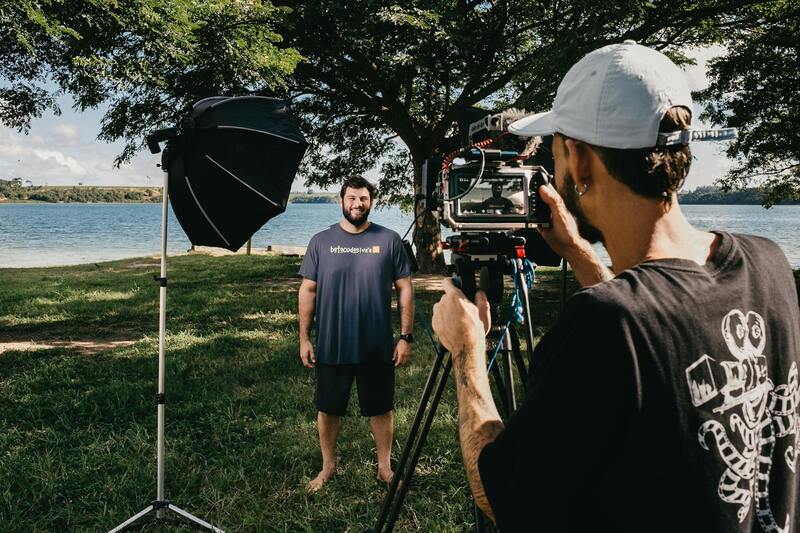
In a digital age where visual content dominates, the importance of professional photography in residential real estate cannot be overstated. It serves as a critical investment for sellers and agents alike, paving the way for faster sales, better offers, and a more efficient transaction process. The value of images that truly showcase a property's potential is evident in the way they open doors to countless opportunities in contemporary real estate marketing.
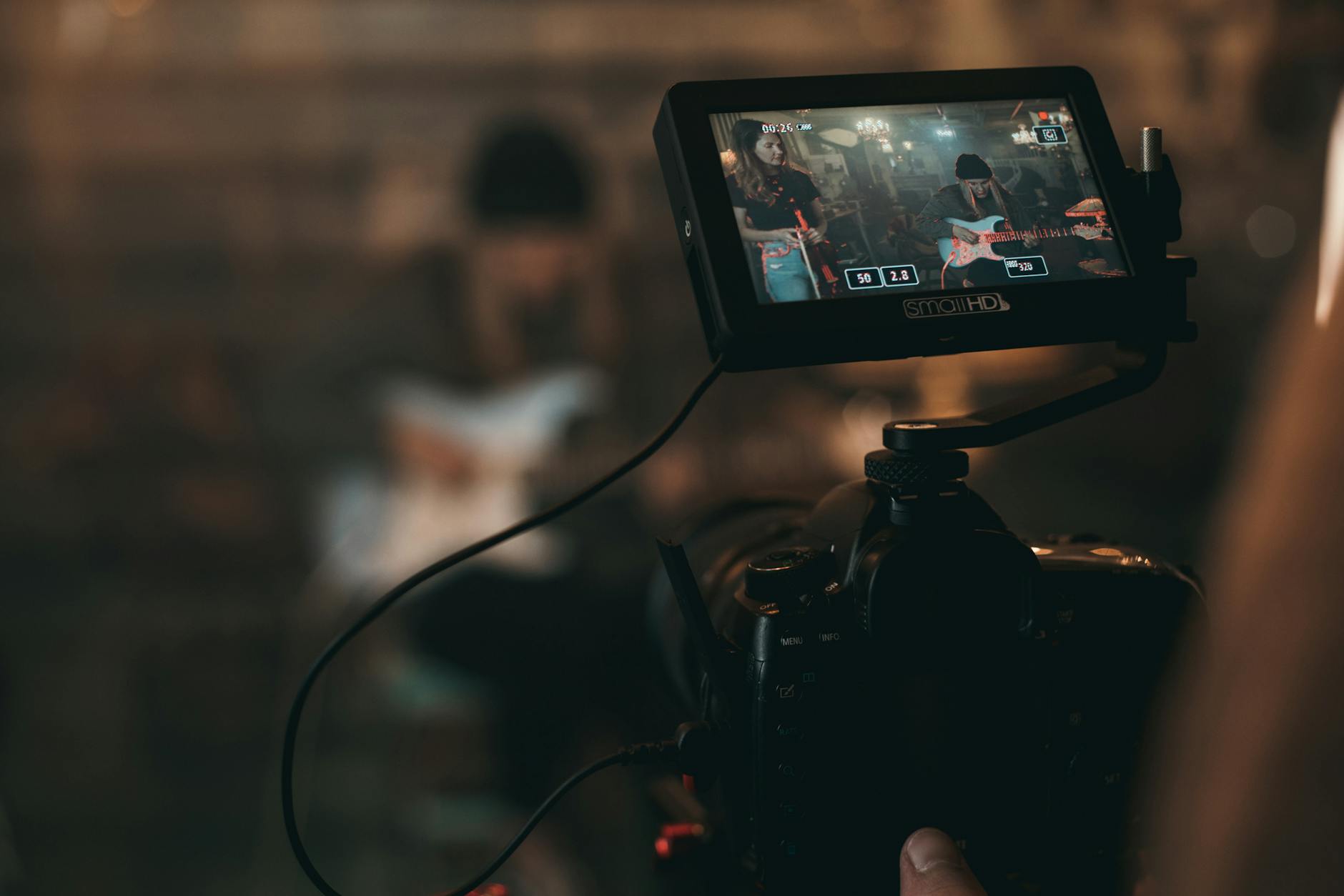
Skills and Equipment Needed for Residential Real Estate Photography
Achieving high-quality images that truly capture the essence of a property involves a combination of technical expertise and specialized equipment. A proficient residential real estate photographer must possess a thorough understanding of camera operation, lighting techniques, and image composition to produce compelling visuals that resonate with potential buyers.
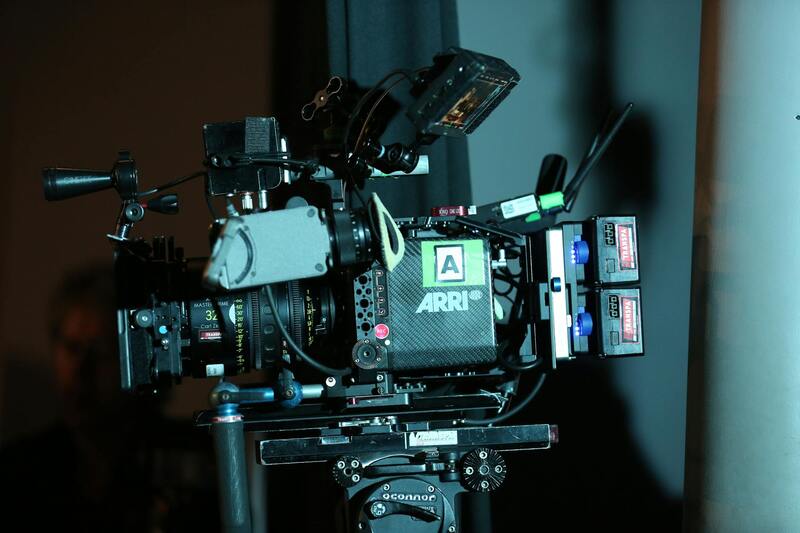
At the core of effective property photography is the use of a high-resolution digital camera. DSLR or mirrorless cameras are preferred due to their superior image quality, manual controls, and versatility. These cameras allow photographers to adjust exposure settings, focus precisely, and capture sharp details under varying lighting conditions within a home.
Complementing the camera are wide-angle lenses, typically ranging from 14mm to 24mm, which enable capturing expansive interior spaces while minimizing distortion. Proper lens selection ensures rooms are presented with a sense of scale and openness, essential for attracting buyers.
Lighting is another critical component. Natural light is often the primary source, but its unpredictability necessitates supplementary lighting tools such as portable flashes, softboxes, and reflectors. These tools help eliminate shadows, enhance color accuracy, and highlight architectural features. An experienced photographer adjusts lighting setups based on room orientation, weather conditions, and specific property features.
Post-processing tools, including professional editing software, play a vital role in refining images. Adjustments such as brightness, contrast, white balance, and perspective corrections ensure each photograph accurately depicts the property's atmosphere and features. Skilled editing maintains a natural, appealing look that aligns with the property’s style.
In addition to equipment and technical skills, understanding the unique aspects of residential property presentation is essential. For instance, knowing how to highlight desirable features such as fireplaces, kitchens, or views, while minimizing imperfections or clutter, differentiates a professional photographer from casual snapshots. Continuous training and staying updated with the latest technological advancements further enhance a photographer's ability to deliver top-tier images.
Employing the right blend of advanced equipment, technical knowledge, and artistic insight results in images that effectively engage prospective buyers and elevate the property's market presence. This deliberate approach underscores the importance of professional expertise in residential real estate photography, ultimately leading to faster sales and more compelling property listings.
Photographic Techniques for Residential Properties
Mastering the art of capturing residential properties requires a strategic approach to photographic techniques that emphasize the space's best features while accurately portraying its size, flow, and ambiance. One of the fundamental methods is the use of wide-angle lenses, which allow photographers to encompass more of the room in a single shot, giving viewers a comprehensive sense of spatial relationships. This technique is essential in small or cluttered rooms, making spaces appear larger and more inviting. Proper composition is another critical element. Photographers often employ the rule of thirds to arrange key features within the frame, guiding the viewer’s eye naturally through the scene. Careful framing highlights architectural details, such as moldings, unique entrances, or built-in cabinetry, that add character to a listing. Lighting plays a pivotal role in residential photography. Utilizing natural light optimally involves shooting during times of the day when sunlight floods the rooms, such as during the golden hour or midday. When natural light is insufficient, supplementary lighting equipment like portable flashes, softboxes, or reflectors help create a balanced exposure, eliminating harsh shadows and overexposed areas. Vertical lines and perspective correction are technical techniques employed post-shoot to ensure the angles of the property appear true to life. This involves perspective correction in editing software, which enhances the professional appearance of exterior and interior images by preventing distortion, thus maintaining realistic proportions of the property. Lastly, the use of HDR (High Dynamic Range) photography can significantly improve images in spaces with high contrast between sunlight and shaded areas. Combining multiple exposures ensures balanced brightness levels, revealing details in both bright and dark areas that might otherwise be lost.
Technical Aspects of Residential Real Estate Photography
Achieving high-quality images that accurately showcase residential properties requires mastery of various photographic techniques and an in-depth understanding of equipment capabilities. Proper utilization of advanced camera settings, such as aperture, shutter speed, and ISO, is essential for capturing sharp, well-exposed images in diverse lighting conditions. Skilled photographers often opt for the lowest ISO settings to minimize noise and ensure clarity, especially when shooting in well-lit environments or with tripod stability.
Lens Selection and Use is critical in residential real estate photography. Wide-angle lenses, typically ranging from 14mm to 24mm in full-frame equivalents, allow for capturing expansive interior spaces in a single shot, making rooms appear larger and more inviting. These lenses also facilitate photographing interior features and architectural details with minimal distortion when used properly. Additionally, tilt-shift lenses can be employed to correct perspective distortions, ensuring straight lines in interior and exterior shots.
Photographic Techniques for Residential Properties
To capture the full essence of a residential property, a professional photographer employs a variety of advanced techniques that enhance the visual appeal and accurately represent the space. Mastery in these methods ensures that each photograph effectively highlights the property's best features, creating compelling listings that attract prospective buyers.
Utilizing Proper Composition
Composition plays a vital role in residential real estate photography. Professional photographers apply principles such as the rule of thirds, leading lines, and symmetry to create balanced and engaging images. Proper framing directs the viewer’s eye toward focal points like architectural details or scenic views, making the spaces more inviting.
Managing Lighting Effectively
Lighting is critical in professional photography. Photographers use natural light to illuminate interiors and exteriors during optimal times of the day, typically early morning or late afternoon, to achieve soft, warm tones. When natural light is insufficient, supplemental lighting—such as portable flashes, softboxes, or reflectors—is employed. These tools help fill shadows, balance brightness, and emphasize architectural features without overexposing parts of the image.
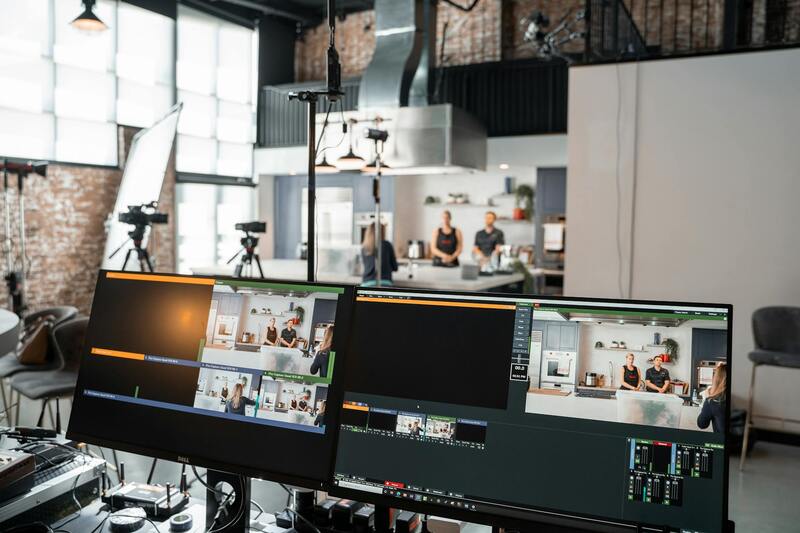
Implementing Proper Camera Settings
The choice of camera settings significantly impacts image quality. Adjustments to aperture, shutter speed, and ISO are tailored to capture sharp images with depth of field that accentuates interior and exterior details. A wider aperture creates a pleasing background blur, drawing attention to key features, while a tripod ensures stability for long exposures necessary in low-light conditions.
Applying Advanced Techniques like HDR
High Dynamic Range (HDR) imaging allows for balanced exposure across scenes with disparate light levels—such as interiors with large windows or shaded exteriors. By capturing multiple bracketed shots at different exposures and merging them, a professional can produce images that accurately depict the property’s lighting conditions, revealing rich detail in shadows and highlights.
Creative Use of Angles and Perspectives
Choosing the right vantage points can dramatically alter the perception of space. Wide-angle lenses are commonly used to capture more of a room in a single shot, making spaces appear larger. Unique perspectives, such as shooting from a corner or at eye level, provide depth and dimension that make the images more dynamic. Drone shots, when used appropriately, offer striking aerial views that showcase property size and landscaping.

By integrating these advanced techniques, a residential real estate photographer ensures that each listing stands out, effectively communicating the property's value and inviting potential buyers to envision themselves living in the space. Developing proficiency in these methods is essential for those aiming to provide top-tier visual content that genuinely represents residential properties in their best light.
Photographic Techniques for Residential Properties
Mastering the art of residential real estate photography involves a comprehensive understanding of specialized techniques that accentuate the property's best features while creating compelling visual storytelling. An adept photographer employs a combination of equipment and creative methods to produce images that resonate with potential buyers, highlighting the home's unique qualities.
One fundamental approach is the strategic use of lens selection. Wide-angle lenses are indispensable in residential photography, allowing the capture of expansive interior spaces in a single frame. This technique not only maximizes the perceived size of rooms but also helps to create a sense of openness that appeals to prospective buyers. It's essential to choose lenses with minimal distortion to maintain accurate proportions, thus preserving the integrity of the space.
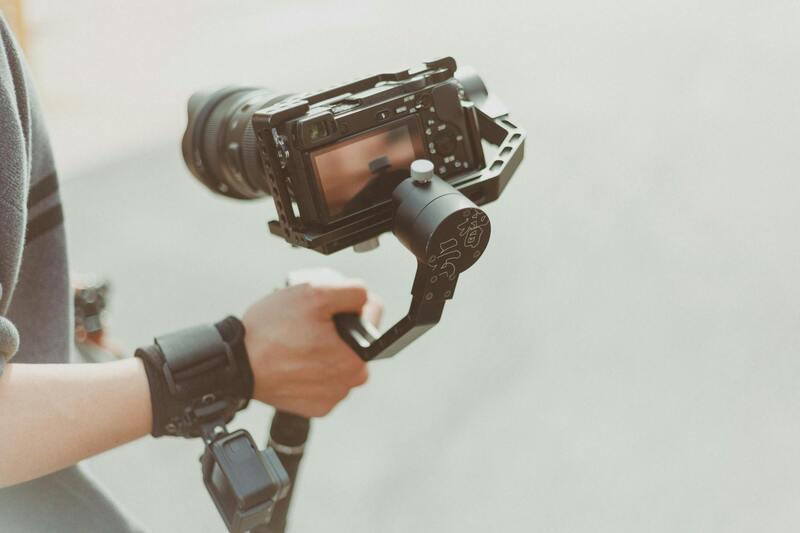
Perspective plays a vital role in how a property is perceived. Shooting from corners of rooms introduces depth, making spaces appear larger and more inviting. Eye-level shots foster a connection with viewers, enabling them to envision themselves within the property. When appropriate, incorporating high or low angles can reveal architectural details or emphasize ceiling height, adding a dynamic element to the portfolio.
Lighting is crucial in creating vibrant and appealing images. Utilizing natural light enhances warmth and authenticity, making spaces feel more lived-in and welcoming. Photographers should schedule shoots during the brightest parts of the day and open curtains to let in sunlight. In areas where natural light is insufficient, supplemental lighting or reflectors help to eliminate shadows and balance the exposure.
Elevation and aerial perspective can significantly elevate the visual appeal of a listing. The use of drones to capture aerial shots offers a comprehensive view of the property's exterior and landscaping. These images convey the scale of the property and its surroundings, providing context that static ground-level shots cannot achieve.
Another advanced technique involves the use of HDR (High Dynamic Range) imaging. This process entails capturing multiple exposures of a scene and merging them to produce a balanced image that accurately represents the lighting conditions. HDR is particularly beneficial in interiors with large windows or complex lighting, ensuring that shadowed areas retain detail without overexposing highlights.
Creative use of specific angles and perspectives helps in storytelling. For instance, capturing a dining area from a corner can showcase an open plan layout, while shots from entry points emphasize the flow and connectivity between rooms. Incorporating clutter-free spaces and decluttered surfaces further enhances the visual clarity and appeal of each image.
Implementing these techniques requires a blend of technical skill and artistic intuition, enabling professional photographers to craft compelling visual narratives that entice buyers and elevate property listings. Each image should aim to balance aesthetic appeal with precise representation, painting a complete picture of what the property offers.
Pricing and Service Packages for Residential Photography
Developing competitive yet sustainable pricing structures is essential for professional residential real estate photographers aiming to serve real estate agents and property owners effectively. A transparent and flexible pricing model not only attracts a broader client base but also facilitates customer loyalty and repeat business.
Typically, pricing can be segmented into various service packages that cater to different property sizes, complexities, and client needs. Standard packages might include a set number of high-resolution images, virtual tours, and drone shots, with premium options offering twilight photography,HDR imaging, or 3D walkthroughs. Clear descriptions of each package enable clients to select services that match their budget and property profile.
It is advantageous to consider bundling services for comprehensive solutions—combining interior photography with exterior shots, aerial footage, and post-processing. Offering tiered packages allows clients to choose based on their specific marketing goals, whether it’s a quick listing update or a high-end showcase for luxury properties.
Pricing should also reflect the regional market dynamics and the level of expertise involved. Conducting market research helps to identify competitive rates while maintaining quality standards. Additionally, providing detailed quotes that break down costs fosters transparency, builds trust, and clarifies the value delivered.
Offering optional add-ons such as virtual staging, floor plans, or social media snippets can enhance the value proposition and cater to diverse marketing strategies. Flexible scheduling and quick turnaround times are also valued services that can differentiate a professional photographer in a competitive market.
Establishing clear terms for revisions and delivery timelines in service agreements minimizes misunderstandings and ensures client satisfaction. Building a strong reputation for reliability and quality can lead to referrals and long-term partnerships within the real estate industry.
Trends and Future Directions in Residential Real Estate Photography
As the real estate market continues to evolve, so does the approach to property presentation through photography. For residential real estate photographers, staying ahead of emerging trends is vital to providing clients with innovative and effective marketing tools. Advancements in imaging technology, digital marketing strategies, and customer expectations are shaping the future landscape of property presentation.
Integration of Virtual Tours and 3D Walkthroughs
One of the most significant shifts in recent years is the widespread adoption of virtual tours and 3D walkthroughs. These immersive experiences allow prospective buyers to explore a property remotely, gaining a comprehensive understanding of layout, space, and flow without physically visiting the property. Photographers are increasingly utilizing specialized software and equipment to create seamless virtual environments, integrating high-quality imagery with interactive elements that mimic an in-person tour.
These virtual presentations not only broaden the reach of property listings but also enhance buyer engagement and confidence in making purchasing decisions. As internet speeds and virtual reality technologies improve, the realism and accessibility of virtual tours are expected to grow, further transforming the property marketing landscape.
Advancements in Virtual Staging Techniques
Virtual staging has revolutionized the way empty or cluttered spaces are presented to potential buyers. Modern virtual staging leverages advanced software to furnish and decorate images digitally, providing viewers with a glimpse of the property's potential. The future of virtual staging lies in hyper-realistic, fully customizable visuals that can adapt to different design styles and target markets.
Photographers and digital artists are continuously refining virtual staging techniques to make them more convincing and appealing. This trend reduces costs associated with traditional staging and offers flexibility to adapt decor styles to specific buyer preferences, thus boosting the property's appeal.
Embracing Drone Photography and Aerial Content
While drone photography has been a part of residential property marketing for some time, its role is expanding as drone technology becomes more accessible and sophisticated. High-resolution aerial imagery and videos provide unique perspectives of a property and its surroundings, highlighting features such as landscaping, outdoor amenities, and neighborhood character.
In the future, integrated aerial content might include 4K video tours and 360-degree aerial panoramas, delivering an even more captivating visual experience. As drone regulations continue to evolve, professional photographers will need to stay informed about compliance to maximize the benefits of aerial imaging legally and ethically.
The Growing Role of AI and Automated Editing
Artificial intelligence (AI) and automated editing tools are rapidly transforming post-processing workflows. AI-powered software can enhance image quality, correct distortions, and perform dynamic adjustments faster and more accurately than traditional methods. These innovations enable photographers to deliver polished results within shorter turnaround times without compromising quality.
As these technologies mature, they will likely become integral to the residential real estate photography process, offering clients consistently high-quality images that meet diverse marketing needs. The emphasis will remain on capturing the property’s best features while leveraging automation for efficiency and precision.
Data-Driven Marketing and Interactive Content
Future trends also point toward more data-driven approaches, where images and videos are integrated into broader digital marketing campaigns that leverage analytics and targeted outreach. Interactive content—such as clickable floor plans, 360-degree views, and hyperlinks—can bring listings to life, increasing viewer engagement and generating more leads.
Residential real estate photographers who adapt to these innovations and collaborate closely with marketing teams can provide comprehensive visual solutions that align with contemporary real estate strategies.