
Importance of Video Marketing for Real Estate Agents
In the highly competitive real estate industry, visual content has become a critical tool for agents aiming to stand out in crowded markets. Video marketing transforms traditional property listings into immersive experiences that captivate potential buyers before they even schedule a tour. By leveraging high-quality real estate videos, agents can showcase properties from unique angles, highlight key features, and convey the ambiance of a space in a way that static images simply cannot achieve. This dynamic form of marketing significantly enhances engagement, encouraging prospective clients to spend more time exploring listings and developing a genuine interest in the property.
Additionally, videos play a vital role in building trust and credibility. When clients see professional footage of a property, they perceive the agent as committed to quality and detail. Videos are especially effective in reaching remote or international buyers, expanding an agent’s reach beyond the local market. The integration of virtual walkthroughs and drone footage enables the presentation of large or complex properties more effectively, increasing the likelihood of quicker sales and higher transaction values.
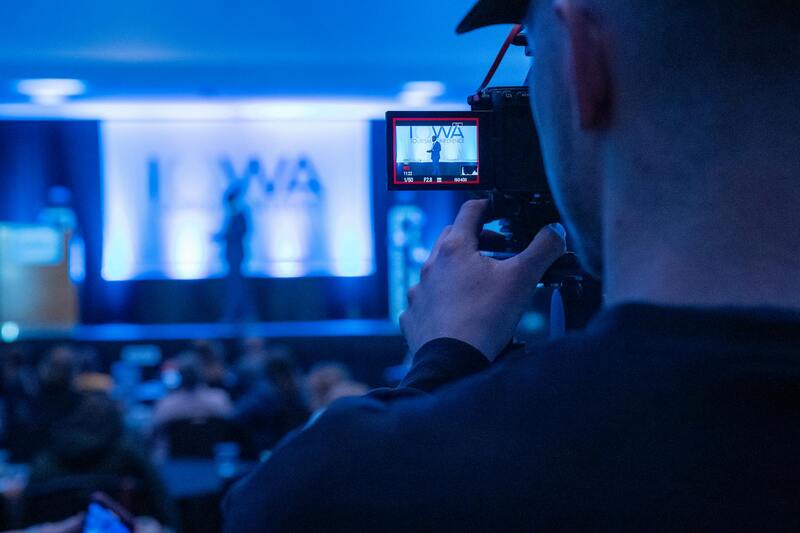
Statistics indicate that properties promoted with video content receive significantly more views and engagement than listings relying solely on images and text. This heightened exposure translates into more inquiries, showings, and offers—ultimately leading to faster transactions. As the digital landscape continues to evolve, having a compelling video marketing strategy is no longer optional but essential for real estate professionals seeking to maintain a competitive edge in an ever-changing market.
Types of Real Estate Videos
To maximize marketing impact, real estate agents utilize various types of video content tailored to their target audience and property type. These include:
- Property Walkthroughs: Detailed tours that guide viewers through the entire property, emphasizing layout, space, and distinctive features.
- Drone Footage: Aerial videos showcasing the property’s exterior, landscaping, and surrounding neighborhood, offering perspective unavailable in still images.
- Neighborhood Tours: Videos highlighting local amenities, schools, parks, and community features to attract buyers interested in lifestyle.
- Client Testimonials: Authentic stories from satisfied clients enhance credibility and build trust with prospects.
- Market Updates and Promotions: Informative videos that keep clients informed about market trends or special property promotions.
Mobile and Equipment Essentials
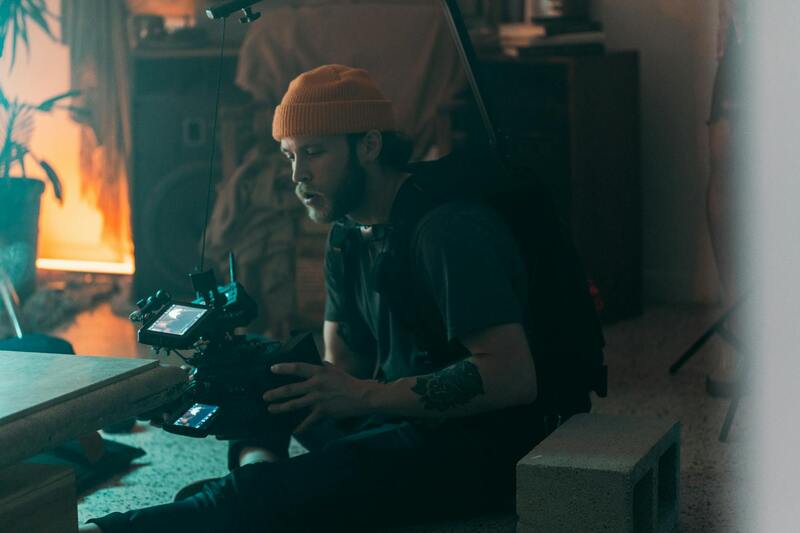
Producing high-quality real estate videos requires appropriate equipment and an understanding of mobile capabilities. Modern smartphones equipped with advanced camera systems can capture impressive footage if used properly, but professional-grade equipment consistently delivers superior results. Essential tools include tripods to ensure stability, wide-angle lenses to capture more of a room, and external microphones for clear audio during voiceovers or client testimonials.
In addition to hardware, using proper lighting and maintaining steady shots are crucial for achieving polished videos. Natural lighting is preferred whenever possible, complemented by portable LED lights to brighten interior spaces. Investing in stabilizers or gimbals helps achieve smooth camera movement, especially during walkthroughs or aerial shots. A well-equipped mobile setup allows agents and production teams to capture compelling content efficiently, whether filming on-site or capturing B-roll footage for post-production polishing.
Types of Real Estate Videos
Creating diverse video content tailored to the needs and interests of potential buyers enhances engagement and showcases properties in the best light. Different formats serve unique purposes and appeal to various segments of the market, ensuring comprehensive property presentation and maximum visibility.
Property Walkthroughs
These videos offer a detailed, room-by-room exploration of a property, allowing viewers to experience the layout and flow as if they were physically present. High-quality walkthroughs highlight interior features, finishes, and spatial relationships, helping buyers assess if a home meets their needs. Incorporating smooth camera movements and well-planned shots can elevate the perception of the space, making it more appealing.
Listing Showcases
Dedicated videos focusing on a specific property often include an exterior overview, key interior features, and special amenities. These comprehensive presentations are especially effective on listing platforms and social media, capturing potential buyers' interest quickly. Highlighting unique selling points, such as a renovated kitchen or a stunning backyard, can create a memorable impression.
Drone Footage
Aerial videos captured via drone provide a captivating perspective of a property’s surroundings, landscape, and neighborhood context. Drones can showcase expansive estates, waterfront properties, or large lots, adding a dramatic, cinematic quality to the marketing. Ensuring proper altitude, smooth flight paths, and steady footage enhances the overall professionalism and impact of drone videos.
Testimonials
Videos featuring satisfied clients sharing their positive experiences bolster credibility and trustworthiness. Authentic stories resonate with prospective buyers and sellers, humanizing the transaction process. Testimonials can be filmed on-site or in a controlled environment, with clear audio and natural settings to maximize impact.
Neighborhood Tours
Highlighting local amenities, schools, parks, and community features through video paints a vivid picture of the area’s lifestyle. These videos attract buyers interested in the neighborhood's environment, not just the property. Well-structured tours including voiceovers or captions help convey key benefits and create a sense of place.

Mobile and Equipment Essentials
Producing high-caliber real estate videos for agents requires appropriate tools and equipment that ensure clarity, stability, and compelling visual presentation. The foundation begins with a reliable smartphone featuring a high-resolution camera, as modern smartphones often possess the necessary specs to capture detailed footage. Pairing this device with stabilization accessories, such as gimbals, significantly enhances footage smoothness, especially during walk-through shots and dynamic movement sequences.
Lighting is another critical component. While natural light often suffices during daytime shoots, supplementary lighting kits help eliminate shadows and highlight interior features effectively, particularly in low-light environments. Portable LED panels or soft boxes provide adjustable illumination that accentuates property details without creating harsh shadows or unnatural color tones.
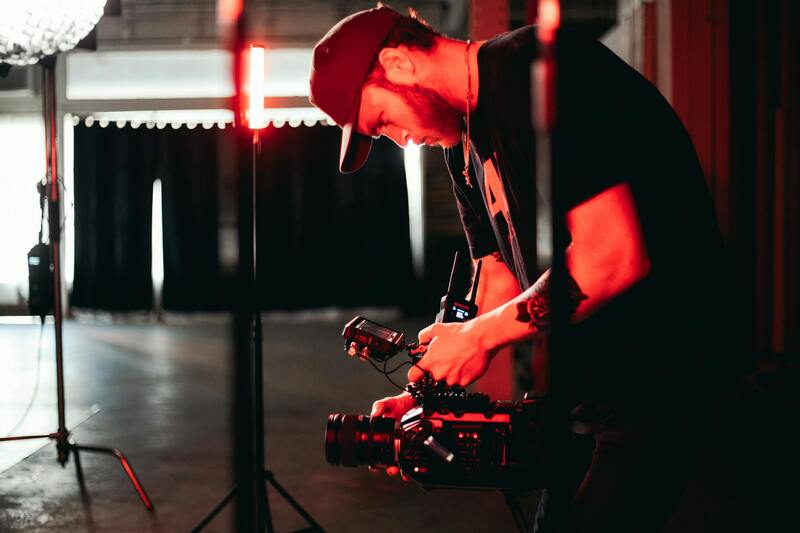
For audio clarity, especially in testimonial or neighborhood tour videos, external microphones such as shotgun or lavalier mics are recommended. Clear, crisp audio is crucial to convey information effectively and maintain viewer engagement. Additionally, investing in a quality tripod ensures stable shots when filming static scenes or highlighting specific property features.
Post-production efficiency depends on robust editing software capable of handling high-definition footage. Programs like Adobe Premiere Pro, Final Cut Pro, or DaVinci Resolve offer comprehensive editing tools to refine footage, add transitions, incorporate captions, and enhance visual appeal. For agents new to video editing, user-friendly options like iMovie or Filmora provide accessible yet powerful platforms to assemble professional-quality videos.
Best Practices for Shooting Real Estate Videos
Successful real estate videography begins with meticulous planning. Agents should develop a shot list that emphasizes key property features, ensuring comprehensive coverage. Prioritize well-lit times of the day, typically during golden hour, for exterior shots to leverage natural lighting. When capturing interior spaces, maintain wide-angle shots to maximize spatial perception, but avoid distortion by selecting appropriate lenses.
Movement should be deliberate and smooth; avoid jerky motions by using stabilizers. Incorporate diverse shot types, including wide exterior shots, detailed interior close-ups, and walkthrough sequences to maintain viewer interest. Consistent framing and steady pacing throughout the video also play vital roles in creating a polished final product.
Editing and Post-Production Tips
Editing serves as the finishing touch to elevate raw footage into compelling visual stories. Begin by selecting the best takes and arranging them cohesively to tell a clear narrative. Utilizing color correction and grading enhances visual consistency and highlights the property’s aesthetic appeal.
Adding textual overlays like property details, contact information, or neighborhood highlights can improve clarity and engagement. Sound design, including background music and natural ambient sounds, should complement the visuals without overwhelming the viewer. Tight editing, with a focus on pacing, ensures the final presentation remains dynamic and impactful, usually within a 2-3 minute duration to maintain viewer attention.
Distribution and Promotion Strategies
Once produced, distributing videos via multiple channels maximizes reach. Embedding videos on property listings, websites, and email campaigns ensures prospective buyers access visually engaging content directly linked to the property. Social media platforms such as Facebook, Instagram, and LinkedIn serve as powerful tools for targeted advertising and organic sharing, broadening visibility within specific demographics.
Optimizing video titles, descriptions, and hashtags increases discoverability in search engines and platform algorithms. Regularly updating content with fresh videos for new listings and neighborhood events sustains audience engagement. Collaborating with local influencers and leveraging community groups also amplifies exposure, positioning the agent as a knowledgeable area specialist.
Local Market Considerations in Miami
In Miami's competitive real estate landscape, videos that highlight the city’s unique lifestyle, vibrant neighborhoods, and scenic coastal views tend to resonate strongly with local and international buyers. Emphasizing waterfront access, luxury amenities, and cultural attractions can distinguish listings from others. Tailoring content to address the preferences of Miami’s diverse demographic segments—whether high-net-worth individuals, expatriates, or young professionals—enhances relevance and appeal.
Including local testimonials, showcasing community events, and emphasizing proximity to key landmarks enriches the storytelling aspect of your videos. With Miami’s dynamic real estate market, consistent quality production and strategic distribution are crucial in capturing attention and converting viewers into clients.
Editing and Post-Production Tips
Effective editing transforms raw footage into compelling real estate videos that captivate viewers and communicate the property’s unique features with clarity and professionalism. Precision in post-production enhances the visual appeal, ensures a cohesive narrative, and reinforces branding consistency, ultimately increasing the video’s effectiveness as a marketing tool.
Color Correction and Enhancement
Adjusting color balance and brightness levels ensures that each room appears inviting and true to life. Subtle enhancements, such as warming tones in living spaces or cooling effects for waterfront views, can evoke specific emotional responses. Proper color grading not only improves aesthetic quality but also helps maintain a consistent look across multiple videos, which reinforces brand recognition.
Sound Design and Audio Editing
Clear, balanced audio is crucial for communicating key property details and creating an engaging experience. Removing background noise, adding ambient sounds where appropriate, and incorporating professional voiceovers can greatly improve viewer engagement. Complementary background music should be chosen carefully to match the property’s ambiance without overpowering the narration or dialogue.
Graphics, Text Overlays, and Branding
Incorporating stylish graphic overlays such as property specifications, contact information, and branding elements helps viewers retain essential details. Use of animated titles and labels can emphasize highlights like grand features or unique selling points, making the property more memorable. Consistent use of branding fonts, colors, and logos maintains a professional appearance and ensures your content aligns with your overall marketing identity.
Seamless Transitions and Effects
Employing smooth transitions between shots maintains viewer interest and presents a polished final product. Avoid overusing flashy effects; instead, choose subtle, professional transitions that support the flow of the narrative. Strategic use of zooms, pans, and time-lapses can highlight specific features while keeping the viewer engaged.
Creating Engaging Thumbnails and Titles
An eye-catching thumbnail combined with an optimized title entices potential viewers to click and watch the full video. Thumbnails should showcase the most visually striking aspect of the property, while titles need to accurately reflect the content—using relevant keywords related to real estate and location to boost discoverability.
Distribution and Promotion Strategies
Maximizing the reach of your real estate videos involves a strategic approach to distribution and promotion. Selecting the right channels, timing, and audience targeting can significantly influence engagement and lead conversion. Creating a comprehensive plan ensures that your investment in video production delivers optimal results across multiple touchpoints.
Leveraging Social Media Platforms
Sharing high-quality videos on platforms such as Instagram, Facebook, YouTube, and LinkedIn taps into diverse audiences. Each platform offers unique opportunities for targeted advertising and organic sharing. Short teaser clips or snippets can generate interest and drive traffic to the full-length videos hosted on your website or listing platforms.
Embedding Videos on Property Listings
Embedding videos directly into your online property listings provides potential buyers with a dynamic view of the property. This multimedia approach increases engagement, reduces bounce rates, and compels viewers to spend more time examining the property details. An optimized listing with embedded video can also improve search engine ranking, attracting more organic traffic.
Email Campaigns and Newsletters
Personalized email campaigns that include video content can enhance client relationships and nurture leads. Well-crafted emails showcasing recent video tours, neighborhood highlights, or market updates keep your audience informed and engaged. Incorporating call-to-action prompts encourages viewers to contact you or schedule viewings.
Utilizing Local Influencers and Community Networks
Partnering with local influencers or community groups amplifies your videos' exposure within targeted markets. Collaborations can take various forms, including shared content, sponsored posts, or community event coverage. This approach positions you as a key player in the local real estate scene and builds trust among potential clients.
Investing in Search Engine Optimization (SEO)
Optimizing your video titles, descriptions, and tags with relevant keywords enhances visibility in search results. Implementing SEO best practices ensures your content ranks higher when prospects search for realtor services or property types in Miami, increasing organic traffic and generating qualified leads.
Post-Production Enhancements for Real Estate Videos
Effective post-production is crucial in transforming raw footage into polished, compelling real estate videos that captivate viewers and elevate the property's appeal. This phase involves several strategic editing techniques designed to enhance visual consistency, reinforce branding, and ensure the final product meets professional standards.
- Color Correction and Grading: Adjusting color tones to ensure the property appears vibrant and inviting. Proper color grading helps create a warm, welcoming atmosphere or a sleek, modern feel, depending on the target market and property style.
- Adding Captions and Text Overlays: Incorporating descriptive text, property details, or call-to-action prompts can guide viewers' attention and provide essential information throughout the video.
- Incorporating Background Music: Selecting appropriate background music elevates the viewing experience. The music should be subtle, unobtrusive, and aligned with the property's mood to evoke a desired emotional response from potential buyers.
- Brand Integration: Including company logos, contact information, and branding elements enhances brand recognition. These can be seamlessly integrated into the video’s opening or closing sequences to maintain consistency across marketing materials.
- Transitions and Effects: Employing smooth transitions and tasteful visual effects can make the video more engaging while maintaining a professional look. Overuse of effects should be avoided to preserve authenticity and focus on the property's features.
Optimizing Videos for Distribution and Reach
Once editing is complete, strategic deployment of the videos ensures maximum visibility and engagement with your target audience. This involves selecting appropriate platforms and tailoring content for each channel to resonate effectively.
- Social Media Platforms: Sharing videos across popular channels such as Instagram, Facebook, and LinkedIn increases exposure to different demographics. Short, engaging clips work well for social media, accompanied by compelling captions and relevant hashtags.
- Website Integration: Embedding high-quality videos within property listings and your agency’s website enhances user experience. An intuitive layout coupled with multimedia content helps visitors navigate and retain information longer.
- Email Campaigns: Sending targeted email newsletters featuring recent property videos boosts client engagement and encourages sharing among potential buyers and investors.
- Video Hosting Services: Using reliable video hosting platforms ensures seamless playback and faster load times. These services also often offer analytics that help track viewer engagement and optimize future content strategy.
Consistent promotion, combined with the strategic use of analytics, allows real estate agents in Miami to refine their video marketing efforts effectively. Leveraging these fundamental distribution methods ensures that high-quality property videos reach the right audience, attract serious buyers, and ultimately, drive sales.
Professional and Secure Filming Practices
Executing high-quality real estate videos requires a disciplined approach to filming procedures that uphold professional standards. This entails using authorized equipment and adhering to industry best practices to ensure clear visuals and high audio fidelity. It is crucial to secure necessary permissions when filming on private property or in restricted areas. Establishing clear agreements with property owners and stakeholders prevents misunderstandings and fosters a smooth production process.
Prior to filming, conducting a comprehensive site survey helps identify potential challenges, such as lighting conditions, space constraints, or nuisances that could impact footage quality. Utilizing lawful access points and designated pathways not only respects property boundaries but also streamlines the filming workflow.
Safety protocols should be rigorously followed, especially when operating drone cameras or heavy equipment. This involves obtaining relevant certifications and adhering to local regulations, which delineate safe operational procedures for aerial and ground-based filming. Maintaining liability coverage further safeguards all parties involved, reinforcing professionalism.
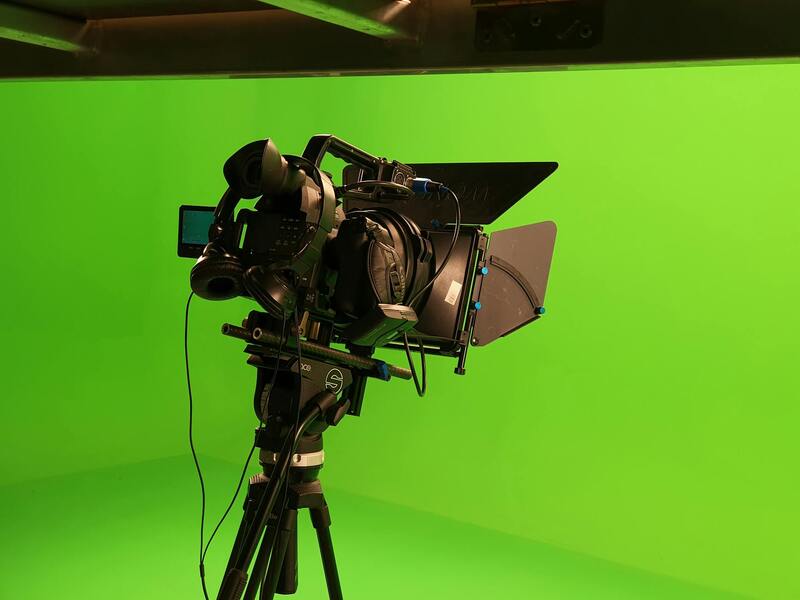
The choice of equipment warrants careful consideration. Professional-grade cameras and stabilizers deliver sharp, smooth footage, while appropriate lighting kits compensate for low-light environments. Additionally, utilizing tripod mounts and dollies helps achieve steady shots, essential for showcasing properties in a compelling way.
During filming, capturing multiple angles and sequences provides editing flexibility, enabling the creation of polished and engaging final videos. Efficiently managing logistical aspects, such as access times and power sources, minimizes disruptions and ensures a seamless shoot.

Effective Techniques for Showcasing Property Features
Highlighting the unique features of a property through professional videography is essential for attracting prospective buyers and presenting listings in the best light. Employing methods such as careful staging, strategic camera angles, and optimal lighting helps emphasize a property's strengths, whether it's spacious interiors, modern appliances, or scenic views. Incorporating smooth camera movements, such as sliders or stabilizers, ensures dynamic yet stable shots that guide viewers seamlessly through the space.
Additionally, incorporating aerial shots with drone footage can provide a comprehensive overview of the property and its surroundings, especially for large estates or waterfront homes. Interior walkthroughs should be conducted with attention to detail—focusing on key rooms like the kitchen, master bedroom, and outdoor living spaces—to create a narrative that resonates with potential buyers.
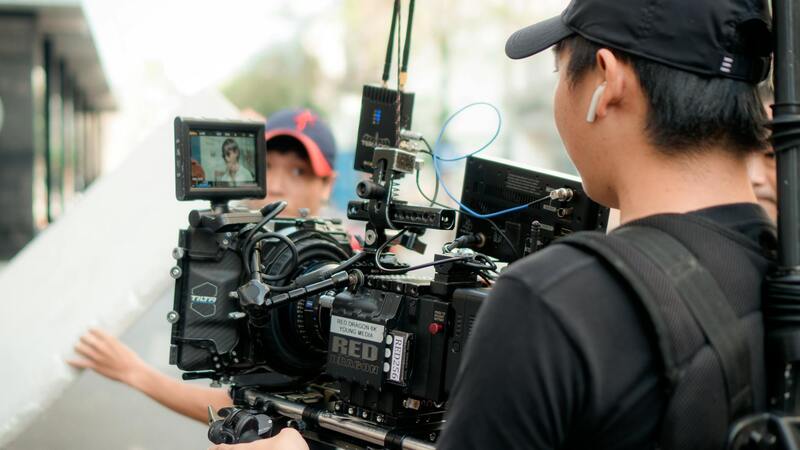
Use natural light whenever possible, selecting times of day that enhance the property's warmth and appeal, commonly during the golden hour. On-camera talent or narrators can add value by providing context and emphasizing the property's unique selling points, creating a more engaging experience for viewers. Seamless transitions and well-planned sequences maintain viewer interest and elevate the professionalism of the final product.
Optimizing Video Content for Different Platforms
To reach a broader audience, videos should be formatted and optimized for various digital channels. For website listings, high-resolution videos embedded with well-crafted descriptions increase engagement and time spent on a listing. When sharing on social media, shorter clips or teasers that highlight key features can generate interest and direct traffic to full-length videos hosted on the site.
Ensure that videos are compatible with mobile devices, as a significant portion of viewers access property content via smartphones or tablets. This involves using responsive video players and considering aspect ratios suitable for different platforms. Adding relevant metadata, including keywords and location tags, improves discoverability in search results, attracting targeted regional audiences interested in Miami real estate.
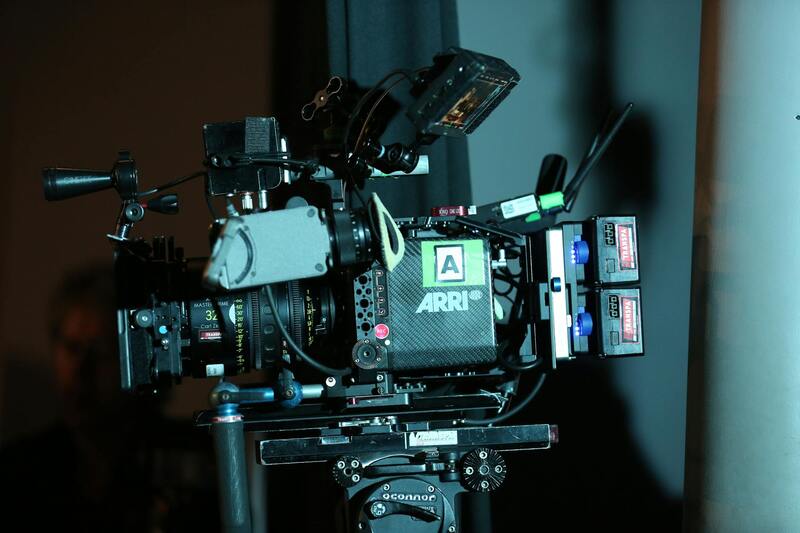
Implementing a strategic distribution plan, such as scheduling posts during peak engagement times and utilizing targeted advertising, amplifies reach and visibility. Consistent branding across all videos with professional overlays, logos, and contact information reinforces your agency’s presence and professionalism in the Miami market.
Monitoring Performance and Gathering Feedback
Regularly analyzing viewer engagement metrics, such as watch time, click-through rates, and audience demographics, provides insights into the video’s effectiveness and areas for improvement. Soliciting feedback from clients and colleagues helps refine your videography approach, ensuring future content remains relevant and compelling.
Tracking these analytics enables adjustments in content style or distribution strategies, ensuring your property videos continue to resonate with prospective buyers and stand out in Miami’s competitive real estate landscape. Prioritizing quality, consistency, and regional relevance ensures your video marketing efforts translate into tangible results and a stronger market presence.
Maximizing the Impact of Video Content in Miami's Real Estate Market
To ensure your real estate videos resonate with potential buyers and uphold your brand's professionalism, it is crucial to focus on meticulous deployment strategies. This includes utilizing official online channels and strategic outreach methods that align with industry standards and regional preferences.
Leveraging Certified Platforms for Distribution
Disseminating video content through recognized and reputable platforms enhances visibility and credibility. Real estate agents should prioritize established video hosting sites that support embedded content, comprehensive metadata, and analytics, such as YouTube or Vimeo. These platforms offer advanced features like customizable thumbnails, chapter markers, and SEO-friendly descriptions, which help improve search engine rankings and make property videos more discoverable by targeted audiences.
Embedding videos on your official website or IDX listings is equally vital. This practice not only increases dwell time—an important SEO metric—but also ensures viewers stay engaged within your digital ecosystem. Optimizing videos for fast loading times and mobile compatibility prevents potential viewers from abandoning content due to technical issues.

Implementing Data-Driven Campaigns
Adopting a data-informed approach to video promotion maximizes efficiency and ROI. By carefully analyzing engagement metrics—such as view count, duration, and geographic data—agents can refine targeting strategies and content themes. A/B testing different promotional approaches, such as varying ad creative or audience segments, allows continuous optimization for regional preferences.
Utilizing paid advertising through social media and search engines enables pinpoint targeting of Miami's diverse buyer demographic, including first-time homebuyers, luxury estate investors, and seasonal residents. Customized campaigns that specify geographic area, specific property features, and demographic interests improve conversion rates while reinforcing your presence within Miami’s vibrant real estate landscape.
Synchronizing Offline and Online Strategies
Complementing digital efforts with traditional promotional methods—such as open house signage featuring QR codes linking directly to property videos—bridges offline and online engagement. This multi-channel approach ensures broader exposure, especially among local prospects who might prefer face-to-face interactions or print media.
Hosting virtual tours via live streaming platforms or exclusive preview events online can also generate buzz and immediate engagement. Promoting these events through targeted emails, SMS campaigns, and social media ensures your video content reaches the right audiences, fostering trust and a sense of urgency that is crucial in Miami’s dynamic market.
Continuous Evaluation and Adaptation
Regular review of campaign performance allows real estate professionals to adapt tactics proactively. Tools like Google Analytics and social media insights provide nuanced reports on viewer demographics and behavior, guiding content modification and placement strategies. Soliciting direct feedback from clients and prospects during and after viewings additionally offers qualitative insights to refine future video productions.
This iterative process ensures your video marketing remains relevant and engaging, establishing your agency as a trusted authority in Miami real estate. High-quality, strategically distributed content showcases properties effectively, attracts qualified leads, and ultimately contributes to successful transactions in Miami’s competitive real estate environment.