
Introduction to Virtual Real Estate Photography
Virtual real estate photography has revolutionized the way properties are showcased to prospective buyers. By utilizing digital imaging technology, high-quality visuals capture the essence of a property's interior and exterior spaces, allowing viewers to explore a property remotely. In the competitive Miami real estate market, where luxurious homes and vibrant neighborhoods attract global attention, these virtual tools provide a significant advantage for real estate professionals.
Official virtual photography methods rely on sophisticated cameras, drones, and advanced editing Software to produce images that accurately represent the property’s features. These images are meticulously crafted to highlight the architectural details, interior design, and neighborhood surroundings, providing potential buyers with an immersive experience. Virtual real estate photography not only broadens the reach of listings but also expedites the decision-making process by offering detailed visual insights upfront.
In Miami, where waterfront estates, modern condos, and historic properties are in constant demand, virtual tours and high-resolution images serve as essential components in the marketing strategy. They help convey the ambiance, space, and beauty of a property, often leading to increased inquiries and quicker sales. The increasing adoption of this technology underscores its effectiveness in today’s digital-first real estate landscape.
Key Techniques and Equipment
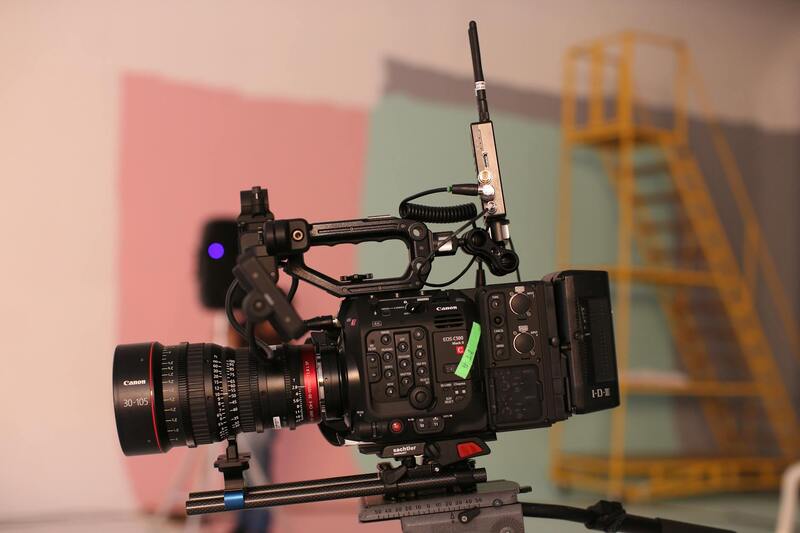
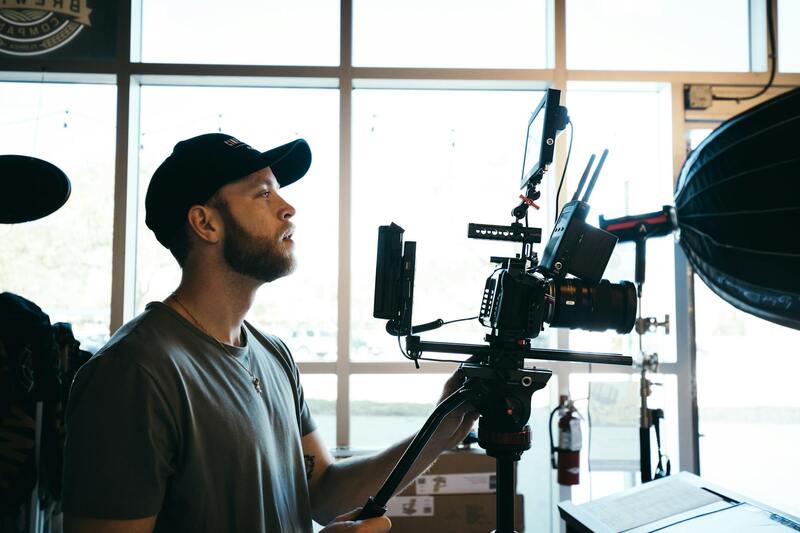
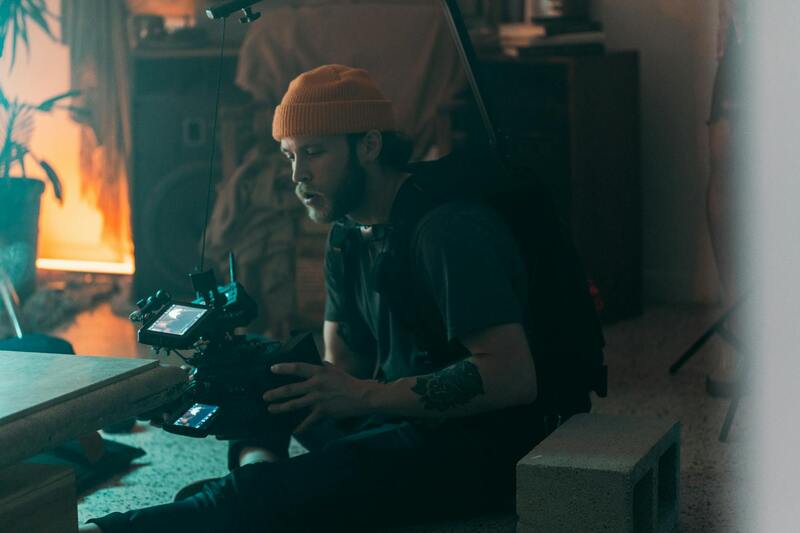
Executing high-quality virtual real estate photography requires an array of specialized techniques and equipment designed to capture properties with precision and clarity. Professionals in this field rely on high-resolution digital cameras, such as full-frame DSLR or mirrorless models, equipped with wide-angle lenses to encompass broader spaces within a single shot. These lenses are vital for showcasing interior rooms, giving viewers a sense of spaciousness and flow, which is crucial for effective online listings.
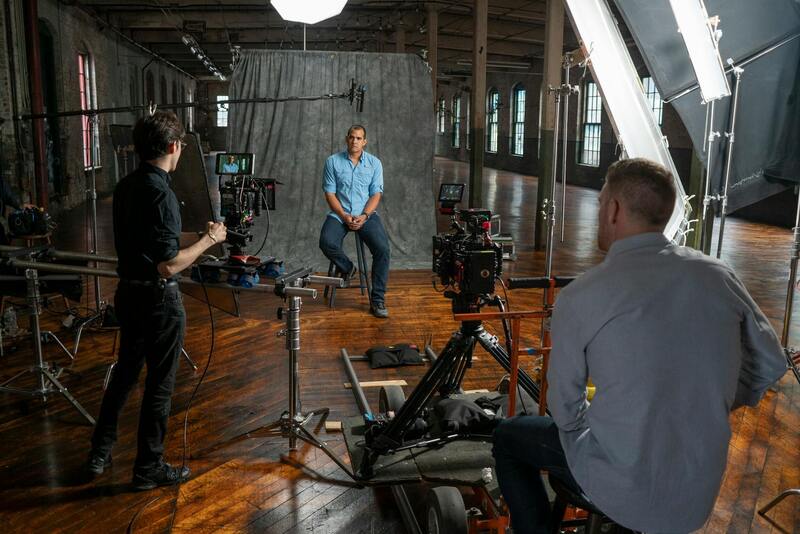
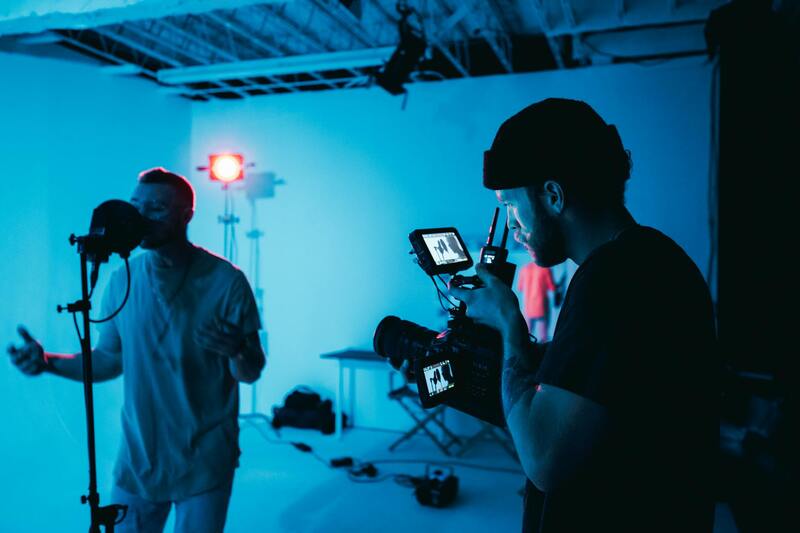
In addition to camera gear, stabilizing equipment like tripods and gimbals ensures sharp images free from motion blur, especially when capturing expansive rooms or detailed architectural features. Proper lighting plays a significant role; natural light is preferred whenever possible, complemented by professional lighting setups that eliminate shadows and highlight key features of a property.
Post-production editing is equally essential. Advanced software like Adobe Photoshop and Lightroom allows photographers to enhance image clarity, correct color balance, and remove minor distortions or imperfections. These refinements ensure each image accurately portrays the property’s true appearance, creating a compelling visual experience for prospective buyers.
Moreover, 3D imaging and virtual staging software can add depth and virtual furnishings to empty spaces, providing potential buyers with contextual perspectives of how the property might look furnished and lived in. These technological integrations offer an immersive experience, which can significantly influence a buyer’s interest.
Creating Effective Virtual Property Tours
Virtual tours extend static images into interactive experiences, allowing viewers to navigate through a property as if they are physically present. Achieving this requires specialized panorama and 3D scanning equipment, like 360-degree cameras equipped with multiple lenses or LiDAR scanners that capture spatial data.
The process begins with careful planning of tour routes to ensure all key areas are covered smoothly. Photographers or tour creators then stitch together multiple images or scans using dedicated software, resulting in seamless navigable environments.
The lighting and angles are crucial during captures, as they influence the authenticity and appeal of the virtual walkthrough. The goal is to create a realistic and engaging experience that highlights the property’s unique features, flow, and layout.
High-quality virtual tours can include narration, background music, and hot spots pointing to detailed features or additional information, further enriching the viewer experience. Such features help simulated visitors decide with confidence and significantly improve engagement metrics.
Key Techniques and Equipment
Producing compelling virtual real estate photography relies heavily on a combination of advanced techniques and specialized equipment. High-resolution 360-degree cameras form the backbone of immersive virtual tours, capturing panoramic shots that allow viewers to navigate spaces seamlessly. These cameras often feature multiple lenses capable of capturing a full sphere of imagery in a single shot, ensuring that every angle of a property is detailed with clarity.
LiDAR scanning technology has become increasingly vital in creating precise 3D models of interior spaces. This laser-based system measures distances with remarkable accuracy, generating spatial data that can be integrated into virtual walkthroughs. When combined with high-quality imagery, LiDAR allows for the development of highly detailed, interactive environments that reflect real-world dimensions—enabling potential buyers to explore properties remotely with confidence.
Drone photography adds a valuable dimension, especially for properties with expansive outdoor spaces or unique architectural features. Drones equipped with high-definition cameras provide aerial perspectives that are difficult to achieve through traditional methods, showcasing the property's exterior, landscape, and surrounding amenities from vantage points that highlight its full appeal.
The process of creating virtual real estate visuals also involves strategic lighting and positioning. Photographers utilize studio lighting techniques and optimal angles to accentuate a property’s best features, ensuring that images and scans are both vibrant and authentic. Post-processing software plays an important role in stitching images, correcting color disparities, and removing imperfections, ultimately elevating the quality of the final product.
Legal and Ethical Considerations in Virtual Real Estate Photography
Implementing virtual real estate photography requires adherence to essential guidelines that uphold integrity and foster trust between sellers, agents, and potential buyers. Ensuring accuracy in visual representations is critical; virtual tours and images must faithfully depict the property's true condition, layout, and dimensions. This honesty in presentation not only maintains the reputation of real estate professionals but also minimizes the risk of misunderstandings or misrepresentations that could lead to disputes.
When capturing images or creating virtual environments, securing proper authorization and rights is paramount. This includes obtaining consent from property owners and ensuring that all visual content aligns with existing contracts or privacy agreements. Carefully respecting privacy considerations—such as avoiding the inclusion of personal belongings or confidential areas—further demonstrates a commitment to ethical standards.
To maintain high standards, professionals should avoid techniques that could manipulate perception unfairly. For example, overly altering images through post-processing to exaggerate a property's size or features can mislead viewers. Transparency about editing practices and maintaining consistency between virtual visuals and on-site conditions ensures prospective buyers make informed decisions based on reliable data.
Moreover, compliance with industry best practices involves protecting client confidentiality and cybersecurity. Safeguarding digital files, secure hosting of virtual tours, and safeguarding personal information collected during virtual viewings are essential measures. These steps help reinforce confidence in the virtual real estate experience and uphold the industry’s reputation for ethical conduct.
Legal and Ethical Considerations in Virtual Real Estate Photography
Maintaining professionalism and integrity in virtual real estate photography is fundamental to fostering trust among clients and prospective buyers. This involves adhering to regulations that govern the use of visual content, ensuring that representations are truthful and transparent, and respecting privacy constraints. The process begins with securing explicit consent from property owners before capturing or disseminating virtual images or virtual tours. Proper documentation of permissions helps avoid misunderstandings and clarifies the scope of permissible use.
It is essential to accurately depict the property’s condition without exaggeration. Using advanced editing tools to enhance lighting or showcase certain features is acceptable, but alterations should not distort the property's true appearance or size. Clear disclosure about any post-processing applied helps maintain credibility and ensures viewers receive a genuine representation of the property.
Respect for privacy is equally crucial. Virtual photography should exclude private or sensitive areas, personal belongings, or confidential documents. When capturing virtual tours, virtual photographers need to be vigilant about camera angles and scope to prevent the inadvertent inclusion of such items. This not only upholds ethical standards but also protects the interests of all parties involved.
Cybersecurity and data protection are integral to the ethical delivery of virtual real estate services. Secure storage of digital files, encrypted transmission of virtual tours, and restricted access to confidential information mitigate risks related to data breaches. These measures preserve the integrity of the virtual marketing process and demonstrate commitment to safeguarding client interests.
Complying with these best practices creates a foundation of transparency and professionalism, essential for long-term success and positive reputation in the competitive real estate industry.
Legal and Ethical Considerations
Adhering to Industry Standards and Best Practices
When producing virtual real estate photography, maintaining strict adherence to established industry standards is essential. This involves accurately representing the property without overpromising or underdelivering on its features. Photographers should avoid any manipulation that could mislead potential buyers, such as altering room dimensions or fabricating details. Transparent communication about the methods and tools used ensures clients and viewers understand the authenticity of the virtual presentation. It is vital to respect copyright laws by only using licensed or original content and giving proper attribution when necessary. This approach not only safeguards the integrity of the services provided but also builds trust with clients and viewers.
Respecting Privacy and Confidentiality
Virtual real estate photography should be conducted with a keen awareness of privacy considerations. Sensitive areas, personal belongings, and confidential documents should be excluded from virtual tours to protect the property owner’s privacy. Attention to camera angles and scope prevents the inadvertent capture of private spaces or items that could compromise confidentiality. For instance, avoiding shots that include personal photographs or sensitive information in home offices maintains trust and professionalism. Ensuring that only public and relevant areas are showcased aligns with responsible marketing practices.
Data Security and Digital Integrity
Safeguarding digital content is paramount in virtual real estate photography. This involves implementing robust data protection measures when storing and transmitting virtual tours and related media. Encrypted file transfer protocols and secure servers help prevent unauthorized access or data breaches. Additionally, establishing clear access controls ensures only authorized personnel can view sensitive virtual tour files, preserving client confidentiality and proprietary property information. As virtual tours become integral to property marketing, reinforcing cybersecurity protocols demonstrates professionalism and demonstrates a commitment to protecting client interests. Such measures foster trust and demonstrate the company's dedication to ethical practices in digital marketing.
Transparency and Disclosure
Full transparency regarding post-production edits and enhancements is critical. Virtual photographers should disclose any significant modifications made to the images or tours, particularly if enhancements alter the appearance of the property’s lighting, color, or features. This integrity in communication ensures prospective clients and buyers receive an honest depiction of the property, which is essential in establishing long-term credibility. By maintaining such transparency, virtual real estate photographers reinforce responsible marketing practices and uphold the reputation of their services.
Legal and Ethical Considerations
In the rapidly evolving realm of virtual real estate photography, adherence to established standards around image rights and ethical marketing practices is paramount. Accurate representation of properties is essential to maintain trust with clients, potential buyers, and the broader real estate community.
One fundamental aspect involves securing proper authorization for all visual content used in virtual listings. This includes obtaining clear consent from property owners before capturing images, videos, or immersive tours, ensuring that all visuals are used in accordance with agreed-upon terms. Virtual photographers must also be vigilant about avoiding the use of copyrighted materials or proprietary designs that could infringe on third-party rights, which could compromise the integrity of the listing.
Maintaining authenticity within virtual real estate visuals is a key concern. While post-production enhancements and virtual staging can significantly boost a property's appeal, they necessitate transparent disclosure. Any modifications, such as digital touch-ups or virtual furniture placement, should be clearly communicated to preserve honesty and prevent misleading representations. This transparency helps uphold the trust of prospective buyers and ensures ethical standards are maintained throughout the marketing process.
Additionally, virtual real estate photographers should establish clear protocols for handling client data and virtual content. Respecting privacy preferences and adhering to secure data management practices safeguard sensitive information and reinforce professional standards. These measures not only protect client interests but also enhance the credibility of the virtual marketing approach, ensuring long-term success and trust in the digital property showcase process.
Legal and Ethical Considerations in Virtual Real Estate Photography
Engaging in virtual real estate photography involves adherence to best practices that ensure transparency, respect, and professionalism. Property owners must be informed about the scope and nature of the virtual content being created, which includes obtaining explicit consent before capturing images or producing immersive tours. Clear agreements should outline the intended use of visuals, ensuring all parties are aligned to foster trust and minimize misunderstandings.
Maintaining accuracy in virtual representations is essential. While enhancements such as virtual staging or digital touch-ups can make a property more appealing, they must be disclosed clearly to prevent misrepresentation. This involves informing potential buyers about any modifications made during post-production, which maintains integrity and builds confidence in the virtual marketing process.
Another critical aspect involves avoiding the use of copyrighted materials or proprietary design elements without proper authorization. Virtual real estate photographers need to verify that all visuals are original or appropriately licensed, thereby safeguarding against intellectual property infringements that could compromise the listing’s credibility.
Respecting client privacy and data security is paramount. Virtual photographers are responsible for managing client information in accordance with secure protocols, ensuring that sensitive data is protected from unauthorized access or misuse. These measures support a professional environment where clients feel confident that their property details are handled responsibly, further enhancing the reputation of virtual real estate photography services.
Practicing honest communication about the virtual content's creation, editing, and presentation fosters an environment of trust. This transparency, combined with diligent adherence to ethical standards, strengthens the credibility of virtual property marketing efforts and contributes to sustained success in the competitive Miami real estate landscape.