Overview of 3D House Photography
3D house photography has revolutionized the way real estate is marketed and presented to potential buyers. Unlike traditional photography, which captures static images of property exteriors and interiors, 3D photography employs advanced imaging technologies to create immersive, accurate virtual representations of homes. These representations enable viewers to explore a property interactively, often from the comfort of their own devices, offering a comprehensive understanding of space, layout, and design details. This innovative approach serves multiple purposes within the real estate industry. Primarily, it enhances the online listings of properties, making them more engaging and informative. It allows prospective buyers to virtually walk through homes, gaining a realistic sense of scale and ambiance that static images may not fully convey. Additionally, 3D house photography reduces the need for physical visits, especially for remote or international clients, streamlining the decision-making process. The technological foundation of 3D house photography involves capturing multiple images or scans of a property with specialized equipment. These data points are then integrated into sophisticated software to generate a digital 3D model or virtual tour. This model can be navigated interactively, providing users with an experience akin to exploring the property in person. Overall, this technology not only elevates the visual appeal of real estate listings but also fosters transparency and trust among buyers and sellers. Below is an overview of its core components:
- Interactive Virtual Tours: Enable a seamless walkthrough experience, allowing users to move freely through different rooms and spaces.
- Detailed 3D Models: Offer a comprehensive, scale-accurate representation of property interiors and exteriors.
- Enhanced Visual Fidelity: Incorporate high-quality visuals that faithfully replicate lighting, textures, and materials of the property.
- Accessible and Shareable Content: Facilitate easy distribution across multiple platforms and devices for broader reach.
Key Technologies and Equipment Used
Implementing high-quality 3D house photography relies on a suite of advanced technologies and professional-grade equipment designed to capture comprehensive spatial data with precision. The cornerstone of this process involves the use of specialized laser scanning devices, such as terrestrial LiDAR (Light Detection and Ranging) scanners. These devices emit laser beams to accurately measure the distance to surfaces within a property, creating dense point clouds that serve as the foundation for detailed 3D modeling.
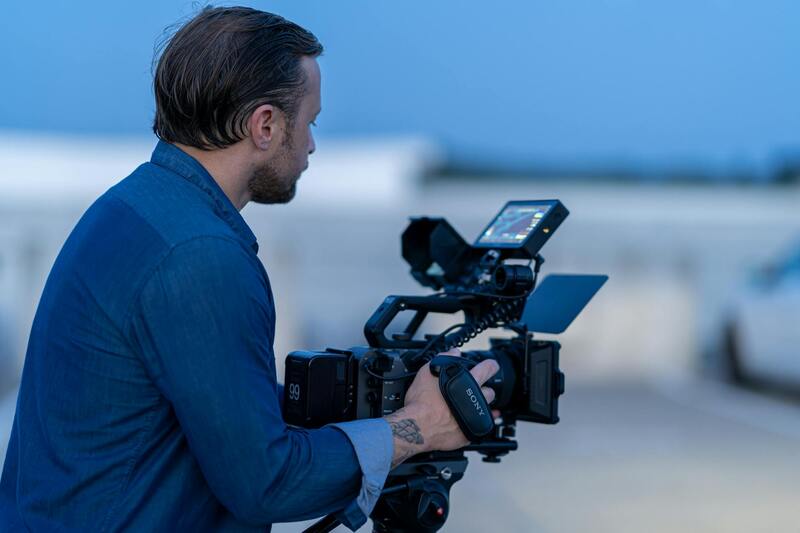
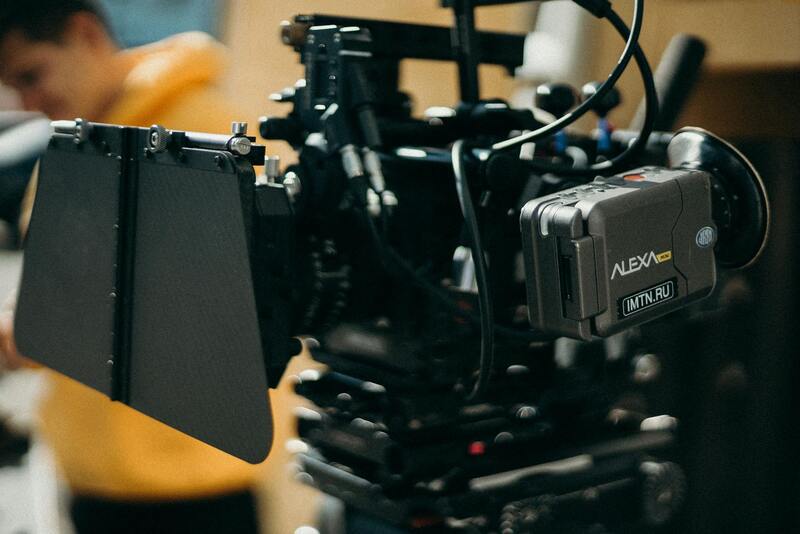
Complementing laser scanning are high-resolution digital cameras, which capture textured imagery to overlay onto the 3D models. These cameras work in tandem with the scanners to generate photospheres and high-detail images, ensuring that exterior and interior visuals accurately reflect real-life textures, colors, and lighting conditions.
Additionally, the process employs sophisticated software platforms dedicated to 3D rendering and virtual tour creation. These platforms process point cloud data alongside imagery to construct interactive models that can be navigated seamlessly across a variety of devices. Software solutions often incorporate features for editing and enhancing visual fidelity, allowing for fine-tuning of textures, lighting simulations, and the addition of informational hotspots.
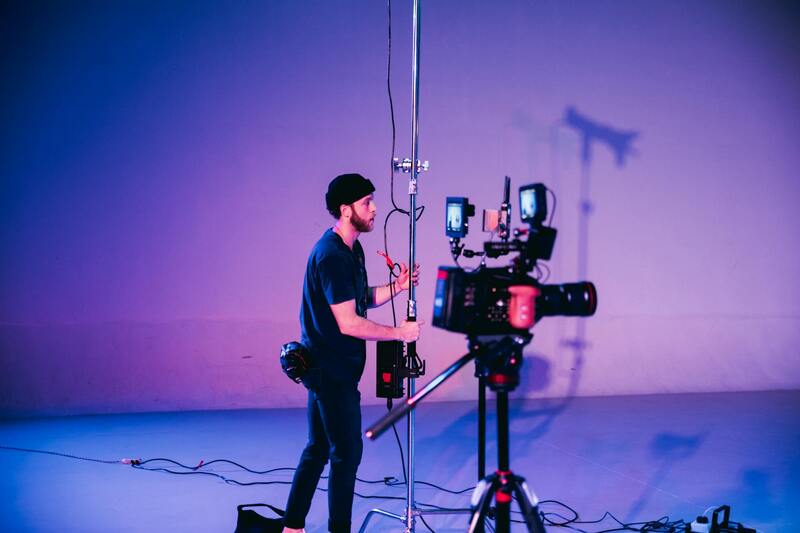
For the capture phase, robotic mounts and stabilized tripods are typically used to ensure steady, precise data collection in various lighting conditions. Drones equipped with 3D imaging sensors may also be employed for property exteriors and hard-to-reach areas, delivering a comprehensive overview of the estate.
Overall, the integration of laser scanning, high-resolution photography, and powerful software significantly elevates the quality and immersive potential of 3D house representations. These tools enable detailed, accurate, and visually compelling virtual spaces that meet the rigorous standards expected in modern real estate marketing.
Key Technologies and Equipment Used in 3D House Photography
Achieving high-quality 3D house visuals relies on a suite of advanced technologies and specialized equipment designed to capture precise and detailed spatial data. Central to this process are state-of-the-art 3D camera systems that can scan environments in full detail, capturing millions of points to generate accurate point clouds. These devices are often accompanied by high-resolution panoramic cameras that provide textured imagery essential for realistic rendering.
Laser scanning, particularly Light Detection and Ranging (LiDAR) technology, plays a fundamental role by emitting laser pulses that reflect off surfaces to measure distances with millimeter accuracy. When combined with panoramic imaging, it produces comprehensive data sets that map both geometry and surface textures, ensuring that every detail from the interior molding to exterior facade is faithfully rendered.
For data collection, stabilization equipment such as robotic mounts, gimbals, and stabilized tripods are employed to maintain camera steadiness, especially in challenging lighting conditions. Drones equipped with 3D imaging sensors are increasingly utilized for exterior shots and hard-to-access vantage points, providing comprehensive aerial perspectives that enhance the overall virtual tour experience.
Complementing the hardware are sophisticated software platforms used for rendering and editing. These include tools capable of processing large point cloud data, overlaying textured imagery, and generating interactive virtual tours. Features such as lighting adjustment, hotspot placement, and texture fine-tuning allow for customization and enhancement of the final visual output.
Through the integration of laser scanners, panoramic imaging devices, stabilization technology, and robust software solutions, 3D house photography achieves a balance of precision, detail, and visual appeal. Such comprehensive setups ensure the final virtual models are immersive, accurate, and ready to attract potential buyers.
Best Practices for Shooting 3D House Tours
Executing high-quality 3D house photography requires adherence to specific best practices that maximize the accuracy and visual appeal of the virtual tour. One of the primary considerations is optimal space preparation. Prior to the shoot, it is essential to ensure the property is clean, well-lit, and free of clutter. This not only creates a more inviting environment but also enhances the clarity and detail captured during the scanning process.
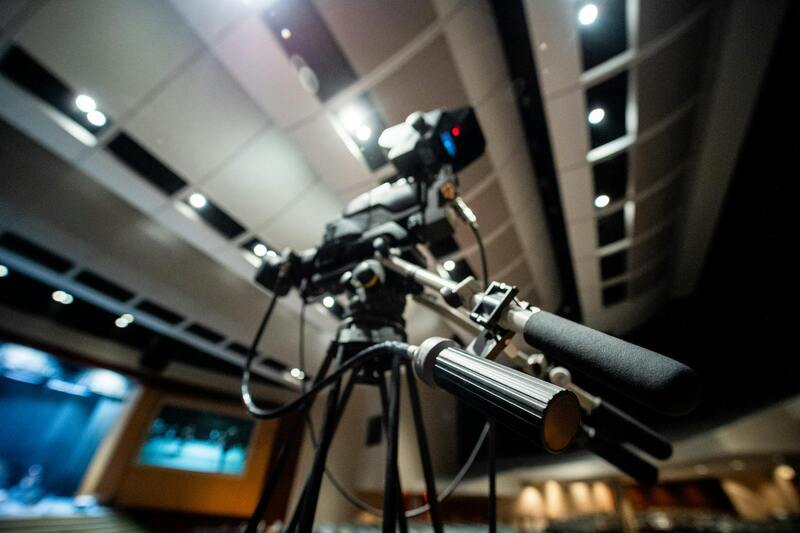
Proper camera setup is crucial. Utilizing stabilized equipment, such as robotic mounts or gimbals, ensures smooth and consistent scans. When positioning the camera, it is vital to maintain consistent heights and angles to facilitate seamless stitching of images and 3D data. Equally important is the calibration of sensors to capture accurate spatial dimensions, which forms the backbone of an authentic virtual walkthrough.
Lighting plays a significant role in the quality of 3D imagery. Whenever external lighting conditions allow, natural light should be maximized. If necessary, supplemental lighting should be evenly distributed to prevent shadows and dark spots that could distort the 3D model. Proper exposure settings on cameras help to balance bright and shadowed areas, ensuring detailed textures and surface features are visible.
During the shooting process, it is advisable to adopt a systematic approach by dividing the property into sections. This methodical strategy minimizes overlap issues and ensures comprehensive coverage of all spaces. For exterior shots, drone-mounted sensors equipped with 3D imaging technology can provide detailed aerial views and hard-to-access angles that enrich the overall visualization.
Post-capture protocols also influence the final output. It is beneficial to review scans immediately after shooting to identify any deficiencies, such as missing areas or poor lighting, allowing for re-capturing if necessary. During editing, software tools are utilized to refine textures, adjust lighting, and add interactive elements like hotspots to guide viewers through the property seamlessly.
Consistency and attention to detail throughout the process ensure the virtual tour is not only visually stunning but also reflective of the actual property. These best practices support real estate professionals in delivering immersive, accurate, and appealing property representations that attract prospective buyers and streamline the sales process.
Best Practices for Shooting 3D House Tours
Achieving high-quality 3D house photography involves meticulous planning and attention to detail. To ensure accurate representations, professionals should prioritize comprehensive space coverage by systematically dividing the property into sections. This approach minimizes gaps and overlaps, resulting in a seamless virtual walkthrough that authentically reflects the real environment. Proper lighting is crucial; natural light should be maximized during daytime shoots, and supplemental lighting must be evenly distributed to prevent shadows or hotspots that could obscure details or distort the model.
Utilizing uniform lighting conditions enhances texture visibility and surface fidelity, which are vital for accurate 3D reconstructions. Adjusting camera settings, such as aperture, ISO, and exposure, ensures consistent image quality across all scans. Stable camera mounting and the use of tripods or robotic mounts improve scan stability and precision, reducing artifacts or misalignments.
When capturing exterior shots, employing drone-mounted sensors equipped with 3D imaging technologies can provide aerial perspectives and access to hard-to-reach vantage points, enriching the overall visualization. Conducting multiple passes from various angles offers comprehensive data for creating a detailed and immersive virtual environment.
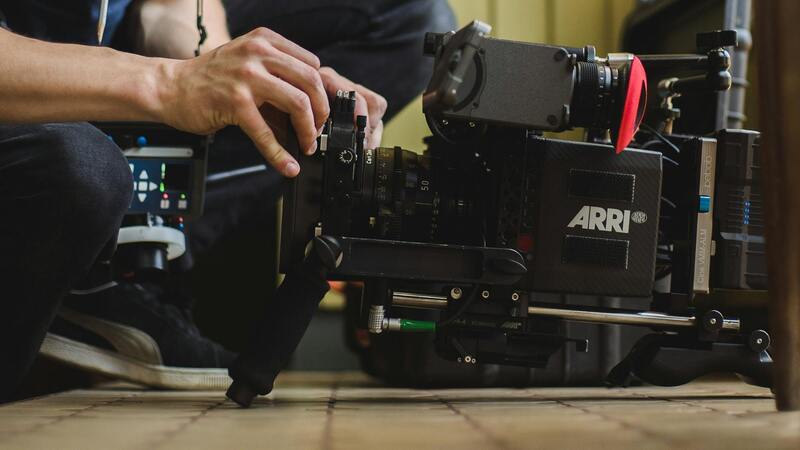
After capturing, immediate review of scans is advised to identify potential issues such as incomplete coverage, poor lighting, or misalignments. Re-capturing problematic areas ensures the final output maintains high quality. During post-processing, specialized software algorithms refine textures, correct lighting inconsistencies, and enhance detail definition. Interactivity features like hotspots or informational annotations can be incorporated at this stage, making virtual tours more engaging and informative for viewers.
Maintaining consistency throughout the shooting and editing phases is vital, as it guarantees that the virtual environment remains true to the actual property. This disciplined approach results in virtual tours that are not only highly realistic but also enhance the property's appeal, supporting real estate professionals in attracting prospective buyers and facilitating seamless sales transactions.
Effective Techniques for Shooting High-Quality 3D House Tours
Executing successful 3D house photography requires meticulous planning and technical precision. One critical aspect is ensuring comprehensive coverage of all interior and exterior spaces. This involves systematically moving through the property, capturing every room, closet, hallway, and outdoor feature from multiple angles to create a seamless virtual environment. Repeated passes from different vantage points help in reducing blind spots and gaps in the model, which can detract from user immersion.
Lighting plays a pivotal role in achieving realistic visualizations. It is advisable to shoot during times with ample natural light, and supplement with professional lighting setups when necessary. Consistent lighting conditions across different captures prevent discrepancies that can disrupt the flow of the virtual tour. During post-processing, software adjustments can harmonize lighting and textures, further enhancing visual quality.
Use of specialized equipment such as robotic camera mounts or drone-mounted sensors can streamline the scanning process and improve accuracy. Robotic mounts allow for precise, repeatable movements, ensuring high-resolution and detailed scans even in complex spaces. For exterior shots or aerial views, drones equipped with 3D imaging sensors can access hard-to-reach vantage points, providing comprehensive coverage of the property and its surroundings.
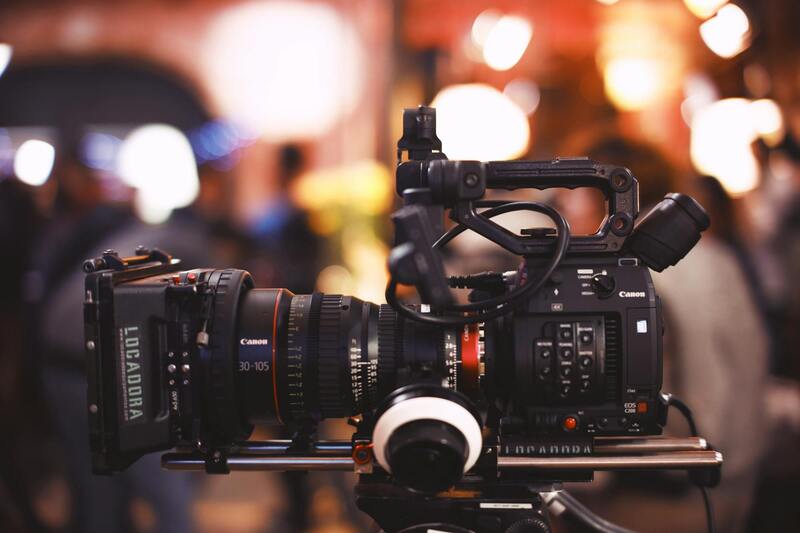
Immediate review of scan data during the shoot is essential. It allows practitioners to detect issues like incomplete coverage, misalignments, or poor lighting conditions on the spot. Re-scanning problematic areas ensures that the final model maintains high fidelity. Post-processing involves refining textures, correcting lighting inconsistencies, and enhancing details with specialized software. Features such as annotations or interactive hotspots can be added to make the virtual tour more engaging, aiding potential buyers in understanding property features better.
Consistency across all phases of capture and editing is vital to produce accurate, realistic virtual environments. A disciplined approach to these practices increases the property's visual appeal, supports effective marketing, and facilitates smoother transaction processes.
Integration of 3D Photography in Real Estate Listings
Seamlessly incorporating 3D house photography into real estate marketing portfolios significantly enhances property visibility and buyer engagement. When these virtual tours are integrated into online listings, they transform static images into immersive experiences that allow potential buyers to navigate through homes virtually. This method not only provides a comprehensive view of the property's layout and architectural details but also offers an interactive element that static photos cannot replicate.
Effective integration involves embedding high-quality 3D models directly into property listings on various platforms, ensuring that viewers can access these virtual walkthroughs without additional downloads or technical hurdles. Clear call-to-actions and prompts encourage potential buyers to explore the 3D tours, thereby increasing the likelihood of inquiries and scheduled viewings. Additionally, pairing 3D photography with detailed descriptions, floor plans, and high-resolution images creates a multi-faceted presentation, catering to diverse buyer preferences and providing a holistic view of the property.
To maximize the benefits, real estate agents and marketers should also consider optimizing their online content for search engines. Including relevant keywords related to 3D house tours and virtual walkthroughs ensures that listings rank higher in local search results. Proper integration of 3D visuals not only draws attention but also builds trust by showcasing transparency and thoroughness in property presentation. As an essential component of modern property marketing, well-executed 3D house photography creates a competitive advantage in saturated markets like Miami, attracting more qualified leads and facilitating faster sales cycles.
Furthermore, leveraging analytics tools to monitor user interactions with 3D models provides valuable insights into viewer preferences and behaviors. This data informs future marketing strategies, enabling real estate professionals to tailor their listings and virtual tour presentations more effectively. Over time, consistently integrating high-quality 3D visuals into property marketing not only elevates brand credibility but also underscores a commitment to innovation and customer service in the competitive Miami real estate landscape.
Ensuring Quality and Consistency in 3D House Photography
Achieving exceptional results in 3D house photography requires a focus on quality control and consistency throughout the process. Professional 3D imaging providers utilize standardized workflows that ensure each property is represented accurately and uniformly, maintaining a high standard for all virtual tours. This approach minimizes discrepancies between listings and ensures that potential buyers receive a reliable and immersive experience regardless of the property being showcased.
Key aspects of quality assurance include meticulous calibration of cameras and scanning equipment, precise lighting conditions, and thorough preparation of the property before shooting. Setting up the environment to avoid clutter, optimize natural light, and eliminate distracting elements helps produce clearer and more inviting visualizations. Additionally, post-production editing plays a vital role in refining 3D models—correcting any distortions, enhancing textures, and ensuring spatial accuracy. Such attention to detail establishes trust with clients and enhances the credibility of the listing.
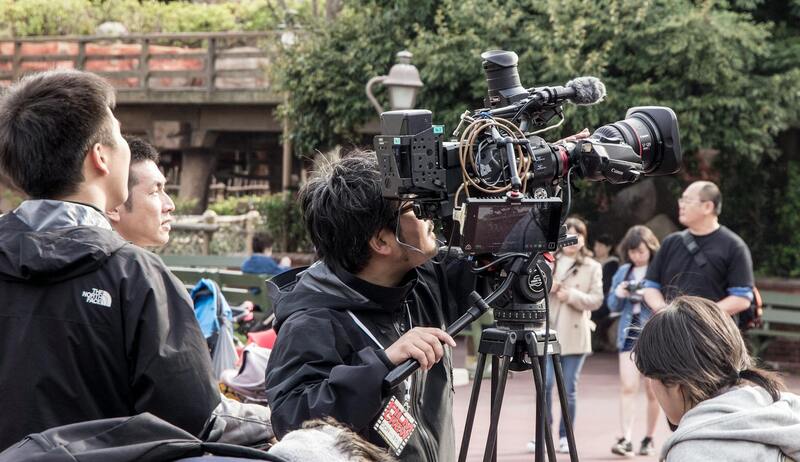
Maintaining consistency across multiple listings is essential for building a recognizable brand presence. When clients recognize the level of professionalism and attention to detail in 3D visuals, their confidence in the service provider increases. This consistency also streamlines workflow, allowing for efficient project turnaround times without sacrificing quality, which is crucial in high-paced real estate environments like Miami.
Furthermore, comprehensive training for technicians and ongoing updates in equipment and software ensure that quality standards evolve alongside technological advancements. Regular quality audits and client feedback sessions help identify areas for improvement and maintain a reputation for excellence. By implementing these practices, service providers can guarantee that every virtual tour delivers an engaging, accurate, and visually appealing experience that meets or exceeds client expectations.