
Role of a Certified Real Estate Photographer
In the real estate industry, the visual presentation of a property significantly influences buyer interest and sales performance. Certified real estate photographers play a crucial role in capturing high-quality images that accurately depict the property's features, layout, and ambiance. Their responsibilities extend beyond simple picture-taking; they are tasked with creating compelling visual narratives that highlight a property’s best attributes while maintaining an honest portrayal that aligns with the current market expectations.
These professionals possess a deep understanding of the architectural nuances and interior design elements that make each property unique. Through their expertise, they utilize specific techniques to ensure every photograph showcases the space effectively, whether it’s emphasizing natural light, spatial dimensions, or specific architectural details. Such images are vital tools in marketing listings across various digital platforms, including MLS, social media, and real estate websites.
The importance of a certified real estate photographer stems from their commitment to high standards of quality and consistency. Certification indicates that the photographer has undergone specialized training and adheres to professional guidelines, ensuring that every image posted is both visually appealing and true to the actual property. This role demands a meticulous eye for detail and a thorough understanding of the latest trends and technologies in real estate photography, allowing clients to present their properties in the best possible light and attract qualified buyers or tenants promptly.

In competitive markets like Miami where property presentation influences buyer decisions, the role of a certified real estate photographer becomes essential. They are instrumental in crafting visual content that not only attracts potential buyers but also builds trust and credibility with clients. By consistently delivering exceptional images, they uphold the integrity of the property marketing process, ensuring that listings stand out in a crowded marketplace and that clients receive genuine representation of their properties.
Certification and Accreditation in Real Estate Photography
Achieving certification as a real estate photographer involves a rigorous process that encompasses comprehensive training, adherence to industry standards, and the successful completion of assessments that validate technical proficiency and artistic capability. Industry organizations often establish clear benchmarks for certification, requiring photographers to demonstrate expertise in areas such as lighting, composition, post-processing, and the ethical presentation of properties.
Credentialing bodies typically emphasize the importance of understanding the nuances of real estate marketing, including how to best showcase different property types, whether residential, commercial, or luxury estates. Certified photographers must also stay informed about evolving trends and technological advancements, ensuring their skills remain current and aligned with best practices.
Professionals seeking certification often undergo specialized courses that cover a broad spectrum of topics—from mastering the use of advanced camera equipment to techniques for achieving optimal lighting and staging for photographs. Many programs also evaluate a portfolio of sample images to assess the photographer’s ability to produce compelling, accurate, and consistent visual content.

In addition to technical expertise, certification requirements may involve understanding legal considerations, such as permissions and disclosures necessary when photographing properties. Certification standards often mandate continuous education, encouraging photographers to refine their skills and stay aligned with technological and market shifts. These credentials serve as a valuable indicator for clients seeking trustworthy professionals capable of producing high-caliber imagery that truly captures the essence of each property.
Equipment and Technology for Certified Real Estate Photography
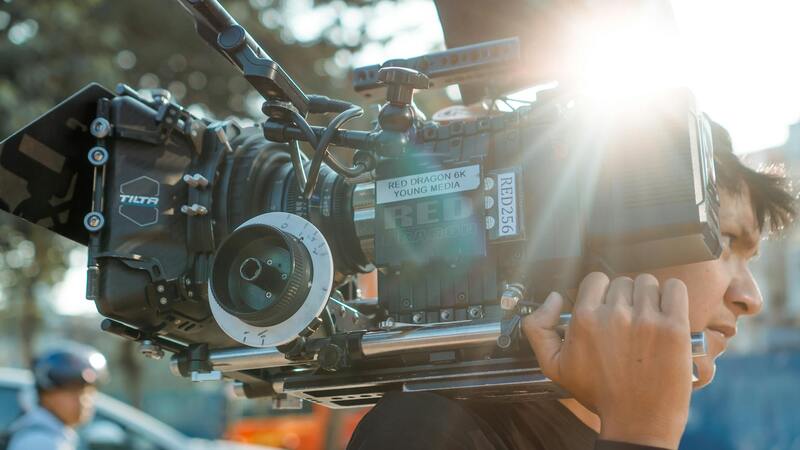
To consistently deliver high-quality imagery that captures the true essence and appeal of a property, a certified real estate photographer in Miami employs advanced equipment and cutting-edge technology. The selection of tools is pivotal in achieving clarity, correct color representation, and a welcoming atmosphere that attracts prospective buyers and renters alike.
Among the essential equipment are high-resolution digital cameras equipped with wide-angle lenses, allowing for expansive views of interior spaces while maintaining detail accuracy. Tripods and stabilizers ensure sharp images, especially in lower light conditions, and facilitate precise framing. The use of drones has become increasingly popular, providing stunning aerial shots that showcase property size, landscaping, and surrounding amenities from a compelling perspective.
Lighting plays a critical role in real estate photography. Certified professionals utilize advanced lighting solutions, including portable flash units, off-camera strobes, and natural light management techniques. Proper lighting not only brightens interiors but also prevents unwanted shadows and highlights the property's best features.
Post-processing software such as Adobe Lightroom and Photoshop is integral to refining images—adjusting exposure, correcting color balance, and removing imperfections to present a polished, realistic view of the property. Certified photographers continually update their technical toolkit, leveraging emerging innovations like HDR imaging and panoramic stitching to offer clients exceptional visual content.
Integrating these technologies enables a certified real estate photographer to produce images that stand out in competitive markets. The ability to adapt equipment to different property types and lighting conditions ensures consistent delivery of compelling visuals that facilitate faster sales and higher listings.
Key Skills and Techniques for High-Quality Property Photography
Achieving standout images in real estate photography requires a combination of technical expertise and artistic vision. Certified real estate photographers possess advanced skills that enable them to capture properties in the best possible light, ensuring that each photograph accurately represents the space while highlighting its unique features.
One fundamental skill is mastery over lighting conditions. Professional photographers utilize a mix of natural light and supplemental artificial lighting to create a balanced exposure that showcases the property's interior and exterior equally. They know when to shoot during specific times of day to maximize natural light or employ additional lighting equipment such as portable flashes, strobes, and diffusers to eliminate shadows and accentuate architectural details.
Effective use of camera settings is equally crucial. Certified photographers are proficient in adjusting aperture, ISO, and shutter speed to handle various lighting scenarios and achieve sharp, well-exposed images. The use of wide-angle lenses, typically in the 14-24mm range, allows for capturing expansive interior spaces without distortion, offering viewers a sense of scale and flow within the property.
Post-processing techniques also play a significant role in elevating the quality of property visuals. Certified real estate photographers utilize editing software to enhance colors, correct distortions, and remove minor imperfections, ensuring the images are both attractive and true to reality. HDR (High Dynamic Range) imaging combines multiple exposures to preserve detail in both shadows and highlights, especially useful for properties with challenging lighting conditions.
Additionally, skills in composition—such as framing, balance, and perspective—are vital. Careful attention to these elements ensures that each shot guides the viewer’s eye towards the property's most appealing aspects. For outdoor images, the strategic use of drone photography adds sweeping aerial views that provide context and highlight the surrounding landscape and amenities.
Beyond technical proficiency, a certified real estate photographer must understand the specifics of property marketing. This includes knowing how to emphasize the property's best features without over-representing or misrepresenting its condition. Such skills help create compelling visuals that attract potential buyers and facilitate quicker sales.
Overall, the combination of technical mastery, artistic sensibility, and industry knowledge distinguishes a certified professional from casual photographers, making their work a vital asset in real estate marketing strategies.
Role of a Certified Real Estate Photographer
A certified real estate photographer holds a specialized position within the property marketing landscape, serving as a crucial link between property owners and prospective buyers. Their role extends beyond capturing basic images; it involves a comprehensive understanding of how visual presentation influences viewer perception and decision-making. Certified professionals are adept at highlighting a property's most attractive features while accurately representing its current condition, ensuring that each image aligns with marketing objectives.
These photographers employ sophisticated techniques to showcase the spatial dynamics of a property. Effective use of lighting, composition, and perspective helps to create an inviting atmosphere that resonates with potential buyers. They understand how to manipulate natural light and use advanced equipment to evoke a sense of warmth, openness, and appeal that static images alone cannot convey. Moreover, they are skilled in capturing both interior and exterior views, providing a holistic portrayal of the property.
In addition to technical prowess, certified real estate photographers often collaborate with real estate agents and marketing teams to develop visual content strategies. This may include staging suggestions, specific shot selections, and the integration of aerial photography to offer comprehensive views of the property and its surroundings. Their work contributes significantly to online listings, brochures, and virtual tours, making listings more engaging and effective.
Ultimately, a certified real estate photographer enhances the visual narrative of a property, ensuring it stands out in a competitive market. Their work not only beautifies listings but also ensures accuracy, building confidence among prospective buyers and facilitating smoother transactions. The role demands a keen eye for detail, technical mastery, and an understanding of real estate dynamics—qualities that distinguish certified professionals from casual or amateur photographers.
Certification and Accreditation in Real Estate Photography
Certification in real estate photography demonstrates a standardized level of expertise and commitment to quality that benefits both photographers and clients. Professional accreditation programs typically require candidates to complete rigorous training courses, pass competency assessments, and adhere to industry best practices. These programs often encompass a broad spectrum of skills, including technical photography techniques, post-processing, understanding property staging, and marketing strategies.
The value of certification extends beyond personal development; it influences how clients perceive a photographer’s credibility. Certified professionals are recognized for their mastery of specialized equipment, familiarity with lighting setups, compositional techniques, and editing standards that guarantee high-quality visuals.
In addition, accreditation bodies often provide resources, ongoing education, and networking opportunities, fostering continuous improvement and professional growth. For property owners and real estate professionals, engaging with a certified photographer assures a level of service aligned with industry benchmarks, ultimately contributing to more effective marketing campaigns.

Adopting certified real estate photography services enhances a property’s visibility and attractiveness, making it a worthwhile investment for those seeking top-tier visual marketing. The certification process acts as an assurance of skill, ethics, and quality, which are critical components in constructing trust and maintaining professional integrity within the real estate industry.
Role of a Certified Real Estate Photographer
A certified real estate photographer specializes in capturing the visual essence of properties to enhance their appeal in the market. These professionals possess a deep understanding of lighting, composition, and staging principles that showcase a property's strengths. By providing high-resolution images that highlight each room's best features, a certified photographer helps potential buyers visualize living in the space, which can significantly influence their purchasing decisions.
Beyond technical skill, a certified real estate photographer exhibits an awareness of current market trends and the preferences of modern buyers. They adapt their methods to suit different property types, from luxurious apartments to commercial spaces, ensuring that each photo set aligns with targeted marketing strategies. Their expertise in post-processing further refines images to achieve a polished look without misrepresenting the property, maintaining integrity and trust in visual marketing.
The impact of professional photography in real estate sales cannot be overstated. Well-crafted images attract more online views and generate greater interest, which often translates into quicker sales cycles and higher sale prices. A certified photographer's role extends beyond just taking pictures; they implement a strategic approach to staging, lighting, and perspective to make each property stand out in competitive markets like Miami.
Certification and Accreditation in Real Estate Photography
Certification in real estate photography signifies a professional's commitment to maintaining industry standards and continuous skill development. Accredited programs usually involve comprehensive training, including technical camera work, lighting techniques, editing standards, and legal considerations related to property images. Earning such credentials requires passing rigorous assessments that verify expertise and understanding of best practices.
This accreditation serves as a mark of credibility, providing reassurance to clients that the photographer adheres to established quality benchmarks. Many certification programs are offered by reputable industry organizations, which also provide ongoing educational resources, networking opportunities, and updates on emerging trends and technologies.
Proven certification can influence a client’s decision-making process, especially when choosing a professional in a competitive real estate market like Miami. It not only guarantees technical proficiency but also demonstrates dedication to ethical standards and client satisfaction. As a result, real estate firms and property owners increasingly prefer to collaborate with certified specialists to maximize marketing effectiveness.
Key Benefits of Certification
- Enhanced credibility and trustworthiness
- Consistency in image quality
- Recognition of technical expertise and professional ethics
- Access to advanced training and industry updates
- Potential for higher-paying opportunities and referrals
Key Skills and Techniques for High-Quality Property Photography
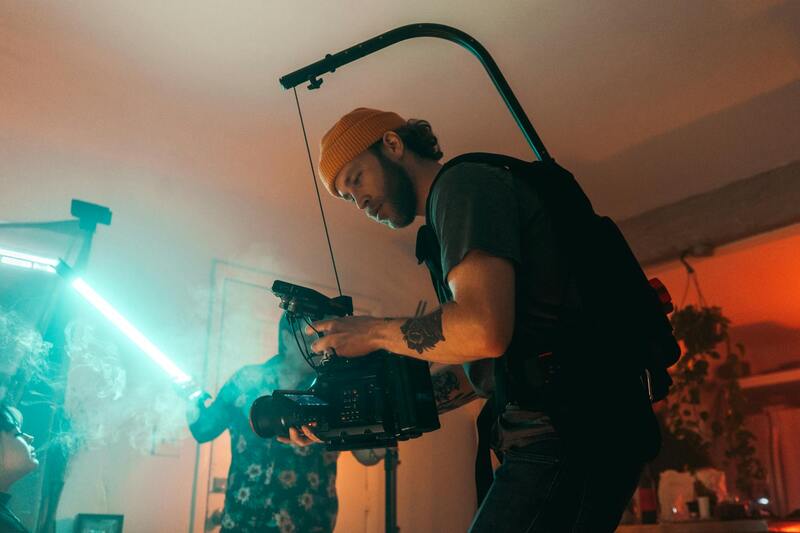
Producing compelling real estate images requires mastery of several technical and artistic skills. A certified photographer excels in manipulating natural and artificial lighting to accentuate a property’s best features while minimizing flaws. They utilize wide-angle lenses to capture entire rooms, creating a sense of space that appeals to viewers.
Post-processing techniques are equally important, ensuring images are vibrant, clear, and professionally balanced. Maintaining true-to-life color accuracy is essential for honest representation, which helps build trust with potential buyers.
Furthermore, a skilled photographer carefully considers composition, perspective, and focal points, guiding the viewer’s eye through each space effectively. They understand how to stage a room to highlight its functionality and aesthetic appeal, often collaborating with stagers or homeowners to optimize results.
Advanced knowledge of HDR imaging allows for balanced exposure across challenging lighting conditions, ensuring interior details are visible while maintaining the ambiance of natural light. Mastery of these skills positions a photographer as a reliable partner in successful property marketing efforts.
Essential Techniques Include:
- Utilizing wide-angle lenses for expansive interior shots
- Applying HDR methods to balance extreme lighting contrasts
- Effective use of natural and supplementary lighting
- Strategic room staging and composition
- Minimal post-editing to preserve authenticity
Equipment and Technology for Certified Real Estate Photography
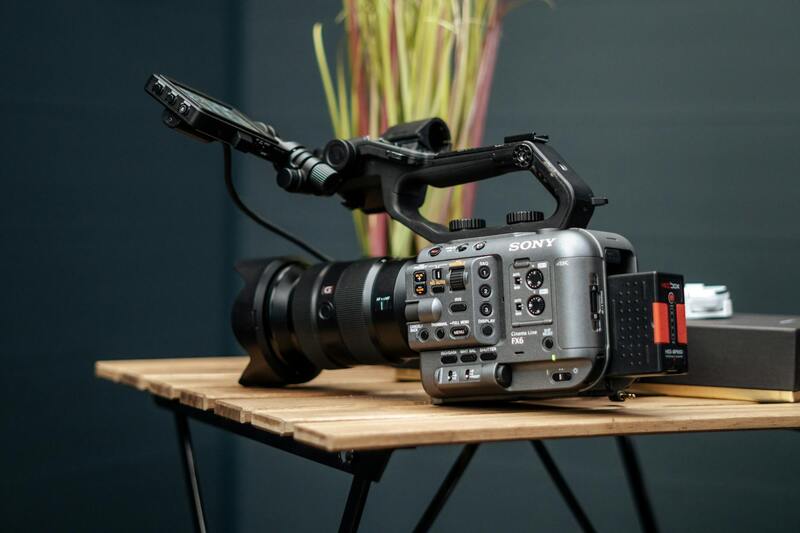
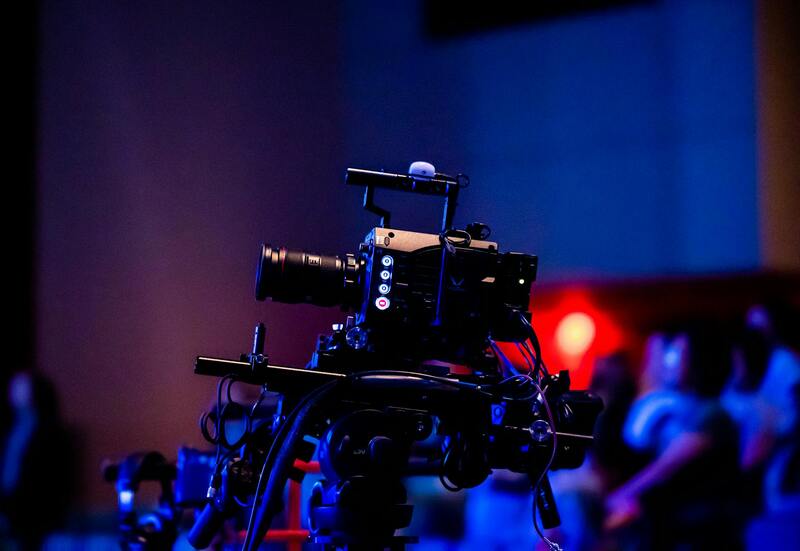
Professional real estate photography relies heavily on advanced equipment to deliver exceptional images. A certified photographer invests in high-resolution DSLR or mirrorless cameras, which produce sharp and detailed photographs suitable for various marketing platforms.
Wide-angle lenses are indispensable for capturing expansive interior and exterior views, making rooms appear more spacious. Tripods ensure stability, especially during low-light conditions or interior shots during dusk or dawn. Drones might also be utilized for aerial imagery, providing viewers with a unique perspective that highlights property surroundings and landscape features.
Lighting equipment, including portable flashes or continuous LED lights, helps overcome poor natural light conditions, ensuring rooms are well-lit and visually appealing. Additionally, advanced software for editing, such as Adobe Photoshop or Lightroom, allows for meticulous post-processing to enhance colors, straighten images, and correct distortions.
Integration of cutting-edge technology like 360-degree cameras facilitates virtual tours, enriching the viewing experience for remote clients. This comprehensive toolkit is fundamental for delivering the high standards expected from certified real estate photographers in competitive markets like Miami.
Role of a Certified Real Estate Photographer
Certified real estate photographers serve as vital contributors to the property marketing ecosystem. They are responsible for capturing visually compelling images that highlight a property's key features, architectural details, and overall ambiance. Their work extends beyond simple photography; it involves understanding the nuances of property presentation, staging, and lighting to create an inviting and accurate depiction of the space.
These professionals are often skilled in multiple aspects of visual media, including HDR imaging, virtual staging, and interactive virtual tours. Their expertise ensures that the property stands out in a competitive market, attracting potential buyers or tenants through high-quality visual storytelling. Moreover, a certified photographer maintains consistency in their work, adhering to industry standards and best practices to provide clients with images that meet marketing objectives and regulatory requirements.
Importance of Certification and Accreditation in Real Estate Photography
Certification from recognized industry bodies acts as an assurance of a photographer's proficiency, technical skill, and understanding of industry standards. Accreditation signifies that the professional has undergone rigorous training and has demonstrated competence in capturing, editing, and presenting real estate images effectively. This credential often correlates with a higher level of professionalism and accountability, which benefits both clients and their marketing campaigns.
Certification also ensures that photographers are familiar with the latest technological advancements, legal considerations, and ethical practices within the field. For real estate professionals and property owners, working with a certified photographer provides confidence that marketing materials are produced to a high standard, aligning with current industry demands and maintaining compliance with regional regulations.
Key Skills and Techniques for High-Quality Property Photography
- Mastery of Lighting: Effective use of natural and artificial light creates inviting interiors and highlights architectural features.
- Use of Wide-Angle Lenses: Expands the visual scope, making rooms appear larger and more open.
- HDR Imaging: Blends multiple exposures to produce balanced images with optimal brightness and detail.
- Post-Processing: Enhances images through color correction, straightening, and distortion correction for a polished look.
- Aerial Photography: Utilizes drones to capture property surroundings and landscape features from above, adding value to marketing efforts.
- Virtual Tours and 3D Imaging: Creates immersive experiences that enable remote viewing, increasing engagement and interest.
Equipment and Technology for Certified Real Estate Photography
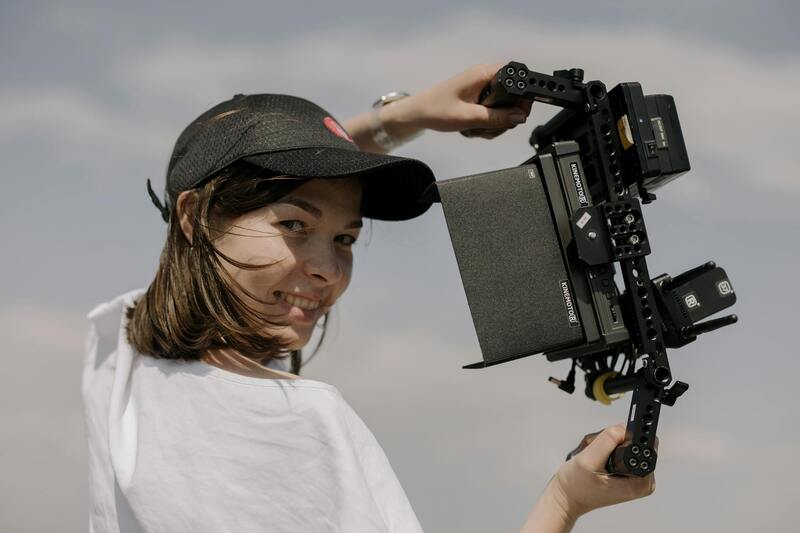
Advanced camera systems, including full-frame DSLRs and mirrorless models, serve as the foundation for producing detailed images. Wide-angle lenses facilitate comprehensive room views, while tripods ensure stability during long exposures. Portable lighting kits, such as LED panels and external flashes, mitigate challenges posed by low natural light, ensuring interiors are bright and appealing.
State-of-the-art tools like drones expand the creative scope by providing aerial perspectives, essential for showcasing large properties or highlighting surrounding amenities. 360-degree cameras and virtual tour software further enhance marketing strategies by offering interactive experiences. Keeping pace with emerging tech, certified photographers often incorporate advanced editing software and virtual reality tools to meet evolving client demands.
Role of Certification in Real Estate Marketing Success
A certified professional’s credibility translates into increased trust among property sellers and real estate agencies, often resulting in higher-quality images and faster sales cycles. Certified photographers bring consistency and professionalism that align with branding and marketing standards, ensuring that each listing maintains a high standard across campaigns.
Moreover, certification often involves exposure to the latest marketing tools and strategies, enabling photographers to produce images that perform well across various digital platforms. This proficiency can significantly impact a property's online visibility, increasing viewer engagement, attracting more qualified inquiries, and facilitating quicker transactions.
Selecting a Certified Real Estate Photographer in Miami, FL
When choosing a professional in Miami, FL, it is crucial to verify their certification and track record of successful property shoots. Clients should look for transparent portfolios that showcase a range of properties, demonstrating versatility and a keen eye for detail. Checking reviews and seeking referrals can further validate their reputation and reliability.
In addition to technical skill, understanding the local market dynamics can enhance the photographer's ability to capture images that resonate with potential buyers in Miami's unique real estate landscape. A seasoned, certified photographer will adapt their approach to highlight the neighborhood's features and lifestyle appeal effectively.
Legal and Ethical Considerations in Real Estate Photography
Adhering to legal and ethical standards is fundamental for any certified real estate photographer committed to professionalism and integrity in the industry. This encompasses respecting privacy rights, ensuring truthful representation of property features, and avoiding manipulative editing that could mislead potential buyers.
Photographers must obtain proper permissions before entering properties to capture images, particularly when working with occupied residences or private areas. Transparent communication with property owners and real estate agents about the scope of photography ensures clarity and prevents misunderstandings or disputes. Additionally, respecting restricted areas and maintaining confidentiality about sensitive property details upholds the ethical standards of the profession.
Authentic depiction of a property involves a balanced approach to image editing. While enhancing images for clarity and appeal is acceptable, overly exaggerated modifications can distort the property's actual appearance, leading to buyer disappointment and potential sales delays. It is essential for photographers to follow industry best practices that promote honesty and trustworthiness in their visual storytelling.
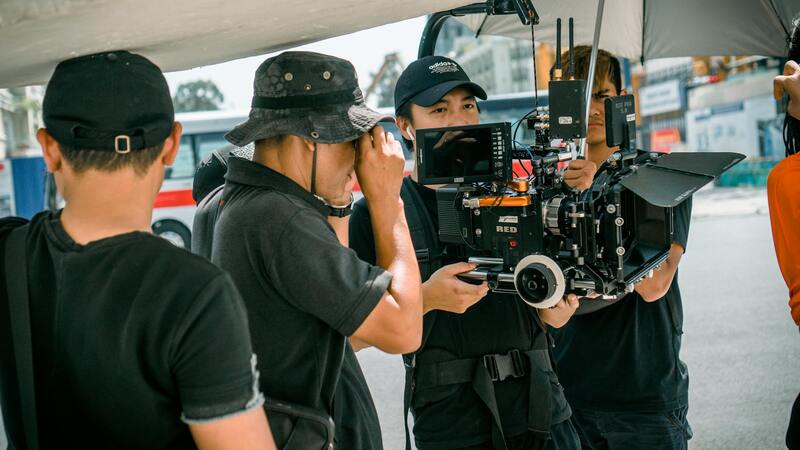
Furthermore, copyright considerations are vital. Certified real estate photographers should retain ownership of their images and clarify usage rights with clients to prevent future legal complications. This transparency guarantees clients understand how their property images can be used across marketing channels, ensuring both parties operate within established boundaries.
In an increasingly digital marketplace, the rapid proliferation of online property listings heightens the importance of ethical standards. Authentic and clear imagery not only reflects the true condition of the property but also sustains the credibility of the real estate professional. Certified photographers who prioritize these ethical principles build a reputation for reliability, which can be instrumental in attracting repeat clients and referrals.