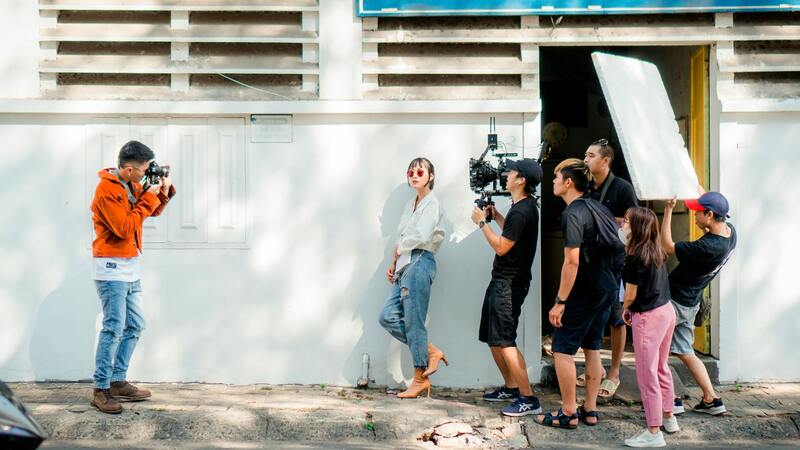
Importance of Creative Photography in Real Estate Marketing
In the highly competitive Miami real estate market, standing out among numerous listings requires more than just standard property photos. Creative real estate photography plays a pivotal role in showcasing properties in their best light, capturing their unique features, and evoking emotional responses from potential buyers. Innovative visual content not only enhances the property's appeal but also influences perceptions of quality and desirability, which can accelerate the selling process and potentially command higher prices. Artful composition, compelling angles, and attention to lighting in creative photography contribute to an engaging visual story that resonates with prospective buyers, encouraging them to envision themselves living in the space.
With the diverse and vibrant architecture found throughout Miami, from luxurious waterfront estates to modern condos, creative approaches to photography can highlight the distinctive character of each property. High-impact images serve as a crucial entry point in online listings, social media promotions, and marketing campaigns, ensuring that properties catch the eye amidst a sea of competition. By leveraging innovative techniques, real estate professionals can effectively convey the atmosphere, scale, and lifestyle associated with each property, making the listings more memorable and appealing.
Furthermore, creative photography fosters a sense of trust and professionalism. Buyers often interpret high-quality visuals as a reflection of the property's value and the care taken in its presentation. For real estate marketers and agents in Miami, investing in creative photographic services can deliver a significant return by attracting more inquiries, facilitating faster sales, and building a reputable brand image. In such a dynamic, fast-paced market, capturing the imagination of potential buyers through striking imagery is no longer optional—it is essential for success.
Key Elements of Creative Real Estate Photography
To craft compelling visual narratives that capture the essence of Miami’s diverse properties, certain fundamental elements must be emphasized. These core techniques not only differentiate listings but also draw prospective buyers into the story each property has to tell. Skillful use of angles, lighting, and staging plays a pivotal role in elevating standard real estate images into captivating visuals. Each element, meticulously applied, results in images that highlight the unique architectural features, interior details, and spatial qualities of a property.
Creative Angles and Perspectives
Moving beyond traditional straight-on, centered shots, creative photography involves experimenting with unusual vantage points, such as low-angle shots that accentuate ceiling heights or overhead perspectives that reveal room layouts. Aerial drone photography is particularly effective in showcasing large-scale properties or waterfront sites, offering a comprehensive view of the estate amidst its surroundings. When employing these techniques, it’s vital to maintain clarity and avoid distortion, ensuring that each shot accurately represents the property while still captivating potential buyers.
Lighting Techniques for Impactful Imagery
Lighting is integral to the mood and clarity of a photograph. Natural light, when harnessed correctly, creates warm, inviting images that evoke a welcoming atmosphere. Photographers often schedule shoots during the golden hour—shortly after sunrise or before sunset—to achieve soft, diffused sunlight that enhances textures and colors. Utilizing supplemental lighting strategically can accentuate architectural features or interior design elements, ensuring each space is visually balanced and appealing. Thoughtful lighting also reduces shadows and highlights, fostering images that are both striking and true to life.
Staging and Composition Strategies
Effective staging involves arranging furniture and decor to accentuate a property’s strengths while creating a neutral, inviting environment. The composition within each shot should guide the viewer’s eye through the space, highlighting focal points like a modern kitchen island, scenic balcony, or luxurious bathroom fixture. Incorporating elements of lifestyle and comfort helps viewers imagine living in the space, making the property more alluring. Careful consideration of clutter, color schemes, and symmetry ensures scenes are harmonious and visually compelling, elevating standard photos into engaging visual stories.

Color Selection and Balance
Color coordination plays a significant role in creating visually appealing images. Bright, harmonious hues can energize a space, making it seem larger and more inviting. Conversely, subdued tones evoke calm and sophistication, appealing to a different segment of buyers. Ensuring that colors are balanced and complementary prevents visual overwhelm and directs attention to focal areas within each property. Subtle touches like accent pillows, artwork, or decorative accessories can be used strategically to add pops of color without distracting from the overall aesthetic.
Detail Capture and Close-Ups
Focusing on fine details, such as intricate tile work, luxurious fixtures, or textured furniture fabrics, adds depth and richness to the visual presentation. These close-up shots help communicate quality and craftsmanship, reinforcing the overall high standards of the property. Incorporating macro photography techniques allows viewers to explore aspects of the property that might otherwise go unnoticed, fostering a deeper emotional connection with the space.
Techniques for Capturing Creative Real Estate Photos
Capturing compelling and inventive images requires a mastery of specific techniques that transcend basic photography. One effective approach involves manipulating composition to highlight the unique features of each property. Utilizing the rule of thirds can guide the placement of focal points, creating balanced and engaging images. Leading lines, such as pathways, countertops, or architectural features, naturally draw the viewer’s eye toward the main subject, adding depth and perspective.
Adjusting lighting conditions is crucial for achieving a creative shot. Natural light should be optimized to showcase spaces in their best form, avoiding harsh shadows or overexposure. When natural light is insufficient, supplemental lighting, like softboxes or reflectors, can illuminate dark corners or enhance specific details, adding warmth or drama as needed.

Angles play a pivotal role in creative photography. Instead of traditional eye-level shots, experimenting with high or low vantage points can reveal different perspectives of the space, making rooms appear larger or emphasizing architectural features. Bird’s eye views captured with drones can present entire properties within their environment, offering prospective buyers a comprehensive understanding of layout and surroundings.
- Use of reflections and mirrors: Incorporating reflective surfaces can create intriguing visuals that add depth and a sense of space.
- Dynamic motion: Featuring elements like flowing curtains, moving water, or animated outdoor scenes can introduce vitality into the images.
- Color accents: Strategically highlighting accent walls, decorative objects, or outdoor foliage with vibrant colors can make images stand out.
Implementing these techniques ensures that each photograph not only showcases the property but also captures its personality and potential in a visually captivating manner. The goal is to craft images that evoke emotion and inspire action from viewers, making the property memorable and desirable.
Techniques for Capturing Creative Real Estate Photos
Achieving compelling and innovative imagery requires a blend of technical skill and artistic vision. Photographers should consider employing a variety of specialized techniques to craft images that not only showcase a property’s features but also evoke emotion and appeal to prospective buyers.
One primary technique is the utilization of dynamic perspectives. Instead of static, eye-level shots, altering the camera angle can dramatically change the perception of space. Shooting from elevated vantage points, either through step-ladders or drone shots, reveals a broader view of the property and its surroundings, emphasizing scale, layout, and context. Conversely, low angles can highlight architectural details or create a sense of grandeur within interior spaces.
Incorporating creative lighting strategies plays a vital role. Using natural light to produce balanced, evenly lit images can be complemented with artificial lighting setups that highlight specific features or create mood. Techniques such as light painting, where long exposures capture dynamic light trails within interiors, can add a distinctive artistic touch. Additionally, the strategic placement of lights to accentuate textures or highlight particular architectural elements enhances visual interest.

The use of reflections and surfaces introduces an element of intrigue. Reflective surfaces like polished floors, glass doors, or water features, when incorporated thoughtfully, create depth and complexity within the composition. Mirrors placed deliberately can double the visual impact of a room or showcase attractive exterior views from within a space.
Incorporating motion into still photography, either through exposure techniques or post-processing, can breathe vitality into images. For example, capturing flowing curtains in a breeze or flowing water in outdoor scenes imparts a sense of liveliness and authenticity. Post-produced effects, such as slight motion blur or animated elements for digital marketing, can further enhance viewer engagement.
Color accents also contribute significantly to the memorability of images. Highlighting vibrant foliage, decorative objects, or feature walls with immersive pops of color directs the viewer’s eye and adds an extra layer of appeal. When combined with a thoughtfully curated scene, these elements can make a property stand out in crowded listings.
To implement these techniques effectively, a comprehensive approach that combines creative vision with technical precision is necessary. This involves planning shots that maximize the property's strengths, experimenting with unconventional angles, and utilizing advanced equipment to achieve desired effects. Mastering these methods allows real estate photographers to produce captivating visuals that resonate with viewers, ultimately driving engagement and interest.

Techniques for Capturing Creative Real Estate Photos
Mastering Composition for Visual Impact
Effective composition lies at the heart of compelling real estate photography. Utilizing principles such as the rule of thirds can guide viewers’ eyes through the image naturally, emphasizing key architectural features or focal points within a property. Leading lines, whether built-in like hallways or natural elements such as pathways and fences, can draw attention directly to the property's most attractive aspects. Symmetry and balance are crucial, especially when showcasing features like grand staircases, spacious entryways, or interior design elements, creating a sense of harmony and aesthetic appeal. Strategic framing, often achieved through creative cropping or utilizing foreground and background elements, adds depth and dimension, transforming static shots into visually engaging narratives.
Harnessing Lighting for Mood and Depth
Lighting plays a pivotal role in creative real estate photography. Optimal use of natural light enhances the clarity, warmth, and inviting quality of images. Shooting during the golden hour, shortly after sunrise or before sunset, offers a soft, warm glow that accentuates a property’s features and creates an appealing ambiance. For interior shots, utilizing diffused light filters or reflectors can minimize harsh shadows and evenly illuminate spaces. The interplay of light and shadow can be manipulated to add drama or highlight architectural details, making images more dynamic. Properly managed lighting not only elevates the visual quality but also helps to communicate the mood and character of a property effectively.
Creative Perspectives and Angles
Experimenting with various camera angles allows real estate photographers to present properties from fresh and intriguing viewpoints. Low vantage points can emphasize ceiling height or grand entrances, while high perspectives, such as drone shots or elevated interior views, showcase the full scale of outdoor spaces or the layout of a property. Wide-angle lenses can capture entire rooms or exteriors, giving viewers a comprehensive understanding without distorting proportions excessively. Unconventional angles, such as capturing reflections or shooting through objects, add an artistic touch that stands out among traditional listing photos. These innovative perspectives serve not just to present a property but to create a visual story that resonates with potential buyers and generates greater interest.

Advanced Techniques for Creative Composition and Framing
Achieving visually captivating real estate images demands mastery over composition and framing. Creative photography in this domain involves deliberately positioning subjects and architectural features to evoke emotion and focus viewers’ attention. Utilizing the rule of thirds intentionally, placing key elements off-center, encourages a dynamic flow that guides the eye naturally across the image. Leading lines—such as pathways, fences, or architectural contours—draw viewers deeper into the scene, emphasizing depth and spatial relationships.
Incorporating symmetry and patterns can generate striking visuals, especially when photographing expansive interiors or outdoor landscapes. Symmetrical compositions create a sense of harmony and balance, while subtle asymmetries can add interest and personality. When framing a shot, consider foreground elements to add layers; this technique not only enhances depth but can also introduce context or a sense of scale.
Furthermore, experimenting with unconventional framing—such as framing a doorway with an arch or capturing reflections in windows—adds creative flair that differentiates listings. These methods enable the portrayal of spaces in a way that feels both engaging and authentic, fostering an emotional connection with potential buyers.

Utilizing Post-Processing to Enhance Creative Impact
Post-production plays a pivotal role in refining and elevating real estate imagery, enabling photographers to bring their creative vision to life while maintaining a genuine representation of the property. Skilled editing involves subtle adjustments in brightness, contrast, and color balance to ensure images are vibrant without appearing overly processed. Correcting lens distortions, straightening horizons, and balancing exposures ensure that images are polished and professional.
Applying localized enhancements—such as brightening shadowed corners or slightly increasing saturation in certain areas—can accentuate architectural features or outdoor landscapes. These techniques help create a visual hierarchy, guiding the viewer’s gaze toward the most attractive aspects of a property.
Creative post-processing might also involve blending shots to enhance a property's ambiance, such as combining interior and exterior views for a comprehensive presentation or adding atmospheric elements like a warm glow at sunset to evoke mood.
It's crucial that these edits uphold a truthful depiction, ensuring that potential buyers form accurate expectations of the property. The goal is to craft images that are both striking and reliable, fostering trust and interest in the listing.
Methods for Showcasing Creative Photography During Property Tours and Client Interactions
Incorporating creative real estate photography into client interactions and property tours offers an immersive experience that highlights the unique character of each property. When agents utilize creatively captured images during walkthroughs, they can emphasize distinctive architectural features, lighting nuances, and spatial layouts that standard photos might not fully convey. For example, showcasing a photograph with a dramatic perspective or an unusual angle can captivate clients, enabling them to visualize the potential of the space with more clarity.
Using high-quality, visually engaging images on portable devices such as tablets or laptops during client meetings enhances the overall experience. It allows for dynamic presentations where images can be discussed in detail, suggesting potential modifications or furnishings that align with the creative themes depicted. This approach not only energizes the tour but also makes the property more memorable compared to traditional methods.
Furthermore, pairing creative imagery with augmented reality (AR) or virtual staging technologies can elevate client engagement. By overlaying digital furnishings or landscaping elements onto real-world views, clients gain a richer understanding of how spaces could be adapted or personalized, encouraging a stronger emotional connection to the property.

Professional photographers working in real estate understand the importance of consistency in visual storytelling. They often prepare an array of creatively styled images, including wide-angle shots with artistic lighting, stylized close-ups of architectural details, and mood-enhancing exterior shots during sunset or golden hour. These images serve as conversation starters and help clients appreciate the property's ambiance and potential in a nuanced way.
Incorporating these images into digital presentations or printed brochures ensures that clients are exposed to a curated, aesthetically compelling portrayal of the property. When agents walk through a property with a portfolio of creatively captured visuals, they can better illustrate the property's best features, fostering a stronger connection and speeding up decision-making processes.
Ultimately, strategic use of creative photography during property tours elevates the client experience, enabling prospective buyers to envision their future in the space more vividly and confidently.
Leveraging Creative Real Estate Photography for Maximum Impact
To truly harness the power of creative real estate photography, it is essential to understand how to seamlessly integrate innovative visual techniques into comprehensive marketing strategies. This form of photography goes beyond traditional captures, aiming to evoke emotion, highlight unique architectural features, and create a compelling narrative that resonates with prospective buyers and investors alike.
One effective approach involves the thoughtful use of lighting and angle manipulation. By experimenting with natural light during different times of the day, photographers can craft images that exude warmth, space, and tranquility. Sunset or sunrise shots, in particular, infuse properties with a golden glow that enhances curb appeal and interior ambiance. Additionally, employing unique vantage points—such as high-angle shots or dynamic low angles—can emphasize grandeur or bring focus to specific design elements, making the property stand out amongst competitors.
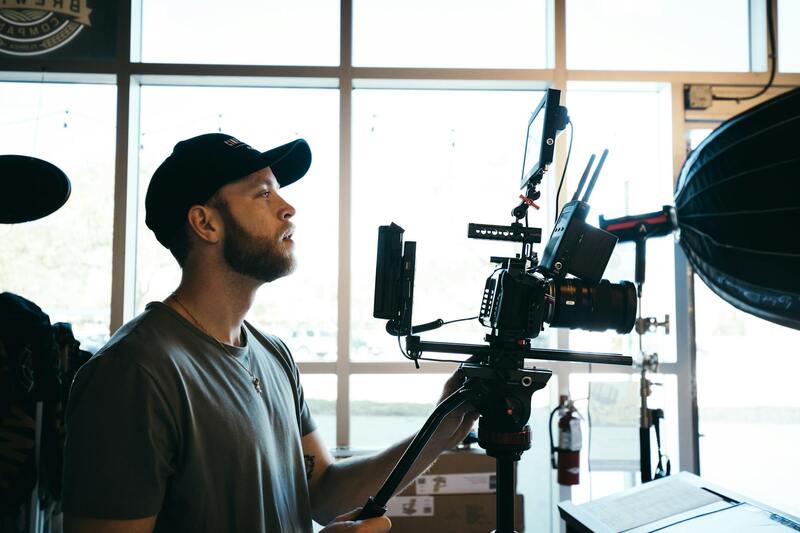
Incorporating artistic elements like selective focus, creative framing, and intentional depth of field allows for production of images that feel more like art pieces rather than simple documentation. This elevates the perceived value of the property, creating an aspirational quality that appeals directly to clients seeking homes that reflect their lifestyle aspirations.
Additionally, the use of stylistic mood shots during different times of day—such as capturing the property in the warm hues of sunset or during twilight with exterior lighting—can craft an enchanting atmosphere that evokes emotion. Such images not only attract attention online and in printed materials but also help potential buyers visualize themselves living in the space, making a stronger emotional connection.
Advanced Post-Processing for Enhanced Creative Impact
Post-editing plays a crucial role in reinforcing the creative vision. Adjustments such as color grading, contrast enhancement, and strategic vignette application can imbue images with a distinctive look that aligns with the property’s branding and target demographic. For instance, a modern condo in downtown Miami might benefit from sleek, high-contrast edits, while a beachfront villa may require softer, pastel tones to evoke serenity.
Utilizing advanced editing techniques—like compositing multiple exposures for HDR images or blending images to highlight both interior and exterior views—can further elevate the visual storytelling. These methods ensure that images are visually engaging, properly balanced, and optimized for various marketing channels, including digital listings, social media, and print brochures.
Implementing Creative Photography in Broader Marketing Strategies
Strategic deployment of creatively captured images amplifies their impact when integrated into larger campaigns. For online listings, combining high-quality, eye-catching imagery with compelling property descriptions enhances overall engagement. Consistent visual themes across platforms reinforce branding and help properties stand out in saturated markets.
Developing virtual galleries and immersive virtual tours that incorporate creatively styled images can provide potential buyers with a comprehensive understanding of spaces before physical visits. This approach reduces viewings that do not generate serious interest and streamlines the sales process.
Furthermore, combining creative photography with emerging technologies like augmented reality can unlock new levels of property presentation. Digital overlays showing furniture arrangements or renovation possibilities enable clients to envisage their future lifestyle within the space, deepening their emotional investment and accelerating decision-making.
Encouraging Creativity through Consistent Practice and Innovation
Maintaining a culture of creativity within real estate marketing teams involves continual experimentation with new techniques, styles, and tools. Regularly exploring different lighting setups, editing styles, and composition strategies keeps the visual content fresh, engaging, and memorable. This continuous innovation ensures that properties are presented in ways that capture attention and generate interest.
Investing in ongoing education about emerging trends and technological advancements empowers photographers and marketing professionals to push creative boundaries while remaining effective. Participating in industry workshops, following leading visual storytellers, and testing new software or hardware can lead to breakthrough images that set properties apart in competitive markets like Miami.