
Introduction to Professional Property Photography
In the competitive realm of real estate, the visual presentation of a property can significantly influence buyer interest and market value. High-quality property photography serves as a cornerstone of effective real estate marketing, capturing the essence of a space with clarity, accuracy, and appeal. When prospective clients browse listings, their first impression is often driven by images; compelling photographs can turn a casual browser into a potential buyer.
The significance of professional property photography extends beyond mere aesthetics. It enhances the visibility of listings across various platforms, ensuring properties stand out amidst a broad array of options. Well-executed images highlight a property's best features—be it a modern kitchen, spacious living areas, or unique architectural details—making them more attractive to interested parties. This visual storytelling helps to generate more engagement, increase inquiries, and ultimately expedite the sale process.
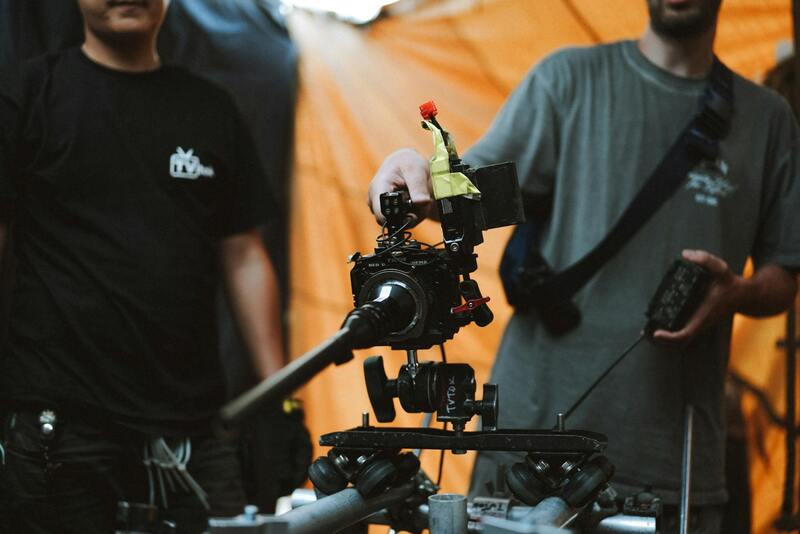
Moreover, professional property photography contributes to building trust and credibility with clients and prospects. When listings feature crisp, well-lit images that accurately represent the property, it demonstrates a commitment to quality and professionalism. This perception encourages potential buyers to take the next step, whether that involves arranging a viewing or requesting more information.
In today’s digital-driven market, the importance of high-resolution, professionally crafted images cannot be overstated. Buyers increasingly rely on online listings to filter and shortlist properties before scheduling viewings. Therefore, leveraging expert photography services becomes not merely an option but a vital strategy for real estate professionals aiming to maximize their properties' market potential.
Key Elements of Commercial Property Photography
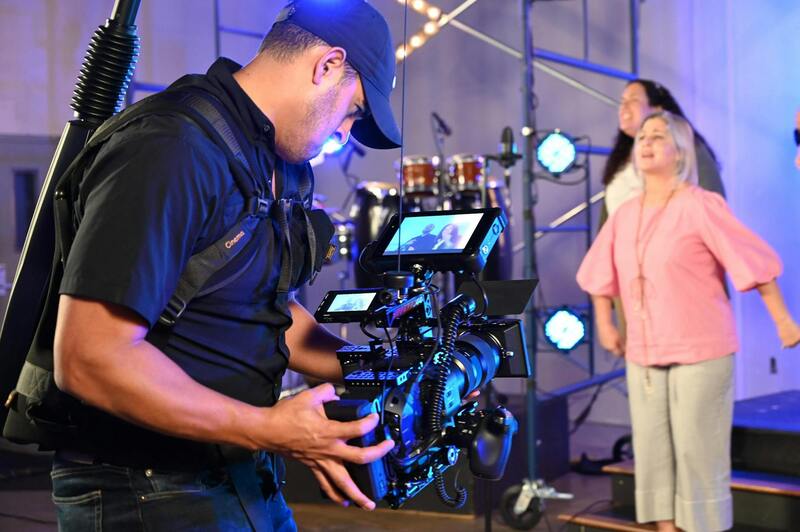
Capturing the essence of a commercial property requires a strategic approach that emphasizes clarity, scale, and spatial understanding. Professional photographers employ specific techniques to ensure that each image accurately reflects the property's value and appeal. The main elements include meticulous lighting, thoughtful composition, strategic angles, and effective staging. These components work together to create compelling visuals that attract prospective tenants or buyers and communicate the property's potential effectively.
Optimal Lighting Conditions
Proper lighting is fundamental to high-quality commercial property images. Photographers often utilize natural light complemented by professional lighting equipment to highlight architectural features, internal space, and exterior details. Balancing shadows and highlights ensures that the imagery is vibrant without distortion, accurately representing the property’s ambiance. For interior shots, diffused lighting reduces glare and harsh shadows, producing soft, inviting images that showcase the space in the best possible light.
Composition and Framing
Thoughtful composition guides the viewer’s eye and accentuates the property's key features. Skilled photographers apply principles such as the rule of thirds, leading lines, and symmetry to create balanced and engaging images. Precise framing ensures that important aspects—like spacious interiors or impressive facades—are emphasized, providing a comprehensive understanding of the property’s layout and design.
Angles and Perspectives
Choosing the right vantage points accentuates the property’s scale and architectural integrity. Wide-angle lenses often facilitate expansive shots that convey spatial volume, while lower or higher angles can highlight specific features or demonstrate the building’s height and depth. A mix of exterior and interior perspectives supplies a well-rounded visual narrative, enabling viewers to imagine themselves within the space.
Staging and Property Preparation
Prior to shooting, proper staging ensures that spaces appear clean, organized, and appealing. This involves decluttering, arranging furniture to maximize openness, and adding subtle decorative touches that enhance visual interest. When staging is done thoughtfully, it helps to communicate the property's full potential, making it more attractive to prospective clients.
The Role of Technology and Equipment in Property Photography
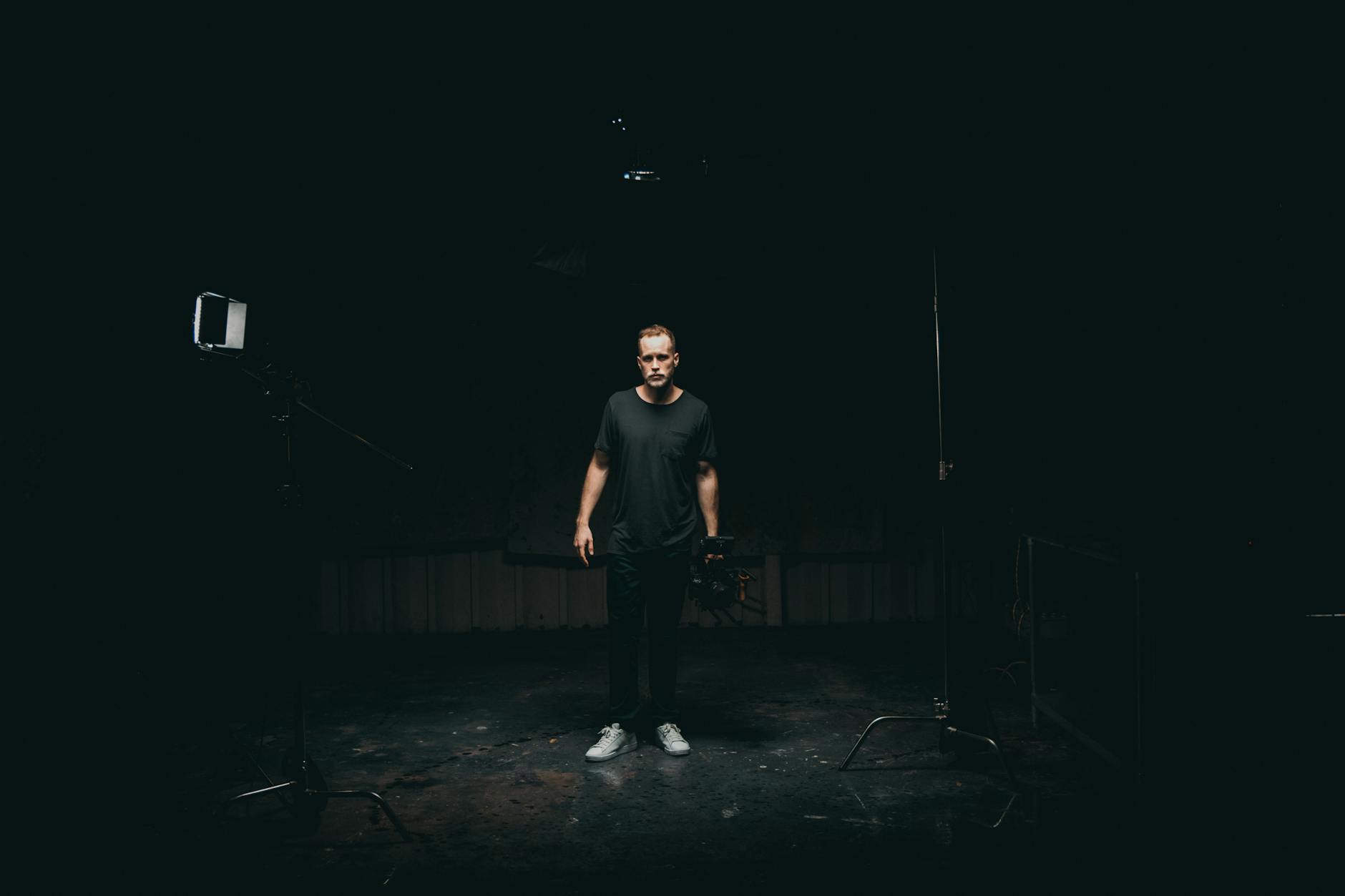
Utilizing advanced tools and equipment elevates the quality and precision of property images. High-resolution digital cameras with full-frame sensors capture detailed visuals, ensuring sharpness and clarity across various lighting conditions. Wide-angle lenses enhance spatial perception, making rooms appear more spacious and inviting. Drones are increasingly employed to showcase large outdoor spaces, rooftops, and property surroundings from a compelling aerial perspective.
In addition to cameras and lenses, professional photographers rely on stabilization equipment such as tripods and gimbals to produce steady, blur-free images. For interior shots, high dynamic range (HDR) photography combines multiple exposures to balance lighting contrasts, guaranteeing detailed visuals even in challenging lighting scenarios. Post-processing software fine-tunes images by correcting color, brightness, and perspective distortions, resulting in polished presentations that align with branding standards and marketing goals.
Choosing the Right Property Photography Service in Miami
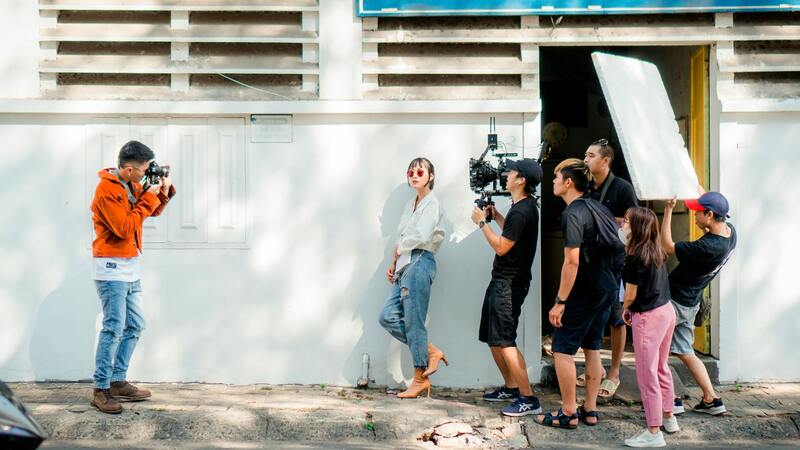
Selecting a specialized service involves assessing experience, portfolio quality, and understanding of the local market. A reputable provider demonstrates expertise in both residential and commercial photography, offering tailored solutions that align with specific property types and target audiences. Miami’s vibrant real estate scene demands providers who are familiar with the city’s unique architectural styles, lighting conditions, and client expectations.
When evaluating options, consider the following criteria:
- Experience and Portfolio: Review completed projects to ensure the quality and consistency of images.
- Equipment and Technology: Confirm the use of professional-grade cameras, lenses, and lighting tools.
- Customization and Flexibility: Determine if the service offers tailored packages, including drone shots, virtual tours, and 3D modeling.
- Turnaround Time: Ensure timely delivery to meet marketing schedules.
- Client Feedback and References: Seek testimonials to gauge reliability and customer satisfaction.

The Process of Booking and Conducting a Photography Session
Streamlining the booking process involves clear communication and planning. Clients typically start by consulting with the photography service to discuss specific requirements, property details, and desired deliverables. Scheduling involves arranging a date and time that aligns with property availability and optimal lighting conditions, often during daylight hours for exterior shots.
On the day of shooting, professionals arrive prepared with the necessary equipment. They conduct a walkthrough, identify key features, and position themselves to capture multiple perspectives. Proper property staging and lighting setup are integral to achieving high-quality images. After the shoot, the images undergo post-processing, enhancing the visual appeal and ensuring consistency across the portfolio.
Upon completion, the images are delivered through secure channels, ready for immediate use in listings, marketing campaigns, and social media platforms. An efficient workflow minimizes disruptions to property access and maximizes the overall quality of the visual assets.
Technology and Equipment Used in Property Photography
Professional property photography relies heavily on advanced technology and quality equipment to produce visually compelling images that can significantly influence potential buyers and tenants. High-end camera systems with full-frame sensors are standard, allowing for exceptional detail, dynamic range, and low-light performance. These cameras are complemented by wide-angle lenses, which are essential for capturing the full scope of interior spaces without distortion, giving viewers a true sense of the property's size and layout.
Beyond camera gear, professional photographers utilize state-of-the-art lighting solutions to ensure optimal illumination. This includes portable strobes, softboxes, and reflectors, which help eliminate shadows and highlight the property's best features regardless of natural light availability. For exterior shots, the use of drone technology has become increasingly popular. Unmanned aerial vehicles (UAVs) equipped with 4K or higher resolution cameras provide commanding aerial perspectives that showcase the property's surroundings, landscaping, and overall curb appeal.
Tripods and stabilizers are also integral to capturing crisp, blur-free images, especially in challenging lighting conditions. Advanced editing software plays a vital role in post-processing, where professionals fine-tune images to correct color balance, enhance details, and create consistent visual branding across all property photos.
High dynamic range (HDR) imaging techniques are regularly employed to seamlessly combine multiple exposures, ensuring interior spaces are bright and inviting without overexposing windows or shadows. Panoramic photography and 3D imaging are additional tools that give potential buyers a virtual tour experience, allowing immersive exploration of the property from any device or location.
The integration of these cutting-edge tools and methodologies underscores the importance of professional-grade equipment in producing polished, market-ready visual assets. When selecting a property photography service, clients should ensure they have access to such technology, as it directly impacts the quality and effectiveness of marketing efforts.
Technology and Equipment Used in Property Photography
The foundation of exceptional professional property photography lies in the utilization of state-of-the-art technology and equipment. Dedicated image capture tools allow photographers to produce high-resolution images that accurately represent a property’s unique features and appeal. Modern digital cameras used in the industry typically feature full-frame sensors, enabling superior detail rendition and optimal performance in various lighting conditions. These cameras support high-megapixel outputs, which are essential for producing large, print-quality images and detailed virtual tours.
In addition to advanced cameras, professional photographers heavily rely on specialized accessories to enhance image quality. Tripods and gimbals provide stability, ensuring sharp, blur-free photos even in low-light or challenging conditions. These tools are crucial during long exposures or when capturing consistent shots across different angles. When it comes to landscape and exterior images, drones equipped with high-resolution cameras offer aerial perspectives that showcase property size, surrounding scenery, and distinctive landscaping elements, creating a comprehensive visual narrative that captivates potential buyers.
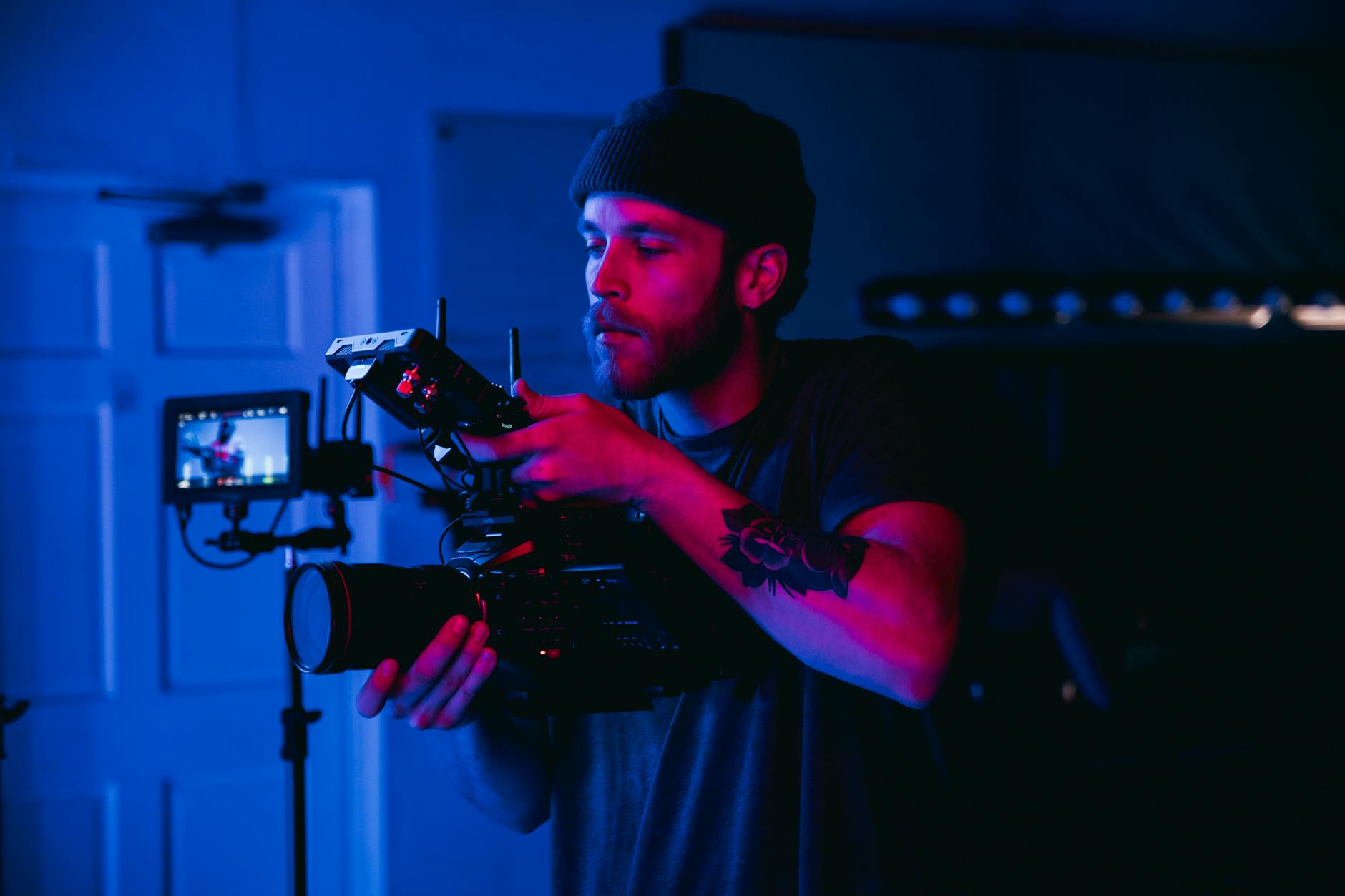
Inside the property, advanced lighting equipment such as portable flash units, reflectors, and diffusers are employed to balance interior illumination. These tools ensure that rooms are brightly lit without unwanted shadows or glare, highlighting the property's best features. Photographers also depend on high-dynamic-range (HDR) imaging software to combine multiple exposures, resulting in images that reveal both interior brightness and exterior views simultaneously. This technique prevents overexposure of windows and underexposure of darker areas, creating a well-balanced visual presentation.
Post-production editing is another critical element in the professional photography workflow. Software solutions like Adobe Lightroom and Photoshop enable precise adjustments to color, contrast, and sharpness, ensuring the final images are polished, consistent, and compelling. These programs also facilitate minor corrections and enhancements, such as removing distractions or correction of lens distortions, ultimately elevating the overall quality of property visuals.
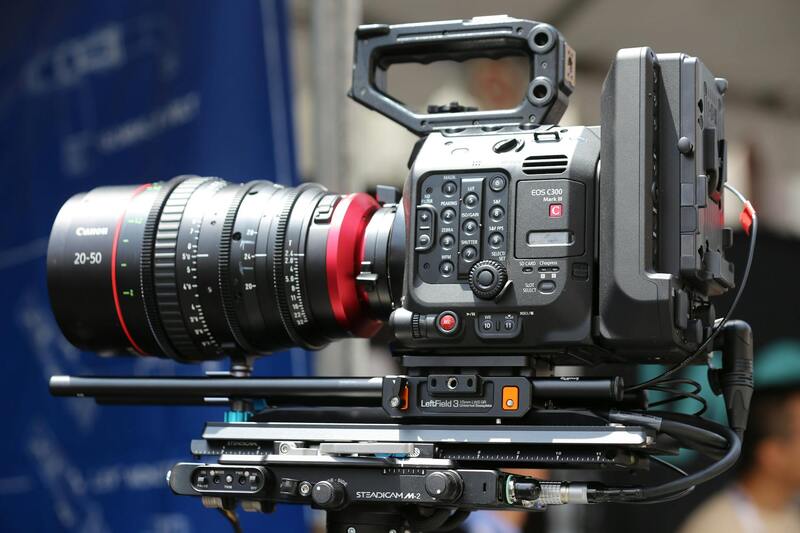
The integration of these advanced technological tools and equipment is essential for delivering images that resonate with prospective buyers. They not only provide a true-to-life depiction of the property but also add a layer of professionalism and polish to marketing materials. When selecting a photography service, clients should verify that the team utilizes such innovative technology, as it significantly impacts the clarity, attractiveness, and professionalism of the final visuals.
Choosing the Right Property Photography Service in Miami
Selecting an appropriate professional property photography service in Miami requires a strategic approach that emphasizes expertise, equipment, and understanding of the local real estate market. Miami's vibrant and diverse real estate landscape demands a photography provider that not only captures the aesthetic appeal of properties but also aligns with the specific needs of sellers and agents looking to attract discerning buyers. To ensure a successful partnership, clients should evaluate the credentials and portfolio of potential service providers, focusing on their experience in commercial and residential property photography within Miami's competitive environment.
The ideal agency should demonstrate a comprehensive understanding of the area's architectural styles, neighborhood characteristics, and market trends. This knowledge enables photographers to tailor their images effectively, highlighting unique property features that resonate with targeted buyers. Additionally, assessing sample images of previous work offers insights into the quality, consistency, and creative vision of the service provider.
Another critical factor is the equipment and photographic techniques employed. A top-tier property photography service uses high-resolution cameras, wide-angle lenses, and advanced lighting tools to produce crisp, vibrant images that showcase spaces at their best. Services utilizing modern HDR imaging, drone photography, and virtual tour technology can further elevate marketing strategies by providing immersive and dynamic visual content. These enhancements not only attract more online views but also foster higher engagement and faster sales.
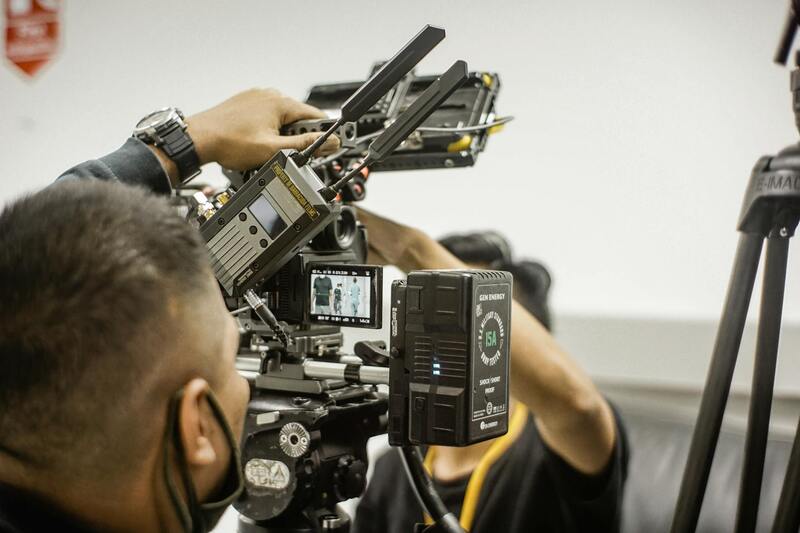
Communication and flexibility also play vital roles when choosing a photography service. An experienced agency should offer personalized consultations to understand specific marketing goals and adapt their approach accordingly. They should also adhere to schedules that align with listing timelines, providing timely and efficient service that meets the demands of a fast-paced market.
Clients are encouraged to conduct interviews or detailed discussions, asking about their processes, post-production capabilities, and experience working with real estate professionals. Verifying references or reviews helps gauge client satisfaction and reliability. Ultimately, selecting a competent property photography service in Miami involves balancing technical proficiency, market understanding, and professional reliability to ensure compelling visual marketing assets.
Legal and Ethical Considerations in Property Photography
When engaging a professional property photography service, it is essential to ensure that the methods and practices employed adhere to established standards of integrity and respect for all parties involved. A reputable service consistently operates within the bounds of industry best practices, prioritizing transparency, honesty, and respect for property owners and clients. This involves obtaining proper consent from property owners before conducting shoots, especially when capturing images of private or sensitive areas.
Moreover, professional photographers maintain clear communication with real estate agents and property managers to align expectations and responsibilities. Utilizing legally obtained permission to access sites ensures that no violations occur during the process. Clear agreements should outline the scope of work, usage rights for images, and any restrictions on photographic content to prevent misunderstandings and protect all stakeholders’ interests.
Ethical standards also extend to post-production edits. Authenticity in imagery is crucial; while enhancements to lighting, color correction, and minor retouching are common, deceptive alterations that change the true appearance of a property can mislead potential buyers. Therefore, professional property photographers commit to honest representation, emphasizing images that accurately reflect the property's condition and features.

In addition, maintaining compliance with local regulations and industry standards contributes to a transparent and responsible marketing environment. Photographers should stay informed about any pertinent legal updates and industry codes of conduct to uphold their reputation and provide clients with ethically sound services. This commitment fosters trust among real estate professionals, property owners, and potential buyers, ultimately supporting a smooth and reliable market process.
Continuing Education and Certification for Photography Professionals
To uphold high standards, many property photography professionals pursue ongoing education and relevant certifications. These credentials demonstrate a commitment to technical skill, industry knowledge, and ethical conduct. Certifications from recognized industry bodies often cover areas such as camera operation, lighting techniques, post-production editing, drone operation, and virtual tour technology.
Participating in industry workshops and training sessions allows photographers to stay updated on the latest technological advancements and marketing trends. They gain insights into effective composition, innovative imaging gadgets, and software tools that enhance their service offerings. Moreover, ongoing education helps photographers adapt to emerging platforms, such as virtual reality and 3D walkthroughs, further enriching their ability to deliver versatile marketing content.

Choosing a property photography service that values ongoing professional development ensures the delivery of cutting-edge, reliable visual content. It reflects a genuine dedication to quality and ethical standards, providing real estate professionals with assets that effectively captivate and inform prospective buyers. Such commitment ultimately enhances the reputation of the service provider and guarantees a consistent level of excellence in every project undertaken.
Tips for Maintaining Photography Standards and Continuous Improvement
Ensuring the highest quality in property photography requires a dedicated approach to ongoing standards and professional development. Real estate professionals and photographers alike benefit from establishing clear procedures and investing in continuous learning. These efforts help maintain consistency in image quality, capture current market trends, and adapt to new technological advancements.
One fundamental practice is to develop a comprehensive workflow that covers every stage of the photography process. This includes pre-shoot preparations such as assessing lighting conditions, staging the property to highlight its best features, and planning the appropriate angles and composition. During the shoot, photographers should utilize calibrated equipment and adhere to established exposure, focus, and framing standards. Post-production editing is equally vital; it involves refining images to enhance clarity, correct color balance, and ensure visual accuracy without misrepresentation.
Regular training sessions and workshops are essential components of a strategy to stay current with evolving trends. Attending industry seminars, webinars, and certification programs allows photographers to learn about cutting-edge techniques, new equipment, and software enhancements. These educational opportunities often introduce innovative approaches such as drone imaging, 360-degree virtual tours, and augmented reality applications that can significantly elevate marketing content.
Engaging in peer review sessions and seeking constructive feedback also promotes skill refinement. Collaboration with other professionals in the field fosters knowledge exchange and allows for benchmarking against industry standards. Meanwhile, maintaining a portfolio of diverse projects helps identify areas for improvement and adapt to different property types and client preferences.
Establishing quality control protocols, such as standardized checklists for each shoot, guarantees that all deliverables meet set expectations. It also involves strict adherence to consistent editing practices and verification of image accuracy before delivery. Leveraging client feedback provides valuable insights into how the images impact their marketing efforts and allows for adjustments to enhance future outcomes.
Implementing a systematic approach to training, quality assurance, and technological adoption ensures that your professional property photography service remains competitive and reliable. This commitment not only secures client satisfaction but also builds a reputation for excellence in the Miami real estate market. The pursuit of continuous improvement fosters innovation, increases efficiency, and ultimately, results in compelling visual content that accelerates property sales and attracts the right buyers.
Strategies for Enhancing Professional Property Photography in Miami
Maintaining high standards in property photography involves a commitment to continuous refinement of both technical skills and creative vision. As Miami’s real estate market evolves rapidly, staying ahead requires proactive measures that integrate industry best practices and emerging technologies. This approach guarantees that each property listing stands out with vivid, accurate visuals that captivate potential buyers and elevate marketing efforts.
Emphasizing Calibration and Consistency
One of the foundational aspects of quality in professional property photography is color accuracy and consistency across images. Regular calibration of cameras, monitors, and other equipment ensures the colors are true to life, which is essential for creating realistic representations of the properties. Consistency in lighting and styling across multiple images enhances the viewer’s experience and provides a cohesive narrative, especially in virtual tours and online listings.
Adopting the Latest Technologies
Staying updated with technological advancements is crucial for delivering compelling visual content. Techniques such as high dynamic range (HDR) imaging, panoramas, and drone photography enable capturing expansive and detailed views of both interior and exterior spaces. Implementing 360-degree virtual tours and augmented reality solutions can further immerse potential buyers, providing an innovative edge in Miami’s competitive property landscape.
Ongoing Education and Training
Investing in continuous education ensures photographers stay informed about industry trends, new techniques, and legal considerations. Attending workshops, webinars, and industry conferences broadens skills and sparks creative innovation. Collaborating with industry peers offers insights into successful marketing strategies and emerging technologies, fostering a culture of learning and improvement.
Client Feedback and Quality Control
Establishing a robust feedback mechanism with clients helps identify areas for improvement and adapt workflows accordingly. Implementing standardized checklists for each shoot ensures every aspect, from lighting to composition, meets high standards. Rigorous editing protocols, focusing on enhancing image clarity without misrepresentation, preserve authenticity while improving visual appeal. Prior to delivery, thorough review processes verify that images meet predefined quality thresholds.
Documentation and Portfolio Development
Maintaining an organized portfolio of diverse property images allows for regular review and benchmarking. Analyzing past work highlights strengths and uncovers opportunities for enhancement. Including a variety of property types ensures familiarity with different styles and challenges, equipping photographers to adapt seamlessly to each new project. This practice also demonstrates versatility to prospective clients seeking professional property photography services in Miami.
Utilizing Client and Market Insights
Understanding client goals and the specific market segment enhances the strategic approach to property photography. Tailoring visuals to emphasize features most relevant to target buyers enhances engagement. Monitoring local market trends and competitor offerings helps identify innovative approaches, ensuring that your photography remains relevant and impactful in Miami’s dynamic real estate environment.
Conclusion
To sustain excellence in professional property photography, a combination of technical expertise, continuous education, innovative technology adoption, and client-focused practices is essential. Regularly evaluating workflows, investing in new equipment, and embracing creative experimentation will ensure that each property presentation is compelling, accurate, and aligned with the latest industry standards.