Importance of Professional Property Photography
In the competitive Miami real estate market, the presentation of a property can significantly influence its sale potential. High-quality property photography is essential for creating compelling visual narratives that capture the attention of prospective buyers. Well-crafted images not only highlight the unique features and architectural details of a property but also serve as the first point of contact for online listings, where most property searches begin. In a vibrant market like Miami, where lifestyle and aesthetics are often key selling points, professional photography boosts listing visibility and encourages quicker engagement from interested parties.
Professional property images have a powerful impact on potential buyers’ decision-making processes. They evoke emotional responses, showcase the property’s best attributes, and provide an accurate representation of the space. This authenticity fosters trust and reduces the likelihood of mismatched expectations when buyers view the property in person. Moreover, listings with high-quality, appealing images attract more clicks, leading to increased website traffic and greater online exposure. As a result, estate agents benefit from improved lead generation, faster sales timelines, and the ability to position their listings above competitors in Miami’s dynamic real estate landscape.
The importance of professional property photography extends beyond listing portals. When integrated into broader marketing strategies, these images serve as valuable content for social media platforms, virtual tours, and printed brochures. Each visual element enhances branding efforts, builds credibility, and sustains buyer interest throughout the sales process. In a city where visual appeal can determine market success, investing in skilled property photography has become an integral component of effective estate marketing.
Key Elements of Effective Property Photos
Creating compelling property images requires an understanding of several core principles that highlight a home's unique features while presenting them in the most appealing way. High-quality photos hinge on meticulous attention to lighting, composition, and the choice of angles. Proper lighting ensures that indoor spaces appear bright and welcoming, avoiding shadows that could obscure key details. Utilizing natural light during optimal times of the day, complemented by professional lighting equipment, enhances the vibrancy and true color tones of each room.
Composition plays a crucial role in directing viewers' attention and conveying the spaciousness or intimacy of a property. Frames should be carefully arranged to include the most attractive aspects of a room, avoiding clutter and distractions. Symmetry and leading lines can guide the eye through a space, creating a pleasing visual flow. The choice of angles impacts how spacious or cozy a room appears; wide-angle lenses, when used appropriately, can make rooms look more generous and inviting without distorting the space.
Preparing Properties for Photography
Preparation involves more than just tidying up—it's about optimizing the property to highlight its strongest features. Decluttering spaces ensures that viewers focus on the home’s architectural details and layout without distractions. Deep cleaning all surfaces contributes to a fresh, spotless appearance that translates well in photographs. Freshly painted walls or refurbished fixtures can also enhance visual appeal.
Staging plays a vital role in transforming rooms to their potential. Arranging furniture to accentuate space, adding tasteful decor, and aiming for a neutral, inviting aesthetic can make a significant difference. It’s equally important to consider the time of day for the shoot, aiming for natural light that best captures the property's ambiance. Accessories such as cushions, plants, and artwork should be thoughtfully placed to enhance the overall image without overpowering the space.
Techniques and Equipment for Shooting Property Photos
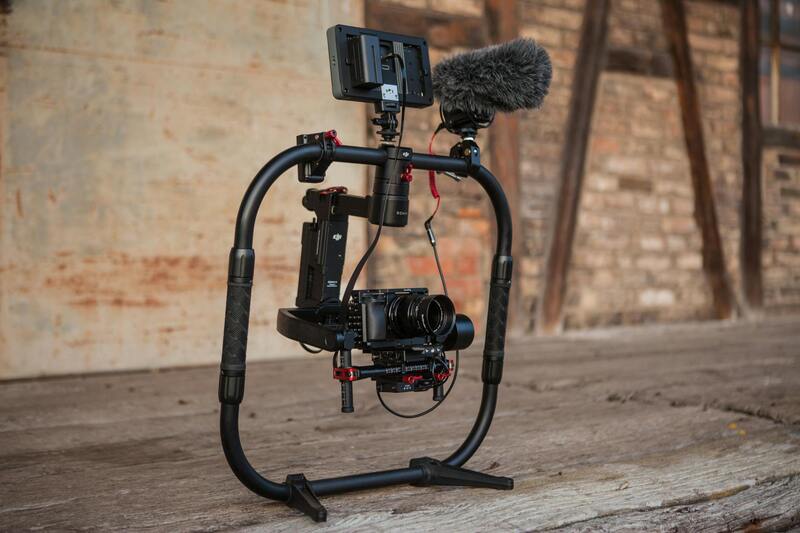
Professional property photography relies on specialized equipment and techniques to produce high-quality images that stand out online. Wide-angle lenses are essential for capturing entire rooms in a single shot, providing viewers with a comprehensive view of the space. Tripods stabilize the camera, enabling sharp images and consistent framing, especially in low-light conditions.
Additional equipment such as external flashes, reflectors, and diffusers help manage lighting challenges, ensuring even illumination throughout the property. Drone photography may be employed to showcase exterior amenities, landscaping, and the property's surroundings from unique vantage points.
Mastering camera settings, including aperture, ISO, and shutter speed, allows photographers to optimize image quality based on lighting conditions. Using a remote shutter release minimizes vibrations, resulting in crisp, professional images. Skilled operators understand when to utilize natural light versus artificial lighting to ensure each shot accurately depicts the property's true colors and ambiance.
Editing and Post-Processing for Real Estate Images
After capturing the initial images, post-processing is essential to refine and optimize visuals. Adjustments to brightness, contrast, and saturation help to enhance colors and highlight the property's best features. Cropping and straightening ensure that the composition remains balanced, eliminating any distortions or awkward framing.
Noise reduction and sharpening techniques can improve clarity, especially in images taken in challenging lighting conditions. Removing minor imperfections, such as stains or cluttered areas, further elevates the visual appeal. Care should be taken to maintain authenticity, avoiding over-editing that might misrepresent the property's real appearance.
Utilizing software such as Adobe Lightroom or Photoshop enables detailed enhancements, including color correction and lens correction adjustments. Consistent editing styles across listings reinforce branding efforts and create a cohesive visual presentation, which is particularly beneficial for agencies with multiple properties.
Techniques and Equipment for Shooting Property Photos
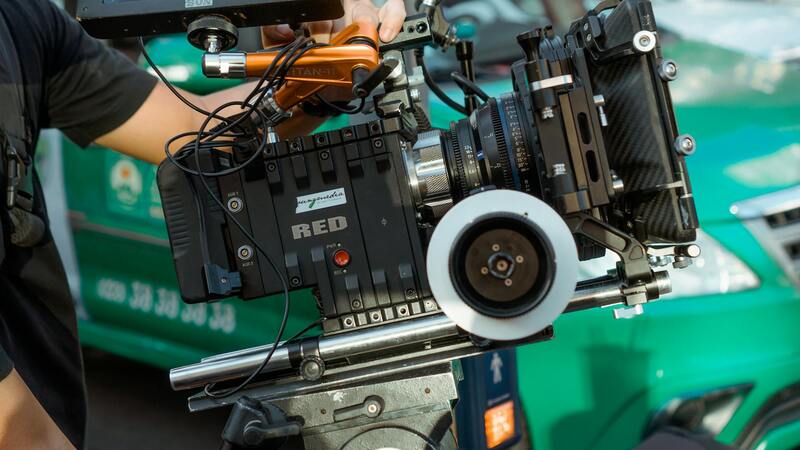
Achieving high-quality property images requires the use of specialized techniques and professional equipment to capture every detail with precision. Wide-angle lenses are fundamental in showcasing multiple rooms within a single shot, providing viewers with a comprehensive perspective of the property's layout. These lenses help emphasize the spaciousness and flow of interior spaces, making rooms appear larger and more inviting. When combined with proper lighting, wide-angle shots produce immersive visuals that are particularly effective in online listings and marketing materials.
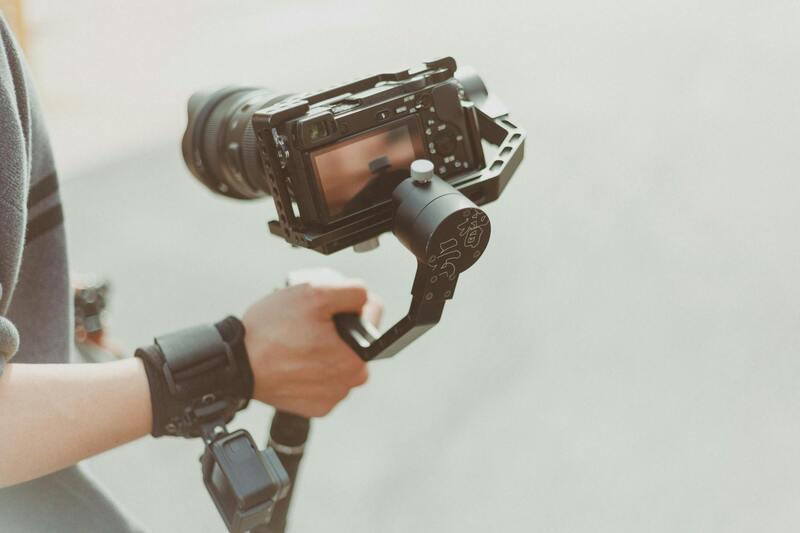
Proper camera settings are crucial for capturing sharp, vibrant images. Aperture selection influences depth of field, allowing the photographer to keep both foreground and background in crisp focus. A lower ISO setting minimizes grain and noise, ensuring clarity even in low-light conditions. Using a tripod stabilizes the camera during long exposures, which is especially important in interior shots where natural light may be limited or artificial lighting is minimized to create a warm ambiance.
LED or strobe lighting fixtures are often utilized to balance interior lighting, reducing shadows and illuminating darker corners. These tools enable the photographer to create consistent, evenly lit images that accurately reflect the property's ambiance. For exterior shots, a polarizing filter can help manage reflections and enhance sky contrast, resulting in more vibrant outdoor visuals.
Mastering techniques such as bracketing—taking multiple exposures at different brightness levels—allows for high dynamic range (HDR) imaging. HDR merges these exposures to showcase both the interior and exterior details in challenging lighting conditions, delivering images that are true to life and highly appealing.
From a technical standpoint, post-shoot workflows involve meticulous editing to correct distortions caused by wide-angle lenses and optimize perspective. Software solutions offer tools that straighten lines and correct lens aberrations, ensuring that images accurately depict the property’s dimensions and architecture. This attention to detail transforms raw captures into polished, professional-grade visuals that captivate prospective buyers and renters alike.
Utilizing External Infrastructure and Advanced Equipment
Maximizing the visual appeal of property images often involves the strategic use of external infrastructure and specialized equipment. Employing professional-grade drones can revolutionize the presentation of large estates, commercial properties, or scenic outdoor areas. Drone photography provides expansive aerial shots that showcase property layouts, surrounding landscapes, and neighborhood amenities from perspectives unattainable with ground-level photography. This elevated vantage point not only emphasizes the property's size and condition but also adds an element of cinematic appeal that resonates with high-end clients.
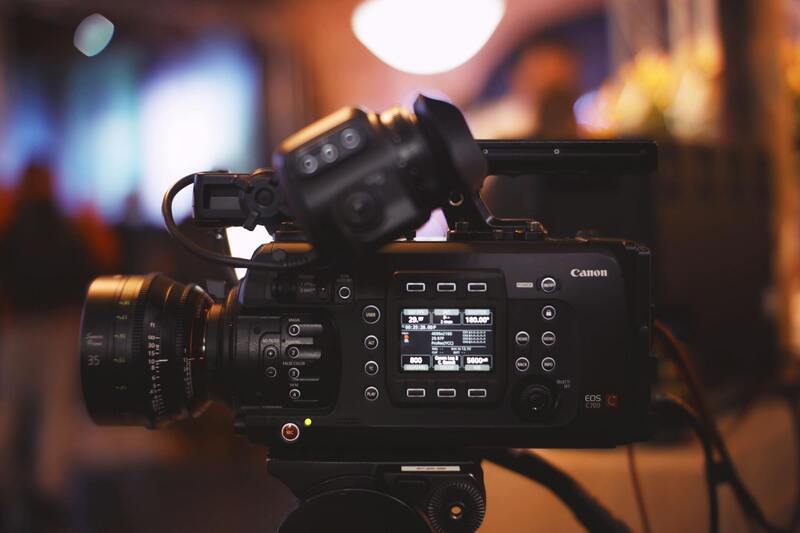
In addition to drones, the use of panoramic cameras and software allows for the creation of seamless 360-degree virtual tours. These immersive experiences enable potential buyers to explore the property remotely, providing a comprehensive understanding of the space as if they were physically present. Integrating a series of high-resolution panoramic images into a virtual walkthrough capacity can significantly increase online engagement and shorten the decision-making process for prospective clients.
Enhancing Consistency Through Professional Equipment and Techniques
To ensure each shot aligns with the property's unique features and the overall marketing narrative, real estate photographers rely on advanced stabilization systems, remote triggers, and calibrated lighting setups. Tripods with fluid heads provide stability and precise framing, especially during long exposure shots or HDR sequences. Color calibration tools help maintain consistency across different lighting environments, ensuring the final images mirror reality while highlighting the property's best attributes.
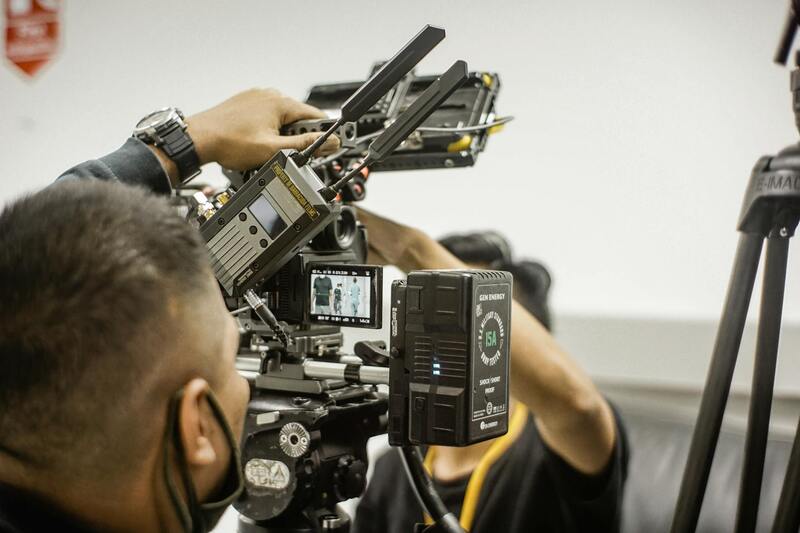
Incorporating these methods and equipment ensures that the photos produced are not only visually stunning but also truthful representations of the property. Such professionalism fosters trust with clients, as accurate, high-quality visuals serve as the foundation of effective property marketing.
Techniques and Equipment for Shooting Property Photos
Achieving exceptional property imagery hinges on the deployment of advanced techniques and specialized equipment that elevate the quality and appeal of each shot. Professional real estate photographers utilize a combination of state-of-the-art tools and refined methodologies, ensuring each photograph accurately reflects the property's essence while captivating prospective buyers. Central to this approach are the use of high-resolution cameras equipped with wide-angle lenses, which allow for expansive views that make interior spaces appear larger and more inviting.
Stability is a critical factor in capturing sharp, well-aligned images. Tripods with high-precision fluid heads enable seamless adjustments and smooth panning, essential for maintaining consistent framing throughout a shooting session. When lighting conditions are less than ideal, photographers often employ calibrated lighting setups and reflectors to balance natural and artificial light, reducing shadows and enhancing the property's true colors. This meticulous attention to lighting ensures that the images are both vibrant and true-to-life, offering viewers a realistic impression of each space.
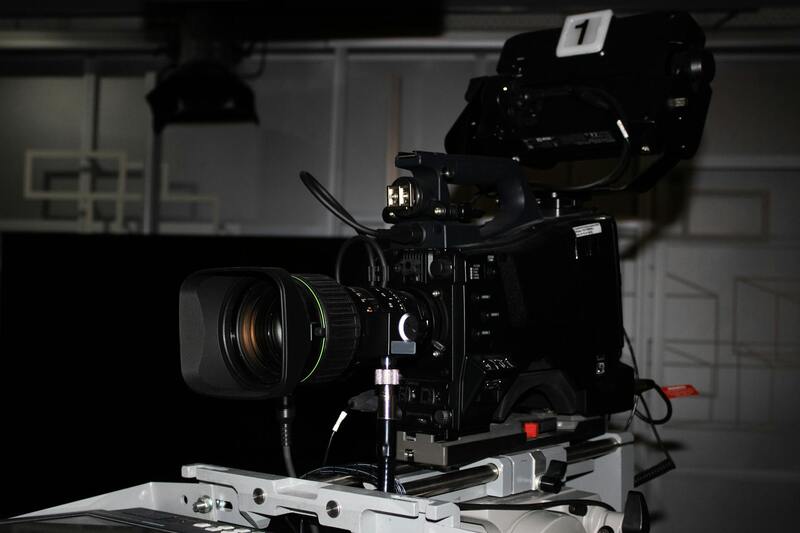
Remote triggers and tethered shooting systems further enrich the shooting process, enabling photographers to capture multiple exposures or bracketed shots without moving away from their camera. This flexibility facilitates the production of high dynamic range (HDR) images that blend various exposures, revealing details in both shadows and highlights. Additionally, drone photography has become an indispensable part of property shoots, delivering breathtaking aerial views that showcase a property’s layout and surroundings from a compelling perspective.
Using panoramic cameras and software solutions allows for the creation of immersive 360-degree virtual tours. These virtual walkthroughs serve as dynamic marketing tools that enable online viewers to explore properties remotely, gaining a comprehensive understanding of spatial arrangements and flow. When combined with high-quality still images, such virtual experiences can substantially increase engagement and facilitate faster decision-making among prospective buyers.

Overall, the combination of professional-grade equipment and refined techniques ensures that property photos are not only visually stunning but also honest representations of the space. This precision builds trust with clients, enhances the property's marketability, and ultimately supports a faster, more efficient sales process.
Techniques and Equipment for Shooting Property Photos
Capturing high-quality property images requires a combination of technical expertise and specialized equipment designed to highlight the property’s best features while maintaining accuracy and clarity. Professional photographers rely on advanced camera gear, such as full-frame DSLR or mirrorless cameras, which provide superior image quality and better performance in varying lighting conditions. These cameras enable the use of interchangeable lenses, each tailored to specific aspects of property photography.
Wide-angle lenses are essential for real estate photography, allowing photographers to capture more of a room or exterior in a single shot. This lens type minimizes distortion and provides a realistic perspective, making spaces appear larger and more inviting. For interior shots, a lens with a focal length between 14mm and 24mm is typically preferred, ensuring comprehensive coverage without sacrificing detail.
Tripods play a critical role in maintaining stability during shooting, especially in low-light conditions or when employing longer exposure times to achieve optimal brightness and clarity. Remote triggers or tethered shooting systems help avoid camera shake and enable real-time image review, ensuring perfect framing and focus before capturing the shot.
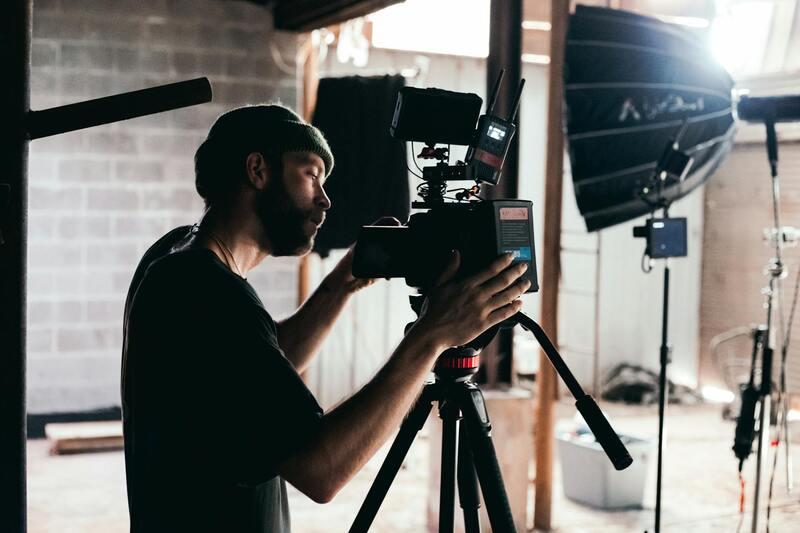
Beyond still photography, accessory tools such as drone cameras introduce aerial perspectives that showcase the property’s exterior, landscaping, and surrounding environment from a compelling vantage point. Drones with high-resolution cameras and stabilization technology can produce smooth, cinematic footage that enhances marketing efforts.
Illumination equipment, including flash units and continuous lights, helps manage challenging lighting conditions within interiors, ensuring that every detail is vividly displayed without unwanted shadows or overexposure. Reflectors and diffusers are also valuable for manipulating natural light, creating balanced and appealing images.
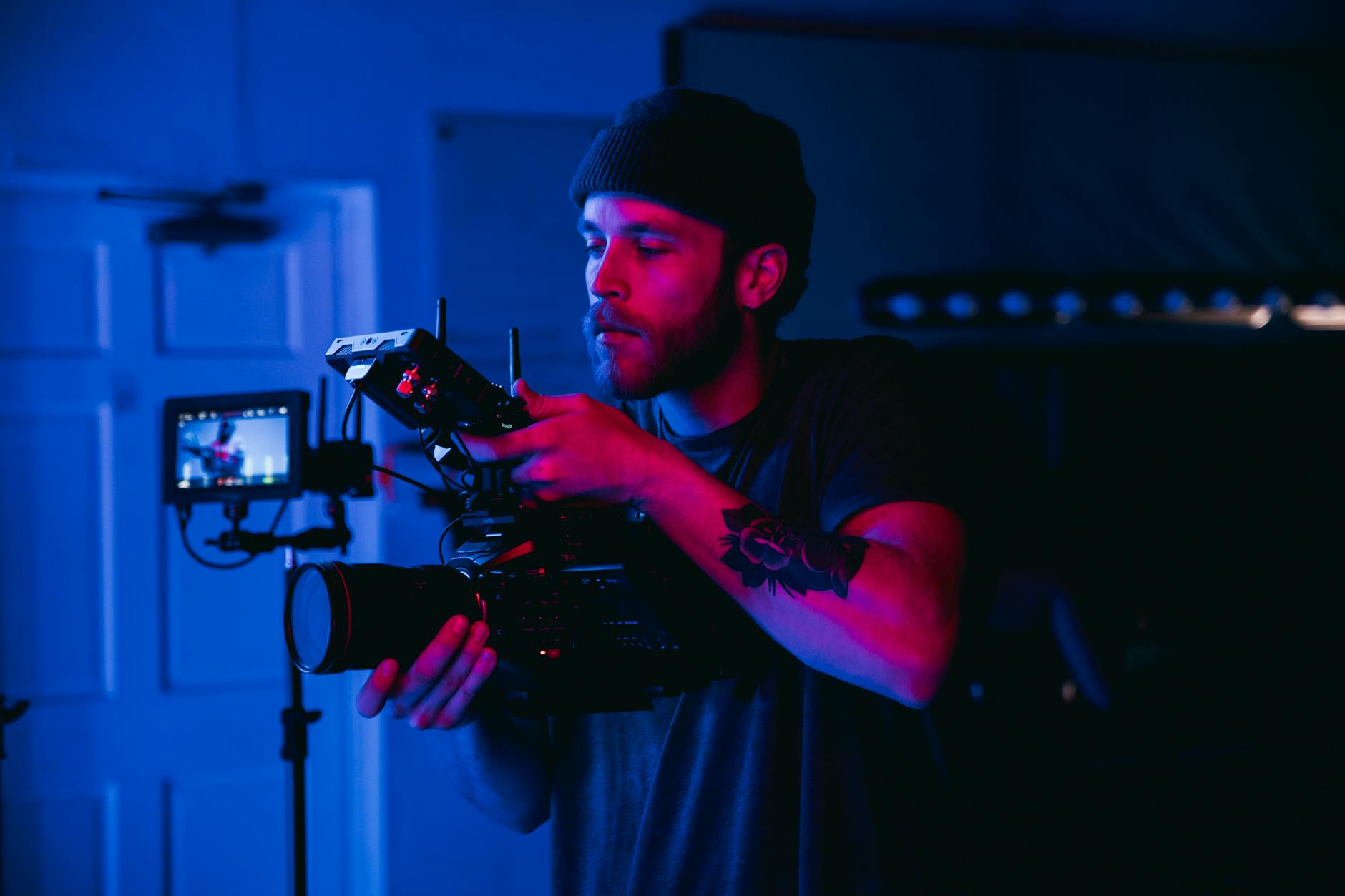
Combine these tools with proper shooting techniques, such as low ISO settings for noise reduction and appropriate aperture selections for depth of field, to produce images that are both sharp and vibrant. By employing the right equipment and methods, property photographers can deliver images that authentically represent every space, reinforcing the property’s appeal to prospective buyers.
Strategies for Showcasing Property Photos Effectively
To maximize the impact of property images, estate agents should focus on strategic integration across multiple marketing channels. High-quality photographs can significantly enhance online listings, making properties stand out in competitive markets. Implementing consistent branding through images—including logo placement, color schemes, and watermarking—can help build recognition and trust among prospective buyers.
Optimizing images for web use involves compressing files without sacrificing quality, ensuring fast load times that improve user experience and search engine rankings. Properly formatted images should adhere to recommended pixel dimensions for various platforms, such as square images for social media and wider aspect ratios for website galleries. Incorporating virtual staging or 3D tours alongside professional photography can create immersive experiences that capture buyer interest more effectively.
Social media platforms offer powerful tools for targeted advertising. Sharing eye-catching images with compelling captions and relevant hashtags ensures increased visibility, engagement, and organic reach. Regularly updating visual content keeps the property fresh in the audience’s mind and encourages shares among potential buyers and local communities.
For virtual tours or 360-degree views, integrating 3D imaging and interactive media provides potential buyers with a comprehensive understanding of the property's layout and ambiance, which can lead to higher inquiry rates. These tools allow viewers to explore spaces from the comfort of their homes, creating a sense of familiarity and reducing the need for multiple physical visits.
Implementing a Cohesive Visual Narrative
Ultimately, the goal is to craft a cohesive visual story that highlights each property’s unique features and lifestyle appeal. Consistent styling, lighting, and angles across all images help establish a professional and trustworthy brand image. Elements such as ambient lighting, strategic furniture placement, and carefully chosen color palettes can evoke specific moods and attract targeted buyer demographics.
By diligently employing these strategies, estate agents can turn high-quality property photography into a powerful marketing asset—one that not only attracts attention but also accelerates the selling process and maximizes property value.
Utilizing Authentic Property Photography Techniques to Enhance Real Estate Listings
Implementing official and reliable methods to capture property images ensures that estate agents present properties in the best light, fostering trust and attracting quality buyers. A thorough understanding and application of proven techniques are essential for producing consistent, high-standard visuals that align with industry expectations and client satisfaction.
Expert Composition and Framing
Achieving an impactful shot begins with careful composition. This involves selecting a vantage point that showcases the property's most appealing features and ensures a balanced presentation. Utilizing the rule of thirds guides the placement of key elements, creating visually engaging images that naturally draw viewers' attention. Proper framing eliminates unnecessary clutter and emphasizes the spatial layout, allowing potential buyers to appreciate the flow of rooms and overall property size.
Optimal Lighting Conditions
Accurately representing a property hinges on effective lighting. Using natural light during appropriate times of the day reduces harsh shadows and highlights architectural details. Supplementary lighting, such as soft diffusers or professional strobes, can fill in shadows and enhance interior brightness without compromising the natural ambiance. Consistent lighting not only improves image clarity but also maintains uniformity across a series of shots, reinforcing a professional presentation.
Color Fidelity and White Balance
Ensuring color accuracy is pivotal. Proper white balance adjustments prevent color casts that could misrepresent a property's true appearance, helping maintain integrity and trustworthiness. It's crucial to calibrate your camera settings to match environmental lighting conditions, resulting in images that reflect real-life colors, textures, and materials.
Pros of Using High-Quality Equipment
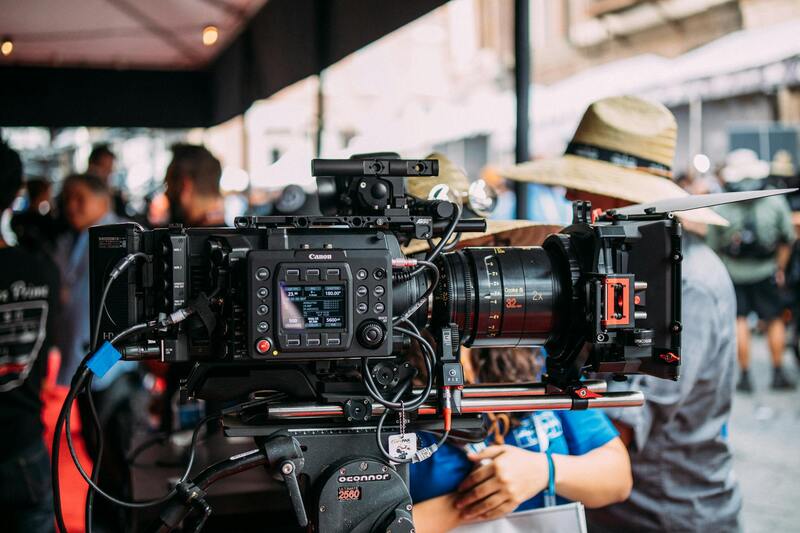
- Full-frame cameras capture more detail and dynamic range, crucial for interior shots with varying light levels.
- Lenses with wide apertures allow for sharp focus and a natural depth of field, emphasizing key features.
- Tripods ensure stability for crisp, blur-free images, especially in low-light settings.
- Professional flash and lighting modifiers help achieve even illumination, highlighting interior finishes and architectural elements.
Standardized Shooting Protocols
Adopting consistent procedures, such as standardized angles, focal lengths, and image dimensions, enhances brand recognition and creates a cohesive portfolio. This consistency simplifies comparative analysis for potential buyers and strengthens the professional image of the estate agency.
Advanced Imaging Techniques
Incorporating specialized methods like HDR (High Dynamic Range) and panoramic stitching enables the capture of detailed images across varying lighting conditions and expansive views. These techniques allow for a comprehensive visual presentation, vital for attracting attentive clients who value precision and clarity.
Security and Compliance
Adhering to established protocols for image rights, privacy, and data handling reinforces an estate agent's reputation. Using official methods ensures that property visuals meet industry standards and avoid issues related to unauthorized alterations or misuse.