Popular Photography Locations in Miami
Miami stands as a vibrant hub for photographers, offering a diverse range of scenic backdrops that cater to both professional and amateur talents. Its blend of iconic beaches, lively cityscapes, and lush natural parks provides endless opportunities to capture compelling images. From the azure waters and sun-kissed sands of South Beach to the bustling streets of Downtown Miami, each location presents unique lighting, textures, and architectural styles.
Among the most celebrated spots is South Beach, renowned for its expansive sandy shores and colorful Art Deco architecture. Photographers here can capture stunning sunrise or sunset shots, utilizing the contrasting hues of the sky against pastel-colored buildings. The Miami Marina offers an excellent vantage point for maritime-themed images, with boats and yachts adding dynamic elements to compositions.
The Miami Riverwalk provides a picturesque setting with its smoothly flowing waterway framed by skyscrapers and palm-lined pathways, ideal for capturing reflections and city life. For nature enthusiasts, the Everglades nearby offer a different palette—swampy landscapes, diverse wildlife, and vibrant plant life—perfect for nature photography.
Further inland, the Wynwood Walls serve as a vibrant canvas of street art, inviting photographers to explore urban and graffiti photography styles. For those seeking natural parks, the Bill Baggs Cape Florida State Park delivers rugged coastlines and historic lighthouse views.
Popular Photography Locations in Miami
Miami’s diverse landscapes and vibrant urban scenery make it a magnet for professional and amateur photographers alike. The city offers an array of settings that cater to various styles, from sleek city skylines to untouched coastal wilderness. Understanding some of the most frequented photography spots can help you maximize your shoot potential and capture the essence of Miami.
Iconic Downtown Miami and Brickell Skyline
The heart of Miami’s urban energy is reflected in the towering skyscrapers of Downtown Miami and Brickell. The juxtaposition of high-rise buildings against the bright blue sky creates compelling compositions, especially during golden hour when the sunlight bathes the glass facades with a warm glow. These areas are perfect for capturing the vibrant city life, reflections on polished surfaces, and the dynamic architecture that defines Miami’s modern identity.
Miami Beaches and Coastal Vistas
No photography exploration in Miami is complete without visiting its famous beaches. South Beach, in particular, offers an expansive stretch of white sand, turquoise waters, and iconic lifeguard towers—ideal for both portrait and landscape photography. Early mornings and late afternoons provide softer light and fewer crowds, allowing for more intimate and dramatic shots. Additionally, the federal and state parks along the coast, such as Bill Baggs Cape Florida State Park, showcase rugged coastlines, historic lighthouses, and lush dunes that are exceedingly photogenic.
Wynwood Walls and Urban Art Scenes
For street and urban photography, Wynwood is a living canvas. Its outdoor murals and graffiti art present a colorful and ever-changing backdrop for creative shoots. This area encourages experimentation with compositions that blend art, culture, and everyday life, capturing Miami’s vibrant street culture. The textured walls and vibrant colors serve as a testament to the city’s dynamic artistic community.
Natural Parks and Green Spaces
Beyond the cityscape, natural parks such as the Miami Beach Botanical Garden, Matheson Hammock Park, and the lush environments of the Everglades provide unique opportunities for nature photography. These locations display a variety of native flora and fauna, offering photographers the chance to shoot wildlife, botanical details, and serene landscapes. The lush greenery, water reflections, and diverse ecosystems present intriguing subjects that highlight Miami’s natural beauty.
Authentic Cultural Neighborhoods
Neighborhoods like Little Havana, with their vibrant street life, colorful murals, and cultural festivities, deliver authentic experiences ripe for lifestyle and documentary photography. Coconut Grove’s leafy streets and bohemian vibe capture Miami’s relaxed yet sophisticated atmosphere. These settings allow photographers to document local traditions, festivals, and daily life, providing a comprehensive view of Miami’s cultural diversity.
Miami’s unique blend of natural beauty, urban energy, and cultural richness supplies a wealth of opportunities for photographers. Whether seeking serene beaches, bustling cityscapes, colorful street art, or lush parks, diverse locations support a wide spectrum of photographic genres. Mastering access to these sites, along with understanding the optimal lighting conditions and times, can elevate the quality of your images and expand your artistic horizons.
Official Permitting Procedures for Photography in Miami
Photographers aiming to operate within Miami's scenic and urban environments should familiarize themselves with the municipality’s established permit frameworks. Securing permits ensures access to certain public spaces and events without interference, facilitating smooth and professional shoot logistics. The City of Miami operates a streamlined application process mainly through the Miami Department of Cultural Affairs and the local parks and recreation departments.
To obtain a permit, applicants typically need to provide detailed information about the shoot, including the location, date, duration, and the scope of equipment used. For commercial photography, additional documentation such as a business license, liability insurance, and a listing of all personnel involved may be required. These measures support the city’s efforts to manage public space utilization and ensure safety for all involved parties.
It’s recommended to submit permit requests well in advance—often several weeks—to accommodate processing times. Certain iconic or highly frequented locations, such as the Miami Beach Boardwalk or Wynwood Walls, may have specific approval procedures or designated permit officers. For shoots involving large setups, props, or models, additional coordination with city officials or event organizers might be necessary to prevent disruptions and uphold community standards.
Respecting the permit process not only guarantees lawful operation but also fosters positive relationships with local authorities and communities. It provides a foundation for photographers to explore Miami’s diverse visual landscape confidently and professionally, whether capturing urban street scenes, architectural marvels, or outdoor natural settings.
Official Guidelines and Restrictions to Consider
- Public Space Usage: Permits are typically required for commercial shoots in public parks, beaches, and streets. Personal or hobbyist photography may be exempt but always verify local policies.
- Drone Photography: Specific regulations govern drone use in Miami, especially over crowded areas or restricted zones. Licensing and flight permissions should be secured through the FAA and local authorities.
- Event Photography: For large-scale events or public festivals, coordinating with event organizers and obtaining advance approval prevents logistical conflicts.
- Protected Sites and Private Property: While public locations are accessible with permits, private properties necessitate explicit permission from property owners before conducting any commercial activities.
- Environmental Considerations: Photography within environmentally sensitive areas such as the Everglades or protected parks may require additional environmental impact assessments or special clearances.
Staying current with Miami’s official policies helps photographers maintain compliance, avoid conflicts, and foster a reputation for professionalism. Regularly consulting city resources ensures that all activities align with regional standards, enabling consistent and legally compliant photography endeavors across the city’s dynamic landscape.
Official Permitting Procedures for Popular Photography Spots in Miami
Conducting professional photography in Miami's renowned locations necessitates a thorough understanding of the official permitting procedures. To operate within the city's regulatory framework, photographers must typically submit an application to the Miami Department of Cultural Affairs, the city's designated agency for issuing permits related to creative activities in public spaces. Applications should detail the scope of the shoot, including dates, location specifics, number of personnel involved, and equipment used. Providing a clear plan ensures transparent processing and helps avoid any last-minute disruptions.
When planning a photoshoot in highly trafficked areas such as South Beach or Downtown Miami, securing a permit in advance is crucial. The process often involves submitting copies of liability insurance, proof of property access agreements (for private sites), and a detailed shot list. For drone operations, additional permissions from the Federal Aviation Administration (FAA) and local authorities are necessary, including application for flight waivers if flying over crowded public areas or near sensitive infrastructures.
Beach shoots, especially those involving commercial activities, typically require a special use permit from the Miami Seaquarium or Miami Beach City Hall depending on the exact location. These permits help manage public use and ensure safety protocols are observed, particularly when using large equipment or multiple personnel. For events and scheduled shoots, coordination with city officials or event managers provides another layer of necessary approvals, avoiding conflicts and ensuring seamless operations.
Private property owners are responsible for granting explicit permission for commercial photography, emphasizing the importance of establishing agreements beforehand. Failure to obtain such permissions can result in legal complications or shots being interrupted, diminishing the professionalism of the project. Additionally, photographers should be aware of environmental regulations, especially when shooting in protected natural areas like parks or wildlife reserves, where specialized clearances are often required to minimize ecological impact.
Maintaining compliance with these official procedures not only facilitates smooth operations but also fosters a reputation of integrity and professionalism. This proactive approach to permits underscores respect for the city's infrastructure, residents, and visitors, solidifying confidence in photography services across Miami.
Legal and Permitting Considerations for Photography
Effective management of photographic activities within Miami necessitates a thorough understanding of the procedural requirements related to permissions and permits. Securing such authorizations ensures that photographers operate within established guidelines that promote safety, respect public and private property, and maintain the city’s vibrant aesthetic.
When planning a photo shoot in public spaces, it is essential to identify the designated authorities responsible for those locations. For popular scenery such as Miami Beach, Wynwood Walls, or the Miami Riverwalk, obtaining permits from city departments is advisable prior to initiating commercial or large-scale projects. These permits are often necessary for activities involving extensive equipment, multiple crew members, or traffic control measures, as they help the authorities coordinate public safety measures and avoid disruptions.
Filming on private property involves a different set of permissions. Property owners must provide explicit consent, which underscores the importance of clear contractual agreements. Photographers and producers should confirm permissions beforehand to prevent possibly costly interruptions. Establishing these agreements in writing helps clarify the scope of the shoot, timeline, and any specific restrictions that may be in effect.
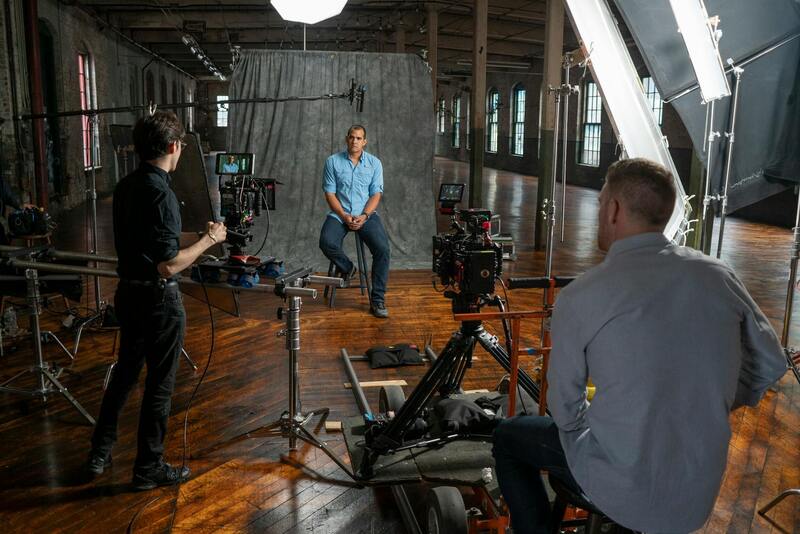
Environmental considerations are also significant in Miami, particularly for shoots in parks, wildlife sanctuaries, or protected natural reserves. Special clearances might be required, and adherence to rules designed to minimize ecological impact is essential. Failure to follow these protocols can lead to penalties or the need to redo shots, which can threaten project timelines and budgets.
Coordinate with local agencies early in the planning phase to streamline permit acquisition. This proactive approach minimizes disruptions due to unforeseen issues and demonstrates professionalism. Furthermore, understanding the specific requirements of each location—such as restrictions on drone usage or limitations on flash photography—helps align the shoot’s objectives with city regulations.
Maintaining compliance with official procedures fosters a positive relationship with authorities and community stakeholders. It also helps protect the reputation of the photography team as responsible professionals dedicated to preserving the city’s image. Ultimately, careful planning and adherence to permitting guidelines enable photographers to capture Miami’s vibrant scenes dynamically while respecting the city’s guidelines and environmental commitments.
Legal and Permitting Considerations for Photography
When planning professional photoshoots in Miami, understanding proper procedures for securing permissions and complying with regulations enables a seamless experience and maintains respected standards within the industry. Securing permits is often necessary when utilizing certain public spaces, especially those that are crowded or protected, to ensure that all activities are coordinated with local authorities and that safety protocols are observed.
Official permit applications typically require detailed information about the scope of the shoot, including the exact location, duration, number of crew members, equipment to be used, and any special requirements. It is crucial to submit these applications well in advance to avoid last-minute disruptions. Planning helps accommodate any restrictions related to the use of drones, flash photography, or temporary structures, which may be limited or require additional approvals.
In Miami’s vibrant environments—such as beaches, parks, and iconic cityscapes—specific rules aim to preserve the public experience while allowing professional photography to thrive. For example, government entities oversee permits for using public spaces, and private properties may have their own permissions processes. Accordingly, communicating clearly with property managers and city officials can streamline the approval process.
Part of this process involves ensuring adherence to environmental guidelines, particularly in protected natural reserves or ecologically sensitive areas. Special clearances might be needed in these cases to prevent ecological disturbances. Compliance with these protocols not only demonstrates professionalism but also safeguards the natural beauty and sustainability of Miami’s cherished locations.
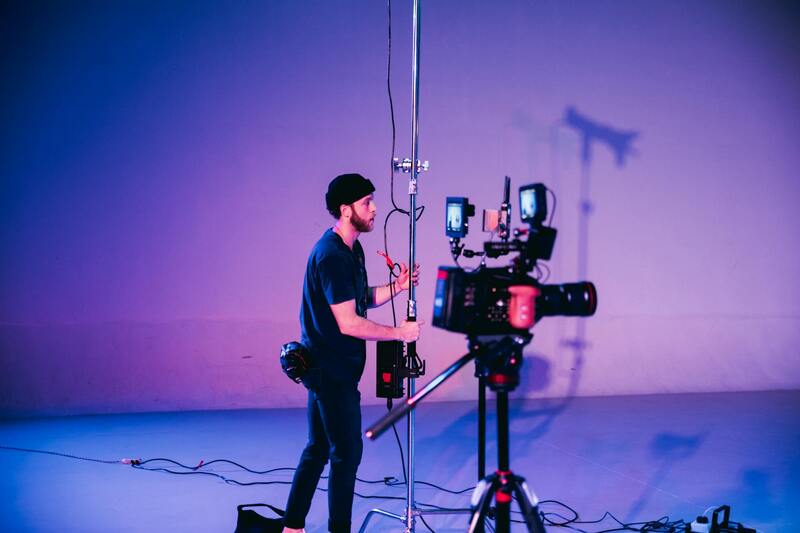
Engaging with local agencies early in the planning process minimizes potential setbacks and enhances credibility with community stakeholders. Proper permits and permissions contribute to a positive relationship with authorities, which can be advantageous for future projects. Staying informed of current regulations—such as restrictions on drone flights, limitations on commercial filming, or noise ordinances—ensures compliance and avoids penalties or delays.
Additionally, understanding the scope of permitted activities helps in aligning the creative vision of the shoot with official regulations, promoting a professional image for the photography team. When permissions are obtained and protocols are followed, photographers can focus on capturing Miami’s vibrant energy and scenic beauty without unnecessary interruptions or reputational concerns.
Popular Photography Locations in Miami
Miami’s diverse landscape offers a plethora of striking locations that captivate photographers and models alike. From the iconic Art Deco Historic District in South Beach, with its pastel-colored buildings and vintage signage, to the lush greenery of Fairchild Tropical Botanic Garden, each site provides a distinctive background for various photography styles. The vibrant Wynwood Walls, with its expansive murals and street art, is ideal for urban and edgy shoots, while the tranquil sands of Crandon Park offer serene coastal scenery perfect for lifestyle and fashion imagery.
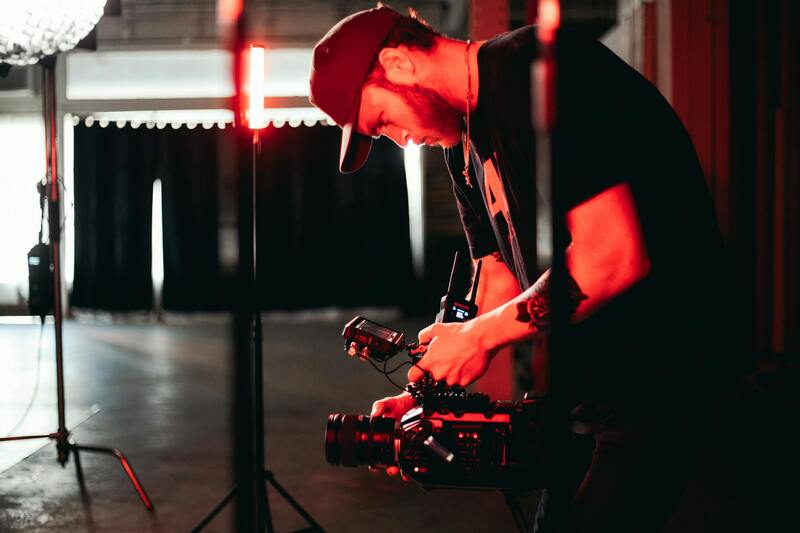
For nature-inspired shoots, the Miami Seaquarium and Everglades National Park present opportunities to incorporate local wildlife and unique ecosystems into visual narratives. The Miami skyline at dusk, viewed from Biscayne Bay, offers a captivating backdrop for romantic or dramatic portraits, particularly during the golden hour when natural light is at its most flattering.
In addition to these well-known locations, specialized areas such as the Venetian Causeway, the Miami River Walk, and Little Havana’s lively streets can cater to diverse thematic requirements. Photographers should consider accessibility, lighting conditions, and the permissions required at each site to facilitate smooth productions.
Best Time for Photoshoots in Miami
Timing plays a critical role in capturing the essence of Miami’s scenery. The period from late fall to early spring, roughly November through April, typically offers mild temperatures and lower humidity levels, making it ideal for outdoor projects. During this window, the city experiences less rainfall, and the UV index is more manageable, ensuring better light quality and comfort for subjects and crew.
Golden hours—shortly after sunrise and before sunset—are particularly valuable for achieving warm, diffused lighting, which enhances skin tones and natural colors. For photographers seeking dramatic skies or the city’s iconic silhouettes, twilight hours or night shoots near illuminated landmarks add depth and atmosphere to images.
Midday shoots should be approached with caution, as intense sunlight can create harsh shadows and overexposed highlights. When planning outdoor sessions, weather forecasts and lunar calendars can assist in optimizing shooting schedules for the best natural lighting conditions.
Types of Photography Commonly Practiced in Miami
- Commercial Photography: Fashion, branding, and advertising campaigns leverage Miami’s vibrant cityscape and beaches to produce eye-catching content for local and international markets.
- Event Photography: Miami’s lively festivals, concerts, and sports events—the Miami Music Week, Art Basel Miami Beach, and the Miami Open—provide energetic settings for capturing candid moments and crowd dynamics.
- Landscape and Nature Photography: The diverse natural environments from ocean views to subtropical forests are frequently documented for artistic projects, conservation efforts, or tourism promotion.
- Portrait and Lifestyle Photography: The city’s multicultural community and eclectic neighborhoods offer authentic settings for portraits, emphasizing local culture and everyday life.
- Drone Photography: Aerial shots of Miami’s skyline, beaches, and ecological reserves are popular for high-impact visuals, provided proper procedures are followed for drone operations.
Legal and Permitting Considerations for Photography
Capturing Miami’s iconic scenes responsibly involves adherence to official procedures for location access. Securing the necessary permits ensures smooth operations, especially in protected parks, private venues, or during organized events. Applicants should submit detailed proposals outlining the scope of work, intended equipment, and proposed dates to appropriate authorities such as the city’s parks and recreation departments or private property management.
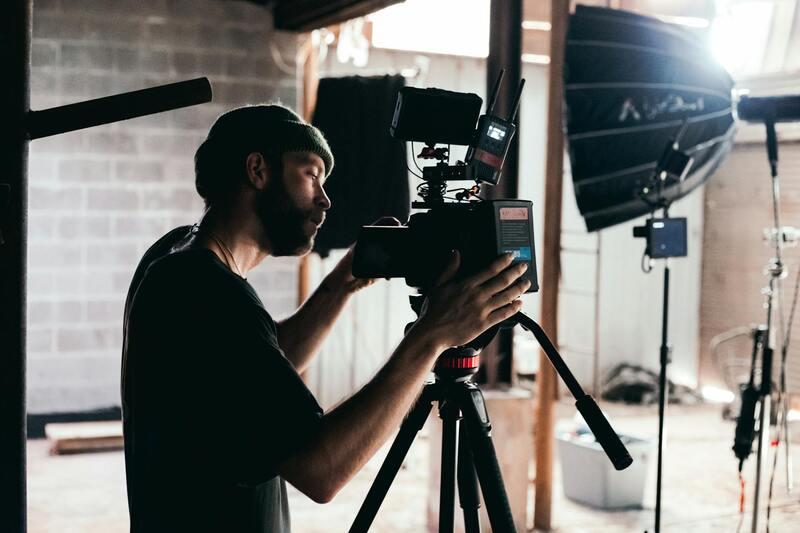
Engaging early with local agencies fosters cooperation and demonstrates professionalism. Clear communication regarding logistics, environmental considerations, and safety protocols helps prevent delays and enhances the project’s credibility. Drones, for instance, require specific flight plans approved by the Federal Aviation Administration (FAA), and restrictions on commercial filming in certain areas must be meticulously observed. To maintain a positive relationship with authorities and community stakeholders, it is essential to remain updated on regulatory changes and follow established guidelines diligently.
For shoots involving minors or copyrighted properties, additional permissions or releases are necessary. Using private property often requires written consent from owners, and respecting community standards reinforces a responsible and respected image for the production team.
Photography Equipment and Technical Tips for Miami Shoots
Given Miami’s vibrant lighting conditions, gear selection and technical adjustments are crucial. A weather-resistant camera body and lenses with wide apertures are advisable to cope with high humidity, unpredictable weather, and various lighting scenarios. Neutral density filters can help manage intense midday sun for long-exposure shots of city streets or waterfronts. A tripod and remote shutter release are essential for stability and minimizing vibrations, especially in low-light environments.
Utilizing polarizing filters can reduce glare and enhance saturation, particularly when photographing reflective surfaces or water bodies. For drone photography, operators must ensure stable tools equipped with obstacle avoidance and GPS stabilization to capture precise aerial images safely. Post-processing techniques such as HDR (High Dynamic Range) imaging are often beneficial for balancing exposure in scenes with high contrast, such as sunset vistas or shaded urban areas.
Collaborating with Local Production and Modeling Agencies
Building relationships with Miami-based production companies and modeling agencies can streamline the logistics of securing talent, crew, and locations. These professionals possess a nuanced understanding of local permits, community norms, and optimal shooting times. They can also provide access to a pool of models who embody Miami’s diverse demographic fabric, enriching the authenticity of the visuals.
Collaborations often facilitate the sharing of resources, reducing costs and ensuring that all legal and logistical protocols are met efficiently. Establishing clear agreements regarding rights, usage, and compensation safeguards both parties and enhances professionalism throughout the project lifecycle. Leveraging local expertise helps align creative visions with logistical realities, resulting in a smooth, high-quality production.
Popular Photography Locations in Miami
Miami offers a diverse array of scenic backdrops that attract professional and hobbyist photographers alike. The iconic Miami Beach shoreline, with its expansive white sands and vibrant sunsets, remains a top destination for capturing both fashion editorials and landscape shots. For urban-oriented shoots, the Wynwood Walls provide a colorful, graffiti-laden environment that celebrates Miami’s street art culture. Downtown Miami, with its sleek skylines and modern architecture, offers striking contrasts between glass facades and dynamic city life, perfect for contemporary commercial projects.
The Art Deco Historic District in South Beach stands out for its pastel-colored buildings and vintage charm, ideal for nostalgic or lifestyle photography. Nature enthusiasts can explore the lush beauty of Fairchild Garden or the expansive wilderness of Everglades National Park, both providing unique natural settings for wildlife, landscape, and adventure photography. Additionally, the vibrant neighborhoods of Little Havana and Coconut Grove showcase Miami’s cultural diversity and are suitable for ethnographic and lifestyle scenes that resonate with local flavor.
Best Time for Photoshoots in Miami
Timing plays a crucial role in achieving exceptional photographs in Miami. The city’s subtropical climate means mild winters and hot, humid summers, demanding careful planning across seasons. The period from late fall through early spring—October to April—typically provides the most comfortable weather and optimal lighting conditions. During these months, clear skies and golden hour lighting—just after sunrise and before sunset—enhance color saturation and create warm, flattering tones. Morning shoots are advantageous for capturing reflections on water surfaces and avoiding harsh midday shadows. Afternoon sessions might include dynamic shadows that add depth and texture to urban and architectural compositions. Spring and early winter are also ideal for outdoor large-scale events, festivals, and cultural gatherings, providing abundant opportunities to incorporate Miami’s vibrant community into creative visuals. Conversely, high summer temperatures and afternoon thunderstorms often pose challenges, necessitating contingency planning or indoor alternatives. A well-timed shoot aligned with these conditions ensures consistency in lighting, minimizes post-production adjustments, and highlights Miami’s natural and urban beauty at its best.
Types of Photography Commonly Practiced in Miami
Miami’s rich cultural landscape encourages a wide range of photographic styles. Fashion shoots often leverage the city’s iconic beaches and urban murals to create bold, eye-catching visuals that emphasize Miami’s trendsetting status. Architectural photography captures the sleek lines of modern skyscrapers, historic Art Deco buildings, and eclectic neighborhood designs. Landscape and sunset photography harness Miami’s legendary skies, especially within the golden hour, producing images that evoke emotion and tranquility. Lifestyle and documentary photography document everyday life, street scenes, and cultural festivals, reflecting the city’s diversity. Wildlife and nature photography succeed in protected areas such as Biscayne Bay and nearby Everglades, where unique flora and fauna thrive in a subtropical environment. Drone photography is also increasingly popular for capturing sweeping aerial views of the city, coastline, and natural preserves, offering fresh perspectives. Commercial and branding photography benefit from Miami’s vibrant street life, colorful backdrops, and lively events, making it an ideal location for marketing campaigns targeting both local and international audiences.
Legal and Permitting Considerations for Photography
Engaging in professional photography in Miami involves adhering to established protocols for location access and shoot execution. When shooting in public spaces or areas with high foot traffic, securing the appropriate permissions ensures smooth operation and respect for property owners. Many popular sites, such as beaches or city parks, require application for special permits, especially for commercial projects or large crews. Private property owners’ consent should be confirmed prior to shooting. For urban scenes, obtaining permits from city authorities might involve submitting detailed plans, proof of insurance, and adherence to designated hours of operation. Drone operators must comply with specific flight regulations, including altitude restrictions, no-fly zones, and safety precautions. Maintaining a proactive approach involves liaising with local authorities, understanding specific requirements, and allowing ample lead time for permit processing. This not only helps avoid disruptions but ensures that legal frameworks are respected, fostering positive relationships within the community. Commitment to official procedures underscores a professional standard that benefits both the photographer and the broader creative industry in Miami.
Photography Equipment and Technical Tips for Miami Shoots
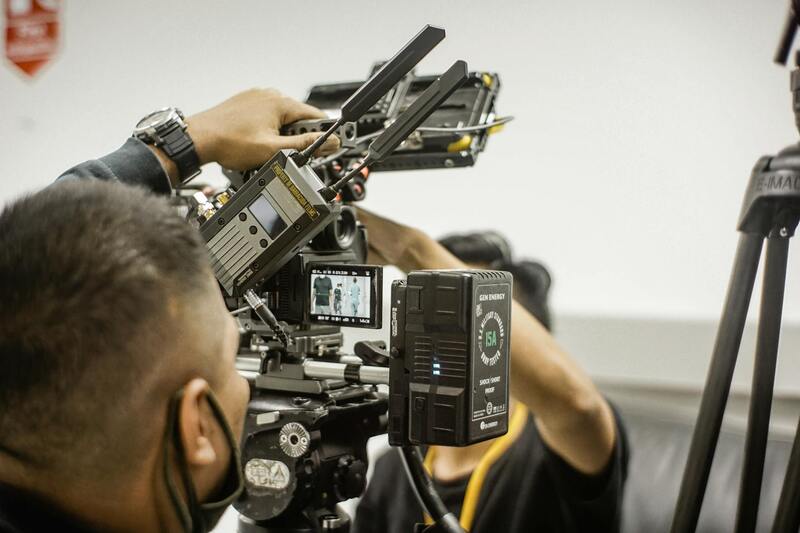
Effective photography in Miami demands a well-curated gear setup tailored to its unique environment. A versatile camera system with high dynamic range capabilities handles the city’s high-contrast lighting scenes, especially during sunset or in shaded urban areas. Wide-angle lenses are invaluable for capturing sweeping vistas, architecture, and cityscapes, while telephoto lenses enable detailed shots of distant subjects like wildlife or distant city views. Lighting equipment such as portable reflectors and diffusers facilitate flattering portrait lighting amid the city’s variable ambient conditions. A sturdy tripod ensures stability during long exposures, particularly in low-light scenarios or when capturing night scenes. For aerial photography, drone equipment with obstacle sensors and GPS stabilization is essential for safety and precision. Weather-resistant gear helps to mitigate the effects of Miami’s humidity and sudden rain showers. Polarizing filters reduce glare from reflective surfaces and deepen sky colors, while neutral density filters allow for creative motion blurs during bright daylight. Post-processing tools should complement raw image captures, supporting subtle adjustments to exposure, color grading, and sharpness. Mastery of these technical aspects ensures the production of high-quality images that effectively communicate Miami’s vibrancy and diversity.