
Role and Responsibilities of a Yacht Photographer
A yacht photographer plays a vital role in capturing the luxurious essence and intricate details of high-end vessels. Their primary responsibility is to produce captivating images that highlight the yacht's design, craftsmanship, and unique features, serving both marketing purposes and private collections. These images are often used in promotional materials, brochures, websites, and social media campaigns to attract discerning clients and industry stakeholders.
Success in this role requires a keen eye for detail and an understanding of how to best showcase the boat's aesthetics. The photographer must consider lighting, angles, and composition to emphasize the yacht’s elegance and functionality. When photographing yachts, they aim to create images that evoke aspiration and highlight the vessel’s distinctive beauty.
Furthermore, yacht photographers often collaborate closely with brokers, owners, interior designers, and marketing teams to ensure the final images reflect the vessel's true character and appeal. This involves preparing the yacht by coordinating with owners for optimal conditions and planning the shoot schedule around favorable weather and lighting conditions.
High-end yacht photography also involves capturing the scale and grandeur of the vessel within its environment, often requiring the use of drones or specialized equipment to create breathtaking panoramic shots and detailed close-ups. By doing so, they craft visual narratives that resonate with potential buyers, boat enthusiasts, and industry insiders.
In the competitive market of luxury yachts, a professional photographer's ability to produce top-tier images directly influences a vessel’s market perception and sale potential. Therefore, they bear the responsibility of maintaining high standards of quality and professionalism throughout each shoot.
Types of Yacht Photography Services Offered
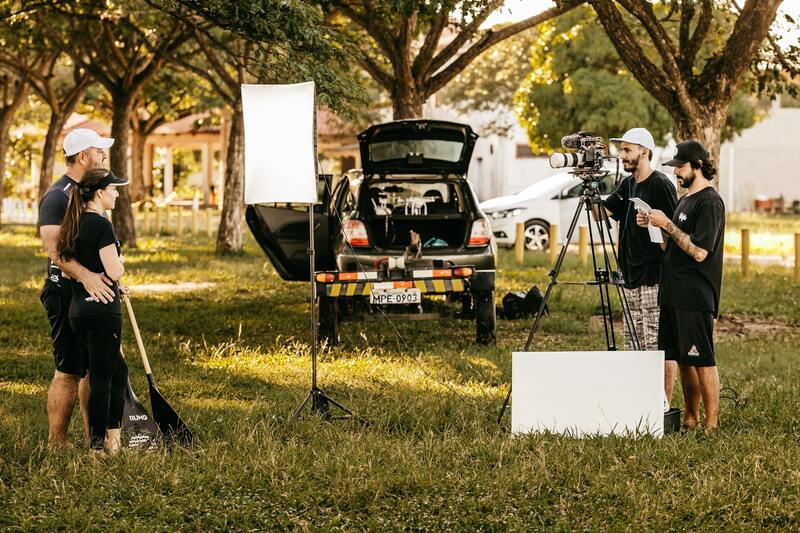
Yacht photographers in Miami provide a variety of specialized services designed to meet the diverse needs of their clients. These services go beyond standard vessel imagery to include tailored solutions that enhance marketing efforts and showcase the yacht's unique features. Key types of services include:
- Exterior Yacht Photography: Capturing the yacht’s hull, deck, and overall profile from multiple angles, often utilizing wide-angle lenses and drone technology to emphasize size, design, and setting.
- Interior Yacht Photography: Showcasing luxurious interiors, including salons, cabins, and amenities, with attention to lighting, angles, and spacing to highlight craftsmanship and comfort.
- Detail and Close-up Shots: Focusing on intricate design elements, hardware, and craftsmanship details that reflect the craftsmanship and exclusivity of the vessel.
- Panoramic and Aerial Shots: Utilizing drone photography to create sweeping panoramic views and dynamic aerial perspectives that position the yacht within its environment.
- Event and Lifestyle Photography: Documenting onboard events, social gatherings, or leisure activities to evoke a lifestyle image, appealing to aspirational buyers and enthusiasts.
- Video and Virtual Tours: Producing high-quality videos and virtual walkthroughs that provide an immersive experience, often used for online listings or promotional material.
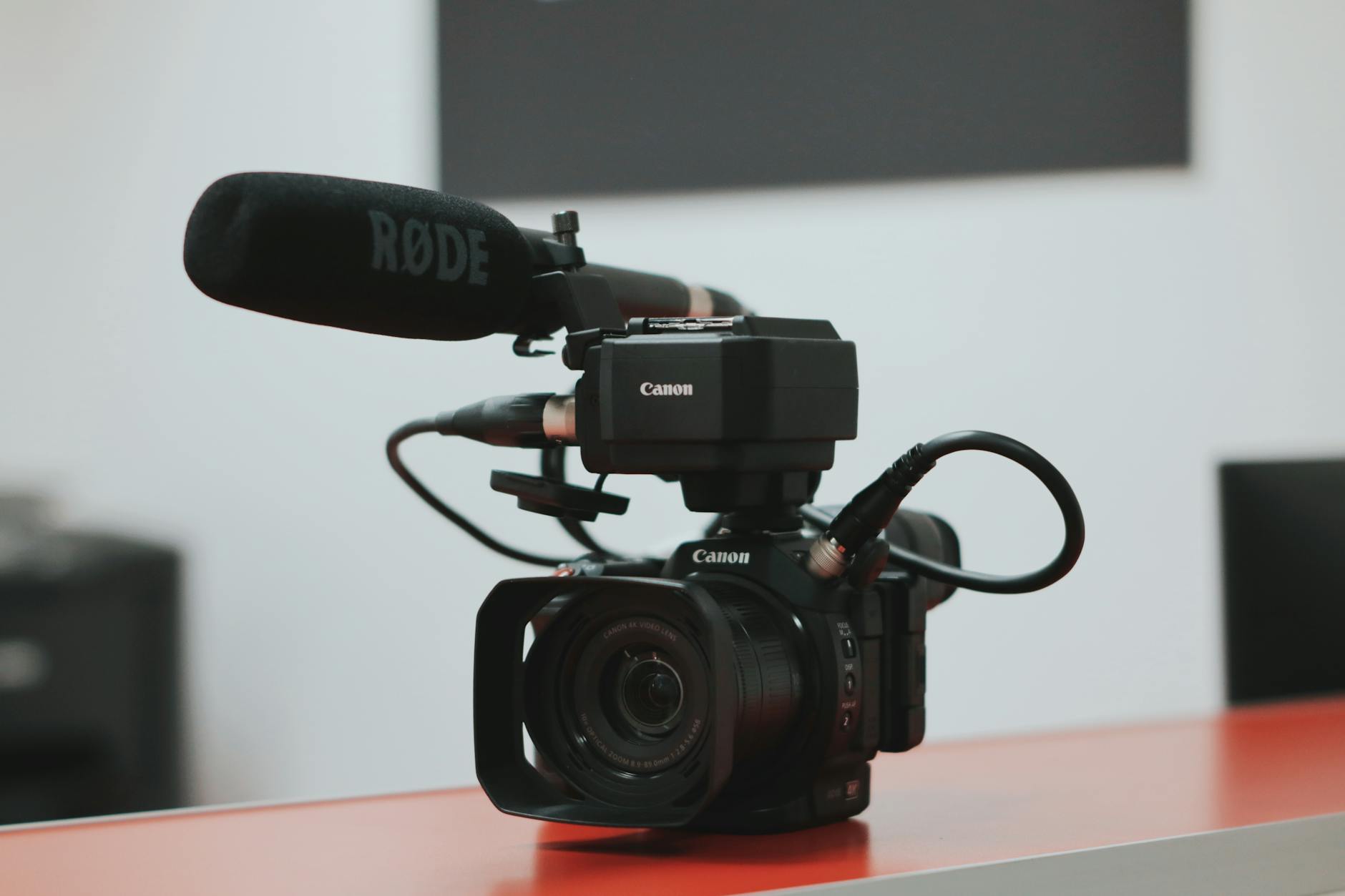
These services are carefully planned and executed based on the vessel's architecture, target audience, and intended use. A skilled yacht photographer collaborates closely with clients to design a visual narrative that effectively communicates the yacht’s luxury, performance, and character. Whether capturing a pristine vessel in a marina or a yacht cruising near Miami’s skyline, the diversity of services ensures comprehensive visual documentation suited for sales, marketing, or branding initiatives.
Equipment and Technology Used by Yacht Photographers
To achieve exceptional results, yacht photographers leverage cutting-edge equipment tailored to the unique challenges of marine environments. This includes high-resolution DSLR or mirrorless cameras equipped with professional-grade lenses designed for capturing detailed visuals in varying lighting conditions.
- Drone Technology: Unmanned aerial vehicles equipped with stabilized cameras enable stunning aerial shots, providing perspectives that ground-based photography cannot offer. Drones are particularly effective for showcasing the yacht’s scale relative to its surroundings.
- Wide-Angle and Tilt-Shift Lenses: These lenses are essential for capturing expansive scenes and correcting perspective distortions when photographing large yachts or interior spaces.
- Lighting Equipment: Portable lighting solutions and reflectors are utilized to optimize natural light, especially when shooting interiors or low-light exterior scenes.
- Stabilization Tools: Gimbals and tripods ensure sharp images, particularly useful during drone flights or handheld shots in movement-heavy environments.
- Post-Processing Software: Advanced editing tools such as Adobe Photoshop and Lightroom are employed to enhance colors, correct distortions, and refine images for final presentation.
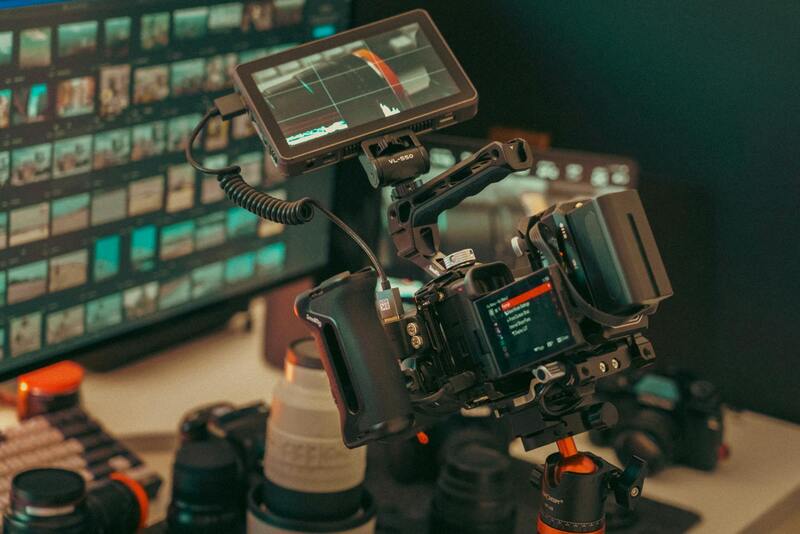
The use of such technology demands a high degree of skill and understanding of the equipment to ensure safe operation and optimal image capture. For yacht photographers, staying current with technological advancements is crucial to provide clients with the most compelling visual content possible, effectively highlighting the vessel’s beauty and features in competitive markets.
Equipment and Technology Used by Yacht Photographers
Yacht photographers rely heavily on specialized equipment and advanced technology to deliver high-quality images that showcase the vessel's elegance and features. Central to this are high-resolution digital cameras equipped with a variety of lenses to adapt to different shooting scenarios, from wide-angle shots of the yacht’s exterior to detailed interior captures. Professional-grade DSLR or mirrorless cameras ensure sharpness, accurate color reproduction, and optimal dynamic range, critical for highlighting luxurious details.
Stabilization devices play a vital role in achieving clear, crisp images, especially during handheld shots or drone operations. Gimbals and high-quality tripods enable steady framing, even in dynamic environments. When capturing aerial views, drone technology has become indispensable, allowing photographers to obtain unique perspectives that emphasize the yacht’s scale and surrounding scenery.
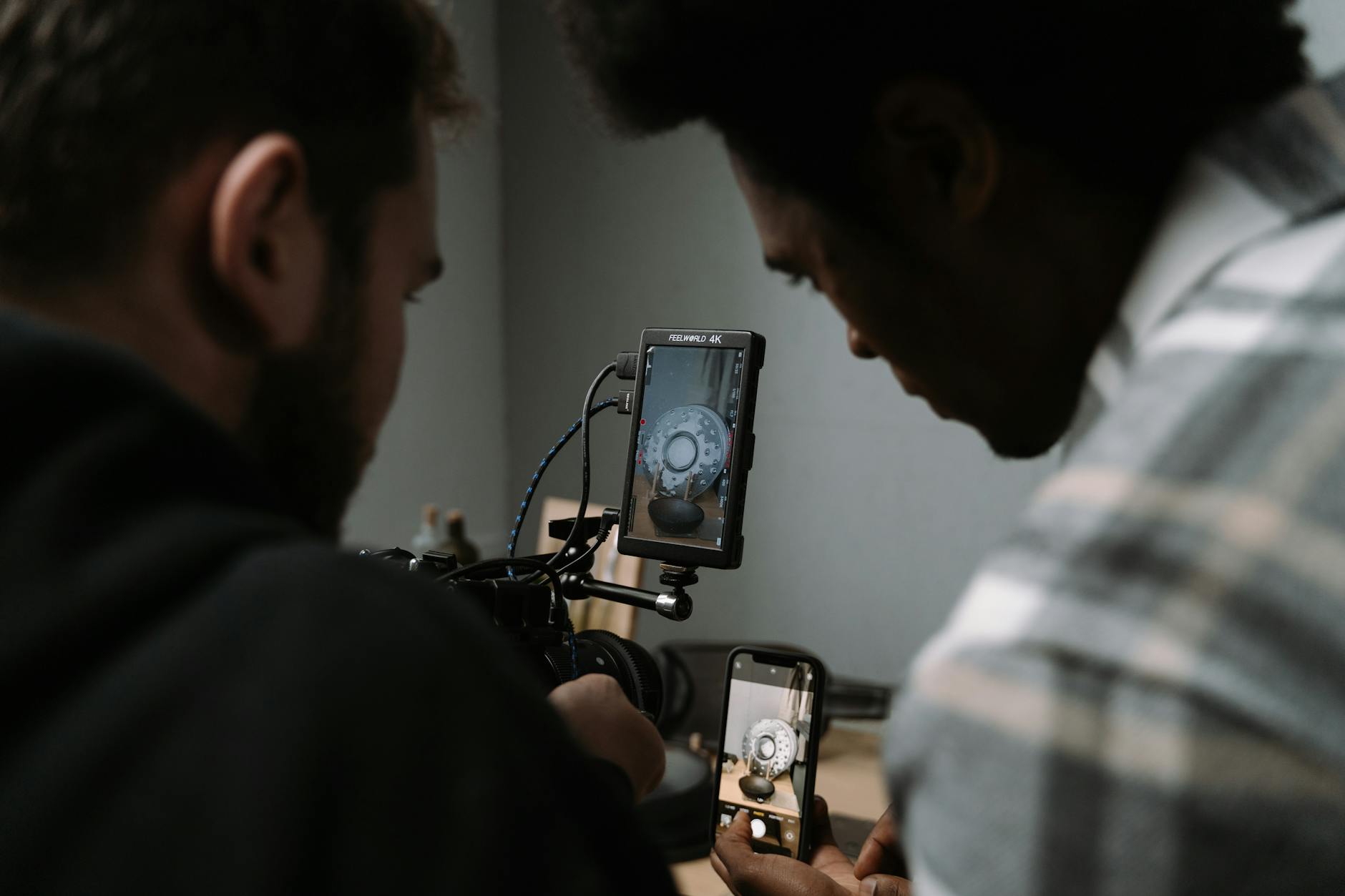
Lighting equipment is another cornerstone of professional yacht photography. Portable LED lights, reflectors, and diffusers help manipulate natural light, ensuring interior shots are well-lit and visually appealing regardless of external conditions. In situations with limited natural light, especially inside luxurious cabins, artificial lighting creates an inviting atmosphere without overpowering the scene.
Post-processing software such as Adobe Lightroom and Photoshop enhances raw images, allowing for precise color correction, perspective adjustments, and removal of minor imperfections. Skilled editing ensures the final images not only reflect the yacht's true allure but also stand out in highly competitive marketing markets.
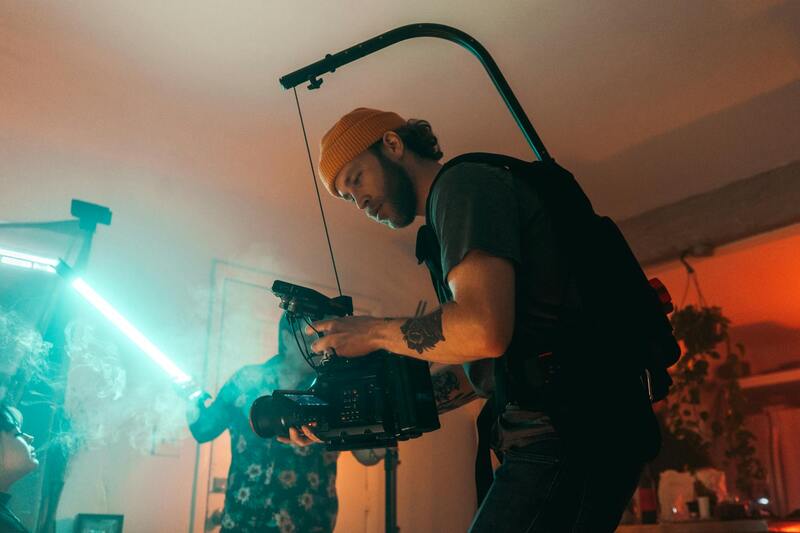
The continuous evolution of equipment and technological tools underscores the importance of staying current with industry innovations. A yacht photographer’s proficiency in operating and integrating these tools directly influences the quality of the final output. Mastery of this high-end gear enables capturing vivid, compelling images that highlight a yacht’s design, craftsmanship, and scenic locations, giving clients a competitive edge in the luxury market.
Role and Responsibilities of a Yacht Photographer
A yacht photographer specializes in capturing the grandeur, elegance, and intricate details of luxury vessels through expertly crafted images. Their primary responsibility is to produce high-quality visuals that effectively showcase the yacht’s design, craftsmanship, and scenic setting. This involves understanding the unique features of each vessel, from sleek exteriors to opulent interiors, and highlighting these elements in a compelling manner.
Beyond technical execution, a yacht photographer must be attentive to client needs, ensuring that the images align with marketing and branding objectives. Achieving this requires a keen eye for composition, attention to lighting, and an ability to adapt to varying environmental conditions. Additionally, they handle all aspects of the shoot, including scouting locations, coordinating timing for optimal natural light, and selecting appropriate equipment tailored to each project.
Post-shoot responsibilities include meticulous editing and retouching to enhance the appeal of each image while maintaining authenticity. This process often involves color grading, perspective correction, and minor touch-ups to eliminate distractions or imperfections. The goal is to deliver striking visuals that not only meet the client’s expectations but also elevate the yacht’s marketability in a competitive landscape.
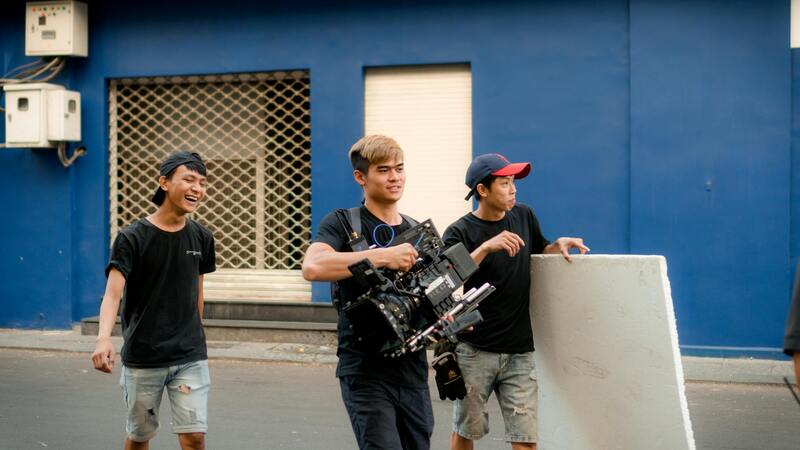
Essential Skills and Techniques for Yacht Photography
Proficiency with advanced camera systems is fundamental, including the ability to operate high-resolution DSLRs and mirrorless models that deliver crisp, detailed images. A thorough knowledge of lighting techniques is equally important, whether utilizing natural sunlight or supplementary lighting equipment to enhance interior scenes or shaded exteriors.
Mastering composition and framing ensures that each photograph accentuates the yacht’s design lines, craftsmanship, and scenic surroundings. Techniques such as golden hour shooting during sunrise or sunset can dramatically enhance image warmth and depth. Additionally, understanding how to capture aerial views using drone photography adds another dimension, providing sweeping and dynamic perspectives that highlight the vessel’s size and position relative to the environment.
Post-processing skills are crucial for refining images. Editing software like Adobe Lightroom and Photoshop enables the correction of colors, removal of imperfections, and enhancement of visual impact. A skilled yacht photographer seamlessly integrates these tools into their workflow to produce images that are both visually stunning and accurately representative of the yacht.
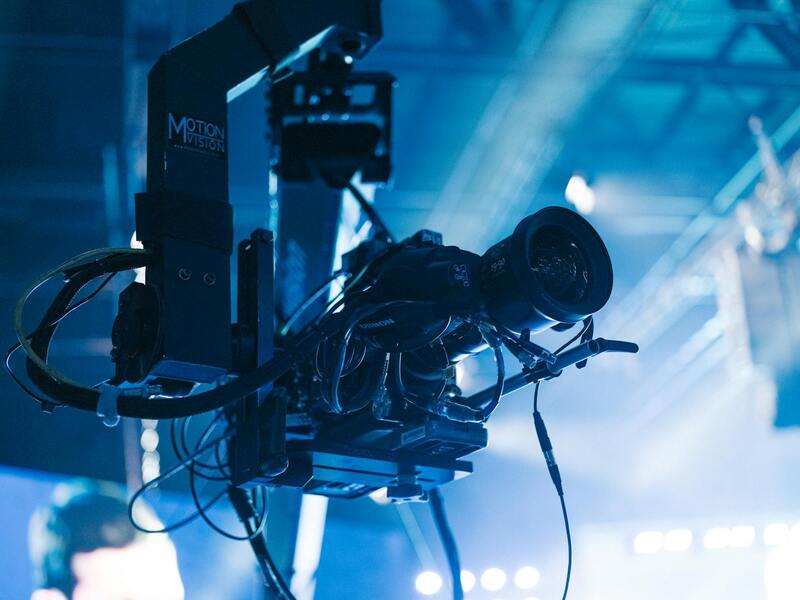
Types of Yacht Photography Services Offered
- Exterior Vessel Photography: Focuses on capturing the yacht’s exterior design, sleek lines, and scenic surroundings to appeal to prospective clients and brokers.
- Interior Photography: Highlights the craftsmanship, luxurious furnishings, and ambiance of interior spaces, often emphasizing key features such as salons, cabins, and dining areas.
- Aerial Photography: Utilizes drone technology to produce sweeping views from above, illustrating the yacht's size, layout, and scenic environment effectively.
- Event Coverage: Documents special events onboard, such as parties or holidays, showcasing the vessel’s lifestyle appeal.
- Virtual Tours and 360-Degree Imaging: Offers immersive experiences for potential buyers, allowing detailed exploration of interior and exterior spaces remotely.
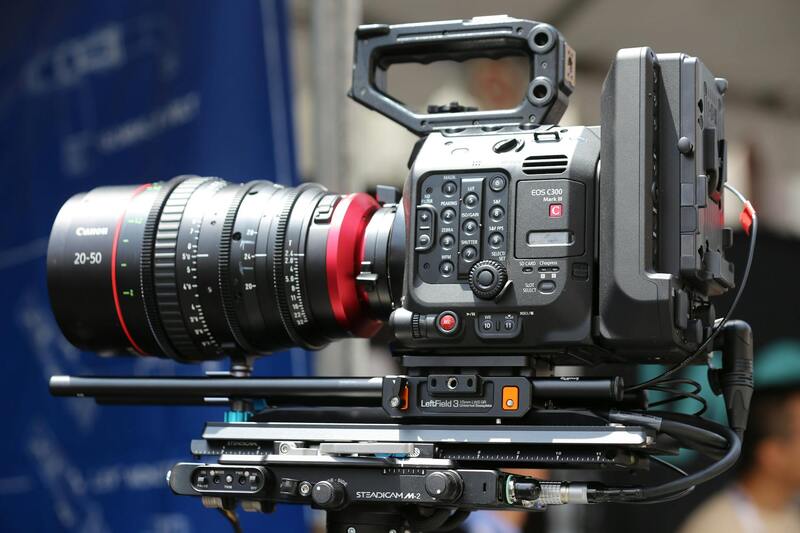
Effective Use of Equipment and Technological Tools in Yacht Photography
Mastering the right equipment is fundamental to achieving high-quality yacht images that captivate potential clients and yacht enthusiasts. Professional yacht photographers rely heavily on advanced gear that ensures clarity, stability, and dynamic range, even in challenging lighting conditions or motion scenarios. Essential tools include high-resolution digital cameras equipped with full-frame sensors, which capture intricate details and vibrant colors, making the yacht’s features stand out vividly.
Drone technology plays a pivotal role in providing sweeping exterior and aerial perspectives. Utilizing stable, high-end drones with autonomous flight capabilities allows photographers to access vantage points that are otherwise difficult to reach, delivering expansive shots that emphasize the yacht’s scale and placement within its environment. Additionally, drone-integrated cameras with gimbal stabilization guarantee smooth, sharp footage even in windy conditions, resulting in professional-grade imagery.
To enhance visual quality, photographers often incorporate lighting equipment such as portable LED panels and reflectors. These assist in balancing ambient light and highlighting key features, particularly in interior shoots where natural light may be insufficient. Onboard stabilizers, such as gimbals and Steadicams, ensure smooth motion in dynamic environments, especially when capturing onboard activities or when shooting during transit.
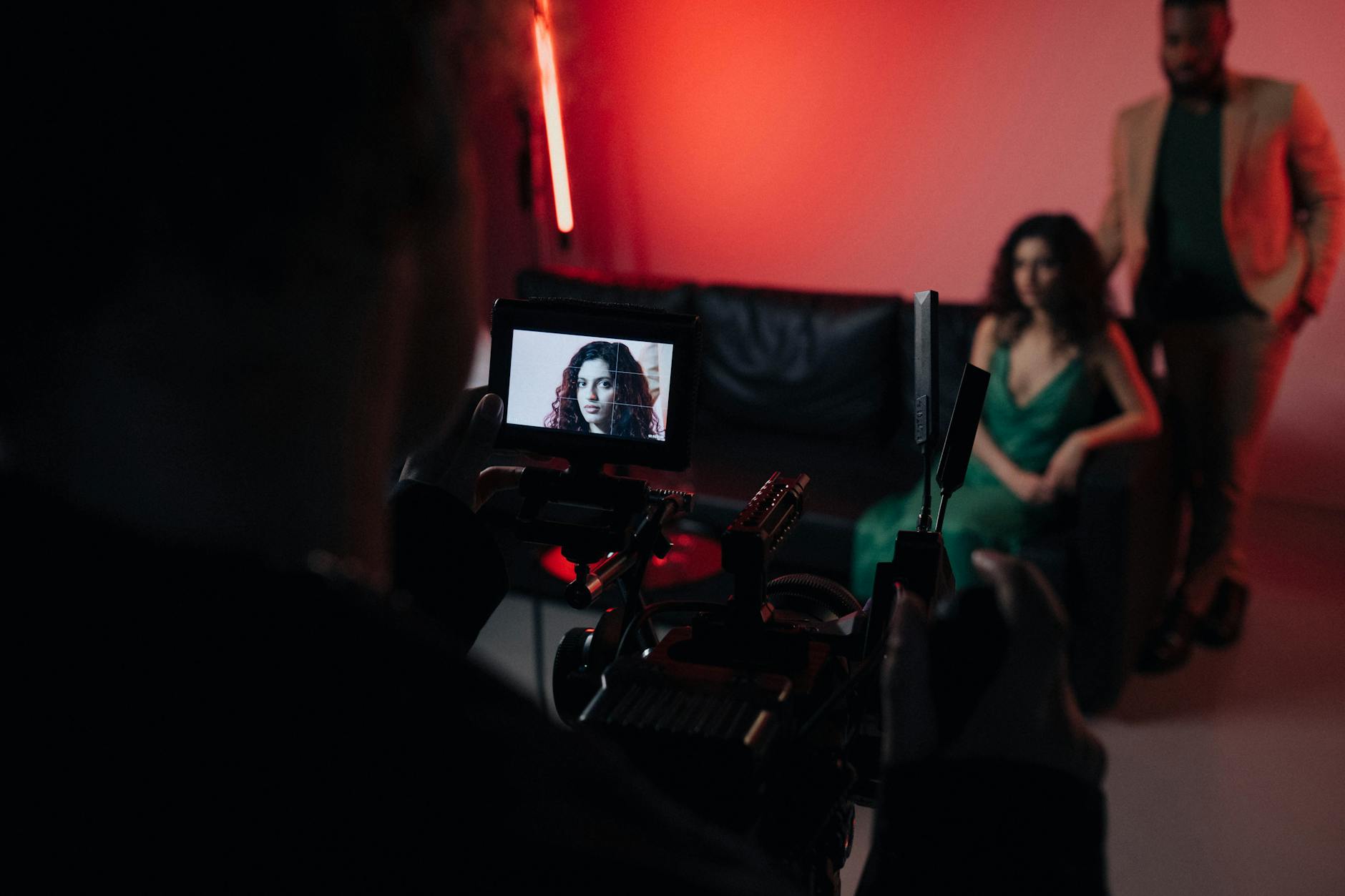
Incorporating these technological advances into workflows allows photographers to produce compelling images that resonate with sophisticated clientele and industry professionals. The proper combination of camera gear, drone technology, and lighting tools, along with an understanding of their optimal use, results in a streamlined process capable of capturing every nuance of a luxury yacht’s design and ambiance.
Role and Responsibilities of a Yacht Photographer
A yacht photographer specializes in capturing high-quality images that showcase the luxury, design, and ambiance of yachts. Their responsibilities extend beyond mere photography; they are entrusted with highlighting the unique features of each vessel, accurately representing the yacht’s aesthetic appeal and technical specifications. Conducting detailed pre-shoot planning is essential, including understanding the yacht's layout, lighting conditions, and preferred angles as specified by clients.
During shoots, a yacht photographer must demonstrate excellent organizational skills and adaptability, managing different environments ranging from outdoor decks to intricate interior spaces. Attention to detail is critical, ensuring every shot aligns with the client’s branding requirements while emphasizing the yacht’s opulence and craftsmanship. The role also involves post-production editing, where color correction, retouching, and final adjustments are made to enhance the visual impact of each image.
Building trust with yacht owners, brokers, and industry professionals is fundamental, requiring professionalism and clear communication throughout the process. This ensures that the final portfolio accurately captures the essence of the yacht and meets the high standards expected in the luxury marine market. An adept yacht photographer understands the importance of capturing authentic moments and the vessel’s grandeur to appeal to discerning clients and marketing teams alike.
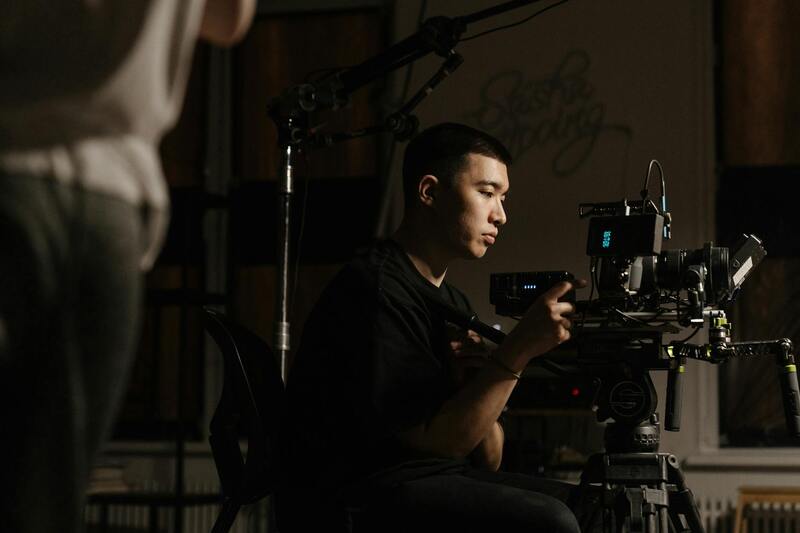
Essential Skills and Techniques for Yacht Photography
Success in yacht photography hinges on a combination of technical expertise and creative vision. Mastery of camera settings, including aperture, shutter speed, and ISO, allows the photographer to adapt to varying lighting conditions and desired effects. Utilizing wide-angle lenses is critical for capturing the expansive scope of yachts, especially during exterior shots, while macro lenses can highlight detailed craftsmanship in interior designs.
Lighting techniques are equally vital. Natural light plays a significant role, but strategic use of artificial light helps mitigate shadows and enhance key features. Photographers often employ reflectors and portable LED panels to create balanced lighting environments, particularly in shaded or interior spaces with limited natural light.
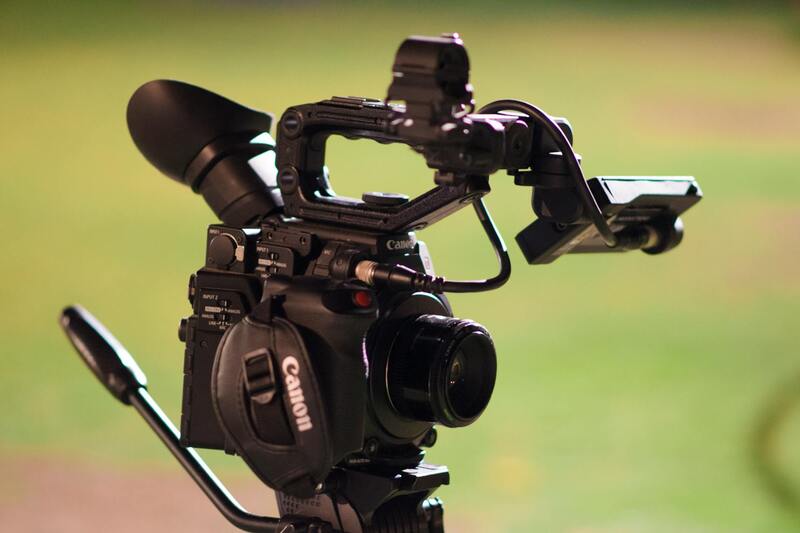
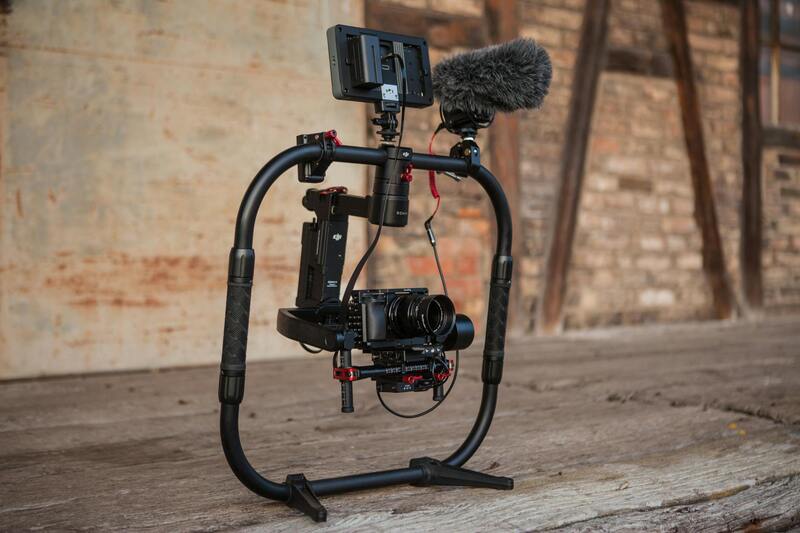
Capturing motion and dynamic scenes aboard a yacht requires specialized equipment such as stabilizers and gimbals, which ensure smooth and steady footage during movement or when shooting onboard activities. Drones further transform the approach, providing breathtaking aerial views and unimpeded angles from above. These are especially useful in showcasing the yacht’s placement within its surrounding environment and its exterior architecture.
Post-processing skills are crucial for refining images. This involves color grading, removing minor imperfections, and enhancing details to produce polished visuals. Consistency in editing style helps establish a recognizable portfolio, which is advantageous when attracting new clients.
Types of Yacht Photography Services Offered
- Exterior Photography: Captures the grandeur and design of the yacht’s exterior, often involving wide-angle shots and aerial imagery.
- Interior Photography: Focuses on showcasing the luxurious interiors, including cabins, lounges, and onboard amenities, emphasizing craftsmanship and comfort.
- Aerial Photography and Videography: Uses drone technology to deliver expansive shots that highlight the yacht’s placement, size, and landscape surroundings.
- Event and Lifestyle Photography: Captures onboard events, parties, and lifestyle moments to appeal to high-net-worth individuals seeking an aspirational image.
- 360-Degree Virtual Tours: Creates immersive experiences for prospective buyers or charter clients, allowing them to explore the yacht remotely.
Importance of Location and Timing in Yacht Photography
Choosing the right location and optimal timing are pivotal factors in creating compelling yacht images. The backdrop should complement the vessel’s design, often requiring scouting picturesque marinas, open sea views, or exotic coastlines. The composition benefits from natural scenery, reflecting the yacht’s intended lifestyle narrative.
Timing is equally critical—shoots are ideally scheduled during the golden hour, shortly after sunrise or before sunset, when natural light is warm and soft, producing flattering shadows and a luxurious ambiance. Overcast days can offer diffused, even lighting that minimizes harsh shadows, making them suitable for interior scenes and detailed shots. Weather considerations are also essential; clear days ensure vibrant sky backgrounds, while calm seas contribute to mirror-like water reflections that elevate the visual impact of exterior images.
Scheduling shoots in coordination with tides can also optimize water levels for exterior shots, particularly when capturing yachts alongside piers or in shallow waters. Being mindful of seasonality ensures capturing the yacht in its best lighting condition, thus meeting high-standard expectations for marketing visuals.
Legal Considerations and Best Practices for Yacht Photographers
Maintaining professional integrity and adhering to recognized standards are fundamental aspects of a yacht photographer’s career, especially in a competitive market like Miami. While navigating various legal considerations, a strong emphasis should be placed on respecting proprietary content, securing authorization for location shoots, and understanding the contractual obligations involved in commercial photography.
One of the key practices involves obtaining clear permission from yacht owners or authorized representatives before conducting any photography sessions. This process often includes signing model releases and usage agreements that specify rights concerning image utilization, whether for marketing, advertising, or private collections. Proper documentation ensures transparency and helps prevent disputes over image rights or usage restrictions.
Additionally, photographers should familiarize themselves with maritime regulations and obtain any necessary permits for operating drone equipment or capturing images in certain maritime zones. Local authorities may impose specific regulations regarding aerial photography, especially over private or restricted vessels, harbors, and shorelines. Ensuring compliance with these policies mitigates potential interruptions and legal issues during shoots.
Insurance coverage is another critical domain in professional yacht photography. Comprehensive liability insurance protects both the photographer and the client by covering accidents, damage to equipment, or other unforeseen incidents during the shoot. Many industry professionals hold specialized policies that encompass maritime environments, reflecting the unique challenges posed by working around yachts and watercraft.
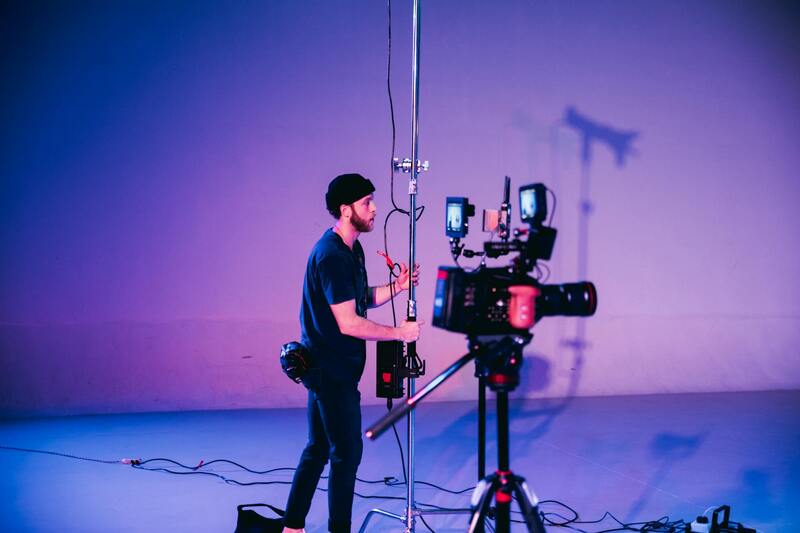
Respecting intellectual property rights also plays a crucial role. Photographers must ensure not to infringe upon copyrighted content embedded in a yacht’s design or branding. Proper attribution and respecting the owner’s branding guidelines reinforce ethical standards and uphold the reputation of the photography professional.
Finally, ethical considerations extend to respecting privacy and confidentiality. When capturing images of private yachts or high-profile clients, discretion is paramount. Disclosing any sensitive information or unauthorized access to private areas can breach trust and harm professional relationships.
In essence, a comprehensive understanding of legal practices, combined with adherence to ethical standards and transparent dealings, solidifies a yacht photographer’s reputation in Miami’s high-end maritime market. These practices not only support the delivery of outstanding imagery but also foster enduring client relationships grounded in professionalism and respect for legal boundaries.
Legal Considerations and Best Practices in Yacht Photography
For professional yacht photographers operating in Miami, adherence to established protocols is fundamental to delivering exemplary service while maintaining a reputable business environment. Securing the right permits and licenses ensures that all photography activities are compliant with local regulations, especially when shooting in protected marinas or private yacht facilities. This often involves coordinating with marina management or yacht owners to obtain necessary access and permissions well in advance of scheduled shoots.
Insurance coverage tailored for maritime environments is a critical component of operational planning. It protects against potential damages to equipment and liabilities that may arise from incidents during on-location shoots. Many experienced yacht photographers carry comprehensive policies that explicitly cover water-based work, property protection, and personal injury, reflecting a thorough understanding of the industry's inherent risks.
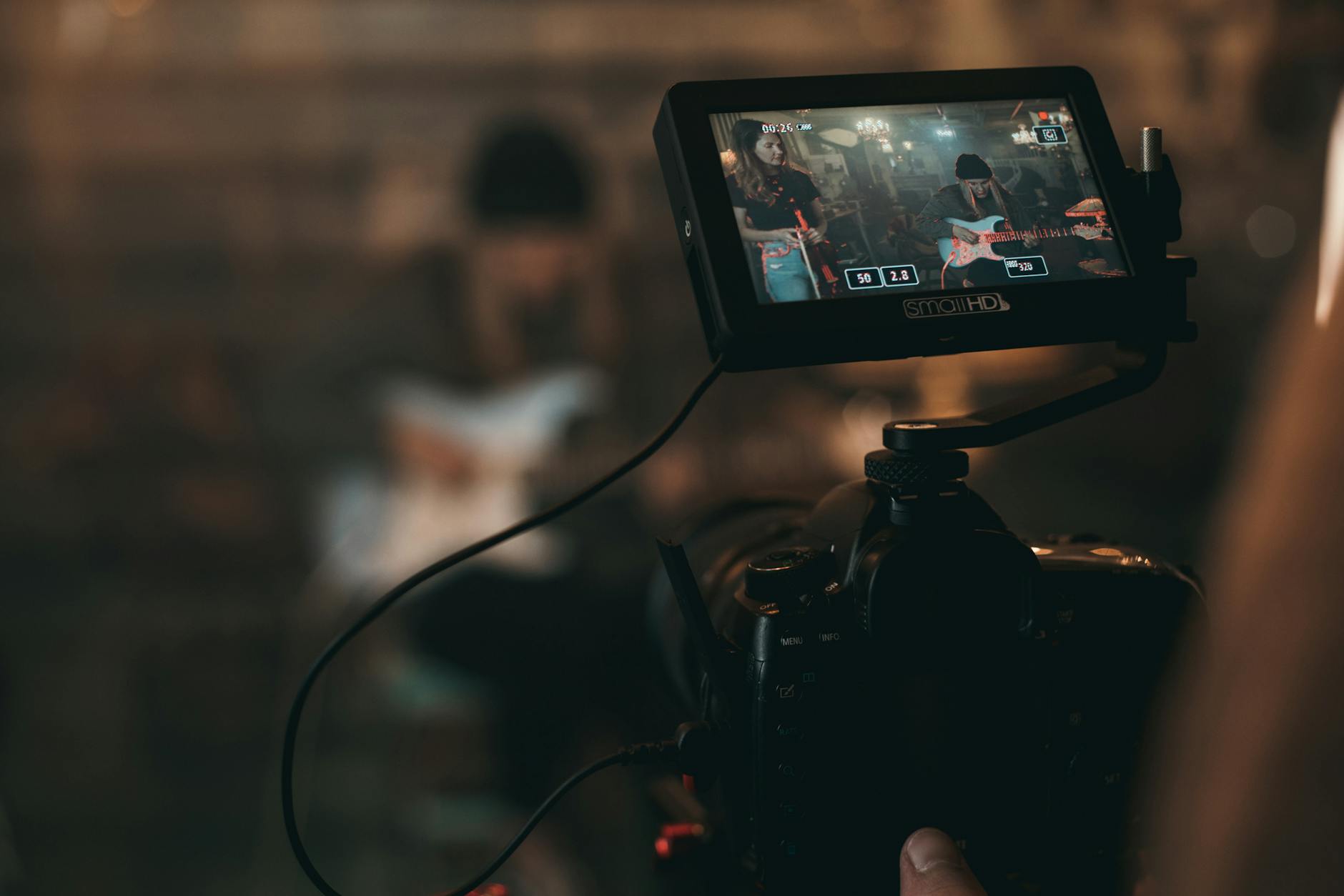
Client contracts serve as pivotal legal documents that clearly outline project scope, deliverables, payment terms, and usage rights. Drafting meticulous agreements reduces misunderstandings and establishes a foundation of trust with yacht owners and industry clients. These contracts often specify how images can be used, whether for promotional materials, advertisements, or private collections, ensuring clarity around copyright and licensing issues.
Respecting intellectual property rights extends to safeguarding the yacht's branding and design elements. Photographers should be aware of any proprietary graphics, logos, or trademarks present on the vessel, and obtain explicit permissions when necessary to utilize such assets in commercial portrayals.
Furthermore, ethical etiquette dictates respecting the privacy of yacht owners and guests. Gaining explicit consent before photographing private areas or individuals ensures confidentiality and upholds professional integrity in high-profile settings. Discretion and professionalism foster enduring relationships and uphold the reputation of the photographer within the competitive Miami yacht industry.
Implementing these legal and ethical best practices is essential for establishing credibility and delivering world-class imagery that satisfies clientele expectations while operating within the bounds of professional standards.