
Understanding Yacht Photography
Yacht photography is a specialized field within the broader scope of commercial and luxury photography, dedicated to showcasing high-end vessels in a manner that highlights their elegance, craftsmanship, and unique features. The primary goal of yacht photography is to create compelling images that evoke a sense of luxury, sophistication, and exclusivity, appealing to prospective buyers, charter clients, and branding audiences.
Capturing the grandeur and intricate details of a yacht requires more than just technical skill; it demands an understanding of the vessel's architecture and design philosophy. Photographers must be adept at portraying the vessel from angles that emphasize its size and form while also capturing the luxurious ambiance of its interiors and surrounding environments.
One of the most notable challenges in yacht photography is working with the vessel's reflective surfaces—such as polished hulls, glass windows, and metallic accents—which can produce glare and unwanted reflections. This requires strategic positioning, optimal lighting conditions, and sometimes the use of specialized equipment or techniques to minimize undesirable effects and highlight the yacht’s best attributes. Additionally, large, complex vessels often necessitate aerial and panoramic perspectives to fully convey their scale and the details that make each yacht unique.
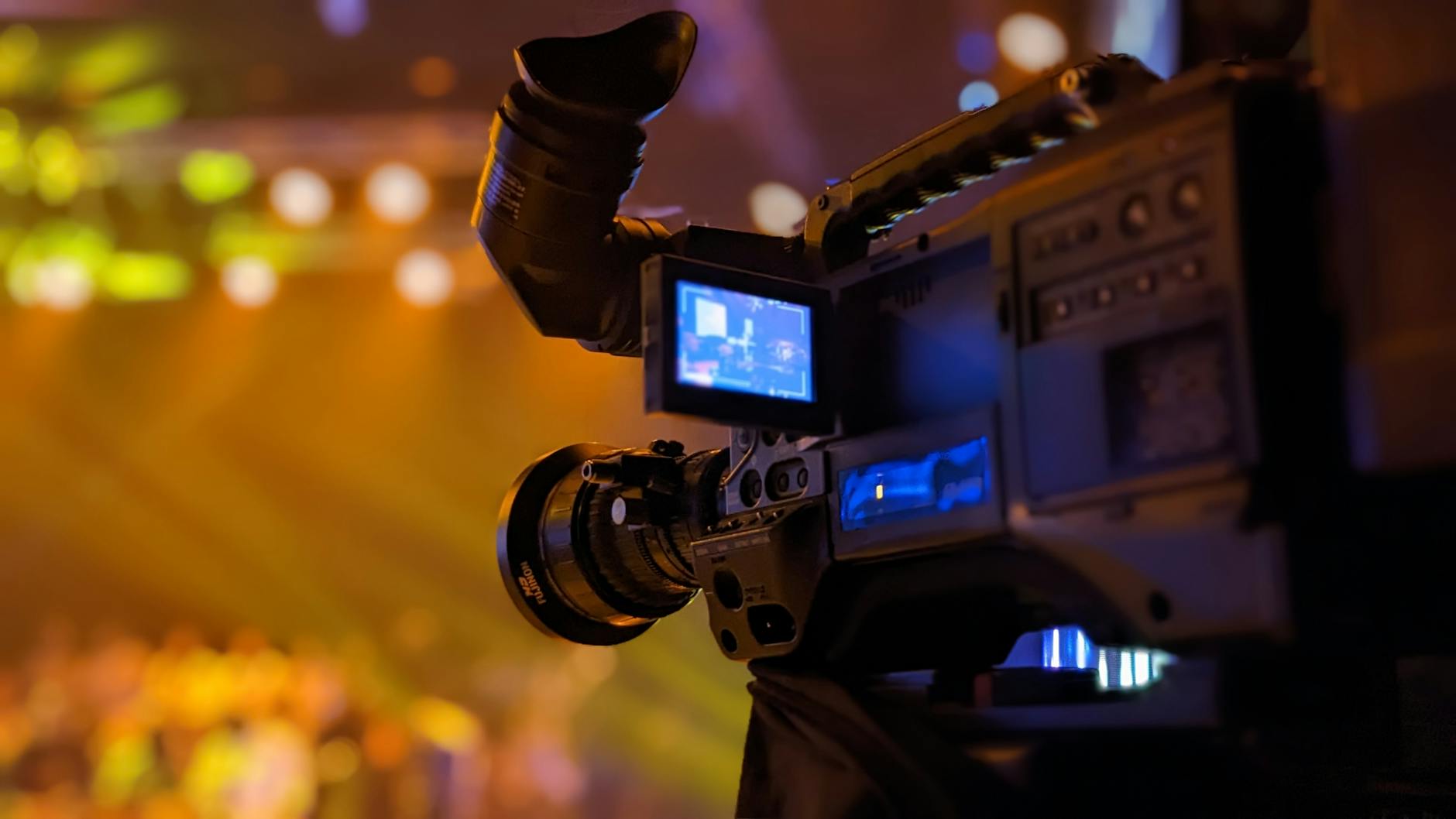
Beyond aesthetics, yacht photography serves functional purposes in marketing materials, advertisements, and sales listings. High-quality imagery helps potential buyers visualize the vessel, showcase its amenities, and present it in the best possible light to facilitate decision-making. Consequently, a successful yacht photograph combines technical expertise, artistic sensibility, and a deep understanding of the vessel’s features to produce images that are both visually stunning and informative.
The process involves meticulous planning, from choosing the right time of day and weather conditions to engaging in careful post-production editing. Each image should tell a story about the vessel, highlighting the luxury lifestyle it represents and the craftsmanship behind its design. The result is a collection of photographs that not only document the yacht's physical attributes but also elevate its desirability in a competitive market.
In summary, yacht photography is a nuanced blend of technical mastery and artistic storytelling that emphasizes the vessel's luxury attributes. It requires specialized knowledge, the right equipment, strategic planning, and an eye for detail to successfully showcase high-end yachts in their best light—making it a crucial component of luxury maritime marketing strategies.
Essential Equipment for Yacht Photography
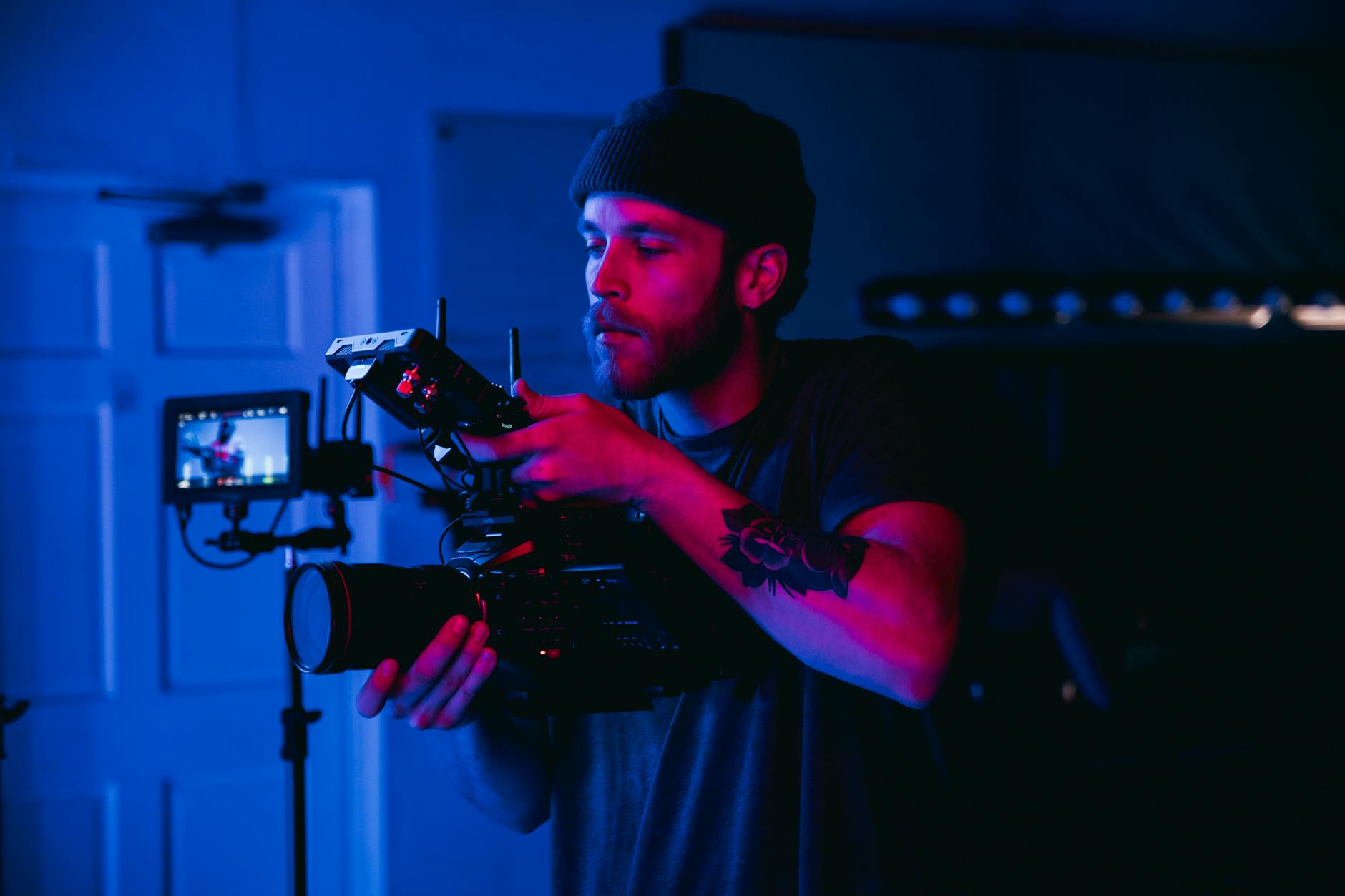
Capturing high-quality images of luxury yachts requires a carefully curated selection of professional-grade equipment. The foundation of effective yacht photography begins with choosing the appropriate camera system. Full-frame digital single-lens reflex (DSLR) cameras or mirrorless models are preferred due to their superior image sensor sizes, which allow for higher resolution captures and better performance in various lighting conditions. High-resolution sensors enable the production of large-format prints and detailed images, essential for marketing and promotional purposes.
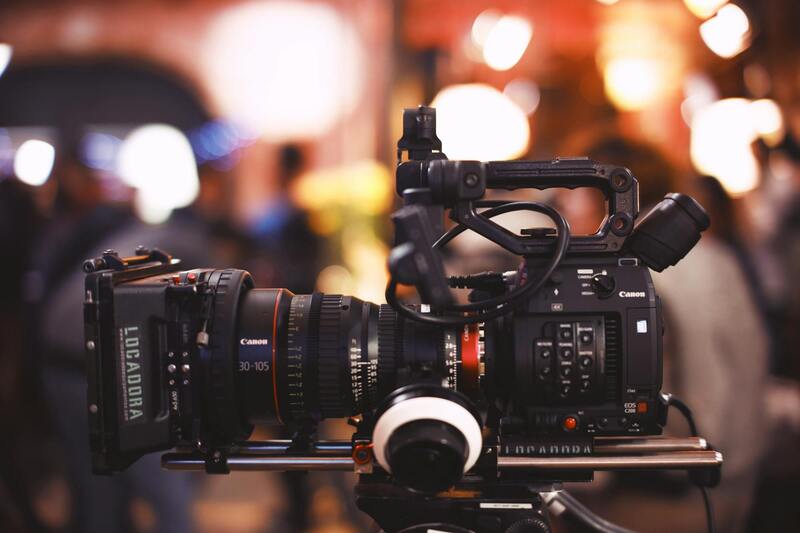
Lens selection significantly influences the quality and versatility of yacht photographs. Wide-angle lenses (e.g., 16-35mm) are invaluable for capturing expansive exterior shots, showcasing the vessel's size and surroundings. Telephoto lenses (such as 70-200mm) allow for detailed shots of specific yacht features without disturbance, ideal for capturing subtle design elements and close-up details from a distance. Prime lenses with wide apertures (f/1.4 or f/2.8) are beneficial for interior shots, especially in low-light conditions, ensuring crisp and vivid images.
- Drones: Aerial drone photography has become an indispensable tool for yacht imagery. Equipped with high-resolution cameras, drones can capture stunning overhead perspectives, provide situational context, and offer dynamic angles that ground-based photography cannot achieve. Properly calibrated drones enhance the visual storytelling of the vessel's surroundings and layout.
- Accessories: Tripods, stabilization mounts, and remote shutter releases ensure sharp images, especially in challenging lighting or when long exposures are needed. Circular polarizers help manage reflections on water and glass surfaces, reducing glare and enhancing color saturation. Additionally, external flashes and lighting modifiers help illuminate yacht interiors during indoor shoots, creating inviting and visually appealing scenes.
Beyond cameras and lenses, managing weather conditions with weatherproof gear and protective filters is essential. The use of high-quality filters can improve image quality by reducing reflections, controlling exposure, and protecting equipment during outdoor shoots. Powerful, portable lighting solutions—such as LED panels—are advantageous for interior shots, where natural light may be insufficient or inconsistent.
Investing in durable, weather-resistant camera bags, cases, and spare batteries ensures readiness for various shooting conditions on maritime locations. Professional-grade memory cards with high write speeds facilitate rapid shooting sessions, allowing photographers to capture transient moments without missing critical shots. The right equipment not only enhances image quality but also streamlines the workflow during fast-paced and dynamic yacht photography sessions.
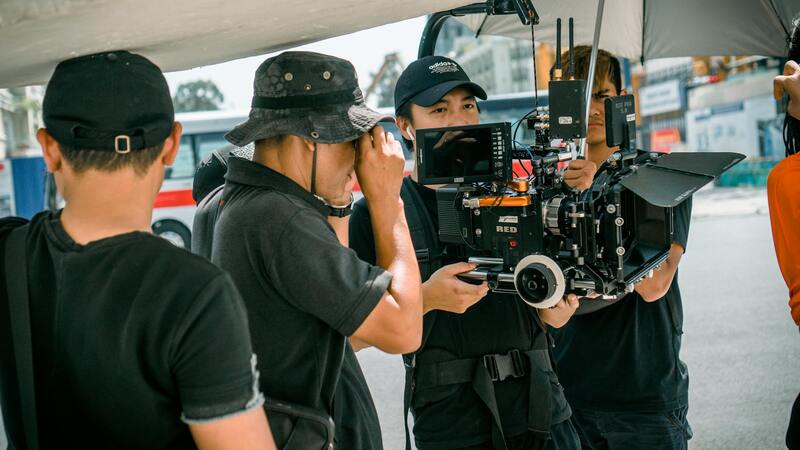
Sophisticated equipment tailored specifically for yacht photography guarantees that every shot—whether aerial or interior—meets high standards for clarity, depth, and detail. Professionals often complement their camera gear with specialized software and calibration tools to optimize image quality during post-production, ensuring that each photograph accurately represents the yacht’s luxury and craftsmanship.
Techniques for Shooting Exterior and Interior Yacht Shots
Achieving professional-quality yacht photographs requires a deliberate approach to shooting both the exterior and interior spaces. When capturing the exterior of a yacht, utilizing wide-angle lenses helps to encompass the entire vessel, emphasizing its size and design details. Position the yacht against a scenic backdrop such as open water, skyline, or marina to create a compelling contrast that highlights its elegance. Employing polarizing filters can significantly reduce reflections on the water and the vessel's surface, enhancing the clarity and vibrancy of the scene.
Optimal exterior shots often involve shooting during periods of soft natural light, such as early morning or late afternoon, which reduces harsh shadows and brings out the yacht's finishes. Consider shooting from a variety of angles—bow, stern, and profile—to showcase different design aspects. Drone photography plays a crucial role here, offering aerial perspectives that reveal the yacht's layout and its relationship with the surrounding environment. Aerial shots can also capture the yacht's setting within a marina or natural landscape, adding depth and context to marketing visuals.
Interior yacht photography demands attention to detail and lighting balance. To accurately portray luxurious interiors, use a tripod to ensure stability and sharpness. When natural light is insufficient, deploying portable LED lighting helps to brighten the space evenly without harsh shadows or overexposure. Utilizing multiple light sources allows for control over reflections and creates a warm, welcoming atmosphere that emphasizes the yacht’s sophisticated amenities. Position lights strategically to highlight key features such as the helm, lounges, and dining areas.
When photographing interiors, shooting in RAW format provides maximum flexibility in post-processing, allowing adjustments to exposure, contrast, and color balance without degrading image quality. Wide-angle lenses are beneficial for capturing the full scope of interior spaces while keeping furnishings and details in focus. For tight or complex layouts, focus stacking techniques can be employed to maintain clarity in both foreground and background elements. Consistent composition and attention to symmetry contribute to a polished, professional aesthetic.
In both exterior and interior shoots, managing reflections and glare is critical. Use lens hoods, polarization filters, and careful positioning to minimize unwanted reflections. Whether capturing the gleam of polished woodwork or the shimmer of water, precision in technique ensures images convey the yacht’s opulence authentically. Combining outdoor natural lighting with supplemental artificial lighting allows for flexibility and consistency across varying conditions, ensuring each shot aligns with the high standards expected in yacht marketing and documentation.
Optimal Techniques for Capturing Exterior and Interior Yacht Shots
Achieving stunning images of yachts requires a combination of precise techniques tailored to both exterior architecture and interior luxury spaces. For exterior photography, leveraging natural light during the golden hours—shortly after sunrise and before sunset—produces warm, soft illumination that accentuates the yacht's curves and reflective surfaces. Utilizing wide-angle lenses helps encompass the yacht's full length, emphasizing its grandeur and design flow. When shooting from dockside or nearby vantage points, avoid oblique angles that distort proportions; instead, select perspectives that highlight the yacht's symmetry and scale.
In interior shots, controlling ambient and artificial lighting is paramount. Use natural light streaming through windows to showcase spaciousness and refine this with supplementary lighting to fill shadows and highlight intricate details. Shooting in RAW format maintains maximum editing flexibility, especially when adjusting exposure and white balance to match the yacht’s luxurious ambiance. Focus stacking techniques are particularly effective for capturing intricate interior details without sacrificing clarity, ensuring key features are crisply presented across depth ranges.
Reflections and glare often pose significant challenges when photographing shiny surfaces like polished wood, metal fixtures, or glass panels. Employ polarization filters and lens hoods to reduce unwanted reflections, enabling clearer visualization of textures and craftsmanship. For exterior shots, use a drone to acquire aerial perspectives that reveal the yacht's full silhouette against the water horizon, providing dramatic contextual imagery.
Techniques for Shooting Exterior and Interior Yacht Shots
Achieving striking images of a yacht requires a comprehensive understanding of both technical skills and artistic vision. When photographing the exterior, it’s crucial to leverage the natural environment by selecting optimal weather conditions and times of day. Golden hour, shortly after sunrise or before sunset, provides soft, warm lighting that enhances the yacht’s sleek lines and reflective surfaces. Overcast days can diffuse light evenly, reducing harsh shadows and glare, which is particularly advantageous for capturing intricate design details.
Using professional-grade camera gear with high-resolution sensors ensures capture of minute details such as emblem engravings, teak decking, and stainless-steel fixtures. A wide-angle lens, typically ranging from 14mm to 24mm, allows for expansive shots that showcase the yacht’s full profile and surroundings. When photographing interior spaces, using a tilt-shift lens can correct perspective distortions often caused by close proximity to large interior features, maintaining a natural and professional appearance.
Proper stabilization is paramount for clarity, especially during long exposures or in low-light conditions. Tripods or gimbals help prevent movement and maintain sharpness, while remote triggers or timers avoid vibrations caused by finger contact. For reflective surfaces like windows, employing polarization filters reduces glare and refraction issues, revealing the detailed craftsmanship inside and outside a yacht. When shooting interiors, controlling ambient lighting with portable diffusers helps balance interior illumination with natural light, producing inviting and detailed images.
Incorporating aerial imagery via drones elevates the portfolio by offering unique perspective angles that emphasize the yacht’s size and design sophistication. Flying the drone at an appropriate altitude and distance provides dramatic views of the yacht’s deck layout and its relationship with the surroundings, such as harbor or open water vistas. Ensuring drone flight safety and adherence to any maritime regulations is key, as restrictions may exist in certain regions or near private properties.
The use of multiple exposures and focus stacking techniques further enhances the quality of images, especially in interior photography where depth of field is critical. Combining these shots during post-processing results in highly detailed visuals, emphasizing both the craftsmanship and luxurious features of the yacht. Paying attention to weather conditions throughout the shoot is essential; a calm sea and clear skies often yield the best reflections and water textures, enriching the overall narrative of elegance and power.
Ultimately, mastering these techniques results in a diverse collection of images that vividly convey the yacht’s luxurious appeal, designed to captivate potential buyers and enthusiasts alike.
Enhancing Your Yacht Photography: Advanced Techniques and Tips
Once the foundational aspects of yacht photography—such as equipment choice and lighting—are well-understood, the focus shifts to refining techniques and elevating the visual storytelling. Achieving compelling images requires more than just capturing a yacht; it involves precise control over composition, perspective, and environmental factors to showcase the vessel’s grandeur and intricate design details effectively.
Utilizing Proper Composition and Perspective
Effective composition in yacht photography involves deliberately framing your shot to highlight the yacht’s most striking features. This could mean capturing a sleek silhouette against a dramatic sunset or emphasizing the luxurious deck layout through wide-angle lenses. It’s crucial to consider the yacht's lines and how they direct the viewer’s eye across the image, guiding attention toward key elements such as the helm, recreational areas, or distinctive hull features.
Angles play a significant role in accentuating the yacht's dimensions and elegance. Shooting from a slightly elevated perspective can provide a comprehensive view of the vessel while avoiding distortion. Low-angle shots, meanwhile, can generate a sense of grandeur, making the yacht appear more imposing and luxurious. Experimenting with different viewpoints helps in discovering the most impactful imagery that resonates emotionally with viewers.
Choosing the Right Time and Weather Conditions
The timing of a yacht shoot significantly influences the mood and quality of images. Shooting during the golden hour—shortly after sunrise or before sunset—produces warm, soft light that enhances the yacht’s contours and reflective surfaces. This natural glow creates a visually compelling scene, highlighting the yacht's polished exterior and water textures.
Overcast days can be advantageous for interior shots, as diffused light reduces harsh shadows and produces a balanced illumination across reflective surfaces and dark interiors. Calm sea conditions further magnify the yacht’s aesthetic appeal by providing mirror-like water surfaces that beautifully mirror the vessel, adding depth and tranquility to the scene. Conversely, rough waters can introduce a sense of power and adventure, which might be fitting for certain promotional or editorial contexts.

Post-Processing Mastery
While capturing pristine images is essential, post-production offers an additional layer to improve and refine your photos. Adjustments in color balance, contrast, and sharpness should be subtle to maintain authenticity. Techniques such as focus stacking can accentuate fine details, ensuring both interior furnishings and exterior craftsmanship stand out without sacrificing realism. Carefully retouching reflections, water texture, or minor blemishes enhances overall presentation without detracting from the subject’s integrity.
Developing a Consistent Style
Consistent stylistic choices, such as color grading and framing, foster brand recognition and help your portfolio stand out. Whether opting for a sleek modern look with cool tones or a warm, inviting aesthetic, maintaining uniformity across your images will establish a recognizable visual language that appeals to high-end clients and enthusiasts alike.
Legal and Ethical Considerations in Yacht Photography
Engaging in yacht photography within Miami's bustling marina environments requires a comprehensive understanding of the guidelines that govern the ethical use of images. While capturing stunning visuals of luxury yachts can elevate branding and marketing efforts, it is imperative to approach this discipline responsibly to respect privacy and proprietary interests.
One fundamental aspect is respecting property boundaries and securing necessary permissions from yacht owners or management before filming or photographing. This not only fosters positive relationships but also ensures that the imagery produced is authorized for the intended use. Establishing clear communication about the purpose of photos, the scope of usage, and any restrictions helps avoid misunderstandings and maintains professional integrity.
Adhering to established standards of respectful conduct while working in active marina settings also involves maintaining a non-intrusive presence. Photographers should avoid disrupting vessels' operations or obstructing access points. Keeping equipment discreet and minimizing noise contributes to a professional atmosphere and supports safe interactions with yacht crews and onlookers.
When editing images for client portfolios or promotional content, it is crucial to accurately represent the yacht without exaggeration or misleading enhancements. Honest depiction supports trustworthiness and preserves the reputation of both the photographer and the client's brand. This includes refraining from manipulating images in a manner that could alter the perceived size, condition, or ownership details of the vessel.
Furthermore, copyright considerations are vital. Photographers should retain rights over their original works and clearly define usage terms when delivering images to clients. Conversely, clients must respect licensing agreements and avoid commercial exploitation beyond agreed boundaries.
Ultimately, maintaining a high standard of professionalism in yacht photography hinges on respecting legal obligations, property rights, and ethical norms. Doing so not only contributes to a reputable practice but also fosters long-term relationships with clients and stakeholders within Miami's vibrant maritime community.
Legal and Ethical Considerations in Yacht Photography
Engaging in yacht photography within Miami’s bustling maritime environment requires adherence to established protocols that respect property boundaries, privacy rights, and safety regulations. Photographers must be diligent in obtaining necessary permissions before capturing images in marina areas, ensuring they operate transparently and in cooperation with yacht owners and marina authorities.
To uphold integrity in the craft, it is vital to accurately represent the vessel’s features without unauthorized alterations. This means avoiding any image manipulation that could mislead viewers regarding the yacht’s condition or appearance. Maintaining authenticity in your images supports client trust and enhances your professional reputation.
Safety remains a paramount concern during photoshoots. Photographers should familiarize themselves with marina layouts, navigation rules, and vessel operations to prevent accidents. This includes respecting no-entry zones, avoiding obstruction of active pathways, and staying clear of operational decks during maneuvers. Equipment should be secured and positioned to minimize risk to both personnel and the yachts themselves.
Another critical element involves copyright rights and image usage. Photographers should clearly communicate licensing terms at the point of delivery, specifying whether images are for personal use, marketing, or publication. Proper documentation of these terms helps avoid disputes and fosters ongoing collaborations with yacht owners and industry professionals.
Respecting privacy is equally essential. When photographing privately owned yachts, especially in restricted or residential marinas, it is courteous and often necessary to seek consent from owners or designated representatives. This respects personal boundaries and cultivates a positive professional reputation.
By consistently applying these standards, photographers contribute not only to the visual documentation of Miami’s yachting industry but also to a trustworthy and responsible local photographic community. Upholding such principles ensures that yacht photography remains a respected and sustainable service for clients, yacht owners, and maritime stakeholders alike.