
Understanding the Role of a Yacht Videographer
A yacht videographer plays a crucial role in capturing the opulence, elegance, and excitement of luxury yacht experiences. This specialization requires more than just professional filming skills; it demands a comprehensive understanding of the unique environment provided by yachts, combined with technical mastery of camera equipment and storytelling techniques. A yacht videographer is responsible for creating captivating visual narratives that highlight the vessel's design, interior amenities, scenic surroundings, and the lavish lifestyle associated with yacht ownership or chartering.
The primary responsibility of a yacht videographer is to produce high-quality videos that accurately represent the vessel's aesthetic appeal and the experience it offers. This involves meticulous planning to ensure optimal shot composition, lighting, and camera angles. The videographer must also adapt to the dynamic marine environment, which includes dealing with variable weather conditions, reflections from water, and movement caused by the yacht’s navigation. They often collaborate closely with yacht owners, charter companies, and marketing teams to align the video content with branding and promotional goals.
Expertise extends beyond technical filming to encompass storytelling—crafting engaging narratives that resonate with prospective clients or audiences. This might involve highlighting the yacht’s luxurious features, scenic routes, onboard activities, and the overall ambiance. A proficient yacht videographer leverages their understanding of luxury branding, cinematography, and marine environment dynamics to produce end products that captivate viewers and elevate the vessel's market presence.
In an industry driven by visual appeal and storytelling, a yacht videographer acts as a vital link between the vessel and its target audience. Through expert craftsmanship and strategic image portrayal, they help yacht owners and charter companies showcase their assets in the most compelling way possible, making their services stand out in a competitive market.
Key Skills and Equipment Used by Yacht Videographers
Successful yacht videographers possess a blend of technical filming skills and creative vision. Mastery of professional-grade cameras, stabilizers, drones, and editing software is essential for producing polished videos. They also need an understanding of advanced lighting techniques to manage the challenging lighting conditions often encountered at sea, such as glare, reflections, and changing natural light sources. Strong communication skills facilitate collaboration with clients and crew members to achieve desired visual outcomes.
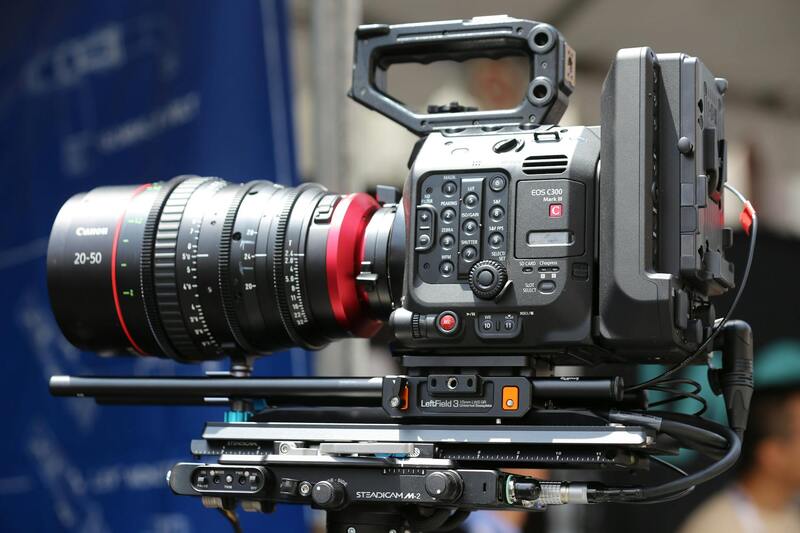
Equipment frequently used includes high-definition cameras with waterproof housing, drone systems for aerial shots, gimbal stabilizers for smooth footage during vessel movement, and portable lighting gear for interior shoots. Post-production software, such as Adobe Premiere Pro or Final Cut Pro, enables detailed editing, color correction, and sound design, culminating in a professional, engaging final product.
Types of Yacht Video Services Offered
- Promotional Yacht Tours: Showcasing the vessel’s exterior, interior, and key features to prospective clients.
- Event Videography: Capturing onboard events like parties, celebrations, or special occasions.
- Customer Testimonial Videos: Highlighting client experiences to enhance credibility.
- Destination and Scenic Footage: Creating videos that emphasize the yacht’s cruising routes and scenic surroundings.
- Onboard Lifestyle Features: Showcasing the amenities, dining, and recreational activities available onboard.
The Impact of Location and Time of Day in Yacht Videography
Choosing the right filming locations and optimal times of day are critical in producing stunning visuals. Natural lighting dramatically influences the mood and clarity of footage, with golden hours at sunrise and sunset providing warm, soft illumination that enhances the yacht’s appearance. The surrounding environment, including waters, coastlines, and nearby attractions, contributes to the narrative and aesthetic quality of the video. Skilled videographers plan their shoots meticulously to capture the vessel from the most flattering angles under ideal lighting conditions.
Working with Yacht Owners and Charter Companies
Effective collaboration is fundamental in yacht videography. Videographers work closely with yacht owners, brokers, and charter operators to understand their branding objectives and desired video outcomes. Clear communication ensures that the filming schedule accommodates vessel availability, safety protocols, and client preferences. Building trust and maintaining professionalism are key to securing repeat business and long-term partnerships. These collaborations often involve pre-shoot planning meetings, storyboard discussions, and review sessions to align expectations with the final product.
Post-Production and Delivery of Yacht Videos
After filming, the editing process transforms raw footage into a compelling visual story. This phase involves color grading, sound editing, special effects, and adding branding elements where appropriate. High-resolution videos are delivered in formats suitable for websites, social media, or promotional campaigns. Timely delivery and quality assurance are essential as yacht companies seek to refresh their marketing content regularly to stay competitive in their marketplace.
Legal and Privacy Considerations in Yacht Videography
Although not explicitly discussed here, maintaining respect for privacy and adherence to regulations is crucial when filming on yachts. Videographers must ensure that they have appropriate permissions and that onboard personnel’s privacy is protected. Clear agreements regarding the use and distribution of footage help prevent misunderstandings and safeguard clients’ interests. Safeguarding sensitive areas and avoiding interference with privacy expectations are integral components of professional yacht videography.
Choosing a Miami-Based Yacht Videographer
Miami, renowned for its luxury lifestyle and vibrant maritime scene, offers a wealth of professional yacht videographers. Local expertise enables them to access prime locations, understand regional maritime regulations, and capture the unique aesthetic of South Florida’s waterways. The city’s yacht industry continues to grow, driven by affluent clientele seeking top-tier visual marketing, making Miami a strategic hub for high-quality yacht videography services.
Essential Equipment and Technical Skills for Yacht Videographers
To produce compelling and high-quality footage, yacht videographers must be equipped with specialized gear and possess a diverse set of technical skills. The primary tools include professional-grade cameras capable of capturing high-resolution images in various lighting conditions, such as mirrorless or cinema cameras fitted with wide-angle and telephoto lenses. Stabilization equipment, like gimbals and drone stabilizers, ensures smooth footage even amidst the movement of the water and vessel. Drone technology plays a critical role in capturing expansive shots and aerial views that elevate the visual narrative of yacht videos.
Beyond hardware, proficiency in post-production software like Adobe Premiere Pro, Final Cut Pro, or DaVinci Resolve is essential. These programs facilitate precise editing, color correction, and audio enhancement—ensuring the final product meets professional standards. Skills in color grading enable the final footage to have a vibrant, consistent look that accentuates the yacht's design and surroundings. Sound design, including the integration of ambient sounds or background music, adds depth and atmosphere to the video content.
Other technical skills include understanding the nuances of maritime lighting conditions, weather impacts, and vessel movement dynamics. Experienced yacht videographers can adapt filming techniques in real-time, adjusting camera settings to optimize image quality. Knowledge of maritime safety protocols and environmental considerations also guide responsible filming practices that protect both the crew and the natural surroundings.
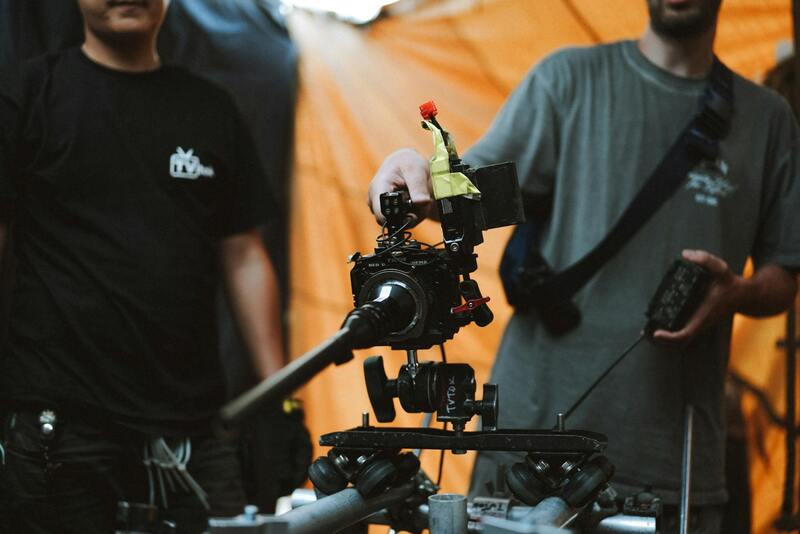
By combining sophisticated equipment with advanced technical expertise, yacht videographers can deliver visually stunning content that highlights the luxury and elegance of the vessel while seamlessly integrating the scenic beauty of the surrounding waters.
Factors Influencing the Choice of Filming Locations and Timing
In the art of yacht videography, selecting the optimal location and timing is crucial to capturing footage that truly highlights the vessel's grandeur and the surrounding environment. The natural lighting conditions during different times of day dramatically affect the visual quality. Dawn and dusk, often referred to as the golden hours, provide soft, diffused light that enhances the yacht's sleek lines and creates a warm, inviting atmosphere in the footage. Shooting during these periods minimizes harsh shadows and glare, resulting in more aesthetic and professional visuals. Weather conditions also play a vital role. Overcast days, with their even light distribution, can lend a moody or sophisticated tone to the video, whereas clear skies emphasize vibrancy and a sense of openness. However, fluctuating weather patterns demand flexibility from the videographer, who must adapt camera settings quickly to ensure consistent image quality. The water's condition—calm versus choppy—significantly influences the shooting environment. Calm seas provide stable platforming for smooth shots and allow for longer, uninterrupted takes. In contrast, rough waters can add dynamic movement and energy to the footage, capturing the vessel's resilience and the excitement of seafaring. Timing also involves strategic planning around specific events or scenic features to maximize visual impact. For instance, filming during sunset not only enhances the aesthetic appeal but also aligns with popular leisure and social activities aboard yachts, making the visuals more relatable and engaging. Moreover, proximity to landmarks or distinctive natural features can serve as compelling backgrounds, heightening the overall production value. Coordinating the shoot with favorable weather forecasts and light conditions requires thorough research and preparation, often involving collaboration with local maritime experts familiar with the area. The combination of precise location selection and attention to the time of day ensures that the final video beautifully encapsulates the luxury, adventure, and tranquility associated with yachting experiences, captivating viewers and potential clients alike.
Post-Production and Delivery of Yacht Videos
Once filming is complete, the process transitions into post-production, a critical phase that elevates raw footage into a polished, compelling visual narrative. The editing process involves carefully selecting the best shots, ensuring smooth transitions, and synchronizing footage with suitable music or narration to enhance the overall storytelling. Color grading plays a pivotal role in highlighting the luxurious ambiance of the yacht and the scenic surroundings, providing depth and vibrancy that draw viewers into the scene.
Advanced editing software allows for precise adjustments and creative effects that can significantly impact the final product. Stabilization techniques help minimize any camera shake, particularly important in dynamic shots taken onboard the vessel. Slow-motion sequences and aerial drone footage can emphasize key moments, capturing the elegance of the yacht and the stunning seascapes.
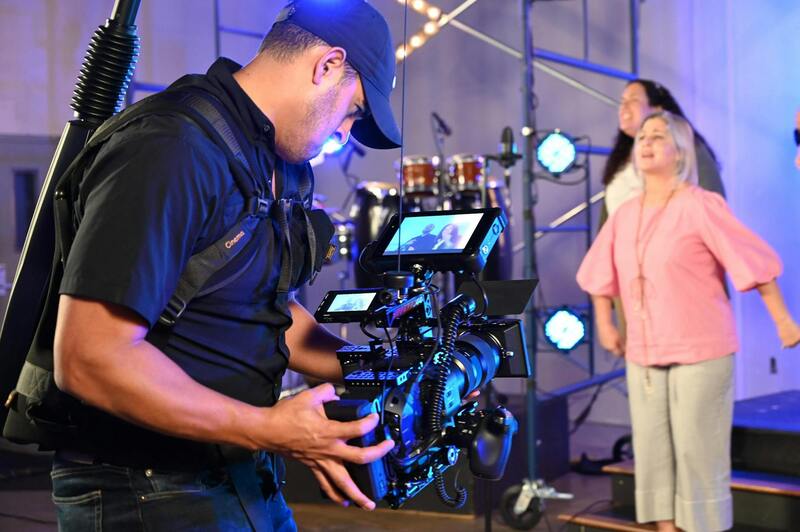
Following editing, the focus shifts to quality control. This step involves reviewing the final video to ensure color consistency, seamless transitions, and overall visual appeal meet professional standards. Audio editing is also essential; background music, sound effects, and narration are integrated thoughtfully to complement the imagery without overpowering it.
When the editing process concludes, the yacht videographer prepares the video for delivery. This includes exporting the footage in various formats optimized for different platforms—whether for digital marketing, social media, or personal keepsakes. High-resolution digital files enable clients to showcase their yacht experience across multiple channels, ensuring the content remains visually impactful regardless of where it is displayed.
Timely delivery is crucial to meet client expectations, especially for promotional campaigns or upcoming events. Digital delivery methods such as secure online galleries, cloud sharing, or direct downloads facilitate a smooth handover of the final product. It ensures that clients can quickly access and utilize their professionally produced yacht videos to attract potential buyers, guests, or investors.
Legal and Privacy Considerations in Yacht Videography
Respecting Privacy and Securing Permissions
In the realm of yacht videography, safeguarding client privacy and adhering to permission protocols are fundamental. When capturing footage aboard private yachts or during exclusive events, it is essential to obtain explicit consent from all individuals featured in the footage. This process involves detailed communication with yacht owners, guests, and event organizers to clarify how the content will be used, distributed, and showcased. Ensuring transparent discussions at early stages helps prevent misunderstandings and builds trust between the videographer and clients.
Additionally, securing formal permissions prior to filming can include signing agreements that specify rights to the footage, usage limitations, and confidentiality clauses. These documents serve to clarify expectations and protect both parties' interests, ensuring that all visual content is produced and utilized within agreed parameters.
Protection of Intellectual Property and Content Rights
Understanding and managing intellectual property rights is vital in yacht videography. Videographers typically retain ownership of their raw footage and final edits unless otherwise stipulated in contracts. Clear licensing agreements should outline how clients can use the videos, whether for promotional activities, social media, or personal collections.
For yacht owners and charter companies, possessing the rights to the captured footage allows for consistent branding efforts, marketing campaigns, and event highlights. It also provides leverage in case of dissemination across multiple platforms. Possessing a comprehensive licensing strategy ensures that all content distribution aligns with legal standards and the original agreements.
Compliance with Drone and Airspace Regulations
Many yacht videographers incorporate aerial drone footage into their projects to enhance visual storytelling. However, drone operations are subject to strict regulations designed to ensure safety and privacy. Filming with drones over water bodies or private properties requires awareness of specific flight restrictions and no-fly zones, especially around densely populated areas and sensitive locations.
Employing licensed drone pilots who are familiar with local aviation laws is a best practice to prevent regulatory infringements. Adhering to altitude restrictions, flight permissions, and notification procedures not only guarantees a smooth filming process but also maintains a professional standard that respects national and local airspace policies.
Data Security and Client Confidentiality
Given the high value and exclusivity of yacht videos, implementing secure data handling protocols is essential. Utilizing encrypted storage solutions, secure file transfer methods, and password-protected online galleries ensures that sensitive content remains confidential. This approach minimizes risk exposures related to unauthorized access or distribution, especially when dealing with high-profile clients or proprietary branding materials.
Strategies for Effective Yacht Video Production
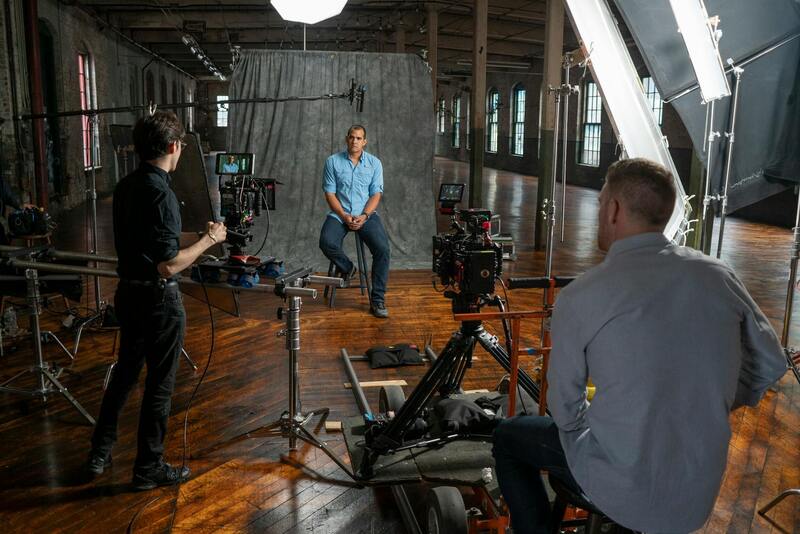
Successfully capturing compelling yacht footage requires meticulous planning and execution. A yacht videographer must develop a comprehensive storyboard or shot list, considering the scenic views, key features of the vessel, and the intended mood of the video. Utilizing a combination of wide-angle shots to showcase the yacht's grandeur and detailed close-ups highlights unique design elements and onboard luxuries. Consistent communication with the yacht crew and owner ensures all aspects of the vessel and environment are considered, enabling seamless filming that respects operational schedules and safety protocols.
Optimizing camera angles and movements is essential to create dynamic visuals. Techniques such as smooth dolly shots, steady gimbal movements, and strategic zooms enhance viewer engagement. When incorporating motion footage, planning for optimal stabilization methods—whether via handheld gimbals or drone-mounted stabilizers—ensures cinematic quality. Incorporating ambient sounds or onboard narration can also enrich the narrative, providing a more immersive experience.
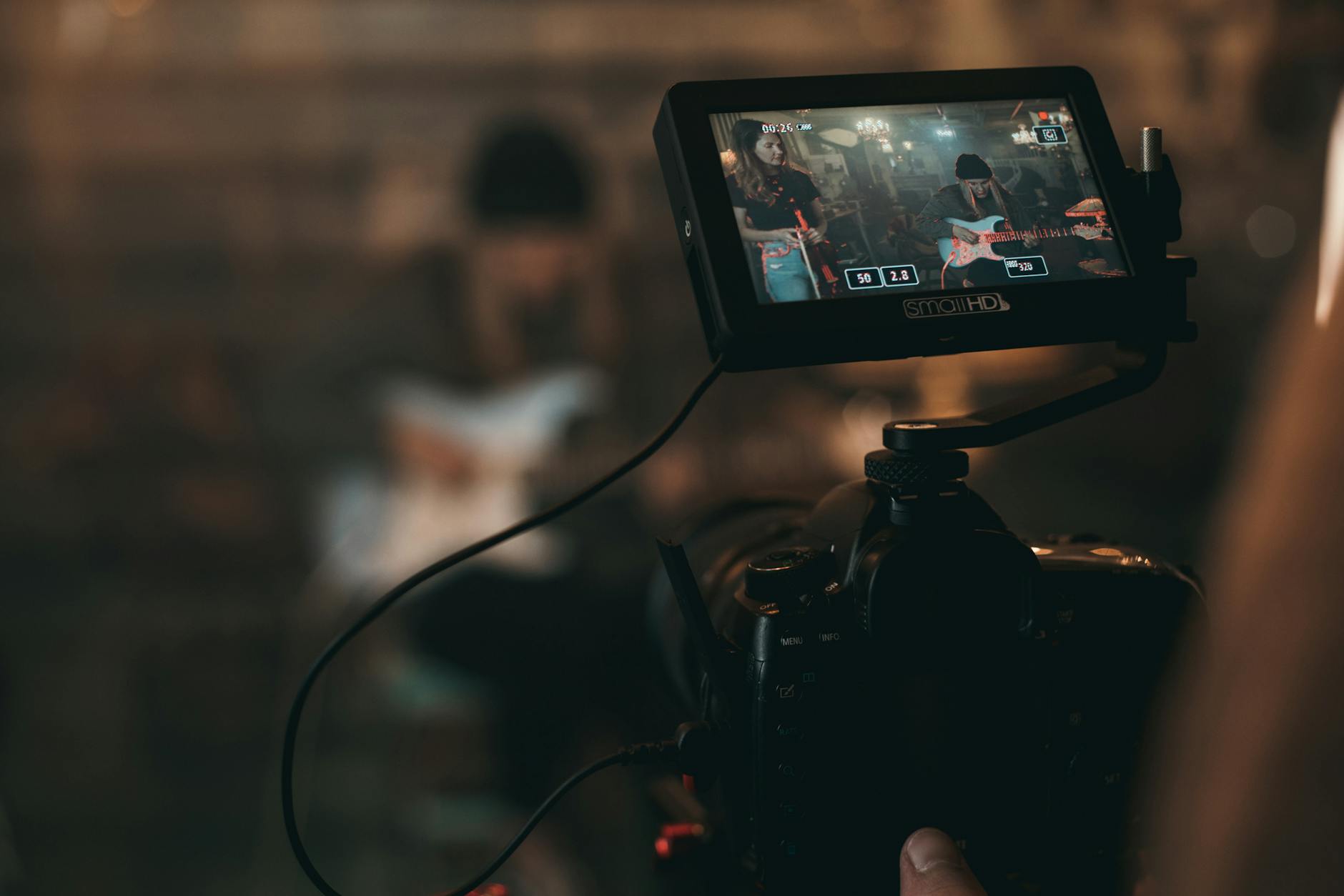
Weather conditions significantly influence the filming process. Clear, bright days with calm seas typically yield the most striking visuals, providing optimal lighting and stability. Overcast skies can create softer, more textured shots, while dramatic weather conditions—such as fog or stormy skies—can add a sense of drama but require careful safety considerations. Scheduling shoots during the golden hours—shortly after sunrise or before sunset—maximizes natural light's warmth, enhancing the overall aesthetic of the footage.
In addition to equipment and environmental factors, post-shoot data management plays a vital role. Immediate backing up of footage onto encrypted drives or cloud services preserves the high quality of the content and protects against data loss. Maintaining detailed logs of shot sequences assists in efficient editing, ensuring that the final product aligns with the client’s vision.
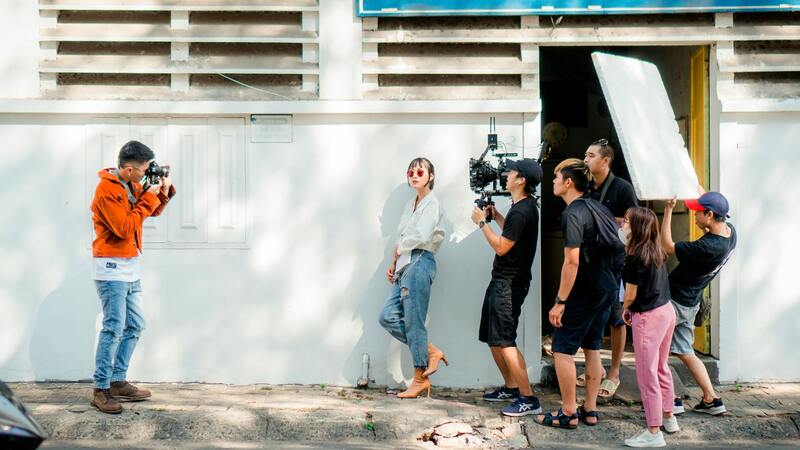
Ultimately, expert yacht videographers combine technical skills, artistic sensibility, and comprehensive planning to create visually stunning and emotionally compelling videos that effectively showcase the yacht’s elegance and prestige. Their ability to adapt to changing conditions and client needs ensures a polished final product that elevates marketing efforts or personal collections to new heights of professionalism.
Coordination and Communication During the Filming Process
Effective coordination and clear communication are vital components of successful yacht videography projects. Prior to the shoot, detailed planning sessions with yacht owners or charter clients establish objectives, preferred angles, and specific areas of focus on the vessel. This helps streamline the filming process, ensuring that all key features and aesthetic elements are captured efficiently. During filming, maintaining ongoing dialogue with the crew and captain ensures safety and operational continuity. The videographer must be adaptable, responding to real-time conditions and adjusting shot angles or sequences as necessary. Using walkie-talkies or reliable communication devices enables seamless coordination, particularly when maneuvering around complex yacht interiors or external structures. Furthermore, setting expectations about shot schedules and deliverables prevents misalignment and ensures that the final product aligns with client visions. Transparency regarding timeframes, possible restrictions, and desired shot types fosters trust and smooth workflow from start to finish.
Utilizing Drone Technology for Elevated Perspectives
Incorporating drone footage into yacht videography expands creative possibilities and offers viewers unique perspectives. Drones can capture sweeping panoramic shots of the yacht navigating through open waters, dramatic aerial views of the vessel at anchor, or dynamic tracking shots that showcase the yacht’s size and design elegance. Professional drone operators with specialized licenses and equipment ensure compliance with safety regulations, providing stable, high-definition aerial imagery. These shots can significantly enhance promotional videos, personal collections, or charter marketing materials, adding a cinematic quality that elevates the overall production value. Careful planning of drone flight paths, considering wind conditions, airspace restrictions, and privacy concerns, ensures safe and effective operation. Collaborating with skilled drone pilots maximizes the creative potential of aerial footage while maintaining professionalism and safety standards.
Legal and Privacy Considerations in Yacht Videography
Securing the confidence of yacht owners and charter companies necessitates a thorough understanding of the ethical standards and best practices that govern the industry. Respecting privacy rights and ensuring that footage is obtained and utilized responsibly are cornerstones of professional yacht videography. This involves establishing clear agreements that specify permitted areas for filming, boundaries for drone operations, and restrictions related to sensitive or private spaces aboard the vessel.
Moreover, acquiring explicit consent from all individuals featured in the footage is essential, particularly when capturing moments that could reveal personal activities or private settings. This process often includes signed releases that outline how the videos will be used, stored, and possibly shared with third parties.
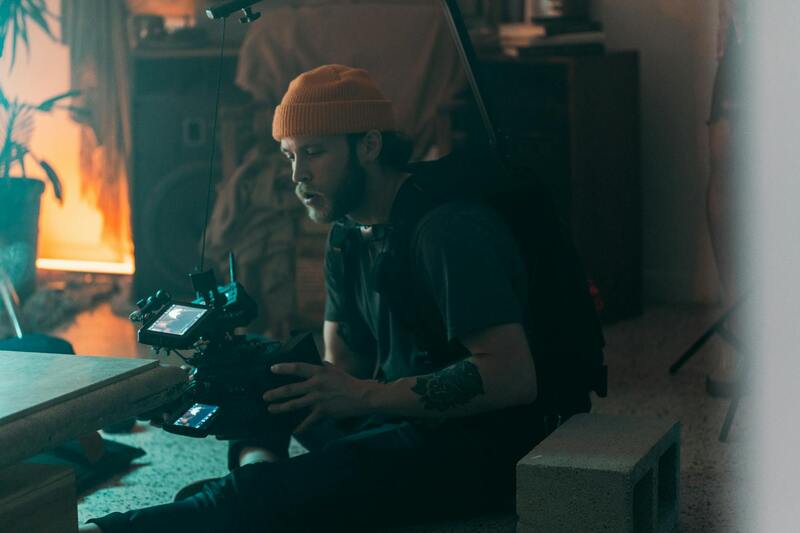
When working with clients, it is crucial to establish a comprehensive understanding of the scope of the project. This includes discussing potential locations, time constraints, and any special instructions that might impact privacy considerations. For example, some yacht owners may prefer certain areas, such as private decks or guest lounges, to remain free of filming to protect their personal space.
Another vital aspect involves adhering to local regulations and airspace rules, especially when employing drone technology. Skilled operators who are familiar with the specific jurisdiction’s requirements can navigate these regulations smoothly, ensuring the filming process remains compliant at all times.
Practicing transparency about the intended use of footage also helps in aligning expectations. Whether for promotional campaigns, personal collections, or event documentation, clarifying these details up front reduces misunderstandings and fosters a respectful, collaborative environment.
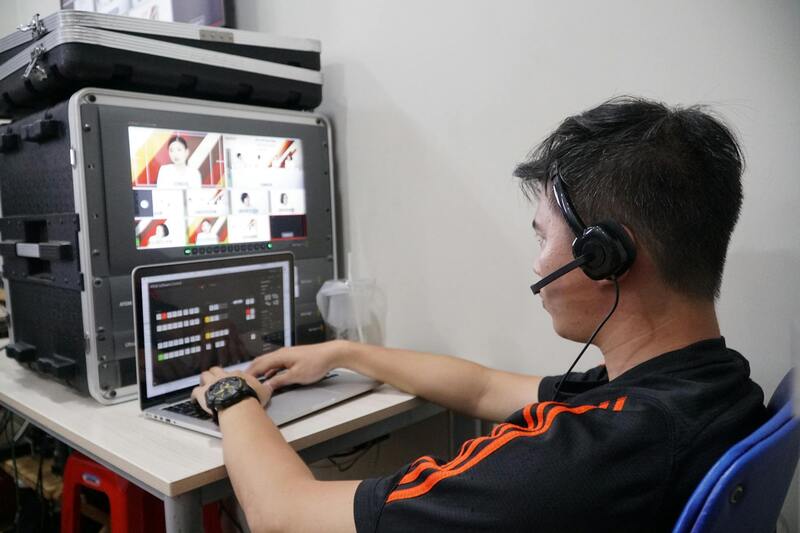
Finally, safeguarding the footage through secure storage and controlled access protocols is an important step. This commitment to confidentiality not only protects client interests but also enhances the reputation of the videographer as a trusted professional in the maritime industry.