
Overview of Superyacht Photography
Superyacht photography encompasses the specialized craft of capturing the grandeur, sophistication, and unique details of luxury yachts that typically extend beyond 80 feet in length. This niche discipline demands a keen eye for detail, mastery of lighting, and skillful composition to highlight the meticulous craftsmanship, sleek design, and opulent interiors that define these floating palaces. High-quality imagery in this domain is not only about aesthetics; it plays a vital role in luxury yacht marketing and branding strategies by visually communicating exclusivity, elegance, and the exceptional lifestyle associated with superyachts.
Effective superyacht photography serves multiple purposes. It functions as a compelling visual narrative that attracts discerning clients, facilitates targeted marketing campaigns, and enhances brand prestige. Whether used across digital platforms, printed brochures, or promotional videos, these images must evoke emotion and desire while showcasing the vessel's distinctive features. Thus, superyacht photography is a crucial component in the competitive landscape of luxury yacht sales and charter marketing, where first impressions are often visual and immediate.
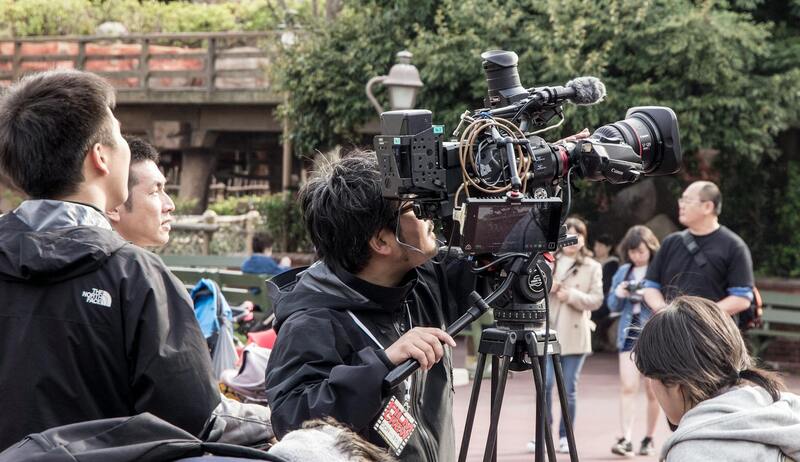
To succeed in superyacht photography, professionals need an in-depth understanding of the vessel's architecture, interior design, and exterior aesthetics. It involves a strategic approach to angles, lighting, and timing to ensure the yacht's luxurious atmosphere is conveyed authentically and compellingly. This kind of imagery fosters an emotional connection with potential clients and helps forge a powerful visual identity for the yacht or yacht brand.
As the demand for exclusive, visually striking content grows within the luxury sector, superyacht photography continues to evolve, integrating innovative techniques and technological advancements. This evolution reflects the importance of producing images that not only meet aesthetic standards but also reinforce the vessel’s positioning in a high-end marketplace, ensuring maximum engagement and interest from potential buyers, charterers, and industry professionals.
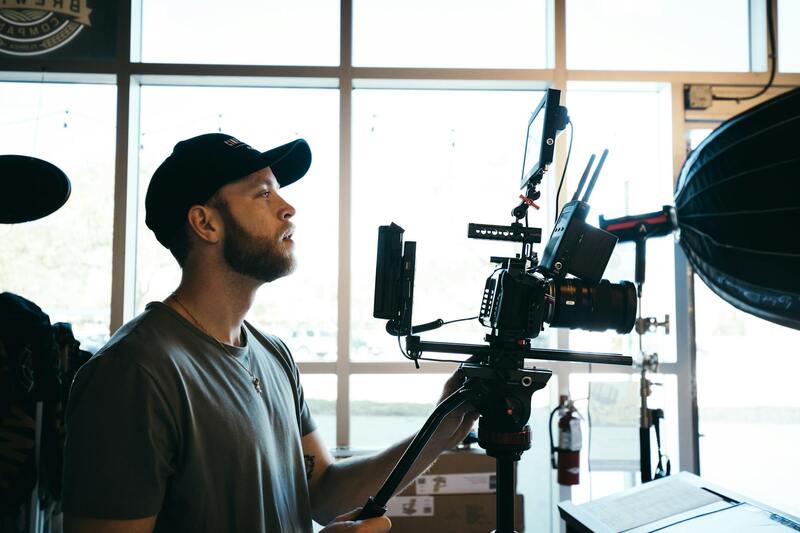
Key Features of Superyacht Photography
Superyacht photography is distinguished by its ability to encapsulate the vessel’s grandeur, elegance, and meticulous craftsmanship. High-quality images serve as a visual narrative, revealing the intricate details of both exterior and interior spaces. Exterior shots typically highlight the yacht’s sleek design, expansive decks, and cutting-edge structural elements, often captured during the golden hours to emphasize natural light and shadows that enhance depth and texture.
Interior photography, on the other hand, focuses on showcasing luxurious living spaces, state-of-the-art amenities, and bespoke design features. These images emphasize a sense of lifestyle, reflecting comfort, sophistication, and exclusivity. Carefully staged scenes and precise lighting techniques help evoke an aspirational atmosphere, appealing to high-net-worth individuals seeking a personalized maritime experience.
Beyond aesthetics, superyacht photography captures operational aspects such as spacious sunbathing areas, luxurious dining zones, and custom recreational facilities. Emphasizing these features underscores the blending of functionality and luxury, reinforcing the vessel’s unique appeal in a competitive market. Lifestyle elements—like guests enjoying sunset cocktails or relaxing on expansive decks—are strategically included to resonate emotionally with potential clients, positioning the yacht as more than just a vessel, but a private retreat on the water.
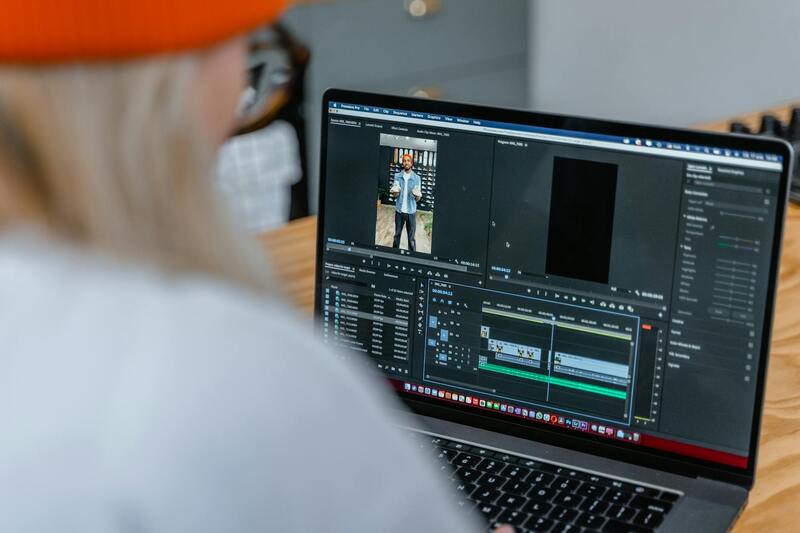
Essential Equipment for Superyacht Photography
To achieve professional-grade images, photographers rely on a suite of advanced equipment tailored for maritime environments. High-resolution DSLR or mirrorless cameras with full-frame sensors are fundamental, delivering crisp detail and excellent low-light performance. Wide-angle lenses are indispensable for capturing expansive exterior views and interior spaces, allowing photographers to showcase the yacht’s scale and luxurious environment.
Neutral density filters and polarizers help manage reflections and enhance color saturation, particularly in water and glass surfaces. Tripods and stabilizers are vital for maintaining image clarity during long exposures or in turbulent conditions. Drones equipped with high-quality cameras are increasingly used to capture dramatic aerial perspectives, offering unique vantage points that reveal the vessel's layout and surroundings.
Proper lighting gear, such as portable LED panels and reflectors, ensures optimal illumination for interior shots, particularly in challenging lighting conditions inside the yacht. Additionally, weather-proof camera housings are essential to safeguard equipment during outdoor shoots, especially in marine environments where moisture and salt can pose risks.

Techniques for Capturing Stunning Superyacht Images
The art of superyacht photography hinges on mastering specific techniques that highlight the vessel’s opulence. Strategic timing is crucial; shooting during sunrise or sunset, known as the golden hour, provides warm, diffuse lighting that accentuates the yacht's curves and surfaces. For exterior photography, wide-angle lenses allow the capture of the vessel in its full grandeur, often from elevated positions provided by drone photography or nearby vantage points.
Interior shots benefit from a combination of available light and supplementary lighting sources. Using wide-aperture lenses helps achieve a shallow depth of field, drawing attention to focal points such as bespoke furnishings or panoramic windows showcasing scenery beyond. Careful composition, including leading lines and symmetry, guides the viewer’s eye through the image, emphasizing key features while maintaining a sense of balance.
Post-processing plays a significant role in refining images. Color grading tweaks and contrast adjustments help achieve a polished, luxurious look, while exposure correction ensures details are visible across shadows and highlights. Image stitching may be employed to produce high-resolution panoramas that encapsulate entire decks or waterfront vistas.
Challenges and Solutions in Superyacht Photography
Photographers often confront unpredictable weather conditions, reflective surfaces, and confined spaces that can complicate the shooting process. Overcoming these challenges involves meticulous planning, including weather forecasts, and scheduling shoots during optimal light conditions. Using polarized filters helps reduce glare on water and glass surfaces, ensuring clarity and vibrancy in images.
Space constraints inside yachts can restrict movement and limit lighting options. Advanced lighting solutions and creative staging techniques help mitigate these issues, creating inviting scenes without overcrowding or loss of detail. External factors such as wind or salt spray necessitate weather-resistant equipment, while protective gear ensures safety and equipment longevity.
Coordination with the yacht’s crew and owner is paramount to secure access, manage schedules, and ensure the privacy of guests while capturing the vessel at its best. Effective communication and a flexible approach allow photographers to adapt to dynamic circumstances, ultimately producing high-caliber imagery that meets the demanding expectations of luxury vessel marketing.
Technical Methods to Enhance Superyacht Photography
Achieving striking imagery of superyachts requires employing precise technical methods that optimize image quality and visual impact. One vital technique involves the use of High Dynamic Range (HDR) photography. By capturing multiple exposures of the same shot at different levels of brightness, HDR combines these images to produce a final picture that maintains detail in both shadows and highlights—a crucial factor when photographing reflective surfaces like water or glass on a yacht. This method ensures that every element, from the glossy exterior to the intricate interior features, is vividly represented.
Another essential method involves precise focus stacking, especially when capturing close-up details such as deck furnishings, navigation equipment, or luxury interiors. By combining multiple images focused at different depths, photographers unlock sharpness across the entire scene, delivering images that reveal meticulous craftsmanship and opulence. Focus stacking is particularly effective in confined spaces where wide-angle lenses may create distortions or reduce depth of field.
Utilizing polarized filters plays an integral role in superyacht photography. These filters cut down on glare caused by reflective water surfaces and glass panels, significantly improving image clarity. Proper polarization enhances color saturation, making the yacht’s paintwork and surrounding scenery pop without the need for extensive post-processing. Adjusting polarization during a shoot allows photographers to fine-tune reflections and achieve the desired aesthetic in real-time.
Another strategic approach involves the use of time-lapse photography. This technique is invaluable for capturing dynamic scenes such as yachts navigating through waters or docked against a scenic backdrop at sunset. By sequencing images at set intervals, a time-lapse sequence can showcase motion and the changing environment, adding a cinematic dimension to the visual portfolio.
Optimizing Shooting Conditions for Quality Results
In superyacht photography, planning for optimal lighting conditions is paramount. The golden hour—the period shortly after sunrise and before sunset—provides soft, warm light that highlights the yacht's contours and creates inviting atmospheres. Scheduling shoots during these periods can dramatically enhance the vibrancy and mood of images.
Weather forecasting plays a crucial role in scheduling. Calm, clear days minimize reflections from water and reduce the risk of equipment damage from salt spray or strong winds. When shooting in adverse weather, protective gear for equipment, such as waterproof housings and covers, ensures safety while maintaining image integrity. Furthermore, adjusting camera settings to compensate for variable lighting, such as lowering ISO and narrowing apertures, results in sharper, more vibrant images.
Leveraging Post-Processing Techniques
Post-processing in superyacht photography involves enhancing the natural beauty of the scene while retaining authenticity. Techniques include color correction to match true-to-life hues, contrast adjustments to emphasize depth, and noise reduction to ensure crispness. Digital retouching can also remove minor imperfections, such as unwanted reflections or blemishes, helping the final images meet high-end marketing standards.
The careful balance between technical photography methods and strategic planning ensures that each superyacht image accurately reflects luxury, elegance, and the vessel’s unique character. Precision in execution and attention to environmental factors are foundational to producing a professional portfolio that appeals to discerning clients in the luxury yachting industry.
Techniques for Capturing Stunning Superyacht Images
When aiming to produce eye-catching superyacht images, several technical strategies come into play to amplify the vessel's grandeur and detail. Mastery of lighting is fundamental. Natural light, especially during the golden hour, can cast warm hues that highlight the yacht’s elegant design. Utilizing reflectors or diffusers can help soften shadows and evenly illuminate reflective surfaces, ensuring that no detail is lost in harsh lighting conditions.
Angles and compositions are equally crucial. Shooting from low or elevated vantage points can reveal the yacht's sleek lines and expansive decks, creating a sense of scale and luxury. Emphasizing symmetry in framing elevates the visual impact, especially when capturing the yacht's profile against picturesque backgrounds like the ocean or skyline. Incorporating foreground elements, such as marine accessories or nearby boats, can add depth and context to the scene.
The timing of shots plays a pivotal role in achieving stunning visuals. Early mornings or late afternoons offer softer natural light and calmer water conditions, resulting in fewer reflections and more vibrant colors. This enhances the overall mood and allure of the images. Using long exposure techniques during these times can also create smooth water effects and dynamic skies, adding an artistic touch.
Post-processing techniques further refine superyacht images. Correcting color balance ensures the hues reflect true-to-life vibrancy without oversaturating. Adjusting contrast accentuates the yacht's crisp lines and intricate details. Noise reduction is vital for maintaining image clarity, especially in low-light situations. Minor digital retouching can remove distracting reflections or blemishes, maintaining a polished, high-end appearance in line with luxury branding standards.
Techniques for Capturing Stunning Superyacht Images
Achieving captivating photos of superyachts requires a mastery of various photographic techniques tailored to highlight their grandeur and intricate details. Strategic use of lighting is fundamental; shooting during the golden hours—early morning or late afternoon—provides naturally diffused light that softens shadows and enhances colors. This approach not only accentuates the yacht's sleek contours but also infuses the images with a warm, inviting glow that resonates with luxury branding.
Composition plays a vital role in superyacht photography. Exploring different angles—such as shooting from low vantage points or elevated positions—can reveal the yacht's impressive profile and design elements. Symmetrical framing emphasizes the balance and harmony of the vessel's structure, especially when aligned with picturesque backdrops like open water or city skylines. Incorporating foreground elements, such as marine accessories, crew members, or nearby boats, adds depth and a contextual narrative, making the images more engaging and dynamic.
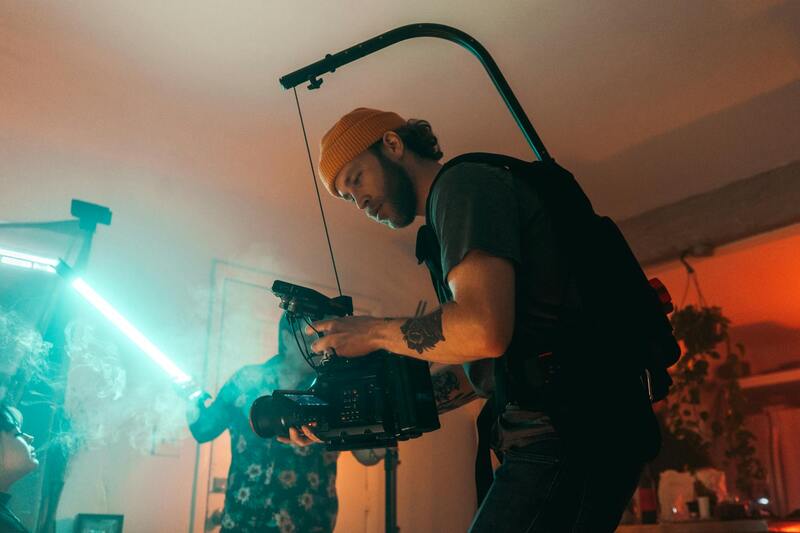
Timing of the shot is equally critical. Capturing images during calmer water conditions results in reflections that complement the vessel’s lines, while the softer natural light minimizes harsh shadows. Utilizing long exposure techniques during dawn or dusk can create visually striking effects, such as silky smooth water surfaces or dramatic skies, which elevate the aesthetic appeal of the photograph. Such techniques demand careful camera stability, often necessitating the use of tripods or stabilization gear to achieve crisp images.
Post-processing further refines the photograph’s impact. Adjustments to color balance ensure hues are true-to-life and vibrant without over-saturation, preserving the authentic luxury feel. Contrast enhancement emphasizes fine details, from deck furniture to intricate exterior features. Noise reduction is essential, particularly in low-light conditions, to maintain clarity and a polished look. Minor retouching can also eliminate distracting reflections or blemishes, ensuring the final image embodies the high standards expected in luxury superyacht marketing.
Mastering these techniques allows photographers to effectively showcase the artistry, craftsmanship, and splendor of superyachts, transforming a simple vessel into an aspirational symbol of luxury.
Challenges and Solutions in Superyacht Photography
Capturing the grandeur and intricate details of superyachts presents a unique set of challenges that require meticulous planning and specialized techniques. One of the primary obstacles encountered by photographers is managing lighting conditions. Unsuitable natural light, such as harsh midday sun, can create overly contrasted images with deep shadows and blown highlights, detracting from the vessel's luxurious appearance. To mitigate this, shoot during the golden hours—early morning and late afternoon—when soft, warm light enhances the yacht's contours and reflective surfaces. Using polarizing filters can also reduce glare from reflective surfaces, ensuring the yacht's exterior colors and details are accurately represented.
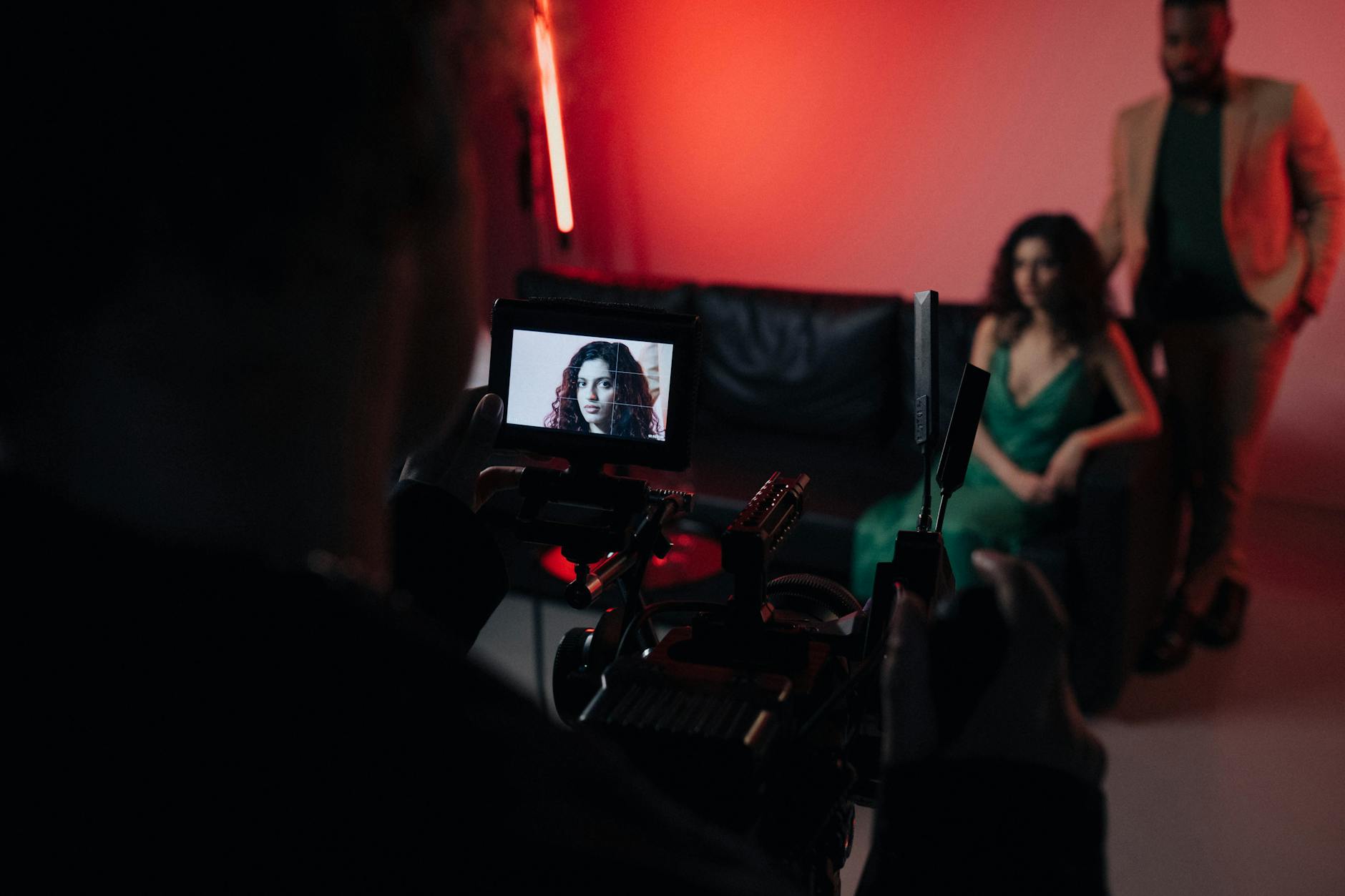
Another common challenge involves capturing moving vessels or dynamic backgrounds, especially when water conditions are choppy. To achieve crisp, steady images in such scenarios, photographers often employ stabilization gear like gimbals or steadicams. Additionally, using remote shooting techniques or cable releases allows for minimizing camera shake during exposure. When photographing in turbulent waters, high shutter speeds are essential to freeze motion, while longer exposure times can be employed creatively during calmer conditions to produce silky water effects or motion blur that add a sense of movement and life to the images.
Composition plays a vital role in superyacht photography. Positioning the vessel within the frame to emphasize its scale and design requires careful consideration of angles and perspective. Drone photography significantly enhances this aspect, offering aerial views that capture the yacht’s full grandeur along with its surrounding environment. However, operating drones around large vessels involves navigating airspace restrictions and ensuring safety, which necessitates precise planning and knowledge of local regulations.
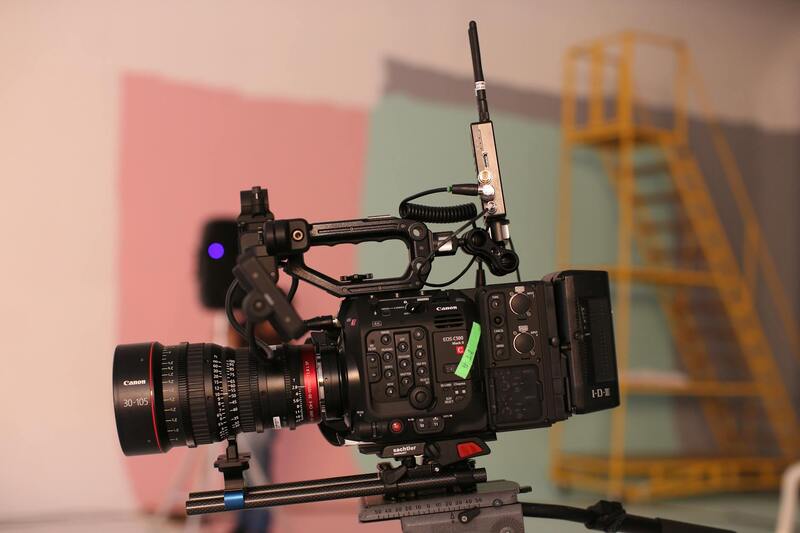
Post-processing is an indispensable stage in superyacht photography. Refined editing enhances visual impact by adjusting contrast, color balance, and sharpness to create polished, professional images. Careful retouching can also eliminate distractions like unwanted reflections or blemishes that may detract from the vessel’s allure. For images intended for marketing and promotional materials, consistency in style and tone is crucial to maintain brand identity and reinforce the luxury image associated with the superyacht industry.
Ultimately, overcoming these challenges requires a combination of technical mastery and creative vision. By employing suitable equipment, understanding environmental factors, and applying advanced editing techniques, photographers can produce captivating images that do justice to the sophistication and elegance of superyachts, turning them into compelling visual stories that resonate with prospective clients and aficionados of maritime luxury.
Industry Standards and Trends in Superyacht Photography
Maintaining high standards in superyacht photography involves adherence to established industry practices that emphasize quality, consistency, and innovation. Photographers should prioritize the use of professional-grade equipment, including high-resolution cameras and specialized lenses, to capture every detail of the yacht’s exterior and interior spaces with clarity and precision. Lighting is another critical aspect; utilizing natural light during optimal times of the day, such as the golden hour, enhances the yacht’s features and creates a warm, inviting ambiance.
Composition plays a vital role in producing captivating images. This involves thoughtful framing that highlights the yacht’s unique design elements, luxury amenities, and strategic angles that showcase its grandeur. The importance of perspective cannot be overstated—whether capturing expansive views from a drone or focusing on intricate details with macro lenses, the goal is to evoke a sense of scale and sophistication.
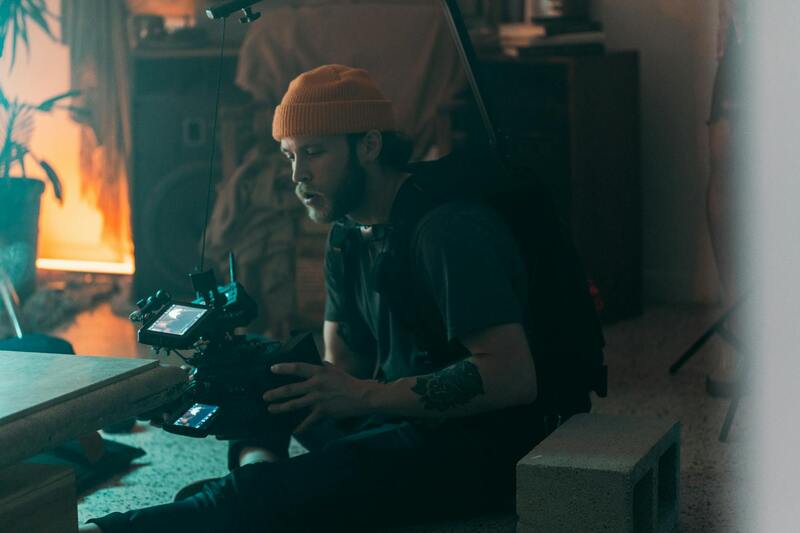
Emerging trends in superyacht photography include the integration of virtual reality (VR) and 3D imaging. These advanced techniques allow prospective clients to virtually explore a yacht’s layout and design, offering an immersive experience that elevates traditional viewing methods. Additionally, the use of cinematic filming methods, such as slow-motion and panoramic shots, enhances the storytelling aspect of high-end yacht imagery.
Post-production has evolved into a core component of the industry, emphasizing the importance of color grading, retouching, and compositing to create images that are both striking and true to the yacht's authentic appeal. Maintaining a signature style or brand aesthetic across a portfolio helps establish recognition and trust within the market.
From adherence to quality standards to embracing innovative visualization techniques, staying abreast of industry trends is essential for photographers aiming to produce images that set their work apart, reflect the luxury and exclusivity of superyachts, and meet the expectations of discerning clients.
Advanced Techniques and Industry Standards in Superyacht Photography
Achieving exceptional superyacht imagery requires a mastery of advanced photographic techniques, meticulous attention to industry standards, and a deep understanding of the unique environment in which these vessels are showcased. Photographers operating within this niche must navigate a variety of technical and artistic challenges to produce images that resonate with luxury clients and industry stakeholders.
Utilization of High-Resolution Imaging and Editing Software
One of the cornerstones of superyacht photography is the use of high-resolution cameras capable of capturing the intricate details that define these vessels. These images must retain clarity and precision when presented in large formats, whether for marketing brochures, digital portfolios, or physical exhibitions. Post-production editing plays a pivotal role in refining these images. Advanced software allows photographers to correct color inconsistencies, enhance lighting, and elevate the overall visual impact while preserving the authenticity found in the original scenes.
Adherence to Industry Composition and Lighting Standards
Industry standards emphasize the importance of composition and lighting that highlight the vessel's design aesthetics and luxurious features. Techniques such as golden hour shooting are employed to leverage natural light at dawn or dusk, creating warm, inviting images. Composition guidelines encourage the use of wide-angle lenses to capture the yacht’s grandeur, paired with strategic framing that draws focus to key elements like deck areas, luxury interiors, and panoramic views of the surrounding environment.
Incorporation of Virtual Reality and 3D Visualization
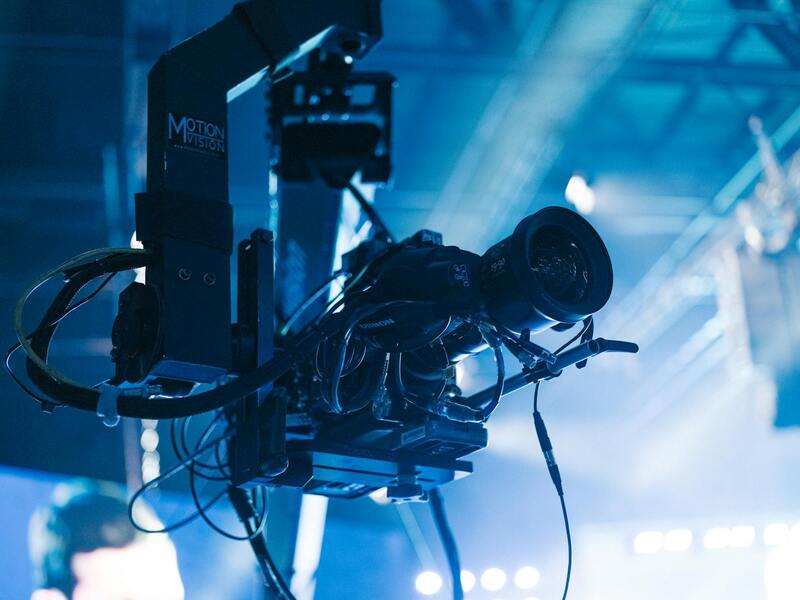
Emerging technological advancements, such as virtual reality (VR) and 3D modeling, have transformed the presentation of superyacht photographs. These methods allow prospective clients to virtually explore a yacht’s spatial design and interior layout, offering a more comprehensive understanding of the vessel beyond traditional visual models. This immersive experience sets a new standard for showcasing luxury yachts and significantly enhances the decision-making process.
Maintaining Consistency with Brand Aesthetic and Market Expectations
Consistency in style and quality reinforces a photographer's reputation and aligns with client expectations. Developing a distinctive aesthetic—whether through specific color palettes, framing techniques, or thematic lighting—helps build a recognizable portfolio. Equally important is staying informed about current market trends and technological advancements to ensure the work remains relevant and stands out in a competitive landscape.
Challenges and Best Practices for Ethical Superyacht Photography
Photographers in this field often encounter logistical challenges such as restricted access, environmental conditions, and client privacy concerns. Overcoming these requires clear communication, careful planning, and a responsible approach to rights management. Obtaining explicit permissions for shooting locations, respecting maritime boundaries, and ensuring that all images accurately reflect the vessel without exaggeration are key practices that support professionalism and uphold industry integrity.
Ongoing Education and Industry Engagement
Staying ahead in superyacht photography involves continuous learning—attending industry workshops, participating in maritime photography forums, and engaging with technological developments. By maintaining a commitment to learning and adhering to established standards, photographers can consistently produce work that not only meets but exceeds client expectations, thereby strengthening their position as trusted professionals in this exclusive market segment.