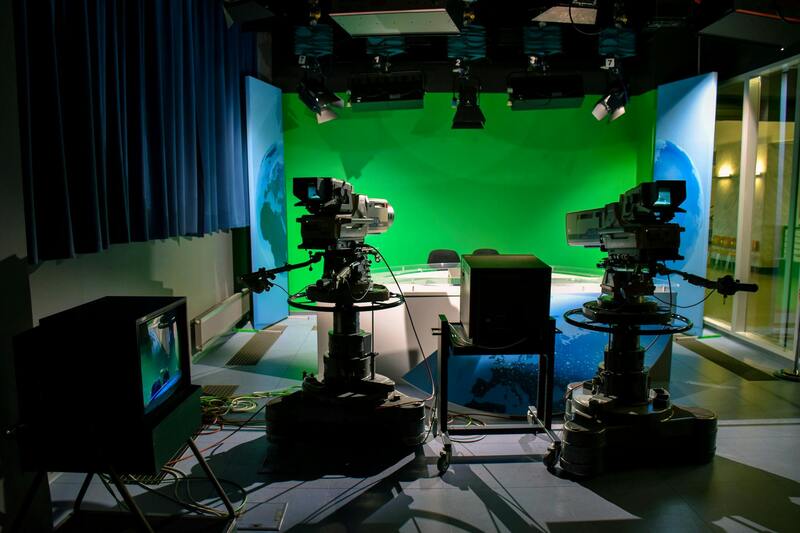
Understanding Marine Photo Production
Marine photo production encompasses a specialized segment of the visual content industry, focusing on capturing high-quality images that showcase the beauty, scale, and intricacies of marine environments and vessels. This field involves meticulous planning, technical expertise, and a profound understanding of marine ecosystems, equipment handling, and environmental conditions. The primary goal is to produce compelling visual narratives that serve various purposes, from commercial advertising and promotional campaigns to corporate branding and documentary storytelling.
Projects within marine photo production are diverse. They include photographing luxury yachts, commercial ships, fishing boats, and marine infrastructure, as well as creating scenic shots of coastal landscapes and underwater scenes. These visuals are often used in brochures, websites, advertising campaigns, and social media to enhance brand visibility and attract target audiences. The scope of marine photo production extends to both still photography and videography, requiring professionals to adapt their methods to dynamic environments and fluctuating weather conditions.
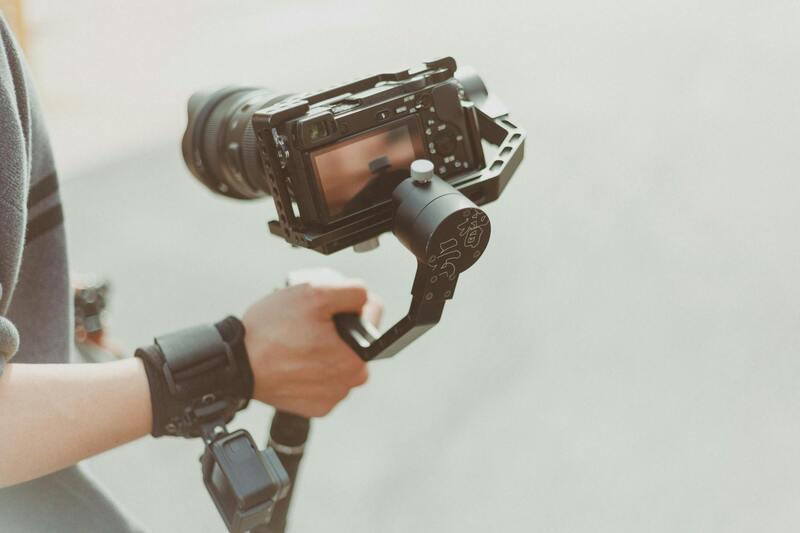
Attention to detail and environmental awareness are crucial, as capturing authentic and captivating images often involves working on boats, docks, or offshore platforms. The industry demands an integration of creative vision with technical mastery, utilizing advanced photographic equipment and post-production skills to deliver images that meet the highest standards of quality and impact.
Importance of Marine Photography for Commercial and Promotional Uses
Marine photography plays a pivotal role in elevating the visibility of marine-related projects, enterprises, and brands. Visually striking images help companies communicate their innovation, reliability, and connection to the oceanic environment. Whether promoting luxury yachts, marine tourism destinations, or maritime equipment, effective imagery can influence customer perceptions and drive engagement.
- Enhances brand recognition through visually compelling content.
- Provides authentic visuals that resonate with target audiences.
- Supports marketing campaigns across multiple platforms.
- Helps showcase technical details and features of marine products.
Key Elements of Marine Photo Production
Successful marine photo production hinges on several critical elements, including:
- Pre-Production Planning: Detailed strategizing involving location scouting, project objectives, and understanding environmental conditions.
- Technical Equipment: Use of waterproof cameras, drone technology, stabilization gear, and specialized lighting to adapt to marine settings.
- Expertise and Experience: Skilled professionals familiar with marine environments, safety protocols, and fast-paced filming conditions.
- Post-Production: Editing and retouching to enhance image quality, color correction, and visual consistency across projects.
Choosing a Miami-Based Marine Photo Production Agency
Miami, as a hub for luxury yachting, marine tourism, and international maritime business, offers a vibrant environment for marine photo production. Selecting an agency with local expertise ensures access to the best spots, understanding of maritime regulations, and familiarity with environmental considerations unique to South Florida. An agency embedded in the Miami community can provide tailored services that align perfectly with project goals, offering insights into optimal locations and conditions for capturing stunning marine visuals.
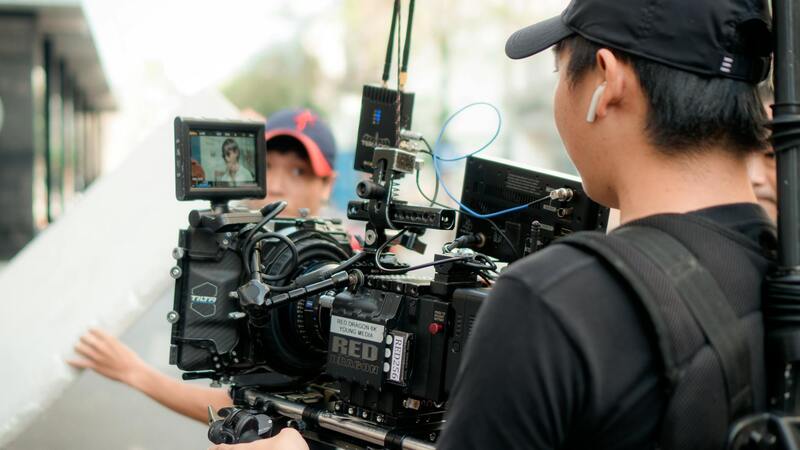
When choosing a Miami-based firm, consider their portfolio, technical capabilities, and ability to coordinate logistics on water. The right partner ensures seamless execution, from initial concept to final delivery, and guarantees that each image accurately reflects the client’s brand and vision.
Importance of Marine Photography for Commercial and Promotional Uses
Marine photography serves as a pivotal tool in shaping brand narratives and elevating marketing campaigns within various maritime industries. High-quality visuals are instrumental for companies operating in the yacht charter, luxury travel, marine equipment, and environmental sectors. These images not only depict the beauty and scale of marine environments but also communicate the essence of adventure, exclusivity, and sustainability that these brands aim to project.
In the realm of advertising, compelling marine visuals help companies stand out in crowded markets. They imbue promotional materials with authenticity and aesthetic appeal, capturing the attention of potential clients and partners. Furthermore, marine photographs are essential for digital content, ranging from social media campaigns to website banners, providing immersive experiences that resonate with viewers and enhance brand recognition.
Specialized marine photo production also plays a significant role in the development of marketing collateral for tourism operators and marinas. Stunning imagery of serene waters, vibrant marine life, and luxurious vessels entices prospective travelers and investors. Additionally, these visuals support environmental advocacy by illustrating the health of marine ecosystems, aiding organizations in raising awareness and fostering conservation efforts.
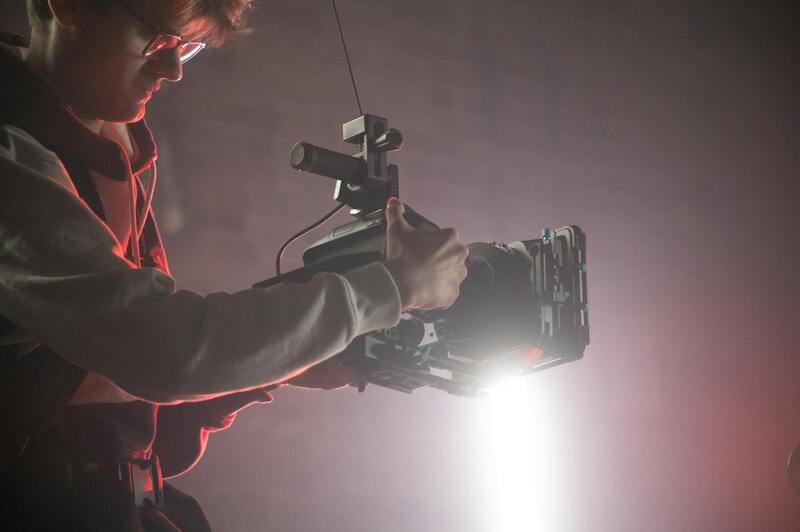
In a competitive industry, the strategic use of professionally produced marine visuals contributes to a compelling narrative that drives engagement and enhances brand credibility. Whether for print or digital platforms, expertly crafted marine photography ensures that each image aligns with the client’s vision and messaging, ultimately contributing to a stronger market presence and increased audience trust.
Key Elements of Marine Photo Production
Successful marine photo production hinges on a combination of technical expertise, environmental awareness, and creative vision. Several key elements fortify the process:
- Pre-Production Planning: Detailed conceptualization, location scouting, and understanding weather and lighting conditions are critical steps that set the foundation.
- Specialized Equipment: Waterproof cameras, stabilization tools, drone technology, and marine-grade lighting gear are indispensable for capturing high-quality images in challenging environments. li> On-Site Expertise: Navigators, marine safety professionals, and experienced photographers coordinate to ensure safety and efficiency during shoots.
- Post-Production Editing: Fine-tuning color balance, removing water distortions, and achieving visual consistency are essential for delivering polished final images.
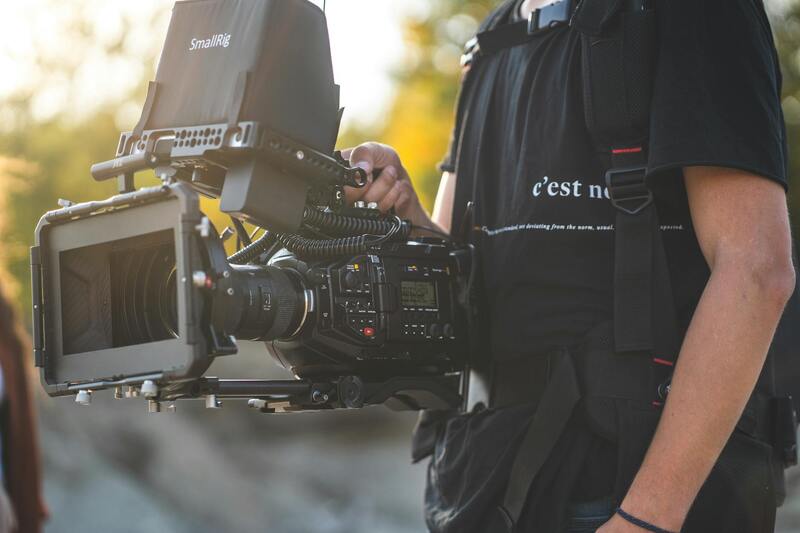
Attention to these elements guarantees that each project not only meets technical standards but also captures the vivid spirit of marine environments, providing clients with impactful visual assets that elevate their branding efforts.
Techniques and Equipment Used in Marine Photo Production
The success of marine photo production heavily relies on a strategic combination of advanced techniques and specialized equipment tailored for challenging aquatic environments. These methods ensure that images not only meet high aesthetic standards but also convey authenticity and vibrancy that resonate with viewers.
Utilizing remote-operated and drone cameras has become integral to capturing expansive marine vistas and intricate close-ups within the environment. These devices offer vantage points unachievable by traditional methods, providing dynamic perspectives that enhance visual storytelling.
Waterproof and marine-grade cameras are essential, designed specifically to withstand saltwater corrosion and humidity. Their robust construction ensures durability and reliability during prolonged shoots in harsh conditions. High-speed shutters and macro lenses are often used to capture fast-moving marine life with clarity and detail, while wide-angle lenses allow capturing vast seascapes or complex coral reef ecosystems.
Lighting plays a crucial role in marine photography. Specialized marine lighting systems are employed to illuminate subjects without disturbing their natural environment. Underwater strobes and continuous lights help mitigate the loss of color and contrast that occurs underwater, especially at greater depths.
Stabilization tools such as gimbals, mounts, and floating rigs are used to prevent motion blur and achieve razor-sharp images despite currents or movement aboard boats. Additionally, weather monitoring technologies aid in planning shoots during optimal lighting conditions, avoiding storms or adverse weather that could compromise safety or image quality.
Advanced Techniques for Capturing Marine Environment
- Underwater Photography: Employing specialized housings for cameras and precise lighting techniques to capture vibrant marine life in natural settings.
- Aerial Shots: Utilizing drones equipped with high-resolution cameras to document expansive seascapes and locate subjects from above.
- Time-Lapse and HDR Imaging: Combining multiple exposures or capturing sequences over time to bring out the dynamic aspects of marine environments.
Mastery in deploying these techniques and tools results in compelling visuals that accurately reflect the beauty and complexity of marine environments. Such images serve a variety of purposes including advertising, documentary filmmaking, scientific research, and promotional campaigns, making the careful selection and use of equipment a foundational element in marine photo production.
Techniques and Equipment Used in Marine Photo Production
Achieving superior results in marine photo production hinges on employing specialized techniques and state-of-the-art equipment tailored to the unique challenges of marine environments. The selection of appropriate photographic tools and methodologies directly influences the quality, clarity, and authenticity of the visuals produced.
Fundamental to marine photography is the use of weatherproof and waterproof housings that protect cameras and accessories from water exposure, pressure, and salt intrusion. These enclosures are meticulously designed to offer unimpeded access to camera controls while maintaining optimal optical clarity. High-quality glass ports with multi-coating capabilities ensure minimal distortion and maximize light transmission, enabling the capture of crisp images even in challenging lighting conditions.
Lighting technology plays a critical role in marine photo production. Underwater lighting equipment such as strobes, continuous LED lights, and specialized flash units are essential for illuminating subjects, restoring natural colors, and enhancing contrast. The use of diffusers and reflectors helps manage light distribution, reducing harsh shadows and highlighting marine flora and fauna authentically.
Caption: Advanced lighting equipment essential for capturing vivid underwater imagery.
Stabilization techniques are pivotal in capturing sharp images amid water movement. Underwater gimbals, monopods, and floating rigs are commonly used to maintain camera stability. When capturing aerial shots, drones equipped with GPS stabilization and high-resolution cameras enable sweeping perspectives of marine landscapes from above, providing both broad context and detailed views.
The integration of remotely operated vehicles (ROVs) and autonomous underwater vehicles (AUVs) further expands the reach of marine photo production. These tools facilitate access to areas that are difficult or dangerous for divers, allowing for high-definition imaging of submerged structures, ecosystems, or marine life at considerable depths.
Modern techniques also include multi-exposure HDR (High Dynamic Range) imaging, which combines several exposures to produce images that faithfully depict scenes with high contrast, such as sunlit waters and shadowed reefs. Time-lapse photography captures the dynamic movement within marine environments, revealing behavioral patterns of marine species or natural phenomena over extended periods.
Effective deployment of these techniques requires in-depth knowledge and experience, ensuring that the equipment is utilized optimally to produce stunning marine visuals. Successful marine photo production blends technical expertise with creative vision, enabling the creation of compelling images that serve a variety of commercial, scientific, and promotional objectives.
Understanding Marine Photo Production
Marine photo production involves meticulously capturing images of underwater environments, marine life, and expansive coastal scenes to meet diverse commercial, scientific, and promotional needs. This process requires a combination of technical skill, specialized equipment, and environmental awareness to produce visuals that are both captivating and accurate. Photographers and production teams must understand water dynamics, lighting conditions beneath the surface, and the behavior of marine species to ensure that each shot reflects the true essence of the marine ecosystem. Such knowledge allows for strategic planning of shoots, including selecting optimal times of day, choosing locations with the highest visual impact, and deploying necessary gear to navigate the challenges posed by the marine environment.
Importance of Marine Photography for Commercial and Promotional Uses
Marine photography has become an essential component for a variety of commercial ventures and promotional campaigns. High-quality images of marine landscapes, ecosystems, and wildlife are integral to marketing materials, advertisements, and branding efforts for entities such as marine tourism companies, aquariums, conservation organizations, and yachts. These visuals help evoke a sense of wonder and awe, compelling viewers to explore or engage with marine-related products and services. Furthermore, compelling marine visuals support educational initiatives by providing authentic portrayals of underwater habitats, promoting awareness and conservation efforts. The effectiveness of these images hinges on meticulous production practices that highlight the beauty and complexity of marine environments.
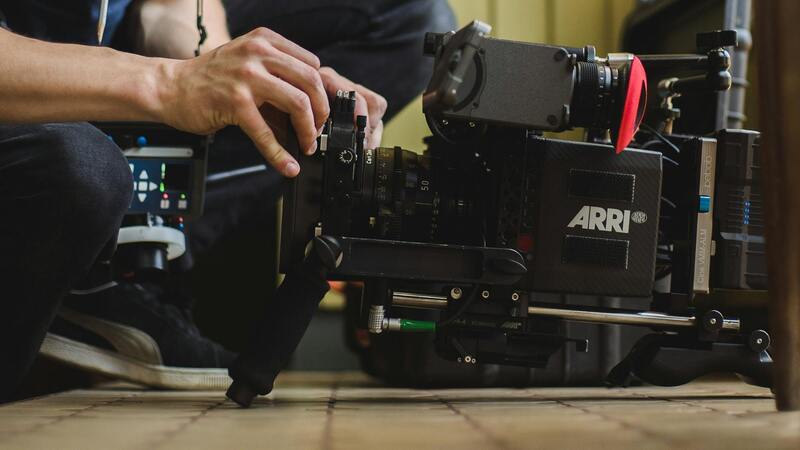
Key Elements of Marine Photo Production
- Pre-Production Planning: Detailed strategy development including location scouting, obtaining necessary permits, and assessing environmental conditions.
- Equipment Selection: Use of specialized underwater housings, drones with stabilization, remote-operated underwater vehicles, and high-resolution cameras designed for marine settings.
- Environmental Conditions: Managing factors such as water clarity, lighting, currents, and marine life behavior to optimize shot quality.
- Technical Skills: Mastery in underwater lighting, stabilization techniques, and post-processing to enhance image clarity and appeal.
- Safety Protocols: Ensuring the safety of personnel during dives and drone operations in challenging marine environments.
Choosing a Miami-Based Marine Photo Production Agency
Selecting a Miami-based agency for marine photo production provides access to a region renowned for its vibrant marine biodiversity, clear waters, and extensive coastline. Miami’s proximity to diverse marine habitats, including coral reefs, shipwrecks, and mangrove ecosystems, offers unparalleled opportunities for compelling imagery. Professional agencies with local knowledge and experience understand the unique maritime conditions of the area, enabling them to plan shoots that maximize visual impact while adhering to safety and environmental considerations. Moreover, a Miami-based team is well-versed in navigating local regulations and permits, ensuring the seamless execution of projects. This strategic advantage, combined with their technical expertise, guarantees high-quality results aligned with client objectives.
Legalities and Permits for Marine Photography in Miami
Conducting marine photo production in Miami requires adherence to specific regulations and obtaining appropriate permits to ensure smooth project execution. These regulations are set forth to protect the region’s rich marine ecosystems, navigation safety, and coastal interests. Obtaining permits involves coordinating with various local authorities such as the Florida Fish and Wildlife Conservation Commission and the U.S. Coast Guard, depending on the scope and location of the shoot.
It is essential to plan well in advance, as permit applications often require detailed information about the project, safety plans, and environmental impact assessments. Working with an experienced marine photo production agency familiar with Miami’s regulatory landscape can facilitate the application process, ensuring all necessary documentation is accurate and comprehensive. This proactive approach minimizes delays and helps maintain compliance throughout the project timeline.
Permits may specify restrictions on specific activities, such as drone operations near sensitive habitats, underwater filming in protected areas, or the use of certain equipment. Additionally, being aware of seasonal restrictions, protected species, and environmentally sensitive zones helps in adapting shot plans to avoid conflicts and uphold best practices in marine resource management.
Beyond permits, adherence to safety guidelines and environmental stewardship is paramount. Proper training of personnel on local regulations, wildlife interactions, and sustainable filming practices ensures the safety of all involved and the preservation of the marine environment. Developing comprehensive risk assessments and contingency plans beforehand aligns with regulatory expectations and helps in delivering professional, compliant marine images.
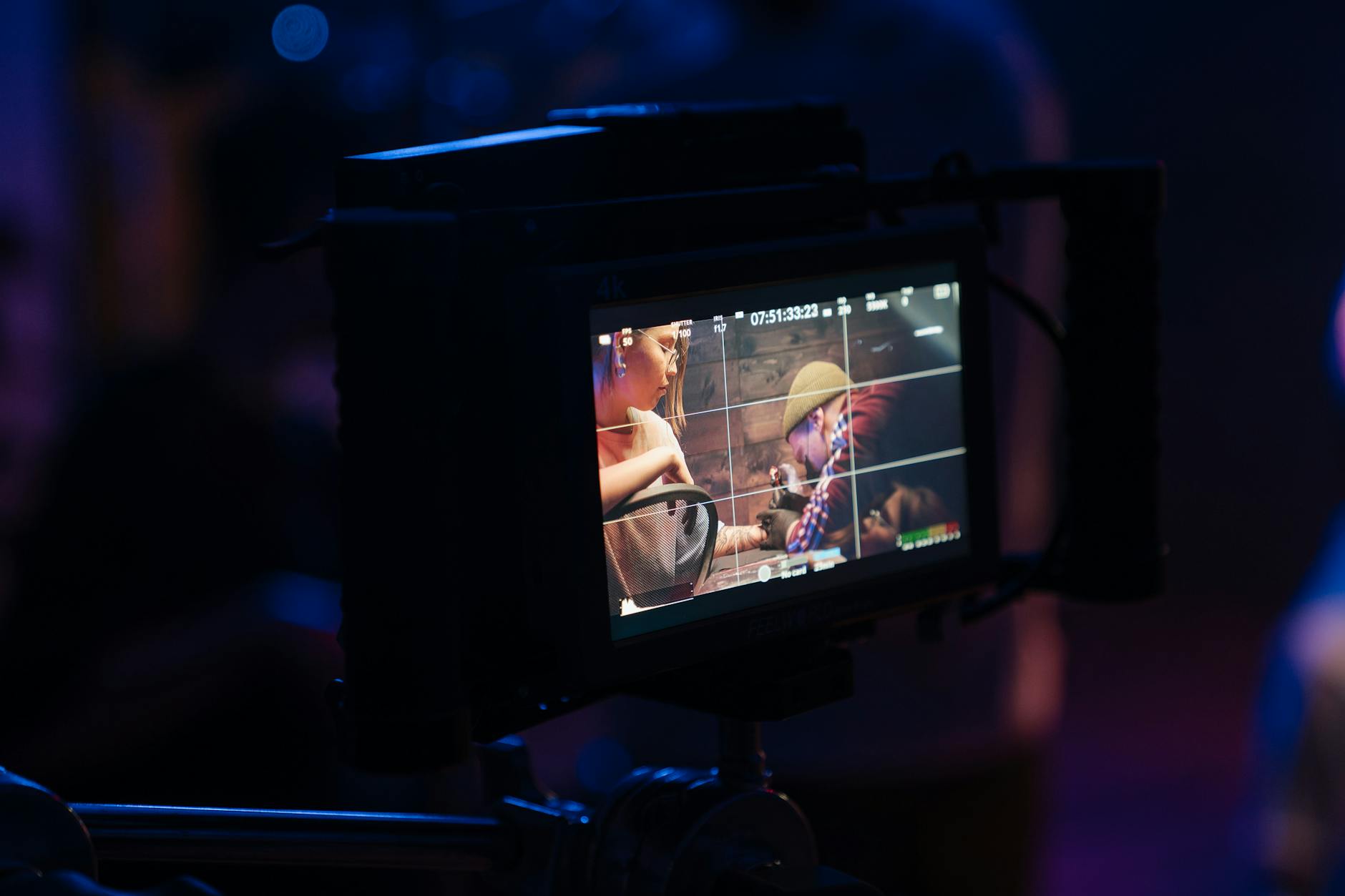
Technical Aspects of Marine Photo Production
Executing high-quality marine photography in Miami requires a sophisticated combination of advanced technology and expert techniques. The unique environment of the ocean, with its dynamic lighting, water movement, and varying weather conditions, demands specialized equipment and methodological precision.
One of the most crucial aspects of marine photo production is the deployment of specialized water-resistant and waterproof camera gear. These include waterproof housings for professional-grade cameras, floating rigs, and stabilization systems tailored for unstable aquatic settings. Such equipment ensures clarity and safety when capturing images beneath the water surface or across turbulent waves.
Drone technology plays an increasingly pivotal role in marine photo shoots, offering expansive aerial views that showcase vast seascapes, shipping lanes, and coastal landscapes. Drones used in marine environments are equipped with gimbal stabilization systems and weather-resistant features to operate reliably over water. Careful planning around weather conditions and drone flight regulations minimizes operational risks.
For underwater photography, divers often utilize specialized underwater cameras and lighting systems designed to reveal the vibrant marine life and complex underwater structures. Light absorption underwater creates the need for high-intensity, broad-spectrum lights to accurately portray marine flora and fauna with natural colors.
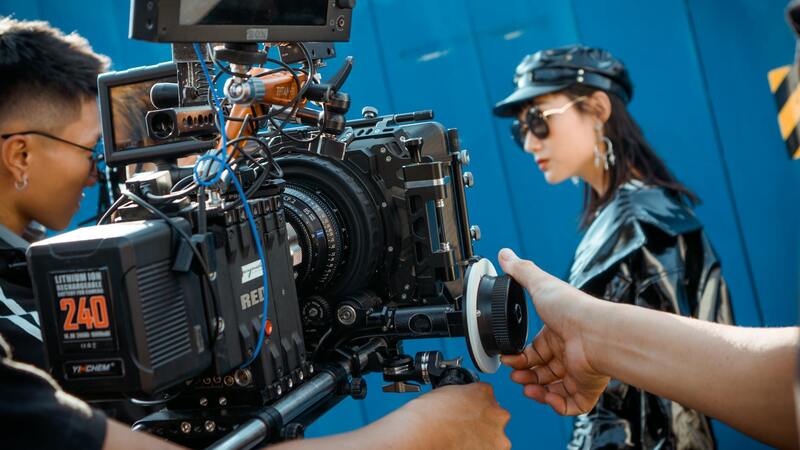
Photographers and videographers benefit from the integration of 360-degree panoramic lenses and high-speed shooting capabilities, enabling comprehensive coverage of expansive marine scenes in a single frame. This technical integration is vital for producing compelling marketing materials, documentaries, and corporate videos.
Additionally, the application of remote sensing and sonar technology allows capturing detailed underwater topography and marine ecosystems. These tools support both artistic compositions and scientific documentation, broadening the potential scope of marine photo production projects.
Environmental Considerations During Marine Photo Shoots
Conducting marine photography with environmental responsibility is indispensable. Selective shoot practices involve avoiding sensitive habitats such as coral reefs and seagrass beds, which are critical to marine biodiversity. Coordinating with environmental experts and conservation groups ensures that the production does not disturb local ecosystems.
Employing non-invasive techniques, such as tethered aerial drones and remote cameras, minimizes physical impact on marine life. Understanding the behavior patterns of wildlife helps in planning shoot timings, reducing stress on animals and avoiding spawning seasons or migration periods.
Proper waste management protocols and spill prevention measures must be in place during marine shoots to prevent pollution and contamination. Working with environmentally conscious crews and utilizing sustainable gear reinforces the commitment to protecting Miami’s precious marine resources.
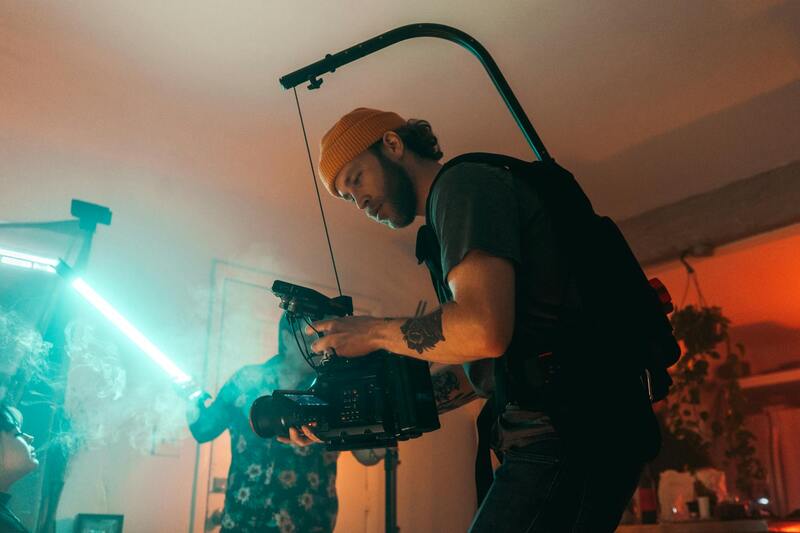
In summary, the technical execution of marine photo production hinges on a combination of specialized equipment, innovative techniques, and environmental consciousness—all critical for achieving stunning imagery that upholds the integrity of Miami’s marine environment.
Legalities and Permits for Marine Photography in Miami
Executing marine photo production in Miami requires a thorough understanding of the specific authorizations and documentation necessary to operate within local waterways and protected areas. Proper permit acquisition ensures that the project adheres to regional standards and respects marine regulations established by authorities such as the Florida Fish and Wildlife Conservation Commission (FWC) and the Coast Guard.
Securing the appropriate permits involves detailed planning and documentation, including activity descriptions, equipment specifications, and safety protocols. These documents outline the scope of the project, the geographic location, and the duration of the shoot, facilitating a streamlined approval process.
Types of Permits Typically Required
- Marine Use Permits: These are necessary for filming in designated waterways, especially those that are protected or environmentally sensitive. They ensure that operations are compliant with marine traffic regulations and environmental protections.
- Wildlife Interaction Permits: When marine wildlife is involved, permits are often essential to guarantee that interactions are conducted responsibly and with minimal disturbance to natural behaviors and habitats.
- Drone Usage Authorization: If UAVs are part of the production, specific permits from the FAA and local authorities are required, particularly for flight operations over water and near sensitive areas.
- Environmental and Coastal Zone Permits: These are issued for activities that might impact coastal ecosystems. They mandate the use of eco-friendly practices and may include site-specific restrictions to preserve local biodiversity.
Process of Permitting and Compliance
The permitting process typically involves submitting detailed plans and collaborative consultations with local agencies. Early engagement ensures alignment with environmental, maritime, and safety standards.
Adherence to permitted boundaries and guidelines is critical during the actual shoot. This includes maintaining designated distances from wildlife, avoiding protected habitats, and employing approved equipment and techniques.
Documentation and Record-Keeping
Maintaining comprehensive records of permits, correspondence, and adherence to stipulations safeguards the production against unforeseen issues and demonstrates professional responsibility. Documentation also facilitates future projects by establishing a clear compliance track record.