
Understanding Timelapse Videos
Timelapse videos are a captivating form of visual storytelling that involves capturing a sequence of images at set intervals over a period of time and then playing them back at a standard speed. This technique compresses hours, days, or even months of real-time activity into a few seconds or minutes of footage, offering viewers a unique perspective on processes that unfold gradually, such as urban development, natural phenomena, or construction projects.
Unlike traditional videos that record scenes in real-time, timelapse videos utilize specific technical settings to emphasize the passage of time and highlight the dynamics of motion and change in a condensed format. This method enables the viewer to observe changes in the environment, movement patterns, and the evolution of various subjects very quickly, which would otherwise require extended viewing periods.
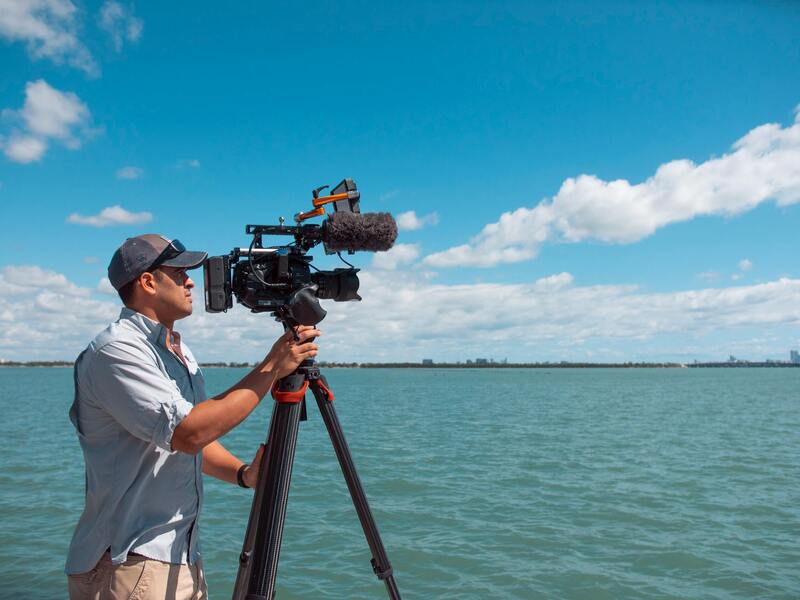
Timelapse technology finds widespread application across numerous fields. In filmmaking and media production, it enhances storytelling by providing striking visual effects that reveal the flow of life or progress over time. In architecture and real estate, timelapse footage showcases construction phases or urban growth, making it an invaluable promotional tool. Similarly, environmental scientists utilize timelapse videos to monitor ecological changes, weather patterns, or wildlife habitats, aiding in research and awareness campaigns.
The core of a timelapse video lies in its ability to reveal hidden patterns and sequences that are imperceptible in real-time viewing. Its engaging visual appeal and capacity to demonstrate long-term processes succinctly make it a popular choice for content creators, marketers, and professionals seeking to communicate the essence of transformation or evolution efficiently.
As the demand for high-quality timelapse videos continues to grow, understanding the fundamental principles behind this technique becomes increasingly important. Whether it’s capturing the bustling streets of Miami, documenting a cultural festival, or illustrating significant infrastructural developments, the effective creation of timelapse content necessitates careful planning, proper equipment, and technical proficiency. This comprehensive approach ensures that the final product not only meets aesthetic standards but also effectively conveys the intended message, appealing to a broad audience and enhancing the professional presentation of any project.
Equipment and Tools for Timelapse Recording
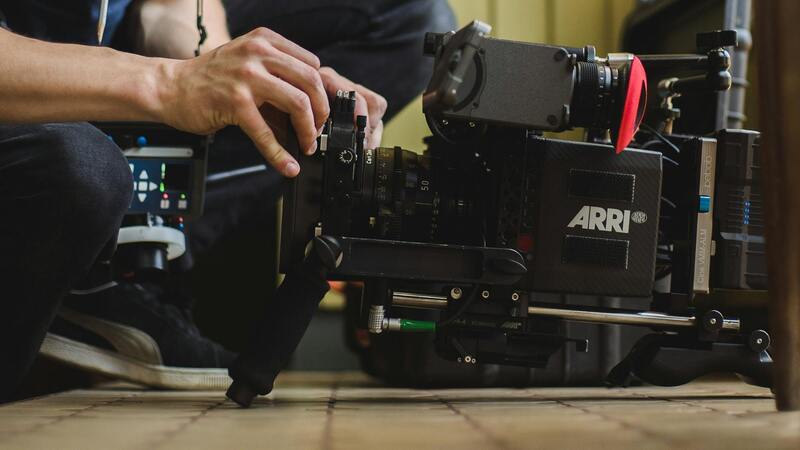
To achieve seamless and visually captivating timelapse videos, selecting the right equipment and tools is paramount. Professional timelapse creation relies on specialized gear that can handle extended shooting periods while maintaining precision and image quality. Essential components include a high-quality camera capable of manual control over exposure, focus, and interval settings. Cameras with intervalometre functionality or compatible intervalometers allow shooters to automate the capturing process, ensuring consistent frame intervals that contribute to smooth motion sequences.
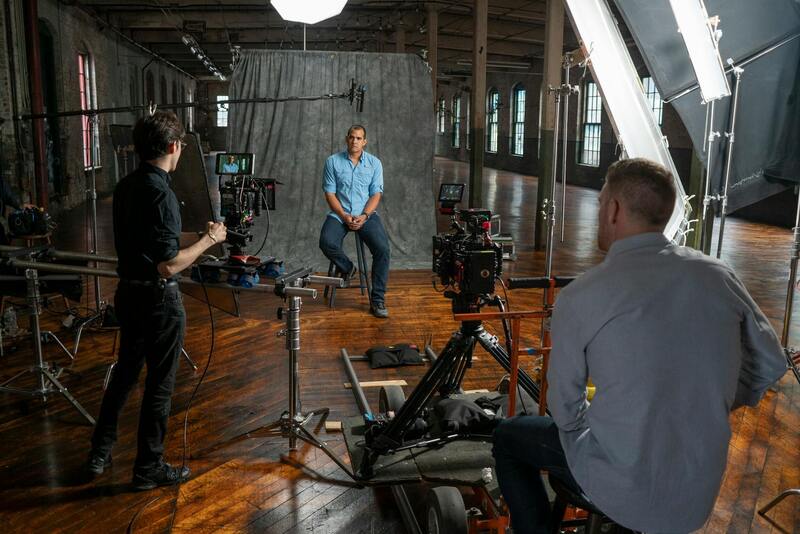
Tripods or stable camera mounts are critical to prevent unwanted movement during long shooting sessions. A sturdy tripod with adjustable height and quick-release mechanisms facilitates accurate framing and ease of setup. When capturing expansive scenes or dynamic environments, remote or wireless triggering systems minimize physical contact, reducing vibrations and disturbances that could compromise footage quality.
For scenes involving motion or changing lighting conditions, lens selection plays an essential role. Wide-angle lenses are often preferred for capturing broad landscapes and cityscapes, while telephoto lenses can isolate specific subjects or compress perspectives. Optical filters, such as neutral density filters, help manage exposure during bright daylight conditions, extending shutter speeds and achieving the desired motion blur effects.
Power management remains vital, as timelapse sequences can span several hours or days. Using camera batteries with extended capacity, external power supplies, or solar panels can ensure uninterrupted recording sessions. Additionally, sufficient storage space through high-capacity SD cards or external drives is necessary to accommodate the large files generated during high-resolution captures.
Complementing physical equipment, software tools are indispensable for planning and controlling timelapse shoots. Many cameras and intervalometers allow customization of shot intervals, exposure settings, and focus points. Advanced timelapse software—either embedded in cameras or used in post-production—offers features like interval adjustment, exposure smoothing, and auto-focus calibration, ensuring consistent image quality throughout the shoot.
For those seeking professional-grade results, specialized timelapse rigs or motorized slider systems can introduce camera movement into captures, adding dynamic perspectives. Gimbals or motorized sliders enable smooth panning, tilting, or sliding motions synchronized with the timelapse sequence, producing more engaging visual narratives.

Investing in quality equipment tailored to the scope and environment of a project ensures the production of high-definition, stable, and visually compelling timelapse footage. Compatibility between devices, ease of control, and durability are essential considerations to maximize efficiency and output quality for any professional timelapse endeavor.
Equipment and Tools for Timelapse Recording
Achieving high-quality timelapse videos relies heavily on selecting the right combination of equipment designed for precision, stability, and durability. Essential tools include specialized cameras capable of capturing high-resolution images at specified intervals. These cameras should offer customizable settings for exposure, focus, and interval timing to suit different environmental conditions and artistic visions.
Alongside the camera, a sturdy tripod is fundamental to maintain stability throughout extended shooting periods. Tripods with adjustable heights, smooth panning, and tilt functionalities enable stable and flexible framing, which is crucial for capturing seamless sequences. For projects involving multiple scenes or expansive landscapes, panoramic heads or ball heads allow for precise camera movement and alignment.
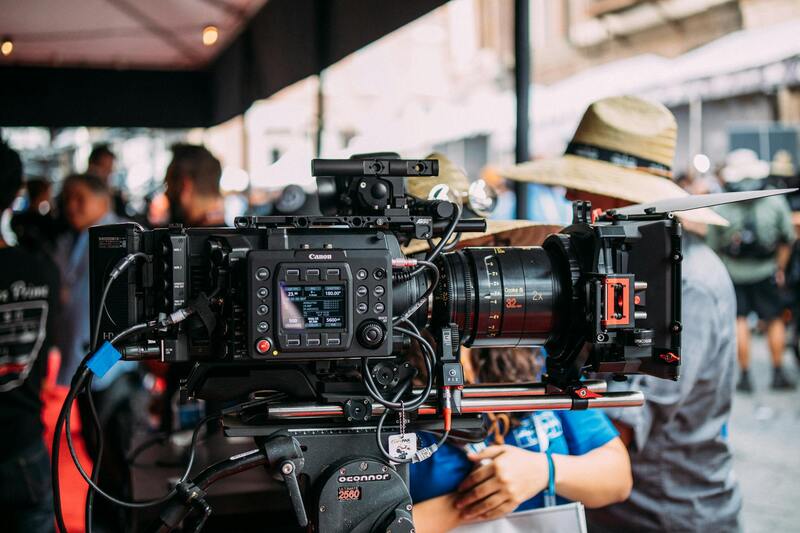
Intervalometers or remote shutter triggers are indispensable for automating image capture at consistent intervals without disturbing camera stability. Modern intervalometers often connect via cable or wireless interfaces, offering programmability for complex shooting schedules. Some advanced models include features like exposure smoothing, delay timers, and focus stacking, which enhance the overall quality of the final footage.
In addition to the core devices, stabilization and support gear such as motorized sliders, gimbals, or motorized pan-tilt heads add dynamic motion to timelapse sequences. These tools synchronize camera movement with time, creating cinematic effects like smooth slides, rotations, or sweeping panoramas. For outdoor or remote shoots, weatherproof cases and protective filters shield equipment from environmental elements, ensuring safety and functionality throughout prolonged sessions.
Processing and editing software also play an integral role in transforming raw image sequences into polished timelapse videos. Professional-grade editing tools allow for frame alignment, exposure adjustments, color correction, and adding visual effects. Editing suites often include stabilization features that compensate for minor camera shakes, resulting in a visually smooth and engaging final product. Batch processing capabilities expedite the workflow, especially when handling large volumes of high-resolution images.
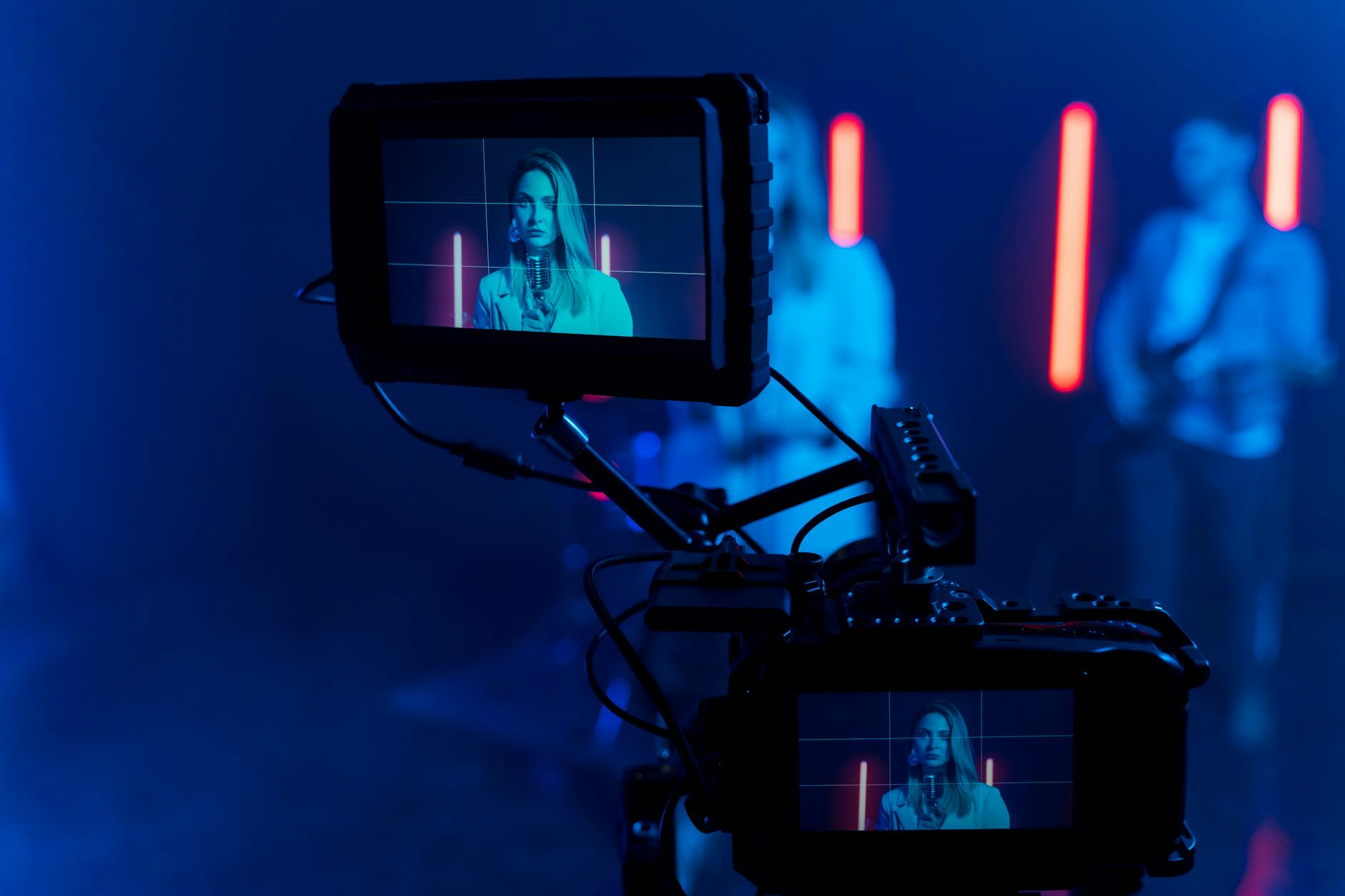
Investing in high-quality equipment tailored for timelapse projects not only ensures the precision and consistency necessary for professional results but also enhances the creative possibilities. Compatibility between devices, ergonomic control options, and weather resistance are critical factors to consider when building a kit for diverse filming environments.
Official Techniques for Creating Stunning Timelapse Videos
To produce visually compelling and technically sound timelapse videos, it is essential to adhere to established methodologies that optimize image quality and ensure smooth playback. This involves meticulous planning, precise camera setup, and consistent shooting intervals. Employing professional-grade equipment such as intervalometers—either as dedicated devices or integrated features within advanced cameras—allows for accurate control over shooting frequency, which directly impacts the fluidity and perception of motion in the final video.
Furthermore, utilizing remote camera triggers minimizes vibrations caused by physical interaction, maintaining image stability throughout extended recording sessions. For stationary shots, stabilizers like tripods or monopods with vibration-dampening features should be used to prevent camera movement. When capturing expansive scenes, panoramic or 360-degree shots may require specialized mounts, ensuring the camera remains perfectly aligned over long periods.
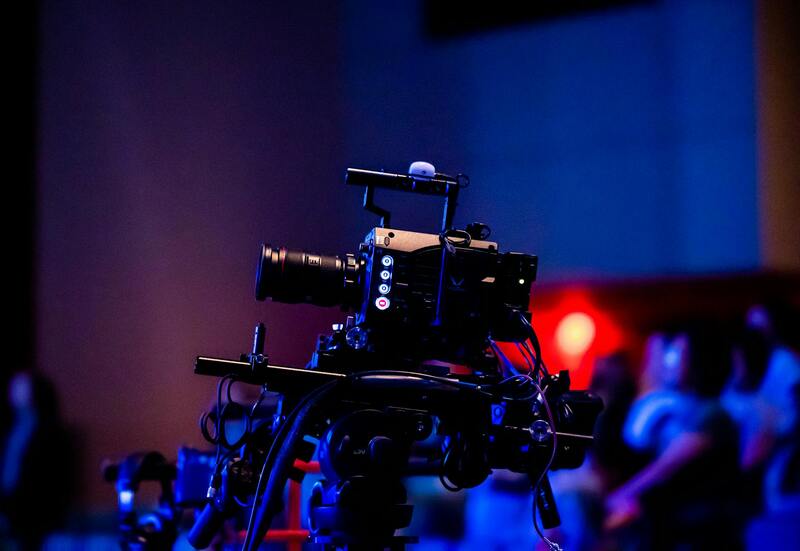
Lighting conditions significantly influence the quality of the timelapse footage. Shooting during the golden hour—shortly after sunrise or before sunset—provides warm, diffuse light that enhances textures and reduces harsh shadows. For nighttime scenes or low-light environments, cameras with high ISO capabilities and fast lenses are preferred to maintain clarity without introducing excessive noise. Additionally, adjusting camera settings such as aperture and exposure time according to environmental conditions ensures the captured images maintain uniform brightness and contrast.
With the increasing accessibility of powerful imaging technology, many professionals now leverage high-resolution sensors to capture intricate detail, facilitating post-production editing and cropping flexibility. Regularly checking and maintaining camera equipment during shoots helps avoid issues like overheating, battery drain, or memory card errors, which can compromise the consistency of the sequence.
Post-Production: Refining Your Timelapse
Once the image sequence is captured, the process of compiling and refining the footage begins. Professional editing software offers tools for aligning frames, correcting color discrepancies, and stabilizing footage—important steps to ensure the final video appears seamless and polished. Adjustments to exposure and contrast are often necessary to create a cohesive visual narrative that accurately reflects the scene’s ambiance.
Utilizing features such as frame blending and motion interpolation can enhance motion smoothness, especially when dealing with varying frame rates or inconsistent intervals. Color grading further allows for stylistic enhancements, emphasizing mood and atmosphere aligned with creative intentions. To optimize workflow efficiency, batch processing functions enable editors to apply consistent adjustments across large sequences swiftly.
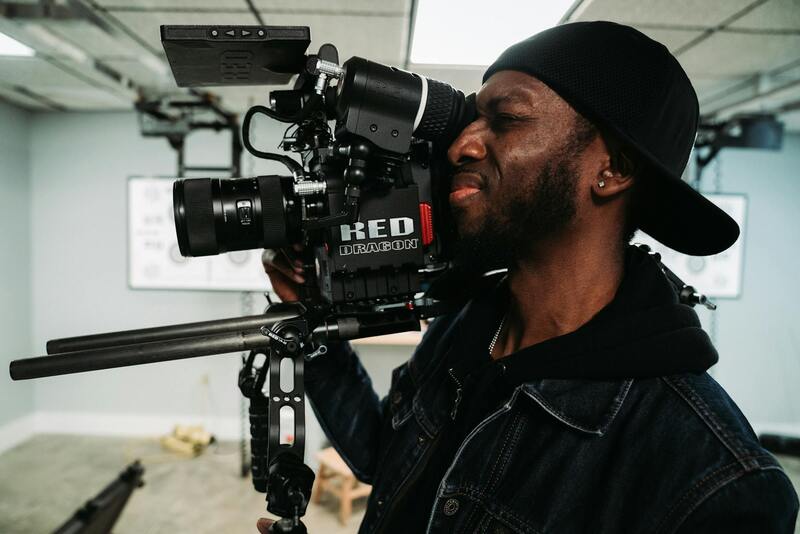
Sound design, although not always part of traditional timelapses, can significantly boost the impact of promotional videos. Adding ambient sound, narration, or musical scores complements the visual narrative and engages audiences on a deeper level. Exported in appropriate formats and resolutions, the final timelapse can then be distributed across various channels, each optimized for viewing devices and platforms.
Legal Considerations and Permissions
When creating timelapse videos, securing the appropriate permissions and understanding the boundaries for filming across various locations is essential. This involves identifying private property rights, respecting local regulations, and obtaining necessary authorizations from property owners or relevant authorities. Proper permissions ensure that your project remains compliant and avoids potential conflicts that could arise from unauthorized filming.
Engaging with municipal offices or property management agencies may be required for shooting in public or restricted areas. It's advisable to document any permissions granted, including written consents or permits, to ensure clarity and legal security throughout the production process. Additionally, understanding zoning laws and specific restrictions related to drone usage or camera setups is crucial for a smooth filming experience.
Moreover, documenting your adherence to permitted schedules and designated areas helps maintain transparency with authorities and stakeholders. This proactive approach minimizes disruptions and fosters positive relationships within the community, ultimately supporting a successful timelapse project.
For professionals working in dynamic urban settings such as Miami, awareness of local ordinances about commercial filming and drone regulations is vital. These regulations may specify flight altitudes, no-fly zones near airports or sensitive infrastructure, and limitations on filming times. Staying informed through official channels ensures your timelapse videos are produced responsibly and within the accepted framework.
Incorporating clear consent protocols when filming individuals or private property is equally important. This practice respects privacy rights and aligns with best practices for content creation. Whether capturing bustling city scenes, natural landscapes, or events, maintaining a respectful and legally compliant approach safeguards your reputation and the integrity of your work.
By thoroughly understanding and adhering to these official procedures, filmmakers and content creators can produce impactful timelapse videos that showcase Miami’s vibrant scenery without any procedural setbacks.
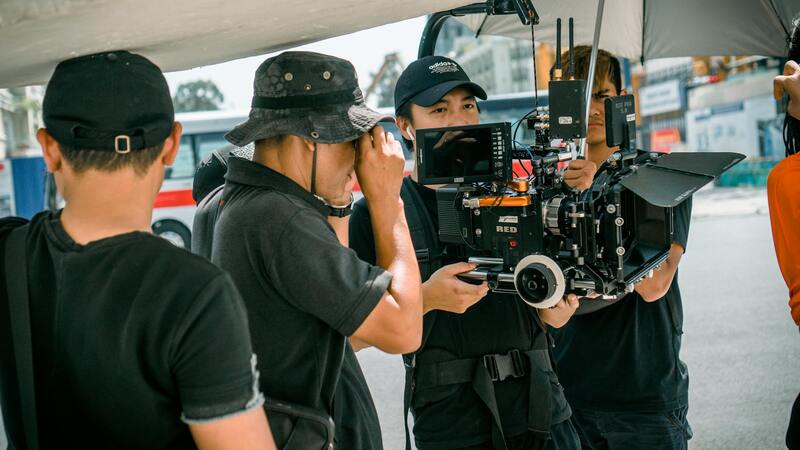
Legal Considerations and Permissions
When creating timelapse videos, especially in urban environments like Miami, securing proper permissions is essential to ensure smooth production and avoid potential conflicts. This involves obtaining explicit consent from property owners if private property is included in your footage. It also requires understanding and respecting local ordinances concerning filming activities, particularly in public spaces or near sensitive infrastructure.
Before initiating the filming process, consult with local authorities regarding any required permits or notifications. These often include permissions for commercial filming, drone flights, or the use of specialized equipment. Documenting your authorization process contributes to a transparent workflow and helps safeguard your project against unforeseen interruptions.
Respect for privacy rights remains a key consideration. When individuals or private establishments are captured in the timelapse, it is advisable to inform them beforehand or seek consent where feasible. This proactive approach maintains ethical standards and fosters community collaboration.
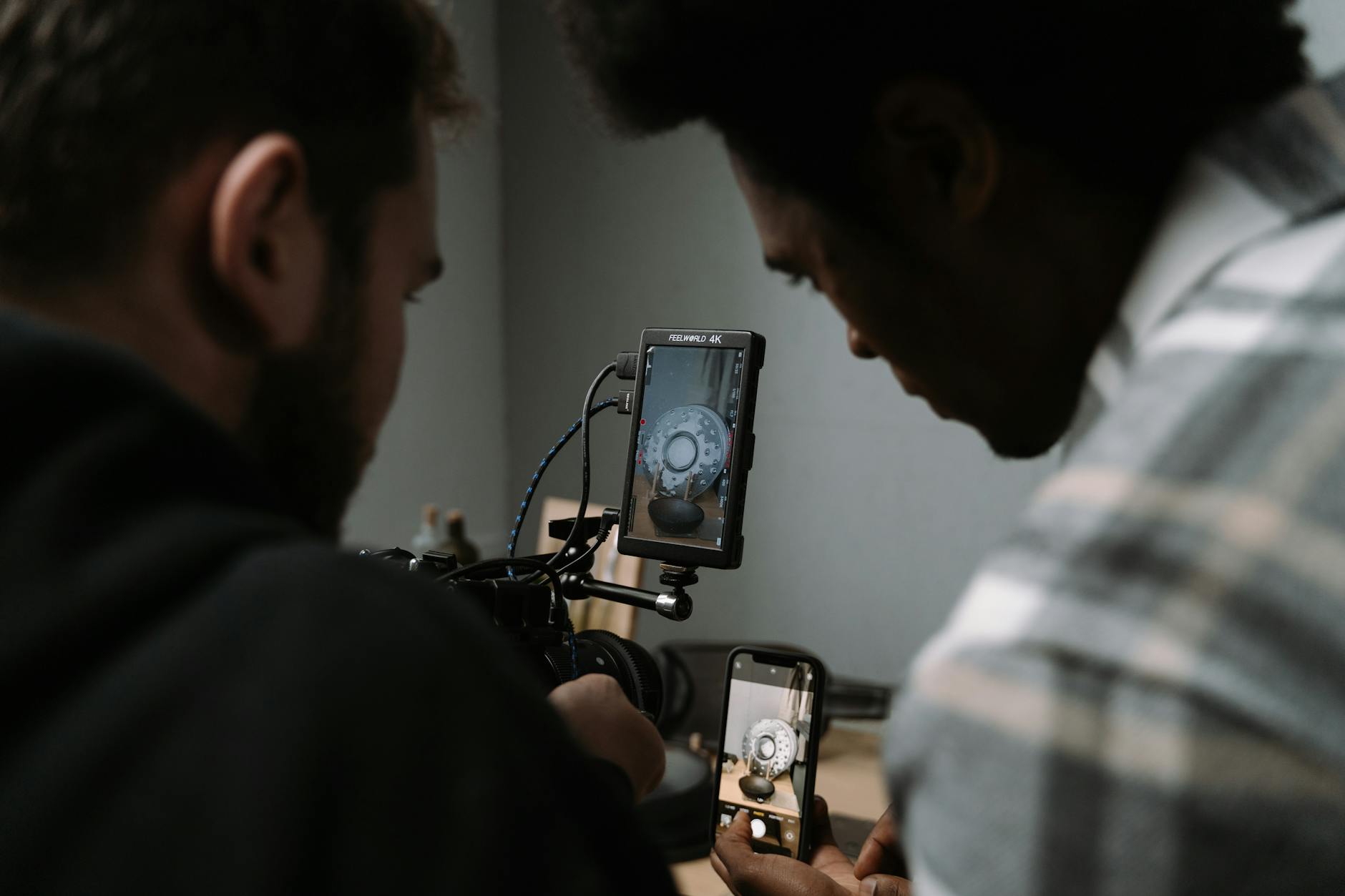
Adherence to these procedural norms not only supports a compliant production environment but also enhances the credibility of your work. For professionals aiming to use timelapse videos for promotional purposes, establishing a clear permission framework minimizes potential disputes and reinforces your reputation as a responsible creator.
Optimizing Your Timelapse Footage for Maximum Quality
Once your timelapse footage has been captured, the process shifts toward enhancing its visual appeal through meticulous processing and editing. This stage is crucial in transforming raw footage into a polished, professional-quality video that effectively communicates your desired narrative or aesthetic.
Begin by importing your footage into a dedicated editing software optimized for timelapse production. Popular tools include Adobe Premiere Pro, DaVinci Resolve, and Final Cut Pro, each offering extensive features tailored to time-lapse video editing.
Color correction and grading are fundamental in establishing the mood and visual consistency of your video. Adjust brightness, contrast, saturation, and color tones to ensure that the footage accurately reflects the environment and atmosphere at the time of recording. Proper color grading not only enhances the viewer’s experience but also lends a cinematic quality to your project.
Stabilization is often necessary, especially if the footage was shot handheld or with less stable equipment. Many editing platforms feature stabilization plugins that smooth out jittery movements, resulting in a more professional presentation.
Applying trimming techniques helps in removing unnecessary or distracting segments, ensuring a seamless flow. Speed adjustments, such as varying the frame rate or introducing motion effects, can emphasize specific moments or create dynamic visual rhythms.
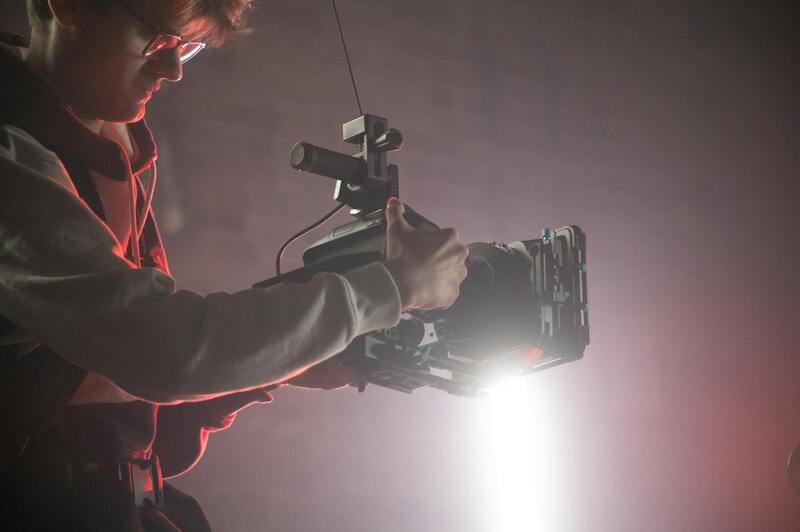
Consider adding transition effects subtly to maintain viewer engagement without disrupting the visual narrative. Incorporating text overlays, logos, or other graphical elements can also personalize the video and reinforce branding or thematic messages.
Sound design plays a complementary role. Although traditional timelapse videos often do not include sound, adding background music or ambient soundscapes can significantly elevate the emotional impact. Ensure that any audio used is properly licensed and aligns with the overall tone of the visual content.
Once the editing process is complete, export your video in high-resolution formats suitable for your intended distribution channels. Common formats include MP4 or MOV, which offer a balanced combination of quality and compatibility. Pay attention to compression settings to retain visual clarity while optimizing file size for sharing on digital platforms.
Incorporating professional editing techniques into your timelapse workflow ensures that the final product captures the dynamic essence of the scenes you recorded while maintaining high standards of visual and technical excellence. This meticulous approach solidifies your reputation as a skilled content creator and maximizes the impact of your timelapse videos in marketing, documentation, or artistic showcases.
Ensuring Proper Distribution and Use of Your Timelapse Video
After meticulously capturing, editing, and refining your timelapse footage, the final step involves strategic distribution and implementation to leverage its full potential. Using your video effectively demands an understanding of the appropriate channels and best practices to maximize impact while adhering to professional standards.
Optimizing Video Formats for Different Platforms
Delivering high-quality visuals across varied digital channels requires selecting the correct file formats and resolutions. MP4 remains the preferred format for its compatibility and efficient compression, making it ideal for social media, websites, and streaming platforms. For presentations or broadcast, higher bitrate MOV files might be suitable. Employing adaptive streaming technologies such as HLS or DASH can optimize viewing experiences by adjusting quality based on the viewer's internet connection.
Uploading and Sharing Your Timelapse Video
- High-Resolution Files: Always upload the highest quality versions available, ensuring your work remains crisp and detailed across devices.
- Metadata and Tags: Incorporate relevant metadata, descriptive titles, and tags to enhance discoverability and contextual relevance within hosting platforms.
- Consistent Branding: Incorporate logo overlays or watermarks strategically to maintain brand presence while avoiding interference with the visual flow of your video.
- Embed in Your Website: Embedding videos directly onto your professional website or portfolio pages can increase engagement while providing visitors with seamless access to your work.
Legal and Ethical Use in Distribution
Use only legally obtained content, including music, graphical overlays, and licensed footage, to prevent copyright issues. When sharing publicly, ensure that all elements within your timelapse — from visual clips to audio components — are appropriately licensed or created in-house.
Promoting the Video Effectively
Leverage targeted strategies such as social media campaigns, email marketing, and collaboration with industry influencers or local organizations. Tailor content descriptions and hashtags to reach your specific audience, highlighting the unique aspects of your project to attract viewers and potential clients.
Measuring Engagement and Impact
Use analytics tools provided by hosting platforms to monitor viewer engagement metrics, such as play rate, watch time, and geographic reach. These insights can guide future production and marketing efforts, ensuring your timelapse videos continue to align with audience preferences and industry standards.