
Overview of Time Lapse Services
Time lapse services have become an essential component in the realm of professional video and photography, offering a unique perspective that condenses extended periods into captivating visual narratives. This technique involves capturing a series of images at set intervals over a designated timeframe, which are then played back at normal speed to illustrate changes that occur gradually over time. In the dynamic environment of Miami, where urban development, construction projects, and natural landscapes continually transform, the strategic use of time lapse services provides a powerful storytelling tool that captures these evolutions vividly.
Time lapse applications span a broad spectrum—from documenting construction progress and cityscape transformations to capturing the changing sky or bustling events. This method is particularly valuable in Miami’s fast-paced development scene, where stakeholders and clients benefit from visual updates that demonstrate ongoing work or highlight environmental shifts. By leveraging high-quality time lapse techniques, production companies can deliver content that not only informs but also engages audiences through stunning, fast-paced visual displays.
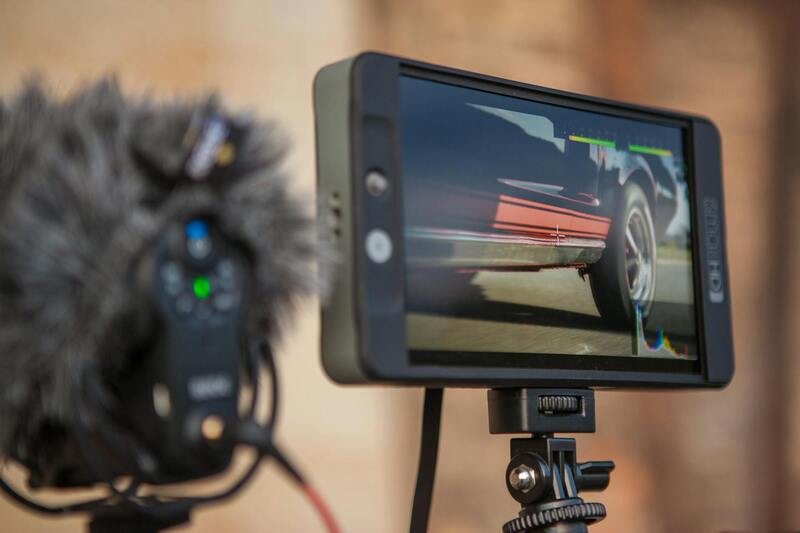
Implementing time lapse services involves meticulous planning and sophisticated equipment. Professionals utilize specialized cameras capable of operating over extended periods, often equipped with remote controls and programmable settings to ensure precise intervals and exposure adjustments. These services are extensively applicable in commercial productions, real estate showcases, event coverage, and environmental documentation within the Miami area. As project objectives differ, so too does the approach to capturing footage, emphasizing the importance of tailored strategies that align with specific project goals.
In essence, time lapse services are a vital asset for any production seeking to illustrate change, growth, or transformation. Miami’s diverse landscape and rapid development make it an ideal setting for employing this technique, offering both visual appeal and insightful storytelling. The expertise involved ensures the resulting footage is of professional quality, seamlessly blending technical precision with creative vision to produce compelling visual narratives that resonate with audiences and clients alike.
Types of Time Lapse Techniques
Understanding the various techniques available for capturing time lapse footage is essential for achieving the desired visual effects and ensuring the project aligns with specific storytelling objectives. Different methods cater to unique environments and scene requirements, allowing professionals to select the most effective approach for each project.
- Interval-Based Time Lapse: This classic method involves setting fixed time intervals between each shot. It is ideal for capturing gradual changes over extended periods, such as construction progress or environmental shifts. Professionals often employ intervalometers—devices integrated with the camera or external controllers—to automate shot timing with precision.
- Motion-Triggered Time Lapse: This technique activates the camera upon detecting motion, making it suitable for capturing dynamic scenes or wildlife activity without constant monitoring. It’s particularly useful in outdoor environments susceptible to unpredictable movement.
- Hyperlapse: A specialized form of time lapse that involves camera movement over long distances, often through a series of carefully planned shots. Hyperlapse shots can dramatically showcase cityscapes or expansive landscapes, providing a sense of scale and movement that enhances visual storytelling.
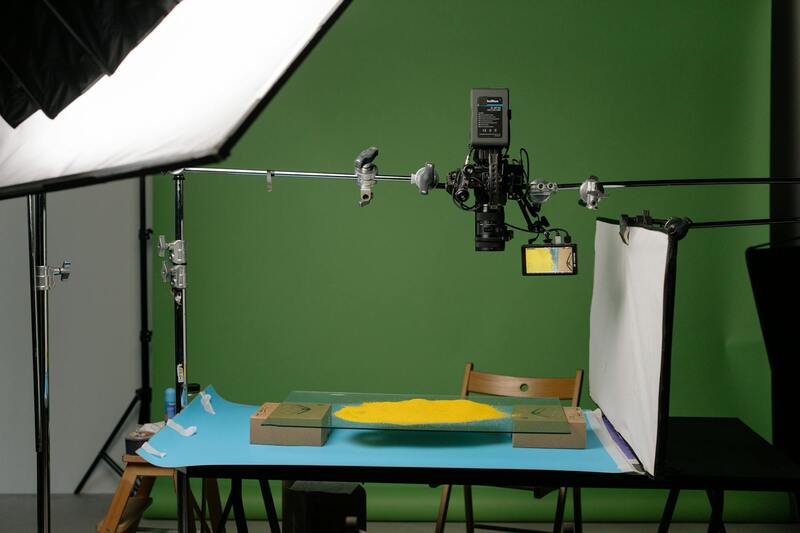
- Stop-Motion Time Lapse: Combines traditional stop-motion animation with time lapse techniques, involving manual adjustment of objects or scenes between shots. This approach is often used in creative projects requiring intricate scene manipulation or artistic effects.
Technical considerations vary across these techniques, with factors such as exposure settings, stabilization, and camera positioning playing vital roles. Selecting the appropriate method depends on project scope, environmental conditions, and desired narrative impact, underscoring the importance of professional expertise in planning and execution.
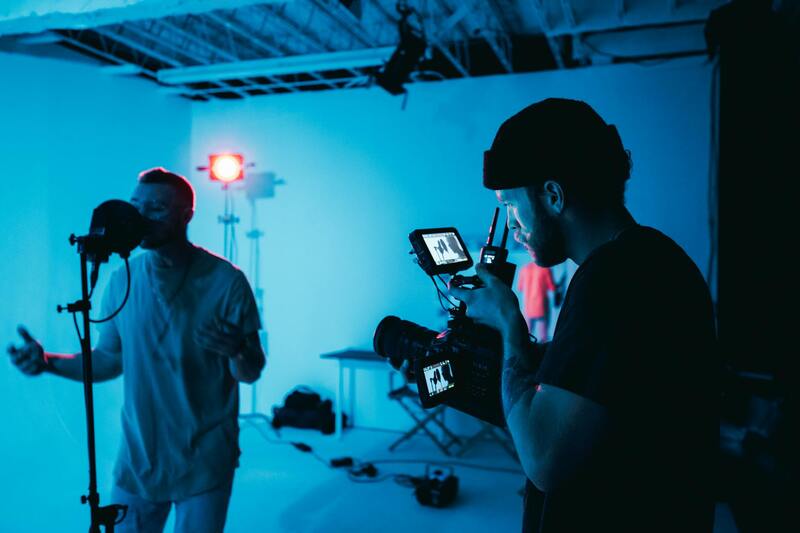
Key Equipment for Time Lapse Production
Producing high-quality time lapse footage demands specialized equipment designed to operate reliably over extended periods, often under challenging environmental conditions. The right tools ensure consistency, stability, and control, all of which are crucial for creating seamless and visually appealing sequences.
- Time Lapse Cameras: Commercial-grade cameras with built-in intervalometers or remote control capabilities are preferred for their durability and advanced settings. Many professional models support high-resolution imaging, weather resistance, and customizable exposure controls.
- Tripods and Stabilizers: Rigid tripods or gimbals provide essential stability, preventing unwanted motion that can disrupt the flow of the footage. For outdoor shoots, weather-resistant supports are vital.
- Intervalometers and Remote Controls: These devices automate shot timing, reducing the need for constant manual intervention and increasing precision. Wireless options facilitate remote adjustments during lengthy shoots.
- Power Solutions: Extended shoots require reliable power sources, such as high-capacity batteries, AC adapters, or solar solutions in remote locations, ensuring uninterrupted operation over days or weeks.
- Additional Accessories: Filters, lens hood, and protective cases help optimize image quality and safeguard equipment against environmental elements.
Integrating high-quality equipment ensures that time lapse projects meet professional standards, providing clear, crisp visuals that effectively communicate change over time. The selection of gear should be based on project requirements, environmental factors, and budget considerations.
Types of Time Lapse Techniques
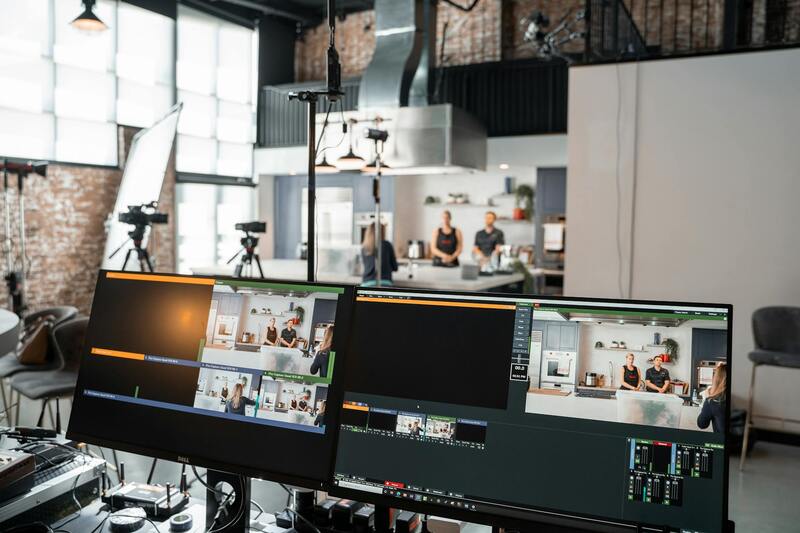
Understanding the various techniques available is essential for optimizing the impact of time lapse projects. Each method offers unique advantages tailored to specific types of visual storytelling and environmental conditions. Selecting the appropriate technique depends on factors such as subject matter, desired effect, and available equipment.
Stop Motion
Stop motion involves capturing individual frames as objects or scenes are incrementally moved or altered. When played back at standard frame rates, it creates the illusion of smooth movement. This method is particularly effective for creative animations, product demonstrations, or artistic visualizations where precise control over each frame allows for detailed manipulation of the subject.
Hyperlapse
Hyperlapse extends traditional time lapse by incorporating camera movement, often involving complex camera paths through urban environments or landscapes. This technique provides dynamic perspectives and a sense of motion that enhances storytelling, making it ideal for showcasing cityscapes, architectural projects, or scenic routes. Advanced stabilization software is often employed during post-production to ensure smooth footage despite camera movement.
Camera Interval Shooting
This is the most common approach in professional time lapse creation, involving setting a camera to automatically capture images at predefined intervals. When compiled, these images reveal gradual changes over time. It’s suitable for a broad range of scenes, including weather changes, construction progress, or natural phenomena like star trails.
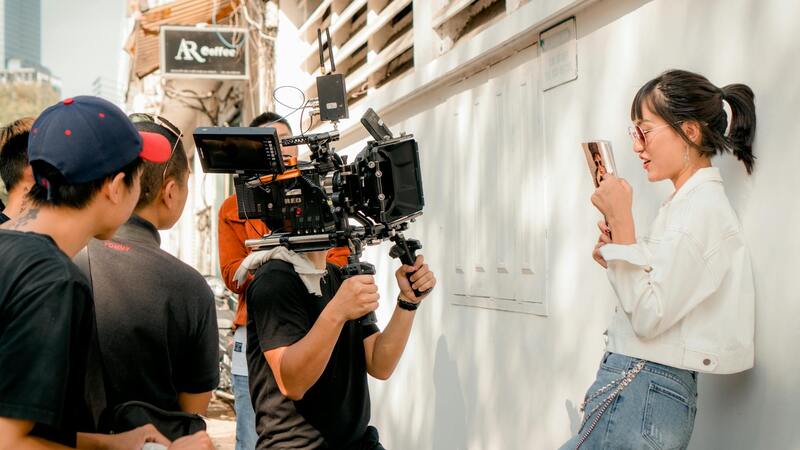
The choice among these methods hinges on the project scope and visual objectives. Combining techniques, such as integrating hyperlapse movement with stop motion elements, can further enrich the visual narrative and create compelling sequences that captivate audiences.
Key Equipment for Time Lapse Production
Producing high-quality time lapse videos requires careful selection of specialized equipment to ensure smooth, detailed, and visually compelling results. Among the most integral tools are intervalometers, which allow precise control over shooting intervals, enabling consistent image capture over extended periods. These devices are compatible with most modern digital cameras and are essential for maintaining uniformity in frame capture, which directly influences the fluidity of the final footage.
Stabilizers and gimbals further enhance the quality of time lapse footage by minimizing unwanted camera movements. Dynamic shots, such as hyperlapses or camera-opposed angles, necessitate stabilization technology to ensure that motion appears deliberate and smooth despite the inherent instability that can occur during extended shot sequences.
High-resolution cameras with manual controls and good low-light performance are particularly suited for professional time lapse projects. Cameras equipped with robust battery life and high storage capacity are vital, given the prolonged shooting periods involved in time lapse production. Additionally, lens choice can dramatically influence the visual quality. Wide-angle lenses are often preferred to capture expansive landscapes or architectural details, providing depth and context to the scene.
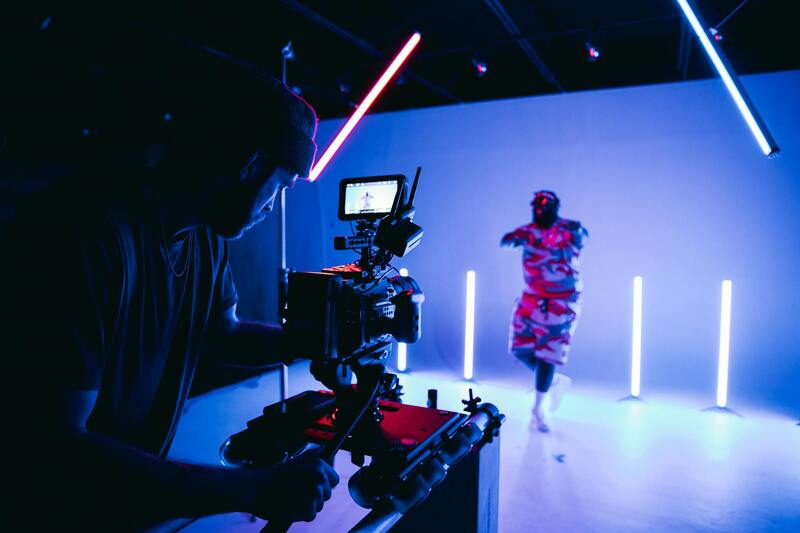
While having professional-grade gear is crucial, understanding how to optimize settings such as aperture, shutter speed, and ISO plays an equally important role in achieving the desired aesthetic effects. Proper planning around lighting conditions and environmental factors ensures that each frame aligns cohesively within the sequence, resulting in seamless footage that highlights changes over time accurately.
Planning and Pre-Production for Time Lapse Projects
Successful time lapse projects begin with meticulous planning. This phase involves selecting the subject, determining the appropriate duration, and deciding on the shooting intervals that match the anticipated scene changes. For instance, capturing construction progress requires different intervals compared to natural phenomena like cloud movements or star trails.
Location scouting is another critical component. Understanding ambient lighting, weather patterns, and environmental conditions helps in choosing optimal shooting times and positions. Securing necessary permissions or permits ensures compliance with local regulations and prevents disruptions during filming.
Creating a detailed shot list and storyboard allows for clear visualization of the desired outcomes, aligning expectations with logistical planning. Equipment setup, including camera mounting and power management, should be thoroughly tested prior to commencement to mitigate technical issues that could compromise the project timeline.
Post-Production and Editing of Time Lapse Footage
Post-production involves compiling the sequential images into a cohesive sequence using editing software. Timing adjustments, such as re-timing or stabilizing shaky footage, can enhance the overall visual narrative. Color correction and grading are also vital to ensure consistency across frames, especially if lighting conditions varied during shooting.
Special effects, transitions, and overlays may be added to augment storytelling and emphasize specific changes or transitional moments within the sequence. Sound design, including ambient sound or background music, can enhance the viewing experience and add an emotional layer to the visual story.
Efficiency in editing software capabilities, coupled with a keen eye for detail, ensures that the final video accurately captures the intended passage of time and visual impact. Exporting in high-resolution formats guarantees that the footage remains sharp and suitable for various display platforms, from online marketing to large-format installations.
Advanced Techniques in Time Lapse Production
Implementing sophisticated methods in time lapse filming can significantly elevate the quality and storytelling potential of a project. Techniques such as interval photography, where the camera captures images at specific intervals, enable the depiction of slow processes like construction or natural phenomena over extended periods. Adjusting the interval duration allows for flexible control over the pace of the final sequence, making it possible to emphasize either gradual changes or rapid transformations. Another advanced approach is hyper-lapse, which involves moving or tracking the camera during shooting, often through complex stabilization methods. This technique provides dynamic perspectives and immersive experiences, especially effective in urban environments like Miami where vibrant city life and architecture are constantly evolving. Variable interval shooting is also used to adapt the filming process to changing conditions or specific moments of interest. For instance, increasing the interval during less activity periods conserves storage and battery, while shortening it during critical moments captures detailed transitions. These methods demand precise planning and technical expertise to ensure seamless footage. Utilizing professional-grade cameras with programmable intervalometers and remote control capabilities guarantees consistency in shot intervals and minimizes human error. In post-production, specialized software tools facilitate the compilation and fine-tuning of hyper-lapse or variable interval sequences. Stabilization algorithms are essential to smooth out any jitters caused by camera movement, creating a polished final product. Color grading and correction further unify disparate frames, especially when shooting across different lighting conditions or times of day. Incorporating these advanced techniques into time lapse projects not only enhances visual appeal but also provides compelling storytelling tools for showcasing development, environmental changes, or urban dynamics in Miami. Mastery of varied recording methods combined with meticulous post-editing ensures a professional and impactful presentation.
Key Equipment for Time Lapse Production
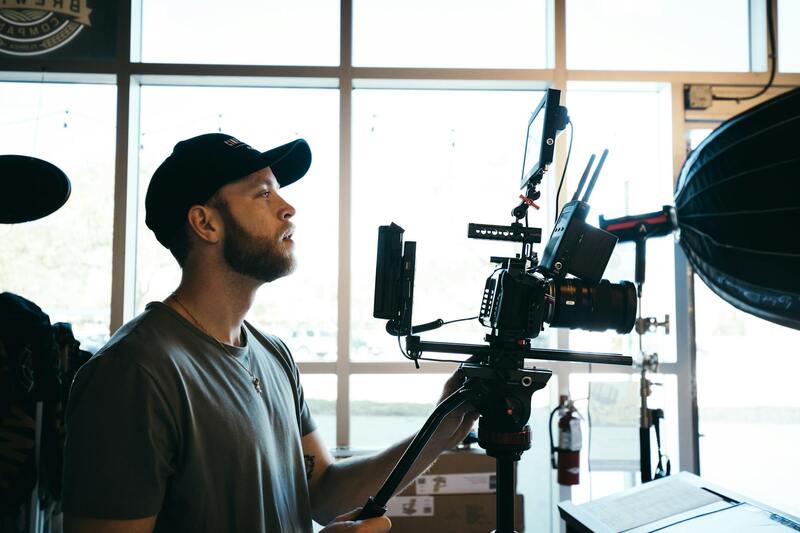
To achieve high-quality time lapse footage, the selection and utilization of specialized equipment are essential. The core of any effective time lapse setup begins with a professional-grade camera capable of programmable interval shooting. These cameras allow precise control over shot intervals, essential for capturing the desired acceleration of scenes. Additionally, remote control capabilities are vital for minimizing human disturbance during prolonged shoots, especially in locations where physical access may be challenging or undesirable.
Tripods or stabilized mounts form the backbone of steady shots, preventing unwanted movement that could disrupt the visual continuity. For scenes involving dynamic or expansive landscapes, motorized sliders or gimbal stabilization systems can be employed to maintain consistent framing while accommodating camera movement or panning.
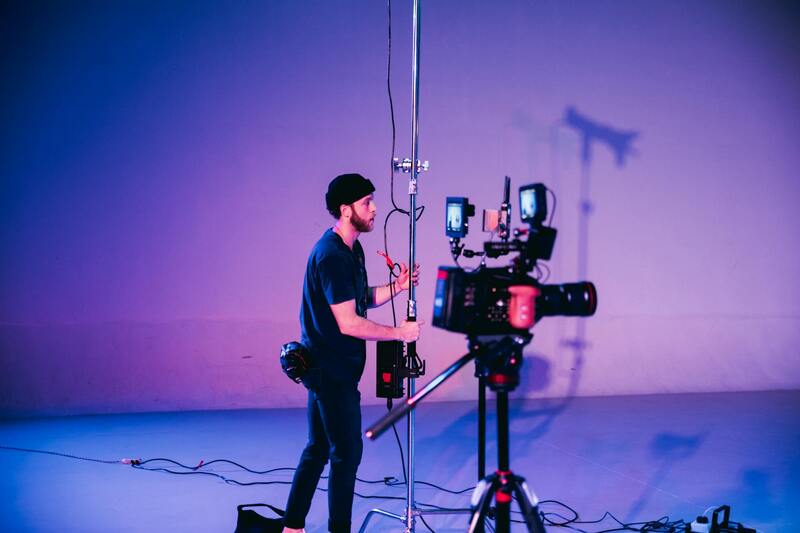
Power solutions such as high-capacity batteries or external power supplies ensure extended shooting periods, especially in outdoor or remote locations across Miami. Storage capacity must be sufficient to handle the volume of images captured during lengthy shoots, emphasizing the importance of using fast, reliable memory cards.
Lighting considerations also play a prominent role. During nighttime or low-light conditions, specialized lighting equipment or filters might be necessary to ensure clarity and detail without sacrificing image quality.
Planning and Pre-Production for Time Lapse Projects
Meticulous planning is the foundation of successful time lapse projects. This phase involves defining clear objectives, mapping out shot compositions, and understanding the environmental conditions of the chosen locations across Miami. Site reconnaissance permits identifying ideal vantage points, potential obstacles, and lighting conditions that could influence the shoot.
Scheduling the shoot requires consideration of specific times of day, weather patterns, and urban activity levels to capture the desired visual effects. For urban environments like Miami, scheduling during golden hours or specific events can dramatically enhance the vibrancy and storytelling impact.
Technical preparedness involves selecting appropriate cameras, lenses, filters, and power supplies suited for the project's scale and complexity. Setting up intervalometers, testing camera placement, and establishing remote control protocols reduce errors during the actual shoot.
Creating a detailed shot plan, including a schedule and checklist, ensures all elements are aligned with the project’s goals. This phase also includes securing necessary permits or permissions, particularly for time lapse shoots in public or restricted areas.
Choosing a Miami Production Agency for Time Lapse Services
When seeking to implement time lapse services in Miami, selecting a production agency with proven expertise and local knowledge is essential. A specialized agency brings a comprehensive understanding of the city's diverse environments, from urban downtown districts to scenic waterfronts and vibrant neighborhoods. They possess the technical skills, industry experience, and logistical expertise necessary to deliver high-quality results tailored to the project's unique requirements.
Optimal agency selection involves evaluating their portfolio, which should showcase previous time lapse projects in comparable settings. Reviewing their work allows clients to assess the quality, creativity, and technical proficiency of potential partners. Testimonials and client references further provide insight into their reliability, adherence to deadlines, and ability to handle complex projects.
It is also important to verify the agency’s familiarity with Miami's regulatory landscape. This includes understanding the necessary permits, permissions, and safety protocols when shooting in public spaces, historic sites, or privately owned properties. Agencies with established relationships with local authorities and a clear process for obtaining permits streamline the project's development and mitigate delays.
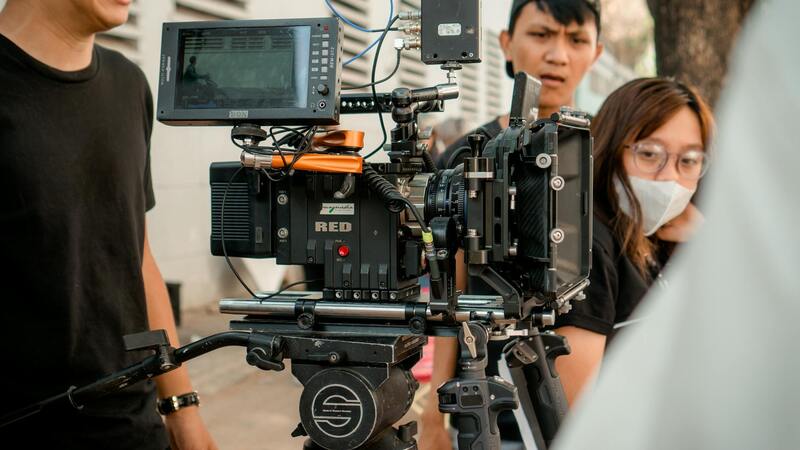
The agency’s technical resources and equipment play a vital role in project success. An experienced Miami-based provider is likely to employ advanced stabilization systems, high-resolution cameras, and remote operation tools that can withstand Miami’s weather conditions. Their team should also be capable of planning shoots around environmental factors like unpredictable weather patterns, as well as high-traffic periods, to capture optimal footage.
Furthermore, seamless communication and detailed project management are critical. An adept agency will collaborate with clients during pre-production to align the project timeline, conceptual vision, and technical logistics. They will offer comprehensive consultations to adapt the project plan to specific client goals, whether focusing on urban development, tourism promotion, or cultural events.
In summary, selecting a Miami-based production partner for time lapse services enhances the likelihood of capturing compelling, high-quality footage that showcases the city’s dynamic landscape. Their local expertise, technical mastery, and ability to navigate Miami’s logistical landscape ensure the project’s visual storytelling goals are effectively achieved, providing clients with impactful content suitable for various commercial, promotional, or artistic purposes.
Post-Production and Editing of Time Lapse Footage
Effective post-production techniques are essential in transforming raw time lapse footage into captivating visual stories that meet the specific objectives of a project. This stage involves several critical steps, including selection, stabilization, color correction, and the addition of effects and sound, all designed to enhance the overall quality and impact of the final video.
Initial editing begins with reviewing all captured footage and selecting the best sequences that align with the project's narrative or promotional goals. This process ensures that only high-quality segments are used, eliminating frames with unwanted artifacts or environmental interference. Stabilization is often necessary if camera shakes or movement occurred during shooting, especially when using handheld or remote equipment in challenging weather conditions typical of Miami.
Color grading is another vital component, as it helps establish the mood and visual consistency of the footage. Adjusting brightness, contrast, and saturation levels can accentuate the vibrancy of Miami's iconic cityscape or coastal scenes, making the visuals more compelling and professional-looking. Additionally, incorporating motion effects or transitions can smooth out sequences and create a more seamless viewing experience.
Sound design, though less prominent in pure time lapse sequences, can add depth and context, especially when showcasing ongoing projects or cityscapes. Background music, voiceovers, or ambient sounds may be layered to enhance storytelling, making the footage more engaging for viewers.
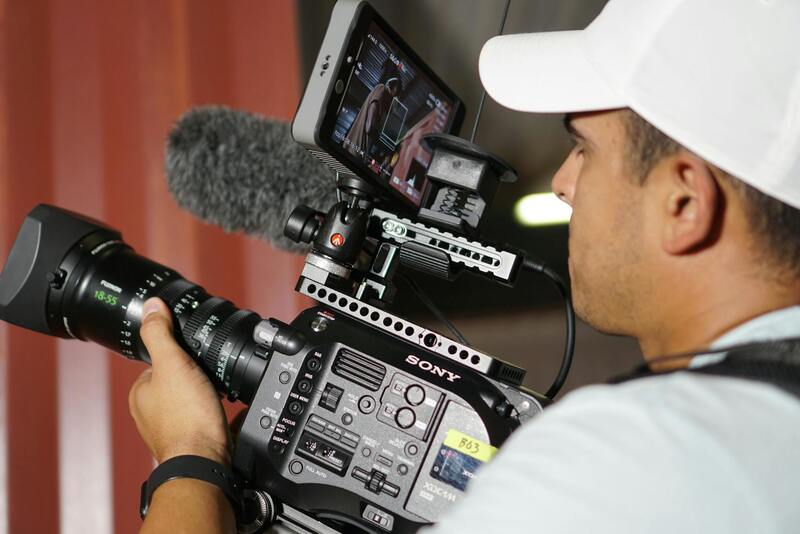
Modern editing software offers advanced tools that facilitate these tasks, allowing editors to fine-tune footage with precision. Nonlinear editing systems like Adobe Premiere Pro or DaVinci Resolve are popular choices among professionals for their extensive capabilities in managing complex projects efficiently.
When selecting a team or agency to handle post-production, clients should consider their proficiency with editing tools, experience in time lapse integration, and portfolio demonstrating previous successful projects. A skilled editing team ensures the final product not only captures the intended period of change but also resonates with the target audience through visual storytelling and technical excellence.
In regions like Miami, where vibrant cityscapes and scenic views are prominent, leveraging expert post-production services can significantly elevate the appeal of the final time lapse. Whether used for real estate marketing, city development documentation, or promotional campaigns, the quality of editing directly influences viewer perception and engagement.