
Understanding Time Lapse Video Recording
Time lapse video recording is a specialized filming technique that allows creators to depict extended periods of time within a shortened, visually compelling sequence. This method involves capturing individual frames at set intervals over a duration that can span from hours to days, then playing these frames back at a standard viewing speed. The result offers viewers a unique perspective on processes that unfold gradually, such as sunrise and sunset, traffic flow, construction projects, or natural phenomena.
One of the primary appeals of time lapse videos lies in their ability to transform slow, often imperceptible events into engaging visual stories. By condensing lengthy processes, these videos provide a comprehensive overview that is both informative and aesthetically appealing, making them a popular choice in various production environments, including documentary filmmaking, corporate presentations, event coverage, and artistic projects.
Creative applications of time lapse recording include emphasizing change and progression, illustrating scale, and highlighting the passage of time in a way that still images cannot achieve alone. When executed effectively, time lapse footage can evoke emotional responses, enhance storytelling, and deliver powerful visual insights, which are invaluable in professional settings and for creative expression alike.
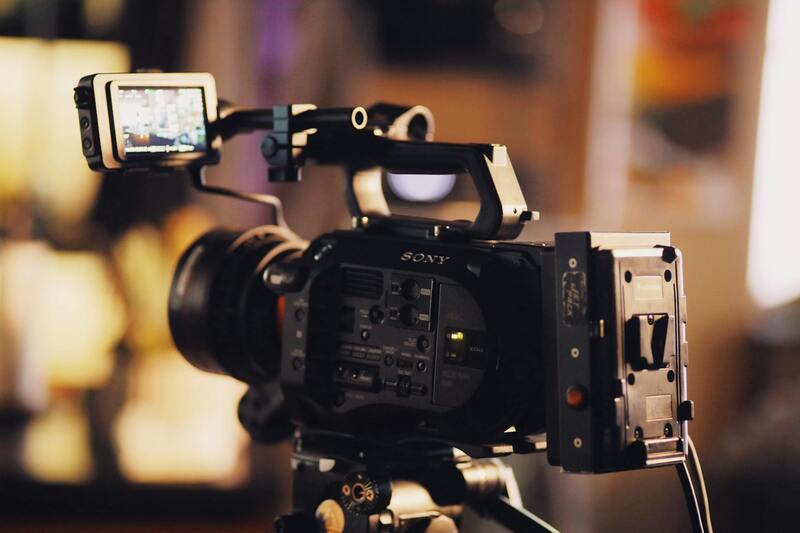
Because of its ability to compress expansive sequences into a brief viewing window, time lapse video recording has found a growing place in all forms of visual content creation. It allows viewers to witness events and phenomena that would otherwise require significant viewing time or might go unnoticed to the avgural eye, thus fostering deeper engagement and understanding.
Utilizing Controlled Settings for Precision in Time Lapse Recording
When engaging in time lapse video recording, employing controlled settings is pivotal to achieving consistent, high-quality footage. This involves meticulous adjustment of camera parameters such as exposure, white balance, focus, and frame interval to suit the specific scene being captured. Controlled environments help mitigate fluctuations caused by changing lighting conditions, thereby providing a uniform look throughout the sequence.
One fundamental aspect is the selection of an appropriate interval between shots. For instance, capturing a sunrise or sunset may require longer intervals, such as one frame every 10-30 seconds, to reflect the gradual shift effectively. Conversely, fast-moving phenomena like traffic congestion or construction activities might necessitate shorter intervals, possibly one frame every 2-5 seconds, to preserve motion smoothness.
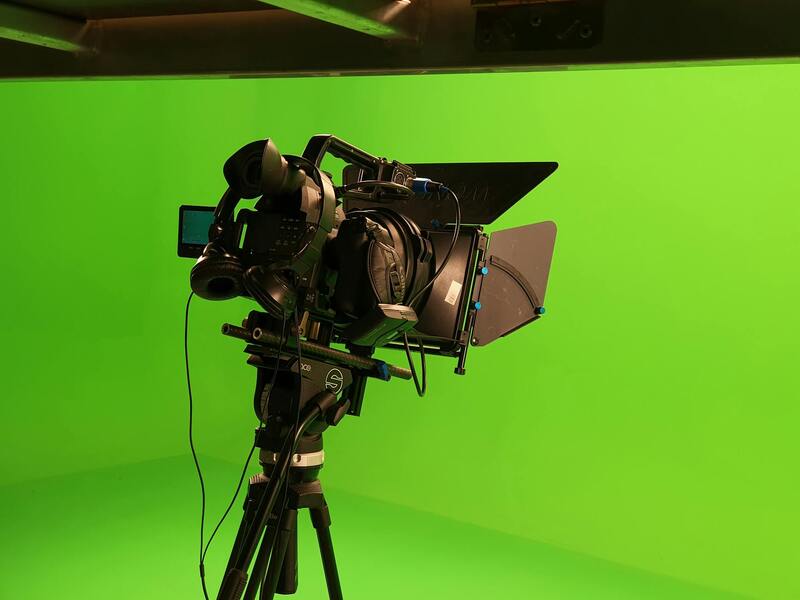
In addition to interval settings, controlling exposure and focus is essential. Manual modes are often preferred over automatic settings to prevent fluctuations during shooting. For outdoor shoots, utilizing neutral density filters can prevent overexposure during daylight hours, while also enabling longer exposures for desired motion effects like smoothing out moving water or cloud movement.
Implementing stable mounting solutions, such as tripods or fixed rig systems, guarantees that camera movement is minimized or eliminated, resulting in smooth footage. When capturing over extended periods, especially in outdoor settings, weather-proof equipment and protective covers help safeguard gear against environmental elements, ensuring uninterrupted recording sessions.
Furthermore, synchronization with environmental factors can enhance footage quality. For example, scheduling shoots during specific times of day with consistent lighting or controlling supplementary lighting when possible minimizes variability that could detract from the seamless appearance of the final video.
Methodical Camera Control and Storage Management
Effective management of camera control and data storage plays a significant role in professional time lapse productions. Utilizing intervalometers or remote control systems ensures precise timing between shots, essential for maintaining consistent motion dynamics. These devices can be programmed to automate the process, reducing manual intervention and potential errors.
High-capacity and reliable storage media are vital since time lapse sequences can generate large volumes of data. Employing fast SD cards, external drives, or network storage solutions allows for seamless data transfer and prevents loss due to interruptions or memory card errors. Regular checks and backups of footage during shooting sessions are advisable to safeguard the project’s integrity.
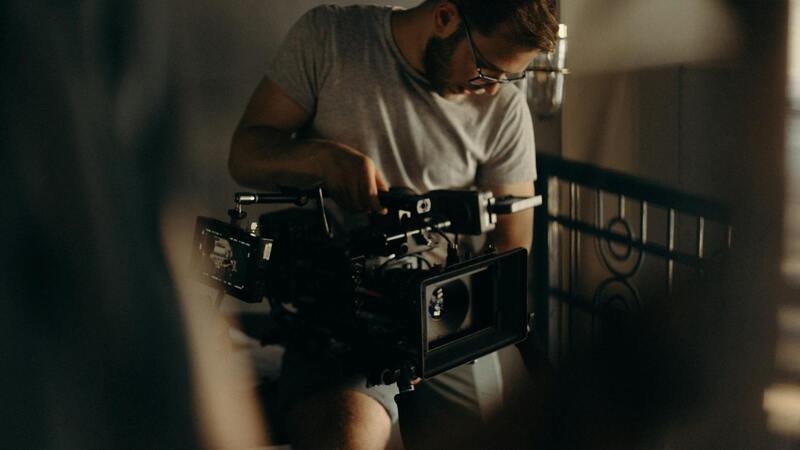
By meticulous planning of camera settings and workflow management, professionals can produce visually stunning and technically sound time lapse videos that capture the essence of ongoing changes with clarity and consistency. This disciplined approach is fundamental to achieving a polished final product that resonates with audiences and fulfills project objectives, whether in cinematic, commercial, or artistic contexts.
Optimizing Camera Settings for Consistent Results
Achieving a professional-quality time lapse video hinges on meticulous camera setup. It begins with selecting appropriate exposure settings to balance brightness and detail, particularly in varying lighting conditions such as Miami’s vibrant outdoors. Manual focus is essential to prevent focus shifts that can disrupt the continuity of the sequence. Using manual exposure controls helps maintain consistent brightness levels, ensuring each frame seamlessly blends into the next.
Adjusting ISO settings to a low value reduces noise, which is especially beneficial during longer shoots or when capturing in low-light environments. Aperture selection depends on the desired depth of field; a smaller aperture (higher f-number) yields sharper focus across the scene, which is crucial for landscapes or cityscapes prevalent in Miami.
Implementing Interval Settings and Motion Planning
The frequency of shot captures, determined by the interval setting, impacts the final video’s pacing and fluidity. For fast-moving subjects or scenes such as Miami traffic, shorter intervals—ranging from one to five seconds—are advisable to portray motion convincingly. Conversely, steady scenes like sunrise or sunset might benefit from longer intervals, such as fifteen or thirty seconds, to emphasize gradual change.
Precise interval configuration requires careful calculus based on the speed of the subject or scene change. In static scenes where minimal movement is expected, longer intervals can optimize storage and processing resources without compromising visual continuity. For dynamic settings, fine-tuning the interval ensures the movement appears smooth and natural when played back at normal speed.
Utilizing Remote Controls and Timers for Precision
Employing remote control devices or intervalometers allows for precise, hands-free operation. This minimizes vibrations caused by manual adjustments and ensures consistent timing between frames. Advanced models can be programmed to account for environmental variables such as changing light conditions, critical in outdoor shoots like those around Miami’s beaches or urban landmarks.
Moreover, remote controls facilitate efficient workflow management, enabling triggering of shoots at specific times, like during sunrise or sunset, when natural lighting produces optimal visual effects. This strategic approach reduces the need for manual intervention during the recording process, which is vital in lengthy sessions aiming to capture comprehensive scenes of Miami’s dynamic environment.
Ensuring Data Security and Storage Management
Long-duration time lapse projects generate significant data, necessitating reliable storage solutions. Investing in high-capacity memory cards and external drives minimizes interruptions during filming. Regular data transfer and backup protocols are crucial to prevent data loss due to card failure or accidental removal.
In addition, choosing fast data transfer options such as UHS-II SD cards or SSD drives expedites file management, especially important when recording high-resolution footage. Keeping multiple copies of critical sequences ensures project continuity and provides fallback options during editing. For prolonged shoots, archiving footage on network drives or cloud storage enhances security and accessibility.
By combining thorough planning, precise camera control, and robust data management, professionals enhance their ability to produce high-quality time lapse videos that effectively capture the dynamic changes characteristic of Miami’s vibrant environment, from bustling streets to natural landscapes.
Understanding the Proper Techniques for Time Lapse Video Recording
Executing a successful time lapse video recording requires meticulous attention to camera operation, interval settings, and movement management. These elements are essential in capturing smooth, visually compelling footage that effectively illustrates the transformation of scenes over time.
Ensuring Precise Camera Stabilization
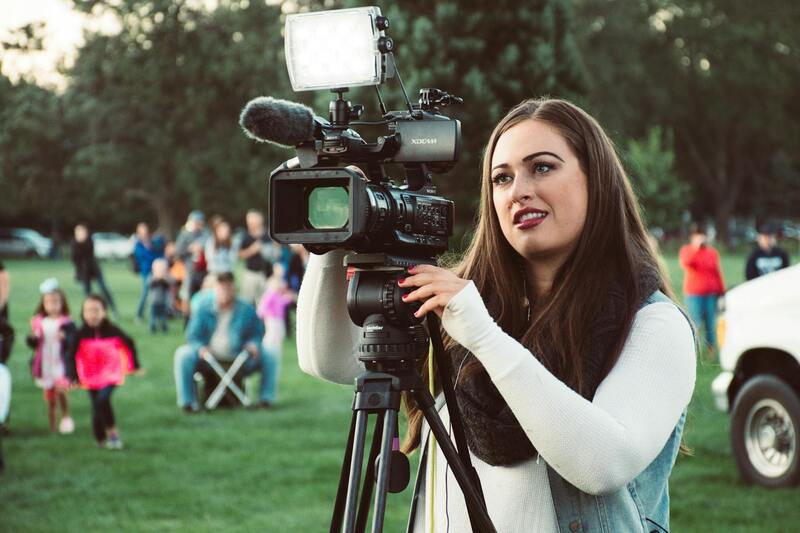
Stability is fundamental to producing professional-grade time lapse videos. Any unwanted camera shake or jitter detracts from the viewer's experience and undermines the clarity of the progression shown. Utilization of robust tripods, monopods, or gimbals enhances camera stability during prolonged shoots. For dynamic scenes involving movement, camera stabilization devices like motorized gimbals or slider systems can be employed to achieve smooth motion sequences.
Optimizing Interval Timing and Exposure Settings
The core of time lapse recording lies in selecting appropriate interval durations. Shorter intervals capture rapid changes, such as bustling urban traffic, while longer intervals suit slower transformations like sunset transitions or construction progress. Adjusting exposure settings is crucial in varying lighting conditions to prevent overexposure or underexposure. Using manual mode for ISO, aperture, and shutter speed ensures consistent image quality throughout the shoot, resulting in seamless footage during playback.
Creative Movement and Framing Techniques
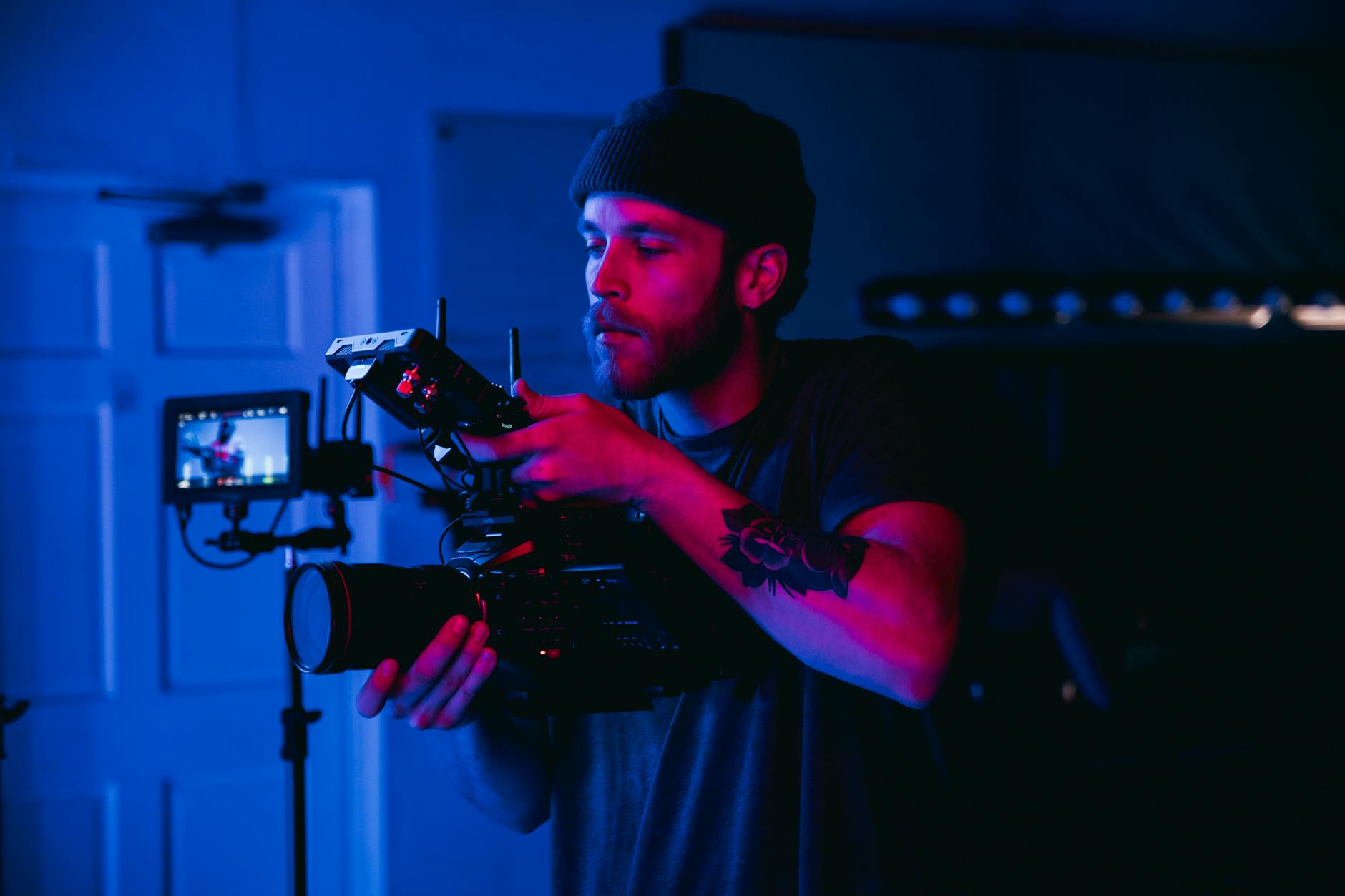
Introducing camera movement can add dynamism to a time lapse project, making the sequence more engaging. Techniques such as camera pans, tilts, or dolly movements, executed slowly and steadily with remote controls or motorized devices, contribute to a cinematic feel. Framing scenes thoughtfully, considering foreground, midground, and background layers, enhances visual depth and storytelling potential. Combining these methods produces captivating narratives that showcase Miami's vibrant urban life or natural vistas with a professional aesthetic.
Utilizing Remote Controls and Automation
Remote camera controllers and intervalometers facilitate precise timing without manual intervention. Automating the start and end times of recording mitigates the risk of human error and ensures consistent shooting conditions, especially during extended sessions. This approach is especially advantageous when capturing events that unfold over hours or days, such as sunrise-to-sunset landscapes or city skyline transitions.
Implementing Power Management Strategies
Long-duration recordings demand reliable power solutions. Using high-capacity batteries or AC power adapters can prevent interruptions. Incorporating external power banks or portable generators ensures that equipment remains operational in remote or outdoor locations. Proper power management is instrumental in maintaining uninterrupted recording sequences, safeguarding the integrity of the footage captured.
Understanding Data Storage and Management
Time lapse sequences generated through high-resolution cameras can amount to substantial data. Selecting high-capacity memory cards and external storage devices, such as SSDs or network-attached storage (NAS), is vital for seamless recording. Regular data transfer and backup routines protect against data loss and facilitate efficient workflow management. Labeling and organizing files during the shoot simplifies post-production editing and enhances project efficiency.
Incorporating these technical practices ensures high-quality, professional results when recording time lapse videos. Mastery of stabilization, interval control, creative movement, and data management maximizes the visual impact and storytelling potential of Miami's dynamic environment, transforming raw captures into extraordinary visual narratives.
Understanding Time Lapse Video Recording
Time lapse video recording involves capturing a series of photographs or frames at set intervals over a period of time, which are then played back at normal speed to produce a condensed visual narrative of slow-moving processes. This technique is particularly useful for illustrating the progression of natural phenomena, urban development, or various creative projects, offering viewers a unique perspective on change and movement that is often imperceptible in real time.
To effectively utilize time lapse recording, it is essential to understand the core principles of interval selection and frame rate. The interval — that is, the duration between each shot — determines the degree of speed-up in the final video, with longer intervals emphasizing more gradual transitions. Conversely, a shorter interval can be used for capturing smoother transitions or rapid changes. Similarly, the frame rate at which the images are played back affects the overall fluidity and motion perception of the sequence.
Proper exposure settings, camera stability, and environmental considerations are also fundamental factors influencing the quality of the final footage. Adequate planning involves selecting suitable camera positions, understanding lighting conditions, and implementing strategies for maintaining consistent image quality over extended periods, especially when shooting in variable weather or lighting environments common in Miami.
Methods and Best Practices for Achieving High-Quality Time Lapse Footage
Executing professional-grade time lapse videos requires meticulous planning and execution. Employing intervalometers—devices that automate the capture process—ensures consistent spacing between frames, reducing manual intervention during long shoots. Using reliable, sturdy equipment minimizes vibrations and movement, producing stable footage even in challenging conditions.
- Utilize remote monitoring: Many modern cameras support remote control and monitoring via Wi-Fi or cellular networks, allowing adjustments and previews without disturbing the setup.
- Control exposure manually: To prevent flickering caused by fluctuating lighting conditions, manual exposure settings or logarithmic exposure bracketing are advised.
- Secure your camera: Employ tripods, mounts, or stabilizers to ensure steady framing, especially during outdoor shoots prone to wind or vibrations.
- Plan shot composition: Framing your scene thoughtfully enhances storytelling and emphasizes subject movement or transition.
Incorporating these practices results in visually compelling and technically sound time lapse videos that showcase Miami’s diverse landscapes and urban environments with clarity and artistic flair.
Optimizing Camera Settings for Superior Time Lapse Footage
Achieving professional-grade time lapse recordings necessitates precise control over camera parameters to accommodate varying lighting conditions and desired aesthetic outcomes. Proper calibration begins with setting the appropriate shutter speed, aperture, and ISO levels. Typically, a shutter speed double the frame interval produces natural motion blur, essential for smooth visuals, especially in scenes with movement, such as bustling city streets or flowing water. Adjusting the aperture affects depth of field and exposure, while ISO should be kept as low as possible to minimize noise in optimal lighting conditions.
Manual focus is indispensable, as autofocus mechanisms can fluctuate during extended shoots, disrupting consistency. Pre-focusing and locking the focus ensures sharpness throughout the sequence. When shooting in challenging lighting, employ manual exposure settings or use logarithmic exposure bracketing to maintain consistent brightness levels and reduce flickering. This approach is critical when capturing scenes with high contrast, such as sunrise or sunset vistas, or cityscapes illuminated at night.
Ensuring Proper Framing and Composition
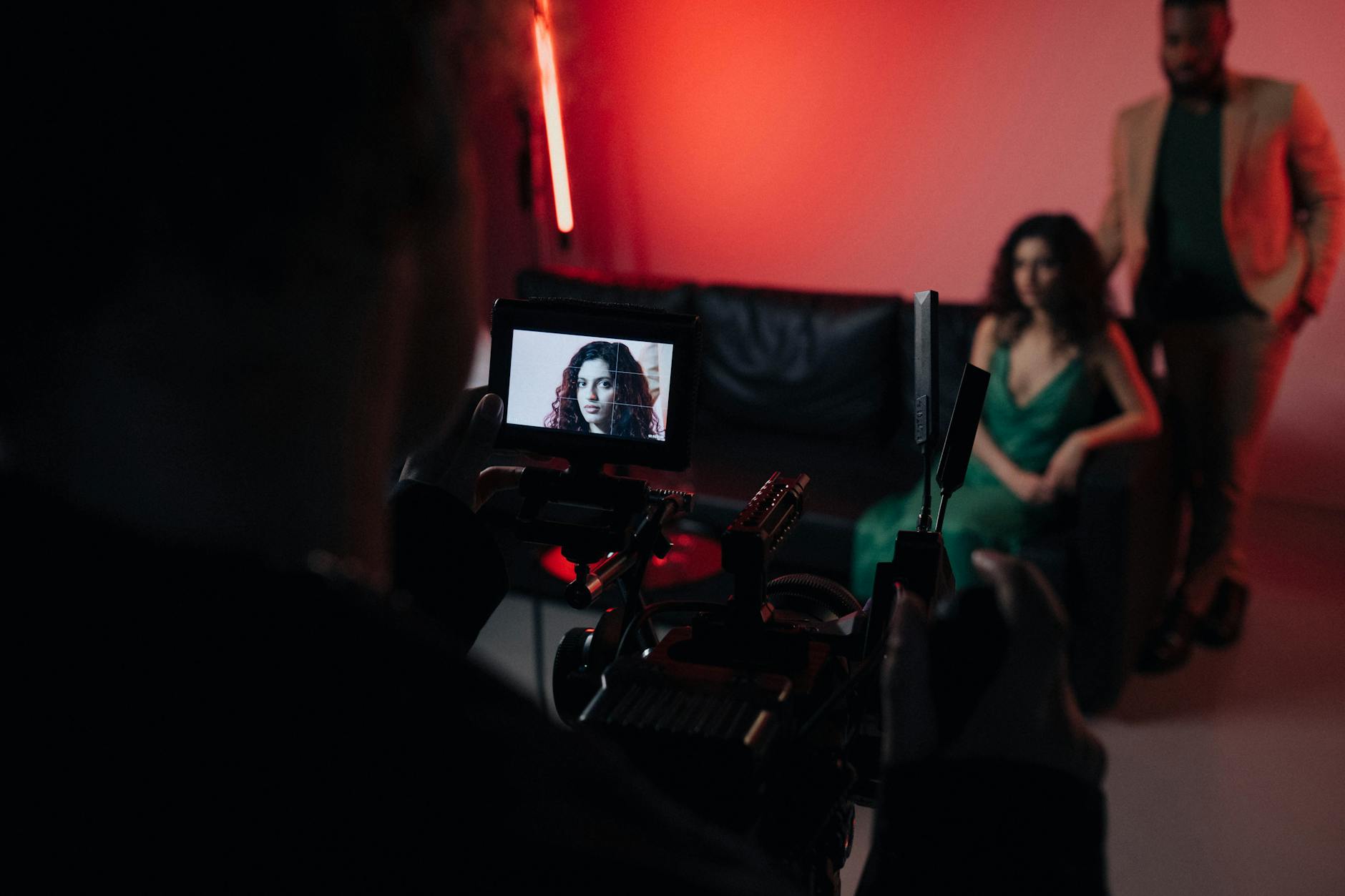
Thoughtful shot composition enhances the storytelling aspect of time lapse videos. Establish a clear focal point and consider the scene’s foreground, middle ground, and background to create visually engaging sequences. Incorporate leading lines, symmetry, or dynamic elements that will emphasize movement over time. Additionally, plan for camera placement and framing to accommodate potential shifts in perspective or subject movement, which can add depth and interest to the final product.
Using a stable tripod or panoramic head prevents unintended camera shifts, preserving the consistency of motion and framing during prolonged shooting sessions. For outdoor scenes susceptible to wind or vibrations, consider additional stabilization accessories, such as weighted mounts or gimbals, to maintain smoothness in the captured footage.
Controlling the Interval and Duration of Capture
The core of time lapse video recording lies in choosing the correct interval between shots, which directly influences the final playback speed and narrative flow. Shorter intervals (e.g., 1-5 seconds) are suitable for scenes with rapid changes, such as traffic or crowds, resulting in a brisk, energetic sequence. Conversely, longer intervals (e.g., 10-30 seconds) work better for slow processes like cloud movement or construction progress.
Calculating the total recording duration involves considering the length of the scene and the desired playback speed. For instance, capturing a sunset transition that lasts 30 minutes and rendering it into a 30-second video requires determining the number of frames needed and setting the interval accordingly. Planning these parameters meticulously ensures the final time lapse effectively conveys the intended story while maintaining visual quality.
Advanced Tips for Achieving Professional-Grade Time Lapse Videos
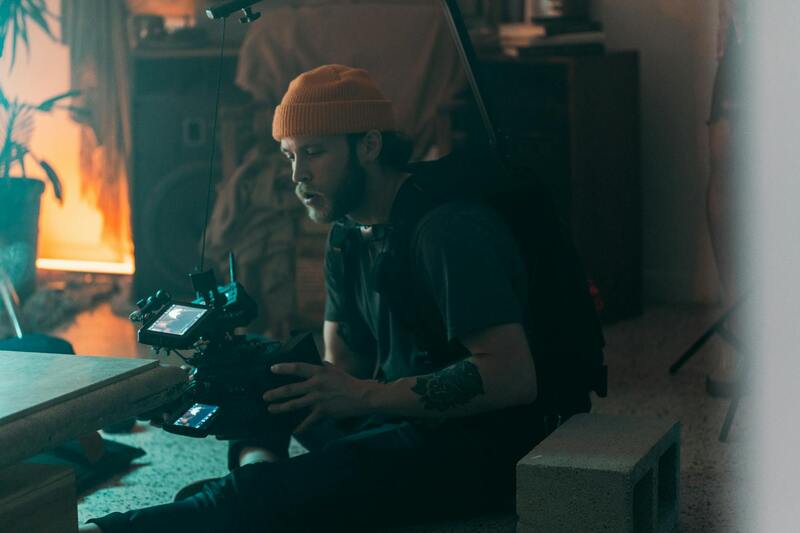
Creating captivating and seamless time lapse videos requires more than just setting up a camera and pressing record. Attention to detail during the shooting process significantly impacts the final product’s quality. One key aspect involves meticulous control over exposure settings. During prolonged shoots, changing lighting conditions—such as sunrise or sunset—necessitate manual adjustments to aperture, ISO, and shutter speed to prevent overexposed or underexposed footage. Utilizing cameras with dedicated exposure bracketing capabilities can facilitate this process, ensuring consistent image quality throughout the sequence.
In addition, implementing focus stacking or manual focus ensures sharpness remains consistent, especially when scenes involve significant depth variations or changing focal points. Autofocus systems can react unexpectedly during long recordings, causing focus shifts that disrupt viewer immersion. Locking focus manually before shooting begins guarantees uniform sharpness across all frames.
Another valuable technique involves the use of ND (neutral density) filters, which help manage exposure during scenes with substantial lighting. ND filters reduce incoming light, permitting longer shutter speeds that create motion blur effects or prevent overexposure in bright conditions. Integrating such accessories into your setup offers greater creative control over motion portrayal and overall ambiance.
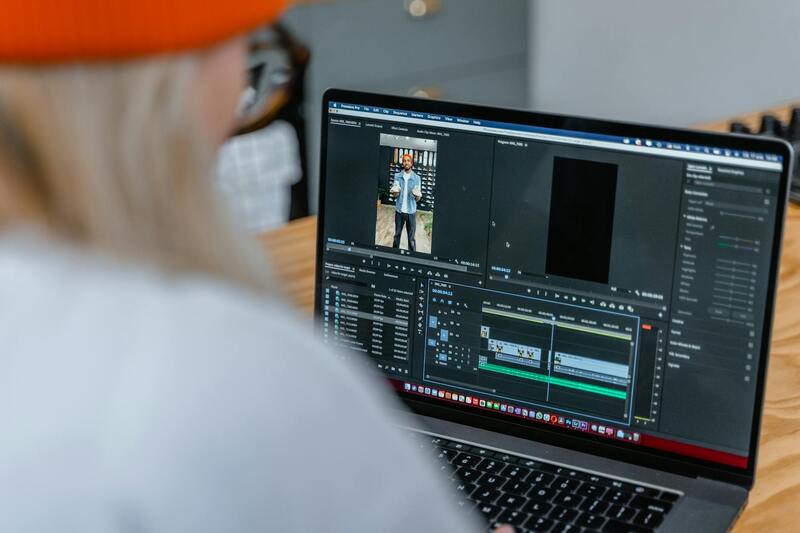
Stabilization remains paramount. Besides a sturdy tripod, consider adding counterweights or using gimbal stabilizers for dynamic environments or when camera movement is desired. These tools minimize vibrations, guaranteeing each frame's alignment, which simplifies the post-production process and results in polished, professional-looking sequences.
Post-Processing Techniques to Refine Time Lapse Footage
Once the shooting phase concludes, post-processing becomes essential to elevate the raw footage. Color correction and grading can dramatically enhance mood and visual appeal, allowing viewers to experience the scene more vividly. Use software that offers advanced color instrumentation to balance exposure, contrast, and saturation meticulously. Adjusting these parameters can also unify footage shot under varying lighting conditions, ensuring seamless transitions within the sequence.
Furthermore, stabilizing the footage digitally can correct minor shake or jitters not addressed during shooting. Crop and rotate functionalities allow for precise framing adjustments, especially if minor shifts occurred despite stabilization efforts. Adding motion effects or subtle transitions between segments can provide a dynamic narrative flow, engaging viewers more effectively.
Sound design can also complement your visual storytelling. Incorporate ambient sounds or a fitting soundtrack to deepen the immersive experience, although this step is performed during editing and not part of the initial capture process.
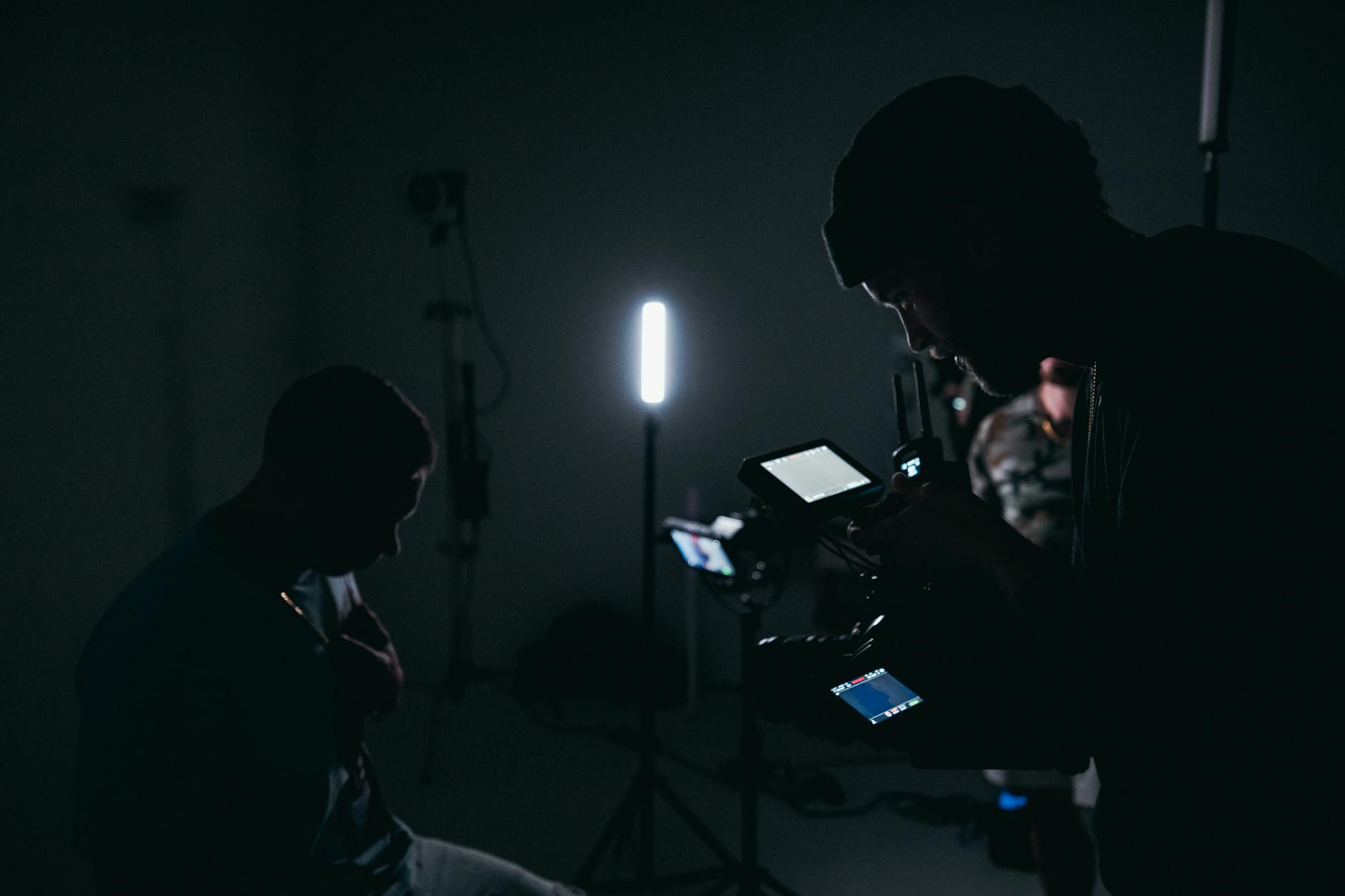
By employing diligent camera control, leveraging stabilization accessories, and executing detailed editing, you can produce time lapse videos that are not only visually stunning but also narratively compelling. These practices ensure your footage captures the essence and dynamism of the scene with clarity and artistic finesse.
Utilizing Proper Equipment and Techniques for Optimal Time Lapse Results
Achieving high-quality time lapse videos relies heavily on the choice of equipment and the mastery of shooting techniques. Using a dedicated intervalometer or an advanced camera with built-in interval recording functionalities provides precise control over the shooting intervals, ensuring consistent frame capture essential for smooth playback. A tripod or stabilization rig further enhances the stability of the footage, eliminating unwanted jitter that can detract from the visual experience.
Camera settings play a crucial role in capturing compelling time lapse sequences. Adjusting the aperture to maintain proper focus throughout the shoot, setting a low ISO to reduce noise, and choosing an appropriate shutter speed based on the subject movement and lighting conditions can significantly improve image quality. Employing manual focus prevents focus shifts during recording, which can cause distraction and break immersion in the final video.
Lighting considerations must be integrated into planning. Shooting during the golden hour offers warm, soft lighting, enriching the visual appeal. For longer shoots spanning days or weeks, filters such as neutral density (ND) filters help manage exposure during daylight hours, enabling consistent image exposure despite changing light levels. Including weather protection gear safeguards equipment against environmental elements, especially in unpredictable Miami weather patterns.
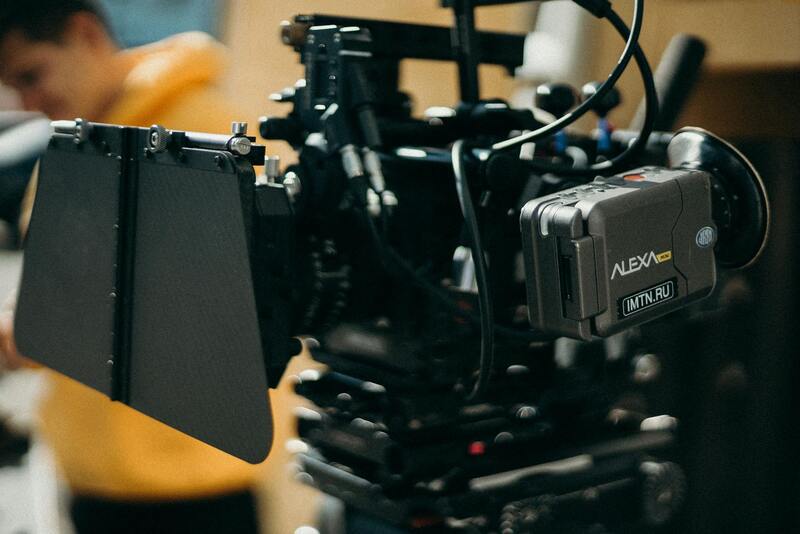
Post-shoot, software tools like Adobe Lightroom or dedicated time lapse editors allow for refining images prior to compilation. Selecting appropriate frame rates determines the pacing and motion fluidity of the finished video. Typical frame rates range from 24 to 30 frames per second, although for dramatic effects, varying interval times and shooting rates can add visual interest.
Advanced Shooting Techniques for Dynamic Results
Incorporating motion control rigs, such as motorized sliders or robotic arms, enables smooth camera movements within your time lapse sequences, adding a professional touch to your productions. Pan, tilt, or zoom shots can convey a sense of scale and depth, especially when capturing expansive urban environments or bustling crowds.
To prevent flickering and inconsistencies in exposure, consider integrating automatic exposure bracketing or employing interval shooting modes with exposure smoothing features. These techniques help maintain visual continuity, particularly in environments with fluctuating lighting conditions like Miami’s outdoor scenes at different times of day.
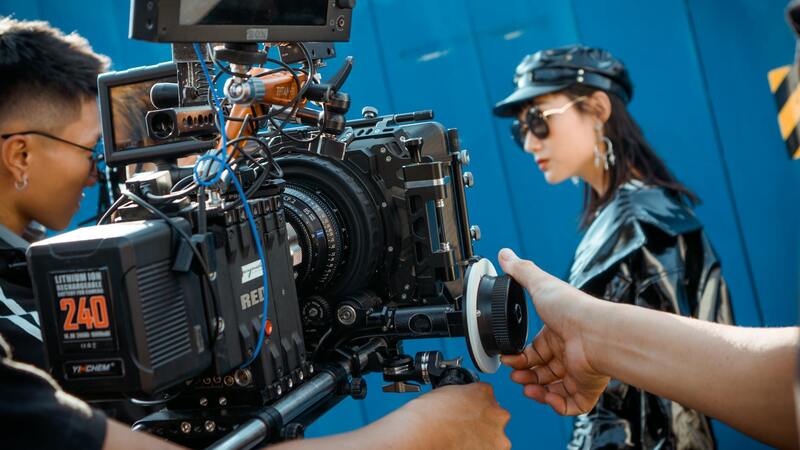
Never underestimate the value of pre-visualization. Creating a shot list and marking key points of interest ensures comprehensive coverage of your scene, allowing for better composition and timing during the shoot. Buffer intervals for longer captures should be carefully calculated to balance storage capacity with the desired level of detail and scene duration.