
Understanding Construction Time Lapse Services
Construction time lapse services have become an essential tool within the construction industry for documenting and showcasing the progression of building projects over an extended period. These services utilize specialized cameras and recording equipment to capture high-resolution images or videos at predetermined intervals, creating a cohesive visual narrative of the construction process. The resulting footage condenses months or even years of work into a concise, compelling video that illustrates project milestones, phases, and overall progress.
Typically, these services are employed from the initial groundwork through to the final phases, providing stakeholders with a clear visual record. This continuous documentation assists project managers, clients, and marketing teams in several ways. It aids in internal project tracking, enhances transparency with investors, and serves as a potent promotional tool to attract future clients by highlighting the scale, complexity, and efficiency of construction endeavors. Moreover, time lapse videos can be instrumental in resolving disputes by providing factual visual evidence of work completed at specific times, thereby supporting project claims or clarifications.
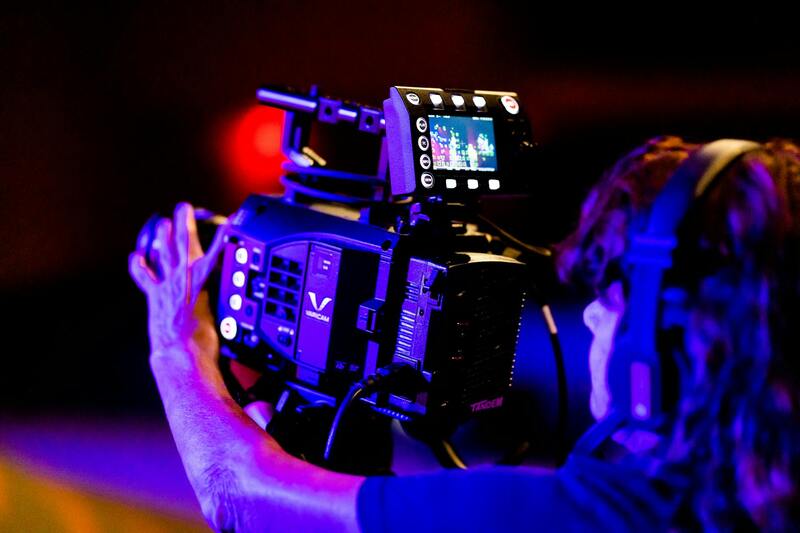
Implementing a construction time lapse service requires a strategic approach to ensure comprehensive coverage and desired outcomes. Proper planning involves selecting suitable camera locations, determining intervals for image capture, and coordinating with onsite teams to minimize disruptions. The technology used typically includes high-resolution cameras capable of operating in diverse weather conditions, with features such as remote control, motion detection, and night vision to ensure continuous recording. The ability to remotely access and control the camera settings allows for flexible management and the ability to adapt to unforeseen circumstances or project changes.
As part of the project planning process, a detailed timeline and shot list are devised to focus on key moments and elements vital to project documentation. The commencement of recording is synchronized with construction schedules, ensuring that critical phases are captured. The equipment is often mounted at strategic vantage points to achieve optimal angles and coverage of the construction site while ensuring safety and stability.
Investing in a reliable construction time lapse service not only provides a comprehensive visual record but also enhances overall project management efficiency, making it a valuable asset for modern construction projects. As the industry continues to evolve, integrating high-quality visual documentation through time lapse videos becomes crucial for demonstrating progress, promoting transparency, and elevating project presentation standards.
Technologies and Equipment for Time Lapse Recording
When selecting technology for construction time lapse recording, the focus is on durability, precision, and adaptability. High-performance cameras are essential to capture detailed visuals over extended periods, often spanning months or even years. These devices are weatherproof, capable of functioning reliably in diverse environmental conditions, including extreme heat, heavy rain, or high humidity—common on construction sites.
The advanced features of these cameras include remote control capabilities, enabling operators to adjust settings, start or pause recordings, and troubleshoot issues from a dedicated control station or via remote devices. Motion detection technology allows the camera to automatically activate when movement is detected in its field of view, preserving storage space and optimizing the recording process. Night vision capabilities are also crucial for 24/7 recording, ensuring continuity during nighttime hours or low-light conditions.
In addition to cameras, auxiliary equipment significantly enhances the quality and coverage of time lapse recordings. Pan-tilt-zoom (PTZ) mounts enable dynamic coverage of different angles, providing comprehensive views of the construction site. Power solutions such as solar panels and long-lasting batteries support uninterrupted recording, reducing the need for frequent maintenance or intervention.
Integration of cloud-based storage systems allows for secure and remote access to video footage, facilitating real-time monitoring and rapid sharing with stakeholders. Modern setups often include high-resolution imaging, ensuring every detail is captured for precise documentation and later review. As technology advances, features such as 4K recording, image stabilization, and automated focus improve the clarity and usability of footage, making the captured content a powerful asset for project analysis and reporting.
Planning and Setting Up a Construction Time Lapse Project
Effective planning forms the foundation for successful construction time lapse documentation. It begins with selecting strategic camera locations that offer unobstructed views while maintaining safety and stability. Site surveys are conducted to identify vantage points that best capture key construction phases without interfering with ongoing work or risking equipment damage.
A detailed shot list is developed, specifying critical milestones and moments that need recording. This ensures the footage emphasizes significant activities, such as structural completions, facade installations, or major equipment moves. The capture interval is determined based on project pace—ranging from every few minutes during active phases to daily or weekly shots during slower periods.
Coordination with onsite teams minimizes disruptions. Clear communication regarding camera setup, access points, and maintenance schedules ensures seamless operation. The installation process involves mounting cameras securely on sturdy structures or dedicated mounts, with consideration for future access for troubleshooting or adjustments.
Once configured, the system is tested extensively to verify connectivity, image quality, and coverage angles. Regular reviews and maintenance scheduling are established to keep the recording process smooth. Incorporating redundancy measures, such as backup power supplies and data storage, ensures the video collection continues uninterrupted amidst unforeseen issues.
Technologies and Equipment for Time Lapse Recording
Creating compelling construction time lapse videos requires the deployment of advanced technologies and equipment designed specifically for dynamic and often challenging site environments. Modern time lapse setups in Miami benefit from specialized cameras capable of operating in diverse lighting conditions, from the intense sun to occasional rain, ensuring consistent footage regardless of weather variability. High-resolution DSLR and mirrorless cameras are frequently used, offering excellent image quality and flexibility for detailed post-production work. These cameras are often mounted on sturdy, weatherproof enclosures to protect against environmental elements.
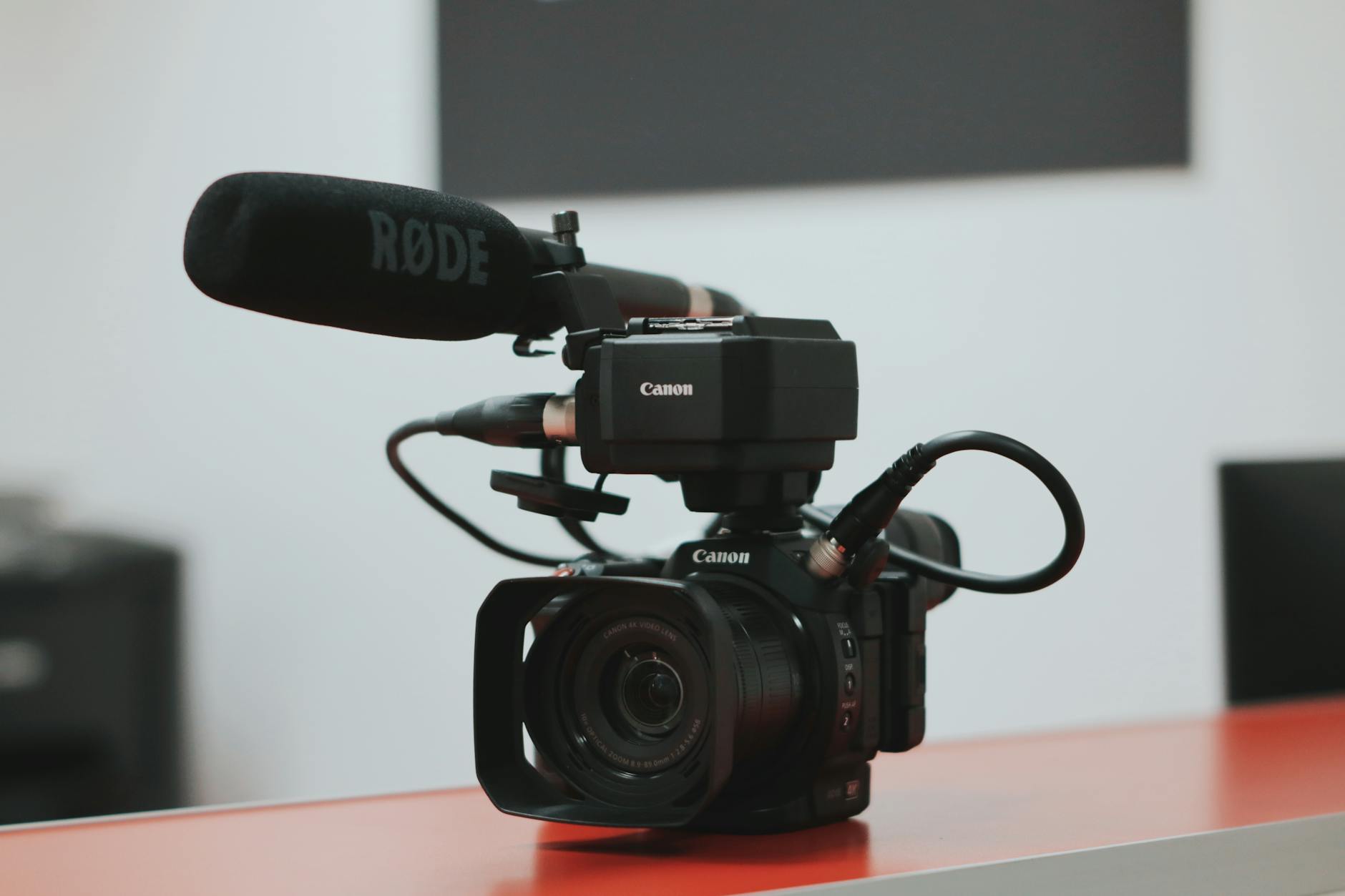
Stabilization tools, such as motorized gimbals and vibration dampers, are employed to prevent shaky footage caused by slight movements or vibrations, especially when cameras are mounted on scaffolding or temporary structures. The integration of ultra-wide-angle lenses enhances coverage, capturing expansive views of the construction site while maintaining sharpness across the frame.
To ensure uninterrupted recording, continuous power supplies and redundant data storage solutions are critical. Solar-powered or battery-backed systems are increasingly favored for their independence from external power sources. Automated data transfer systems, such as remote cloud uploads or high-capacity SD cards, safeguard footage and facilitate real-time access for project monitoring teams.
Specialized software platforms may be used in conjunction with the camera hardware to automate capture intervals, adjust exposure settings based on changing lighting conditions, and streamline the editing process. Real-time image preview and remote control capabilities allow operators to perform adjustments as needed without physical site visits, ensuring optimal footage quality.
Moreover, with the advancement of drone technology, aerial shots captured via remote-controlled drones provide additional perspectives, augmenting ground-based time lapse footage. These aerial views are particularly useful for illustrating the overall progress of large-scale projects, showcasing the transformation of the site from inception to completion.
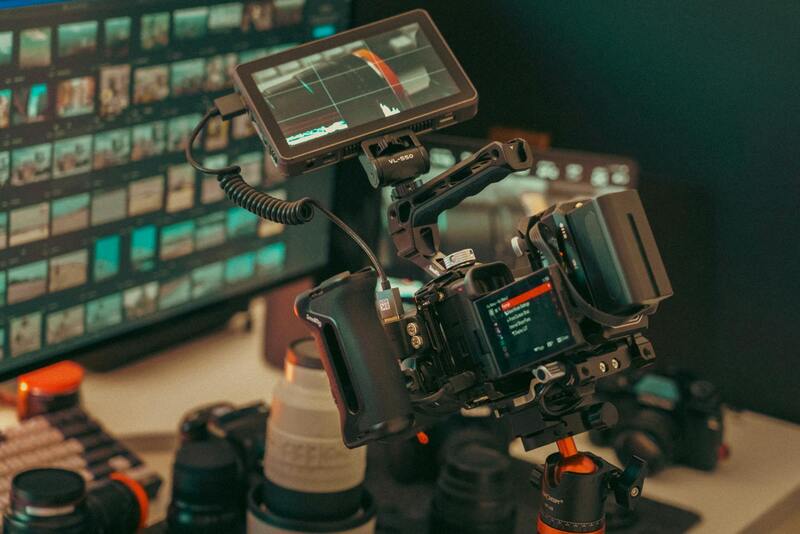
In summary, state-of-the-art camera equipment combined with stabilization tools, power management solutions, and sophisticated software contribute to producing high-quality, reliable construction time lapse videos. These technologies ensure that project timelines are documented accurately and dynamically, offering valuable insights for project managers, stakeholders, and marketing teams. Employing the right combination of hardware and software not only captures current progress but also creates engaging visual narratives that highlight the project's milestones and overall development.
Legal and Safety Considerations in Miami Construction Sites
Implementing a construction time lapse service in Miami requires meticulous attention to legal and safety protocols to ensure compliance and safeguard all personnel involved. Adherence to city ordinances and construction regulations is essential, particularly when installing equipment on public or private property. Permission from relevant authorities is often necessary to set up cameras or other recording devices in public view, especially if the site overlaps with pedestrian or vehicular pathways.
Safeguarding the construction site during the installation and operation of time lapse equipment is paramount. Proper safety barriers, warning signage, and secure mounting of cameras can prevent accidents and unauthorized access. It is vital to coordinate with site managers and safety officers to schedule installation during periods of low activity, minimizing disruption and risks.
Moreover, vigilance is needed to prevent interference with ongoing construction activities. Cameras should be positioned thoughtfully to avoid obstructing machinery, work zones, or emergency exits. In environments with heavy machinery or hazardous materials, portable or remotely operated equipment is preferable to reduce physical presence on-site.
Data privacy and protection also merit consideration. When capturing footage that includes surrounding neighborhoods or public spaces, ensuring that privacy rights are respected and that recordings do not inadvertently infringe on individuals’ privacy is critical. Proper data management practices, including secure storage and restricted access, help maintain confidentiality and prevent misuse.
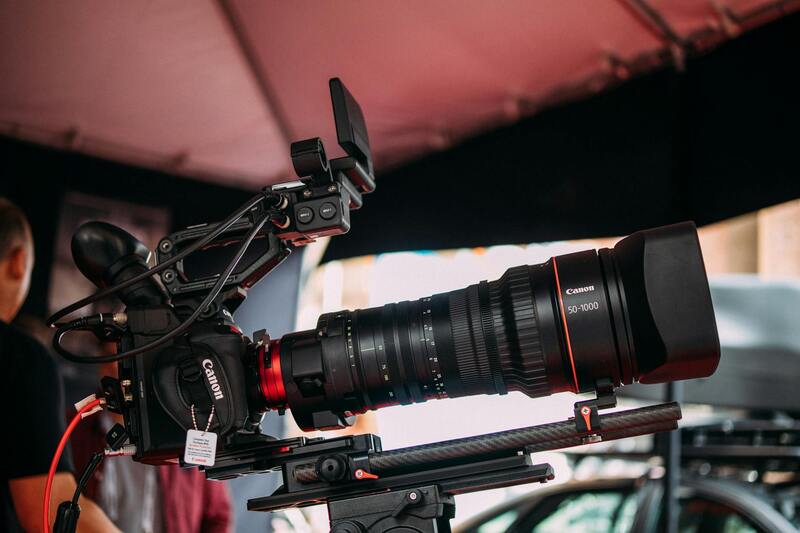
Effective communication with all stakeholders is a cornerstone of safe deployment. Informing construction crews, security teams, and local authorities about camera setup plans ensures everyone is aware of recording activities. This collaboration helps coordinate response protocols in case of emergencies or emergencies involving equipment.
Lastly, continuous monitoring during the filming process helps identify and address potential safety hazards promptly. Routine inspections ensure that equipment remains properly secured and functioning as intended, preventing accidents and ensuring the uninterrupted collection of valuable footage. Addressing these considerations proactively not only maintains compliance but also fosters a culture of safety within the construction environment, producing high-quality time lapse videos that effectively document project milestones while respecting legal and safety standards.
Planning and Setting Up a Construction Time Lapse Project
Effective planning forms the backbone of a successful construction time lapse service. Start by defining clear project goals and determining the key milestones that need to be documented. Establishing these objectives allows for selecting appropriate camera positions and recording schedules that will best capture the progression of construction activities.
Site assessment is a critical step in planning. Conduct a thorough survey of the construction area to identify optimal camera angles, considering factors such as lighting conditions, potential obstructions, and safety zones. It's essential to position cameras where they can record consistently throughout the project duration, avoiding areas prone to damage or interference.
Choosing the right equipment is vital for producing high-quality footage. Consider whether a fixed or movable camera system best fits the site's dynamics. Fixed cameras offer consistent angles for time lapse continuity, whereas movable systems can provide diverse perspectives. Using weatherproof and rugged housings ensures durability against elements like rain, wind, and dust common in construction environments.
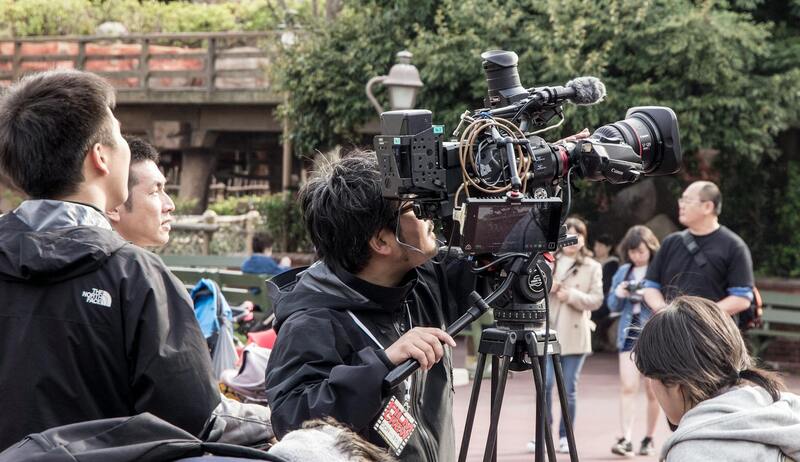
Prior to installation, coordinate with all stakeholders, including site managers and safety personnel, to prevent disruptions and ensure compliance with safety protocols. Establishing a detailed setup plan — covering camera mounting locations, power sources, data storage solutions, and access points — streamlines deployment and minimizes future adjustments.
Timing is another crucial element in setup. Scheduling recordings during key construction phases maximizes the impact of the time lapse video, highlighting critical milestones and progress. Additionally, determine the frequency of image capture, ranging from hourly to daily, depending on the project scope and duration. This scheduling ensures a balance between data volume and capturing meaningful progression.
Moreover, setting up remote monitoring capabilities allows real-time oversight of the recording process. This ensures ongoing footage collection without the need for constant physical presence, preserving site safety and operational efficiency. Proper calibration and regular maintenance of camera equipment are necessary to uphold footage quality and avoid data loss during extended recording periods.
Implement security measures, such as locking camera enclosures and employing secure data transmission channels, to protect the recorded footage from tampering or theft. Documenting the entire setup process guarantees clarity in operation parameters and facilitates future adjustments or project reviews.
Implementing Secure Data Storage and Management
Accurate and organized data storage is fundamental for effective construction time lapse projects. Robust data management systems ensure that high-resolution images captured over extended periods are stored securely, easily retrievable, and systematically organized according to project milestones or timeframes. Employing cloud-based storage solutions that utilize encryption adds an extra layer of security, safeguarding footage from unauthorized access or data corruption. Regular backups should be scheduled to prevent data loss due to hardware failure or other unforeseen issues, and verification procedures should be implemented to confirm the integrity of stored footage.
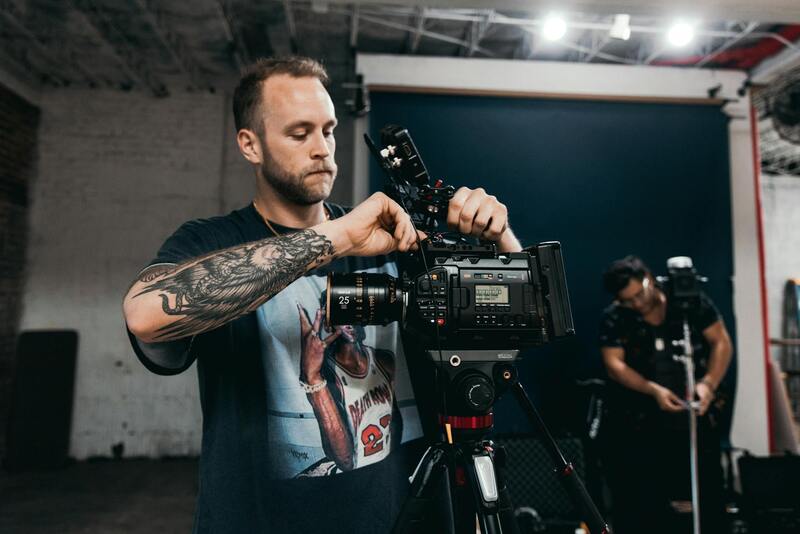
Maintaining Camera Equipment and Ensuring Continuous Operation
Proactive maintenance of recording equipment is necessary to preserve the quality and consistency of the footage. Regular calibration checks, lens cleaning, and software updates guarantee optimal performance, especially during long-term shoots. Implementing remote diagnostics allows technicians to identify and resolve issues swiftly, minimizing downtime. For construction sites in Miami, which may experience variable weather conditions, selecting weatherproof and durable camera enclosures is vital to protect sensitive equipment from dust, moisture, and temperature fluctuations. Power supply considerations, such as using uninterruptible power supplies (UPS) or solar panels, help maintain continuous recording, even during power outages.
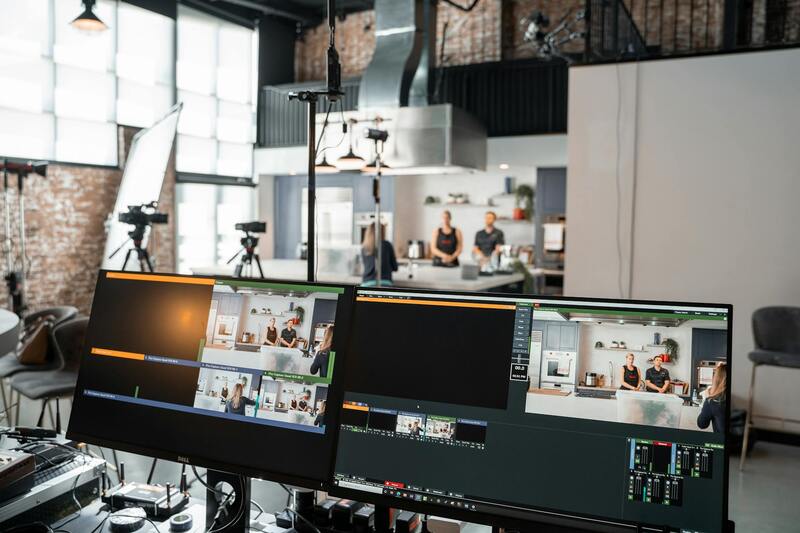
Incorporating Proper Camera Placement and Angles
The strategic positioning of cameras influences the clarity and comprehensiveness of the final time lapse video. Opt for high vantage points that encompass the entire construction site or focus on specific areas of interest such as new structural developments or intricate fabrication processes. Mounting cameras on stable structures or dedicated towers minimizes vibrations and enhances image stability. During planning, consider access points for servicing or replacing equipment, as well as potential obstructions or environmental factors that could impede continuous recording. By thoughtfully designing camera angles and positions, project managers can ensure their videos effectively document progress and highlight key construction milestones.
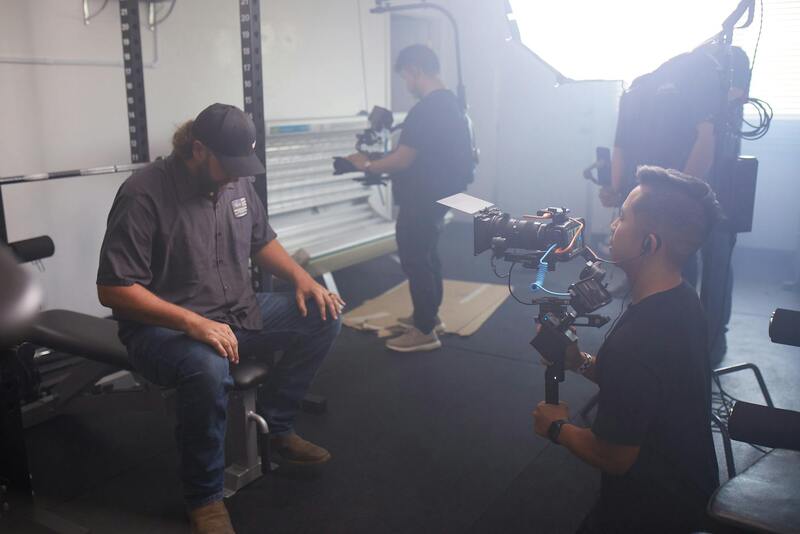
Establishing a Protocol for Ongoing Monitoring and Adjustments
Continual supervision of the recording setup helps identify and remediate issues promptly, maintaining footage quality throughout the construction process. Implementing remote monitoring systems allows for real-time oversight, enabling operators to verify camera functionality and data transmission without frequent site visits. Periodic adjustments may be necessary to accommodate changes in construction phases, site conditions, or personnel. Flexibility in the setup protocol facilitates capturing all critical activities, and documenting these procedures ensures consistency and effective collaboration among teams. This strategic oversight directly contributes to creating a comprehensive and impactful time lapse story of the project’s evolution.
Choosing a Construction Time Lapse Service Provider in Miami
Assessing Experience and Portfolio
When selecting a construction time lapse service provider in Miami, evaluating their experience within the local construction industry is crucial. A provider’s portfolio offers tangible evidence of their expertise and versatility in different project types, from residential high-rises to commercial developments. Reviewing previous projects can reveal the quality of their footage, their ability to adapt to complex worksites, and their proficiency with advanced filming techniques. An experienced provider often demonstrates familiarity with Miami's unique environmental conditions, such as high humidity, intense sunlight, and urban infrastructure challenges, ensuring consistent recording quality regardless of the site's specific characteristics.
Technological Capabilities and Equipment
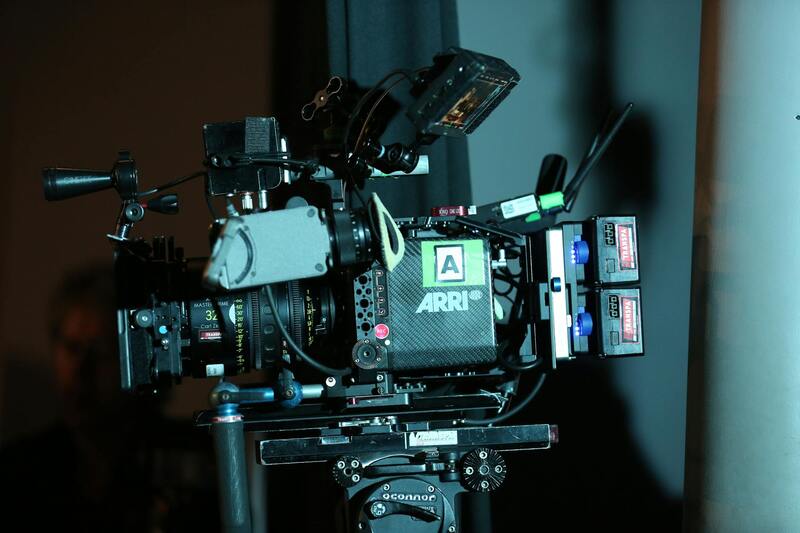
The core of a reliable construction time lapse service lies in the technology and equipment employed. Top-tier providers utilize high-resolution cameras with weather-resistant enclosures suitable for outdoor use, capable of withstanding Miami’s climate conditions. Advanced cameras often feature remote operation capabilities, time-controlled shooting schedules, and high-grade stabilization systems to ensure smooth footage. Furthermore, they incorporate cloud-based data management systems, facilitating real-time access to footage, seamless backups, and remote troubleshooting. Providers should also be adept at deploying drone technology for capturing dynamic overhead shots that complement stationary camera footage, offering comprehensive visual documentation of the project’s progression.
Service Support and Maintenance
Reliable customer support and maintenance services are vital during a long-term construction project. The chosen provider should offer ongoing technical support, routine equipment checks, and prompt solutions for any malfunctions that might arise. Regular maintenance ensures uninterrupted recording and prevents data loss, which can be critical for ensuring the continuity of the project documentation. Additionally, providers with local support teams can respond swiftly to site-specific issues, minimizing delays and maintaining high-quality footage collection throughout every construction phase.
Customization and Flexibility
Every construction project possesses unique requirements, and the most effective time lapse providers offer tailored solutions. They may customize camera angles, recording schedules, and intervals based on project milestones or site-specific factors. Flexibility also includes adjusting the scope of coverage, whether focusing on particular structural elements, interior developments, or overall site progress. A provider capable of adapting to changing project needs ensures the resulting footage perfectly aligns with management, marketing, or reporting objectives, delivering maximum value from the service.
Cost and Contract Terms
Cost-effectiveness combined with transparent contract terms is essential when selecting a Miami-based provider. Detailed proposals should clarify the scope of services, equipment rental or purchase costs, footage delivery timelines, and post-production services. Comparing quotes from multiple providers helps identify the best balance between affordability and quality. Additionally, understanding contractual obligations regarding project duration, data ownership, and confidentiality ensures a smooth collaboration throughout the construction timeline.
Environmental and Site-Specific Considerations
Miami’s urban landscape and environmental factors influence camera placement and maintenance strategies. A qualified provider considers access points for equipment installation and servicing, evacuation procedures during adverse weather, and potential obstructions caused by existing structures or future site development. They should also implement protective measures against rain, UV exposure, and high temperatures, safeguarding sensitive equipment against weather-related damage. Addressing these factors proactively results in uninterrupted recording and high-quality footage that accurately reflects the project's progression despite environmental challenges.
Effective Use of Construction Time Lapse Content for Marketing and Documentation
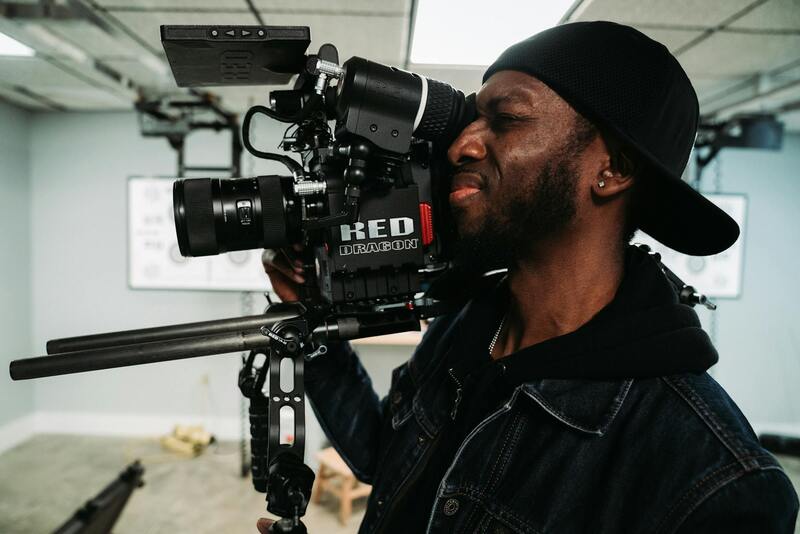
Construction time lapse videos serve as powerful tools for showcasing project milestones, demonstrating transparency, and enhancing stakeholder engagement. Professionally produced footage captures the progression of construction phases, offering a compelling visual narrative that can be leveraged across various channels. High-quality videos are particularly valuable for marketing purposes, providing dynamic content that highlights the scale and complexity of your projects to potential clients, investors, and partners.
Moreover, time lapse videos serve as significant documentation assets. They provide precise visual records that track construction progress, facilitate project audits, and support claims related to timelines and deliverables. These visual documentation tools are indispensable for resolving disputes, verifying compliance with specifications, and providing detailed references during project reviews.

Strategies to Maximize the Impact of Time Lapse Content
- Consistent Branding: Incorporate project branding elements to increase recognition and reinforce brand identity in marketing materials.
- Regular Updates: Schedule regular captures to produce ongoing progress videos, keeping stakeholders informed and engaged throughout the construction period.
- Distribution Channels: Share content across company websites, social media platforms, and client portals to broaden reach and promote transparency.
- Educational and Training Uses: Utilize time lapse footage for training new employees or demonstrating construction processes to future clients.
Legal and Ethical Aspects of Publishing Construction Footage
When leveraging construction videos for promotional or documentation purposes, it is crucial to adhere to rights management and privacy standards. Ensuring that all footage is captured with proper authorization and that sensitive information or proprietary site details are protected is key. Additionally, obtaining necessary permissions from site stakeholders before publishing footage mitigates potential disputes and maintains professional integrity.
Conclusion
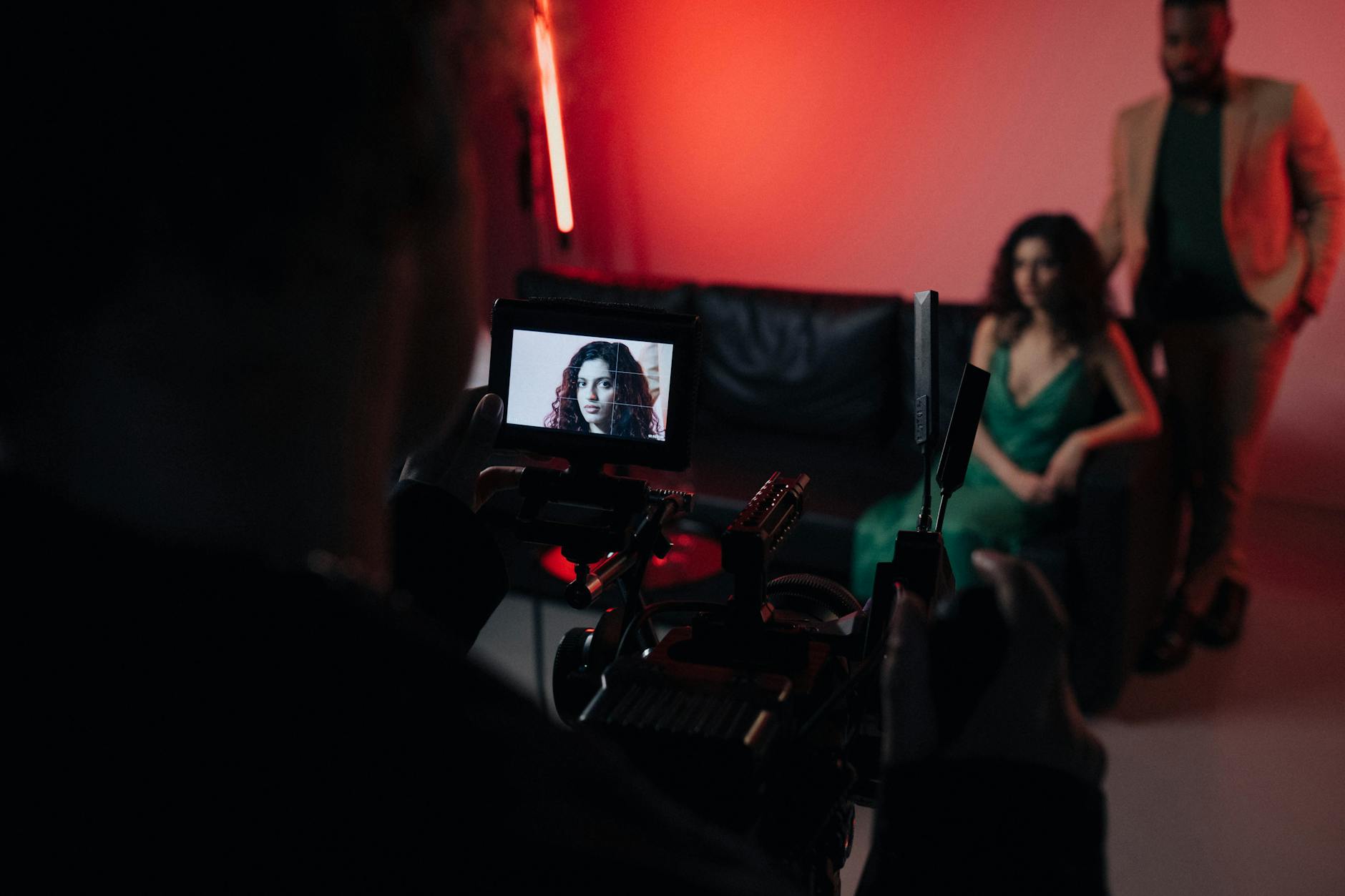
Implementing a structured approach to capturing, producing, and deploying construction time lapse videos maximizes their potential as marketing and documentation tools. By focusing on quality production, strategic distribution, and adherence to ethical practices, construction companies in Miami can significantly enhance their project communication, showcase their expertise, and maintain comprehensive visual records that support project management and future business development efforts.