
Understanding Time Lapse Video Services
Time lapse video services involve capturing sequences of images over a predetermined period and then compiling these frames into a condensed video that demonstrates changes occurring over time. This technique transforms hours, days, or even months of real-world activity into a few minutes of visually compelling footage. The resulting videos are highly effective for showcasing processes, progressions, or transformations in a succinct and engaging way.
Creating a time lapse video begins with meticulous planning. Professional videographers set up specialized equipment, such as high-quality cameras with programmable intervalometers, to ensure consistent image capture. These devices are calibrated to take photographs at specific intervals, whether every second, minute, or hour, depending on the subject and desired outcome.
Once the images are collected, they are imported into editing software where they are sequenced in order, adjusted for color and exposure, and sometimes stabilized to ensure smooth playback. The final step involves rendering the images into a cohesive video at desired frame rates, typically 24 to 30 frames per second, which produces a seamless visual narrative.
Time lapse videos have broad applications across various industries. In real estate, they highlight the progress of construction projects or renovations, offering potential clients a compelling visual story. In the events and entertainment sectors, they capture the setup or transformation of venues, providing a behind-the-scenes perspective. Additionally, in urban planning and architecture, time lapse videos serve as powerful tools to document city development or infrastructure projects over time.
Applications of Time Lapse Videos in Miami
Miami serves as a vibrant hub for diverse industries that leverage time lapse videos to enhance their visual storytelling and project documentation. In real estate, developers utilize time lapse footage to showcase the progression of property construction or renovations, providing potential buyers and investors with a dynamic overview of project milestones. The fast-paced growth of Miami’s skyline and neighborhoods makes these videos particularly effective in demonstrating development timelines and infrastructure advancements.
Construction companies in Miami benefit significantly from professional time lapse services to monitor site progress, improve project management, and facilitate stakeholder communication. These videos serve as a comprehensive record of construction phases, helping teams identify issues early and maintain schedules.
The events industry in Miami also relies heavily on time lapse content. From large festivals and concerts to corporate functions and city celebrations, capturing the transformation of venues or outdoor spaces offers engaging visual narratives for marketing and archival purposes.
Real estate agencies and property developers in Miami use time lapse videos to highlight the exterior and interior buildouts of luxury condos, commercial spaces, and residential communities. Such footage helps create compelling marketing materials that attract buyers and renters by providing a dynamic perspective of the property’s development.
Furthermore, urban planners and city officials utilize time lapse videos to document urban development projects, infrastructure upgrades, and environmental changes across Miami’s diverse neighborhoods. These visual tools support community engagement efforts and public awareness campaigns, illustrating progress over weeks or months in a concise format.
Overall, the strategic use of time lapse videos in Miami enhances transparency, showcases development efforts, and provides engaging content to a broad audience, reinforcing the city’s image as a dynamic urban landscape.
Understanding Time Lapse Video Services
Time lapse video services involve the specialized process of capturing sequences of images over extended periods and then compiling them into a condensed, visually engaging video. This technique allows viewers to observe changes, progress, or transformations that occur gradually over time, all within a short video format. Professional providers utilize advanced equipment, precise planning, and expert editing to deliver high-quality results that effectively communicate a narrative or highlight a process.
These services are not limited to simple recording; they encompass meticulous planning and execution, including selecting optimal camera settings, ensuring stable mounting, and scheduling shooting intervals that suit the project's timeline. Post-production involves color correction, stabilization, and sometimes adding informational graphics or voiceovers to enhance storytelling. The end product serves various purposes, from documenting construction phases to showcasing event logistics or urban development projects.
By leveraging cutting-edge technology, including high-resolution cameras and remote monitoring, professional time lapse video services can capture intricate details and maintain consistency throughout long-term projects. This results in compelling visual content that can be used across multiple platforms, aiding in project documentation, marketing, and stakeholder engagement.
Investing in professional services guarantees that the footage remains stable and clear regardless of weather or lighting conditions, thanks to equipment like weatherproof cameras, remote monitoring systems, and automated intervalometers. These tools allow for flexible shooting schedules, ensuring that the visuals accurately reflect the passage of time without unnecessary interruption, even in challenging environments.
Applications of Time Lapse Videos in Miami
The vibrant cityscape of Miami presents diverse opportunities for time lapse video applications, spanning construction, events, real estate, urban development, and city planning. These videos serve as powerful communication tools, showcasing ongoing projects, cultural events, or urban changes in a dynamic format that captures attention and informs audiences effectively.
Construction companies and developers in Miami utilize time lapse videos for progress tracking, quality assurance, and stakeholder reporting. These visual summaries provide transparent insights into project milestones, potential delays, or creative developments that need attention, facilitating better decision-making.
The event industry in Miami leverages time lapse footage to document festivals, concerts, and public celebrations, transforming fleeting moments into captivating stories that resonate on social media and promotional campaigns. Additionally, real estate professionals use these videos to bring prospective buyers’ attention to the physical evolution of developments like luxury condominiums or commercial complexes, emphasizing rapid construction phases or aesthetic transformations.
Urban planners and officials employ time lapse content to illustrate the impact of infrastructure projects, environmental initiatives, and city beautification efforts. Such visuals are instrumental in engaging communities, illustrating growth trajectories, and fostering transparency in public projects.
These applications underscore the value of strategic visual storytelling in Miami’s multifaceted landscape. Time lapse videos create an enduring record of dynamic changes, supporting marketing efforts, community engagement, and project management across the city’s diverse sectors.
Technical Aspects of Time Lapse Video Production
Producing high-quality time lapse videos requires meticulous technical planning and execution. One of the most critical factors is selecting the appropriate equipment, which includes high-resolution cameras capable of capturing detailed images over extended periods. Professionals often utilize DSLRs or mirrorless cameras equipped with intervalometers or programmable interval timers to automate the image capture process. This automation ensures consistent timing, enabling the creation of smooth and seamless footage.
Lighting conditions play a vital role in the final output. Skilled videographers analyze the project environment to adjust camera settings accordingly—balancing exposure, white balance, and focus—so that each frame maintains clarity and color accuracy. In outdoor Miami shoots, managing natural light variations and weather changes is essential, often necessitating the use of filters or protective gear for equipment.
Stability is another key factor; tripods or specialized mounts help keep the camera steady over long periods, preventing jitter or shaky footage. For scenes with considerable movement or when capturing vast cityscapes, more advanced stabilization gear or drone-mounted cameras might be employed to achieve comprehensive coverage from different angles.
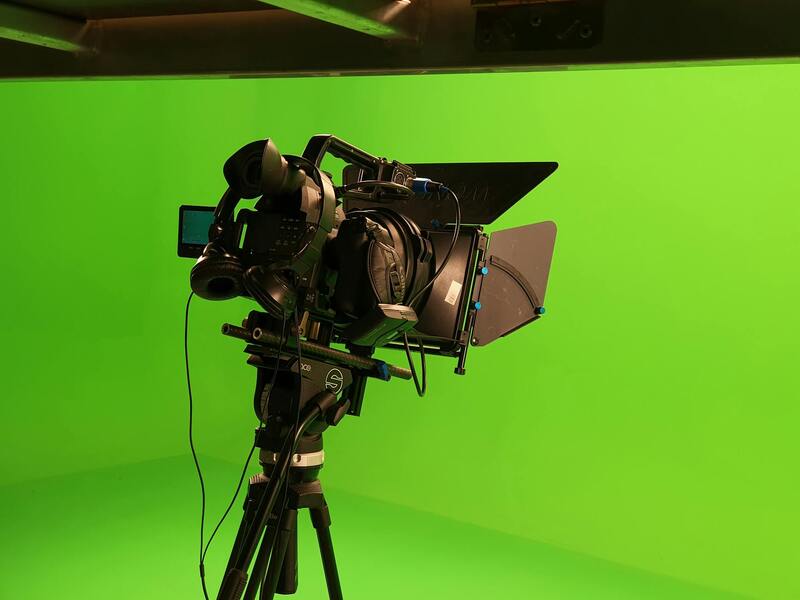
Data management and storage are also crucial. Time lapse projects generate large volumes of images, requiring ample storage solutions and effective backup systems. High-capacity drives or cloud storage options are commonly used to safeguard the footage during the editing process.
Post-production involves assembling the captured images into a cohesive video sequence, which necessitates expertise in editing software like Adobe Premiere Pro or After Effects. Skilled editors adjust the frame rate to balance smoothness and visual impact, incorporate transitions if necessary, and add color grading or effects to enhance the storyline. Audio elements, such as background music or narration, may also be integrated to elevate the overall presentation.
Synchronization between the visuals and audio, along with precise editing, ensures that the final product accurately conveys the intended message or story. Given the complex technical demands involved, hiring professionals with experience in time lapse video production guarantees a polished, impactful outcome that aligns with project goals.
Technical Aspects of Time Lapse Video Production
When engaging with professional time lapse video services, understanding the technical elements involved can significantly impact the quality of the final product. Precise camera setup, interval selection, and stabilization are critical components that influence the clarity, smoothness, and overall visual appeal of the footage.
Firstly, choosing the correct camera configuration is paramount. High-resolution DSLR or mirrorless cameras are preferred due to their ability to capture sharp images consistently over extended periods. These cameras are often equipped with intervalometers, remote timers, or software to automate the capture process, ensuring consistent frame intervals that accurately represent the desired passage of time.
Interval selection depends on the scene and the duration of the desired sequence. For scenes with rapid changes, such as bustling city streets or rapidly changing weather, shorter intervals—ranging from one to five seconds—are ideal. Conversely, for long-term projects capturing slow transformations like construction progress or seasonal changes, intervals may extend to several minutes. The total number of images collected directly influences the final video's frame rate and perceived motion fluidity.
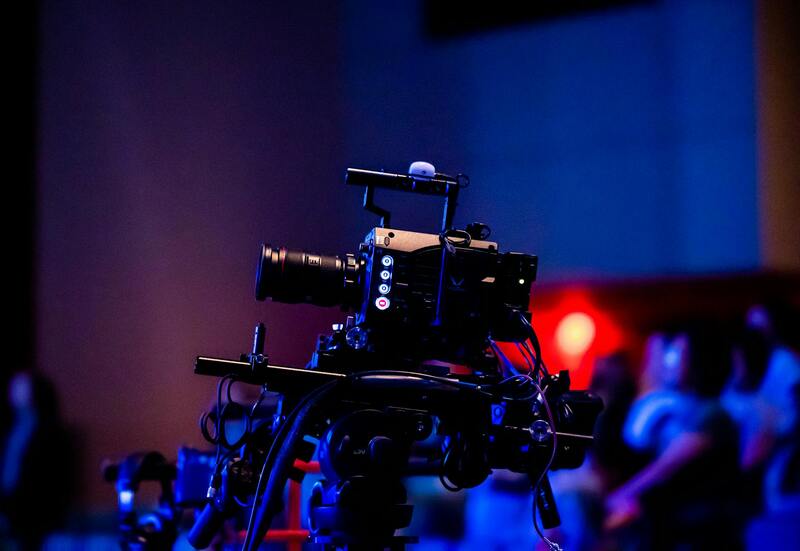
Stabilization techniques are pivotal in producing smooth visual sequences. Utilizing sturdy tripod mounts, gimbals, or motorized sliders minimizes camera shakes, especially during lengthy shoots. For outdoor scenes, weather-resistant enclosures safeguard the equipment without compromising image quality. When capturing expansive cityscapes or dynamic events, employing drone-mounted cameras can offer unique perspectives while maintaining stability from different angles.
Data management also plays a crucial role. Large volumes of images are generated during time lapse recording, necessitating robust storage solutions like high-capacity external drives or cloud storage. Efficient backup systems prevent data loss, facilitating seamless editing workflows.
Post-production combines these raw images into a cohesive video. Technicians utilize advanced editing software—such as Adobe After Effects or Premiere Pro—to assemble the images, adjust frame rates for optimal motion (commonly between 24 to 30 frames per second), and apply color grading or visual effects. This process transforms a series of still images into a compelling visual narrative. Incorporating audio elements—such as background music or voiceovers—can enhance viewer engagement and better convey the intended message.
Overall, the technical fidelity of a time lapse project hinges on meticulous planning and execution. Hiring skilled professionals who comprehensively understand camera operation, stabilization, data management, and editing ensures the deliverance of polished, impactful videos that meet diverse project objectives.
Technical Aspects of Time Lapse Video Production
Producing high-quality time lapse videos involves several intricate technical components that require meticulous planning and expertise. A well-executed time lapse video captures the essence of a scene's transformation over time, whether it’s a bustling cityscape, a construction project, or a natural phenomenon. Achieving this involves understanding the nuances of camera operation, equipment stability, and data management, all harmonized by experienced professionals to create visually compelling narratives.
At the core of quality time lapse production is the selection of appropriate camera equipment. Although consumer-grade cameras can be utilized for simple projects, professional-grade digital cameras with advanced settings and capabilities are essential for capturing high-resolution images consistently over long periods. These cameras are typically set to interval shooting mode, allowing them to take photos at predetermined intervals—ranging from seconds to minutes—ensuring seamless progression of frames that will be compiled into the final video.
Stability is crucial in time lapse cinematography. Any unwanted movement or camera shake can result in a jarring visual effect. Professional setups often involve tripods, gimbals, or motorized sliders that offer smooth panning and tilting movements. For outdoor shoots, weather-resistant enclosures protect sensitive equipment from environmental elements such as rain, wind, or dust, ensuring uninterrupted operation. When dynamic scenes or expansive cityscapes are involved, drone-mounted cameras can provide unique aerial perspectives, capturing dramatic overhead shots while maintaining stability through advanced stabilization systems.
Data management is another vital aspect. During extensive shooting periods, large volumes of images are generated. Efficient storage solutions, like high-capacity external drives or cloud-based systems, facilitate seamless data transfer and backup. Proper data handling not only safeguards the raw footage but also streamlines the post-production workflow, reducing delays and ensuring consistent quality.
Post-production is where raw images are transformed into a captivating video. Editors use sophisticated software such as Adobe After Effects or Premiere Pro to assemble the image sequence, fine-tune frame rates—often between 24 and 30 frames per second—to create fluid motion, and perform color grading to enhance visual appeal. Strategically adding transitions, titles, and visual effects can also elevate the storytelling impact. For projects that benefit from an auditory component, background music or voiceovers are incorporated to engage viewers more deeply and enhance the narrative experience.
Attention to detail during each phase of production— from initial planning through to editing—determines the overall quality of the final product. Skilled technicians with comprehensive knowledge of camera settings, stabilization techniques, data management, and editing workflows are essential for delivering polished, professional results. Their expertise ensures that time lapse videos not only look impressive but also serve their intended purpose, whether for marketing, documentation, or artistic expression.
Technical Aspects of Time Lapse Video Production
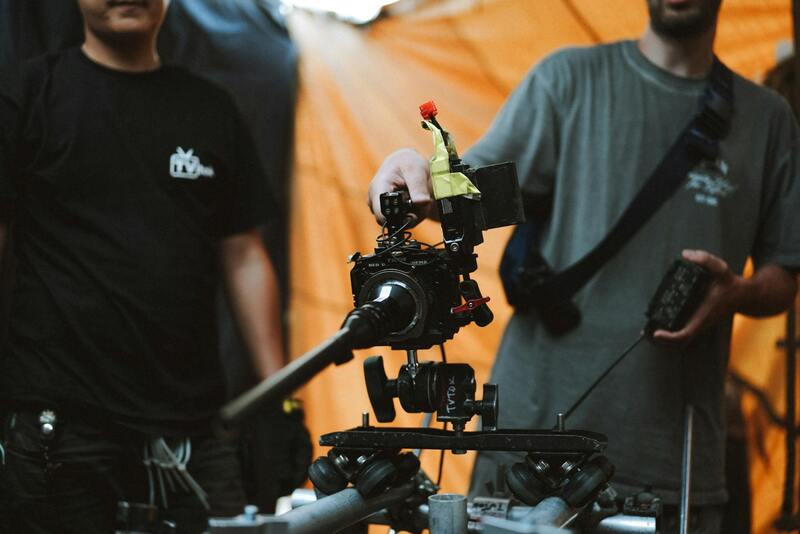
Creating high-quality time lapse videos involves a comprehensive understanding of various technical components that work together to produce a seamless and visually compelling final product. Central to this process is the selection of appropriate camera equipment. Professionals opt for digital single-lens reflex (DSLR) or mirrorless cameras equipped with intervalometers or external intervalometers, which allow precise control over shooting intervals. These intervals typically range from one second to several minutes, depending on the desired speed of the final sequence and the scope of the project.
Proper camera setup is also vital, involving meticulous adjustments of shutter speed, aperture, and ISO settings to ensure consistent exposure throughout the shoot, especially when dealing with changing lighting conditions such as sunrise or sunset. Additionally, stabilization equipment like tripods, gimbals, or drone-mounted gimbals are deployed to prevent unwanted camera movements, guaranteeing sharp imagery across extended shooting durations.
Once the images are captured, the post-production phase begins, requiring sophisticated software solutions that facilitate photo sequencing, stabilization, and editing. Editors meticulously align frames, adjust color grading for visual consistency, and fine-tune frame rates to deliver smooth motion. Frame rates typically condensed to 24 or 30 frames per second provide viewers with a natural viewing experience, while faster sequences enhance the sense of passage of time.
Another crucial technical element is data management. During extensive shooting sessions, enormous volumes of high-resolution images are generated. Professionals utilize high-capacity external drives and cloud-based storage systems for efficient data transfer, backup, and organization, which mitigates potential data loss and streamlines workflow. This organized approach ensures that every shot is accessible during editing, reducing delays and enabling more creative flexibility.
Color correction and grading further heighten the visual storytelling, with editors adjusting hue, contrast, and saturation to evoke specific moods or highlight key subjects. Visual effects and motion graphics can be added to emphasize elements within the scene, and background music or narration might be incorporated to enhance the overall user experience.
Quality control remains a fundamental aspect throughout this process. Professional services employ a combination of calibration tools, expert eye assessments, and software presets to ensure consistency across the project. This meticulous attention to technical detail results in time lapse videos that are not only engaging but also align with client objectives and branding standards.
Finalizing and Delivering Your Time Lapse Video
Once the production process reaches its culmination, professional time lapse video services focus meticulously on the final editing, rendering, and delivery stages to ensure the content meets the highest standards of quality and functionality. This phase involves detailed post-production work which includes color grading, stabilization, and resolution enhancement, all designed to refine the visual narrative and ensure seamless playback across various platforms.
Color grading plays a vital role in establishing the mood and visual coherence of the video. Professionals adjust hue, contrast, and saturation to evoke specific emotions or to highlight particular scenes, ensuring the final output aligns with branding goals or storytelling objectives. Stabilization techniques are also applied to eliminate camera shake or jitters, especially important when filming in dynamic environments or using handheld setups. This process ensures viewers experience smooth, professional-quality visuals that maintain engagement.
Resolution and aspect ratio settings are optimized based on the intended distribution channels. For example, videos designed for social media platforms such as Instagram or TikTok may require different dimensions compared to those used on large display screens or corporate presentations. Rendering in high definition (HD) or 4K ensures that the footage maintains clarity and detail when displayed on high-resolution devices.
Delivering the project involves multiple formats and compression settings suited to the client’s distribution needs. Professionals provide downloadable digital files, streaming links, or physical media such as Blu-ray or USB drives. They also ensure that all files are organized and labeled accurately for easy access and future updates or adaptations.
Quality control remains fundamental at this final juncture. Experienced editors conduct rigorous reviews to identify and rectify any inconsistencies or errors. They verify color accuracy, synchronization of audio (if included), and overall visual appeal. This strict quality assurance process guarantees that the delivered content not only looks polished but also aligns with the original vision and strategic objectives.
In addition to technical perfection, the professional team provides guidance on how best to utilize the completed time lapse video. This includes recommendations for integration into marketing campaigns, social media scheduling, and website embedding to ensure maximum viewer engagement and brand visibility. The comprehensive approach ensures that the investment in time lapse video services results in a compelling, versatile asset that elevates your visual storytelling.