
Understanding Timelapse Videos in Miami
Timelapse videos have gained significant popularity as a powerful visual storytelling tool, particularly in vibrant urban environments like Miami. This technique involves capturing a series of photographs at set intervals over an extended period and then assembling them into a fast-forward video that reveals movement and change in a condensed form. Miami's dynamic cityscape, with its iconic skyline, bustling streets, and vibrant natural scenery, lends itself exceptionally well to this type of visual documentation. The city’s ever-changing light conditions, bustling activity, and diverse architectural landmarks make it an ideal subject for creating engaging timelapse footage that captures the essence of Miami’s energy.
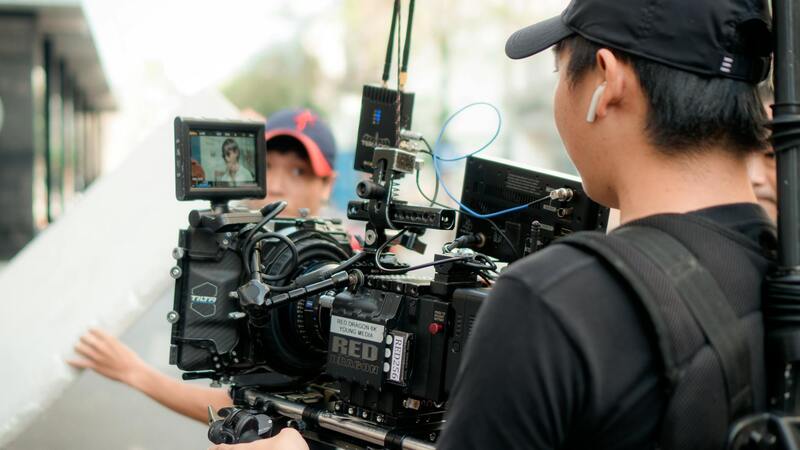
Compared to traditional videography, timelapse offers a unique way to showcase the passage of time, making it especially effective for capturing the city’s transformation during different times of the day or night. Whether highlighting the sunrise over Biscayne Bay, the hustle of South Beach, or the cruise ships docking along the shoreline, timelapse videos serve as a versatile medium that emphasizes motion, change, and the vibrant spirit of Miami.
This format is increasingly utilized by tourism boards, real estate developers, and multimedia artists aiming to present Miami’s rapid development and scenic beauty compellingly. Its popularity stems from its ability to condense hours or days of activity into brief, visually striking clips that engage viewers instantly. For content creators and professional videographers, understanding the fundamentals of crafting high-quality timelapse videos is essential for producing content that not only captures Miami’s scenery accurately but also resonates with a broad audience.
In the context of Miami, employing professional techniques and modern equipment enhances the visual appeal, ensuring that the final footage demonstrates a high level of clarity, stability, and aesthetic composition. The city's vibrant life, juxtaposed with its natural landscapes and iconic architecture, makes Miami an outstanding subject for timelapse videography, providing endless opportunities to create captivating visual narratives that highlight both its urban dynamism and natural beauty.
Understanding Timelapse Videos in Miami
Creating compelling timelapse videos in Miami requires a thorough understanding of the specific techniques and equipment that can capture the city’s dynamic landscape effectively. The vibrancy of Miami, with its ever-changing skyline, bustling streets, and natural scenery, demands precision in planning and execution. A well-executed timelapse not only highlights Miami’s iconic features but also conveys a sense of movement and progression that resonates with viewers. Recognizing the importance of proper framing, camera stability, and exposure adjustments is key to achieving high-quality visuals that showcase the city’s unique character.
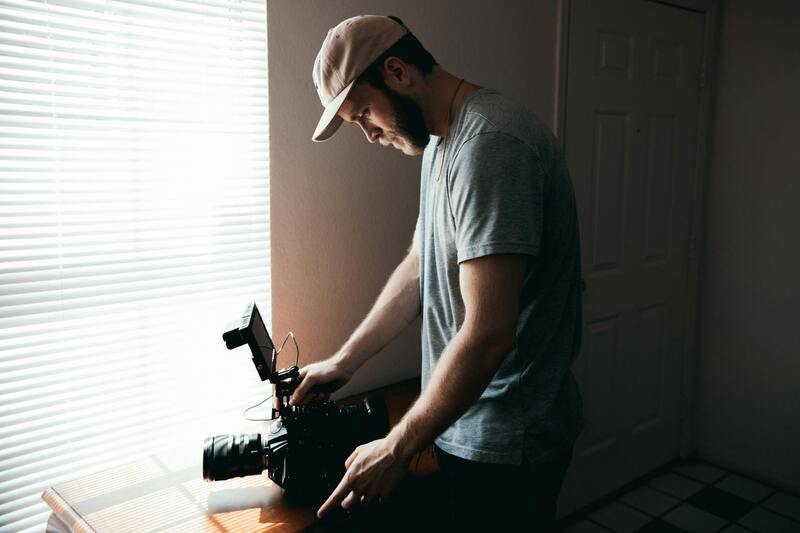
In practice, successful timelapse videography involves selecting appropriate camera settings to accommodate the varying lighting conditions throughout the day. For instance, capturing the city during golden hour can emphasize warm tones and add a cinematic quality, while nighttime sequences require meticulous focus on long exposures and stability to prevent blurring. The use of advanced equipment such as motorized sliders and motorized cameras can facilitate smooth motion, allowing for seamless transitions between different scenes and perspectives. Additionally, strategic planning of shooting intervals ensures that the passage of time is represented accurately, whether highlighting rapid activity or slow, natural changes.
Planning Your Miami Timelapse Shoot
Effective planning is essential for successful timelapse projects in Miami. This begins with selecting unique locations that offer a compelling subject material, such as the vibrant Ocean Drive, the expansive Bayside Marketplace, or the tranquil Miami Beach shoreline. A detailed shot list helps organize the sequence of scenes, ensuring coverage of key landmarks during different times of day for maximum visual impact. It’s important to consider Miami’s weather patterns; clear days are ideal for capturing vivid colors, while overcast conditions can create moody atmospheres that add depth to the footage.
Synchronization with local events and natural phenomena, like the sunset or city-wide festivals, enhances the storytelling potential of the timelapse. Planning also involves choosing the right equipment and settings, including selecting appropriate interval durations—shorter intervals for fast-paced activity or longer ones for slow transitions. Establishing a stable mounting setup, whether a tripod or drone, and securing power sources for extended shoots prevents disruptions. Additionally, pre-visualizing the desired outcome through storyboarding can streamline the filming process, ensuring that each shot aligns with the overarching creative vision.
Techniques for Capturing Dynamic Miami Scenes
Capturing Miami’s vivid life and scenic beauty requires mastery of various shooting techniques. For urban scenes, panning and tilt movements can add depth and perspective, emphasizing architectural features or bustling streets. Using motion control systems enables precise repetition of camera movements, which is valuable when combining images in post-production for complex timelapse sequences.
For natural landscapes and transitions from day to night, bracketed exposures help maintain details in both shadowed areas and highlights, creating a balanced dynamic range. When shooting at night, high ISO settings should be minimized to reduce noise, while long exposures reveal the city's luminous nightlife and illuminated architecture. Incorporating foreground elements such as palm trees or street signs adds visual layers and context, enriching the storytelling aspect of the footage.
Post-Processing for Seamless Miami Timelapse Videos
Post-processing is the final stage where raw captures are transformed into captivating timelapse sequences. Basic editing involves stacking images, adjusting exposure levels, and correcting color balance to ensure visual consistency. Specialized software enables stabilization, which is crucial in mitigating the effects of camera shake—especially important when shooting handheld or mobile setups.
Enhancing the footage with gradual speed adjustments, fade-ins, and fade-outs can create a smooth flow, aligning with the rhythm of Miami's lively ambiance. Color grading further accentuates the vibrancy of Miami’s scenes, emphasizing warm sunsets or neon-lit city streets. For scenes requiring seamless transitions, techniques such as cross-fading and masking can be employed to blend different clips naturally, maintaining viewers’ immersion throughout the video.
Optimal Methods for Capturing Miami’s Dynamic Landscape in Timelapse Format
To produce compelling timelapse videos that showcase Miami’s vibrant culture and architectural marvels, it is essential to adopt effective shooting strategies aligned with the city’s unique environment. Employing methodical planning and professional techniques ensures that each sequence captures the essence of Miami’s bustling streets, iconic skyline, and picturesque beaches. This involves selecting appropriate camera settings, understanding lighting conditions, and meticulously arranging the shot sequence.
Setting the camera to manual mode allows for consistent exposure, which is critical for maintaining visual harmony across a series of frames. Utilizing a tripod stabilizes the camera, reducing unwanted movement that can disrupt continuity. For scenes with rapidly changing lighting, such as sunset or sunrise, bracketed exposures help in capturing a wide dynamic range, enabling later blending during post-production to retain detail in both shadows and highlights.
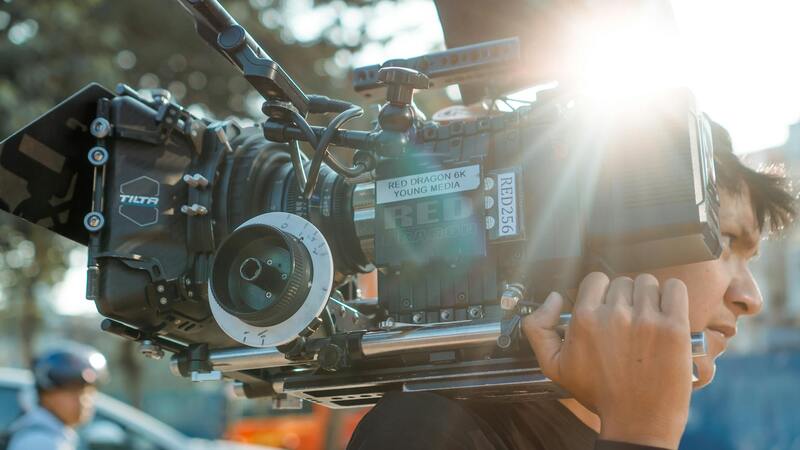
In scenarios involving long exposures—such as capturing neon lights or star trails—using a remote shutter release or timer minimizes vibrations. Adjusting the interval timer to shoot at regular intervals, typically every 1-3 seconds, ensures a smooth motion sequence. The specific interval depends on the speed of the movement being captured; faster scenes like traffic flow may require shorter intervals, while slower transitions, such as cloud movement, benefit from longer intervals.
Focusing on strategic locations like Ocean Drive, Brickell City Centre, or the Miami skyline from a high vantage point enables the inclusion of iconic scenery and urban activity. Incorporating foreground elements, such as palm trees or street lamps, adds depth and perspective to the footage, creating a layered visual story. Moreover, shooting during different times of the day—particularly during the golden hour and at night—bestows a varied atmospheric quality, enriching the narrative of the final video.
Post-shoot, reviewing the image sequence on a calibrated monitor ensures consistency. Adjustments may be necessary if lighting or focus shifts occurred during shooting. When assembling the timelapse, software like Adobe After Effects, LRTimelapse, or Premiere Pro can be used to compile the images, stabilize footage, and refine the overall visual flow. Techniques such as easing speed transitions or adding fade effects help adapt the video rhythm to Miami’s lively environment, enhancing viewer engagement.
Best Techniques for Shooting Miami Timelapse Videos
Achieving high-quality timelapse footage in Miami requires precision in both camera settings and shot composition to effectively capture the city’s dynamic environment. To start, selecting the appropriate camera configuration is crucial. A DSLR or mirrorless camera with manual controls allows for optimal adjustments of exposure, focus, and interval timing. Setting a low ISO—preferably between 100 and 400—reduces noise, which is essential for nighttime cityscapes. Aperture selection should balance depth of field and light intake; a narrower aperture (higher f-stop) like f/8 to f/11 ensures sharpness across foreground and background elements, particularly when capturing multiple layers such as Miami’s skyline and street-level activity.
- Shutter Speed and Exposure: When capturing scenes with movement, such as flowing traffic or moving clouds, a slower shutter speed can produce appealing motion blur, adding a sense of dynamism. For daytime shots, an aperture priority mode combined with ND filters helps control exposure without sacrificing motion smoothness. During nighttime, longer exposures—2 to 10 seconds—are often necessary to gather sufficient light, but care must be taken to avoid overexposure in brightly lit areas.
- Interval Selection: The interval between shots significantly influences the final video’s pacing. For fast-moving traffic, intervals as short as 1 second are ideal, while for subtle cloud movements, 3-5 seconds may suffice. Properly calibrated interval timers ensure consistent framing and timing, which is essential during post-processing to maintain smooth transitions.
- Focus and Composition: Manual focus prevents focus shifts caused by changing lighting conditions. Focusing beforehand on a distant point, such as Miami’s skyline or an iconic landmark, helps maintain clarity throughout the sequence. Composing scenes carefully—incorporating foreground elements like palm trees, streetlights, or architecture—creates depth and visual interest. Including multiple layers in the shot emphasizes Miami’s vibrant atmosphere and dynamic urban landscape.
Furthermore, timing the shoot during specific times of the day can dramatically alter the mood and aesthetic of the footage. Shooting during the golden hour offers warm, diffused lighting that enhances textures and colors, while nighttime sessions highlight neon lights, city illuminations, and reflections on water. Proper planning, including scouting the location for optimal angles and understanding the lighting conditions, plays a decisive role in producing compelling timelapse videos.
Post-shoot, reviewing the imagery on a calibrated monitor ensures footage consistency. Adjustments in contrast, color balance, and sharpness can be made to correct any disparities. When assembling the images into a seamless video, dedicated software enables detailed control over speed transitions and stabilization, ensuring a polished final product that captures Miami’s energetic vibe vividly.
Advanced Techniques for Seamless Miami Timelapse Productions
Achieving professional-grade Miami timelapse videos requires employing advanced shooting techniques that enhance visual appeal and narrative flow. One such technique is the use of *hyperlapse*, a method involving self-advanced camera motion sequences that produce dramatic, dynamic footage ideal for capturing Miami’s lively streets and skyline transitions. This approach necessitates precise camera setup and meticulous planning, often utilizing motorized rigs or specialized stabilization systems to ensure smooth movements.
Another crucial method involves multiple exposure blending to highlight Miami's vibrant nightlife against the backdrop of illuminated skyscrapers and neon signage. By capturing images at different exposure levels—also known as high dynamic range (HDR)—editors can create composite images that reveal details both in the shadows and highlights, resulting in more striking visuals when assembled as a timelapse sequence.
Focus stacking can be particularly effective in scenes with significant depth, such as waterfront views or bustling street scenes layered with foreground elements like street performers or palm trees. This technique combines multiple images focused at different distances to maintain sharpness throughout the scene, providing clarity across foreground and background elements. When incorporated into a timelapse, focus stacking adds a layer of professionalism, drawing viewers deeper into Miami’s diverse landscapes.
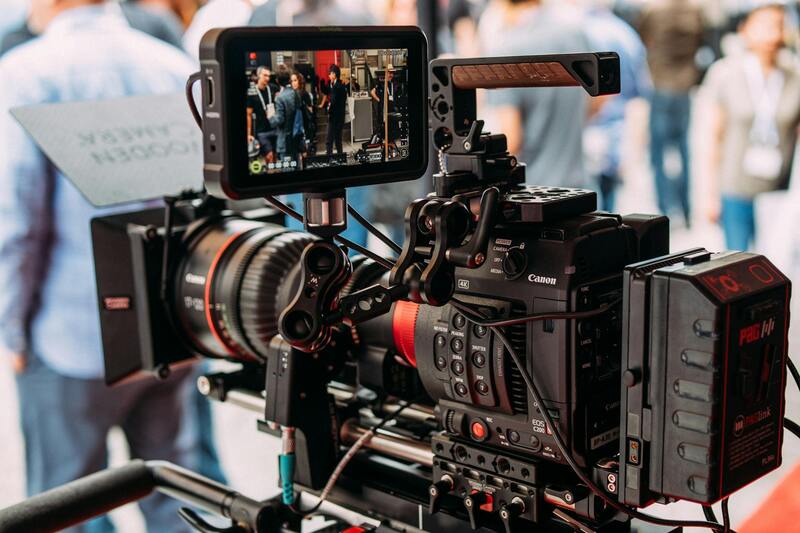
For professional results, integrating these techniques with drone footage can expand the creative scope, capturing aerial views with smooth, sweeping motions that showcase Miami’s architecture and natural beauty from unique perspectives. Combining ground and aerial shots enhances storytelling, providing a comprehensive visual journey through the city’s iconic locations.
Workflow integration is essential: planning the shot sequences, capturing high-resolution images with consistent settings, and meticulously stitching the frames with dedicated software. Advanced editing tools offer features like motion stabilization and frame interpolation, which further refine the fluidity of your timelapse, ensuring a seamless presentation that captures the energy and vibrancy of Miami effectively.
By leveraging these advanced filming and post-production techniques, creators can produce timelapse videos that stand out, offering viewers a captivating glimpse into Miami’s dynamic urban environment and scenic landscapes.
Advanced Techniques for Enhancing Miami Timelapse Footage
To elevate the quality of your Miami timelapse videos, incorporating advanced techniques can make a significant difference. One such method is the use of motion control equipment. This technology allows precise control over camera movements, enabling smooth panning, tilting, and sliding shots that add a cinematic feel to your sequence. By programming consistent movements, you can create dynamic visual narratives that seamlessly transition through Miami’s vibrant neighborhoods and scenic coastlines.
Another critical technique is the implementation of image stacking. This process involves capturing multiple exposures at each frame and blending them to balance the high contrast between the bright Miami sun and shaded areas. Image stacking enhances detail in shadows and highlights, resulting in a more balanced and visually appealing timelapse that captures Miami’s dazzling skyline and tropical landscapes with clarity.
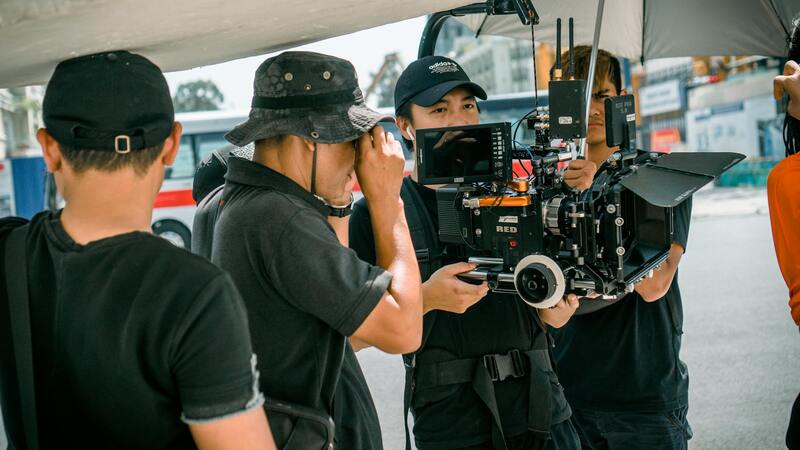
Hybrid filming — combining traditional photographic methods with drone footage — offers an expansive perspective that ground-based shots cannot achieve. Drone footage captures Miami’s sprawling architecture, beaches, and bustling streets from breathtaking aerial angles, adding depth and scale to your project. Coordinating ground and aerial shoots requires meticulous planning but yields a comprehensive visual narrative that showcases Miami’s diversity.
Shooting at various times of day also enhances the visual appeal. Early morning golden hours provide soft, warm light that illuminates the city’s distinctive Art Deco features. Sunset captures introduce rich hues and long shadows, adding mood and atmosphere. Nighttime shooting reveals Miami’s vibrant nightlife, with illuminated skyscrapers and lively streets contributing a dynamic backdrop to your timelapse sequence.
Creative Use of Light and Composition in Timelapse Shooting
The strategic use of lighting and composition significantly impacts your Miami timelapse videos. Incorporating natural and artificial lighting at different times of day introduces a variety of moods and visual textures. For instance, capturing the sunrise over Biscayne Bay demonstrates serene beauty, while night shots of downtown highlight Miami’s energetic nightlife.
Compositionally, framing iconic Miami landmarks like the Ocean Drive vintage hotels, the Miami Tower, or the colorful Wynwood Walls provides recognizable focal points. Using leading lines, symmetry, and framing techniques enables viewers to engage more deeply with the footage.
Data Management and Storage Strategies
Handling large volumes of high-resolution images is a critical aspect of timelapse project management. Efficient workflows start with a robust data organization system, where images are sorted chronologically and labeled according to location and time of capture. This practice simplifies the post-production process and enables quick access to specific segments of footage during editing.
Using reliable external hard drives, RAID systems, or cloud storage solutions ensures data safety and facilitates collaboration with editing teams. Maintaining duplicate copies of raw image files minimizes the risk of data loss, which can be costly and time-consuming.
Given the extensive storage requirements, choosing high-capacity cards and efficient file transfer protocols is essential for uninterrupted shooting sessions. Employing software that automatically backs up images during transfers further safeguards your project workflow.
Optimizing Shooting Schedule and Workflow in Miami
Creating an efficient schedule for Miami timelapse shoots involves considering weather patterns, seasonal lighting conditions, and busy city hours. Planning your shoots during early mornings or late evenings minimizes pedestrian and vehicle traffic, resulting in cleaner footage with less movement interference.
When executing long-day shoots, break down the schedule into manageable segments, focusing on key locations and lighting conditions. Consistent camera settings across sessions ensure uniformity in exposure and color temperature, making seamless stitching more achievable during post-processing.
Preparation extends beyond planning; setting up your gear ahead of scheduled shoots, especially when using remote or automated systems, ensures timely captures. Regularly checking equipment for calibration, battery life, and storage capacity is vital to prevent disruptions during critical shooting windows.
Advanced Techniques for Capturing Dynamic Miami Citiescapes
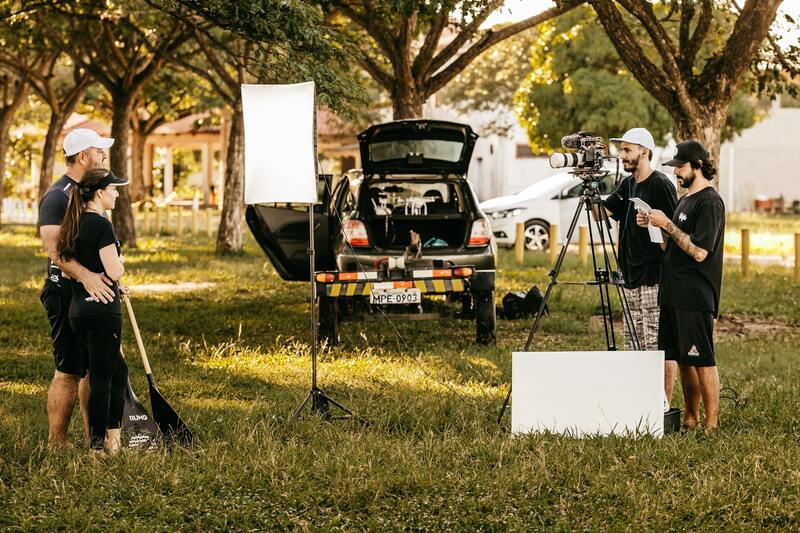
To achieve stunning and professional-quality Miami timelapse videos, employing advanced shooting techniques is essential. Techniques such as hyper-lapse, which involves moving the camera over long distances while maintaining a steady frame, can add a dynamic element that showcases Miami’s vibrant streets and skyline. This method requires precise camera stabilization tools and careful planning of movement paths to maintain smooth transitions.
Another sophisticated approach is multi-layered exposure blending. This technique involves capturing multiple exposures over a period—sometimes combined with HDR (High Dynamic Range) imaging—to render scenes with high contrast, such as scenes with both bright skies and shadowed city alleys. When processed correctly through dedicated software, this method produces vivid, detailed footage that captures the full spectrum of Miami’s lighting conditions.
Implementing motion control systems is also highly effective for creating seamless and synchronized movements between scenes. These systems enable repeatable camera movements with pinpoint accuracy, allowing for complex and articulate timelapses that sync moving elements like boats on Biscayne Bay or street scenes bustling with activity. Integrating remote control apps and automation allows for precise adjustments, reducing the need for manual intervention during lengthy shoots.
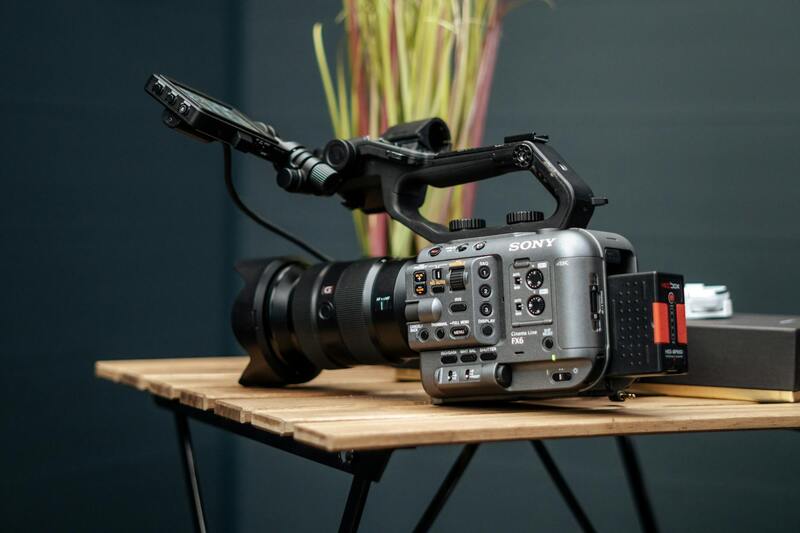
Furthermore, utilizing drone photography offers perspectives otherwise impossible from the ground. Aerial shots can capture sprawling cityscapes, beaches, and parks, enhancing the storytelling aspect of your timelapse projects. When integrating drone footage, careful planning of flight paths, camera angles, and altitude changes ensures smooth transitions during editing.
Troubleshooting Common Challenges in Miami Timelapse Production
Despite meticulous planning, several challenges may arise during shooting, such as fluctuating weather conditions, shifting lighting, or unexpected crowds. For instance, sudden rain can halt outdoor shoots, so having backup plans like covered setups or indoor alternatives can prevent delays.
Light pollution and reflections are also considerations in Miami’s urban environments. Utilizing lens filters like ND (Neutral Density) filters can help manage exposure and reduce glare, especially during sunset or sunrise shoots. Additionally, employing robust weather-resistant equipment and protective covers safeguards your gear against Miami’s humid and occasionally rainy climate.
Set up detailed shot lists and checklists to ensure coverage of all desired scenes, and always conduct pre-shoot tests to verify camera settings and equipment functionality. Regularly inspecting your gear for calibration and stability before each shoot minimizes technical errors and guarantees consistent results across different shooting sessions.
Optimizing Your Miami Timelapse Video for Maximum Impact
Once the shooting phase concludes, the focus shifts to refining your footage to produce a compelling timelapse video that captures Miami's vibrant energy and iconic landscapes. Effective editing not only enhances visual appeal but also ensures your project resonates with viewers, whether for marketing, artistic expression, or personal documentation.
1. Selecting the Right Editing Software
Choosing a robust editing platform is essential for precise control over your timelapse sequences. Programs like Adobe Premiere Pro, Final Cut Pro, or DaVinci Resolve are popular choices among professionals, offering extensive tools for timeline management, color grading, and adding effects. The software should support high-resolution footage and allow seamless integration of multiple clips, transitions, and overlays.
2. Proper Sequence Assembly
Start by importing your raw footage and organizing clips based on your shooting timeline or thematic segments. Take care to maintain consistent frame rates and resolution settings to prevent flickering or quality loss. Consider creating rough cuts to establish narrative flow, emphasizing key Miami landmarks, scenic beaches, or bustling urban streets.
3. Color Correction and Grading
To evoke the desired atmosphere, apply color correction to balance exposure, contrast, and white balance across all frames. Follow this with color grading to enhance mood—warm tones for sunsets, cool hues for night scenes, or vibrant adjustments to match Miami’s lively aesthetic. Accurate color grading produces a cohesive visual story that emphasizes the city's dynamic character.
4. Incorporating Transitions and Effects
While minimalism often benefits timelapse videos, subtle transitions can smooth scene changes, especially when moving between different locations or times of day. Use effects like fades or dissolves sparingly to avoid disrupting the video’s rhythm. Additionally, incorporating motion stabilization or lens flare effects can add polish and professional appeal.
5. Sound Design and Music Selection
Audio plays a crucial role in accentuating visual storytelling. Integrate background music that complements Miami’s energetic vibe, such as upbeat EDM, tropical beats, or ambient sounds. Consider synchronizing key scenes with beats to enhance viewer engagement. Adding ambient sounds—urban noise, waves crashing, or city life—can further immerse viewers in the Miami experience.
6. Final Export and Optimization
Upon completion, export the video in high definition—preferably 4K—to retain visual clarity across various platforms. Use appropriate compression settings to balance quality and file size, ensuring smooth playback on websites, social media, or presentation formats. Metadata optimization, including descriptive titles and tags, improves discoverability and viewer engagement.
Implementing these editing techniques transforms raw footage into a stunning visual narrative that highlights Miami’s unique charm and dynamic urban landscape. Precision in post-production is essential for creating a polished, professional timelapse video that captivates viewers and effectively showcases your creative vision.