
Understanding Streaming Services for Events
Streaming services for events represent a transformative approach to broadcasting live gatherings over the internet, allowing organizers to extend their reach far beyond physical boundaries. These platforms facilitate real-time video and audio transmission, ensuring audiences from different locations can participate in events seamlessly. Whether it’s a corporate conference, a music festival, or a community celebration, professional streaming solutions offer a reliable means to deliver high-quality live content to viewers worldwide.
The core function of an event streaming service is to capture the event’s visual and auditory elements, encode the data efficiently, and distribute it through a secure network. This process typically involves specialized hardware and software that convert the physical event into a digital signal suitable for online transmission. The significance of these services extends beyond simple broadcasting; they also provide tools for interaction, audience engagement, and post-event analytics, making them essential assets for modern event organizers.
In essence, event streaming services serve as a bridge connecting hosts and remote viewers, effectively democratizing access to live happenings regardless of geographic constraints. They support a wide range of event types, from large-scale concerts to intimate seminars, and contribute to increased exposure and engagement. Utilizing a reputable streaming platform ensures a seamless viewing experience, maintains professional standards, and offers scalability depending on audience size.
Key Features of Event Streaming Platforms
- High-Resolution Video Transmission: Support for HD and 4K streaming ensures clear visuals, vital for visual content-intensive events.
- Real-Time Interactivity: Features such as live chat, polls, and Q&A sessions foster audience participation and engagement.
- Multiple Streaming Options: Simultaneous streaming to various platforms or targeted private channels enhances customization and reach.
- Secure Content Delivery: Encryption and access controls protect content from unauthorized viewing or distribution.
- Scalability: Platforms can accommodate small workshops or large concerts, adjusting bandwidth and server capacity accordingly.
- Analytical Tools: Post-event metrics help organizers evaluate audience engagement and content performance.
Understanding these features is essential for selecting a platform that aligns with specific event needs, ensuring the broadcast runs smoothly and effectively engages the remote audience.
Key Features of Event Streaming Platforms
Streamlining live events requires platforms equipped with comprehensive functionalities designed to deliver an optimal viewing experience. These features facilitate not only the broadcast quality but also the interaction and security necessary for professional event management.

Multichannel Streaming Capabilities
Effective streaming services support simultaneous broadcasts across multiple channels. This means content can be distributed to various social media platforms, websites, or private channels concurrently, maximizing reach while maintaining brand consistency. The ability to tailor streams for specific audiences—such as VIP access on a dedicated platform—adds an element of customization that broadens engagement opportunities.
Audience Interaction Features
High-quality streaming platforms incorporate interactive tools that heighten viewer engagement. Live chat modules enable real-time communication between viewers and hosts, fostering a sense of community. Polls and Q&A features enable organizers to gather immediate feedback and direct conversations during the event, enriching the overall experience and providing valuable insights.
Device Compatibility and Accessibility
Platforms should ensure content is accessible across various devices, including desktops, tablets, and smartphones. Adaptive streaming technology adjusts quality in real time based on device capabilities and internet speed, reducing buffering and ensuring a smooth experience for all viewers.
Content Security and Access Control
Secure content delivery mechanisms protect live broadcasts from unauthorized access. Features such as encrypted streams, password protection, and geo-restrictions help control who can view the content, maintaining exclusivity when needed and safeguarding intellectual property.
Analytics and Reporting Tools
Post-event analysis provides insight into audience behaviors and engagement metrics. Event organizers can review data such as viewer counts, engagement levels, and interaction patterns to evaluate the success of the broadcast and inform future strategies.
Conclusion
Choosing a streaming platform with these core features ensures a professional-grade experience, maximizes audience engagement, and provides useful data for refining future events. It is vital to evaluate the specific needs of each event to identify platforms that offer the necessary capabilities for seamless and secure live broadcasts.
Understanding Streaming Services for Events
Streaming services for events serve as essential tools for broadcasters seeking to reach a wider audience than traditional physical venues allow. These platforms facilitate the live transmission of events ranging from corporate meetings and conferences to concerts and festivals, providing a seamless viewing experience regardless of viewers' geographical locations. The reliability and quality of a streaming service significantly influence the perceived professionalism and success of an event. As such, selecting a reputable, dedicated streaming platform ensures high-quality video output, minimized latency, and robust broadcasting capabilities that can handle large viewership volumes without interruption.

Another critical aspect involves the platform’s ability to integrate with various content management systems, ticketing solutions, or registration portals, which streamlines the attendee experience from registration to viewing. This integration simplifies access control and helps tailor the streaming experience based on user profiles or ticket tiers. Additionally, many platforms offer features such as live chat, real-time polls, and audience interaction tools that increase engagement and foster a sense of community during virtual events.
Key Features of Event Streaming Platforms
When evaluating streaming solutions for events, several core features should be prioritized to guarantee professionalism and audience satisfaction:
- Device Compatibility and Accessibility: The platform must support a broad range of devices, including desktops, tablets, and smartphones. Adaptive streaming technology dynamically adjusts quality based on internet speed and device specifications, reducing buffering and delivering a smooth experience across all viewing contexts.
- Content Security and Access Control: To safeguard exclusive content, streaming platforms employ security measures such as encrypted streams, user authentication protocols, password protections, and geo-restrictions. These features help content creators regulate access, ensuring viewers are authorized according to event parameters.
- Scalability and Reliability: The chosen service should accommodate fluctuating attendee numbers without compromising stream quality. Cloud-based solutions offer scalability, ensuring consistent performance regardless of viewership size.
- Analytics and Reporting Tools: Post-event data analysis helps organizers understand audience engagement, viewership patterns, and interaction levels. These insights inform future event planning, marketing strategies, and content improvements.
- Custom Branding and Interactivity: Customizable interfaces and branding elements reinforce event identity, while real-time interaction features promote active participation, keeping viewers engaged and connected.
Establishing a dependable streaming service is a fundamental step towards delivering professional, engaging events that can reach audiences worldwide. With the right platform, organizers can confidently conduct live broadcasts that mirror the quality and security of in-person experiences, broadening their event's scope and impact.
Technical Requirements and Infrastructure for Event Streaming
When selecting a streaming service for events, it is essential to evaluate the technical infrastructure that supports high-quality, uninterrupted broadcasts. Reliable internet connectivity featuring sufficient bandwidth is crucial, especially for high-definition streams that demand consistent data flow. Organizations should invest in enterprise-grade network systems capable of handling peak traffic volumes without experiencing latency or buffering issues. This often involves dedicated internet lines or leveraging multi-gigabit connections to ensure stability throughout the event.
Server capacity and content delivery networks (CDNs) are fundamental components to ensure global reach and optimal streaming performance. CDNs distribute the streaming load across multiple servers worldwide, reducing latency and preventing server overloads that could impair stream quality. Choosing a platform integrated with a robust CDN supports seamless viewing experiences regardless of viewer locations.
Hardware requirements, such as high-performance encoding equipment and reliable streaming devices, contribute significantly to the overall quality of live broadcasts. These components encode the live feed into digital streams, which are then transmitted to viewers. Using professional-grade hardware minimizes compression artifacts and latency, maintaining crisp visuals and synchronized audio.
In addition to core infrastructure, optimization of redundancy mechanisms—such as backup internet connections and failover systems—ensures continuous streaming even in the event of technical failures. This preparedness minimizes downtime and keeps the audience engaged, fostering a positive perception of the event provider’s professionalism.
IT support and technical personnel should be on-site or readily available during the event to troubleshoot any issues swiftly. Proper training on platform functionalities and streaming equipment ensures that technical staff can address common challenges and maintain broadcast quality.
Furthermore, integration with content management systems (CMS) and data analytics tools enhances operational efficiency. These systems facilitate content organization, real-time monitoring, and detailed reporting, allowing organizers to adapt swiftly and make data-informed decisions.
Technical Requirements and Infrastructure
Successfully streaming events in Miami demands a meticulous approach to technical setup, ensuring that every element contributes to a seamless viewing experience. Critical components include high-quality encoding hardware, resilient network connections, and robust display technology. These elements work together to deliver crisp visuals and clear audio to audiences regardless of their location.
High-performance encoding equipment is essential for transforming the raw video feed into optimized digital streams. This equipment should support multi-bitrate streaming capabilities, which accommodate viewers with varying internet speeds by automatically adjusting the stream quality. Reliable routers and switches are vital to support the high data rates required for live events, minimizing latency and buffering.
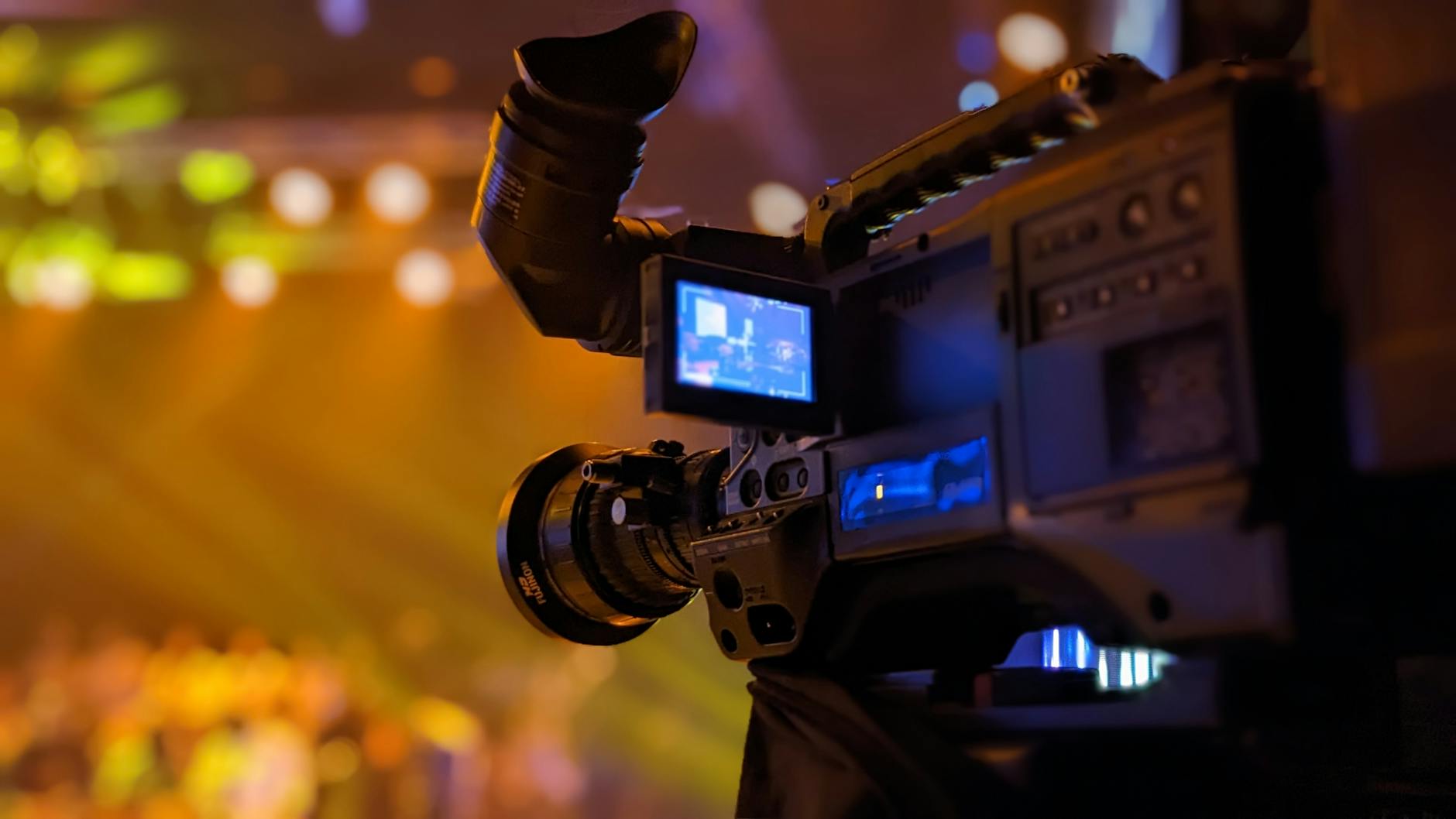
Bandwidth considerations are paramount, especially in densely populated areas like Miami, where network congestion can impact stream stability. It is advisable to secure dedicated internet connections with sufficient upload speeds—preferably symmetrical connections with at least 20 Mbps or more—to handle multiple viewers simultaneously without degradation.
Complementing the core infrastructure, redundant systems such as backup internet lines and failover routers are crucial for maintaining an uninterrupted broadcast during unforeseen disruptions. These fail-safes automatically switch to secondary connections if the primary link encounters issues, preserving the stream's continuity.
Setup procedures should be meticulously planned, including on-site testing of all equipment, signal paths, and network stability prior to the event. Proper physical placement of hardware, cable management, and environmental controls (like cooling) extend equipment lifespan and ensure consistent performance.
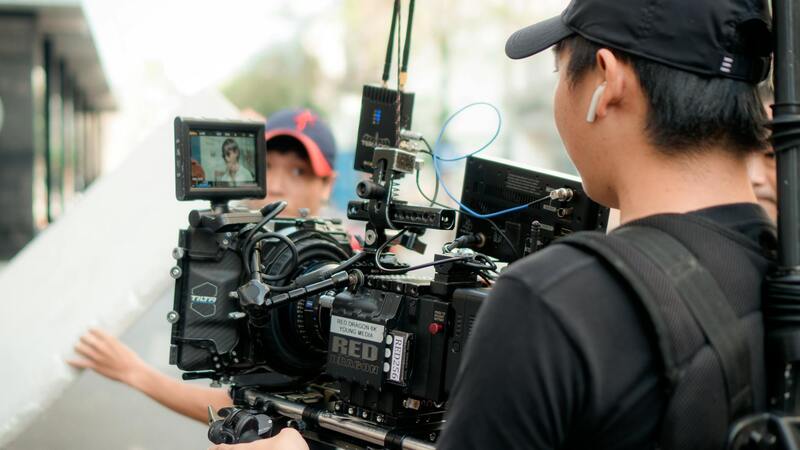
Finally, consistent monitoring during live streams is necessary to detect and rectify any issues swiftly. Real-time analytics and feedback systems allow technical teams to make immediate adjustments, ensuring high-quality delivery from start to finish. Properly aligned infrastructure and diligent preparation form the backbone of successful event streaming in Miami, enabling organizers to reach their audiences effectively and professionally.
Understanding Streaming Services for Events
Streaming services for events have transformed how organizers connect with their audiences, providing a seamless platform to broadcast live occasions, such as concerts, conferences, festivals, and corporate gatherings. These services leverage internet-based technologies to transmit high-quality audio and visual content directly to viewers across the globe, eliminating geographical barriers and expanding reach exponentially.
One of the distinguishing factors of top-tier event streaming platforms is their ability to deliver real-time content with minimal latency, ensuring that viewers experience the event as it unfolds. This immediacy enhances engagement and creates an atmosphere akin to attending in person. As the demand for live streaming increases in vibrant hubs like Miami, choosing the right streaming service becomes crucial for event organizers seeking reliable, high-performance solutions.

The foundation of effective event streaming lies in utilizing platforms that support robust content delivery networks (CDNs), data redundancy, and adaptive bitrate streaming. These features ensure viewers receive the highest possible quality based on their internet speeds and device capabilities, maintaining a steady stream regardless of network fluctuations. The capacity to handle large concurrent viewers without buffering or lag is vital, particularly during major events where audience sizes can experience significant spikes.
Key Features of Event Streaming Platforms
- High-Definition Video Streaming: Support for 4K, HD, and SD streams to match the event’s visual quality requirements.
- Multi-Platform Compatibility: Accessibility across web browsers, mobile devices, and smart TVs improves reach.
- Interactive Features: Live chat, polls, Q&A sessions, and social media integrations foster audience participation.
- Scalability: Ability to accommodate audience growth and peak viewing times seamlessly.
- Security Measures: Encryption, secure links, and access controls to protect content and prevent unauthorized viewing.
- Analytics & Reporting: Detailed insights into viewership patterns, engagement rates, and stream performance to optimize future events.
Benefits of Using Streaming Services for Events
Implementing a dedicated streaming platform enhances event visibility and engagement while providing a professional broadcast quality. Key advantages include:
- Broader Audience Reach: Extends the event to remote viewers who might otherwise be unable to attend physically.
- Cost-efficiency: Reduces expenses related to travel, venue capacity limitations, and on-site logistics.
- Audience Engagement: Real-time interactions and multimedia features keep viewers actively involved.
- Content Archivability: Recorded streams offer valuable content repurposing and on-demand access post-event.
- Enhanced Brand Presence: Elevates the event’s professional appearance and reputation through high-quality production.
Choosing the Right Streaming Solution for Miami Events
Given Miami’s vibrant event scene, selecting an appropriate streaming partner involves evaluating several critical factors. The ideal platform should support high bandwidth demands, offer flexible customization options, and provide dedicated technical support. Prioritizing services that leverage local data centers or CDNs ensures minimized latency and buffering for Miami-based viewers. Additionally, the platform's ability to integrate with existing event management tools and offer scalable solutions for events of varying sizes is essential to meet diverse needs.
Other considerations include features like multi-language support to cater to Miami's diverse demographic, branding customization capabilities, and comprehensive analytics for post-event assessments. Close consultation with technical teams to discuss specific infrastructure requirements, such as internet connectivity and backup systems, ensures the chosen streaming service aligns with the event's scale and complexity.
Technical Requirements and Infrastructure
To guarantee a successful live stream, event organizers must meet specific technical prerequisites. Reliable high-speed internet with symmetrical bandwidths—preferably 20 Mbps or higher—is fundamental to support multiple simultaneous viewers without degrading the quality. Dedicated internet lines, separate from those used for core event operations, are recommended to prevent bandwidth conflicts that can cause interruptions.
Additional hardware, including encoders, switchers, and a robust shipping infrastructure, must be positioned strategically to facilitate high-quality signal transmission. Using professional-grade cameras and microphones enhances audiovisual clarity, particularly important in densely populated venues or outdoor environments typical of many Miami events. Power backup solutions, such as uninterruptible power supplies (UPS), safeguard against outages and ensure continuous streaming in case of technical issues.
Furthermore, pre-event testing and on-site technical support are indispensable steps. These involve simulating live streaming scenarios, verifying signal paths, testing internet stability, and adjusting configurations as needed. Having a dedicated technical team capable of troubleshooting on the fly minimizes potential disruptions during the actual event. This meticulous approach to infrastructure setup underpins the reliability and professionalism of the live stream, fostering a positive impression with attendees and online viewers alike.
Understanding Streaming Services for Events
Streaming services dedicated to events have revolutionized how organizers reach their audiences by providing real-time, high-quality digital broadcasts. These platforms enable seamless transmission of live performances, conferences, festivals, and corporate functions to viewers across the globe. Utilizing such services requires an understanding of various technical and operational elements that ensure a flawless streaming experience, especially for events based in Miami, where vibrant local culture and international audience engagement are prevalent.
Key Features of Event Streaming Platforms
- High-Quality Video and Audio: Ensuring crisp visuals and clear sound is fundamental to capturing the essence of any event. Most advanced streaming services support 4K resolution, multiple camera angles, and professional-grade audio inputs.
- Multi-Platform Compatibility: The ability to distribute content across various devices such as smartphones, tablets, smart TVs, and desktops broadens audience reach without restrictions.
- Scalability and Reliability: Platforms should accommodate fluctuating viewer numbers, from small private gatherings to large public events, with minimal latency and buffering.
- Customization and Branding: Features like branded players, customized interfaces, and interactive chat functions enhance viewer engagement and reinforce event branding.
- Secure Access and Privacy Controls: Options for password protection, geo-restrictions, and encrypted streams help manage access rights and safeguard content integrity.

Benefits of Using Streaming Services for Events
Employing a professional streaming service increases the reach and impact of events held in Miami by making them accessible to a broader audience. Real-time streaming ensures that remote attendees experience the event as if they were present physically, enhancing engagement and participation. Additionally, digital recordings of live streams can serve as valuable content for post-event promotions or future reference.
Streamlined event management is another significant advantage. With integrated scheduling, audience analytics, and interactive features, organizers can monitor viewer engagement, gather feedback, and adjust content delivery to suit audience preferences in real time. This approach results in a more interactive, memorable experience that aligns with the dynamic nature of Miami’s diverse event landscape.
Choosing the Right Streaming Solution for Miami Events
When selecting an appropriate streaming platform, organizers should prioritize solutions that align with specific event requirements, including audience size, content complexity, and technical infrastructure. Going for platforms with extensive regional support and experience in Miami’s event scene ensures smoother integration with local vendors and service providers.
Evaluating the platform’s compatibility with existing hardware, such as encoders and cameras, is crucial. It’s also advantageous to consider platforms offering dedicated technical support for live events, ensuring assistance is available during critical moments. Cost considerations, scalability options, and feature sets should be balanced to match the scope and budget of each event.
Technical Requirements and Infrastructure
An effective live streaming setup hinges on robust internet connectivity and dedicated hardware. High-speed internet, with a symmetrical bandwidth of at least 20 Mbps, provides the backbone for smooth transmission. For larger events, employing multiple internet lines or dedicated fiber connections minimizes the risk of interruptions.
Professional-grade encoders convert the camera’s feed into digital streams compatible with streaming platforms. Multi-camera setups, along with switchers and audio mixers, allow for dynamic production, presenting high production value. Adequate lighting, background audio equipment, and backup power supplies ensure consistent audiovisual quality throughout the event.
Pre-event Checks and on-site technical support are essential. Conducting real-time tests of internet stability, streaming equipment, and signal pathways minimizes the likelihood of issues during the event. Maintaining a dedicated technical team ready to troubleshoot ensures continuous streaming and addresses unforeseen challenges swiftly. Proper infrastructure setup, combined with meticulous testing, underpins a professional and reliable streaming experience that meets the expectations of Miami’s diverse and vibrant event landscape.
Technical Recommendations for Optimizing Event Streaming
Implementing a high-quality live streaming event requires meticulous planning of the technical setup. The backbone of a seamless live stream is a stable, high-bandwidth internet connection. For events attracting large audiences, utilizing dedicated fiber optic internet lines ensures minimal latency and maximum reliability. Multiple internet connections can be aggregated through load balancing to prevent disruptions caused by network fluctuations. This redundancy also provides a failover option if one line encounters an issue.
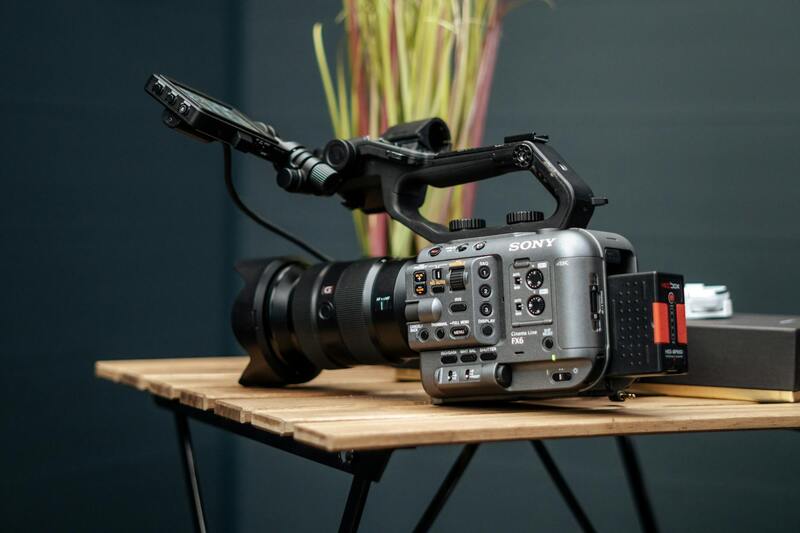
Professional-grade encoding equipment transforms live camera feeds into digital data suitable for streaming. Hardware encoders with multi-channel input capabilities facilitate multi-camera production, enabling dynamic switching between different angles and scenes. Integrating audio mixers with high-fidelity microphones ensures clear sound quality, which is crucial for viewer engagement.
Lighting setups should be tailored to enhance video quality while maintaining consistent exposure across different scenes. Proper lighting not only improves image clarity but also minimizes noise and visual artifacts during transmission. Backup power supplies, such as generators or uninterruptible power supplies (UPS), safeguard the streaming setup against unexpected power failures, ensuring the transmission continues smoothly.
Pre-event testing is vital for troubleshooting potential issues before they impact live broadcasting. Conducting comprehensive tests of internet stability, hardware functionality, and signal paths minimizes the risk of disruptions. A dedicated on-site technical team should be available during the event to monitor streaming performance continuously, address technical glitches, and coordinate with production staff to execute real-time adjustments.

Strategies to Maximize Audience Engagement
- Interactive Features: Incorporate live chat, polls, and Q&A sessions to foster viewer interaction and sustains interest throughout the event.
- Multi-platform Distribution: Stream simultaneously across various platforms to reach wider audiences and provide flexible viewing options.
- High-Quality Visuals and Audio: Invest in equipment that delivers crisp visuals and clear sound, creating an immersive viewing experience.
- Scheduled Content Releases: Upload behind-the-scenes footage, interviews, and highlight reels before and after the event to maintain engagement in the days surrounding the live broadcast.
- Real-time Analytics: Monitor viewer statistics during the event to adapt content delivery dynamically and improve pricing and marketing strategies for future events.
Maintaining Content Security and Privacy
Protecting the streaming content and respecting the privacy of viewers are critical considerations for event organizers. Implement secure streaming protocols such as HTTPS and encrypted streams to prevent unauthorized access or piracy. Employ digital rights management (DRM) systems to restrict content distribution and safeguard intellectual property rights.
Stream access can be controlled via password prompts or link restrictions, ensuring that only authorized viewers can participate. Additionally, disclosing privacy policies and obtaining consent for data collection aligns streaming practices with applicable regulations, maintaining trust with your audience.
Server-side security measures, such as firewalls and intrusion detection systems, further fortify the streaming infrastructure against cyber threats. Continuous monitoring for suspicious activity and rapid response protocols help mitigate risks associated with unauthorized intrusion or data breaches.