
Understanding Live Event Video Coverage
Live event video coverage has become an essential element in the execution and promotion of various events, including concerts, conferences, sports, festivals, and corporate gatherings. It involves the real-time recording and broadcasting of an event to an online or offline audience, allowing viewers to experience the event as it unfolds, regardless of their physical location. This method bridges geographic gaps, increases audience engagement, and enhances the overall visibility of the event and its organizers.
For event organizers, brands, and audiences, comprehensive live video coverage provides immediate access to the event's atmosphere, key moments, and exclusive content that would otherwise be inaccessible. It fosters greater participation, supports marketing efforts, and can generate additional revenue streams through ticketing, sponsorships, and advertising. Moreover, professional live event coverage ensures high-quality visual and audio output, creating a polished and compelling viewer experience that reflects positively on the hosting entity.
The significance of live event video coverage extends beyond mere documentation. It acts as a powerful promotional tool that can boost future event attendance, enhance brand awareness, and reinforce community engagement. Whether streamed on social media platforms, dedicated websites, or specialized streaming services, quality live video coverage serves as a vital component of modern event management and marketing strategies.
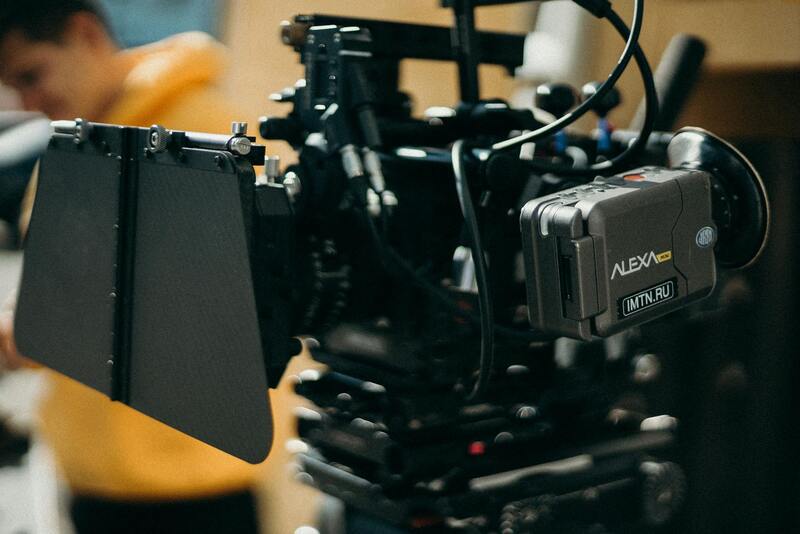
Key Components of Live Event Video Coverage
Effective live event video coverage relies on several core elements that work together seamlessly. These components ensure the broadcast’s technical quality, visual appeal, and overall success.
- Production Planning: Establishing a clear strategy to determine which moments to capture, camera angles, and broadcast flow.
- Technical Equipment: Using high-quality cameras, audio devices, and streaming hardware to deliver a seamless viewing experience.
- On-Site Crew: Skilled personnel responsible for operating equipment, managing feeds, and troubleshooting issues during the event.
- Streaming Platforms: Selecting appropriate channels or services to distribute the live feed to target audiences.
- Post-Processing: Editing and archiving footage for future use, on-demand viewing, or promotional purposes.
Pre-Production Planning and Coordination
Successful live event coverage begins well before the event starts. In-depth planning includes defining objectives, identifying key segments to broadcast, and coordinating with all stakeholders. This phase involves site surveys to assess infrastructure needs, technical rehearsals to test equipment, and developing a comprehensive production schedule. Clear communication channels must be established to facilitate smooth coordination among the production team, event staff, and clients. Proper planning minimizes technical hiccups, ensures adequate resource allocation, and aligns the coverage with overall event goals.
Technology and Equipment Used
The backbone of live event video coverage is reliant on advanced technology and reliable equipment. High-definition cameras, multi-camera setups, and professional audio systems capture the event’s visuals and sounds with clarity. Video switchers, encoders, and streaming hardware enable seamless transitions, real-time editing, and broadcast to multiple platforms simultaneously. Additionally, internet connectivity plays a vital role; durable internet connections with sufficient bandwidth prevent interruptions and ensure broadcast stability. As technology evolves, increasingly sophisticated tools like 4K cameras, wireless transmission, and cloud-based streaming solutions expand the scope and quality of live coverage.
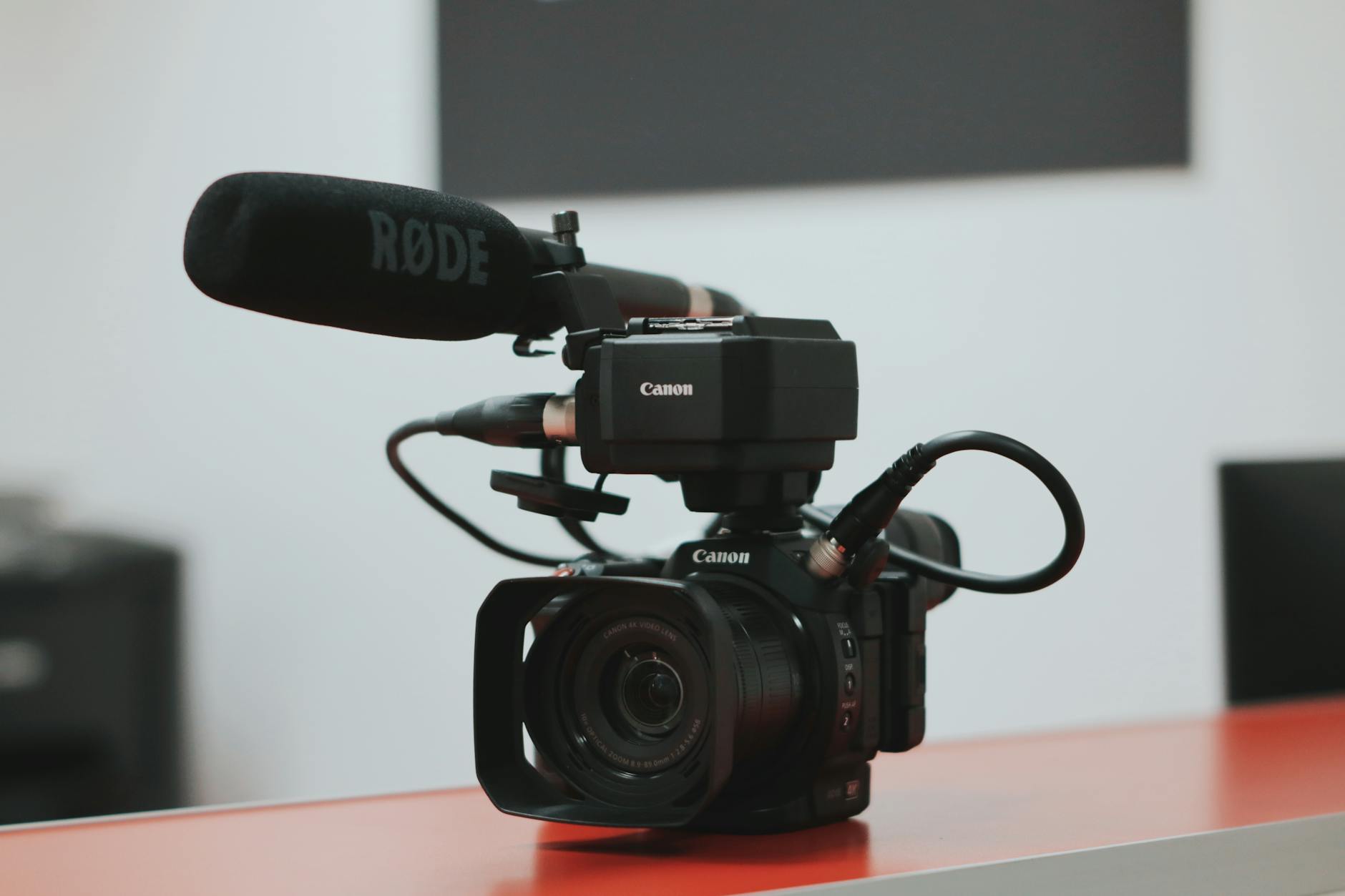
Professional-grade gear combined with technical expertise guarantees a polished production that meets modern viewers’ expectations for clarity and engagement.
Key Components of Live Event Video Coverage
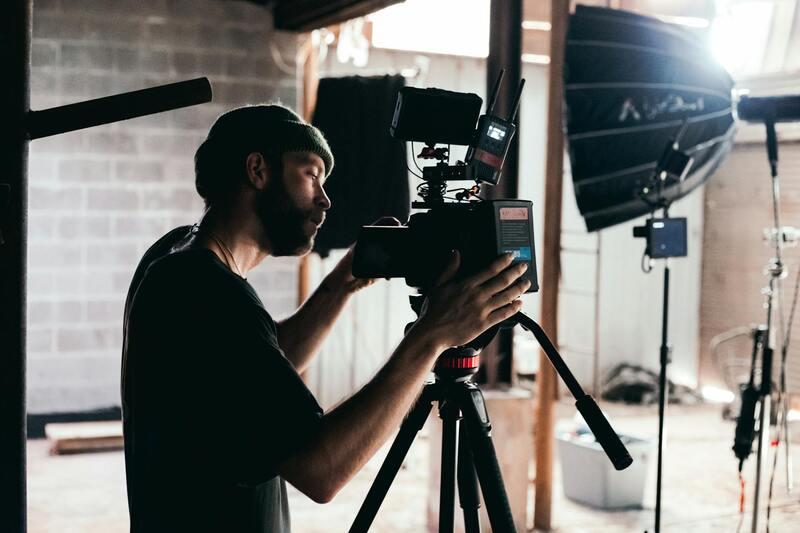
Achieving professional-grade live event video coverage hinges on several core components that work together seamlessly. Among these, multi-camera setups are vital to capture different angles, close-ups, wide shots, and audience reactions. Utilizing multiple cameras allows for dynamic storytelling, making the broadcast more engaging and visually appealing. The strategic placement of cameras, coordinated switching, and real-time editing are critical for maintaining a smooth flow and emphasizing key moments of the event.
Another fundamental element is streaming technology, which ensures the event reaches audiences across various platforms without interruption. Advanced encoder hardware or software converts raw footage into optimized digital streams suitable for internet delivery. This technology enables secure encoding, adaptive bitrate streaming, and multi-platform distribution, allowing viewers to access high-quality content on desktops, tablets, or mobile devices. In conjunction with streaming protocols, content delivery networks (CDNs) distribute the signal efficiently, reducing latency and buffering issues.
Audio quality is equally important in conveying the full experience of the event. Employing professional-grade microphones, mixers, and audio processors captures sound clearly, balancing ambient noise and critical audio cues. Good audio enhances viewer immersion and ensures important information, such as speeches or performances, is transmitted without distortion. Proper audio management, including monitoring and adjustments in real-time, guarantees synchronized sound with visual elements and prevents distracting audio fluctuations.
To support these components, technical infrastructure must be robust. This includes reliable internet connections with sufficient bandwidth, backup systems for critical equipment, and contingency plans for technical failures. Integrating these key elements with a skilled technical team results in a comprehensive live coverage setup capable of delivering high-quality streams consistently.
Pre-Production Planning and Coordination
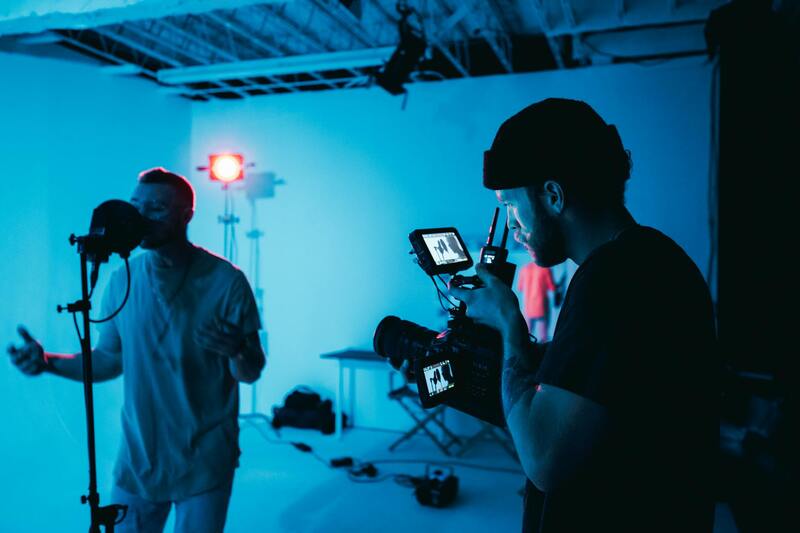
Effective live event coverage begins well before the event itself. Careful pre-production planning involves detailed coordination among all stakeholders—event organizers, production crew, talent, and technical staff. A comprehensive production plan outlines specific roles, camera placements, shot lists, and timing cues to ensure clarity and organization during the broadcast. Establishing communication protocols, such as dedicated radio channels or messaging systems, facilitates seamless coordination among team members.
Site reconnaissance and technical assessments ensure compatibility of equipment and identify potential challenges. Pre-visualization of camera angles and lighting setups helps optimize shot selection. Rehearsals are integral to test equipment functionality, define cues, and streamline operations. These preparations enable the technical team to anticipate and resolve issues proactively, contributing to a polished final product.
Effective pre-production also involves close coordination with the event’s schedule. Timing critical moments, planning camera transitions, and ensuring that all equipment is properly configured aligns the live coverage with the event’s flow. Transparency and communication among stakeholders reduce the risk of technical disruptions, providing a foundation for seamless execution during the event itself.
Understanding Live Event Video Coverage
Effective live event video coverage combines meticulous preparation, advanced technology, and expert on-site execution to deliver high-quality streaming experiences. It involves capturing the energy, atmosphere, and key moments of an event and transmitting them seamlessly to audiences across various platforms. The process is rooted in strategic planning and precise technical execution, ensuring that viewers remain engaged and connected no matter where they are.
Pre-Production Planning and Coordination
Pre-production is the cornerstone of successful live event video coverage. This phase encompasses comprehensive planning, which includes logistical arrangements, technical assessments, and collaborative efforts among all stakeholders involved. Detailed site surveys evaluate the venue’s layout, lighting conditions, and power sources, enabling the production team to develop an effective camera positioning strategy. Coordination with event organizers ensures that the filming schedule aligns with the event timeline, capturing essential moments without disruption.
Collaborative planning involves setting clear roles for camera operators, director, sound technicians, and other crew members. Establishing communication protocols, such as dedicated radio channels or messaging apps, facilitates real-time coordination. Camera placements are predetermined based on sightlines and lighting, with some setups including remote-controlled or robotic cameras to access hard-to-reach areas. Rehearsals are conducted to test equipment, rehearse camera cues, and troubleshoot potential issues, creating a smooth workflow during the live event.
Technology and Equipment Used
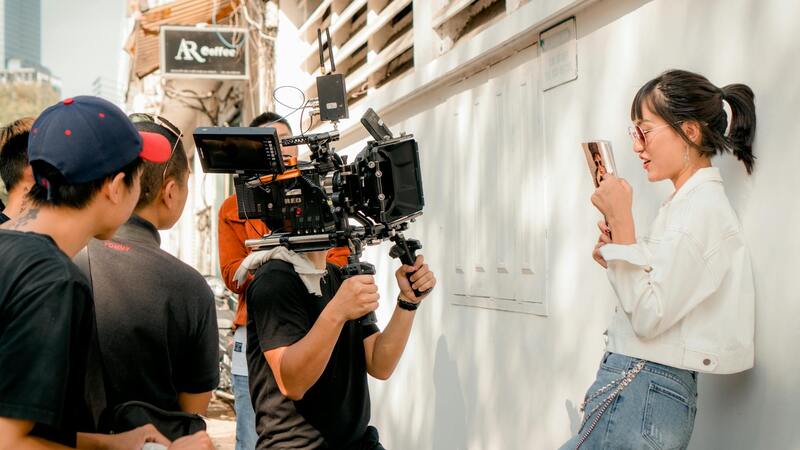
The backbone of live event video coverage consists of high-quality cameras, professional-grade audio equipment, and robust video transmission tools. Modern productions leverage multiple camera types, including wide-angle, zoom, and robotic cameras, to provide diverse perspectives. Encoder devices convert audiovisual signals into live streams compatible with various streaming platforms, ensuring minimal latency and high resolution.
Additional equipment such as switchers, monitors, and audio mixers synchronize content and facilitate real-time editing. Wireless transmission technologies, like bonded cellular or satellite links, offer reliable data transfer even in challenging venues. Backup systems and redundant equipment are standard to mitigate potential failures, maintaining continuous coverage without interruptions.
On-Site Production and Execution
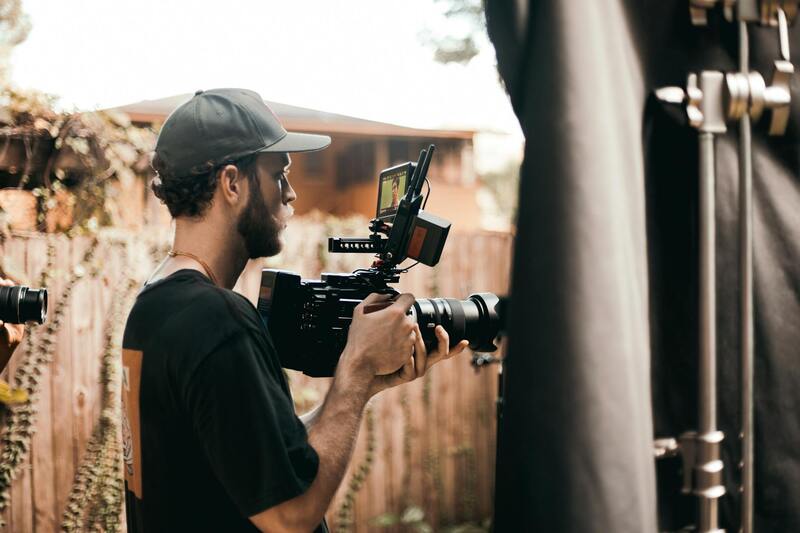
Execution on the day of the event hinges on adherence to the pre-established plan. The technical director oversees live switching, selecting camera feeds, adding graphics, and managing audio levels to craft a cohesive broadcast. Skilled camera operators follow predetermined shot lists while remaining agile enough to adapt to spontaneous moments.
Real-time monitoring allows the technical team to identify and resolve issues promptly, ensuring uninterrupted streaming. Effective team coordination is crucial for seamless transitions, audio sync, and camera adjustments. A dedicated director guides the overall flow, making decisions swiftly to highlight significant moments or react to unexpected developments.
In addition, onsite staff handle equipment setup, troubleshooting, and maintenance throughout the event, ensuring all components operate at peak performance from start to finish.
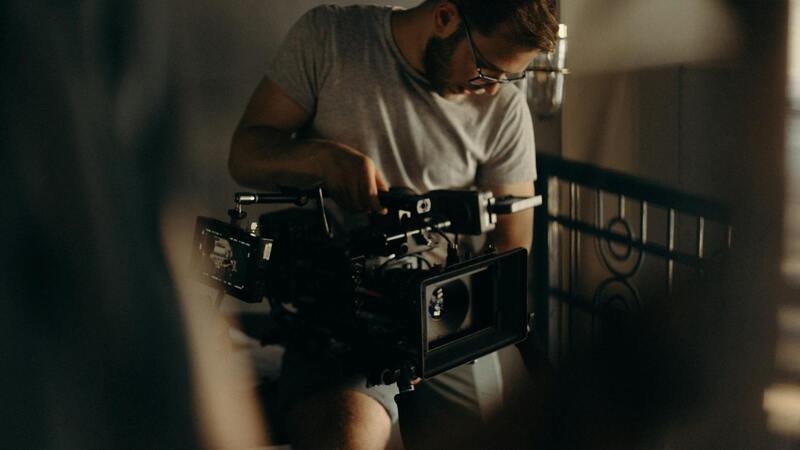
Through professionalism and precision, the on-site crew ensures that the live coverage maintains high standards, engaging remote viewers with a broadcast that accurately reflects the energy and importance of the event.
Understanding Live Event Video Coverage
Effective live event video coverage requires an intricate blend of technology, skilled personnel, and strategic planning. It centers around capturing the energy and significance of each moment, then broadcasting it in real time to audiences who are unable to attend physically. This process involves not just filming the event but also ensuring the transmission is seamless, high-quality, and accessible across multiple platforms, reinforcing the event's professionalism and reach.
Core Goals of Live Event Video Coverage
- Deliver a high-definition visual experience that faithfully captures the event's atmosphere.
- Ensure uninterrupted streaming despite potential technical challenges.
- Reach a broad audience efficiently through various distribution channels.
- Engage viewers with dynamic visuals and clear audio, maintaining their interest throughout the broadcast.
Critical Aspects of Live Event Video Coverage
Implementing comprehensive coverage involves multiple interconnected aspects that work together to produce a compelling live broadcast. This includes meticulous pre-event planning, employing the latest technological tools, and executing a synchronized on-site production. Each element plays a vital role in ensuring the final product meets high standards of quality and reliability.
Pre-Production Planning and Coordination
Pre-production is the foundation of any successful live coverage. It involves detailed scheduling, equipment testing, and team coordination to establish clear roles. This phase also encompasses venue scouting to determine optimal camera placement, potential lighting conditions, and internet connectivity. Pre-visualization and shot planning are essential to anticipate key moments and prepare corresponding camera angles. Communication channels among the technical crew and production team are set up early, ensuring everyone is aligned on the event timeline, specific segments, and contingencies for technical issues.
Technology and Equipment Used
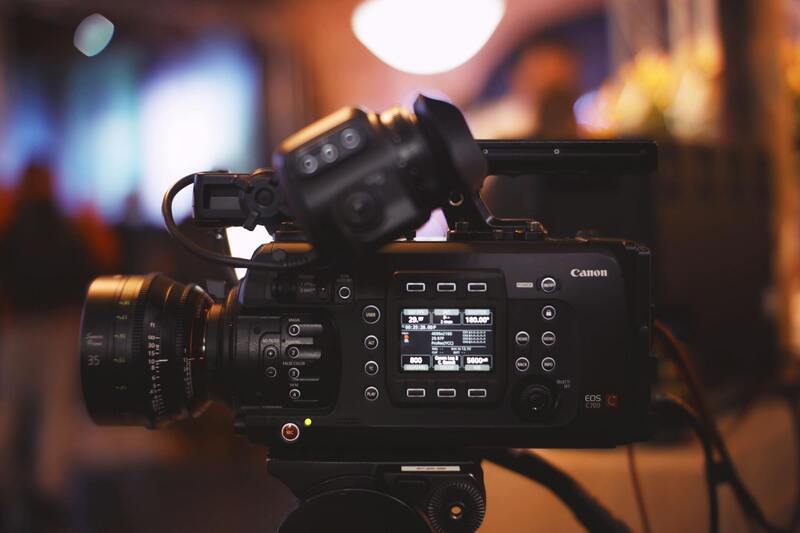
Modern live event coverage relies heavily on advanced technology. High-definition cameras equipped with remote control features enable dynamic shot selection and camera maneuvering from a centralized control room. Video switching systems facilitate real-time transitions between camera feeds, graphics, and overlays, ensuring a polished broadcast. Reliable internet connections, such as fiber-optic or bonded cellular links, are critical to maintain a stable stream. These systems are often complemented by backup solutions, including satellite links or secondary networks, to mitigate connectivity disruptions.
Additional equipment includes high-quality audio mixers, wireless microphones, and instant graphics generators, all contributing to a professional production. The deployment of multi-camera setups allows for varied perspectives, from wide-angle shots capturing the entire scene to close-ups of key individuals or moments, enhancing viewer engagement.
On-Site Production and Execution
The on-site production team brings the pre-planned vision to life through precise coordination and quick decision-making. The technical director oversees live switching, selecting between camera angles, overlays, and graphics in real time. Skilled camera operators are tasked with following shot lists but also adapting swiftly to spontaneous moments, capturing key highlights that elevate the broadcast. Sound engineers manage on-the-fly audio adjustments, ensuring clarity and balance for viewers.
Real-time monitoring systems allow the team to detect and resolve issues immediately, maintaining broadcast integrity. Effective team communication enables seamless transitions, shot adjustments, and synchronization of audio and visual feeds. The production crew manages all technical aspects from equipment setup to troubleshooting, ensuring each component functions flawlessly during the live event.
Streaming Platforms and Distribution
Choosing the proper channels for distribution maximizes reach and viewer engagement. Popular streaming platforms include social media networks, dedicated streaming services, and customized player solutions embedded into websites. The distribution strategy often involves multi-platform streaming, allowing simultaneous broadcasts on platforms like Facebook Live, YouTube, and specialized event portals. This approach broadens accessibility, enabling audiences to watch via desktops, tablets, or smartphones.
Post-Event Content Management
Post-event processes include content archiving, editing, and distribution for on-demand viewing. Footage can be repurposed into highlight reels, promotional clips, or educational material, extending the event’s value. Data analysis related to viewer engagement and streaming performance informs future planning, leading to continuous improvement in live coverage quality. Additionally, providing accessible recordings boosts the event’s overall reach and impact beyond the live broadcast window.
Select the Right Miami Production Partner
Partnering with a seasoned Miami-based production company ensures access to top-tier equipment, experienced technical teams, and strategic planning expertise. Local knowledge of venues, internet infrastructure, and audience preferences enhances the efficiency of live event coverage. An established production partner offers tailored solutions that align with the specific requirements of each event, whether a corporate conference, cultural festival, or sports event, guaranteeing a professional and engaging broadcast experience.
On-Site Production and Execution
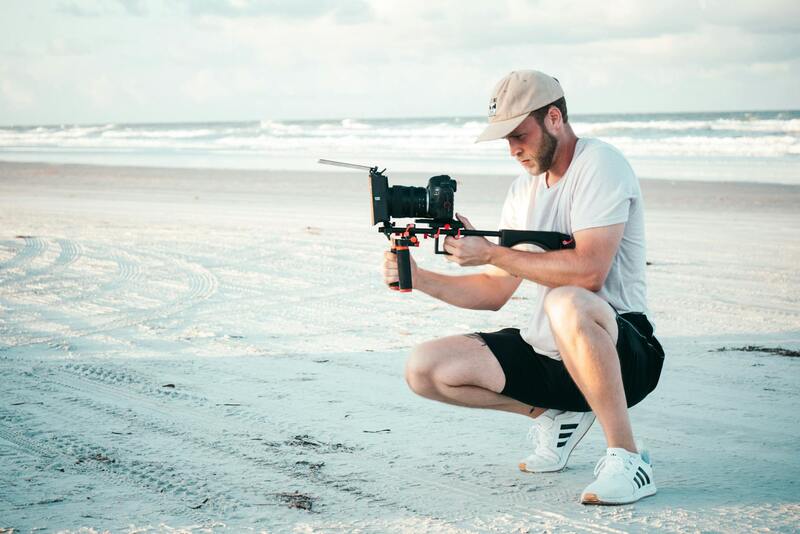
Effective on-site management is crucial to delivering seamless live event video coverage that meets audience expectations and maintains broadcast quality. A skilled production team orchestrates the entire operation, coordinating camera crews, technical staff, and performers or speakers. Clear communication channels are established prior to the event to ensure everyone is aligned on the day's procedures, shot lists, and contingency plans.
Directional control of camera operators plays a vital role in capturing dynamic and engaging visuals. Directors assign camera angles to showcase key moments, audiences, or interactions, enhancing viewer engagement. Multiple camera feeds—ranging from wide shots to close-ups—are managed in real-time through sophisticated switching equipment, allowing a visually compelling broadcast.
Monitoring audio is equally important for maintaining clarity and professionalism. Skilled audio engineers ensure microphones are properly placed, levels are balanced, and background noise is minimized. During the event, they respond promptly to any audio issues that may arise, such as technical interference or equipment malfunction, preventing disruptions in the live stream.
Handling unexpected challenges is intrinsic to live production. Technical glitches, environmental disruptions, or sudden changes in program schedules can occur unexpectedly. A competent team prepares contingency measures, including backup equipment, alternative communication channels, and rapid troubleshooting protocols. This readiness minimizes potential setbacks and ensures the continuity of the live broadcast.
Essential Skills for On-Site Live Event Video Coverage
- Technical proficiency with broadcasting equipment and software
- Strong communication and teamwork skills
- Ability to adapt quickly to unexpected problems
- Attention to detail in framing, lighting, and audio quality
- Knowledge of venue layout and logistical planning
Achieving high-quality live broadcast coverage requires meticulous planning, experienced personnel, and flexible problem-solving capabilities. The combination of these elements ensures a final product that is engaging, stable, and professional, effectively showcasing the event to a remote audience in real time.
Understanding Live Event Video Coverage
Live event video coverage encompasses the real-time broadcasting of a designated event, capturing the atmosphere, key moments, and audience engagement for viewers who cannot attend in person. This form of coverage demands a blend of technical expertise, strategic planning, and meticulous execution to effectively convey the essence of the event across digital platforms. High-quality live coverage not only enhances visibility but also provides a dynamic way to connect with a broad audience, whether for corporate conferences, concerts, sports events, or community gatherings. Achieving an engaging and seamless live stream involves implementing robust production methods and utilizing state-of-the-art technology, ensuring the event’s narrative is delivered professionally without interruption or loss of quality.
Key Components of Live Event Video Coverage
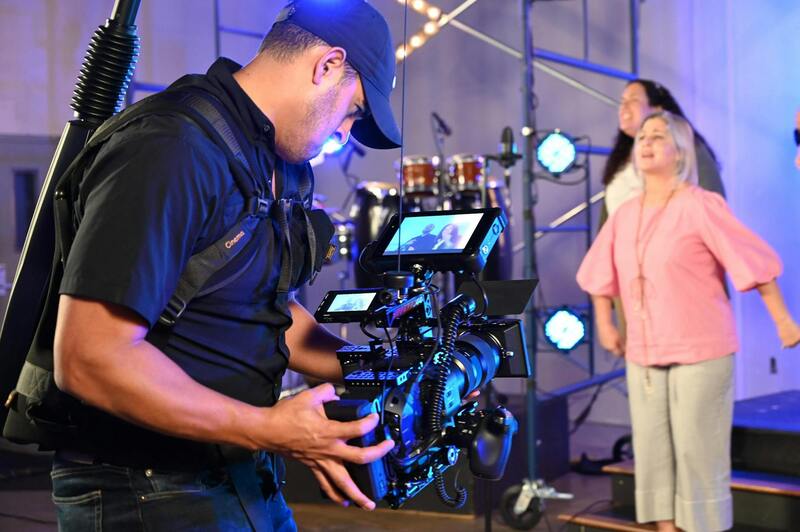
The backbone of any successful live event broadcast lies in its core components. These include multiple camera positions tailored to capture different angles and key moments, synchronized with high-quality audio equipment to ensure crystal-clear sound. Additionally, a reliable communication system among production team members allows for cohesive coordination during the event. Graphics and overlays are often integrated to highlight important information, such as speakers’ names or event sponsors. A dedicated producer or director monitors the live feed in real time, making necessary adjustments to framing, transitions, and audio levels, ultimately creating a polished viewing experience for online audiences.
Essential Elements:
- Multiple camera crews capturing diverse angles
- High-fidelity audio recording and mixing
- Real-time video switching and mixing
- Graphic overlays and live annotations
- Communication systems for on-the-fly technical adjustments
Pre-Production Planning and Coordination
Preparation is paramount in orchestrating a seamless live broadcast. Detailed planning begins with understanding the event’s schedule, key moments, and logistical considerations such as venue layout and power sources. The production team collaborates early with event organizers to define coverage objectives, visual branding, and specific camera angles. Site surveys enable technicians to identify the best locations for camera setups and troubleshoot potential challenges like lighting conditions or restricted access. This phase also involves creating detailed run sheets, testing equipment, and establishing backup systems to mitigate unforeseen issues. Clear communication channels, comprehensive checklists, and rehearsals contribute to minimizing operational hiccups and aligning all teams on the desired outcomes.
Key Planning Strategies:
- Site reconnaissance and technical surveys
- Clear delineation of roles and responsibilities
- Development of shot lists and event timelines
- Equipment testing and contingency planning
- Coordination meetings with all stakeholders
Technology and Equipment Used
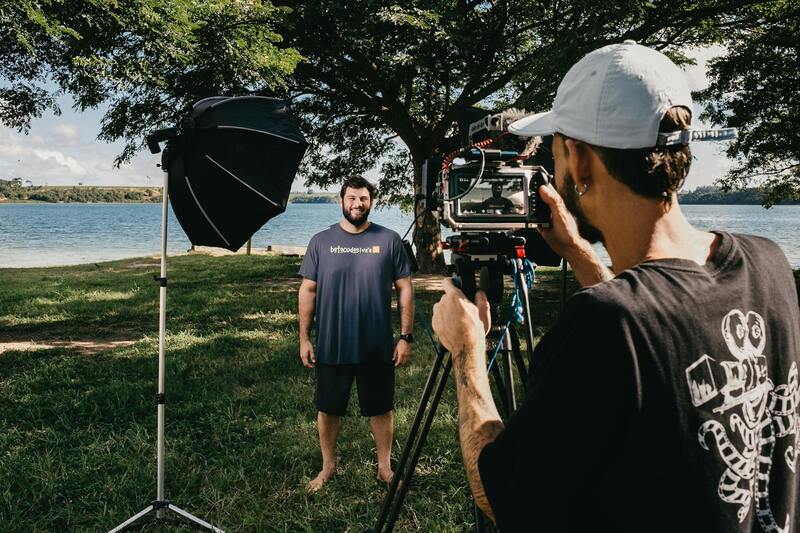
The effectiveness of live event video coverage hinges on sophisticated technology and equipment. Professional-grade cameras, capable of high-definition and multiple formats, are essential for capturing clear visuals under varying lighting conditions. Video switchers facilitate seamless transitions between camera feeds, while encoders transmit the live data to broadcasting platforms. Audio mixers balance sound inputs from microphones and other sources, ensuring audio fidelity. Transmission often utilizes fiber optics, satellite links, or reliable internet connections to prevent latency issues. Advanced stabilization devices and remote control systems further enhance camera operation, especially in dynamic or hard-to-access locations. Backup systems, including additional servers and power sources, are also integral to maintaining uninterrupted coverage. The integration of these technological components culminates in a resilient setup capable of delivering professional-grade live streams that meet the highest standards.
On-Site Production and Execution
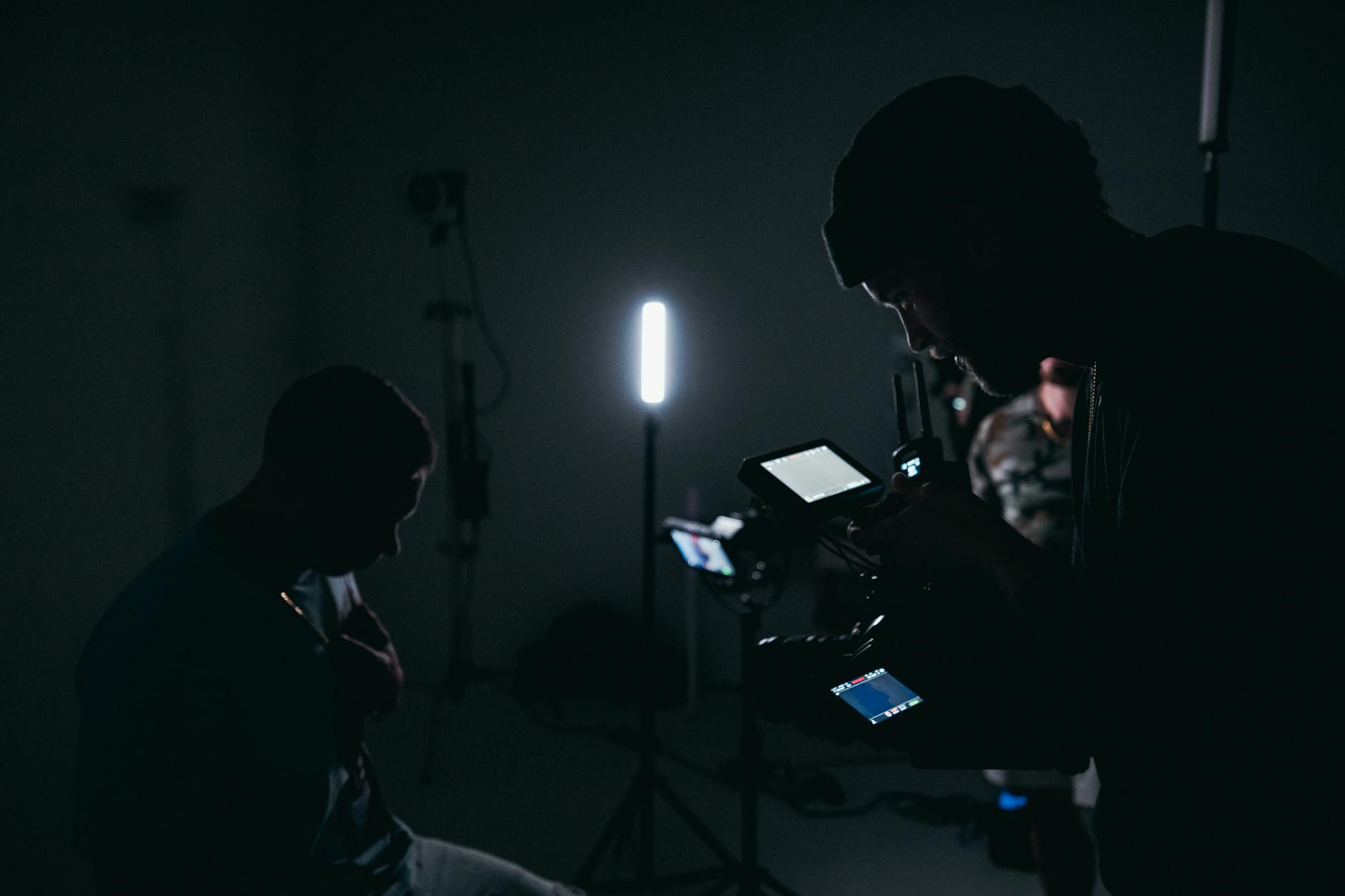
Effective on-site execution transforms detailed plans into a smoothly run live broadcast. The production team manages multiple elements simultaneously, from camera operation and audio management to live switching and overlaid graphics. Skilled camera operators adjust angles and focus to capture key moments, while audio technicians monitor sound quality and respond promptly to any issues. The director oversees the entire broadcast process, making real-time decisions that influence the visual and audio flow. Technical support staff remain vigilant, ready to troubleshoot hardware or software problems swiftly. Additionally, logistical coordination involves managing personnel movement, equipment placement, and power supplies to avoid disruptions. During the event, constant communication ensures that if adjustments are needed—such as changing camera positions or switching feeds—they are executed swiftly and efficiently. The ultimate goal is to deliver a broadcast that feels natural, engaging, and professional, effectively translating the energy of the live event to the online audience.
Ensuring Seamless Transmission and Minimal Latency
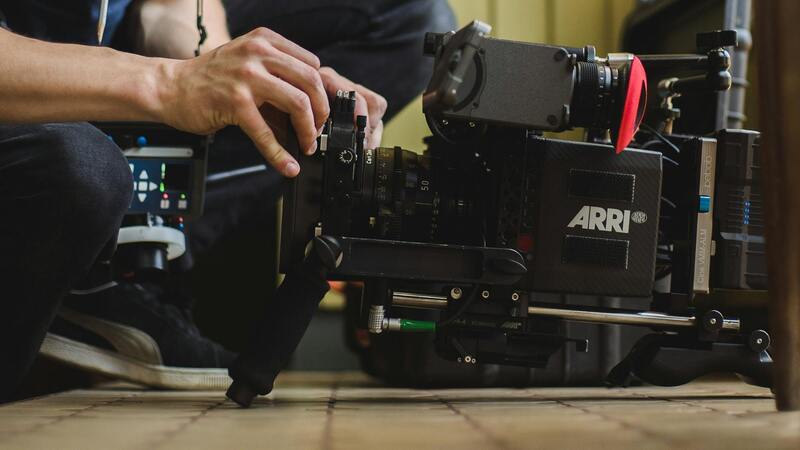
Maintaining a high-quality live event coverage hinges on the use of advanced broadcasting protocols and infrastructure. In particular, real-time data transmission methods such as Secure Reliable Transport (SRT) or Real-Time Messaging Protocol (RTMP) play a crucial role in ensuring the smooth flow of live video signals from the venue to online platforms. These technologies prioritize low latency and data integrity, making it possible to deliver a cohesive viewing experience despite potential network fluctuations.
Dedicated high-bandwidth internet connections are essential for preventing interruptions or buffering issues. These often involve fiber-optic links combined with redundant network pathways to guarantee continued service even if one connection experiences a setback. Network engineers monitor these streams continuously, adjusting encoding parameters and bandwidth allocations to optimize the quality of the feed.
Utilizing Backup Systems and Redundancy Measures
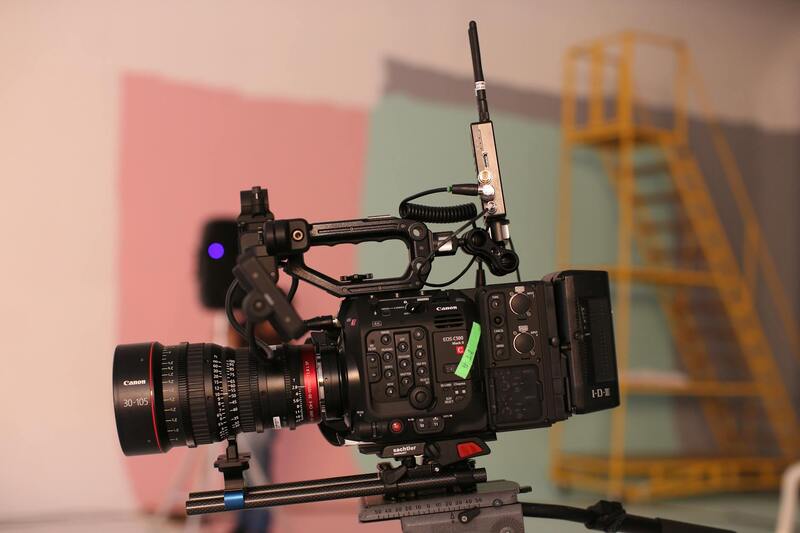
To further safeguard live coverage from technical failures, comprehensive redundancy measures are implemented. This includes deploying backup encoders, secondary internet connections, and redundant power supplies. In scenarios where primary equipment encounters issues, automated failover procedures activate seamlessly, ensuring the broadcast continues without noticeable disruption.
Furthermore, multiple encoding outputs can be generated and routed to different streaming platforms or servers. This multistreaming approach not only broadens audience reach but also provides additional layers of security for the live feed.
Monitoring and Quality Control During Broadcast
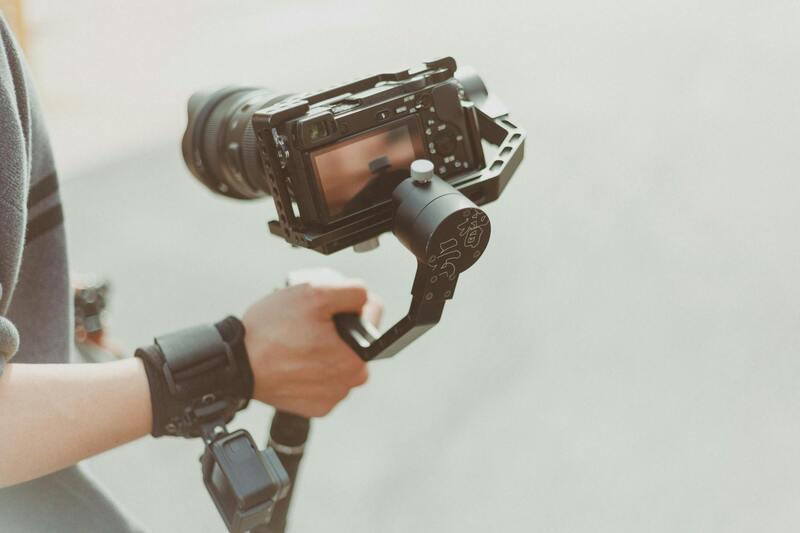
Real-time monitoring is integral to the successful execution of live event video coverage. Production teams employ sophisticated tools to oversee video and audio feeds, ensuring consistent quality throughout the event. Monitoring personnel keep an eye on viewer experience metrics such as resolution, bit rate, and latency, ready to make immediate adjustments as needed.
This ongoing assessment enables rapid responses to issues like audio imbalances, video artifacts, or connectivity drops, which might otherwise compromise the broadcast. Clear communication channels between the control room and field staff facilitate swift troubleshooting, adjustments, and camera switching, maintaining a professional standard.
Engaging Audience Through Interactive Elements
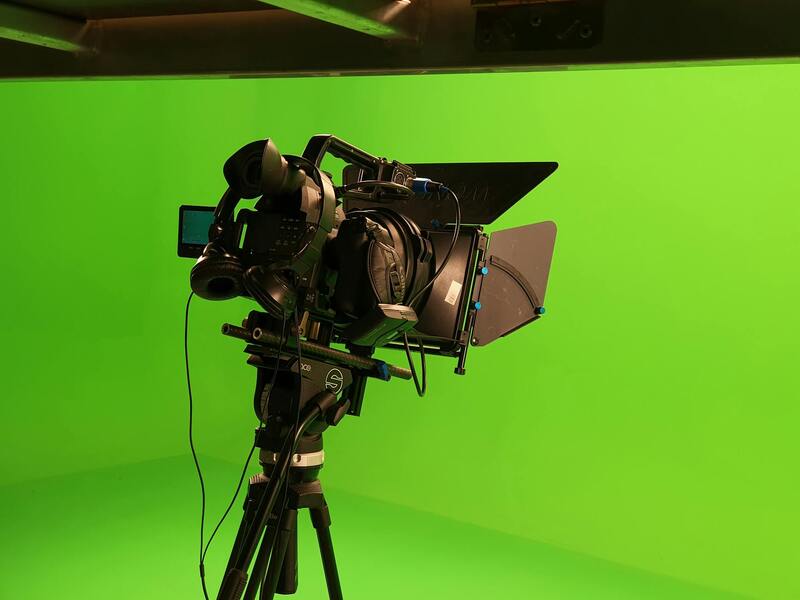
Effective live event coverage often incorporates interactive components to enhance audience engagement and satisfaction. This can involve live chat features, social media integration, or on-screen graphics that prompt viewer participation. Interactive overlays such as polls, Q&A sessions, or real-time comment streams foster a sense of community and participation, increasing viewer retention.
Moreover, integrating multiple camera angles and immersive visuals not only captures the event’s energy but also caters to diverse viewer preferences. The strategic use of commentary and graphics helps contextualize content, making the experience more informative and entertaining.
Understanding Live Event Video Coverage
Live event video coverage involves capturing, transmitting, and streaming real-time footage of an event to a remote audience. It requires meticulous planning, advanced technology, and skilled execution to ensure that viewers experience the event as if they were physically present. This process encompasses multiple aspects, from pre-event preparations to post-event content handling, all designed to deliver a seamless viewing experience. Effective coverage not only conveys the event's core moments but also enhances audience engagement through the strategic use of visuals, commentary, and interactive features.
Key Components of Live Event Video Coverage
Successful live coverage integrates various elements that work together to produce a professional broadcast. These include multi-camera setups for diverse angles, high-quality audio systems, real-time graphics, and reliable streaming infrastructure. Each component plays a critical role in maintaining production quality, viewer engagement, and information clarity. The coordination of these elements ensures that the essence of the event is preserved and effectively communicated to a global audience.
Pre-Production Planning and Coordination
Extensive planning is fundamental to mastering live event video coverage. This phase involves detailed scheduling, storyboard development, and rigorous coordination with event organizers. Preparatory steps include site surveys, technical assessments, and devising contingency plans to address potential disruptions. Clear communication channels among the production team, venue staff, and event personnel establish a synchronized workflow, reducing the likelihood of technical issues during the live broadcast. Precise timing of camera setups, lighting adjustments, and audio checks are integral to achieving flawless execution.
Technology and Equipment Used
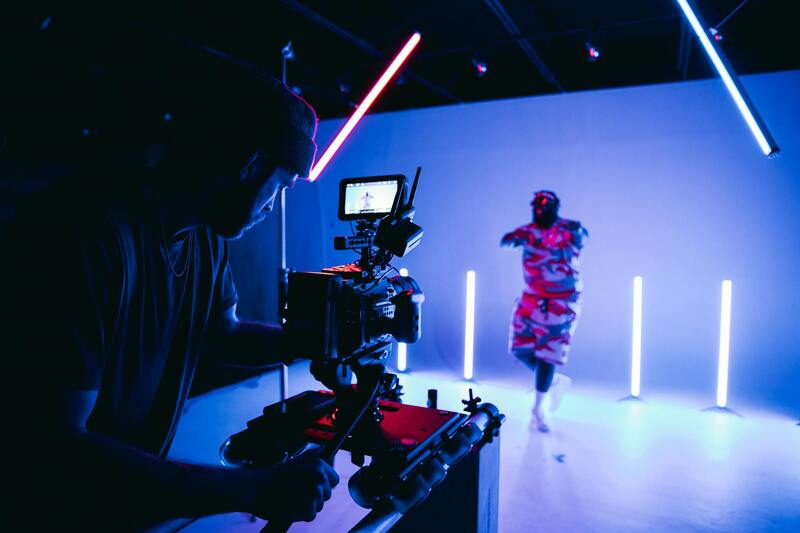
The backbone of effective live event coverage comprises state-of-the-art technology and equipment. High-definition cameras with pan-tilt-zoom capabilities enable dynamic capturing of key moments from multiple angles. Professional audio mixers and wireless microphones ensure crisp sound quality, while signal transmission tools like fiber-optic cabling or wireless transmitters facilitate efficient data flow. Streaming encoders convert raw video feeds into formats suitable for internet transmission, maintaining high resolution and low latency.
On-Site Production and Execution
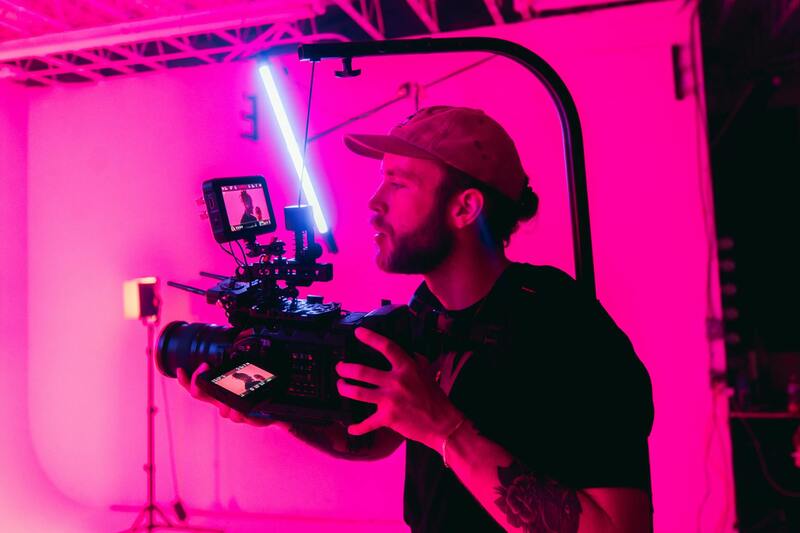
During the event, the production team operates the technical infrastructure, managing multiple camera feeds, audio levels, and visual overlays in real-time. Skilled directors and camera operators coordinate to capture pivotal moments, ensuring appropriate framing and focus. The control room oversees the entire broadcast, making instant decisions on camera switching, graphic insertion, and audio mixing to optimize viewer experience. Monitoring tools continuously track stream stability and quality metrics, allowing timely adjustments to mitigate issues like buffering or audio-video synchronization problems.
Streaming Platforms and Distribution
Dispersion of live footage relies on robust streaming platforms tailored to the event’s audience size and reach goals. Common options include dedicated web portals, social media channels, and specialized streaming services capable of handling large concurrent viewers. It is crucial to utilize platforms that support adaptive bitrate streaming, which automatically adjusts the video quality based on each viewer's internet speed. Proper integration with content delivery networks (CDNs) ensures minimal latency and buffering, providing a smooth viewing experience regardless of geographical location.
Post-Event Content Management
After the live broadcast concludes, the recorded footage serves multiple purposes, including promotional content, highlights, or archival material. Efficient content management involves editing raw streams to create highlight reels, summaries, and on-demand videos. Metadata tagging and proper storage facilitate easy retrieval for future use. Additionally, analyzing viewer metrics like engagement levels, peak viewership times, and geographic distribution helps refine strategies for upcoming events. This data-driven approach supports continuous improvement in live event coverage quality and audience outreach efforts.