
Overview of Remote Live Video Production
Remote live video production has revolutionized the way events, conferences, and performances are broadcasted to audiences worldwide. By enabling a professional-quality broadcast without the need for a centralized studio, this approach offers unprecedented flexibility and accessibility. For Miami-based industry professionals, adopting remote production methods means reducing logistical complexities, minimizing on-site personnel requirements, and expanding the reach of their content to global viewers.
The significance of remote live video production lies in its capacity to seamlessly connect multiple locations into a unified broadcast environment. This capability is especially valuable in a city like Miami, where diverse events—from corporate summits to cultural festivals—demand reliable, high-quality video delivery. Remote production empowers organizers to produce complex productions with a leaner setup, leveraging internet-based connectivity and sophisticated cloud services.

Key benefits of this technology include cost savings through reduced on-site equipment, improved scalability to accommodate various event sizes, and enhanced flexibility that allows for quick adaptations to changing production needs. Additionally, remote workflows facilitate collaborative efforts among geographically dispersed teams, supporting real-time decision-making and quick problem resolution. For Miami professionals looking to stay competitive in the digital broadcasting arena, mastering remote live video production is a strategic move that aligns with the evolving demands of modern content delivery.
As the technology continues to advance, the potential for remote live video production extends beyond traditional broadcasting to include virtual and hybrid events, live streaming of sports, concerts, and corporate meetings. These innovations contribute to a more dynamic and accessible media landscape, offering Miami-based professionals a significant edge in reaching diverse audiences effectively and efficiently.
Key Technologies and Equipment
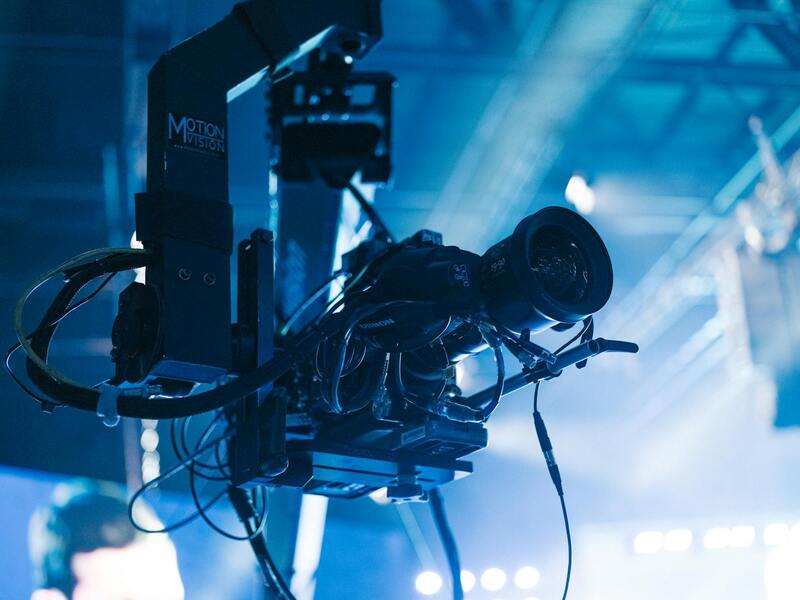
Implementing effective remote live video production requires a combination of specialized hardware and robust software solutions designed to facilitate seamless content creation and transmission. Central to this setup are high-definition cameras, which serve as the primary image capture devices. These cameras must be capable of streaming high-quality video outputs with minimal latency, even in challenging lighting conditions typical of diverse event environments.
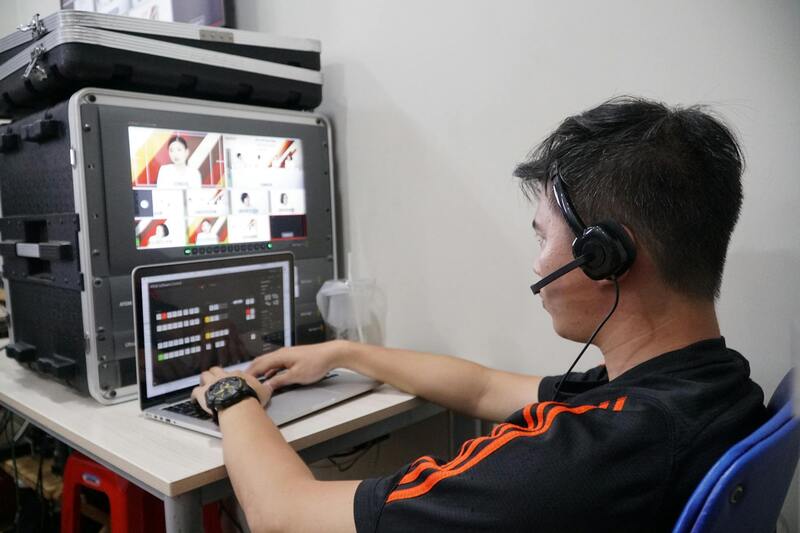
Complementing these cameras are advanced video switchers and mixers that allow producers to manage multiple feeds in real-time, creating professional-grade broadcasts. Cloud-based workflow management tools play a crucial role, enabling remote teams to coordinate seamlessly, share media assets instantly, and make real-time edits. These platforms often support multi-user access, centralized media libraries, and live editing capabilities, which are essential for synchronized production across multiple locations.

To ensure smooth collaboration, high-quality communication tools are imperative. This includes audio interfaces, headsets, and real-time messaging platforms that allow team members to communicate effectively regardless of geographically dispersed locations. For live streaming, reliable encoders are used to compress and transmit video signals over the internet. These encoders support multiple formats and resolutions, ensuring compatibility with various streaming platforms.
Stability and redundancy are critical, often achieved through multiple internet connections, backup power supplies, and failover systems. These safeguards minimize the risk of disruptions during live broadcasts. Furthermore, advancements in software technology have introduced AI-driven tools for automatic scene switching, audio leveling, and error detection, further enhancing production quality.
Optimizing Equipment for Remote Production
- High-Quality Cameras: Preferably with PTZ (pan-tilt-zoom) functionality for remote control.
- Robust Encoders: Capable of adaptive bitrate streaming to handle fluctuating network conditions.
- Cloud-Based Management Platforms: For streamlined remote scheduling, editing, and collaboration.
- Reliable Internet Connections: Multiple ISP setups, bonded connections, or fiber optic links to maintain stable connectivity.
- Enhanced Audio Equipment: Wireless microphones and external audio interfaces to ensure clear sound quality.
- Secure Data Encryption: To protect transmitted content and sensitive communications from unauthorized access.
Implementing Secure Data Practices in Remote Live Video Production
Ensuring the confidentiality and integrity of the content being transmitted is paramount in remote live video production. Employing robust encryption protocols during data transfer prevents unauthorized access and potential breaches that could compromise sensitive information or disrupt the broadcast. End-to-end encryption methods are recommended for securing content from the camera or production equipment to the streaming platform, maintaining a secure pipeline throughout the entire process.
Access control also plays a central role in safeguarding production workflows. Implementing multi-factor authentication (MFA) for team member logins reduces the risk of unauthorized access. Role-based permissions should be assigned, limiting user access to only those functionalities necessary for their responsibilities, streamlining workflow security without hampering production flexibility.
Data storage practices are equally critical. Using encrypted cloud storage or secure on-premises servers ensures that recorded footage and production assets are protected against theft or data loss. Regular audits of security protocols help identify vulnerabilities and enforce compliance with industry standards. Additionally, establishing secure file transfer protocols—such as SFTP or VPNs—facilitates safe movement of large video files between remote locations and central servers.

Monitoring and Troubleshooting Security Threats
Continuous network monitoring is essential to detect and respond swiftly to suspicious activities that could jeopardize the production. Automated intrusion detection systems (IDS) and real-time alerts enable technical teams to identify security breaches promptly, minimizing potential damage. Conducting periodic security assessments and updating encryption keys and software regularly helps maintain a resilient security infrastructure.
Moreover, comprehensive training for all team members on security best practices enhances overall protection. Educating personnel about phishing scams, secure password management, and the importance of safeguarding login credentials creates a security-aware culture that reduces human error vulnerabilities.
Ultimately, integrating advanced security measures into the remote live video production framework ensures that content remains protected from undesired access or interference, supporting a smooth, professional broadcast environment that stakeholders can trust and rely on for delivering high-quality live events seamlessly.
Security and Privacy Measures in Remote Live Video Production
Implementing robust security and privacy protocols is essential in maintaining the integrity of remote live video production workflows. These measures prevent unauthorized access, protect sensitive content, and ensure compliance with industry standards. Establishing comprehensive security practices involves multiple layers of defense designed to safeguard both hardware and software components involved in the production process.
One of the foundational steps is deploying end-to-end encryption on all data transmissions. This encryption ensures that video feeds, control signals, and file transfers are inaccessible to malicious actors. When securely encrypting data, using industry-standard algorithms like AES-256 and protocols such as SRTP for real-time media transport strengthens the protection level. These encryption methods are particularly vital when transmitting live footage across public or shared networks, preventing interception or tampering.
Beyond secure transmission protocols, establishing strict access controls limits system entry to authorized personnel. Implementing multi-factor authentication (MFA) for login procedures adds an extra layer of verification, reducing the risk of credential theft or unauthorized hacking attempts. Role-based access control (RBAC) further ensures that team members only access the functions and information necessary for their specific responsibilities, minimizing potential vulnerabilities.
Regularly updating software and firmware associated with production equipment and security systems is equally critical. Patches and updates address known vulnerabilities, preventing exploitations that could compromise the production environment. Automated patch management tools facilitate timely updates across all devices involved in the workflow.
Incorporating secure file transfer protocols such as SFTP or VPN solutions enhances the safety of large video files during exchange. These protocols encrypt data in transit and establish secure channels, preventing unauthorized interception and data breaches. Implementing digital rights management (DRM) tools further helps control who can access or distribute the recorded content after the live event concludes.
Training personnel on security best practices is a proactive measure that fortifies the production environment. Educational initiatives covering secure password management, phishing awareness, and proper handling of sensitive data foster a security-conscious culture. Regular drills and updates reinforce these practices, reducing human errors that could lead to security incidents.
Continuous monitoring of networks and systems through automated intrusion detection systems (IDS) and real-time alert platforms allows for prompt response to potential threats. Periodic security audits and vulnerability assessments provide insights into system health and help identify emerging vulnerabilities. Evaluating and updating security policies regularly ensures that the security posture evolves in tandem with technological advancements and threat landscapes.
Furthermore, establishing privacy protocols aligns with data protection standards and stakeholder expectations. Clear guidelines on data collection, storage, and sharing are necessary to handle personal information and proprietary content responsibly. This transparency fosters trust among participants and viewers, reinforcing the professional reputation of the production team.
Protecting the multifaceted aspects of remote live video production demands rigorous security measures that are both technical and procedural. When executed effectively, these layers of protection help ensure the smooth operation of live events, uphold content integrity, and sustain a high level of stakeholder confidence.

Connectivity and Bandwidth Considerations in Remote Live Video Production
Ensuring a robust and reliable connection is the backbone of successful remote live video production. High-quality video streams demand significant data transfer capacity, and any compromise in bandwidth can lead to degraded video quality, latency issues, or even complete disconnections. To maintain a seamless broadcast, it is essential to evaluate the network infrastructure thoroughly before the event.
One fundamental aspect is assessing the available bandwidth at all production and contributor locations. This involves not only the raw speed of internet connections but also their stability and consistency. Symmetrical connections, where upload and download speeds are equivalent, are preferred to support bidirectional data flow required in live production workflows.
Implementing dedicated internet lines or fiber-optic connections significantly minimizes the risk of congestion caused by other household or office activities. Additionally, leveraging Quality of Service (QoS) configurations helps prioritize live video traffic over less critical data, reducing latency and buffering during critical moments.
Bandwidth management software can be employed to monitor network traffic in real time, providing immediate alerts if thresholds are approached. This proactive approach allows technical teams to take corrective measures, such as rerouting streams or temporarily pausing non-essential uploads, to uphold stream integrity.
To further enhance reliability, organizations often set up backup connections, such as cellular LTE or 5G hotspots, which can be switched to automatically if primary connections falter. This redundancy is crucial during high-stakes events where uninterrupted streaming is non-negotiable.
From an equipment perspective, selecting encoders and streaming hardware capable of adaptive bitrate streaming is vital. These devices dynamically adjust the quality of the feed based on current network conditions, maintaining continuous transmission even when bandwidth fluctuates.
Engaging professional network specialists during the planning phase ensures all possible variables are accounted for, resulting in a resilient setup that can handle the demanding nature of remote live video production.
Overview of Remote Live Video Production
Remote live video production has become an essential component of broadcasting, corporate events, and live entertainment. It involves the complex coordination of multiple technological elements to deliver seamless, high-quality streams from various locations to a central production hub. This approach enables creators and organizations to produce professional content without the necessity of centralized studio setups or physical presence on site. Instead, high-definition video feeds are captured remotely and transmitted over the internet, requiring precise management of latency, bandwidth, and synchronization to ensure a polished viewing experience. The evolution of live streaming protocols and advancements in network infrastructure continue to expand the possibilities for remote production, making it more accessible and reliable for a diverse range of applications.

Key Technologies and Equipment
Successful remote live video production relies on a suite of advanced technologies and equipment tailored to handle high data throughput while maintaining video integrity. Core components include:
- Video Encoders: These devices convert raw video signals into compressed digital formats suitable for internet transmission. Modern encoders support adaptive bitrate streaming, adjusting video quality dynamically based on network conditions to prevent buffering.
- Streaming Hardware: Robust streaming servers and hardware appliances manage multiple feeds and ensure stable transmission. Cloud-based solutions are increasingly popular for their scalability and ease of deployment.
- Audio Equipment: High-quality microphones, mixers, and audio interfaces are integrated to synchronize sound with video feeds, ensuring a professional audio-visual experience.
- Switchers and Mixers: For multi-camera setups, these devices facilitate live switching, combining multiple video sources seamlessly.
- Remote Control and Monitoring Tools: Software applications enable real-time adjustments and monitoring of production workflows from remote locations, allowing producers to oversee the entire broadcast efficiently.

Setting Up a Remote Production Workflow
An effective remote production setup requires meticulous planning and clear workflow processes. The typical stages include:
- Pre-Production Planning: Establish the production goals, determine the video sources, and select suitable equipment and internet connections. Proper scheduling and coordination among remote locations and the central control room are critical.
- Video Capture and Encoding: Remote cameras capture the event or scene. Encoders convert these signals into suitable formats, applying compression and adaptive streaming features to optimize for network conditions.
- Transmission to Central Hub: Video and audio feeds are transmitted over the internet via dedicated internet lines, fiber-optic connections, or cellular hotspots. Redundancy measures such as backup connections ensure continuous service during outages.
- Reception and Processing: The central production team receives the incoming streams, monitors quality, and manages switching, overlays, graphics, and audio mixing in real time.
- Broadcast Delivery: The final mixed content is distributed to various platforms—social media, dedicated websites, or broadcast networks—via multicast streaming or cloud distribution services.
Connectivity and Bandwidth Considerations
Reliable connectivity forms the backbone of remote live video production. Key considerations include:
- Bandwidth Allocation: Adequate upload bandwidth is essential to transmit multiple high-definition streams without impairment. Bandwidth requirements increase with resolution, frame rate, and number of simultaneous feeds.
- Dedicated Internet Connections: Using dedicated fiber-optic lines or leased lines significantly reduces jitter and latency compared to shared networks, fostering stable, predictable transmission quality.
- Redundancy and Backup Solutions: Implementing secondary connections, such as LTE or 5G hotspots, provides failover options, ensuring continuous streaming capability during primary connection disruptions.
- Network Optimization: Quality of Service (QoS) configurations prioritize live video traffic over other data, minimizing delays and packet loss during critical moments.
- Monitoring Tools: Real-time network monitoring software tracks bandwidth utilization and detects potential issues before they impact the broadcast, allowing immediate corrective actions.
Security and Privacy Measures
Given the sensitive nature of live production content, implementing comprehensive security protocols is imperative. These measures include:
- Encrypted Transmission: Utilizing end-to-end encryption protocols, such as Secure Real-time Transport Protocol (SRTP) and Transport Layer Security (TLS), protects data from interception and unauthorized access during transmission.
- Secure Access Controls: Multi-factor authentication and role-based permissions restrict access to streaming hardware and control systems, reducing the risk of unauthorized intervention.
- Network Segmentation: Isolating production networks from other enterprise or public networks prevents potential breaches from external sources.
- Firewall and Intrusion Detection: Deploying firewalls and intrusion detection systems helps monitor and block suspicious activities, maintaining the integrity of the production environment.
- Regular Security Audits: Periodic assessments of infrastructure and protocols identify vulnerabilities, enabling proactive mitigation strategies that uphold the safety and confidentiality of the production.
Ensuring Reliable Connectivity and Adequate Bandwidth for Seamless Streaming
A cornerstone of successful remote live video production is establishing a robust and redundant network infrastructure. Reliable connectivity ensures that high-quality video feeds are transmitted smoothly without interruption, which is crucial for maintaining viewer engagement and broadcast professionalism. Typically, production teams employ dedicated fiber optic connections or high-speed broadband with symmetrical upload and download speeds, sufficient to handle the bandwidth-intensive nature of live video streams. For instance, 100 Mbps or higher is often recommended for HD streaming, while 4K broadcasts demand substantially more capacity.
In addition to primary connections, employing secondary or backup internet links, such as LTE/5G hotspots, ensures continuous transmission if the main line encounters issues. Load balancing devices dynamically distribute data across multiple networks, optimizing bandwidth usage and minimizing latency. Quality of Service (QoS) configurations further prioritize streaming data over less critical network traffic, reducing jitter and packet loss that could compromise video quality.
Network latency is a critical factor; high latency results in delayed video feeds and synchronization issues. Deploying edge servers or Content Delivery Networks (CDNs) reduces the distance data must travel, decreasing latency and improving overall transmission speed. Prior to live events, conducting comprehensive network assessments allows the technical team to identify potential bottlenecks and optimize configurations accordingly.

Monitoring tools play a vital role in overseeing network performance throughout a broadcast. Real-time analytics track bandwidth consumption, packet loss, and jitter, alerting operators to anomalies. This proactive approach enables quick adjustments, such as reallocating bandwidth or switching to alternative streams, to preserve video quality. Implementing secure, high-capacity routing paths prevents congestion and packet delays during critical moments of a production.
Furthermore, establishing a clear communication protocol among team members ensures that troubleshooting is swift and effective. Regular testing of connectivity and bandwidth capacity before an event helps mitigate unexpected issues, ensuring a flawless live experience for viewers. In essence, meticulous planning, comprehensive infrastructure, and real-time monitoring collectively contribute to resilient remote live video production workflows capable of handling the rigors of live broadcasting in varied network environments.
Security and Privacy Measures
Implementing robust security protocols is essential to safeguard the integrity of remote live video production workflows. Encryption technologies such as Transport Layer Security (TLS) and Secure Real-time Transport Protocol (SRTP) are widely adopted to protect data streams during transmission. These encryption standards ensure that unauthorized entities cannot access or tamper with live video feeds, maintaining confidentiality and authenticity.
Access control mechanisms form a crucial component in maintaining secure production environments. Role-based access controls (RBAC) restrict system and platform access to authorized personnel only, minimizing the risk of internal breaches or accidental mishandling. Multi-factor authentication (MFA) adds an additional layer of security, requiring users to verify their identity through multiple verification methods before gaining access to sensitive systems.
Network security is further enhanced through the use of Virtual Private Networks (VPNs) and firewalls. VPNs establish encrypted pathways for remote operators to connect safely to production servers and control systems, especially when working over public or unsecured networks. Firewalls monitor and filter network traffic, preventing malicious access attempts and safeguarding against cyber threats.

To prevent data breaches, it is critical to implement comprehensive cybersecurity practices. Regular updates and patches to production hardware and software reduce vulnerabilities, while routine security audits identify potential weak points. Training staff on security best practices and fostering awareness about common threats such as phishing or malware attacks are equally important to maintain a secure production environment.
Adhering to data privacy standards involves controlling access to personal and proprietary information, ensuring compliance with relevant regulations. This not only protects the production from legal complications but also fosters trust among clients and audiences. When combined, these security and privacy measures form a comprehensive approach to secure remote live video production, enabling high-quality broadcasting while safeguarding critical data assets.