
Overview of Video Webcasting Services
Video webcasting services have become an essential component for organizations and individuals aiming to broadcast live events over the internet. These services utilize advanced streaming technologies to deliver high-quality, real-time video content to audiences across the globe, all while maintaining stability and clarity. In Miami, as a vibrant hub of business, entertainment, and cultural events, professional webcasting solutions enable local entities to extend their reach beyond physical venues, ensuring that their message resonates with a broader audience. Whether it involves corporate conferences, product launches, concerts, or community events, webcasting bridges the gap between organizers and viewers who are unable to attend in person.

At its core, a webcasting service combines video production expertise, reliable internet connectivity, and sophisticated streaming technology to transmit live content directly to online viewers. Unlike traditional broadcasting, webcasting allows for interactive features such as real-time chat and Q&A sessions, fostering greater engagement. It democratizes access, enabling viewers from various locations, including international audiences, to participate seamlessly. For Miami businesses and organizations, investing in professional webcasting services translates into increased visibility, enhanced brand reputation, and improved audience interaction, all of which are pivotal in today’s digital-first landscape.
Professional webcasting solutions encompass comprehensive services that include planning, content management, technical support, and post-event analytics. The aim is to deliver a smooth, uninterrupted viewing experience that reflects the professionalism of the host event. When executed correctly, webcasting not only enhances event accessibility but also provides detailed insights into viewer engagement, allowing organizers to tailor future events more effectively.

In Miami’s dynamic environment, selecting the right webcasting partner is crucial. A provider with local experience and a robust technological infrastructure can effectively address unique challenges such as local network conditions and audience size variations. The use of professional-grade cameras, multi-platform streaming capabilities, and secure content delivery systems ensures that live events are produced with excellence. Additionally, professional webcasting services are equipped to handle simultaneous live streams, device compatibility, and optimized viewing experiences across desktops, tablets, and smartphones, making content accessible to all audience segments.
Overall, the adoption of high-quality video webcasting services in Miami is transforming how organizations connect with their target audiences. It facilitates greater engagement, expands outreach, and elevates event professionalism, which are vital for maintaining a competitive edge in a rapidly evolving digital environment.
Key Features of Professional Webcasting Solutions
When selecting video webcasting services, understanding the core features that define a high-quality, reliable broadcast is essential. Professional webcasting solutions are distinguished by their ability to deliver seamless live streams across multiple devices and platforms, ensuring broad accessibility and viewer engagement. These features encompass sophisticated encoding technologies that optimize video quality while minimizing buffering or latency issues, critical for maintaining audience interest during live presentations.
Robust content protection mechanisms form a vital part of professional solutions, safeguarding intellectual property and sensitive content from unauthorized access. Encryption methods, secure streaming protocols, and controlled access points are integral elements that ensure content integrity while complying with data security standards.
Another significant feature is adaptive bitrate streaming, which dynamically adjusts video quality based on viewers' internet bandwidth. This technology guarantees a consistent viewing experience, even in areas with fluctuating network conditions, a common challenge in diverse environments like Miami. Multi-platform compatibility is equally crucial; top-tier solutions support live streaming across desktops, smartphones, tablets, and even smart TVs, maximizing audience reach. The capability for simultaneous streaming to different destinations, such as social media channels or private platforms, further extends content visibility and engagement.

Moreover, professional webcasting providers employ advanced analytics tools that offer real-time insights into viewer behavior, engagement rates, and content performance. These metrics enable organizers to refine future broadcasts, tailor content to audience preferences, and measure return on investment effectively. The integration of live chat, Q&A sessions, and other interactive features fosters real-time engagement, transforming passive viewers into active participants.
To support the demanding requirements of live events, high-availability infrastructure is essential. This includes redundant servers, resilient content delivery networks (CDNs), and high-capacity bandwidth options to prevent disruptions and ensure reliable streaming, particularly during peak audience moments. Automated backup procedures, technical monitoring, and on-site technical support further enhance the overall webcast quality, minimizing the risk of technical issues that could detract from the event’s professionalism.
In essence, professional video webcasting services consolidate a range of advanced features designed to facilitate smooth, secure, and engaging live broadcasts. When paired with experienced technical support, these solutions significantly elevate the standard of virtual events, offering organizations a compelling way to connect and communicate effectively in today’s digital landscape.
Technical Aspects of Video Webcasting
Implementing effective video webcasting requires a comprehensive understanding of its core technical components. A seamless streaming experience hinges on the right combination of hardware, software, and network infrastructure. High-performance encoding equipment is essential for transforming raw video signals into digital streams that are compatible with internet delivery platforms. These encoders support multiple formats and resolutions, facilitating adaptive streaming that adjusts in real-time based on viewer bandwidth, thus maintaining quality without buffering issues.
In addition to encoding, the deployment of Content Delivery Networks (CDNs) is fundamental. CDNs distribute the streaming content across geographically dispersed servers, reducing latency and preventing overloads on any single server. This infrastructure ensures consistent delivery, especially during high-traffic events, and minimizes the risk of outages or disruptions. Proper configuration and monitoring of CDN pathways are crucial for maintaining stream integrity and delivering a high-quality viewer experience.
Reliable internet connectivity forms the backbone of successful video webcasting. Organizers should utilize dedicated and high-capacity bandwidth connections, supported by multiple internet service providers when possible. This approach creates redundancy, so if one connection encounters issues, the backup seamlessly takes over, preventing interruptions. Load balancing techniques can be employed to optimize bandwidth use, distribute data flow evenly, and maintain stable streaming conditions under varying network loads.

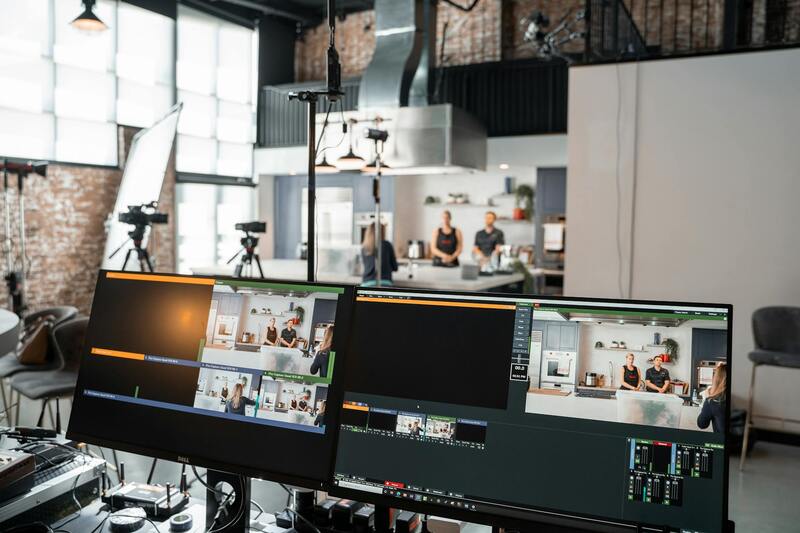
For advanced broadcasts, the integration of live editing tools enables real-time content adjustments. Switching between multiple camera feeds, overlays, graphics, or adding live captions can enrich the broadcast, making it more engaging and professional. These functions are managed through dedicated control systems and software platforms that facilitate seamless transitions and overlays without disrupting the flow of the event.
Furthermore, technical staff play a crucial role in overseeing the entire webcasting process. From initial setup and testing to live monitoring and troubleshooting, their expertise helps mitigate potential issues before they impact viewers. This ensures a smooth streaming experience, maintains broadcast quality, and upholds the event's reputation for professionalism.

In sum, mastering these technical aspects—robust hardware and software, effective network management, and live production capabilities—creates a solid foundation for delivering high-quality video webcasts. Professionals specializing in the deployment and management of these components enable organizations to reach their audiences with clarity, reliability, and impact, reflecting the high standards expected of modern digital communications.
Technical Aspects of Video Webcasting
Ensuring a successful webcasting event hinges on meticulous attention to the technical foundation behind the broadcast. At the core of this foundation are high-performance encoding hardware, reliable network infrastructure, and sophisticated streaming software, all working in concert to deliver high-quality video content seamlessly.
Encoding hardware plays a pivotal role by converting live video signals into digital streams optimized for distribution over the internet. These encoders, whether hardware-based or software-driven, must be capable of handling the desired resolution, frame rate, and bitrate to ensure the content remains crisp and free of buffering issues. Employing multi-bitrate encoding enables viewers with varying internet speeds to experience the broadcast without disruptions, enhancing accessibility across diverse audiences.
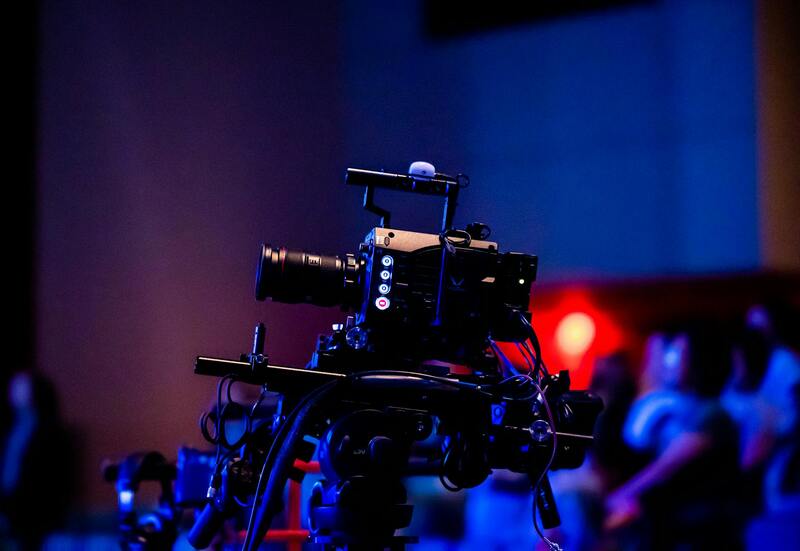
Network setup is equally critical. Reliable internet connections with adequate upload speeds are necessary to support the broadcast's bandwidth requirements. Redundant network configurations, including backup internet lines, are employed to mitigate potential connectivity failures. Implementing Content Delivery Networks (CDNs) optimizes content distribution, reducing latency and ensuring smooth streaming for viewers regardless of their geographic location.
Stream management software offers scalable solutions that facilitate multi-camera switching, graphic overlays, and real-time captions, enriching the viewers' experience. These control systems allow operators to seamlessly transition between different video sources, add visual elements like logos or lower thirds, and incorporate live comments or interactive features, creating a dynamic and engaging broadcast.

Live production teams provide essential oversight throughout the webcast. Their responsibilities include pre-event testing to identify potential technical issues, constant monitoring during the live transmission, and immediate troubleshooting when necessary. Skilled technicians work diligently to manage encoding equipment, network health, and content flow, ensuring that the broadcast remains stable and of consistent quality.
In addition to the core hardware and software components, integrating complementary tools such as streaming analytics, audience engagement platforms, and archiving solutions enhances the overall effectiveness of webcasting efforts. Analytics provide insights into viewer behavior, while engagement tools foster interaction, making the event more impactful. Archiving options enable on-demand access post-event, broadening content reach beyond the live broadcast timeline.
Effective technical management extends beyond equipment and networks. It involves comprehensive planning, rigorous testing, and real-time monitoring to ensure a flawless viewing experience. Professionals with expertise in media encoding, network engineering, and live production are indispensable in orchestrating these technical elements. Their proactive approach minimizes potential disruptions, upholds high broadcast standards, and guarantees that the message reaches the audience unhindered.
Technical Aspects of Video Webcasting
Implementing high-quality video webcasting services involves an intricate understanding of various technical components that ensure a seamless broadcast. The backbone of any successful webcast is robust encoding technology, which converts raw video and audio signals into digital streams compatible with multiple devices and platforms. Proper encoding settings optimize video quality while maintaining manageable bandwidth consumption, preventing buffering issues for viewers.
Network infrastructure also plays a pivotal role. Reliable, high-speed internet connections are paramount to sustain uninterrupted live transmission. This requires assessing available bandwidth, implementing backup connections, and employing load balancing techniques to distribute the data load effectively across servers and networks.
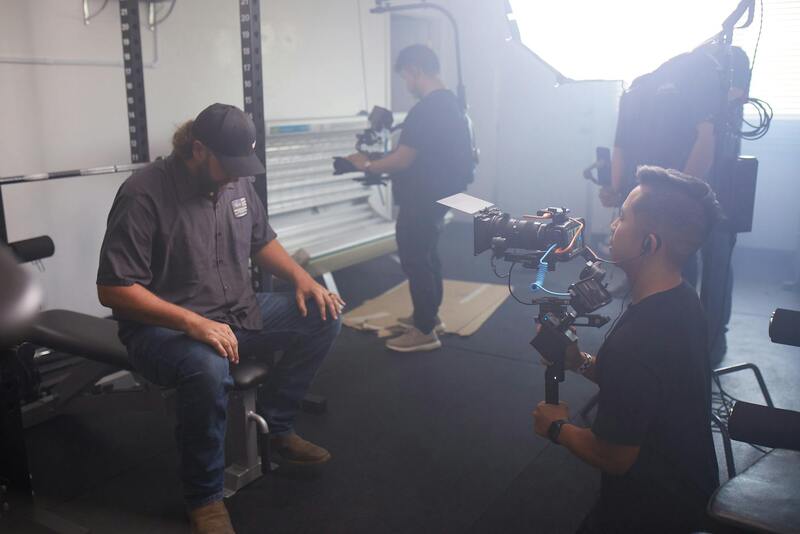
Content delivery networks (CDNs) are essential for distributing your content across geographic locations efficiently. They reduce latency and prevent overload by caching streams closer to viewers, resulting in lower buffering times and higher engagement levels. Setting up an optimal CDN configuration involves close coordination with the webcasting service provider to tailor delivery routes according to audience distribution.
Audio quality cannot be overlooked. Clear, crisp sound enhances viewer engagement and reflects professionalism. Audio mixers, noise filters, and quality microphones are frequently integrated into the broadcast setup to deliver an immersive listening experience.
Additional Technical Enhancements for Webcasting
- Multi-camera production: Using several cameras provides dynamic shots, angles, and perspectives, enhancing the viewer experience and making live events more engaging.
- Real-time analytics: Integrating analytics tools allows broadcasters to monitor viewer metrics, engagement levels, and streaming health, facilitating immediate adjustments if issues arise or content needs refinement.
- Archiving capabilities: Recording live streams for on-demand access extends the longevity of the content, allowing audiences who missed the live event to view it at their convenience.
- Audience interaction tools: Chat integrations, polls, and Q&A features foster real-time interaction, making viewers feel involved and increasing event participation.
Finally, rigorous pre-event testing is a critical part of the technical process. It involves checking all equipment, network connections, and streaming configurations to identify vulnerabilities or potential disruptions. During the live event, continuous monitoring by experienced technicians ensures swift responses to any technical difficulties, preserving broadcast integrity and viewer satisfaction.
Technical Aspects of Video Webcasting
Streaming Platforms and Infrastructure
Choosing the appropriate streaming platform is essential for delivering high-quality webcasting experiences. Leading platforms offer robust infrastructure, ensuring seamless transmission regardless of viewer volume. These platforms support adaptive bitrate streaming, which dynamically adjusts quality based on individual internet speeds, minimizing buffer times and maximizing viewer satisfaction. Reliable content delivery networks (CDNs) are integral to maintaining stream stability across diverse geographic locations, especially important for Miami-based events targeting local and international audiences.
Implementing a secure and scalable streaming environment entails collaboration with service providers that have data centers strategically located in Miami or nearby regions. This proximity reduces latency, promotes smooth content flow, and enhances overall broadcast performance. Additionally, utilizing cloud-based streaming solutions affords flexibility, allowing event organizers to handle unexpected spikes in viewer numbers efficiently without interruptions.
Encoding Hardware and Software
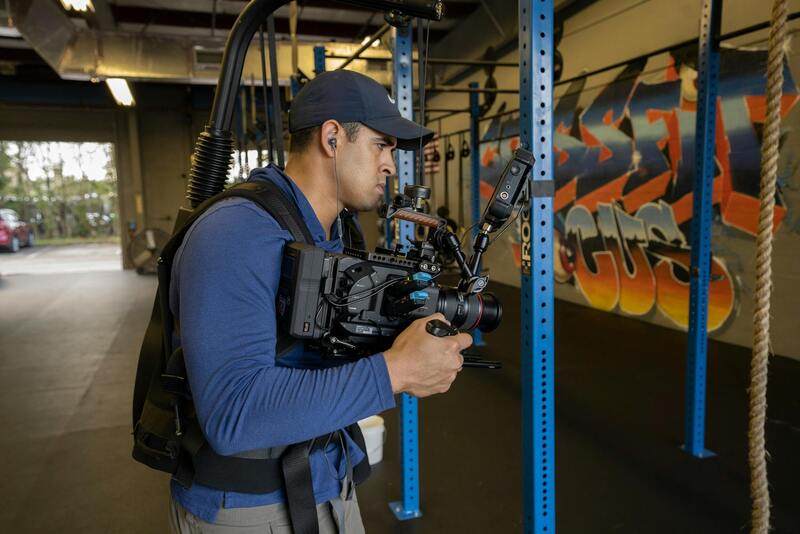
Encoding hardware and software play a pivotal role in converting live video signals into the appropriate format for streaming. Hardware encoders are dedicated devices offering superior reliability, especially for high-profile or complex events, as they handle multiple input sources and provide consistent output quality. Conversely, software encoders, such as OBS or Wirecast, are versatile solutions suitable for smaller to medium-sized events, providing flexibility and ease of use.
High-definition video, often 1080p or 4K, demands encoders capable of processing large data streams without compromising quality. Integrated solutions often include video mixing, overlays, and transitions, adding professionalism to the broadcast. For Miami events requiring multi-camera feeds or specialized graphics, hardware encoders with multiple input options are typically preferred.
Bandwidth Management and Network Optimization
To ensure a stable webcasting event, meticulous bandwidth management is vital. This involves assessing network capacity in advance and reserving sufficient bandwidth exclusively for streaming activities. Network optimization techniques, such as Quality of Service (QoS) configurations, prioritize streaming traffic over other internet use, reducing the risk of interruptions.
Implementing redundant internet connections, including backup fiber or cellular networks, can provide failover options in case primary connections experience disruptions. Monitoring network performance continuously during the event allows technical teams to make real-time adjustments, such as lowering stream quality or switching sources if necessary, to maintain an uninterrupted broadcast.

Technical Aspects of Video Webcasting
Executing a seamless webcast relies heavily on meticulous attention to technical details that govern the quality and reliability of the stream. Carefully selecting the right encoding equipment forms the cornerstone of a professional broadcast. Hardware encoders are paramount when delivering high-definition content, especially for large events demanding multiple camera inputs or 4K resolution. These devices offer robust processing power, ensuring minimal latency and high stability, which are crucial for sophisticated presentations, conferences, and live concerts.
Complementing hardware encoders, software solutions like OBS (Open Broadcaster Software) or Wirecast provide flexible alternatives tailored to smaller or more dynamic events. They enable features such as real-time overlays, transitions, and multi-source integration, enhancing the visual presentation without hefty investments in hardware. The choice between hardware and software often hinges on the event’s scale, complexity, and specific technical requirements.
Bandwidth Management and Network Optimization
A stable and uninterrupted webcast depends critically on effective bandwidth management and network optimization strategies. Prior to the event, comprehensive assessments of network capacity enable technical teams to allocate sufficient bandwidth dedicated solely to live streaming. This proactive approach helps prevent issues caused by competing internet traffic.
Implementing Quality of Service (QoS) configurations ensures that streaming data packets are prioritized over less critical network activities. Additionally, employing redundant internet connections, such as backup fiber lines or cellular networks, provides failover options that safeguard against potential disruptions. Continuous monitoring of network performance allows the webcast team to execute real-time adjustments—such as lowering stream resolution or switching to alternative sources—to maintain the integrity of the broadcast.

Implementing Security and Compliance Measures
When delivering professional webcasts, especially for corporate or sensitive content, implementing robust security protocols is essential. Secure streaming involves encrypted data transmission, access controls, and user authentication systems to restrict content access to authorized viewers. Employing Content Delivery Networks (CDNs) can also distribute streaming load across multiple servers, reducing the risk of overloads and unauthorized access.
Compliance with industry standards and regulations, like GDPR or HIPAA, should be integrated into the webcast planning process. This includes secure data handling practices and transparent privacy policies that build confidence among viewers and stakeholders.

Comprehensive Strategies for Successful Video Webcasting
Executing a professional webcasting event requires meticulous planning and flawless execution. First, establishing a detailed event agenda and content outline ensures all involved parties are aligned on the objectives. Selecting the appropriate streaming platform that supports high-definition output, reliable bandwidth, and on-demand playback options is essential. Additionally, coordinating with technical experts to prepare test runs prior to the live event helps identify and resolve potential issues, minimizing any disruptions during the actual broadcast.

Effective communication with speakers, presenters, and technical staff forms the backbone of a seamless webcasting experience. Providing comprehensive guidelines on internet requirements, device compatibility, and presentation formats ensures everyone is well-prepared. Furthermore, creating contingency plans for technical failures—such as backup recordings or alternative streaming sources—serves as an insurance policy against unforeseen circumstances, maintaining the credibility and professionalism of the broadcast.
Post-Event Evaluation and Content Distribution
After the webcast concludes, conducting a comprehensive review of the event’s performance helps identify areas for improvement. Analyzing metrics like viewer engagement, stream stability, and audio-visual quality provides valuable insights for future events. Sharing recorded content through various channels—such as social media, email campaigns, or dedicated portals—extends the reach and impact of the webcast. Implementing viewer feedback mechanisms can also aid in refining content delivery strategies, ensuring continuous enhancement of the streaming experience.

Successful webcasting hinges on a combination of strategic planning, technical excellence, and proactive management. Utilizing professional video webcasting services in Miami guarantees that the event aligns with industry standards, meets audience expectations, and optimizes engagement. Continuous adaptation to new technological developments and evolving viewer preferences is crucial for maintaining a competitive edge in the digital streaming landscape. The investment in comprehensive preparation and skilled execution ensures that your live or on-demand broadcasts deliver maximum value and foster meaningful connections with your target audience.