
Understanding Live Streaming Event Services
In the digital age, the ability to broadcast events in real-time to a global audience has become an essential component of modern event planning. Live streaming event companies specialize in delivering seamless broadcast experiences, ensuring that live events resonate with viewers regardless of geographical location. These companies offer an array of comprehensive services tailored to meet various event needs, ranging from corporate conferences to entertainment festivals and community gatherings.
Central to the offerings of a reputable live streaming event company are core services such as professional broadcasting, comprehensive production management, and technical support. Broadcasting involves capturing high-quality video and audio signals, transmitting them through stable online platforms, and ensuring smooth playback for viewers. Quality production encompasses the full spectrum of event facilitation — from camera operation and audio mixing to integrating graphics and overlays that enhance viewer engagement.
Technical support is an integral part of these services, providing real-time troubleshooting and ensuring the broadcast flow remains uninterrupted. This includes managing internet connectivity, optimizing streaming hardware, and coordinating with on-site staff to handle any unforeseen technical challenges. A trustworthy live streaming event company employs a team of skilled technicians and specialists who monitor the process diligently, guaranteeing a professional and reliable viewing experience from start to finish.
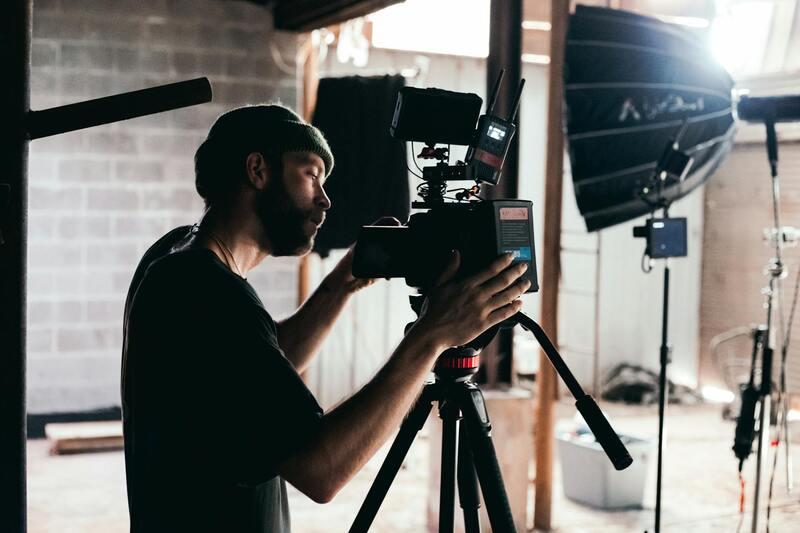
Beyond basic broadcasting, these companies often provide additional services such as multi-camera setups, interactive elements like live chat or polling, and on-demand video access post-event. Some firms also handle content distribution across various social media platforms, maximizing audience reach and engagement. These comprehensive solutions ensure that the event’s message or entertainment value is effectively delivered to a broad and diverse viewer base.
Experts in live streaming event services understand the importance of aligning technical execution with the event's goals. Whether broadcasting a keynote speech, a product launch, or a concert, a professional company ensures each component — from signal transmission to viewer interaction — is managed with precision. This dedication to quality and reliability establishes a strong foundation for impactful live streaming experiences, which can significantly augment an organization’s outreach and visibility.

Technical Aspects of Live Streaming
Effective live streaming hinges on a confluence of advanced technical components meticulously coordinated by the event team. One of the critical elements involves the deployment of high-resolution cameras, which capture the event from multiple angles, ensuring visual engagement for viewers. This multi-camera approach allows for seamless switching between different perspectives, providing a dynamic viewing experience that mirrors the feel of being at the event itself.
In addition to camera setups, audio quality plays a vital role. Professional sound equipment, including lapel microphones, boom mics, and mixing consoles, are employed to capture clarity and minimize background noise. This ensures that spoken content, live performances, or any ambient sounds are transmitted with fidelity, maintaining the audience’s immersion.

Reliable encoding hardware and software are integral to converting raw audio-visual material into digital streams compatible with online platforms. Encoders manage the compression, formatting, and streaming process, facilitating smooth playback across diverse devices. This process requires meticulous calibration to prevent lag, buffering, or quality degradation.
Stable internet connectivity is paramount for uninterrupted streaming. Most companies utilizing multiple redundant internet sources or dedicated bandwidth solutions to mitigate risks associated with network fluctuations. This ensures the stream remains consistent regardless of external internet service interruptions.
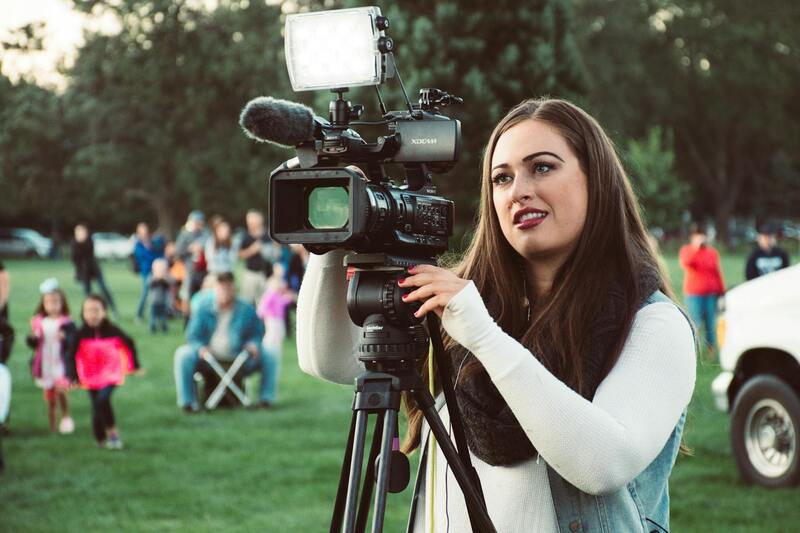
Advanced streaming platforms also support critical features such as adaptive bitrate streaming, which adjusts video quality in real time based on viewers' internet speeds. Additionally, live chat functions, viewer analytics, and on-demand access are integrated to enhance engagement and provide post-event accessibility.
From content acquisition through signal transmission to final delivery, each technical stage demands precision and expertise. A seasoned live streaming event company employs skilled technicians to oversee every facet, employing proactive troubleshooting and real-time adjustments to safeguard the event’s success. With these technical capabilities, organizations can confidently deliver engaging, high-quality broadcasts that resonate with their audience and elevate their brand presence.
Technical Aspects of Live Streaming
Successfully executing a live streaming event hinges on mastering several technical components that work in harmony to deliver a seamless viewing experience. These aspects encompass equipment selection, signal transmission, and platform compatibility, each requiring meticulous planning and expertise.
High-quality cameras are fundamental as they capture the event’s visuals with clarity and precision. Modern live streams often utilize multiple cameras—such as fixed, pan-tilt-zoom (PTZ), or 4K Ultra HD—allowing for dynamic shot selection that enhances viewer engagement. The choice of cameras depends on the event's scope, venue size, and desired production value.
Complementing the visual setup, high-fidelity audio equipment ensures sound clarity, crucial for audience comprehension and engagement. Wireless microphones, audio mixers, and speakers are carefully calibrated to prevent feedback or delays that could detract from the viewing experience.
The encoding process transforms the raw audio and video signals into a digital format suitable for internet transmission. This process involves high-powered hardware encoders, which compress data efficiently while maintaining optimal quality. The encoding settings are tailored to match the event’s nature, audience size, and expected viewing platforms.
Transmission infrastructure must be resilient to handle large data flows without interruption. Many live streaming providers employ dedicated servers, multiple internet connections, or Content Delivery Networks (CDNs) to distribute the stream broadly and reduce latency. Adaptive bitrate streaming technology further enhances viewer satisfaction by adjusting the stream quality in real-time based on individual internet speeds.
Platform compatibility also plays a vital role. A comprehensive live streaming service integrates with popular online platforms, social media channels, and custom websites, ensuring wide accessibility. Compatibility testing and quality assurance are conducted before the event to mitigate any technical issues during broadcast.
Technical teams are essential to oversee each component, from setup and testing to live monitoring. This proactive approach involves real-time troubleshooting and the ability to adapt to unexpected challenges, such as network fluctuations or equipment failures. Employing skilled technicians guarantees that all technical parameters are optimized, and the event proceeds smoothly.
Ultimately, understanding these technical aspects and coordinating them effectively results in broadcast quality that satisfies both organizers and viewers, fostering positive engagement and reputation for the event.
Technical Aspects of Live Streaming
Implementing successful live streaming requires a comprehensive understanding of various technical components that ensure a seamless broadcast. One of the primary elements is the encoding process, which involves converting raw video and audio signals into digital formats suitable for online transmission. High-quality encoders, whether hardware or software-based, should be selected based on the event's scale and technical complexity, ensuring minimal latency and optimal picture quality.
Network stability plays a pivotal role in maintaining uninterrupted streaming. For this reason, dedicated internet connections with sufficient bandwidth are essential. Many professional live streaming companies utilize bonded internet connections or multiple service providers to provide redundancy. This setup minimizes the risk of interruptions due to network outages or fluctuations.
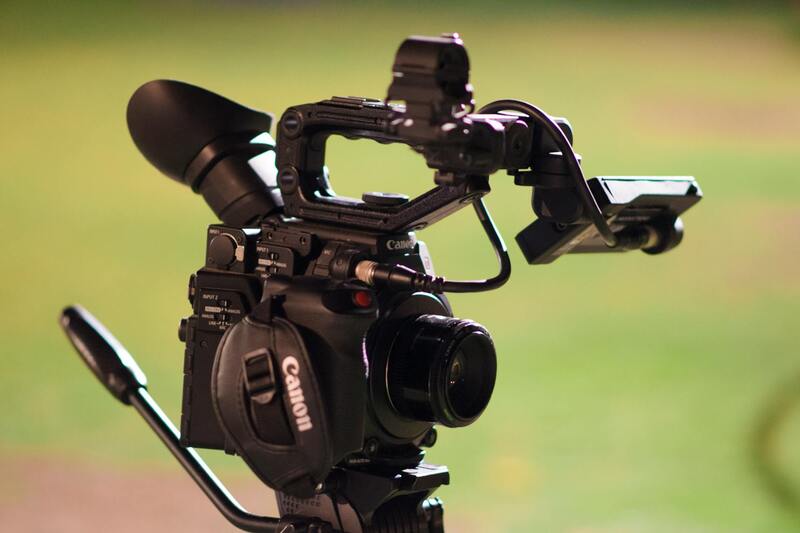
Content Delivery Networks (CDNs) are instrumental in distributing live streams effectively across different regions. CDNs cache the stream at multiple locations worldwide, reducing latency and buffering issues for viewers regardless of their location. Adaptive bitrate streaming technology further optimizes viewer experience by dynamically adjusting video quality based on the viewer’s internet speed, preventing buffering and ensuring consistent quality.
Proper configuration of streaming protocols like RTMP (Real-Time Messaging Protocol), HLS (HTTP Live Streaming), or MPEG-DASH is vital for compatibility with various devices and platforms. Testing these protocols before the event ensures that viewers on smartphones, tablets, and computers can access the stream seamlessly.
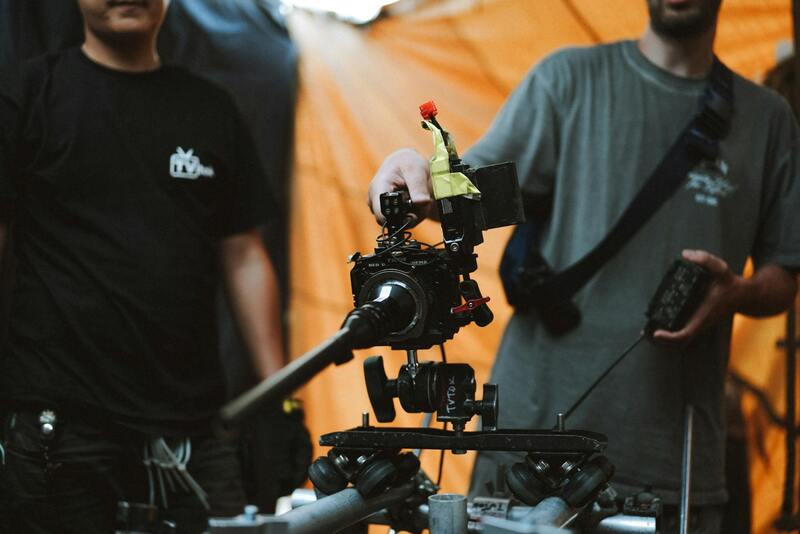
Effective live streaming also hinges on skilled technical support. Pre-event testing, on-site setup, and continuous monitoring throughout the broadcast help identify and resolve issues swiftly. This proactive approach mitigates risks such as equipment malfunction, codec errors, or network disruptions.
By meticulously managing these technical components, a live streaming event company guarantees high-quality broadcasts that meet audience expectations. Ensuring the resilience and adaptability of this technical infrastructure supports a professional and engaging online viewing experience.
Factors to Consider When Hiring a Live Streaming Agency
When selecting the right live streaming event company, several critical factors come into play to ensure your event's success. The first aspect is the company’s technical expertise and experience in managing similar types of live streams. An agency with a proven track record demonstrates a comprehensive understanding of live broadcasting protocols, equipment, and the unique demands of different event formats.
Next, evaluate the company's infrastructure and technological capabilities. A reputable live streaming provider invests in high-quality equipment, redundant systems, and robust software solutions that can adapt to various event scales, whether a small business conference or a large-scale concert. Their experience with adaptive streaming technologies ensures a smooth viewer experience by adjusting video quality based on internet speed, minimizing buffering and latency issues.
Another vital consideration is the level of technical support offered before, during, and after the event. Reliable companies provide thorough pre-event testing, on-site support, and real-time troubleshooting. This proactive approach helps in promptly resolving issues such as connectivity problems or equipment failures, guaranteeing uninterrupted live coverage.
Assess the company's client communication and project management practices. Clear coordination and constant updates about the planning process foster a seamless workflow. An agency that takes the time to understand your specific needs and goals will tailor their services accordingly, offering customized solutions rather than a one-size-fits-all approach.
Furthermore, scrutinize the company's reputation and client testimonials. Feedback from previous clients provides insights into their professionalism, reliability, and overall quality of service. Choosing an established live streaming event company with positive reviews enhances confidence in their ability to deliver a successful event.
The scope of post-event services is also essential. Some companies offer analytics and viewing metrics, which can be valuable in assessing audience engagement and gathering feedback for future events. Additionally, understanding the comprehensive pricing structure helps in budget planning, ensuring there are no hidden costs that could affect your overall event budget.
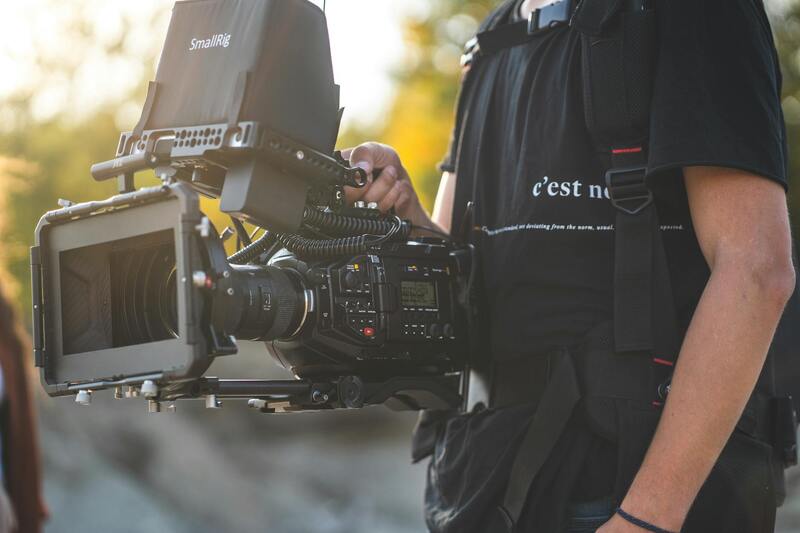
Ultimately, choosing a live streaming event company involves analyzing their technical capabilities, experience, support system, reputation, and added-value services. Each of these aspects contributes significantly to the overall success and professionalism of your live event, ensuring your audience receives a seamless and engaging viewing experience while meeting your event objectives effectively.
Technical Aspects of Live Streaming
Executing a successful live streaming event hinges on a comprehensive understanding of the technical elements involved. An experienced live streaming event company employs a robust setup that includes high-definition cameras, professional-grade microphones, and reliable encoding hardware to ensure crisp visual and audio quality. Multiple camera angles are often utilized to provide dynamic perspectives, enhancing viewer engagement and conveying a professional broadcast appearance.
Optimizing internet bandwidth is crucial for uninterrupted streaming. A dependable provider conducts pre-event tests to assess internet stability and speed, minimizing the risk of buffering or lag during the broadcast. They also utilize advanced encoding software to compress video data efficiently, ensuring smooth transmission without sacrificing quality. Compatibility with various streaming platforms, such as social media channels or dedicated viewing portals, allows for wider audience reach and tailored viewer experiences.
Effective troubleshooting protocols are integral to managing live events. A characteristically prepared company has technical staff on standby to swiftly address potential issues, from signal disruptions to encoding errors. This proactive approach maintains broadcast integrity and prevents technical mishaps from detracting from the event. Regular equipment maintenance and backups further ensure that the live stream proceeds seamlessly, regardless of unforeseen technical challenges.
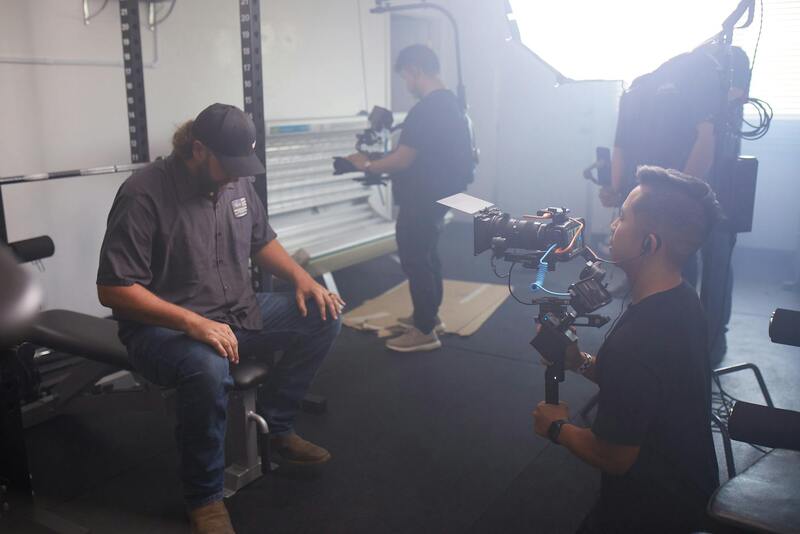
In the planning stages, selecting a provider with expertise in technical logistics guarantees that all hardware and software components are aligned with the specific requirements of your event. Such precision in technical execution helps in delivering a polished, engaging experience for your audience that reflects your brand's professionalism and commitment to quality.
Technical Aspects of Live Streaming
Executing a high-quality live stream requires meticulous attention to technical details. A professional live streaming company employs top-tier equipment such as high-definition cameras, professional microphones, and robust encoders to capture and transmit your event seamlessly. The selection of streaming hardware is based on the scale of the event, expected audience size, and complexity of the presentation. For larger-scale events or multi-camera setups, synchronization and precise switching are essential to maintain a polished broadcast.
Bandwidth management remains a critical element. A reputable provider conducts extensive testing ahead of the event to verify that both upload and download speeds meet the demands for high-definition streaming. This pre-emptive step minimizes risk factors such as buffering, lag, or dropped connections during the live broadcast. They also implement adaptive streaming technologies that adjust video quality dynamically based on viewers' internet connections, ensuring consistent viewing experiences regardless of individual network variations.

Encoders play a vital role in compressing video data for efficient transmission. Advanced encoding software used by experienced providers balances video quality with streaming stability, avoiding excessive data loads that could cause delays or interruptions. Compatibility with a range of streaming platforms—such as Facebook Live, YouTube Live, and custom web portals—provides flexibility in reaching diverse audiences. This multi-platform approach allows organizations to maximize engagement and tailor content delivery according to viewer preferences.
Effective Troubleshooting Protocols
Preparation extends beyond hardware and internet connections. An expert streaming company maintains dedicated technical teams that monitor the broadcast in real time. These teams are trained to quickly identify and resolve issues, whether it's a signal interruption, software glitch, or encoding fault. The implementation of backup systems, including redundant internet connections and spare hardware, ensures that unforeseen technical disruptions do not compromise the event. Regular equipment maintenance, calibration, and system checks further contribute to a flawless live stream, giving organizers confidence in their event’s smooth execution.
Choosing the right technical partner for your live streaming event involves assessing their ability to handle various aspects such as equipment quality, bandwidth optimization, platform integration, and troubleshooting expertise. Proper planning and technical readiness are fundamental to delivering content that aligns with your brand's standards, engages viewers effectively, and provides a seamless experience from start to finish.
Technical Aspects of Live Streaming
Executing a seamless live streaming event requires meticulous attention to several technical elements that underpin a high-quality broadcast. First and foremost, the encoding process is fundamental; selecting a robust encoder ensures that audio and video signals are effectively compressed and transmitted without significant latency or quality degradation. High-definition video delivery demands sufficient bandwidth and efficient encoding settings to balance clarity with stability. To prevent buffering or interruptions, a dedicated internet connection with ample upload speed is essential, ideally separate from other network activities during the broadcast.
Platform compatibility also plays a critical role. A proficient live streaming company integrates seamlessly with popular social media outlets like Facebook Live and YouTube Live, along with custom web portals if needed. These integrations enable broad dissemination across multiple channels, enhancing viewer reach and engagement. Furthermore, adaptive streaming technologies automatically adjust the quality of the stream based on viewer bandwidth, ensuring a buffer-free experience regardless of viewers' internet speeds.
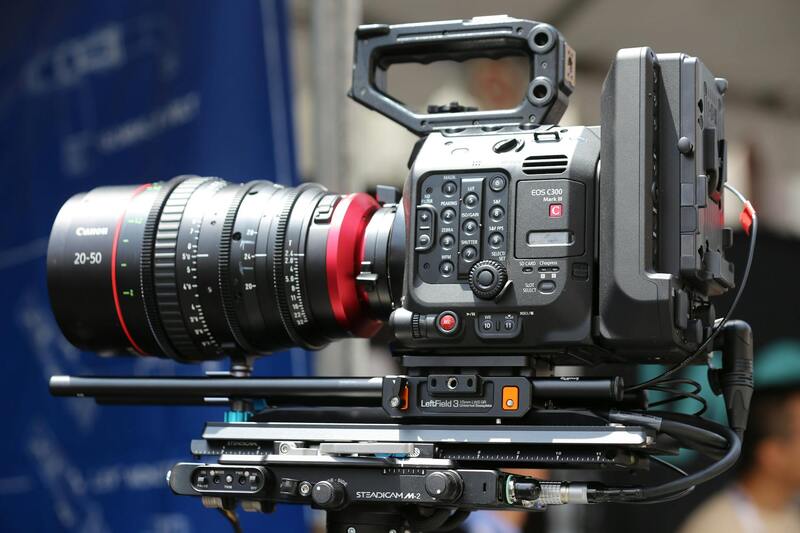
Monitoring tools are indispensable during the event. Real-time feedback regarding stream health, viewer engagement, and technical metrics helps operators promptly identify and address any issues. Many companies utilize multi-platform dashboards that consolidate data, making it easier to oversee the broadcast’s performance.
Redundancy is another key component in live stream technical planning. Backup internet connections, such as cellular hotspots, paired with spare hardware like extra encoders and audio equipment, provide fallback options should primary systems encounter problems. These measures significantly reduce the risk of disruptions, enabling the event to proceed smoothly even in unexpected circumstances.
Pre-event testing cannot be overstated. Conducting walk-throughs and dry runs ensures that all equipment functions correctly, settings are optimized, and team members are familiarized with procedures. Testing on the actual streaming platforms helps identify potential issues with platform-specific configurations, codec requirements, or latency problems.
Ensuring proper synchronization between audio and video feeds, along with clear, high-quality audio input, enhances the overall viewer experience. Professional live streaming companies employ expert technicians and state-of-the-art equipment to manage these technical parameters effectively. This comprehensive approach to technical readiness forms the backbone of any successful live streaming event, fostering audience engagement and brand credibility.