
Understanding Live Stream Webcasting Services
Live stream webcasting services have become an essential component of contemporary media broadcasting, corporate communication, and event promotion. These services enable organizations to broadcast live video content over the internet directly to a global audience, ensuring real-time interaction and engagement. Unlike traditional broadcasting methods, webcasting offers a cost-effective, scalable, and accessible way to reach viewers across different locations, regardless of geographical boundaries.
At its core, live stream webcasting involves capturing high-quality video footage, encoding it into a digital format, and transmitting it via secure streaming protocols to viewers’ devices. This process relies heavily on robust internet infrastructure and sophisticated streaming technology to deliver seamless, high-definition content without interruptions. As the digital landscape evolves, the importance of reliable webcasting services has expanded across diverse sectors, including corporate conferences, educational seminars, product launches, religious services, and entertainment events.
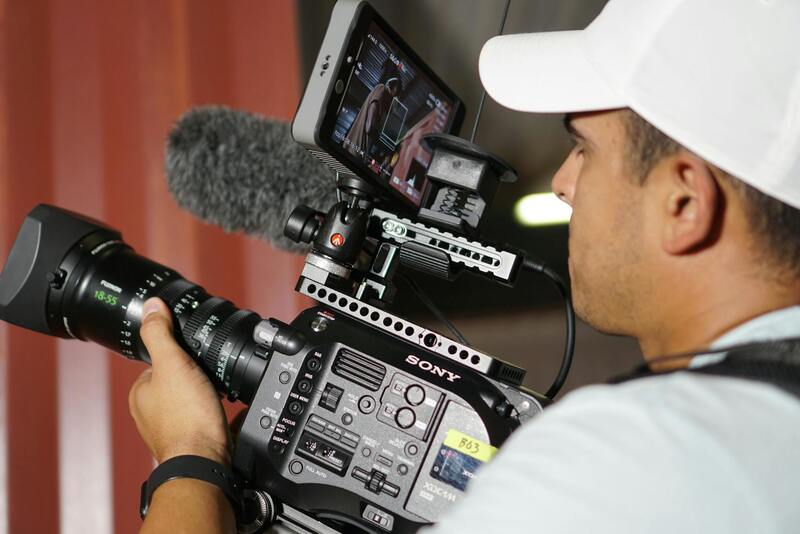
Webcasting services are integral to modern event broadcasting, offering several notable advantages. They provide organizations with an opportunity to engage larger audiences, foster interactive experiences through live chat and Q&A sessions, and track viewer engagement metrics. Moreover, these services facilitate on-demand viewing options, allowing audiences to access recorded content at their convenience. This combination of live and on-demand streaming significantly enhances a brand's visibility and accessibility while enabling detailed data collection to inform future marketing strategies.
In today’s fast-paced digital environment, competent live streaming solutions are not just optional but imperative for staying competitive. They bridge the gap between physical and digital realms, creating versatile platforms for communication, education, and entertainment. As such, understanding the nuances of live stream webcasting services is crucial for organizations aiming to maximize their outreach and foster meaningful interactions with their audiences.
Key Features of Professional Webcasting Solutions
Effective live stream webcasting services are distinguished by their comprehensive feature sets that ensure a smooth, high-quality broadcasting experience. Central to these solutions is robust streaming infrastructure capable of handling large viewer capacities without buffering or latency issues. This includes high-bandwidth servers, adaptive bitrate streaming technology, and redundant systems to ensure uninterrupted delivery.
Another critical feature is customizable player options, allowing organizations to tailor the viewing interface to match their branding and user experience goals. This involves adjustable layouts, integrated branding elements, and user-friendly navigation tools.
Interactivity is also a vital component. Advanced webcasting platforms support live chat, viewer polls, Q&A sessions, and social media integration to foster real-time engagement. These features help bridge the gap between hosts and audiences, creating a more immersive event environment.
Analytics tools are integral for measuring success. Detailed data collection on viewer demographics, engagement levels, and viewing patterns enables organizers to refine content strategies and improve future broadcasts. Additionally, secure access controls, password protection, and encryption ensure content safety and restrict access to authorized viewers.
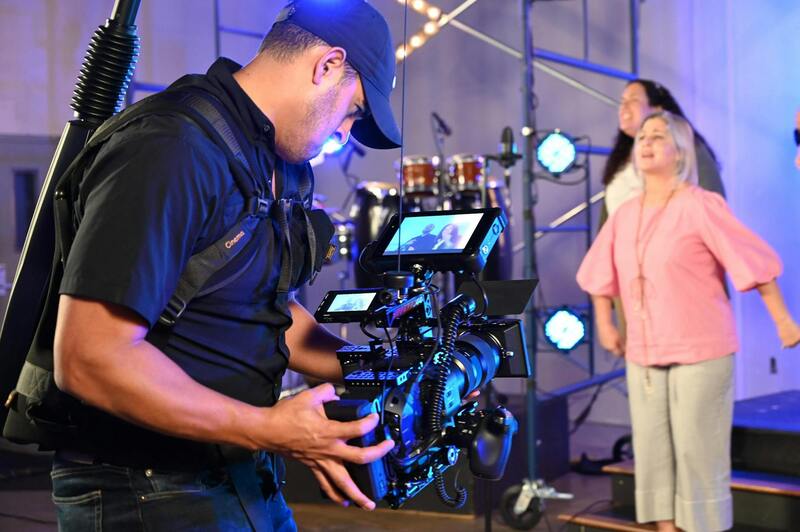
For events requiring simultaneous multiple feeds, professional solutions provide multi-camera support, switching capabilities, and real-time streaming to various platforms. Integration features allow seamless connection with existing event management and marketing tools, providing a cohesive workflow.
Technical Requirements and Equipment
For a seamless live streaming experience, it is crucial to have the appropriate technical infrastructure in place. High-definition cameras form the backbone of professional webcasting, capturing clear visuals that engage viewers. These cameras should support HD or 4K resolution to ensure sharp, crisp images, with adjustable lenses for varied lighting conditions and shot compositions.
Beyond cameras, audio quality significantly impacts viewer engagement. Professional-grade microphones, such as lavalier, shotgun, or cardioid microphones, ensure crisp and clear sound reproduction, minimizing background noise. Acoustic treatment for the event space can also improve audio clarity by reducing echo and unwanted ambient sounds.
Reliable internet connectivity is paramount. A wired Ethernet connection provides the most stable bandwidth, supporting consistent live streams free of interruptions. For locations where wired access is unavailable, high-speed Wi-Fi with strong signal strength can suffice, but it must be tested extensively beforehand. Bonded cellular technologies or dedicated streaming internet services can serve as backup options to ensure continuous broadcast during network disruptions.
The encoding hardware or software converts the video and audio signals into a format suitable for streaming. Hardware encoders are dedicated devices that process high-quality streams with minimal latency, while software encoders—such as OBS Studio or vMix—offer flexibility and customization, often at a lower cost. These tools support multiple input sources, including multiple cameras and media files, enabling professional production quality.
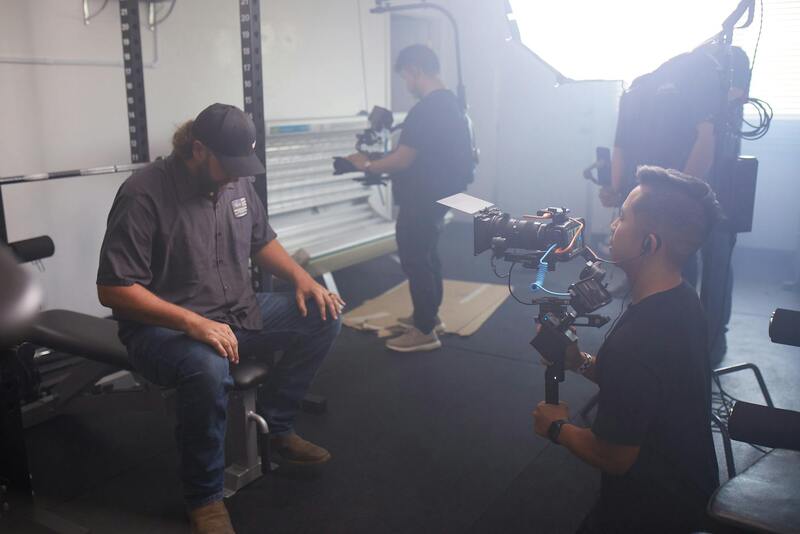
Synchronization of audio and video streams ensures viewers experience smooth, lag-free broadcasts. This is achieved through proper configuration of encoding settings and the use of hardware with sufficient processing power. Additionally, a multi-camera setup allows for varied angles and engaging visuals, with video switchers enabling real-time switching between feeds to maintain dynamic content flow.
Lighting plays a critical role in webcasting. Well-lit environments, utilizing LED panels or softboxes, eliminate shadows and provide a clear view of presenters and speakers. Proper lighting not only enhances visual quality but also reduces strain on camera sensors, resulting in a more professional presentation.
Cloud-based streaming platforms are often integrated into webcasting setups to facilitate distribution across multiple social media channels and websites. These platforms can handle large audiences, provide analytics, and offer adaptive bitrate streaming, ensuring viewers with varying internet speeds receive optimal video quality.
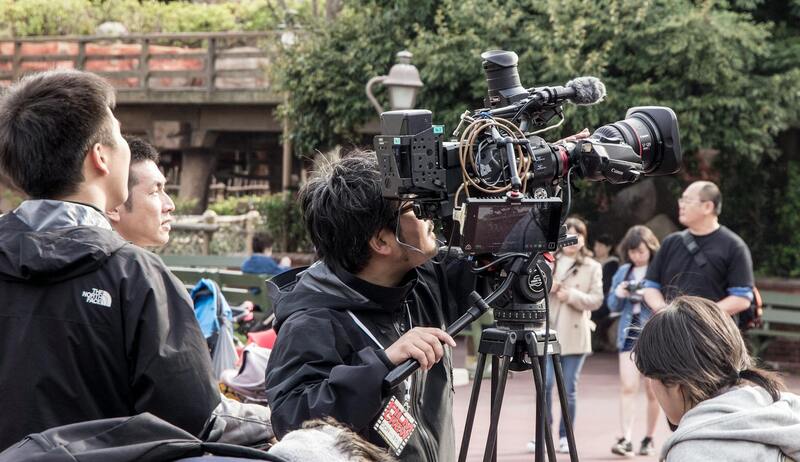
To guarantee quality and prevent technical issues, thorough pre-event testing of all equipment and connections is essential. Rehearsals with all involved personnel help identify potential problems early, allowing technicians to fine-tune settings and ensure a smooth live broadcast experience for audiences.
Technical Requirements and Equipment
Implementing a professional live stream webcasting service necessitates a comprehensive understanding of the technical requirements involved. High-quality video and audio capture are fundamental, requiring professional-grade cameras capable of delivering HD or 4K resolution, paired with high-fidelity microphones to ensure clear audio. These audio-visual components must be synchronized and configured correctly to prevent latency issues and ensure a seamless viewing experience.
A robust encoding system is vital for compressing and transmitting streams efficiently. Hardware encoders are typically used to manage live data encoding, providing greater control over video quality and latency. These devices require stable power sources and consistent internet connectivity; fail-safes such as backup power supplies and redundant network pathways are recommended to minimize disruptions.
Networking infrastructure plays a crucial role, with dedicated high-bandwidth internet connections preferred to handle the data load of live broadcasts. Bonded internet solutions that combine multiple sources can enhance stability further. Network security measures, including firewalls and encryption protocols, are essential to safeguard transmissions from interference or intrusion.

Technical Requirements and Equipment
Implementing a seamless live stream webcasting service necessitates a comprehensive understanding of the essential technical components. First and foremost, professional-grade cameras are fundamental to capturing high-quality video footage. These cameras should provide crisp resolution, excellent low-light performance, and multiple input options to support various shooting angles and formats. High-definition (HD) and 4K cameras are increasingly standard for professional broadcasts, ensuring viewers receive a visually compelling experience.
Encoders form the digital bridge between the captured video and the streaming platform. Hardware encoders are preferred in high-stakes live events for their reliability and low latency, while software encoders offer flexibility and cost-effectiveness. Both options require proper configuration to optimize video compression and quality, balancing bandwidth constraints with visual fidelity.
Reliable internet connectivity is the backbone of live streaming. Typically, a dedicated high-speed broadband connection with symmetrical upload and download speeds of at least 10 Mbps is recommended for standard HD streams, with higher bandwidth requirements for 4K content. Redundant internet links are also advisable to prevent disruptions in case of primary connection failure, ensuring uninterrupted streaming.
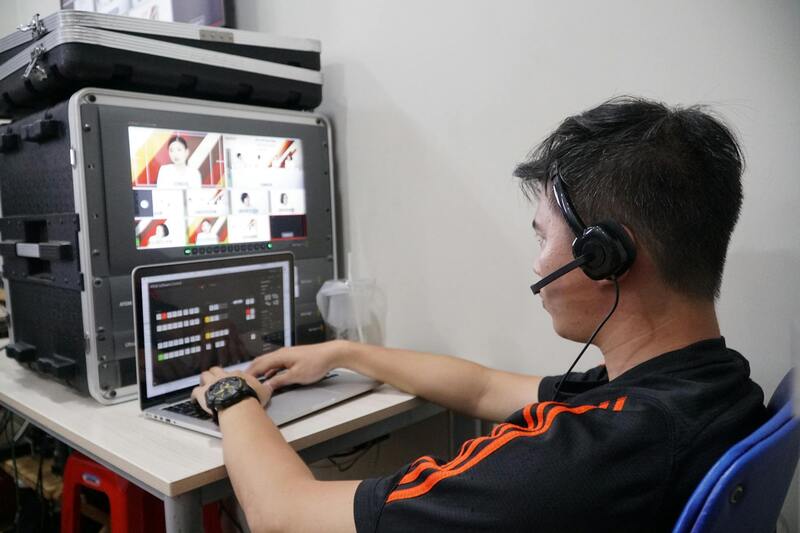
Audio quality is equally critical; thus, professional microphones, audio mixers, and sound processing equipment are integral to capturing clear, crisp sound. Proper microphone placement and sound checks minimize background noise and echo, significantly enhancing viewer engagement.
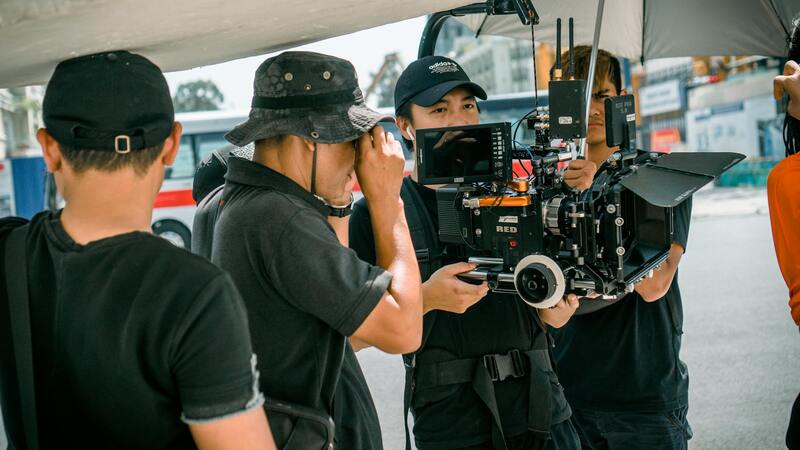
Supporting equipment such as lighting rigs, teleprompters, and backdrops complement the visual presentation, further elevating production standards. Adequate lighting setups, including LED panels and softboxes, help eliminate shadows and produce a flattering appearance for on-camera talent.
Lastly, a control room or dedicated operational space equipped with a video switcher, monitoring screens, and reliable power sources ensures seamless production management. The integration of these technical elements, coupled with rigorous pre-event testing and rehearsals, guarantees a polished and professional live streaming experience that captivates audiences and meets organizational goals.
Technical Requirements and Equipment
Implementing a high-quality live stream webcasting service necessitates adherence to precise technical standards and the deployment of specialized equipment. A stable and high-bandwidth internet connection is paramount; typically, a dedicated upload and download speed of at least 10 Mbps is recommended for standard HD streams. Opting for higher bandwidth ensures smoother transmission, particularly when streaming 4K content or when multiple camera angles are utilized simultaneously. Redundant internet links serve as a vital contingency, providing backup connectivity that maintains uninterrupted streaming during primary connection failures.
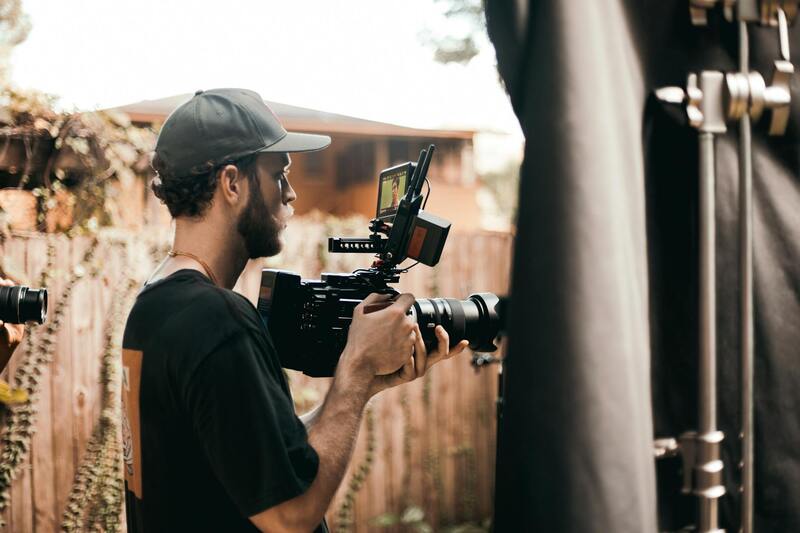
Within the core hardware, cameras are the cornerstone of visual fidelity; professional-grade video cameras equipped with autofocus, optical zoom, and high-resolution sensors capture footage with clarity and precision. Encoders play a crucial role in converting raw video signals into streams compatible with various platforms, supporting codecs like H.264 or H.265 for optimal compression and quality.
Audio quality significantly influences viewer engagement; therefore, professional microphones—such as lavalier, shotgun, or condenser microphones—and audio mixers are integral. Proper microphone placement and diligent sound checks mitigate background noise and echo, ensuring clarity throughout the broadcast.
Additional supporting equipment includes lighting rigs, teleprompters, and backdrops that enhance the visual presentation. Lighting instruments like LED panels and softboxes eliminate shadows and produce flattering on-camera appearances. Teleprompters facilitate seamless delivery for speakers, maintaining eye contact with the camera. Carefully selected backdrops and staging elements contribute to professional aesthetics.
Operational efficiency during live streaming is supported by a dedicated control room or production space. This environment houses a video switcher, multiple monitoring screens, and reliable power supplies, enabling real-time management of camera feeds, graphics, and overlays. Integrating these technical components through rigorous pre-event testing and rehearsals produces a seamless, engaging broadcast that meets organizational standards and audience expectations.
Understanding Live Stream Webcasting Services
Live stream webcasting services encompass a range of professional solutions designed to broadcast live video content over the internet to a broad audience. These services incorporate high-quality video capture, encoding, transmission, and distribution technologies that ensure a seamless viewing experience. Unlike casual or amateur streaming, professional webcasting employs redundant systems, reliable bandwidth management, and robust infrastructure to handle large viewer capacities, ensuring stability and clarity throughout the broadcast.
Core Components of Professional Webcasting
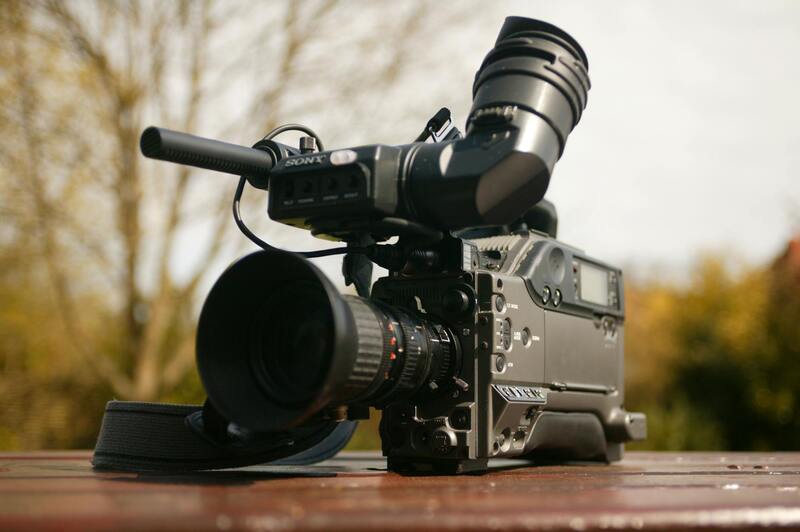
- High-Definition Video Capture: Utilization of professional cameras equipped with autofocus, optical zoom, and high-resolution sensors guarantees detailed and crisp footage, essential for engaging viewers.
- Encoding: Video signals are processed through advanced encoders that convert raw footage into digital streams compatible with various platforms. Support for codecs like H.264 and H.265 allows for efficient compression without compromising quality.
- Transmission Infrastructure: Leveraging content delivery networks (CDNs) and redundant data pathways ensures scalable distribution, minimizing latency and buffering issues even during high-traffic moments.
- Playback and Integration: Custom player interfaces and embedding options enable seamless integration into websites, social media platforms, or dedicated event portals, providing a cohesive viewer experience.
Advantages of Using Professional Webcasting Services
Employing a reputable live stream webcasting service reduces potential technological hurdles, enhances broadcast quality, and expands audience reach beyond physical locations. These solutions are tailored to meet specific event types, whether corporate conferences, religious gatherings, or public performances, with features like multi-camera switching, live chat integration, real-time analytics, and branded overlays. The reliability of these services also minimizes disruptions caused by technical issues, maintaining the event's professionalism and viewer engagement throughout.
Security and Compliance
Ensuring the security of live stream content involves encrypted transmission channels, secure login credentials, and compliance with data protection standards. Contemporary webcasting providers implement measures to prevent unauthorized access, protect intellectual property, and uphold viewer privacy, fostering trust and confidence among clients and audiences alike.
Technical Requirements and Equipment
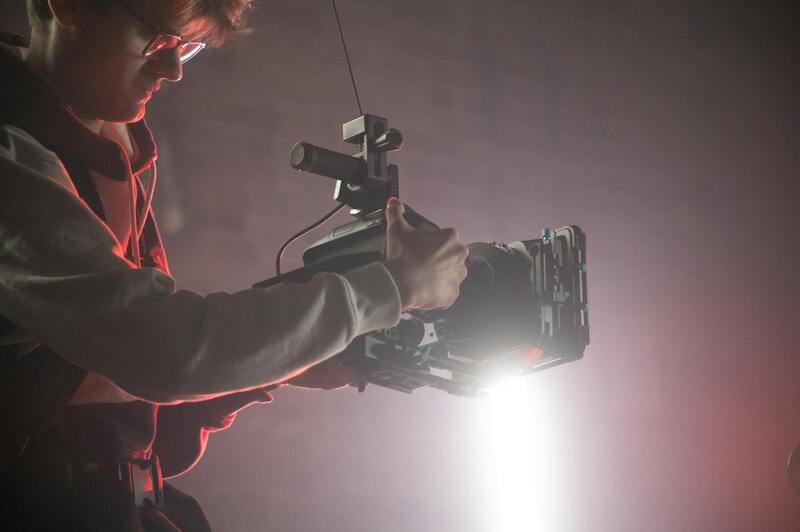
For successful live stream webcasting, a comprehensive understanding of the technical infrastructure is essential. This includes high-definition cameras capable of capturing clear, professional-quality visuals from various angles. Depending on the scale of the event, broadcasters might utilize multiple cameras with switching capabilities to provide dynamic views, enhancing viewer engagement.
Reliable audio equipment is equally important, ensuring clear sound that complements the visuals. This includes professional microphones, mixers, and audio processors that eliminate background noise and optimize sound levels in real-time. Additionally, an adequate internet connection with sufficient bandwidth is critical to handle high-quality streams without interruptions. Typically, a dedicated fiber-optic or Ethernet connection is preferred over Wi-Fi to ensure stability and low latency.
Complementary hardware such as encoders converts live video signals into digital formats suitable for online streaming. Hardware encoders are favored for their reliability and ability to handle high-definition streams consistently. Software encoders, on the other hand, can be integrated into existing systems for more flexibility but require robust hardware and stable network conditions.
Supplementary equipment such as lighting, tripods, and stabilization gear ensure optimal video quality and smooth visuals. Properly lit environments prevent shadows and glare, contributing to a polished broadcast presentation. Power backup systems like uninterruptible power supplies (UPS) are also crucial, especially for long events, to prevent service disruptions caused by power outages.
Choosing the Right Webcasting Platform
Besides hardware, selecting an appropriate webcasting platform is vital. A reputable provider offers features like adaptive streaming, which adjusts video quality based on viewers' internet speeds, and multi-platform compatibility for broadcasting across social media channels, websites, or dedicated portals. Advanced solutions include multi-camera switching, live chat functionalities, and real-time analytics for tracking viewer engagement and technical performance.
It's equally important to consider the platform's security features. End-to-end encryption, tokenized access, and secure login protocols ensure that content remains protected against unauthorized viewing or piracy. Integration with content management systems (CMS) allows for seamless control and customization of the broadcast experience, aligning with brand standards and event themes.
Investing in appropriate hardware and a flexible, secure platform forms the backbone of a successful live stream. These elements work cohesively to deliver high-quality content, maintain audience engagement, and uphold the professionalism of the event regardless of scale or location.