
Understanding Event Streaming Production
Event streaming production has revolutionized the way organizations, brands, and individuals engage with audiences during live events. It encompasses a comprehensive set of processes and technologies designed to facilitate real-time broadcasting of events over the internet. This approach allows viewers from around the globe to participate virtually, providing an immersive and interactive experience that traditional in-person attendance cannot easily replicate.
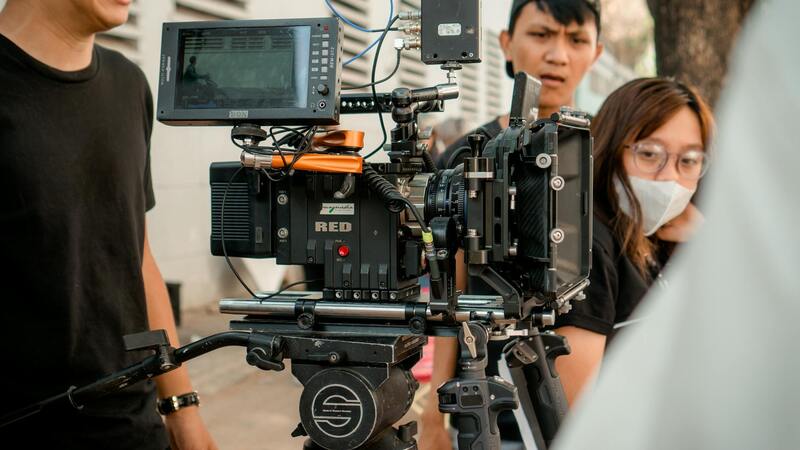
Central to event streaming production are several key components that ensure a seamless broadcast. These include high-definition cameras capturing the event, robust audio equipment delivering crystal-clear sound, and advanced live switching systems that integrate various video feeds into a cohesive stream. Complementing this hardware are reliable internet connections and encoding software that facilitate the transmission of high-quality video content to digital platforms.
Beyond hardware, production teams employ specialized workflows and protocols to guarantee smooth operations. Pre-production planning involves coordinating technical setups, rehearsals, and content scheduling. During the event, production crews manage live switching, monitor audio and video quality, and troubleshoot issues in real time. Post-event, efforts shift toward content archiving, viewer analytics, and distribution strategies to maximize engagement and value.
In the modern landscape, event streaming production is vital for live conferences, music festivals, corporate product launches, and webinars. It not only expands the reach beyond physical boundaries but also enhances audience interaction through live chats, polls, and Q&A sessions integrated into the broadcast. As technology advances, the quality, stability, and interactivity of event streaming continue to improve, making it a cornerstone of contemporary event promotion and engagement strategies.
Choosing an experienced production partner in Miami ensures access to state-of-the-art equipment and skilled personnel dedicated to delivering professional-grade live streams. From initial planning to post-event analysis, a trusted provider can craft a tailored streaming solution aligned with specific event goals, ensuring optimal viewer experience and impactful results.
Equipment and Technology Essentials
Successful event streaming production hinges on the deployment of specialized equipment and cutting-edge technology. High-definition cameras are fundamental for capturing clear, professional visuals, while encoding hardware ensures the seamless conversion of video feeds into formats compatible with various streaming platforms. Reliable network infrastructure, including high-bandwidth internet connections, is essential to sustain the data flow required for live broadcasts without interruptions.
Audio quality remains a critical element, with professional-grade microphones, mixers, and audio processors employed to deliver crisp, clear sound. This not only enhances viewer experience but also facilitates effective communication during interactive segments such as Q&A or live chats.
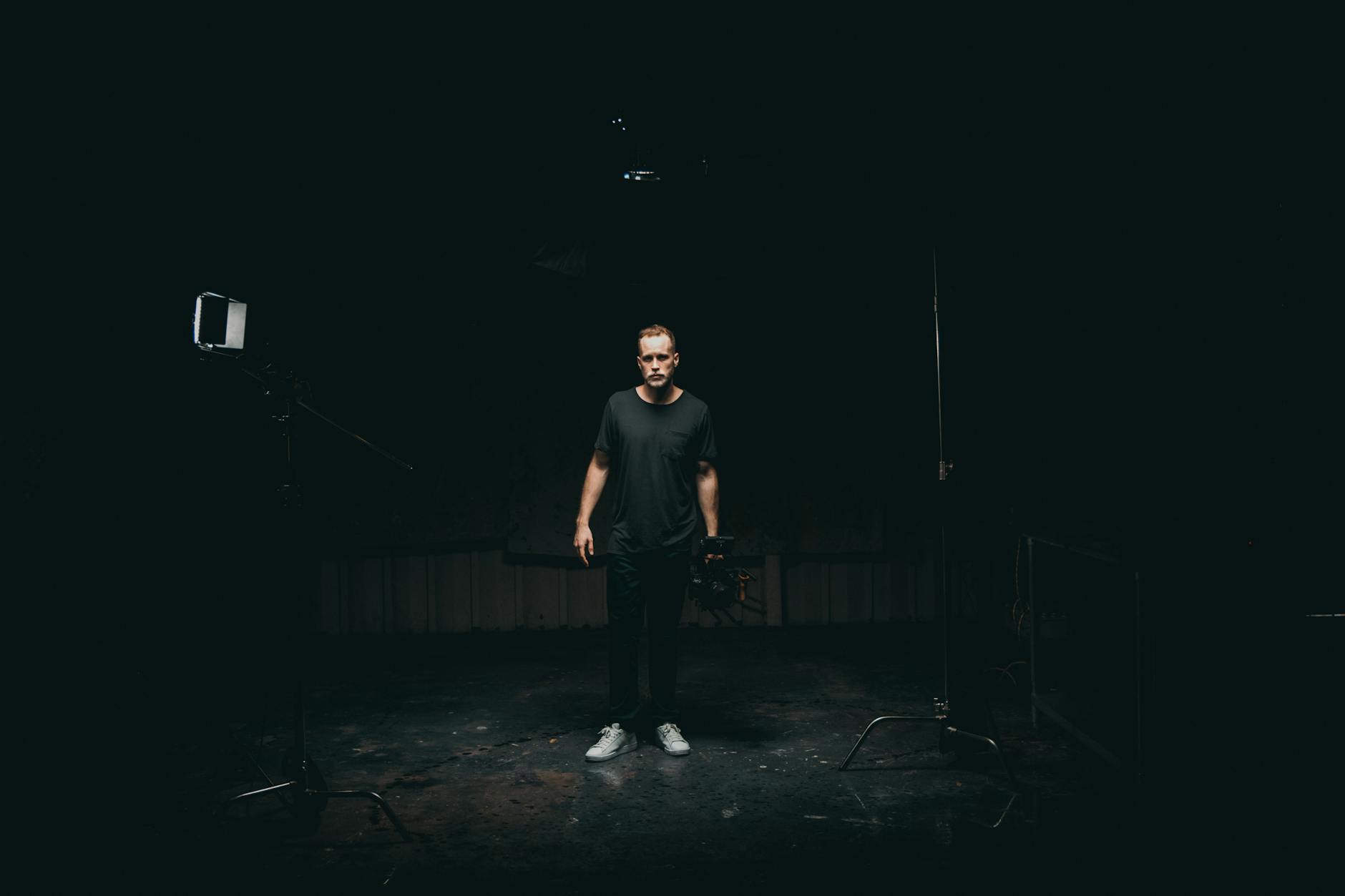
Software solutions dedicated to video encoding, streaming management, and real-time switching provide production teams with control and flexibility. These platforms enable multi-camera switching, graphics overlay, and live subtitles, enriching the broadcast with professional polish. Redundant systems and backup power supplies are also crucial to mitigate risks related to hardware failures, ensuring the event proceeds smoothly regardless of technical hiccups.
Network and Connectivity Considerations
- Bandwidth: Sufficient upload speeds are necessary to transmit high-quality streams without buffering or lag.
- Network Stability: Multiple failovers and redundant connections prevent disruptions caused by network outages.
- Latency: Low latency configurations are vital for real-time audience interaction and seamless live switching.
Optimizing these elements requires a comprehensive understanding of both local infrastructure and the specific demands of each event. Working with experienced production teams ensures that all technological prerequisites are met, thereby delivering a stable and engaging streaming experience.
Advanced Tools and Innovations
Emerging technologies such as 4K streaming, HDR (High Dynamic Range), and synchronized multi-source feeds expand the visual fidelity and production value of live streams. Virtual and augmented reality elements are increasingly incorporated into broadcasts to create immersive experiences for remote viewers. Additionally, cloud-based streaming solutions offer scalability and flexible deployment options, allowing large-scale events to manage high viewer volumes efficiently.
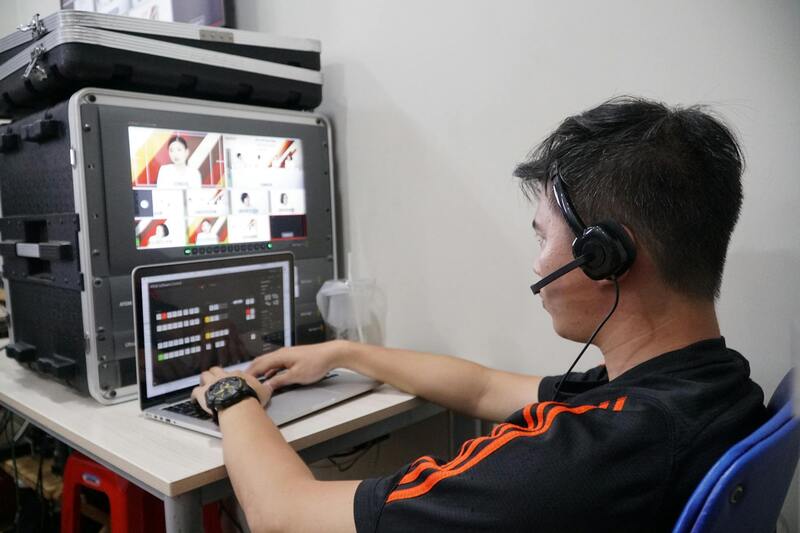
Leveraging these tools requires a strategic approach and technical expertise. Professional production providers in Miami not only maintain state-of-the-art equipment but also stay updated with industry advancements, ensuring clients benefit from the latest innovations in event streaming.
Understanding Event Streaming Production
Event streaming production involves meticulously orchestrating various technical components to deliver a seamless live broadcast. It requires a comprehensive understanding of both the infrastructure at the event venue and the technical requirements needed to transmit high-quality content across digital platforms. From the initial planning phases to post-event analysis, each step plays a critical role in ensuring a professional and engaging viewing experience.
At the core of effective event streaming production are key elements such as bandwidth management, robust network architecture, and latency control. Adequate bandwidth ensures that video and audio signals are transmitted smoothly without interruptions or quality degradation. Implementing redundant internet connections and failover systems minimizes the risk of disruptions caused by connectivity issues, maintaining the stream’s stability even amidst unforeseen network failures.
Latency reduction is crucial for maintaining real-time interaction, especially during Q&A sessions, live polls, or chat engagement. Technologies such as optimized encoding and adaptive streaming protocols help reduce delay, enabling audiences to respond instantaneously. This real-time responsiveness enhances engagement, making the live event feel more dynamic and interactive.
Incorporating advanced tools, such as 4K Ultra HD streaming, HDR (High Dynamic Range), and multi-camera synchronized feeds, significantly elevates the production quality. Virtual overlays, augmented reality (AR), and virtual sets are increasingly utilized to create immersive visual experiences that captivate viewers and add a layer of professionalism to the broadcast. Cloud-based streaming platforms offer scalability, effortlessly handling large viewer volumes without compromising on quality or stability.
Leveraging innovations in event streaming production demands strategic planning and technical expertise. Experienced production teams work diligently to adapt the latest technological advancements to each unique event, ensuring that every element—from internet connectivity to visual effects—is optimized for maximum impact. They also monitor the entire production process, troubleshooting issues swiftly to prevent any interruptions that could diminish the viewer experience.
Understanding and implementing the right combination of existing and emerging technologies form the backbone of a successful event streaming production. When these components are meticulously managed, the result is a broadcast that commands attention, delivers consistent quality, and leaves a lasting impression on remote audiences.
Critical Components for a Seamless On-Site Setup
Executing a professional event stream requires meticulous planning of the on-site setup, which is fundamental to achieving high-quality broadcast results. This process entails the strategic placement of camera rigs, audio equipment, lighting, and stable internet connections to ensure optimal performance throughout the event. Power sources must be reliable to prevent disruptions, and backup systems should be in place to handle unforeseen technical failures.
Setting up multiple camera angles allows for dynamic footage, providing viewers with varied perspectives that enhance engagement. High-definition cameras with pan-tilt-zoom capabilities enable smooth, precise movements that adapt to live action, ensuring comprehensive coverage. Synchronizing audio feeds with video streams is crucial for maintaining clarity and professionalism, particularly when capturing live interviews or panel discussions.
Managing cabling and signal pathways efficiently reduces clutter and minimizes the risk of technical hitches. Wireless transmission solutions, such as bonded cellular or Wi-Fi networks, are increasingly adopted to facilitate mobility and expand filming options without compromising signal integrity.
Workflow Optimization During Production
The production workflow encompasses various stages, from live camera operation and switching to real-time graphics and overlays. Skilled operators utilize professional video switchers and streaming hardware to seamlessly transition between shots and add visual elements that reinforce branding or thematic content.
The integration of real-time telemetry data ensures that streaming health remains optimal, with monitoring dashboards providing instant feedback on upload rates, viewer statistics, and system performance. This continuous oversight helps identify potential issues early, allowing for immediate intervention to prevent disruptions.
Furthermore, on-site technical teams coordinate closely with remote producers, ensuring that the broadcast aligns with planned timelines and content delivery standards. Preconfigured signal routing and redundant system checks streamline the production process, providing a robust framework for a consistent, high-quality output.
Advanced Streaming Infrastructure and Protocols
Modern event streaming production leverages sophisticated infrastructure, including high-speed internet connections, adaptive bitrate protocols, and reliable data centers. Adaptive bitrate streaming dynamically adjusts the quality of the stream according to viewers’ bandwidth, preventing buffering and ensuring accessibility across diverse devices and network conditions.
Secure transmission protocols, such as RTMP (Real-Time Messaging Protocol), HLS (HTTP Live Streaming), and SRT (Secure Reliable Transport), safeguard the integrity of the live feed while minimizing latency and packet loss. Employing multi-CDN (Content Delivery Network) configurations broadens content distribution, reducing the load on individual servers and enhancing streaming resilience during peak viewership.
Complementary hardware like encoders, decoders, and media servers further optimize the delivery pipeline, enabling seamless transition from captured footage to viewer screens. These components are critical for ensuring scalability, redundancy, and minimal latency in large-scale event broadcasts. Integrated monitoring tools enable proactive management of the entire streaming ecosystem, with real-time alerts facilitating prompt responses to any technical anomalies.
Understanding Event Streaming Production
Event streaming production encompasses a complex array of processes designed to deliver live content seamlessly to audiences across various digital platforms. This involves meticulous planning, advanced technological infrastructure, and expert coordination to ensure the live broadcast maintains high quality, stability, and security throughout the event. Successful production begins with a comprehensive understanding of the workflows involved and the tools needed to execute them effectively. Content creators and organizers must consider factors such as visual and audio fidelity, latency minimization, and viewer engagement when designing their streaming setup.
Central to effective event streaming production is the integration of specialized hardware and software solutions. High-performance encoders and media servers are employed to convert raw footage into streamable formats, ensuring optimal compatibility and minimal delay. Network considerations also play a pivotal role; utilizing dedicated high-bandwidth connections and redundant internet pathways bolsters stream stability. Technical teams often implement real-time monitoring systems to detect potential issues instantly, allowing for swift corrective action. This proactive approach minimizes disruptions and maintains a consistent viewing experience regardless of external factors.

Critical Components of Event Streaming Infrastructure
- High-speed internet connections capable of handling massive data loads with low latency.
- Adaptive bitrate streaming protocols that adjust quality based on viewer bandwidth, reducing buffering and ensuring accessibility across devices.
- Secure transmission protocols, such as RTMP, HLS, and SRT, that safeguard content integrity and enhance data security.
- Content Delivery Network (CDN) configurations that distribute streams globally, decreasing latency and reducing server load during peak traffic times.
- Robust hardware including encoders, decoders, and media servers for efficient content processing and delivery.
- Integrated monitoring and alert systems to oversee streaming health, quickly identify anomalies, and manage resource allocation effectively.
Maintaining Quality and Security in Live Event Streams
To uphold a high standard of broadcast, production teams must prioritize both quality assurance and security measures. Implementing end-to-end encryption methods ensures that content remains protected from unauthorized access, especially during sensitive or high-profile events. Additionally, employing multiple layers of redundancy guarantees uninterrupted service; for example, having backup internet connections and redundant encoding systems ready to deploy if primary sources fail.
Continuous quality assessment also involves real-time analytics to monitor stream stability, bandwidth usage, viewer engagement, and latency metrics. These insights help teams make informed adjustments and preempt potential issues. Furthermore, establishing clear procedures for troubleshooting common technical problems minimizes downtime and preserves the integrity of live content delivery.
Understanding Event Streaming Production
Event streaming production involves the orchestration of various technical and logistical components to ensure seamless delivery of live content to audiences globally. This process encompasses pre-production planning, equipment setup, live broadcasting, and post-event analysis, requiring meticulous coordination and expertise in media technology. The core of successful event streaming lies in the integration of high-quality video and audio encoding, robust data transmission protocols, and reliable platform distribution channels. Professionals in this field employ cutting-edge hardware and software tools that facilitate real-time content processing, ensuring minimal latency and high stability, even during high-traffic periods. The infrastructure must balance technical capabilities with scalability to adapt to different event sizes and audience demands. Additionally, producing engaging and visually appealing content mandates careful attention to framing, camera angles, lighting, and audio clarity, all synchronized through sophisticated production workflows.
Image Placeholder:
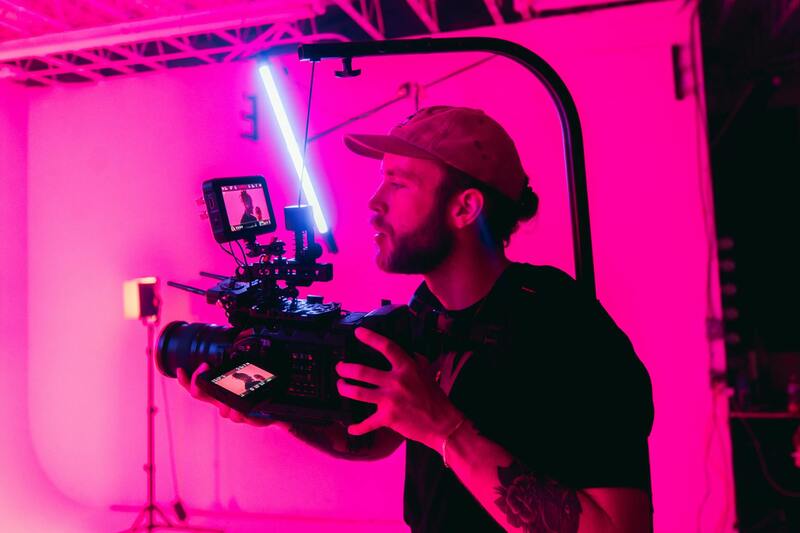
Types of Live Stream Events
Within the spectrum of live streaming, diverse event categories require tailored approaches for optimal presentation and viewer engagement. Corporate conferences and webinars necessitate high-definition visuals coupled with real-time interaction tools such as live chat and Q&A sessions. Concerts and entertainment events prioritize cinematic visuals with multi-camera angles, dynamic graphics, and multi-channel audio. Sports broadcasts demand ultra-low latency streaming to preserve the immediacy of play-by-play action, often utilizing specialized encoding and transmission standards. Religious services and community events often integrate both live streaming and on-demand options to reach broader audiences. Additionally, product launches and marketing events leverage high-impact visuals and synchronized branding elements to maximize promotional impact. Each type of event presents its unique technical and creative requirements, which must be meticulously planned and executed to deliver a compelling viewing experience across digital platforms.
Equipment and Technology Essentials
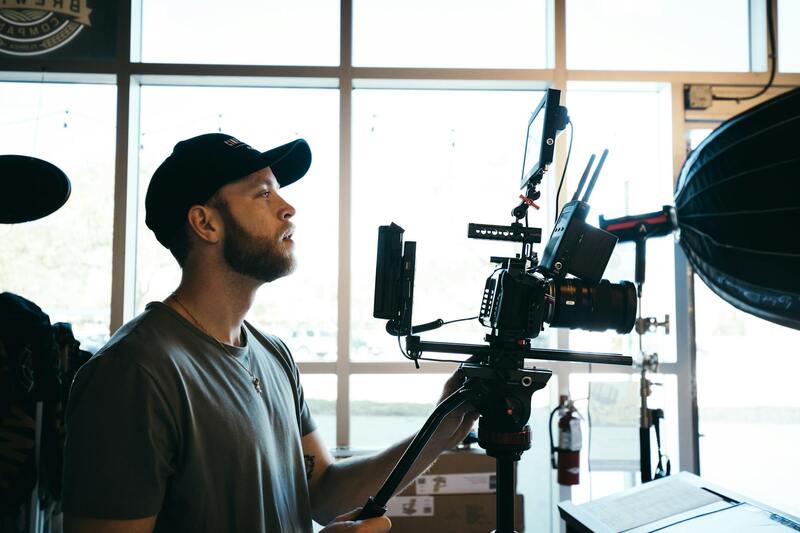
Successful event streaming production relies on an array of essential hardware and software tools that facilitate the capture, encoding, transmission, and playback of live content. Central to this setup are professional-grade cameras capable of capturing high-resolution video with low latency, complemented by audio equipment that ensures crystal-clear sound. Video encoders convert raw footage into compressed digital streams suitable for internet delivery, with hardware encoders providing higher reliability than software-based alternatives. Media servers handle live switching, graphics overlay, and multi-source integration, delivering dynamic content to viewers. Content Delivery Networks (CDNs) play a crucial role in distributing streams efficiently by caching content closer to end-users, thereby reducing latency and server load. Additional tools such as live switching software, streaming platforms, and monitoring dashboards enable real-time control and quality assurance throughout the broadcast. Redundant systems, including backup encoders and internet connections, are incorporated to safeguard against potential disruptions, maintaining stream continuity and professionalism.
Image Placeholder:
Planning and Pre-Production Processes
Thorough planning forms the backbone of a successful live stream event. It begins with defining clear objectives, target audience engagement strategies, and technical requirements aligned with the event’s scope. Pre-production includes developing a detailed production plan that outlines camera placements, shot lists, graphics integration, and audio requirements. Content scheduling ensures seamless transitions and timing for live segments, rehearsals, and contingency procedures. Technical rehearsals are critical to identify potential issues with equipment, connectivity, and platform compatibility, allowing for adjustments before the live event. Coordination among production crew members, including camera operators, sound engineers, and technical directors, ensures everyone understands their role and responsibilities. Secure and reliable internet connections are tested and optimized, often employing dedicated bandwidth to prevent interruptions. Additionally, creating backup plans and troubleshooting protocols equips the team to handle unforeseen technical challenges during the live broadcast. This meticulous preparation guarantees a smooth, professional streaming experience that meets audience expectations and enhances brand reputation.
Post-Event Content Management and Analysis
After the live event concludes, the focus shifts to managing content archives and gathering insights for future improvements. Recorded streams are stored securely, with metadata, annotations, and highlights organized for easy access and on-demand distribution. Post-event analysis involves evaluating broadcast quality metrics such as viewer engagement, stream stability, buffer rates, and latency, supported by comprehensive analytics tools. These insights reveal viewer preferences and peak engagement periods, guiding content strategy adjustments for upcoming productions. Feedback from viewers and clients is also collected to assess satisfaction levels and identify areas for enhancement. Moreover, repurposing event footage for promotional clips, social media snippets, or educational content extends the event’s value and reach. Proper documentation of technical performance, lessons learned, and stakeholder feedback ensures continuous refinement of production workflows. Ultimately, effective post-event management sustains audience interest and supports ongoing growth in event streaming production capabilities.
Understanding Event Streaming Production
Event streaming production involves a complex integration of technology, planning, and execution to deliver real-time video content to audiences across various platforms. Unlike traditional broadcasting, live streaming requires meticulous coordination to ensure seamless delivery of high-quality video and audio, accounting for dynamic factors such as network conditions, viewer engagement, and technical contingencies. To achieve professional results, production teams utilize advanced hardware and software solutions, including professional cameras, encoders, and streaming management tools, that work in harmony to optimize the viewer experience. These systems are configured to handle high data throughput, minimize latency, and ensure reliable delivery during peak viewership times. The entire process starts with comprehensive planning, agreeing on technical specifications, content format, and scheduling, followed by on-site setup, live operation, and post-production procedures. The combination of strategic planning and technical expertise ensures that event streaming production fulfills its goal of delivering impactful, engaging content that meets the expectations of diverse audiences and maximizes brand exposure.
Types of Live Stream Events
Live streaming events vary widely based on audience size, format, and purpose. Corporate webinars and product launches focus on engaging stakeholders with polished presentation and interactive features. Conferences and seminars often require multiple camera angles, integrated presentation slides, and real-time audience interaction. Entertainment events such as concerts, festivals, and theater performances demand high-end audiovisual setups combined with multi-camera feeds for immersive viewing. Sports events necessitate ultra-reliable streams with minimal latency to ensure real-time viewer engagement and accurate coverage of fast-paced action. Additionally, community or religious gatherings benefit from scalable streaming solutions that accommodate fluctuating attendance and provide accessible platforms for diverse viewer demographics. Regardless of the event type, tailoring the production approach to suit the specific content and audience expectations is key to delivering a successful live stream experience.
Equipment and Technology Essentials
Executing a professional live stream hinges on robust hardware and software infrastructure. Essential equipment includes high-definition cameras capable of capturing clear visuals from multiple angles, professional-grade microphones for crisp audio, and reliable encoders that convert raw footage into streaming-compatible formats. A secure and high-capacity internet connection is crucial, with optimal bandwidth to handle simultaneous streams without interruptions. For complex productions, switchers allow dynamic switching between camera feeds, overlays, and graphics, adding a broadcast-quality touch. Additionally, streaming platforms and content delivery networks (CDNs) serve as vital tools for distributing content efficiently and reducing latency. Backup systems, such as secondary internet connections and redundant hardware, safeguard against unforeseen technical issues. As technology continues to evolve, integration of cloud-based solutions and automated production tools further enhance flexibility, scalability, and overall production quality.

Advanced Techniques and Future Trends in Event Streaming Production
As live streaming technology advances, production teams increasingly incorporate emerging strategies and tools to enhance the viewer experience and streamline workflows. Understanding these innovations can elevate the quality and efficiency of event coverage, ensuring a seamless broadcast from start to finish.
Utilization of Cloud-Based Production Tools
Cloud platforms are transforming live event streaming by enabling remote access, real-time collaboration, and scalable infrastructure. Cloud-based switching, editing, and graphics integration allow production teams to operate from diverse locations, reducing the need for extensive onsite hardware. This approach not only increases flexibility but also enables rapid deployment and troubleshooting, minimizing disruptions during live broadcasts. Additionally, cloud storage solutions facilitate instant archiving and post-event content repurposing, providing a comprehensive digital ecosystem for event producers.
Artificial Intelligence and Automation in Streaming
Artificial intelligence (AI) is progressively being integrated into live streaming workflows to automate routine tasks, improve content quality, and personalize viewer engagement. AI-driven camera tracking systems can automatically follow speakers or performers, ensuring optimal framing without manual intervention. Speech recognition technology enables real-time captioning and translations, broadening accessibility. Moreover, AI algorithms analyze viewer data and engagement metrics, guiding content adjustments for future events and enhancing audience retention.
Enhanced Interactivity and Audience Engagement
Leveraging interactive features during live streams is essential for maintaining viewer interest and fostering community participation. Chat integrations, live polls, Q&A sessions, and augmented reality overlays create a dynamic environment that encourages active involvement. These tools not only improve the overall experience but also generate valuable data on viewer preferences, informing continuous content improvement.
Future Directions in Event Streaming Technology
Looking ahead, the development of 8K streaming and immersive virtual reality (VR) experiences promises to redefine live production standards. 8K resolution guarantees superior visual clarity, while VR integrations offer immersive viewers a 360-degree perspective, making remote attendees feel as if they are physically present. Additionally, advances in low-latency streaming technologies aim to create near-instantaneous broadcasts, crucial for interactive applications such as live auctions and real-time voting.

To successfully implement these forward-looking techniques, the collaboration with experienced production partners who stay abreast of technological advancements is essential. They can provide tailored solutions that integrate seamlessly with existing infrastructure while optimizing performance, scalability, and viewer engagement. In Miami’s vibrant event scene, such expertise ensures that every live stream aligns with the highest industry standards and audience expectations.