
Understanding Live Event Video Streaming
Live event video streaming has become an essential tool for modern event management, providing real-time broadcasting of events across digital platforms. This technology allows audiences to experience live performances, conferences, sports, and corporate gatherings remotely, ensuring broader reach and increased accessibility. By transmitting high-quality video feeds over the internet, organizers can engage viewers who cannot attend in person, thus expanding their audience base infinitely beyond physical limitations.
The primary purpose of live streaming is to deliver an immediate, seamless viewing experience that mimics the on-site atmosphere. It enables event organizers to maximize exposure, generate real-time interactions through chat and social media integration, and enhance audience engagement. Furthermore, live streaming serves as a valuable archive that can be repurposed for future content, marketing, and promotional activities. Whether for a large-scale concert or a corporate webinar, effective live event video streaming elevates the overall impact and professionalism of an event, positioning it within a competitive digital landscape.
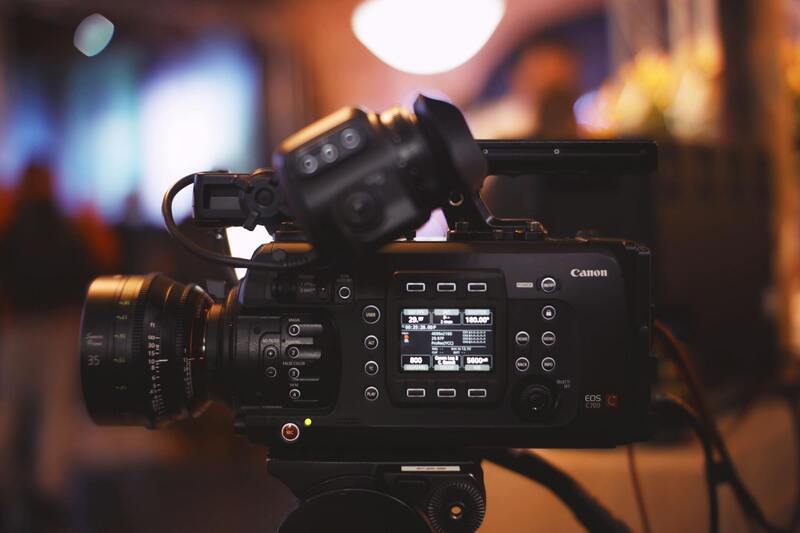
Implementing live streaming involves technical and logistical considerations. From setting up the appropriate equipment to choosing reliable streaming platforms, careful planning ensures a smooth delivery free of interruptions. The effectiveness of a live stream hinges on factors such as bandwidth stability, camera angles, and sound quality—all elements that contribute to a polished, compelling broadcast. Organizers must also coordinate with broadcast professionals to execute the stream flawlessly, often requiring a dedicated team for video production, sound engineering, and technical support. When executed correctly, live event video streaming transforms traditional event formats into dynamic, accessible experiences that resonate with diverse audiences and elevate the profile of any event or organization.
Understanding Live Event Video Streaming
Live event video streaming relies on a sophisticated integration of hardware, software, and network infrastructure to deliver high-quality broadcasts to viewers across multiple locations. At the core of a successful live stream are professional-grade cameras capable of capturing clear visuals from various angles, allowing production teams to create a dynamic viewing experience. Complementing these are encoder devices—either hardware-based or software solutions—that convert raw video signals into digital formats suitable for online streaming. This transformation process ensures compatibility with various streaming platforms and minimizes latency, which is crucial for real-time audience engagement.
High-bandwidth and stable internet connections are indispensable for uninterrupted streaming. This is especially true during events that involve multiple camera feeds and high-definition outputs, where any fluctuation in network stability could lead to buffering or quality degradation. To mitigate these issues, event organizers often utilize dedicated internet lines or bonded connection solutions that aggregate bandwidth from multiple sources, ensuring consistent delivery.
The selection of appropriate streaming platforms forms a pivotal part of live event video streaming. These platforms provide the infrastructure to host, broadcast, and distribute content securely. They also offer tools for live chat, viewer analytics, and in-stream engagement, facilitating a richer interaction between organizers and audiences. When choosing a platform, considerations include scalability to handle peak viewer loads, compatibility with different devices, and support for adaptive bitrate streaming, which adjusts video quality based on the viewer’s network speed.
Ensuring a robust technical setup demands meticulous planning and coordination among production staff, which include camera operators, sound engineers, and technical support personnel. Each plays a critical role in maintaining the clarity of visuals and audio, ensuring synchronization across all feeds, and troubleshooting technical issues in real-time. The complexity of this setup underscores the importance of involving experienced professionals who understand the intricacies of live streaming operations. In addition to the hardware and platform selection, pre-event testing is vital to identify potential issues before going live. This encompasses running comprehensive checks of all equipment, verifying internet stability, and rehearsing the coordination of camera switching, audio levels, and on-screen graphics. Such preparations help guarantee a smooth streaming experience, allowing the event to proceed without technical disruptions.
Understanding Live Event Video Streaming
Live event video streaming has transformed how audiences experience events, enabling real-time access regardless of geographic location. To ensure high-quality broadcasts, organizers must understand the essential components involved in delivering seamless live streams. Central to this is selecting reliable streaming platforms that offer scalability to accommodate fluctuating viewer numbers, compatibility with various devices such as smartphones, tablets, and desktops, and support for adaptive bitrate streaming that adjusts video quality dynamically based on individual user network speeds.
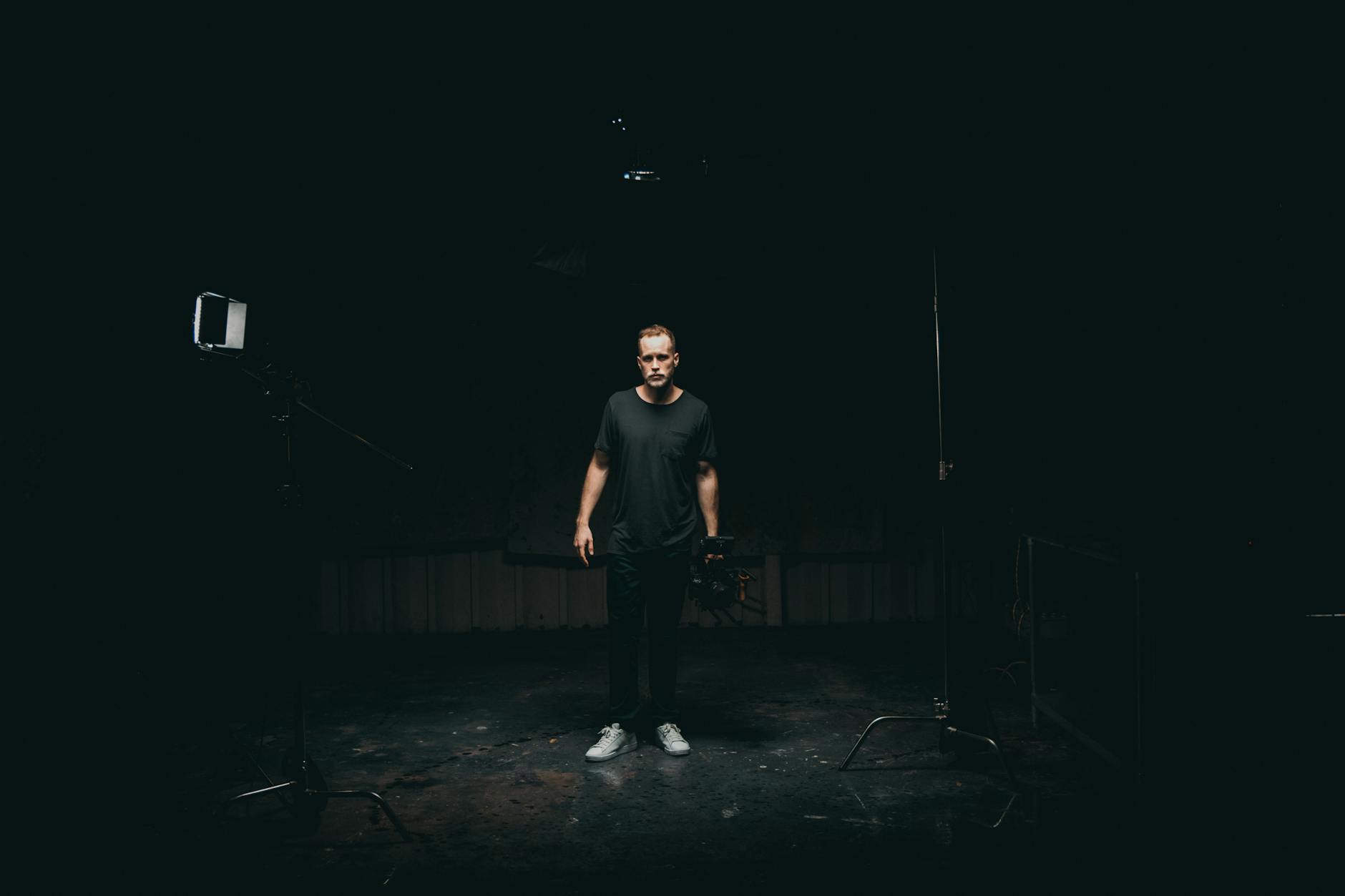
At the core of a successful live stream are high-quality cameras and professional encoders. These tools capture visual content in crisp resolution and convert it into digital signals suitable for internet transmission. The choice of equipment significantly influences the clarity and stability of the broadcast. A robust setup often includes multiple camera angles to provide dynamic viewing experiences, along with professional-grade microphones to capture clear audio.
Ensuring a technically sound broadcast involves meticulous planning. It requires a team of skilled professionals, including camera operators, sound engineers, and technical support staff, all working cohesively. Their tasks include maintaining perfect synchronization of audio-visual elements, troubleshooting issues promptly, and managing the overall production workflow. The complexity of these operations highlights the importance of early preparation, rigorous testing, and rehearsals.

Pre-event testing plays a crucial role in the success of a live broadcast. It involves verifying the stability of internet connections, conducting comprehensive equipment checks, and running rehearsals to simulate the live experience. These measures help identify potential technical issues beforehand and facilitate adjustments that guarantee a smoother streaming experience. It is also essential to schedule backup plans, such as secondary internet connections and redundant hardware, to mitigate unexpected disruptions during the event.
Choosing the Right Infrastructure and Methods
- Content Delivery Networks (CDNs): Utilizing CDN services ensures efficient distribution of streams globally, reducing latency and buffering issues.
- Cloud-Based Streaming Platforms: These platforms offer flexible, scalable solutions that can handle varying event sizes without compromising quality.
- Secure Streaming Protocols: Employing encryption and secure streaming protocols protects content from unauthorized access and piracy.
In addition to hardware and platform choices, continuous monitoring during the live event is essential. This involves real-time tracking of stream health, viewer engagement metrics, and system performance. Immediate response to any anomalies prevents disruptions and maintains a high-quality viewing experience. The combination of advanced technology, professional expertise, and thorough preparation forms the foundation for successful live event video streaming.
Preparation for Seamless Streaming: Network and Camera Setup
Successful live event video streaming hinges on meticulous technical setup, with particular emphasis on network infrastructure and camera placement. A robust and high-capacity internet connection is paramount to prevent interruptions and ensure a consistent high-definition broadcast. Fiber-optic internet connections are often preferred for their reliability and speed, especially in venues with high attendee density or complex setups. Multiple internet sources should be considered to implement load balancing or redundant connections, minimizing the risk of outages that could disrupt the stream.
Camera positioning and configuration also influence the quality of the live feed. Strategic placement involves capturing key areas of the event, whether it's a stage, speaker, or audience. PTZ (pan-tilt-zoom) cameras offer flexibility for dynamic shots and remote operation, reducing the need for extensive crew. High-quality lenses and stable mounts prevent jittery footage, while multiple camera angles enable a more engaging viewer experience. Integrating these feeds seamlessly requires professional switchers and timing to transition between shots smoothly.
Managing Live Feeds and Transition Control
During the event, live feed management is critical. Trained operators monitor video feeds, adjusting camera angles in real-time based on the event’s flow. An efficient switching system allows for seamless transitions, focusing viewer attention on key moments. Audio management is equally important; clear sound mixing enhances overall broadcast quality. Technical staff should be prepared to troubleshoot issues instantly, whether it’s an audio delay, camera malfunction, or connectivity concern, ensuring continuous coverage without interruptions.
In addition to traditional broadcasting setups, emerging technologies such as wireless video transmission and remote camera operation expand flexibility and reduce physical constraints on event coverage. These methods enable capturing dynamic content from hard-to-reach areas, providing a comprehensive viewing experience. Proper integration of these elements with the core streaming infrastructure elevates the overall quality and professionalism of the broadcast.
Understanding Live Event Video Streaming
Live event video streaming has become a pivotal method for broadcasters seeking to reach audiences beyond physical venues. It involves transmitting real-time footage of an event via the internet, allowing viewers to experience it as it happens from anywhere with an internet connection. This method supports a variety of event types including conferences, concerts, sports competitions, and corporate presentations. Achieving a seamless live stream requires an intricate balance of technology, planning, and execution. Ensuring a reliable connection, high-quality video production, and minimal latency are fundamental to delivering a professional broadcast that meets audience expectations. For organizations looking to harness this technology, partnering with experts like miamiproductionexperts.net can streamline the process, providing comprehensive solutions tailored to specific event needs.
Key Technologies and Equipment
Executing a successful live stream hinges on deploying the right technological tools. Professional-grade cameras with high resolutions deliver crisp visuals, while multi-camera setups allow for varied perspectives that enhance viewer engagement. Video encoders convert raw footage into compressed streams compatible with internet delivery platforms. These encoders must support high bitrates and adaptive streaming protocols to ensure consistent quality regardless of changing network conditions. Reliable audio capture equipment, such as directional microphones and digital mixers, ensure sound clarity and synchronization. Furthermore, a robust internet connection—preferably wired—prevents interruptions and lowers latency. Backup solutions like redundant internet feeds, backup power supplies, and local storage provide safeguards against technical failures, maintaining a smooth broadcast throughout the event.
Emerging technologies further augment the streaming process. Wireless video transmitters enable cameras to operate in hard-to-reach spots, freeing operators from physical constraints. Remote camera control systems allow operators to manage multiple feeds from a centralized location, reducing manpower requirements and increasing flexibility. Stream switchers and real-time graphics overlays contribute to a dynamic viewer experience. All these elements come together through a centralized control room, where trained technicians coordinate the entire broadcast chain, ensuring technical integrity and a professional viewing experience.
Pre-Production Planning
Thorough pre-production planning is critical to the success of live event streaming. This phase involves detailed coordination among all stakeholders, including event organizers, production crews, and streaming service providers. Establishing a clear vision of the event’s flow helps determine camera placements, graphic overlays, and special effects. A comprehensive script and shot list should be prepared to guide camera operators and technical staff during the live broadcast. Technical rehearsals are essential for testing equipment, connectivity, and workflows, identifying potential issues before the event begins. Content security measures—such as secure login credentials and encryption protocols—must be implemented to protect the stream from unauthorized access. Additionally, plans for on-the-fly adjustments, like switching camera angles or incorporating audience reactions, should be prearranged to ensure real-time adaptability.
Streaming Setup and Execution
Setting up a live stream involves meticulous configuration and testing. Central to this is establishing a reliable internet connection capable of supporting the required upload speeds, often with redundancy in place. All video sources are connected to a control system that manages switching, overlays, and transitions. The streaming encoder transmits the processed feed to a content delivery network (CDN), which distributes it to viewers across various devices. During the event, constant monitoring of the stream’s performance is vital. Technical teams adjust camera angles and graphics in real time, responding swiftly to any technical issues or schedule changes. Audio levels are calibrated continuously to ensure clarity and balance. Troubleshooting protocols should be in place to address issues such as a dropped connection, video signal loss, or audio disruptions, minimizing viewer experience disruptions.
Understanding Live Event Video Streaming
Live event video streaming has become an essential component of modern event management, offering audiences worldwide the opportunity to engage with content in real time. Accurate and reliable streaming requires a deep understanding of both the technical infrastructure and the strategic considerations involved. This process involves not only capturing high-quality video and audio but also ensuring that the transmission is seamless, secure, and adaptable to various viewing platforms. Effective live streaming transforms static events into dynamic experiences, enabling real-time interaction, audience participation, and wider reach, all of which contribute significantly to the overall success of an event.
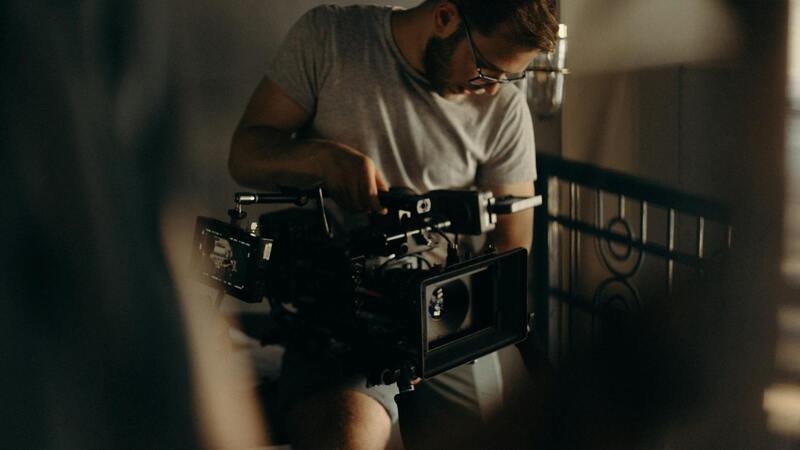
Critical to the success of live streaming is the selection of the correct technology stack, which combines cameras, encoders, streaming servers, and distribution networks. The use of professional-grade equipment ensures broadcast-quality video and audio, minimizing latency and buffering issues that can detract from viewer experience. Additionally, a robust internet connection forms the backbone of the entire operation; redundant internet links often serve as fail-safes to mitigate connectivity disruptions. Proper planning and execution of each step—from pre-production to post-event processing—are vital to delivering a flawless broadcast that captivates the virtual audience while maintaining technical integrity.
Key Technologies and Equipment
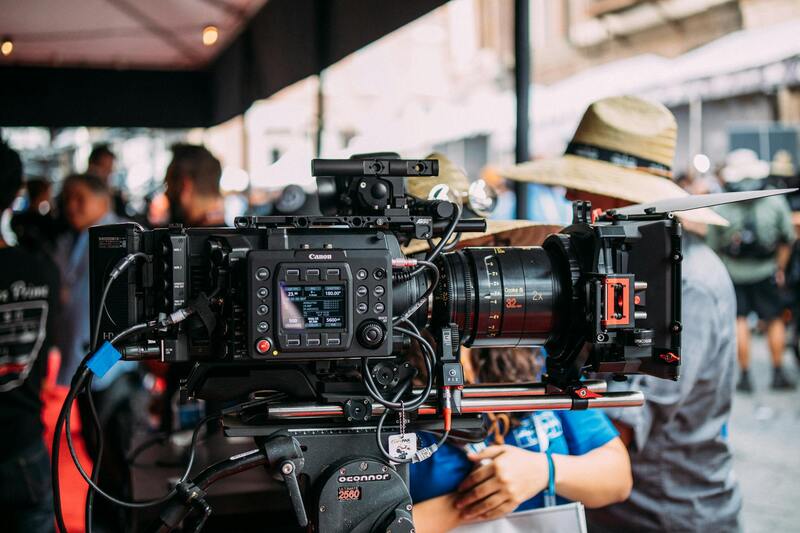
Implementing a successful live event stream depends on an array of specialized tools and technologies. High-definition cameras with versatile mounting options provide crisp visuals, while professional audio equipment ensures sound clarity. Video encoders convert the live feed into a digital format suitable for streaming, and hardware or software switchers enable smooth transitions between multiple camera angles. Content Delivery Networks (CDNs) are employed to distribute the live feed efficiently to viewers across different locations, minimizing latency and ensuring consistent quality regardless of the viewer’s device or bandwidth conditions.
- High-definition broadcast cameras
- Multi-channel video encoders
- Video switchers and mixers
- Reliable internet infrastructure with redundancy
- Secure streaming servers and CDNs
- Real-time monitoring and analytics tools
Pre-Production Planning
Effective live streaming begins well before the event commences. Pre-production involves defining the scope, setting clear objectives, and establishing a detailed plan that covers all technical, creative, and logistical elements. Content layout, camera positioning, and graphics are pre-planned to enhance visual storytelling and viewer engagement. Additionally, backup strategies are crucial; these include spare equipment, alternative internet routes, and contingency plans for common technical issues. Staff training and rehearsal sessions simulate real-time scenarios, allowing the team to identify potential gaps and refine processes. This meticulous preparation ensures that everything runs smoothly during the live broadcast and that technical hiccups are minimized.
Streaming Setup and Execution
Setting up a live stream demands precision and coordination among technical staff. Once all equipment is in place, connectivity is tested, and system configurations are finalized. During the event, the control center oversees the entire operation, monitoring the stream’s health, adjusting camera angles, and switching visuals as needed. Maintaining audio balance and synchronization is fundamental for delivering an immersive experience. Live producers should stay flexible, ready to implement on-the-fly adjustments, whether to accommodate unforeseen occurrences or to incorporate audience interactions. Constant monitoring enables rapid troubleshooting of issues such as signal loss or quality degradation, ensuring the stream remains stable throughout the event.
Understanding Live Event Video Streaming
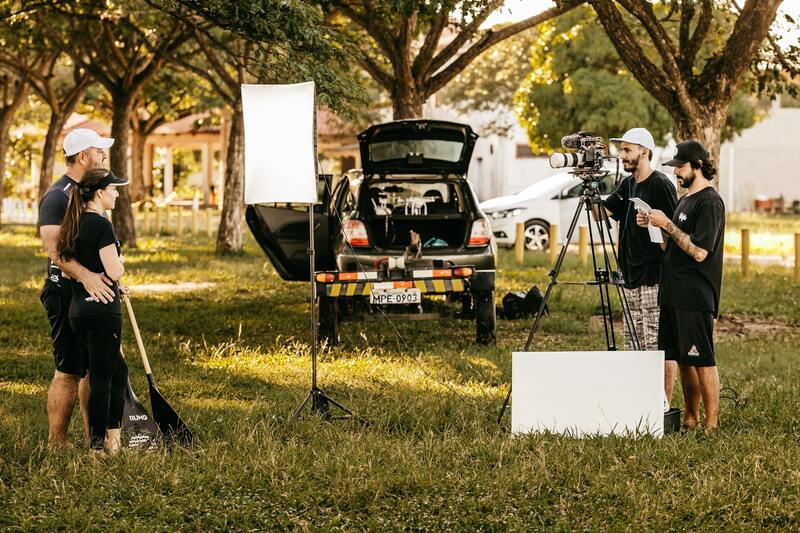
Live event video streaming has transformed the way audiences engage with concerts, conferences, sports events, and cultural festivals. By broadcasting content in real time over the internet, organizers can reach a geographically dispersed audience without the limitations of physical attendance. This dynamic method of content delivery not only broadens viewership but also allows for immediate interaction, enhancing overall event experience. Successful streaming hinges on the ability to deliver high-quality visuals and audio seamlessly, which requires meticulous planning, advanced technology, and reliable bandwidth. The integration of multiple camera feeds, professional audio systems, and real-time graphics enhances broadcast quality, ensuring viewers feel immersed in the live event. As technology advances, streaming platforms now support features like multi-angle views, instant replays, and interactive chat, enriching viewer engagement. Whether for small corporate gatherings or large-scale festivals, live streaming offers scalability and flexibility, making it an essential component of modern event management.
Key Technologies and Equipment
Implementing a successful live stream requires a suite of sophisticated technology and equipment designed to ensure reliability and high performance. Central to this setup are multiple high-definition cameras that provide varied angles and perspectives, allowing for a dynamic viewing experience. These are typically paired with professional-grade video switchers that enable real-time switching between camera feeds, ensuring a smooth flow of visuals. Audio quality is equally critical; high-fidelity microphones, often wireless, are used to capture clear sound, while audio mixers allow for precise balancing and effects. For encoding, hardware or software encoders convert raw video signals into streams compatible with internet delivery protocols, such as RTMP or HLS. To support streaming stability, high-bandwidth internet connections—preferably wired—are indispensable, supplemented by backup internet solutions like cellular hotspots or secondary networks. The deployment of real-time monitoring tools facilitates constant oversight of stream health, allowing technical teams to identify and resolve issues promptly.
Network Infrastructure
- High-capacity fiber optic or Ethernet connections for consistent upload speeds
- Redundant internet sources to mitigate connectivity disruptions
- Network switches and firewalls optimized for streaming traffic
Essential Peripherals
- High-definition cameras (PTZ or fixed models)
- Audio capture devices, including lapel and shotgun microphones
- Video switchers and mixers for real-time editing
- Encoding hardware or software solutions for stream management
- Streaming servers or platforms for content distribution
Pre-Production Planning
Precise pre-production planning is fundamental to the success of live event streaming. It begins with a comprehensive assessment of event content, venue layout, and technical requirements. Crafting a detailed storyboard or shot list helps direct camera operators and production staff, ensuring coverage of key moments and establish visual storytelling. Location surveys allow technicians to identify optimal camera positions, power sources, and internet access points. Content planning should also encompass graphics overlays, lower thirds, and branding elements that will be integrated during the broadcast. A dedicated scheduling timeline reinforces coordination among team members, specifying equipment setup times, rehearsal sessions, and contingency plans. Detailed checklists for testing all technical elements—such as audio levels, internet bandwidth, and streaming encoders—help prevent unexpected interruptions during the live broadcast. Additionally, rehearsals simulate the live environment, allowing staff to troubleshoot potential issues and refine their roles for smooth execution.
Streaming Setup and Execution
Careful setup and precise execution form the backbone of a successful live stream. Once equipment is installed, connectivity tests are performed to confirm stable internet links and proper interfacing between cameras, microphones, and encoders. During the event, a dedicated control room or production booth oversees the broadcast, with live operators managing camera switching, audio levels, and graphics integration. The operator team must stay alert for potential issues such as signal loss or audio desynchronization, ready with backup plans like alternative sources or manual interventions. Camera operators follow a predetermined shot list but must remain flexible to capture spontaneous moments, while the producer directs the overall flow and timing of visual feeds. Real-time monitoring dashboards display stream health metrics, ensuring any anomalies are addressed immediately. Adjustments—such as zooming in on significant moments or switching between angles—are executed seamlessly to maintain viewer engagement. Maintaining a professional and coordinated approach during setup and execution minimizes technical disruptions and maximizes broadcast quality.
Real-Time Troubleshooting
- Monitoring bandwidth consumption and stream stability
- Immediate resolution of audio-video sync issues
- Quick response to technical failures in equipment
- Using backup internet and equipment when necessary
Engagement and Interactive Features
Enhancing viewer engagement through interactive features is crucial in maximizing the reach and impact of live streams. Integrating live chat, Q&A sessions, and social media interactions cultivates a sense of community and encourages active participation. Broadcast overlays with viewer polls, real-time comments, and virtual applause provide immediate feedback, enriching the viewing experience. For events with significant interest, multi-platform streaming ensures accessibility across various devices and networks. Some streaming solutions offer augmented reality (AR) components or real-time captioning, making content more accessible and visually appealing. These features not only foster a deeper connection with the audience but also expand the event’s visibility through social sharing and discussion. Proper moderation and technical facilitation are essential to maintain a seamless interaction environment, preventing disruptions and ensuring a positive experience for viewers.
Audience Analytics
- Tracking viewer demographics and engagement metrics
- Analyzing peak viewing times and content preferences
- Adjusting content delivery based on audience feedback
Post-Stream Processing and Distribution
Following the live broadcast, the content becomes a valuable asset that can be repurposed for broader reach. Post-production editing involves trimming unnecessary segments, enhancing audio-visual quality, and adding supplemental graphics or subtitles. Recorded streams are often uploaded to on-demand platforms, social media, or official websites to extend the content’s lifespan and accessibility. Creating highlight reels or condensed versions enables easy sharing for promotional campaigns or future reference. Detailed analytics from the streaming platform inform organizers about viewer engagement, retention, and geographic distribution, guiding future content strategies. Additionally, embedding the recorded footage into a content library supports training, marketing, and archival purposes. Distributing the content through multiple channels ensures increased visibility, attracting a new audience segment while reinforcing the event’s message. Proper storage and cataloging of recordings are essential for easy retrieval and periodic repurposing.
Advanced Strategies for Maximizing the Impact of Live Event Video Streaming
Create a Comprehensive Content Distribution Plan
To extend the reach of a live broadcast effectively, organizers should develop a meticulous distribution strategy that encompasses various digital platforms and formats. This involves not only streaming the event live but also preparing supplementary content tailored for on-demand viewing. For instance, segments can be segmented into highlight reels, behind-the-scenes footage, and expert interviews that are edited and optimized for social media sharing.
Embedding the recorded streams into official websites and content management systems facilitates easy access for users seeking archived content. Consider integrating multimedia playlists that combine live footage with related promotional materials, thus creating a seamless viewing experience. This multi-channel approach ensures the event garners attention across different audience segments, enhancing visibility and engagement well beyond the initial live broadcast.
Implement Robust Quality Control Measures
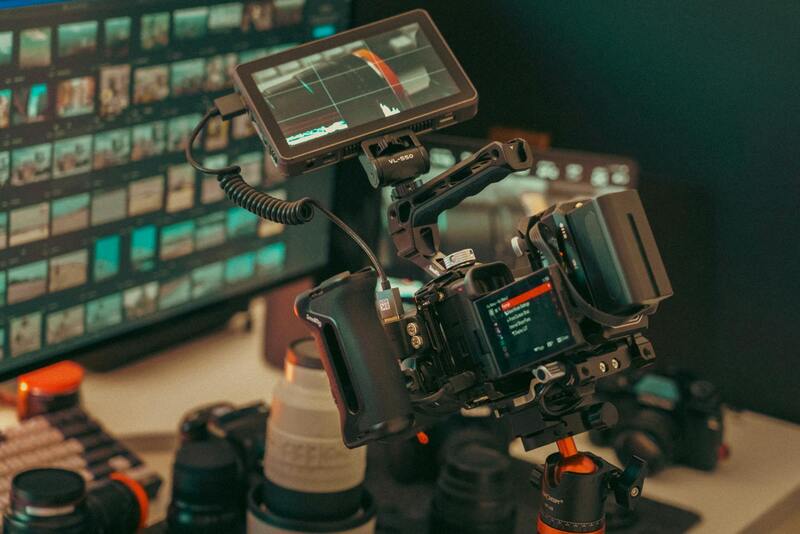
During the live streaming process, maintaining high-quality output is critical. This involves consistent monitoring of video and audio feeds to detect any issues such as buffering, pixelation, or sound interruptions. Utilizing real-time quality assessment tools enables technical teams to address problems proactively, minimizing viewer disruption.
Backup systems—such as redundant encoders, power supplies, and internet connections—should be in place to ensure continuous broadcast even if primary systems fail. Detailed pre-event testing is essential; this includes bandwidth evaluations, equipment calibration, and run-throughs with all involved personnel. Proper training on the streaming software and hardware further ensures smooth operation, reducing the risk of errors during the live event.
Leverage Audience Data for Continuous Improvement
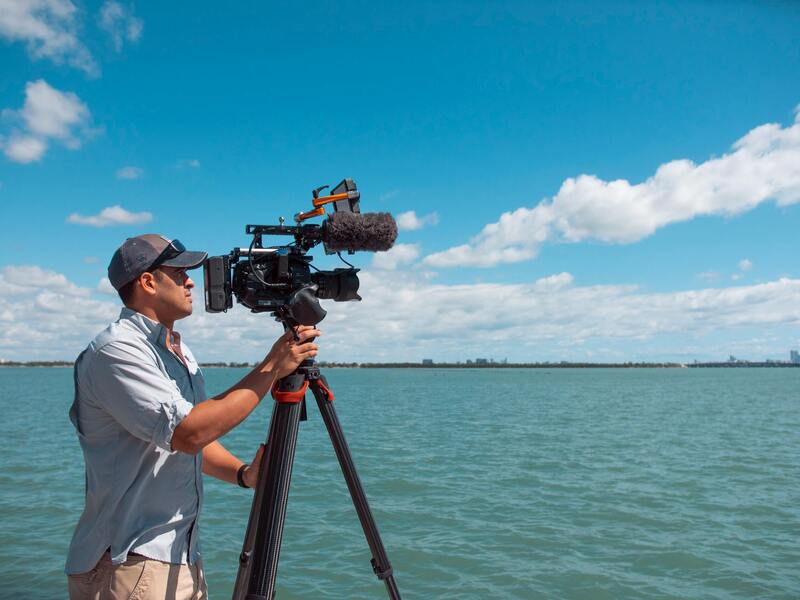
Post-event analytics offer valuable insights into viewer preferences and behaviors. Key metrics, such as peak concurrency times, geographic distribution, and engagement levels, provide a detailed understanding of how the audience interacts with the content. These insights are instrumental in refining future streaming endeavors.
Audience feedback can be gathered through surveys or integrated live polling features, providing immediate reactions that inform content adjustments. Regularly reviewing platform reports and user interactions supports a data-driven approach to selecting topics, broadcast timing, and presentation styles.
Furthermore, tracking how different content formats perform—such as full-length streams versus highlight clips—guides strategic decisions for content repurposing. This iterative process ensures each subsequent event is optimized for maximum reach, relevance, and viewer satisfaction.